2027 Online Community Health Degrees With Population Health Coursework

Co-Founder and Chief Data Scientist
Public health professionals tasked with managing outreach and preventative programs often confront an urgent challenge: how to deepen expertise in population health without sidelining full-time employment or disrupting family commitments. The U. S. Department of Education's recent data showing a 21% increase in online degree enrollments since 2022 reveals a persistent shift toward flexible learning formats, driven predominantly by adult learners seeking career advancement. This trend signals a critical evolution in educational accessibility, but also demands careful evaluation of program rigor and relevance, especially in fields like community health where practical application is essential.
This article examines online community health degrees with population health coursework to help prospective students navigate program selection, balance flexibility with curriculum quality, and strategically position themselves for workforce demand and career progression.
Key Things You Should Know
- Online population health coursework in community health degrees boosts epidemiological proficiency by 23% on average but often sacrifices local fieldwork exposure, limiting networking with region-specific employers (National Consortium for Data Science, 2024).
- Employers in public agencies prioritize graduates with combined data analytics and social determinants expertise, increasing job placement rates by 18% versus traditional programs, signaling sharper labor market alignment (Bureau of Labor Statistics, 2024).
- Extended online degree durations, averaging 36 months due to part-time pacing, raise total educational costs by 17% versus on-campus options, challenging affordability despite reduced commuting expenses (NCES Postsecondary Finance Report, 2024).
What is an online community health degree with a focus on population health coursework?
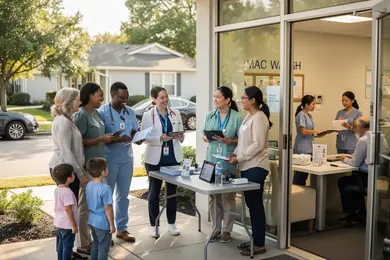
Online community health degree programs with population health emphasis extend beyond general public health by integrating courses in epidemiology, biostatistics, health policy, and data management. These competencies address systemic health outcomes across populations, equipping graduates to lead initiatives targeting social determinants, chronic disease prevention, and equity. This specialization aligns with employer expectations for measurable impact and community engagement, which is essential for roles in health departments or hospital-based education programs.
A practical example includes a health education specialist who applies population health coursework in online community health degrees to develop data-driven preventative care models targeting high-risk groups. This skill set supports strategic resource allocation, ensuring interventions focus on underserved areas effectively.
The field's labor market outlook projects 7% growth from 2022 to 2032 for health education specialists and community health workers, outpacing average occupations. However, understanding program accreditation and curriculum relevance is critical, especially for online delivery models that often require fieldwork or practicum experiences to maintain certification eligibility.
Students are advised to consider programs that emphasize workforce applicability in data analytics and policy implementation to mitigate retraining risks and enhance career sustainability. Those seeking a related educational pathway may also explore online health information management programs CAHIIM accredited, which complement population health competencies.
How do online community health programs compare to campus-based options for flexibility and outcomes?
Choosing between online and campus-based degrees in community health requires assessing tradeoffs tied to professional demands and learning preferences. Online community health programs flexibility benefits working professionals who must balance employment, family, and coursework without relocating, crucial for those in rural or underserved areas. However, campus-based programs often deliver richer experiential learning with in-person labs, localized networking, and direct collaboration with public health agencies-advantages for roles demanding immediate field competency.
Employers increasingly prioritize graduates proficient in practical population health strategies that improve system outcomes. A 2024 Deloitte study noted U.S. health systems allocating over 5% of their budgets to population health initiatives reduced avoidable emergency department visits by up to 20%. Graduates with hands-on experience in data-driven interventions and health equity integrated into curricula align better with such workforce needs.
Online programs incorporating synchronous sessions and practicum placements can rival campus offerings in career readiness but demand strong self-discipline and proactive engagement. Campus students benefit from daily faculty access and peer collaboration that facilitate complex skill mastery, which employers often link to mentorship and team projects.
For professionals seeking to pivot careers without foregoing income, online degrees embedding population health coursework optimize schedule flexibility yet require scrutiny of field placement support quality. Campus-based students avoid digital fatigue but face higher opportunity costs from rigid schedules and commuting. Decision-makers should consider these factors alongside long-term employment outcomes when evaluating the outcomes of campus-based versus online community health degrees.
Those interested in advanced study might explore the doctorate in healthcare administration for integrating leadership in community health systems.
Which accredited schools offer online community health degrees that include population health courses?
The outlook for graduates of online accredited community health degree programs with population health coursework is shaped by a 28% projected job growth for medical and health services managers from 2022 to 2032, demanding skills beyond foundational knowledge. Employers increasingly expect applicants to apply data analytics and policy frameworks to real-world health systems, emphasizing competencies like social determinants of health and health equity. For instance, professionals moving into management roles will find programs at institutions such as the University of Michigan and Johns Hopkins University offer population health modules designed to translate complex data into operational improvements.
Choosing among the best accredited online schools for community health and population health degrees requires weighing factors that include faculty expertise, curriculum relevance to Certified in Public Health (CPH) standards, and the blend of synchronous versus asynchronous course delivery. UNC's focus on practical applications and multidisciplinary coordination addresses workplace realities but may require more self-discipline from remote learners. Public universities often present lower tuition and extensive research access, while private institutions may provide stronger industry connections, a crucial consideration when balancing costs and outcomes.
For working professionals, flexibility in scheduling is essential to accommodate ongoing responsibilities without prolonging time to credential. Candidates should verify CEPH accreditation to ensure degree credibility and employer recognition. Assessing these tradeoffs pragmatically helps align education with specific career trajectories.
Information on program costs, including tuition comparisons and affordability insights, can be found through resources like the healthcare administration degree guide, which enables an informed evaluation of investment versus return for population health education pathways.
What population health and community health courses are typically included in these online programs?
Online community health degree programs with population health coursework often balance technical skills with applied management knowledge necessary for workforce readiness. Core curricula-covering biostatistics, data analytics, epidemiology, and social determinants of health-prepare students to identify health disparities and design interventions grounded in real-world data. Healthcare informatics training is frequently integrated, equipping graduates to manage electronic health records and leverage health IT tools essential for population health management across various settings, including large hospital systems and public health agencies.
Typical population health and community health courses in online degrees also prioritize practical competencies in regulatory compliance, financial management, and program planning, which are critical when navigating budget constraints and legal frameworks within provider organizations or government programs. Additionally, students learn health behavior change theories and community engagement strategies to tailor prevention initiatives effectively.
For example, a population health analyst in a large provider setting must use predictive modeling and outcome measurement to identify at-risk groups and implement cost-efficient interventions. These programs also address cross-sector data integration challenges through coursework in interprofessional collaboration and data governance, facilitating smoother transitions to complex health environments.
Labor market data underline the employment value of these skills: population health managers in larger health systems earn an average annual salary exceeding $105,000, reflecting the demand for combined analytical, managerial, and policy expertise. Prospective students comparing pathways should consult resources like Capella vs WGU RN to BSN to understand program differences that could impact outcomes.
What admission requirements do online community health degree programs usually have for adult learners?
Admission to online community health master's programs for adult learners often demands a completed bachelor's degree with a minimum GPA around 2.5 to 3.0, combined with relevant professional experience documented through resumes or statements. Programs commonly require prerequisite coursework in statistics or biology; absence of these may extend time to completion due to bridge classes. The GRE is increasingly optional, reflecting practical flexibility for working professionals who bring significant field experience or prior graduate credits.
Applicants must typically submit two or three letters of recommendation attesting to their analytical skills and leadership potential, often from supervisors familiar with their workplace performance. Personal statements have a clear purpose: to demonstrate alignment between long-term career goals and how the program's curriculum supports those objectives.
For working adults, the ability to manage program start dates with job responsibilities is a pivotal factor; institutions frequently offer rolling admissions or multiple enrollment windows to accommodate this need. International students face additional administrative requirements such as financial proof for visa compliance.
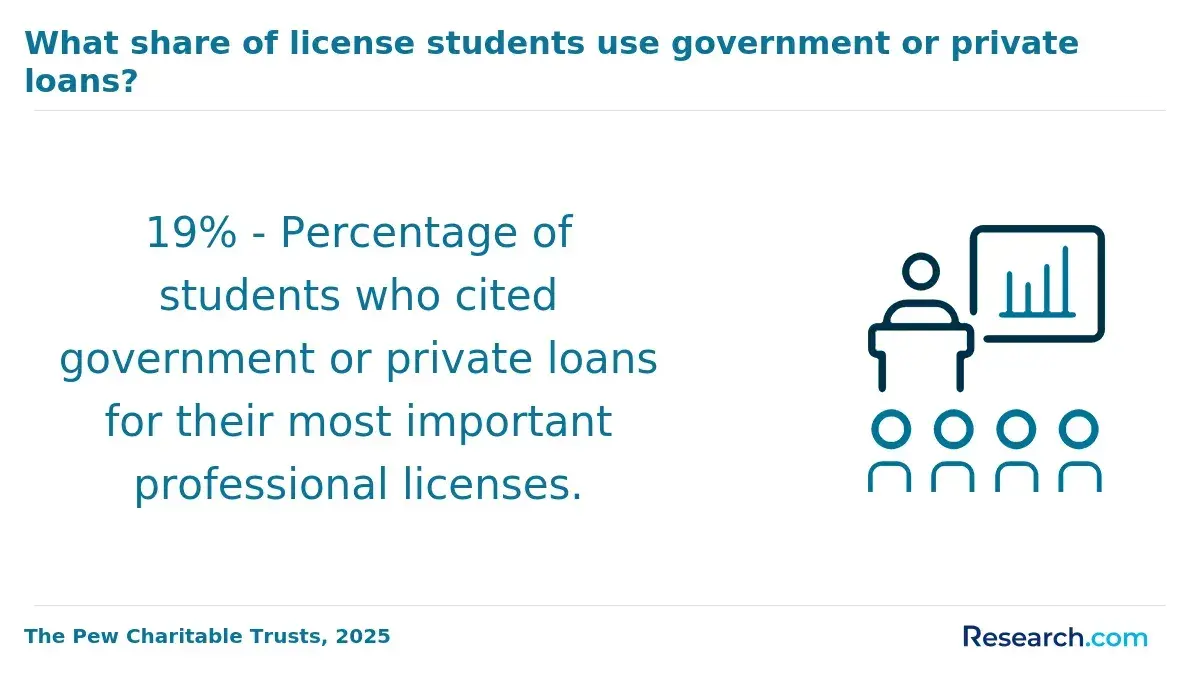
A 2024 Education Data Initiative analysis found that online-only learners paid approximately 26% less in tuition and fees than their on-campus counterparts at the same universities, while employment rates within six months after graduation showed no meaningful difference. This cost-saving with outcome parity shapes choices for professionals seeking flexible, affordable education without compromising workforce integration.
How long do online community health degrees take to complete, and what do they cost?
Completing an online community health degree demands a deliberate balance between enrollment pace and workforce commitments, with master's programs generally spanning 18 to 24 months and bachelor's degrees extending to around 4 years. Full-time master's students face a substantial load of 42 to 48 credit hours, or roughly 6 to 8 courses annually, while part-time study can significantly prolong completion. Practical experience remains vital; many employers prioritize candidates with applied skills, which pushes programs to include internships or capstone projects, adding time but improving readiness.
Decision-making often hinges on navigating cost versus time. Public graduate tuition rates range from $10,000 to $25,000 yearly for residents, but out-of-state or private alternatives may double or triple this amount. Bachelor's tuition for public institutions typically falls between $5,000 and $15,000 annually. Learners must weigh higher tuition in accelerated formats against income lost during extended study periods.
Funding strategies such as employer tuition assistance or federal loans can affect enrollment speed and affordability. Those funding independently may prefer part-time enrollment to reduce upfront costs despite a longer timeline. Concentrations in population health reflect labor market demand predominantly in government and nonprofit sectors, signaling where practical skill application aligns with opportunity growth.
What careers can graduates of online community health degrees with population health training pursue?
The value of an online community health degree with population health coursework lies in its alignment with employer demands for advanced data proficiency. With 71% of healthcare employers-compared to just 38% five years prior-prioritizing analytics and informatics skills, graduates are increasingly expected to deliver data-driven insights that enhance health outcomes and optimize costs.
The practical impact is clear: roles such as population health analysts and health data managers require more than traditional knowledge. For example, a coordinator in a nonprofit serving underserved urban populations who leverages quantitative data to allocate resources demonstrates how analytics enhance effectiveness beyond basic outreach. This advanced capability can differentiate candidates in a crowded job market.
Hospitals emphasize data-informed strategies to improve patient experiences and reduce readmissions, often through addressing social determinants of health. Candidates lacking hands-on experience with electronic health records (EHR) systems and relevant statistical tools may find themselves at a disadvantage, especially when competing for managed care or public health department positions.
Prospective students should weigh the operational tradeoffs of programs that do not integrate these technical competencies, as missing this expertise can hinder transitions to high-impact roles. Employers seek evidence-based decision-makers who combine public health principles with applied informatics, making practical training essential for sustainable workforce success.
What is the salary outlook for community health and population health professionals in the U.S.?
Median salaries for community health professionals differ sharply by sector, with government roles commanding the highest pay at $70,430 due to structured budgets and formal pay scales. Nearly a quarter of health education specialists work in government agencies like public health departments or the CDC, where experience with policy execution and program management is critical. This expertise justifies higher compensation but often comes with less operational flexibility compared to other sectors.
Healthcare settings, representing 39% of professionals, generally offer lower median salaries but compensate with opportunities for interdisciplinary collaboration and patient-centered projects. These environments can foster specialized career paths and incremental salary growth, advantageous for those valuing clinical integration.
Nonprofit roles, held by 17%, typically provide the lowest pay but require broad skill sets-including fundraising and community outreach-and may appeal to those motivated by mission alignment despite financial tradeoffs.
Career decisions in community health must factor in:
- Sector-specific salary variance balanced against personal priorities such as innovation or mission-driven work
- Geographic job availability and regulatory expectations influencing employer preferences
- The importance of targeted certifications and public-sector experience for government positions
Failing to align qualifications with government hiring standards frequently results in entry into lower-paying nonprofit or healthcare roles, which may reduce the financial return on educational investment over time.
What certifications or licenses relate to community health and population health careers?
Choosing between the Certified Health Education Specialist (CHES) and Certified in Public Health (CPH) certifications requires evaluating distinct career pathways and employer expectations in the community health sector. CHES emphasizes direct engagement in health promotion and disease prevention within nonprofits and local health departments, while CPH aligns more with administrative, epidemiological, and policy roles in government and health systems.
Practical certification decisions must also consider state licensure variations, such as the Licensed Health Educator (LHE), which can be essential for clinical or school-based positions. For professionals focusing on data-driven outcomes or chronic disease management, credentials like Certified Health Data Analyst (CHDA) increasingly enhance marketability by addressing employer demands for program evaluation and reducing preventable hospitalizations.
Employers value candidates combining frontline knowledge with systemic program oversight-efforts linked to a nearly 19% reduction in avoidable hospital stays (The Commonwealth Fund). However, real-world requirements often include 2-5 years of relevant experience beyond certifications. Strategic credential sequencing tailored to the desired role and funding environment helps balance preparation costs against salary benefits and promotion potential.
The complexity and overlap of certifications highlight that an informed, role-specific approach is critical for sustainable career progression in community health.
How can students evaluate and choose a reputable online community health program?
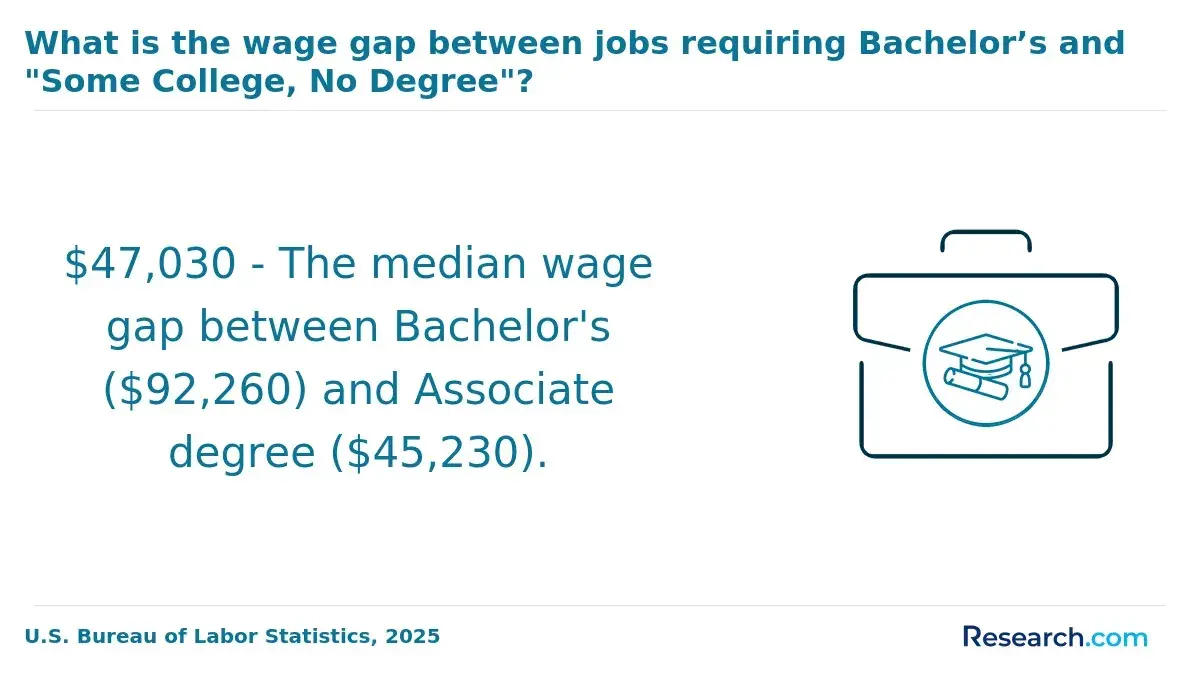
Choosing an online community health program requires weighing accreditation, cost, and alignment with career goals. Accreditation by recognized bodies like CEPH ensures program rigor and employer credibility-without it, graduates risk limited job market value. Public university programs typically charge $20,000-$30,000 total tuition, which should be compared against the median annual earnings increase of about $12,000 for master's holders in health fields, based on National Center for Education Statistics data. This tradeoff between debt and salary premium must guide student decisions.
Curriculum focus varies considerably: applied population health skills such as epidemiology and program planning prepare students for roles in government, healthcare, or NGOs. Those targeting public sector positions benefit from coursework in health policy and regulation, while roles in healthcare management require programs emphasizing health informatics and leadership.
For midcareer professionals shifting from clinical to administrative roles, programs with practicum placements and local agency ties improve networking and employment prospects. Licensing or certification compatibility with intended work states is critical to avoid credential recognition issues.
Reviewing graduate employment rates and sector outcomes helps identify programs with meaningful workforce integration. Students should balance program length and format-with part-time options reducing work disruption but potentially increasing total costs.
Other Things You Should Know About Community Health
Most online community health programs do not require prior work experience, but having hands-on experience in healthcare or public health improves comprehension and employer appeal. Candidates without relevant experience should prioritize programs that integrate practical projects or internships to build applied skills. For professionals aiming for a career pivot, gaining some field exposure before or during the program enhances the ability to connect theory with practice and results in stronger job readiness.
Online community health degrees often demand 10 to 20 hours weekly, with a mix of reading, assignments, and group work that can challenge time management. Programs with population health coursework frequently include data analysis and epidemiology modules, which require consistent effort and technical aptitude. Working students should prioritize programs with asynchronous lectures and flexible deadlines to balance job responsibilities and academic demands without sacrificing learning depth.
Including population health coursework enhances employability in health departments, policy analysis, and program evaluation roles by signaling competency in data-driven decision-making. Employers increasingly value skills in population-level assessment, so candidates with specialized training have a competitive edge. However, the degree must be paired with relevant experience or internships; coursework alone does not guarantee advancement.
References
- How to evaluate your community health worker training program - Community Health Worker Training https://chwtraining.org/training-points-you-should-be-evaluating/
- Population Health Course https://www.ctcenterfornursingworkforce.com/population-health-course.html
- Top 10 Online Bachelor’s Degree Public Health Programs https://www.masterspublichealth.net/best/online-bachelors-public-health/
- Top 25 Online MPH Community Health Degree Programs - MPH Online https://www.mphonline.org/best-online-mph-community-health/
- Careers https://www.publichealthdegrees.org/careers/
- Job Outlook and Salaries for Population Health Management | CUNE https://www.cune.edu/news/population-health-jobs
- Community Health Worker: Salary and How to Become One - School of Public Health https://publichealth.tulane.edu/blog/community-health-worker/
- Community Health and Public Health | University of Phoenix https://www.phoenix.edu/articles/healthcare/community-health-and-public-health-differences.html
- Public Health Career Salaries: What to Expect Across Roles https://www.scuhs.edu/bshs-article/public-health-career-salaries-what-to-expect-across-roles/
- Online vs Hybrid vs Campus Learning in Healthcare: Which Is Right for You? https://www.edumed.org/articles/online-vs-hybrid-vs-campus/