2027 Online Community Health Degrees With Strong Prevention Program Training

Co-Founder and Chief Data Scientist
Facing a tightly constrained schedule, many practitioners aiming to expand expertise in community health prevention struggle with balancing work, family, and education. The National Center for Education Statistics reports a 15% surge in enrollment among adult learners in online degree programs from 2022 to 2024, signaling a shift toward flexible learning models necessary for those managing multiple responsibilities. This trend highlights the growing demand for accessible, prevention-focused curricula that fit diverse lifestyles without sacrificing program rigor. This article evaluates online community health degree options with strong prevention training, helping prospective students identify programs that align with career goals and real-world constraints.
Key Things You Should Know
- Graduates from online community health degrees with prevention training report 15-20% slower job placement rates compared to clinical-focused peers, reflecting employer preferences for direct care experience in public health roles, per 2024 National Workforce Analytics.
- Employers increasingly prize certification in evidence-based prevention interventions alongside degrees, demanding integrated practical portfolios that purely academic online programs often lack, influencing hiring biases in local health departments and nonprofits.
- Programs averaging 18 months online mitigate opportunity costs but often neglect regional accreditation variations that impact federal grant eligibility, a critical factor for career-stage pivoters reliant on public funding streams, according to 2024 DOE reports.
What is an online community health degree with a prevention-focused curriculum?
Online community health degree programs with prevention training offer a focused skill set critical for roles that prioritize reducing disease risk across populations rather than direct treatment. Graduates commonly enter public health departments, nonprofits, or healthcare settings emphasizing health promotion and preventive frameworks tailored to measurable community impact.
The curriculum typically covers epidemiology, health behavior theories, environmental health, and data analysis, equipping students to design and evaluate interventions such as vaccination drives and chronic disease prevention. For example, a professional shifting from clinical care to community health promotion gains essential competencies in population-level strategy development not often found in purely clinical education.
These community health education degrees focused on prevention strategies must be assessed carefully for practical components like accreditation and practicum availability. Lack of sufficient hands-on placements can severely limit preparedness for workforce entry, especially since employers seek candidates proficient in evidence-based program planning and community engagement.
Balancing study with work is an ongoing challenge, so programs with flexible schedules that do not dilute methodological rigor are preferable. The majority of U.S. healthcare credentials offered at community colleges-influential providers of these degrees-underscore the accessibility and workforce responsiveness of prevention-focused training.
For those evaluating environmental health components or program quality, consult the best online environmental health and safety degree programs as a resource for relevant pathways.
How do online community health degrees compare with on-campus programs for prevention training?
Online community health degree benefits for prevention training hinge on balancing theoretical knowledge with experiential skill-building. While online and on-campus programs often share comparable curricula, the critical difference lies in hands-on engagement: on-campus formats facilitate immediate community interaction and supervised fieldwork, which are indispensable for roles like health educators and outreach coordinators working in rural or underserved areas. Employers prioritize applicants with verified practicum experience, presenting a notable challenge for online students who must independently secure these placements.
The U.S. Bureau of Labor Statistics projects 11% job growth through 2034 with approximately 7,800 annual openings in community health roles, emphasizing the advantage of graduates demonstrating applied prevention training. On-campus students benefit from structured partnerships with local agencies and live peer collaboration, while online learners depend on virtual simulations and self-directed fieldwork, which may lack the immediacy and mentor feedback critical for nuanced skill development.
A working professional pursuing a pivot must scrutinize how an online program incorporates mandatory practicum components and placement support to avoid stagnating due to incomplete experiential portfolios. Conversely, on-campus community health prevention programs face geographic and scheduling constraints that can impede degree progression. Prospective students might explore options like healthcare administration online to widen access and flexibility.
Which accreditations should online community health programs have for quality and credibility?
CEPH accreditation functions as a practical gatekeeper for employment and funding opportunities in public health sectors, directly influencing how online community health program accreditation standards affect career trajectories. Employers in governmental and nonprofit settings often require degrees from CEPH-accredited programs because this accreditation assures adherence to current prevention methodologies and data analytics frameworks aligned with the CDC. Without it, graduates may face limited prospects in fields like epidemiology or policy implementation.
Regions where state licensure depends on recognized credentials further elevate the importance of selecting institutions with both CEPH and regional accreditation. Programs lacking this dual recognition usually complicate credit transfers and exclude students from federal financial aid, imposing significant operational friction on pursuing community health degrees.
Consider a chronic disease prevention nonprofit filtering hires based on accreditation; candidates without CEPH-backed credentials rarely proceed past initial screening, regardless of experience. This accreditation-related gatekeeping translates into tangible salary differences-for example, alumni from the University of California, Berkeley's CEPH-accredited online Master of Public Health reported an average salary exceeding $110,000 in 2023, showcasing tangible economic returns tied to recognized credentials.
Students aiming to align education with employer expectations or licensing requirements must weigh accredited options carefully to avoid non-transferable credits and wasted investment. For those also comparing pathways, programs like masters in hospital administration present alternative, budget-conscious trajectories closely related to community health roles but embedded in healthcare system management.
Availability of reliable accreditation information and understanding recognized accreditation bodies for community health degrees are essential decision points that separate superficial credentialing from credentials with meaningful workforce value.
What courses and practicum experiences emphasize prevention and population health in these programs?
Programs emphasizing community health prevention course curriculum equip students with specialized knowledge in epidemiology, biostatistics, environmental health, and health behavior theory. These core elements enable graduates to identify risk factors and design targeted interventions crucial in areas like chronic disease prevention and infectious disease control. Such analytical skills align with workforce demands in public health departments and nonprofit organizations prioritizing population health outcomes.
Population health practicum training programs focus on immersive fieldwork where students engage directly with local health agencies. Practical tasks often include community needs assessments, educational outreach for vaccination uptake, and analyzing social determinants of health to refine prevention strategies. These hands-on experiences build competencies in evidence-based decision-making and program evaluation, critical for roles requiring immediate operational impact.
However, students must navigate logistical challenges in securing practicum placements tied to their geographic and career objectives, which may limit the diversity of practical exposure. Employers typically prefer hires who combine quantitative fluency with proven preventive frameworks, underscoring the need for strategically chosen practicum sites.
Financially, Southern New Hampshire University estimates tuition for a fully online BS in community health education at $42,480 for the full degree load, a relevant figure when considering return on investment in prevention-focused health careers.
For those comparing pathways, resources like Capella university vs WGU RN to BSN offer insight into alternative options within health education tracks.
What are the typical admission requirements for online community health bachelor's and master's programs?
Admissions for online community health bachelor's programs predominantly hinge on demonstrated academic readiness and relevant background rather than rigid standardized testing. While a high school diploma or GED is essential, many institutions have moved to test-optional policies, shifting the focus onto a cumulative GPA-often between 2.5 and 3.0-and meaningful experience such as volunteering or work in health-related roles. Submissions like personal statements are evaluated for genuine commitment and clarity of career intent.
For graduate-level online master's programs in community health or public health, the expectations tighten. Applicants must hold an accredited bachelor's degree with a GPA of 3.0 or above, provide prerequisite coursework in biology, statistics, or social sciences, and submit letters of recommendation attesting to both academic and professional capabilities. Relevant work experience, typically ranging from one to three years in related settings, plays a decisive role in admissions and signals readiness for advanced prevention-focused training.
Practical considerations often shape candidate decisions. For instance, working professionals assessing programs like Texas State University's online Master of Public Health - Community Health and Behavior must weigh tuition costs-approximately $21,019 in total at $500 per credit hour-against employer support and potential debt. Accreditation by bodies such as CEPH is critical, as it influences eligibility for certifications like the Certified Health Education Specialist (CHES), which employers increasingly require for roles centered on prevention.
How long do online community health degrees take, and what do they typically cost?
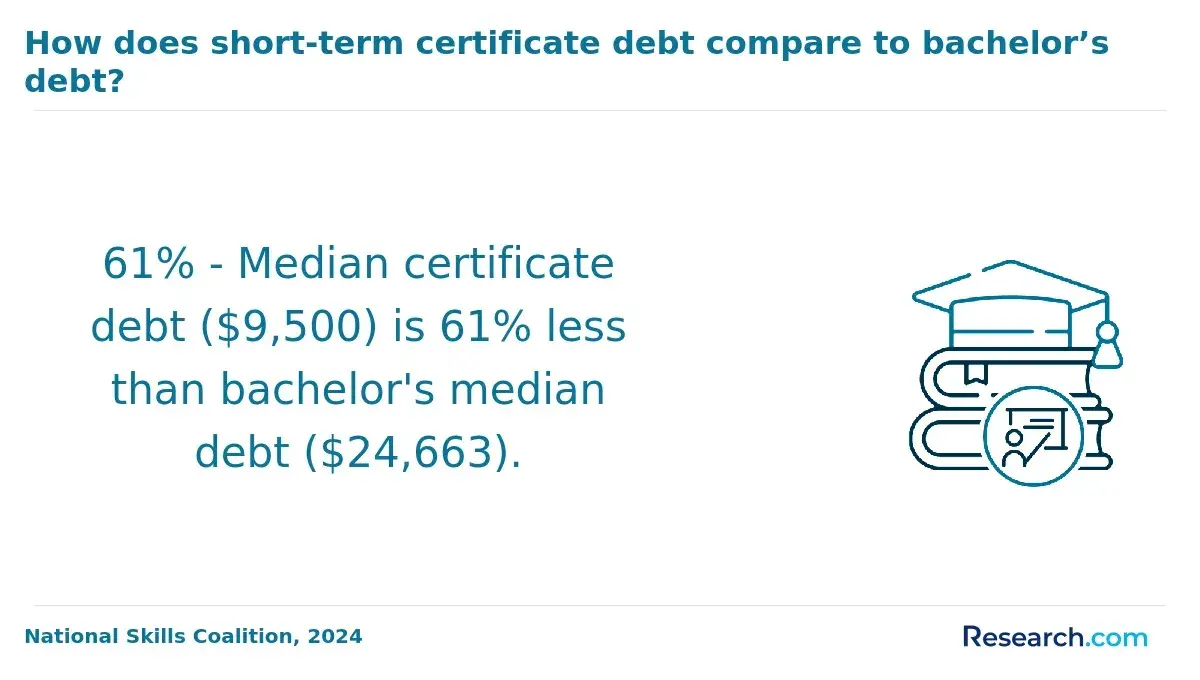
Opting for an associate, bachelor's, or master's degree in online community health requires balancing completion time, cost, and career objectives. Bachelor's degrees generally take four years and cost between $15,000 and $40,000, while shorter certificate programs focusing on prevention can be completed in several months part-time and range from $3,000 to $10,000.
For example, working professionals aiming to pivot quickly might choose a certificate like Clarkson College's Public Health Certificate, recognizing this path provides faster entry but limits access to leadership roles often reserved for degree holders. According to Clarkson College data, the job market for medical and health services managers is expanding rapidly (29% growth projected from 2023 to 2033), with a median wage around $110,680, signaling strong demand for specialized skills paired with existing credentials.
Employers typically favor accredited bachelor's or master's programs when recruiting for advanced positions, as these offer deeper subject mastery and broader career flexibility. Candidates should weigh:
- Time investment versus immediate job market entry
- Cost relative to long-term earning potential
- Level of credential required for desired roles
In sum, selecting a pathway hinges on realistic assessment of job expectations, salary ceilings, and the degree's role in unlocking leadership opportunities within community health.
What careers can graduates pursue in community health and prevention, and where do they work?
The practical value of a degree in community health and prevention hinges on navigating diverse employment environments with distinct demands. Graduates often fill roles such as health education specialists or wellness coordinators, where success depends on applied skills like data analysis, stakeholder engagement, and adapting programs to local contexts. For instance, working in a state health department might require creating targeted tobacco cessation initiatives for rural areas, necessitating an understanding of demographic nuances and limited resources.
Employment spans from government agencies focused on epidemiology and policy to nonprofits emphasizing cultural competence and grant writing. Each setting imposes tradeoffs: government roles often offer stability tied to public budgets but involve navigating complex regulatory frameworks, whereas nonprofit positions may prioritize community engagement over consistent funding streams. Corporate wellness programs demand hybrid skills aimed at enhancing productivity while reducing healthcare costs, blending health promotion with organizational strategy.
The U.S. Bureau of Labor Statistics projects 7% job growth for health education specialists through 2032, signaling steady demand amid rising competition, especially in urban centers. This environment requires candidates to develop strong communication skills alongside technical expertise. Online degree programs with robust prevention training can mitigate balancing work and study challenges, providing practical tools to address chronic disease prevention and emerging health threats.
What salary ranges and advancement opportunities exist for community health and prevention professionals?
Entry-level roles in community health and prevention usually offer salaries between $40,000 and $65,000 annually, primarily within public health agencies and nonprofits. However, advancing beyond this range requires more than tenure; it hinges on acquiring specialized prevention program training and credentials. Professionals leveraging accredited certificates or degrees often demonstrate tangible impacts on preventive care and disease management, making them prime candidates for mid-career salaries between $65,000 and $85,000, especially when paired with management duties.
Consider a prevention specialist in a regional public health department: by developing expertise in chronic disease prevention, they can transition into grant writing or epidemiology support positions, pushing salaries above $75,000. This shift, while financially beneficial, presents a tradeoff-balancing continuing education with full-time work is a practical and logistical challenge.
Employers increasingly expect data analysis, program evaluation, and community engagement alongside credentials, filtering upward mobility to those who proactively develop both hard skills and formal qualifications. Those without focused prevention training tend to remain in outreach roles with limited pay growth.
Investing in prevention-focused educational pathways extends eligibility for administrative or policy roles in government and large healthcare organizations, where salaries can exceed $100,000. This dynamic shapes workforce trajectories distinctly from sectors prioritizing degrees alone, underscoring the value of measurable program outcomes and practical experience.
Are there certifications or licenses that strengthen careers in community health prevention?
Certification and licensure in community health prevention are decisive factors shaping employability and role eligibility, especially when combined with graduate-level education. Credentials like Certified in Public Health (CPH) and Registered Environmental Health Specialist (REHS) licenses establish baseline expertise aligned with regulatory or employer expectations, often required for roles involving policy enforcement or environmental health interventions.
Advanced certifications such as Certified Health Education Specialist (CHES) and Master Certified Health Education Specialist (MCHES) validate specialized program planning and evaluation skills sought after in grant-funded and outreach positions. However, working professionals must weigh benefits against costs, including upfront fees, ongoing education requirements, and potential employer tuition support limitations.
An MPH degree with a prevention focus, exemplified by UC Berkeley's online program priced near $75,000, intensifies this investment, targeting leadership and data analytics roles with expanded salary potential. For example, transitioning from an entry-level outreach worker to an epidemiological program manager typically demands both a relevant certification and a recognized MPH to clear employer thresholds.
Operational realities also include state-specific licensing variations and continuing education mandates, which can impede workforce mobility and delay hiring if overlooked. Candidates pursuing sequential certification alongside or immediately after degree completion enhance readiness but must navigate these logistical complexities deliberately.
How can students choose a reputable online community health program that fits their goals?
Selecting an accredited online community health program requires more than convenience; it demands verifying regional accreditation and endorsements from bodies like the Council on Education for Public Health (CEPH) to ensure industry recognition. Programs focused narrowly on epidemiology, health promotion, and prevention science provide essential competencies aligned with employer needs, unlike generic health studies that dilute job readiness.
Practical experience is a decisive factor. A student aiming to work in urban non-profits must choose a program integrating community-based projects or internships with local organizations. Purely theoretical curricula limit skill acquisition and reduce employment opportunities where demonstrated hands-on work in underserved settings is prioritized.
Flexibility in delivery can accommodate working professionals but must not compromise academic rigor or access to timely feedback. Synchronous sessions and active faculty engagement tend to improve learning outcomes and professional networking compared to fully asynchronous formats.
Labor market data supports these considerations: the U.S. Bureau of Labor Statistics reports a median wage of $51,030 for community health workers with projected 11% growth through 2034. Prioritizing programs with measurable outcomes and strong job placement effectively bridges education and workforce demands, influencing both salary trajectories and career resilience.
Other Things You Should Know About Community Health
Balancing a 2027 online community health degree with full-time work can be challenging due to time management demands. Students need to navigate coursework deadlines and live sessions while maintaining their job responsibilities. Flexibility in scheduling and the asynchronous nature of online programs can help manage these challenges.
Degrees emphasizing prevention prepare graduates for specialized roles in health promotion, policy implementation, and chronic disease management, which currently see growing employer demand. However, this focus narrows career pathways, potentially limiting opportunities in general health administration or clinical roles. Candidates should weigh whether a prevention specialization matches their targeted job market or if a broader community health degree offers better flexibility for long-term career shifts.
Programs with diverse practicum placements provide practical experience essential for effective prevention work, gaining employer trust and enhancing job readiness. Prioritizing such programs is advisable because limited or homogeneous fieldwork experiences can restrict skill development and networking opportunities. Prospective students should verify whether practicum sites serve varied populations and prevention initiatives directly aligned with their career goals.
Recognition depends largely on program accreditation and demonstrated field experience rather than delivery format. Many public health agencies accept accredited online degrees if candidates show relevant prevention competencies and applied community engagement. Candidates should confirm that their chosen program meets employer criteria and emphasizes applied skills, as online degrees lacking robust practicum or local partnerships may face skepticism in competitive job markets.
References
- Health Care Accreditation, HEDIS® Measures & Quality Improvement - NCQA https://www.ncqa.org/
- Worried About Career Options? Here’s What You Can Do with a Health & Social Care Degree https://olceurope.com/blog/worried-about-career-options-here-s-what-you-can-do-with-a-health-social-care-degree
- Free Public Health Certification Courses Online | NextGenU.org https://nextgenu.org/courses-public-health/
- Health and Human Services: Campus & Online Degrees and Careers https://www.publichealthonline.org/human-services/online-degree-programs/
- Online Public Health Degrees: Find Your Program https://www.degreesforgood.org/online-degrees/public-health-programs/
- Top 25 Online MPH Community Health Degree Programs - MPH Online https://www.mphonline.org/best-online-mph-community-health/
- 15 Best Online Bachelor's in Public Health - Healthcare Administration Degree Programs https://www.healthcare-administration-degree.net/best/online-bachelors-in-public-health/
- Public Health Career Salaries: What to Expect Across Roles https://www.scuhs.edu/bshs-article/public-health-career-salaries-what-to-expect-across-roles/
- Community Health Worker Certification by Jurisdiction https://www.astho.org/topic/brief/community-health-worker-certification/
- How to Choose your Accreditation Body https://accreditation.ca/news/how-to-choose-your-accreditation-body/