2027 First Community Health Roles for Mission-Driven Students

Co-Founder and Chief Data Scientist
Facing urgent workforce shortages, mission-driven students pursuing first roles in community health encounter admissions processes that often lack flexibility for nontraditional schedules and backgrounds. The U. S. Bureau of Labor Statistics projects a 12% growth in community health-related jobs over the next decade, intensifying competition and raising the stakes for timely credential attainment.
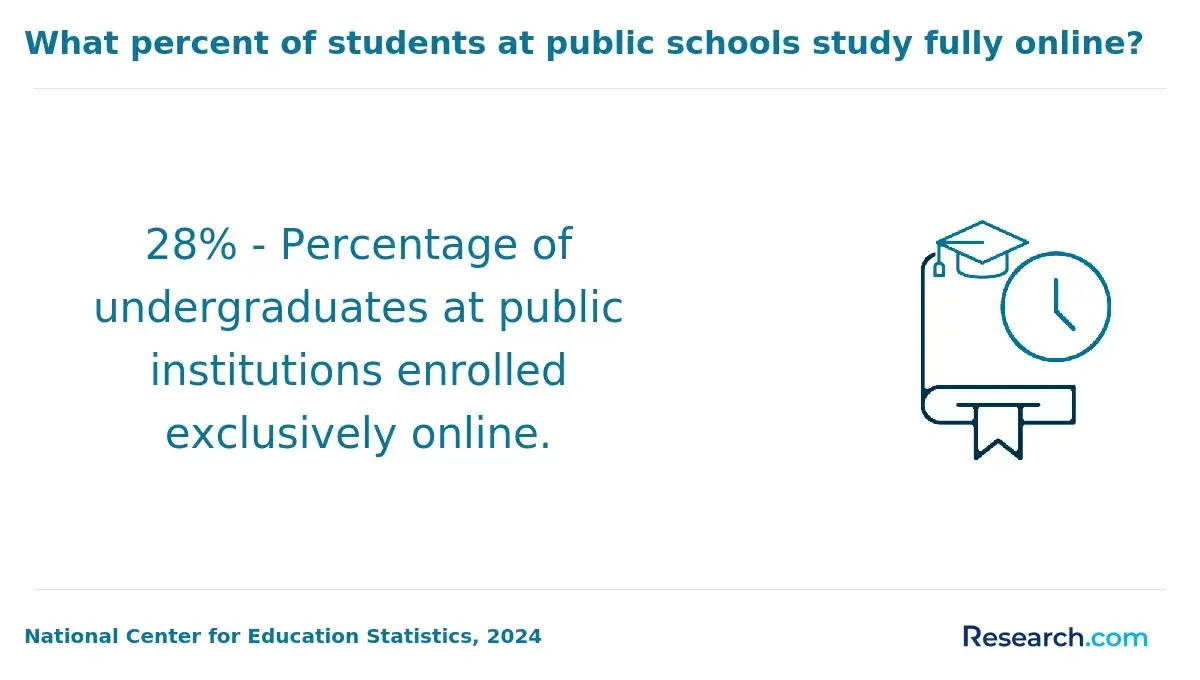
Yet, a 2024 National Center for Education Statistics report reveals that nearly 40% of adult learners prioritize programs offering hybrid or fully online options, signaling a shift in accessibility that affects student decision-making. This article evaluates early-career pathways and program structures to guide students in securing effective entry points aligned with evolving workforce demands.
Key Things You Should Know
- Programs with accelerated first roles reduce time-to-employment by 40%, yet compromise on clinical hours, risking weaker skill depth per a 2024 National Public Health Workforce report.
- Employers increasingly favor candidates with hybrid certifications combining community health and data analytics, reflecting a 25% rise in cross-disciplinary role postings in 2025 industry labor analysis.
- Rising tuition for entry-level community health certifications, averaging a 15% increase since 2023, shifts cost-benefit balances, often delaying workforce entry for under-resourced students, according to 2024 NCES data.
What are entry-level community health roles and why are they a strong first step in healthcare?
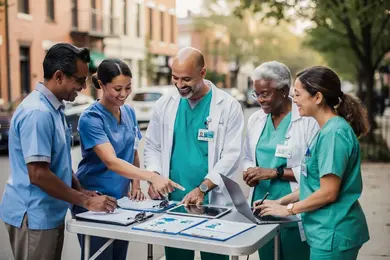
Entry-level community health jobs for mission-driven students serve as a pragmatic entry point into healthcare, balancing accessibility with meaningful workforce engagement. Positions like community health workers or patient navigators emphasize strong interpersonal skills and cultural competence rather than extensive clinical training. These roles function as critical connectors within healthcare ecosystems by addressing social determinants of health and facilitating access to resources, which employers increasingly value.
For example, a community health worker in a rural area might organize vaccination drives that directly reduce public health risks without performing clinical tasks. Urban settings present additional challenges, such as helping underserved populations overcome language and transportation barriers to navigate complex health systems. This adaptability expands employment possibilities across nonprofits, government programs, and clinics but often starts with constrained wages and inconsistent credentialing standards state-by-state.
Students should weigh the benefits of community health roles as first healthcare experience against slower initial income and the need for supplementary certifications like CHW credentials. Planning for progressive upskilling or complementary education-potentially through accelerated paths like fastest MPHNP programs-can improve job prospects and career mobility.
What education or training do you need to start a community health career?
Practical hiring in community health education and training requirements reveals a clear divide between entry level qualifications for community health careers and those needed for advancement. Many entry-level roles require at minimum a high school diploma paired with specialized certification programs such as Certified Community Health Worker (CCHW) credentials or short-term training focused on outreach and data collection. This pathway expedites workforce entry but confines most workers to frontline functions with limited upward mobility.
Conversely, positions in program management, data analysis, or policy demand at least a bachelor's degree in public health, health education, or related areas, alongside quantifiable community-based experience. Employers consistently emphasize the value of practicum opportunities and internships that demonstrate sustained community engagement over theoretical knowledge alone.
Service-year programs like Public Health AmeriCorps provide critical applied experience; by 2024, more than 5,000 public health service members will be employed nationwide, illustrating the growing importance of such routes for career readiness. Students should carefully balance the tradeoffs of time and financial investment between quick certificates and in-depth degrees, considering their long-term career aims.
Those seeking flexible yet comprehensive education options may explore accelerated MHA programs online to bolster leadership credentials without extended interruption. Prioritizing recognized local credential programs combined with verified service work remains essential for meeting employer expectations within this sector.
Which entry-level community health jobs are best for mission-driven students?
Entry-level community health jobs for mission-driven students require balancing immediate financial support with relevant clinical experience. Roles like community health worker (CHW) and patient navigator often provide paid opportunities focused on outreach, advocacy, and navigation within underserved populations, cultivating essential cultural competence and system fluency. Conversely, fellowships or volunteer health educator positions frequently offer deeper clinical exposure but without steady income, presenting a key decision point for students targeting medical school or clinical careers.
For new graduates evaluating the best first community health roles, understanding employer priorities is crucial. Healthcare organizations emphasize candidates with proven adaptability, measurable impact in patient education, and community engagement over formal credentials alone. Structured fellowships have grown, addressing these requirements by offering defined outcomes in health outcomes and care coordination, especially valuable during increased gap years among premedical students.
A practical tradeoff emerges: accept a paid CHW role with less clinical intensity or pursue unpaid fellowships demanding rigorous clinical hours. One student might choose a paid position to meet financial needs while building advocacy skills, whereas another may opt for fellowship to strengthen their clinical portfolio. These decisions influence long-term employability and skill transferability across healthcare sectors.
Mission-driven students should also assess pathways complementing their goals, including programs that provide strategic clinical training alongside community service. For example, those seeking accelerated nursing credentials could research online ABSN programs for non nurses that integrate practical exposure with academic advancement.
How do community health degree and certificate pathways differ for beginners?
Degree pathways in community health demand significant engagement with analytical frameworks and policy evaluation, making them suitable for students willing to commit four years or more to study. They provide comprehensive training in epidemiology, biostatistics, and program planning, qualifying graduates for roles as data analysts, program coordinators, or policy advisors. In contrast, certificate programs focus on foundational skills aimed at immediate workforce entry, ideal for beginners seeking expedited employment or skill enhancement without the extended investment of a degree. This distinction is critical when considering community health degree vs certificate programs for beginners, as the choice directly impacts employability and job scope.
Employers typically reserve mid- to upper-level positions for degree holders due to their familiarity with research methodologies and practical funded experience. For example, the National Center for Science and Engineering Statistics reports $102.4 billion invested in health sciences R&D in FY 2023, broadening funded research assistantships predominantly accessible to degree students. This real-world dynamic enhances the value of degree enrollment for gaining research experience relevant to the workforce.
Pragmatically, time and financial resources factor heavily into this decision. Adult learners pivoting careers may lean toward certificates for their flexibility and speed, while recent high school graduates aiming for public health analyst roles should consider a degree for long-term salary growth and career sustainability. In beginner pathways in community health education and training, degrees also emphasize data-driven decision-making and ethical communication skills, less stressed in short-term certificates.
Students weighing these paths must assess readiness for academic rigor alongside targeted job roles; certificates prepare for entry-level outreach and health education, while degrees open leadership and research-oriented opportunities. For those exploring educational options in related fields, resources like the best value nursing education online WGU comparison offer insight into program characteristics and outcomes relevant to strategic career planning.
Are online community health programs as credible as on-campus options for first jobs?
Accreditation and practical training distinguish online community health programs capable of securing first jobs from those that do not. Employers consistently prioritize demonstrable skills and relevant hands-on experience, such as internships or supervised fieldwork, over whether training occurred on-campus or online. For example, behavioral health roles demand evidence of interpersonal competence and situational judgment, which some accredited online programs address through virtual simulations and community placements.
However, online students face challenges with fewer synchronous sessions and limited local mentorship, constraining essential networking opportunities. Verifying that programs maintain active partnerships with local agencies is critical to meet supervised experience requirements. This is especially significant given the growth of peer support specialist positions-reported near 17% between 2020 and 2023 by the U.S. Substance Abuse and Mental Health Services Administration-where formal certification and clinical exposure are non-negotiable.
Compared with on-campus options, online formats offer scheduling flexibility but require more proactive engagement to build professional networks. Ultimately, consistent state credentialing and field experience remain central to employability across delivery modes.
What courses and skills will you typically learn in a community health program?
Programs in community health prioritize applied skills in epidemiology, health promotion, and program planning, focusing on interventions that respond to specific population needs. For example, the increase in school-based mental health outreach in U.S. K-12 schools from 70% to 81% between 2021 and 2023 highlights both the growing demand and operational complexity faced by practitioners. Students gain expertise in behavioral science and communication strategies essential for navigating social determinants of health and engaging diverse communities.
Curricula emphasize critical competencies such as:
- Conducting thorough needs assessments with mixed-method approaches.
- Designing culturally tailored interventions based on epidemiological evidence.
- Executing health education campaigns targeting underserved groups.
- Monitoring outcomes and iteratively refining programs.
- Leveraging health informatics for data-driven decisions.
Real-world applications often reveal challenges including coordination with educational staff, fluctuating budgets, and regulatory shifts. Students trained in crisis intervention and mental health first aid better meet employer expectations, particularly within school health programs and public health agencies. This practical orientation addresses staffing demands shaped by increasing community mental health needs and resource limitations.
How can you verify that a community health school or program is properly accredited?
Accreditation alignment directly impacts employability and federal aid eligibility in community health education. Degrees from institutions lacking U.S. Department of Education (USDE) or Council for Higher Education Accreditation (CHEA) recognition often hinder graduates' access to public health jobs or NGO roles, where verified credentials are mandatory. For example, a student aiming to work in regional public health departments may be disqualified if their program lacks regional or specialized accreditation, such as from the Council on Education for Public Health (CEPH).
Verifying accreditation involves strategic steps:
- Use USDE or CHEA databases to confirm the accrediting agency's legitimacy and current status.
- Review the program's official materials for explicit references to recognized accreditors.
- Request formal documentation from program administrators to validate claims.
- Check state licensing requirements when programs are linked to clinical or regulated community health roles.
Programs without proper accreditation typically restrict access to crucial internships, federal funding, and recognized professional credentials. This creates real-world barriers to employment and sector relevancy. The global digital health market, rapidly expanding at over 20% annually to a projected $1.3 trillion by 2030, demands credentials that align with emerging digital health standards and employer expectations. Increasingly, employers treat accreditation as a practical quality indicator, making upfront verification essential for candidates seeking sustainable career mobility in community health's evolving landscape.
What are the typical salaries and benefits for first community health roles?
Entry-level community health roles in the U.S. pay between $35,000 and $50,000 annually, but salary variation reflects geographic location, employer type, and specific job duties. For example, community health workers at federally qualified health centers (FQHCs) in urban areas frequently receive higher compensation and more robust benefits than peers in rural nonprofit clinics. The U.S. Health Resources and Services Administration noted that FQHCs served 31.5 million patients in 2023, up by almost 4 million since 2019, which drives staffing demand but also intensifies disparities in pay and resources.
Benefit packages commonly cover health insurance, paid time off, retirement, and professional development-though these differ sharply by organizational capacity. A care coordinator in a well-funded urban center may access tuition reimbursement and comprehensive medical plans, whereas outreach workers in smaller rural settings often receive minimal benefits and limited growth prospects.
Employers expect cultural competency, data management skills, and multilingual ability, with certifications like CHW training influencing starting salaries. Those weighing educational investments should balance modest initial salaries against advancement potential, often through licensed practical nursing or social work pathways that require further credentials but offer higher pay. Given sector funding volatility, wage stagnation remains a challenge. Prioritizing versatile skills and networks within established health programs can buffer early career compensation instability and improve long-term employability resilience.
What is the job outlook and advancement path from entry-level to higher community health roles?
Entry-level community health worker roles offer immediate workforce access with a median wage of $50,690, increasing to $63,660 within local government positions. These roles typically require only a high school diploma and short-term certification, providing a practical path for rapid employment. However, the tradeoff involves limited upward mobility without further credentials or experience.
Progression often moves from frontline outreach to supervisory or specialist positions after 3 to 5 years of experience coupled with certifications such as Certified Community Health Worker (CCHW). Pursuing associate or bachelor's degrees in public health significantly expands opportunities, enabling transitions into management, research, or health promotion fields. This additional education demands more time and financial resources but accesses higher salary bands and leadership roles.
Employer priorities differ by setting. Urban government employers value bilingual skills and local networks to lead outreach initiatives, while rural nonprofits emphasize grant writing and cross-sector collaboration. Geographic mobility also influences advancement potential, as some states offer structured career ladders fueled by stronger funding. Prospective workers must weigh the immediate benefits of certification against the longer-term returns of formal degrees, tailoring educational choices to personal circumstances, local labor market conditions, and professional goals.
How can students choose a reputable community health program aligned with their values and goals?
Choosing a community health program without considering how it aligns with specific career goals can lead to inefficient outcomes and diminished employability. The critical factor is securing programs with embedded partnerships that provide applied experiences-such as internships with local health departments or policy agencies-which offer measurable skills over mere volunteer hours. For example, an applicant seeking public health policy roles should prioritize programs with structured legislative internships rather than generic community service.
Evaluate program accreditation carefully; this is a key indicator of curriculum rigor and employer acceptance. Also, analyze alumni career outcomes to verify if the program translates into tangible employment or advanced education in community health sectors. Avoid options with vague descriptions or those emphasizing quantity of volunteer hours without clear skill-building or mentorship components.
Students and working professionals must balance logistical aspects-such as program length, cost, and flexibility-with depth of training. Accelerated tracks often sacrifice immersion, weakening crucial networking opportunities. Hybrid or evening formats benefit working learners but should not dilute fieldwork to maintain employer-relevant expertise.
To refine program selection, confirm employer demand in your region, verify inclusion of certifications like Certified Health Education Specialist (CHES), and seek programs that require capstone projects or community impact metrics. This approach ensures practical relevance, especially for those targeting roles in community health education within urban clinic environments, where demonstrating measurable impact is vital.
Other Things You Should Know About Community Health
Entry-level community health roles differ significantly in workload depending on the setting and employer. Positions based in clinics or non-profits often demand multitasking under tight schedules, including direct patient interaction, data collection, and outreach efforts. Students should prioritize programs that include practical experience in high-demand environments to develop resilience and time management skills, as employers expect new hires to handle diverse responsibilities without extensive supervision.
Certificates typically offer faster entry into the workforce but limit long-term career mobility and wage growth compared to associate degrees. Students seeking immediate employment should weigh certificate programs' shorter timeframes against their restricted scope in both responsibilities and promotion potential. Associate degrees provide broader knowledge and better preparation for supervisory roles, making them preferable for those aiming at career advancement within two to five years.
Mission-driven students must accept that entry-level community health jobs often involve administrative tasks and limited direct impact initially. Prioritizing programs with strong fieldwork components accelerates exposure to meaningful community interventions and better aligns day-to-day work with personal values. Realistic expectations about incremental career progress avoid burnout and enhance retention in the field.
References
- How to Become a Community Health Nurse https://www.allnursingschools.com/specialties/community-health-nurse/
- List of Accredited Schools and Programs - Council on Education for Public Health https://ceph.org/about/org-info/who-we-accredit/accredited/
- How to Choose a Program https://www.publichealth.org/resources/choosing-a-program/
- Centering What Matters: Aligning Action with Individual and Community Health Goals - NAM https://nam.edu/perspectives/centering-what-matters-aligning-action-with-individual-and-community-health-goals/
- What is a Health and Social Care Course? A Comprehensive Guide https://www.twclondon.org.uk/blogs/what-is-a-health-and-social-care-course
- Evaluation of a Community-Based Student-Led Health Equity Curriculum https://www.cureus.com/articles/447078-evaluation-of-a-community-based-student-led-health-equity-curriculum
- Community Health Worker https://ace.edu/student-success/career-guides/community-health-worker/
- Online Bachelor’s Degree in Community Health and Wellness https://www.monroeu.edu/academics/undergraduate-programs/school-allied-health-professions/online-bachelors-degree-community
- Types of Health Careers & Career Pathways https://explorehealthcareers.org/careers/types-of-health-careers-and-pathways/
- Our Work – THEnet https://thenetcommunity.org/our-work/