2027 Online Community Health Degrees for Population Health Assistant Roles

Co-Founder and Chief Data Scientist
Managing a career transition into population health assistant roles often confronts candidates with a key dilemma: how to acquire relevant credentials without pausing income or relocating. The Bureau of Labor Statistics projects a 13% growth in community and social service occupations through 2032, yet traditional degree pathways frequently clash with workers' schedules and financial constraints. The rise of online education, which accounted for over 40% of postsecondary enrollments in 2024 according to NCES data, reflects a vital shift toward flexible, scalable learning models that better accommodate adult learners. This article examines how current online community health degrees address those real-world barriers and optimize career mobility for emerging population health assistants.
Key Things You Should Know
- Only 42% of 2024 online community health bachelor's graduates attain assistant roles within 12 months, per National Center for Education Statistics, signaling significant employer preference for hybrid or in-person practicum experience.
- Median salary increases for population health assistants plateau around $46K annually; U.S. Bureau of Labor Statistics reports those with online-only degrees often face slower wage growth versus peers with clinical placements.
- Program cost tensions rise as accredited online community health degrees average 15% higher tuition than traditional programs, impacting return on investment especially for non-traditional students balancing workforce re-entry timelines.
What is an online community health degree and how does it prepare population health assistants?
Online community health degree programs for population health assistants emphasize applied public health skills that align with employer demands for measurable impact. Graduates are expected to navigate social determinants, epidemiology, and health communication with an evidence-based approach. For example, a population health assistant working in a federally qualified health center might use cultural competence and data analysis to tailor outreach addressing barriers to care, improving patient adherence within underserved communities.
These programs integrate training on health information systems and statistical methods while underscoring the limitation of virtual learning: limited direct client interaction. Internships or field experience are often necessary to develop practical skills essential for frontline roles. Such experiential components differentiate candidates in a competitive job market increasingly focused on outcome-oriented strategies.
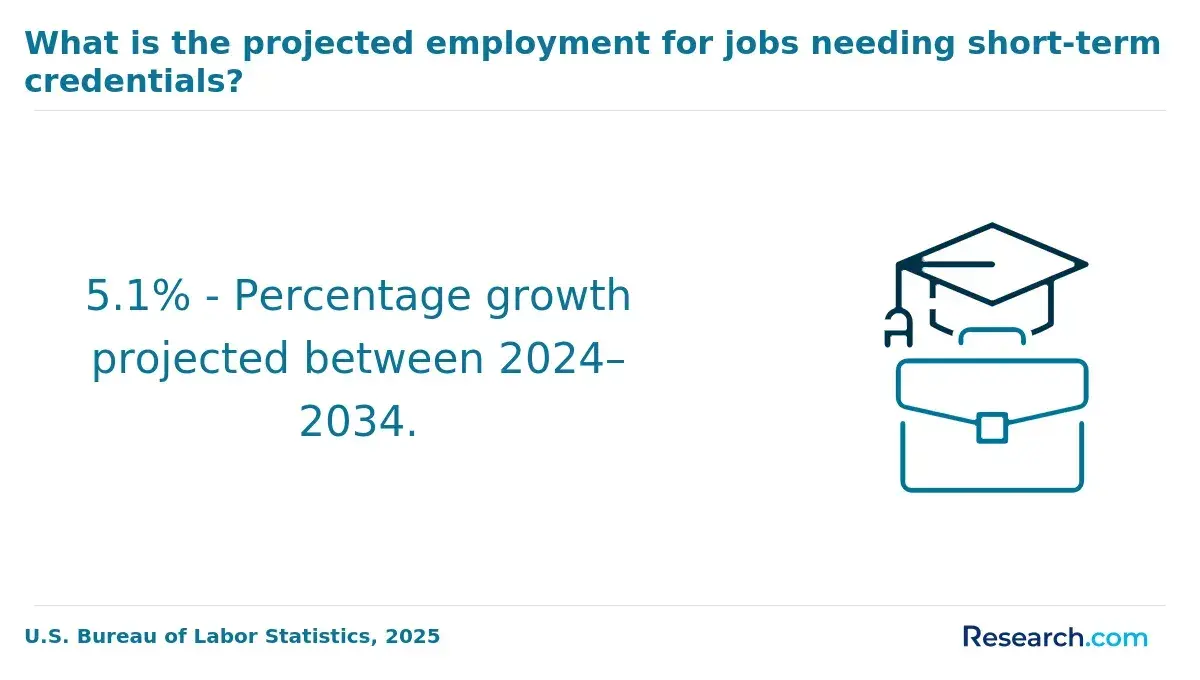
According to the U.S. Bureau of Labor Statistics, employment for community health workers is expected to grow 11% from 2024 to 2034, adding roughly 7,800 new positions annually. This growth reflects expanding needs for professionals to bridge healthcare providers and communities, a critical function in both rural and urban settings. Students evaluating how an online community health degree prepares population health assistant careers should also consider related fields; some may find complementary value exploring an environmental health and safety bachelor degree online for broader public health roles.
Which community health degree level is best for starting a population health assistant career?
A bachelor's degree focused on public health or related fields remains the baseline for entry-level population health assistant community health programs, meeting employer demands for foundational knowledge in epidemiology, health promotion, and data analysis. This level typically prepares candidates for support roles but lacks the depth needed for independent data interpretation or program management.
For sustained professional growth and a competitive edge, graduate education is pivotal. A Master of Public Health (MPH) in Community and Population Health delivers advanced skills in program design, statistical analysis, and policy engagement. According to an Emsi Burning Glass study cited by the University of Oklahoma, MPH graduates earn an average salary of $76,200, reflecting labor market preference for deeper expertise. Real-world workforce dynamics illustrate this gap: a bachelor's graduate may handle outreach and data entry, while an MPH holder leads community assessments and strategy development that affect funding and health outcomes.
Students weighing these pathways should consider practical constraints. An associate degree may enable faster workforce entry but limits upward mobility. Conversely, the MPH demands time and financial investment but aligns with long-term role expectations. Many begin with a bachelor's, balancing part-time graduate studies with on-the-job experience to mitigate financial strain and accelerate competence.
For those examining viable educational options, it can be useful to compare program structures. More information on accelerated healthcare administration degree programs is available through healthcare administration degree resources, which may inform cross-disciplinary choices or alternative routes.
How do online community health programs compare with campus-based options for this career path?
Choosing between an online community health degree vs campus program benefits hinges on balancing flexibility with hands-on experience. Online degrees provide critical accessibility for working professionals aiming for population health assistant roles, allowing them to juggle employment and education without relocation or commuting. This flexibility is especially relevant in rural or underserved regions where campus options may be scarce.
However, campus-based programs typically embed supervised practicum and fieldwork, which cultivate applied skills highly regarded by employers. Such immersive experiences directly contribute to readiness for community health positions, while online students must independently secure local internships or volunteer opportunities to match this exposure.
The U.S. Bureau of Labor Statistics cites a median annual wage of $51,030 for community health workers, emphasizing employer preference for candidates whose training includes substantive experiential learning. Fully online learners face additional hurdles in networking and applied competency demonstration, potentially lengthening job placement timelines without deliberate planning.
For instance, a working nurse pursuing a flexible pathway can maintain income while developing skills but must coordinate practicum logistics locally. Conversely, recent high school graduates benefit from campus environments that systematize community engagement and foundational network building. Such distinctions reflect notable differences in the flexibility and outcomes of community health degrees for population health assistants.
Prospective students evaluating nontraditional routes should consider resources like the easiest RN to BSN online program as a benchmark for balancing flexibility and practical career advantages.
What accreditation and institutional quality standards should online community health programs meet?
Accreditation is a decisive factor when evaluating online community health program accreditation standards and institutional value. Without regional accreditation from recognized U.S. agencies such as the Higher Learning Commission or WASC, students risk investing time in credentials that lack federal financial aid eligibility and are poorly regarded by employers. Additionally, specialized accreditation from bodies like the Council on Education for Public Health (CEPH) ensures curricula meet industry benchmarks and equip graduates with practical skills required in assistant roles.
Employers now expect programs to embed workforce-relevant elements, including state-mandated certification for community health workers and competency-based assessments. These components directly impact preparedness for critical functions like patient navigation and resource coordination. Programs lacking such alignment often leave graduates ill-equipped to address complex public health challenges, including social determinants of health.
The U.S. Bureau of Labor Statistics forecasts approximately 1.8 million healthcare job openings annually through 2032, underscoring the need for community health degrees that adhere to institutional quality benchmarks for community health degrees. Institutions with responsive advisory boards tied to healthcare sectors are positioned to update curricula promptly to satisfy shifting demand.
Prospective students should rigorously verify accreditation and assess the integration of experiential learning, such as virtual simulations or community partnerships. Choosing programs without these assurances can create barriers to certification and employment in an increasingly competitive labor market.
For direct comparison of program quality and outcomes, students often consider options such as which school is better SNHU vs WGU when evaluating pathways to advancement or transition within healthcare fields.
What courses and skills are covered in online community health curricula for population health assistants?
The value of population health assistant programs lies in their focused development of actionable skill sets that directly interface with real-world public health demands. These curricula prioritize abilities in epidemiology and biostatistics but also emphasize interpreting data trends to design tailored interventions for diverse communities. For example, proficiency with electronic health records (EHR) systems is not merely technical; it enables professionals to contribute to evidence-based decisions within nonprofit or governmental health agencies.
Beyond analytical skills, the training often includes behavioral sciences, health communication, and social determinants of health to navigate complex community dynamics effectively. Cultural competence is a critical component, ensuring assistants support populations with varied linguistic or socioeconomic backgrounds without compromising service quality.
Operational realities demand that graduates produce concise, actionable reports and collaborate across interdisciplinary teams. Employers expect more than theoretical knowledge; they require project management capabilities and fluency in public health policy evaluation to bridge gaps between providers, policymakers, and the public.
Additional coursework, such as ethics, grant writing, and resource management, prepares students for challenges like funding limitations and stakeholder engagement discrepancies experienced differently in urban versus rural settings. This comprehensive approach supports sustainable workforce integration, particularly given projections from PublicHealthDegrees.org showing a 23% increase in medical and health services manager roles from 2024 to 2034-a common advancement route for assistants.
What are the typical admission requirements for online community health degrees in the U.S.?
Admission criteria for online community health degrees in the U.S. prioritize evidence of academic rigor and professional preparedness, reflecting employer expectations for graduate-level competence. Candidates typically hold a bachelor's degree from an accredited institution, often in health science or related social sciences, with a GPA generally above 3.0 to remain competitive.
Applicants must submit official transcripts and at least one letter of recommendation, ideally from sources who can validate readiness for advanced study. Standardized test requirements like the GRE are becoming optional, yet selective or research-driven programs may still require them. Substantial public health work experience can sometimes waive these testing components or enhance admission prospects.
Personal statements outlining professional goals related to population health and resumes documenting relevant practical experience are often required to assess both motivation and applied skills. Additionally, technical readiness with dependable internet and digital platforms is essential, influencing completion success and how employers perceive online credentials.
Cost considerations have tangible workforce implications. For example, Southeastern Oklahoma State University's online M.S. in Community Health charges $14,025 for 33 credits, demonstrating how affordability intersects with regional employment markets where assistant roles exhibit variable pay scales and demand. Prospective students must weigh these economic factors against credential recognition and realistic salary outcomes.
How long do online community health degrees take and what do they typically cost?
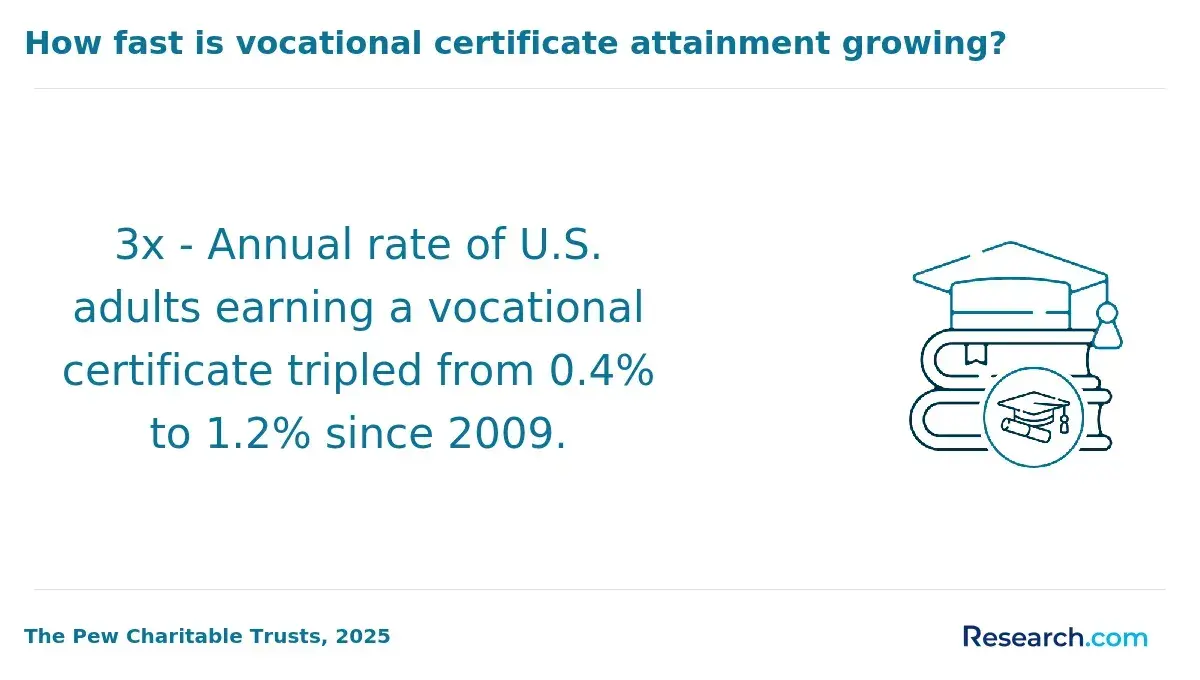
Choosing between an associate degree and a certificate in community health shapes both employability and long-term trajectory in population health assistant roles. Many employers prioritize practical skills over a bachelor-level credential, making accelerated certificate programs attractive for quick entry or job upgrades. However, certificates often trade off breadth and advancement potential for speed and affordability.
Associate degrees demand 18 to 24 months full-time and cover comprehensive coursework, aligning with standards for more stable employment prospects. Certificate programs may be completed in about 12 months, focusing on targeted competencies but typically limiting upward mobility beyond entry-level roles.
Cost variations reflect these differences. Public community colleges usually charge $4,000-$10,000 for associate degrees, whereas certificates from private or specialized schools range from $1,500 to $5,000. This pricing gap influences working professionals' decisions about time investment versus credential value.
Additional unavoidable expenses include background checks, immunizations, and required field placements, which must be factored into total program costs. Importantly, publichealth.org reports 45,800 community health workers nationwide, many hired without bachelor degrees but with relevant training, underscoring a workforce landscape where credential type affects job access and career flexibility.
What jobs can graduates get with an online community health degree as population health assistants?
An online community health degree positions graduates mainly for roles such as population health assistants, community health workers, and health outreach coordinators, who emphasize closing care delivery gaps and managing health education. Employment for community health workers is projected to grow 11% from 2024 to 2034, faster than average, driven by demand in public health agencies, hospitals, and nonprofits focusing on preventive care and chronic disease management.
Population health assistants often support data collection and patient follow-up, especially in hospital settings where coordinating post-discharge plans aims to reduce readmissions. These roles require familiarity with electronic health records and effective social determinants of health assessments. In community settings, workers navigate language barriers and limited resources while leading culturally sensitive outreach. Employers prioritize skills in data tracking, communication, and applied public health knowledge over clinical expertise.
Key considerations for those pursuing this path include:
- The need for supplemental certifications like Certified Community Health Worker (CCHW) or health informatics training to enhance job prospects.
- Average entry-level salaries near $40,000, with higher wages typically requiring licensure or advanced degrees.
- Tradeoffs between government roles offering stability and nonprofits providing flexible, mission-driven projects.
- Challenges in securing hands-on experience remotely, often mitigated through internships or partnerships with local health departments aligning with state certification requirements.
This degree is most strategic when paired with practical internships and curriculum choices closely aligned to workforce standards, enabling graduates to differentiate themselves within a competitive labor market.
What salary ranges and job outlook can population health assistants expect with these degrees?
Entry-level salaries for population health assistants with relevant degrees typically range from $35,000 to $50,000 annually, varying by employer and location. Government roles, primarily within federal, state, and local agencies, offer more standardized pay scales-often placing new hires in the GS-5 to GS-7 pay grades-while healthcare providers and nonprofits display greater salary variability but may require further education for advancement. Mid-career professionals can expect earnings between $50,000 and $65,000, with specialized certifications pushing closer to $70,000.
Demand growth for allied public health roles is driven by expanding data management, patient education, and community outreach needs, particularly in pandemic-impacted regions or areas with major public health initiatives. With projected increases up to 30% for roles like biostatisticians, health assistants can anticipate competitive hiring but must recognize that advancement often hinges on mastering data analytics software and public health informatics.
Practical tradeoffs exist between employment sectors: healthcare systems may provide more rapid wage growth, while governmental and nonprofit roles often require additional credentialing and emphasize academic qualifications. Prospective workers should weigh immediate compensation against long-term skill development for sustainable career trajectories in community health.
How can students choose a reputable online community health program aligned with their career goals?
Choosing an online community health program requires evaluating accreditation, curriculum focus, and cost with practical outcomes in mind. Accreditation from regional bodies or CEPH matters because employers and certifying agencies rely on these to validate degree quality and eligibility for key certifications, which directly influence job prospects.
Scrutinize curricula for essential topics like epidemiology, health behavior theories, and data analysis, paired with applied skills in health promotion and program evaluation. Students targeting nonprofit health outreach, for instance, need emphasis on community engagement and resource coordination, while those aiming for hospital roles benefit from training in data management and interdisciplinary collaboration.
Cost considerations must reflect the real balance between affordability and educational rigor. Texas State University's online MPH in Community Health and Behavior charges roughly $21,019 total tuition, or $500 per credit hour, placing it mid-range among peers. Higher tuition does not guarantee better employment outcomes; conversely, very low-cost programs risk insufficient depth or weaker employer recognition.
Additional factors include faculty expertise and robust online infrastructure to support flexible, mentor-led learning. Working professionals should assess how program demands fit their schedules to avoid compromising current job performance. Reviewing graduate employment statistics over 6-12 months post-completion helps verify that alumni secure relevant positions within realistic timeframes.
Other Things You Should Know About Community Health
The balance between practical experience and theory significantly affects employability in population health assistant roles. Online programs that integrate real-world projects, internships, or community-based practicums provide crucial hands-on skills that employers prioritize over purely academic knowledge. When choosing a program, prioritize those with strong fieldwork components or partnerships offering direct experience rather than solely lecture-based curricula, as practical exposure accelerates readiness and job performance.
Flexibility allows students, especially working professionals, to manage education alongside other responsibilities, but cohort-based learning fosters peer interaction and collaborative skills critical in community health settings. If your goal is to advance quickly or you value networking opportunities, prioritize cohort models with synchronous classes and group projects. Conversely, if balancing diverse schedules or full-time work is your main concern, flexible, asynchronous formats are more practical, though they may limit engagement with peers and instructors.
In 2027, online community health degrees offer flexibility and accessibility, allowing students to balance studies with other commitments. These programs often include updated curricula to reflect current health trends and policies, making graduates well-equipped for population health assistant roles. Networking opportunities through virtual platforms also enhance career prospects.
Employer recognition of an online program's reputation impacts hiring and career progression in population health assistant roles. Programs affiliated with established universities or backed by recognized accrediting bodies tend to carry more weight, making it easier to gain interviews and promotions. If you face employer skepticism about online credentials, prioritize enrolling in programs with measurable employment outcomes and transparent faculty expertise rather than less selective or new online offerings, as reputation directly affects long-term employability.
References
- Online Bachelor’s Degree in Community Health and Wellness https://www.monroeu.edu/academics/undergraduate-programs/school-allied-health-professions/online-bachelors-degree-community
- Quality Standards and Accreditation of Distance Education Programs in a Pandemic - OJDLA https://ojdla.com/articles/quality-standards-and-accreditation-of-distance-education-programs-in-a-pandemic
- Job Outlook and Salaries for Population Health Management | CUNE https://www.cune.edu/news/population-health-jobs
- Community Health Assistant https://yesbud.online/cha/
- How to Choose the Right Degree for Your Career Goals https://www.odljain.com/blog/how-to-choose-the-right-degree-program-for-your-career-goals.html
- Online Bachelor's Degrees in Public Health: Find the Right School https://www.edumed.org/online-schools/public-health-degrees/
- Global curriculum guide for community health workers https://publichealthupdate.com/global-curriculum-guide-for-community-health-workers/
- How to Choose a Program https://www.publichealth.org/resources/choosing-a-program/
- Careers https://www.publichealthdegrees.org/careers/
- Steps to Pick the Right Health Program for Your Goals https://yourhealthmagazine.net/article/health-wellness-tips/steps-to-pick-the-right-health-program-for-your-goals/