2027 Best Online Community Health Degrees for Community Outreach Careers

Co-Founder and Chief Data Scientist
Professionals aiming to transition into community health outreach frequently confront rigid scheduling conflicts and geographic limitations, making traditional degree programs unrealistic. The Bureau of Labor Statistics projects a 13% growth in community health occupations over the next decade, intensifying the pressure on educational options that accommodate working adults and nontraditional students. Meanwhile, over 40% of all postsecondary enrollments occur online, according to the National Center for Education Statistics, signaling a systemic shift toward flexible learning formats.
This changes how candidates must evaluate programs for accessibility, credit transferability, and experiential learning relevance. This article identifies the best online community health degrees specifically designed to align with career pivot needs and workforce mobility challenges, helping readers make informed, strategic decisions.
Key Things You Should Know
- Community health online degrees show a 12% wage premium over certificates but require 2-4 years versus under 1 year, making time-to-employment a critical tradeoff for career pivoters per U.S. BLS 2024 data.
- Employers increasingly expect hands-on experience alongside online credentials; NAHDO's 2024 survey reports 68% of hiring managers prioritize practicums, complicating purely virtual program utility.
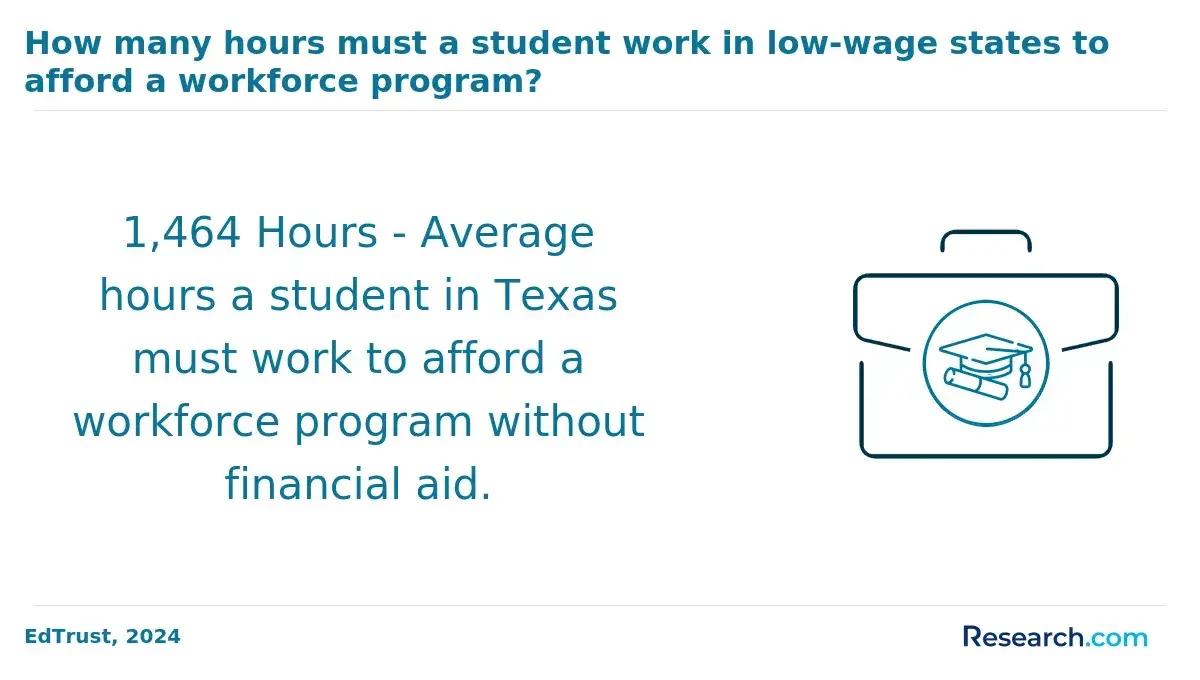
- Rising tuition inflation, averaging 5.2% annually for accredited online programs since 2023 (NCES), pressures students to weigh upfront cost versus long-term job market resilience in community health specialties.
What is an online community health degree and how does it prepare you for community outreach careers?
Online community health degree benefits for community outreach hinge on the balance between theoretical grounding and practical application, especially in remote or hybrid learning environments. Graduates gain skills in epidemiology, health communication, and program planning designed to serve diverse populations, yet the lack of readily available local fieldwork can hinder immediate hands-on experience. For instance, a student working with rural health providers may rely heavily on program evaluation methods learned online to address service gaps, while urban counterparts may focus on digital outreach to mitigate misinformation.
The curriculum emphasizes data-driven decision-making and stakeholder collaboration, with coursework in behavioral science, grant writing, and policy analysis. However, students must proactively seek local partnerships to compensate for limited spontaneous community engagement inherent in online formats. This practical tradeoff is critical since employers increasingly expect demonstrated competence in community engagement and resource navigation.
Workforce projections estimate a 7% growth in roles such as health education specialists and community health workers over the next decade, driven by ongoing needs in chronic disease prevention and health equity initiatives. These prospects make an online community health program prepares for outreach careers especially relevant for adults managing career transitions alongside other responsibilities.
For those evaluating educational pathways at this intersection of accessibility and employer demand, exploring an environmental health and safety degree online can offer complementary skills. This option often overlaps with public health priorities and broadens employment possibilities beyond traditional outreach roles.
Which accredited online community health programs are best for students focused on community outreach?
Employers in social service sectors increasingly prioritize candidates from accredited online community health degrees for community outreach careers that integrate meaningful practicum experiences with applied competencies. Programs lacking direct fieldwork often fail to prepare students for the nuanced communication and coordination tasks essential in public health agencies or nonprofits. For example, students embedded in community-based organizations develop practical skills that align with employer expectations for outreach roles.
Choosing the best online community health programs focused on outreach involves assessing accreditation by bodies such as CEPH, curricular emphasis on data-driven decision making, and the program's flexibility for working professionals. Specialization tracks in rural health promotion or urban outreach, combined with cohort models and employer networks, substantially influence graduate employability beyond theoretical knowledge.
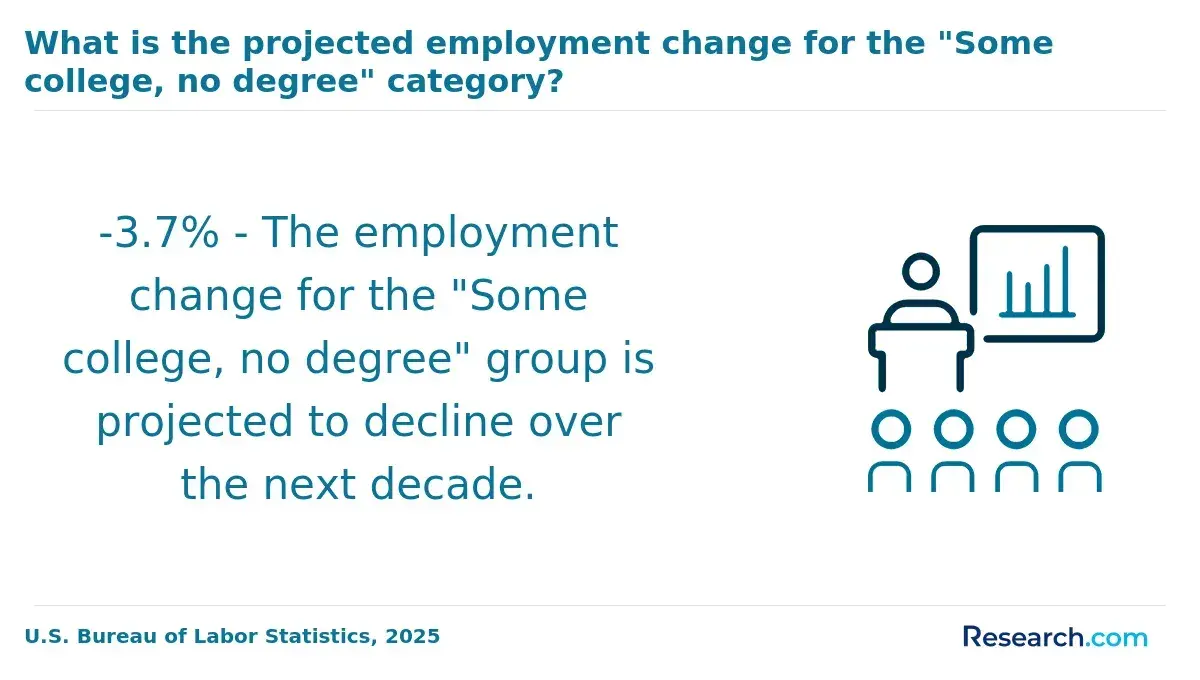
Working professionals weighing the value of accelerated degrees without practicum against lengthier experiential programs should consider the $13,260 median annual wage gap between bachelor's degree holders in community health roles ($57,480) and non-degree workers ($44,220), reflecting the premium on demonstrated competencies. Practical experience and applied methodologies are decisive factors shaping job placement and career sustainability.
For those evaluating a healthcare administration degree alongside community health options, careful alignment with career objectives and employer demands is critical to ensure market relevance and credible outreach impact.
How do online community health degrees compare to on-campus programs for quality and career outcomes?
Choosing between online community health degrees versus traditional campus programs career outcomes hinges largely on program quality and experiential rigor rather than delivery mode. Employers in government and nonprofit sectors focus on mastery of practical competencies like data analysis, community assessment, and intervention planning, which strong online and on-campus programs both embed through internships and simulations. For working professionals, online formats offer critical flexibility to maintain employment during study, enabling career pivot without pause.
Wage data based on 2024 estimates from the Association of Schools and Programs of Public Health reflect that a master's in public health commands a median annual salary near $88,000, significantly higher than the $69,000 typical for bachelor's holders. This indicates that regardless of online or on-campus education, graduate-level credentials sensibly impact earning potential when aligned with employer expectations.
However, networking and internship opportunities are a tradeoff. On-campus students benefit from direct faculty access and streamlined practicum placement. Online learners must actively pursue such connections, though selecting programs with robust virtual career services and alumni networks can mitigate this challenge.
Understanding the quality comparison of online versus on-campus community health education requires a nuanced decision based on individual circumstances and goals. For those seeking flexible paths, exploring resources like online RN programs for non nurses may provide insight into best practices in remote health education.
What accreditation and institutional approvals should online community health programs have in the United States?
Accreditation standards for online community health degrees in the United States directly influence employability and career flexibility. Agencies recognized by the U.S. Department of Education or the Council for Higher Education Accreditation ensure that regional accreditation signals meaningful quality and recognition by employers. Beyond institutional accreditation, programmatic approvals from bodies such as the Council on Education for Public Health (CEPH) or the National Commission for Health Education Credentialing (NCHEC) are often essential for roles requiring certification or eligibility for federal grants.
Employers increasingly prioritize graduates from CEPH-accredited programs because these degrees validate curricula aligned with actual workforce competencies and ethical standards. For instance, securing certain state certifications or federal funding often requires a degree from an accredited program, making non-accredited paths riskier for prospective public health professionals.
The practical realities for working adults, who make up roughly 70% of health-related online undergraduates and 60% attend part-time, necessitate reliable institutional approvals including state authorization to deliver distance education within student residency states. Without recognized institutional approvals for community health programs nationwide, learners risk credit invalidation or legal complications when relocating.
Structured, accredited curricula also facilitate smoother credit transfers and reduce wasted time-a crucial consideration when evaluating the shortest RN to BSN program or similar accelerated paths. Prospective students should weigh these operational factors carefully before enrollment to avoid unexpected delays and costs.
What courses and specializations are typically included in an online community health curriculum?
Online community health degree programs prioritize practical readiness over purely theoretical knowledge, reflecting employer demands for workforce-ready graduates. The widespread integration of service-learning or community engagement in 74% of accredited bachelor's curricula verifies this shift, emphasizing skills like coalition building, culturally competent communication, and applied needs assessment.
Specializations often steer students toward either rural or urban health challenges, presenting distinct operational demands: rural tracks focus on geographic health disparities and telehealth implementation, while urban pathways require navigating dense populations and multicultural outreach strategies. This specialization affects employability as well as skill development priorities.
Core coursework includes epidemiology, biostatistics, and environmental health sciences, but students should anticipate quantitative hurdles, such as statistical software proficiency, which can extend time to graduation if additional self-study is needed. Programs with flexible internship partnerships can alleviate geographic access issues for online learners, a practical factor frequently overlooked in program selection.
Complementary courses in health communication, grant writing, and data management align with employer expectations for professionals who can secure and manage program funding effectively, highlighting nonprofit and government sectors as common employment destinations.
What are the admission requirements and application materials for online community health degree programs?
Successful entry into online community health degree programs generally hinges on satisfying both academic prerequisites and evidence of relevant experience, reflecting employer demand for candidates who combine foundational knowledge with practical aptitude. Programs typically require official transcripts verifying completion of core courses like biology, psychology, and statistics to ensure readiness for upper-level public health material. Standardized tests such as the SAT or ACT remain a requirement for some, though many waive this for applicants with college credits or substantive health-related work experience, which mitigates barriers for nontraditional students.
Alternative pathways such as conditional admission agreements or portfolio reviews accommodate experienced professionals lacking traditional academic credentials, balancing workforce flexibility with academic rigor. Yet, these routes require careful preparation to meet supplemental coursework demands and demonstrate equivalent preparedness.
Data from OnlineU's 2026 rankings show graduates from Simmons University's online bachelor's in public health earn a median income of $65,418, positioning them competitively within the top 5% nationally. This quantifiable outcome underscores how adhering to rigorous application standards correlates with improved employability in community health roles that emphasize evidence-based intervention and outreach effectiveness.
How long does it take to earn an online community health degree, and what does it cost?
Choosing an online community health degree demands balancing time investment, cost, and specific career targets, as these factors directly influence employability and salary potential. Associate degrees, typically around 2 years, provide a faster, lower-cost entry into frontline positions but may lack depth in leadership or program management skills. Bachelor's degrees, requiring roughly 4 years, are better suited for roles involving comprehensive outreach strategies and supervisory responsibilities.
Cost differences between public and private institutions can stretch from $5,000 to over $20,000 annually for online community health programs, pushing total bachelor's degree expenses beyond $80,000 in some cases. Often, programs with lower tuition compromise on critical elements like practicum placement and specialized coursework, which employers increasingly value for handling diverse populations and data-driven interventions.
The U.S. Bureau of Labor Statistics forecasts a 9% growth in health education specialist roles from 2022 to 2032, intensifying competition and employer emphasis on relevant skill sets. Graduates from programs integrating hands-on practicum experiences and up-to-date curricula are better positioned for hire. For example, a working professional pivoting from an unrelated industry might prioritize a shorter, cost-effective degree to enter the workforce quickly, while those targeting policy or management roles need longer, comprehensive degrees despite higher costs to meet evolving job criteria.
Prospective students must assess:
- Time vs. skill acquisition tradeoffs
- Tuition cost against practical training opportunities
- Alignment with specific community outreach roles and employer standards
What community outreach and public health careers can you pursue with an online community health degree?
Online community health degrees equip graduates for distinct roles requiring nuanced communication, cultural competency, and data analysis. For instance, a health educator operating in urban areas might tailor chronic disease prevention campaigns to multilingual populations, overcoming language barriers. Meanwhile, a rural outreach coordinator may focus on managing mobile clinics to address geographic healthcare disparities. These practical demands highlight a tradeoff: graduates must develop autonomous digital literacy alongside core interpersonal skills to meet employer expectations.
Data from NCES indicates that nearly 40% of undergraduates in health fields engage in distance education, with 24% fully online. This mode increases access but intensifies the requirement for disciplined time management and self-directed study, which not all learners master equally. Those targeting government or nonprofit sectors should plan for certifications or licensure involving supervised fieldwork, as online curricula alone rarely suffice.
What salary ranges and job outlook can community health and outreach professionals expect?
Salary variations among community health and outreach professionals in the U.S. hinge heavily on role specificity, location, and experience. While entry-level health educators start near $45,000, outreach coordinators with urban or specialized non-profit experience can earn upwards of $80,000, and leadership roles with advanced credentials surpass $90,000. This range underscores a strategic tradeoff for prospective students: cost-effective education versus long-term earning potential.
Job growth projections from the U.S. Bureau of Labor Statistics indicate a 12% increase through 2032, driven by expanding public health demands in underserved and aging populations. Positions emphasizing data analysis, behavioral interventions, and cultural competence remain particularly competitive.
Selecting affordable degree programs near $11,000 annually, as ranked by OnlineU for 2025, can minimize student debt but requires pairing with meaningful experiential learning to meet employer expectations. Skills such as community engagement, grant writing, and familiarity with health equity frameworks are frequently prerequisites; candidates relying on degree credentials alone often face stalled advancement.
Certification pathways like CHES or CPHA add measurable value, sometimes translating into salary premiums up to 15%. Decision-makers should weigh geographic salary plateaus against faster workforce entry, aligning education choices with employer demand to optimize career trajectory in community health outreach.
How can prospective students evaluate and choose a reputable online community health program?
Accreditation and measurable employment outcomes provide the most reliable criteria for selecting online community health programs that deliver tangible professional benefits. Regional accreditation alongside specialized public health credentials ensures both academic rigor and access to federal financial aid, which many lower-tier offerings lack. Median salary trends linked to these programs reveal a practical dimension: graduates from top-ranked public health bachelor's degrees, like those noted by OnlineU in their 2026 "Best Online Public Health Degrees," commonly earn above $60,000, with American Public University System alumni reaching $60,675 at the national 89th percentile. This data suggests that program choice directly impacts economic returns beyond mere degree acquisition.
Working professionals often face conflicting demands, making program delivery format a critical consideration. Fully asynchronous programs combined with structured internships enable skill development in epidemiology, health communication, and policy analysis without sacrificing employment. These skills align with employer expectations in nonprofits, government, and healthcare sectors.
Selecting a program requires balancing cost, duration, and support services. Programs with minimal advising tend to have lower completion and weaker job placement, whereas moderate-cost programs offering career counseling and state health department connections provide better networking and lifelong career positioning. Analyzing publicly available labor market data and institutional outcome reports is essential for verifying claims and assessing true return on investment when planning a community health career pathway.
Other Things You Should Know About Community Health
Employers in community health outreach often expect a bachelor's or master's degree rather than certificates for most professional roles, especially those with supervisory or program management duties. Certificates may aid continuing education or specialization but rarely substitute for degree credentials when hiring entry-level or advanced community health workers. Candidates aiming for career advancement should prioritize degree programs over certificates to meet typical job requirements.
Accelerated online community health programs condense coursework, increasing weekly workload and pressure that can reduce deep engagement with complex topics like epidemiology or program planning. While faster completion may suit experienced professionals balancing work, the tradeoff is a risk of weaker mastery and less time for networking and practicum reflection. Students without prior sector experience should consider standard pacing for better long-term career benefits.
Programs staffed by faculty with active backgrounds in public health practice or community outreach deliver more relevant and contemporary insights than those relying mainly on academic researchers. This differentiation affects the applicability of skills upon graduation and employers' perception of graduates' readiness. Prospective students should prioritize programs where faculty maintain real-world connections and updated sector knowledge to enhance employability and program effectiveness.
References
- Community College vs Online Degrees: A Comparison https://www.sophia.org/blog/higher-education/community-college-vs-online-degree/
- Bachelor of Science in Public Health Program Online - RGU SVG BSPH - Richmond Gabriel University https://richmondgu.org/bachelors-in-public-health-program/
- Community Outreach Specialist: Job, Salary & Requirements https://www.appliedbehavioranalysisedu.org/jobs-related-to-applied-behavior-analysis/what-is-a-community-outreach-specialist/
- Understanding the Decision-Making Journey of Prospective Graduate Health Care Students https://eimpartnerships.com/articles/understanding-the-decision-making-journey-of-prospective-graduate-health-care-students
- Top 25 Online MPH Community Health Degree Programs - MPH Online https://www.mphonline.org/best-online-mph-community-health/
- How Online College Degree Programs Can Transform Your Life https://www.tuw.edu/school-news/online-degree-programs-transform-your-life/
- What do you learn in a bachelor's in public health? | edX https://www.edx.org/resources/what-do-you-learn-in-a-bachelors-in-public-health
- Community Health Career - Public Health https://www.publichealthonline.org/community-health-career/