2027 Community Health Specializations for Government and Nonprofit Health Roles

Co-Founder and Chief Data Scientist
State and nonprofit agencies increasingly demand highly specialized skill sets to tackle complex public health challenges, yet many professionals face rigid credentialing requirements that hinder timely career advancement. As workforce data from the U. S. Bureau of Labor Statistics highlights a steady 8% growth in community health roles through 2032, prospective students must navigate a crowded landscape of programs varying widely in flexibility, depth, and practical applicability.
Simultaneously, recent National Center for Education Statistics reports show a 23% rise in adult learner enrollment in online health degrees, signaling shifting access but also signaling the need to prioritize programs that balance convenience with employer-valued outcomes. This article will identify key community health specializations tailored for government and nonprofit roles, emphasizing decision factors that align educational choices with strategic career mobility and workforce realities.
Key Things You Should Know
- Government roles increasingly prioritize candidates with epidemiology and data analytics proficiencies, as 58% of public health agencies report difficulty filling specialized community health positions, raising entry barriers for traditional generalist degrees.
- Employers in nonprofit health sectors now demand verifiable impact measurement skills, with 41% of organizations favoring candidates holding certifications in program evaluation, reshaping workforce development and hiring criteria.
- Licensure and certification costs for accredited community health programs rose 12% in 2024 per the Bureau of Labor Statistics, creating a timing and financial bottleneck for mid-career professionals seeking sector transitions.
What are community health specializations for government and nonprofit roles?
Specialized community health roles for public and nonprofit organizations demand a dual focus on technical proficiency and adaptability in complex regulatory environments. For example, a government community health worker tasked with culturally sensitive vaccination outreach in underserved urban areas must blend epidemiological data analysis with stakeholder engagement to optimize resources and evaluate impact. These specializations emphasize collaboration across diverse populations, program management, policy advocacy, and cultural competence tailored to vulnerable groups.
The practical realities of community health career paths in government and nonprofit sectors highlight a wage differential favoring government positions, with a May 2023 median annual pay of $56,930-about 13% above the overall community health median of $50,930. This premium reflects employer priorities for candidates skilled in navigating federal and state health regulations, electronic health records, and program evaluation metrics aligned with government oversight.
Tradeoffs become apparent when weighing broad public health training against role-specific competencies. A nonprofit-focused program management specialization may constrain movement into government roles centered on policy compliance and data security. Conversely, government-centric preparation often requires extensive documentation and less direct community interaction, demanding strong communication skills alongside technical expertise. Prospective students aiming for strategic pivots should consider pursuing a CAHIIM accredited him degree online to bridge health information management with community health practice, enhancing versatility across public and nonprofit sectors.
Which jobs do community health graduates get in public service?
Community health career opportunities in public service often concentrate within nonprofit organizations, which employ a significant portion of the public health workforce. These roles typically demand managing complex stakeholder relationships and balancing stringent regulatory and funding requirements. For example, a nonprofit program manager addressing chronic disease must navigate limited budgets while customizing outreach efforts to culturally diverse populations, necessitating applied skills beyond conventional clinical training.
Public health educators in these settings work directly with vulnerable groups and must combine expertise in health communication with data analysis to evaluate intervention success. This dual competency is critical as employers increasingly expect proficiency in quantitative tools alongside practical field experience. Policy analyst positions require interpreting health legislation and economic data to shape initiatives that reconcile broad policy objectives with local community needs, affecting resource distribution and health disparities.
Given these layered responsibilities, ongoing development in leadership, ethics, and data management is essential for sustained employment outcomes. Graduates evaluating public service jobs for community health graduates should therefore prioritize program pathways that emphasize hands-on experience and transversal skills. Those seeking to accelerate their credentials may consider healthcare administration courses online to complement community health training and enhance versatility within this competitive job market.
What education is required for community health careers?
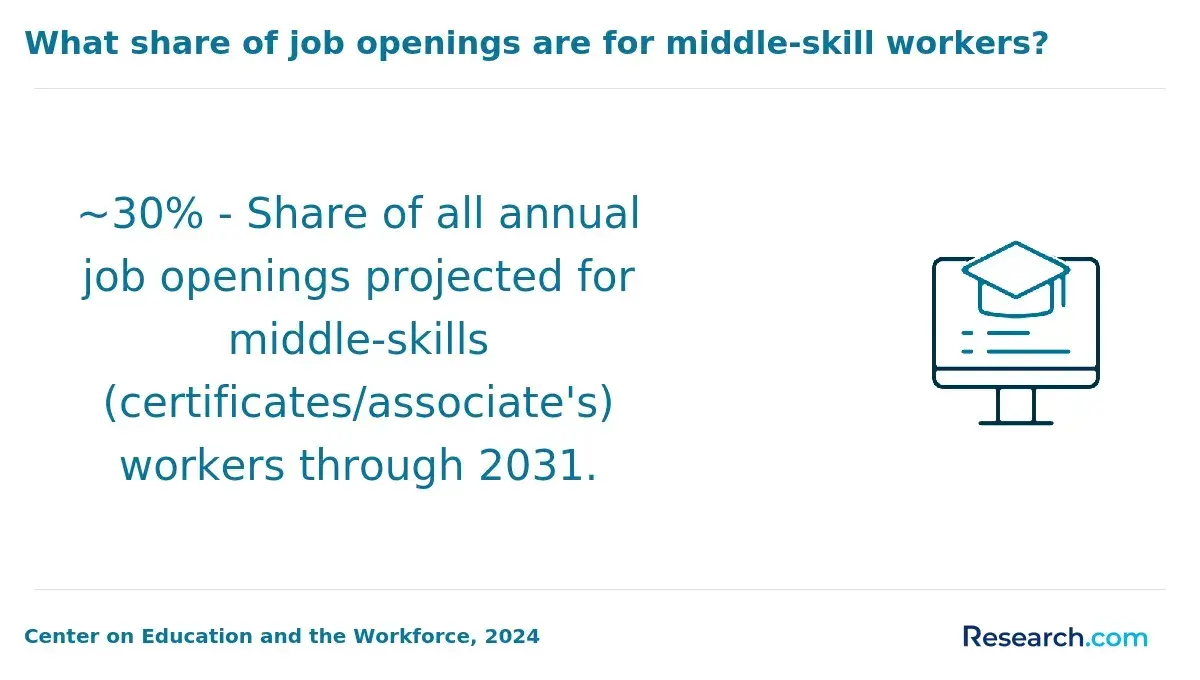
Career entry in community health education requirements for government roles typically demands at least a bachelor's degree in public health or health administration, with many positions favoring advanced degrees. For instance, medical and health services managers in nonprofit or public sectors often need a master's in public health (MPH) or health administration (MHA) to navigate regulatory frameworks and lead complex programs effectively. Employment growth projections of 23% through 2034 signal strong demand for candidates blending academic credentials with applied expertise.
The tradeoff between a bachelor's degree versus graduate education shapes job scope and mobility. Bachelor-level qualifications allow access to roles such as community health workers or health educators but generally limit progression into leadership. Advanced degrees unlock avenues in policy advocacy and management, where a nuanced understanding of health systems and stakeholder engagement is essential.
Employers emphasize practical training, including internships and skills in quantitative analysis, grant writing, and program implementation. Students in degrees needed for nonprofit community health careers should prioritize curricula with these components to improve job readiness. Acceleration options, like combined degrees or certificate specializations, can shorten pathways but require sustained academic performance and investment.
Prospective candidates seeking accelerated entry might explore hybrid ABSN programs as models integrating speed with comprehensive training, though primarily in nursing contexts. Matching credential level with realistic career goals and market expectations remains critical for lasting job stability and salary potential.
How do online and campus community health programs differ?
Campus and online community health programs differ significantly in delivery and experiential focus, affecting practical preparedness for government and nonprofit roles. Campus programs provide structured, face-to-face access to labs, simulations, and networking, enabling students to build hands-on skills critical for epidemiology tasks such as real-time surveillance and outbreak investigations. Employers prioritize applied experience alongside theory, especially as epidemiologist roles are projected to grow 27% between 2022 and 2032, reflecting urgent demand for surveillance proficiency.
The benefits of online versus campus community health programs often hinge on balancing flexibility with experiential immersion. Online formats cater to working professionals juggling multiple responsibilities but typically lack seamless integration of supervised fieldwork and collaborative learning. Campus students more commonly complete internships and practicums embedded within local health departments, providing clearer pathways to mentorship and workforce visibility.
Decision-makers must consider these differences against personal constraints and career goals. Campus-trained graduates generally transition more smoothly into outbreak response teams, benefiting from prior hands-on exposure. Meanwhile, online learners require greater self-discipline and initiative to secure equivalent practical experience, which can delay workforce entry. For individuals seeking accelerated options, exploring programs such as the shortest RN to BSN program may also inform strategic educational choices.
What accreditation should community health programs have?
Accreditation directly affects the employability of community health graduates, particularly through recognized bodies like the Council on Education for Public Health (CEPH). Programs accredited by CEPH or similar regional entities ensure alignment with employer demands, especially in applied epidemiology, health promotion, and social determinants analysis. This distinction is significant because many government and nonprofit agencies require candidates to complete supervised practicum or fieldwork experiences embedded within accredited curricula.
Consider a community mental health case worker seeking a county health department position: only graduates from fully accredited programs are typically eligible. This requirement reflects the necessity for verified competency and national training standards to manage caseloads and community outreach effectively. Without practicum validation, such candidates face barriers in jurisdictions with licensure or certification prerequisites. The projected 7.8% growth in community and social service occupations and 313,700 annual openings underscore the importance of strategic program selection for long-term career viability.
What courses are included in community health specializations?
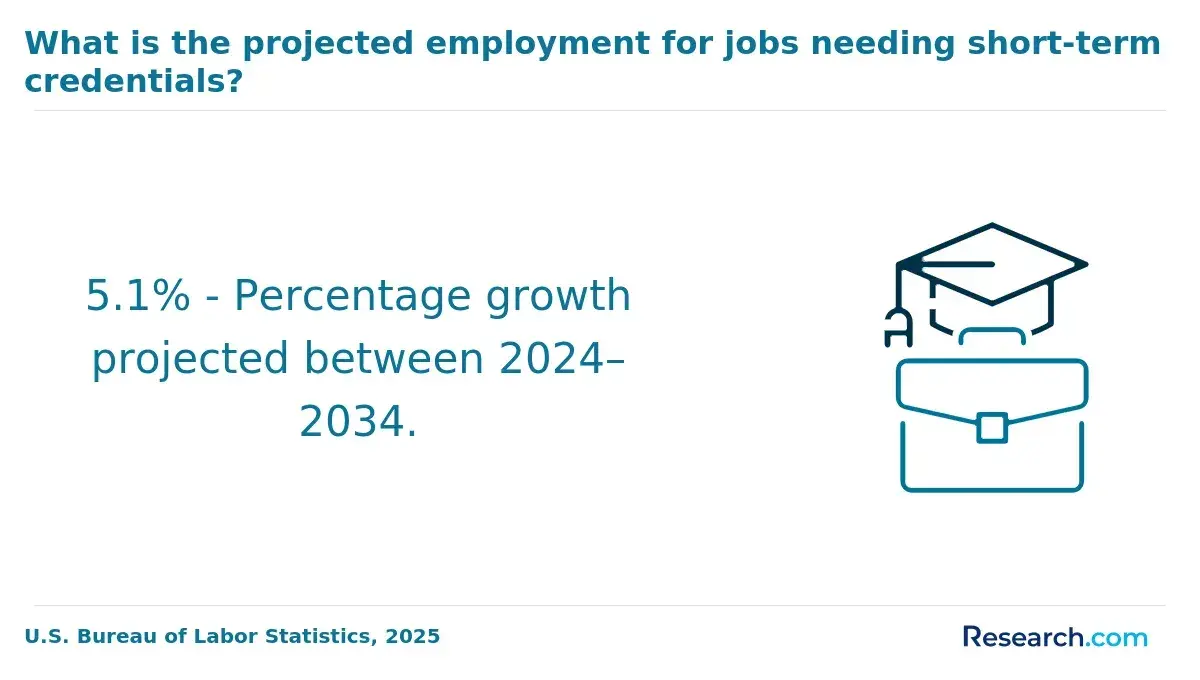
A practical community health specialization integrates quantitative, legal, and communication skills directly aligned with workforce demands in government and nonprofits. For example, epidemiology coursework equips graduates to support outbreak tracking and response - a critical skill for employment in public health departments during emergent crises. Meanwhile, training in health program planning and evaluation addresses a non-negotiable employer requirement: designing measurable interventions that justify grants and demonstrate impact.
Core biostatistics knowledge enables professionals to analyze data rigorously, improving grant writing and policy advocacy outcomes. Students should also expect a focus on health communication tailored to culturally diverse populations, a frequent priority in nonprofit program delivery. Legal and ethical instruction in health law prepares graduates for managing sensitive data within regulatory constraints.
Fieldwork remains a deciding factor: hands-on practicum opportunities provide exposure to real-world settings like clinics or schools, which employers consistently prioritize. This practical experience develops essential project management, community liaison, and multi-stakeholder coordination skills rarely gained through theory alone.
Employment for health education specialists and community health workers is projected to grow 17% from 2022 to 2032, according to EnvironmentalScience.org's BLS analysis, emphasizing the necessity of operational readiness. Candidates unfamiliar with balancing foundational theory and applied skills often face challenges adapting within evolving funding landscapes and shifting public health priorities.
What are the admission requirements for community health degree programs?
Admission to community health degree programs in 2026 increasingly hinges on measurable academic and professional benchmarks rather than broad extracurriculars. A minimum high school diploma or equivalent with a 2.5 GPA is the baseline, but competitive programs often demand a 3.0 or higher, with strong science and math backgrounds valued for readiness in data-intensive courses. Standardized tests like the SAT or ACT remain common, though test-optional policies are expanding since 2023. Applicants with prior relevant college credits can shorten their degree timelines through transfer credits or advanced standing.
Professionals shifting careers face distinct challenges: programs require documented work experience or completion of prerequisite courses focusing on public health fundamentals and cultural competence. Online and part-time tracks impose tighter scrutiny on validating such practical skills to align with employer expectations. Letters of recommendation should emphasize reliability and community impact, while personal statements need to convey focused government or nonprofit ambitions.
Admission committees prioritize candidates with confirmed quantitative achievements and professional commitment because these directly correlate with employability. For example, environmental scientists in public agencies, many holding community health degrees, earned a median salary of $76,480 in 2022, showing the tangible career stakes behind admissions criteria. Prospective students must weigh the tradeoff between competitive academic requirements and practical experience documentation to optimize both access and long-term workforce viability.
How long do community health programs take, and what do they cost?
Choosing between certificate, associate, or bachelor's degree pathways in community health requires weighing immediate workforce entry against the depth of skills gained. Certificate programs, lasting 12 to 18 months and costing between $5,000 and $15,000, suit those targeting entry-level roles in government or nonprofits but generally limit long-term advancement opportunities. In contrast, associate degrees, with a typical two-year duration and tuition between $6,000 and $20,000, offer broader foundational skills yet still may fall short of employer expectations for analytic roles.
Bachelor's degrees, demanding four years and budget considerations from $20,000 to $50,000 at public institutions, remain the preferred credential for data analysts or program managers, especially as public health agencies show a 15% workforce increase since 2019, reaching 239,000 staff. This growth emphasizes the rising value of robust analytic capabilities and evaluation expertise, which shorter credentials rarely provide.
Students should also factor in opportunity costs: a four-year degree delays income and incurs living expenses, while shorter programs allow quicker employment but limit salary and responsibility ceilings. Understanding these tradeoffs against your career objectives and the evolving demand landscape is critical for strategic educational investment.
Priority skills acquisition aligns with workforce data reflecting the American Journal of Public Health and University of Minnesota School of Public Health findings, underlining a competitive edge for comprehensive credentials in government and nonprofit health sectors.
What certifications help community health professionals advance?
Certifications beyond Certified Community Health Worker credentials are often decisive in shaping career trajectories within government and nonprofit sectors. For instance, a professional aiming to manage nonprofit fiscal operations in New York-where nonprofits contributed $390 billion in revenue and employed over 1.4 million people in 2023 according to the New York State Comptroller-will find credentials like Certified Nonprofit Finance Professional (CNFP) or Certified Fund Raising Executive (CFRE) indispensable. These certifications reflect the specialized expertise employers expect for sophisticated financial oversight and fundraising strategy, reducing onboarding friction and enabling salary growth.
In public health leadership or policy advisory roles, designations such as Certified Health Education Specialist (CHES) or Master Certified Health Education Specialist (MCHES) validate competencies critical for program implementation and evaluation under government mandates. Employers increasingly require not just experience but documented skills in data analysis and community needs assessment.
Behavioral health and care coordination professionals benefit from licenses or certifications like Certified Alcohol and Substance Abuse Counselor or Certified Case Manager. These credentials demonstrate regulatory compliance awareness and practical readiness, often accelerating hiring decisions.
Decision-making about certifications demands balancing sector-specific labor market realities with cost and renewal burdens. Government roles typically prize public health credentials, while nonprofit finance roles prioritize financial or fundraising certifications. Prospective candidates must assess these factors against ROI, factoring in ongoing education requirements and the potential to shorten time to proficiency.
What salary and job outlook can community health graduates expect?
Leadership and administrative roles within government and nonprofit sectors offer the most financially viable pathways for community health graduates, with medical and health services managers earning a median wage of $117,960 compared to the U.S. median of $49,500. This wage premium is tied to the demands of navigating regulatory complexities, managing budgets, and coordinating multiple stakeholders.
However, the pathway to these positions typically requires advanced skills beyond foundational community health training, such as formal certifications like Certified Public Health (CPH) and experience managing large-scale programs. Without these qualifications, graduates often remain in lower-paying frontline or coordinator roles. Geographic disparities also affect compensation-urban centers and regions with extensive nonprofit health infrastructures tend to offer higher salaries.
Employment growth for medical and health services managers is projected to exceed average rates due to expanding public health initiatives and increased healthcare equity efforts. Still, competition stiffens for leadership roles, emphasizing a need for strong financial literacy, policy fluency, and strategic management capabilities in government and nonprofit contexts.
For individuals considering a shift into these administrative roles, investing in health administration education after initial community health training substantially improves prospects. Employers prioritize candidates who demonstrate precise operational oversight and program evaluation skills aligned with complex public health environments.
Other Things You Should Know About Community Health
Community health programs often require extensive fieldwork or internships that compete with academic demands. Students must prioritize programs that integrate applied experience without overwhelming coursework, as overloaded schedules can reduce opportunities for meaningful community engagement. Choosing a program with structured, supported practicum components enhances employability and ensures skills are transferrable to complex real-world settings.
Employers in government and nonprofit sectors increasingly seek candidates with credentials tied to measurable outcomes and project management skills rather than broad theoretical knowledge. Specialized certifications add value only when paired with demonstrated program impact or data analysis abilities. Prioritizing credentials focused on policy evaluation, grant writing, or epidemiological methods aligns better with employer needs and improves job competitiveness.
In 2027, choosing policy-focused community health specializations can lead to roles shaping public health strategies, whereas direct service paths offer immediate interaction with communities. While policy roles might yield systemic impact, direct service positions often provide quicker job satisfaction and community feedback.
Programs with multidisciplinary approaches provide flexibility and adaptability across diverse roles but risk diluting skill depth needed for specialized positions. In contrast, tightly focused programs targeting specific populations-such as immigrant health or chronic disease management-better meet niche employer demands but reduce versatility for broad public health contexts. Candidates should assess labor market needs in their target region and weigh whether deep specialization or breadth offers clearer career pathways.
References
- Health Educators and Community Health Workers: Salary, career path, job outlook, education and more - RaiseMe https://www.raise.me/careers/community-and-social-service/health-educators/
- Are Online Courses Better Than Community College? https://www.straighterline.com/blog/online-courses-better-than-community-colleges
- What Kind of Jobs Can I Get With a Master's of Health Care in Non-Profit Organizations? - Healthcare Management Degree Guide https://www.healthcare-management-degree.net/faq/what-kind-of-jobs-can-i-get-with-a-masters-of-health-care-in-non-profit-organizations/
- Registration, accreditation and governance of community health centres https://www.health.vic.gov.au/community-health/registration-and-governance-of-community-health-centres
- Community Health Accreditation Program - Wikipedia https://en.wikipedia.org/wiki/Community_Health_Accreditation_Program
- Careers in Public Health. Life’s Work https://www.publichealthcareers.org/
- What Are Community Health Centers, and What Do They Provide? - GoodRx https://www.goodrx.com/insurance/low-cost-free-healthcare/community-health-center
- Community Health and Public Health | University of Phoenix https://www.phoenix.edu/articles/healthcare/community-health-and-public-health-differences.html
- What Can You Do With a Community Health Degree | CUNE https://www.cune.edu/news/what-can-you-do-with-community-health-degree
- Primary and Community Healthcare Accreditation - HDAA https://www.hdaau.com.au/resources/primary-and-community-healthcare-accreditation/