2027 Online Community Health Degrees for Public Health Outreach Roles

Co-Founder and Chief Data Scientist
Community health professionals often confront the urgent challenge of upskilling or pivoting amid expanding public health outreach demands without pausing their active careers. Traditional degree programs with rigid schedules and geographic constraints frequently exclude working adults balancing jobs and family responsibilities. Recent data from the National Center for Education Statistics shows a 15% rise in enrollment among adult learners in fully online public health programs since 2023, reflecting a shift toward flexible, competency-based education that accommodates ongoing employment. This trend not only affects access but also reshapes workforce readiness by emphasizing adaptable learning timelines and practical skill application.
This article examines online community health degrees tailored for outreach roles, analyzing how evolving program structures meet diverse learner needs while positioning graduates for immediate impact and career growth.
Key Things You Should Know
- Data from the Bureau of Labor Statistics shows a 12% increase in community health worker roles through 2032, pressuring online degree programs to integrate advanced data analytics despite many lacking such curricula, limiting graduate competitiveness.
- Employer surveys from 2024 reveal 68% of public health outreach employers prioritize candidates with applied field practicum over purely theoretical online credits, creating tension between online program duration and hands-on experience acquisition.
- Median tuition for accredited online community health degrees rose 9% since 2022 per National Center for Education Statistics, complicating timely reskilling for margin-sensitive professionals and increasing debt burden relative to median entry-level wage growth.
What is an online community health degree and how does it prepare you for public health outreach roles?
Selecting an online community health degree program for public health outreach requires weighing practical workforce demands against the limitations of remote learning. A degree that emphasizes applied skills in epidemiology, communication, and culturally appropriate interventions directly prepares graduates for outreach roles addressing population-specific health disparities. For instance, working with rural communities often demands tailored education campaigns on chronic disease management, leveraging behavioral health insights to improve community wellness and resource use.
Employers consistently seek candidates who combine theoretical knowledge with competencies like data collection, health literacy improvement, and coalition building. Online programs can provide these through structured assignments and case studies; however, the absence of in-person practicum experiences challenges skill application, making local internships essential to bridge this gap.
The labor market projects an 11% growth in community health worker roles from 2024 to 2034, with roughly 7,800 new annual openings. This trend reveals a sector-wide reliance on professionals who connect healthcare providers to underserved populations. Graduates from online community health degree programs for public health outreach will find opportunities across government, nonprofit, and healthcare organizations centered on client engagement and program coordination.
Key factors in program selection include accreditation, alignment with state certification, and practical components that ensure readiness beyond academic theory. Students should also consider complementary pathways, such as an online masters in mental health counseling, to diversify qualifications and expand career options within public health frameworks.
What types of online community health degrees are available for public health outreach careers?
The pathway to roles in public health outreach frequently hinges on degree level alignment with career objectives, a key consideration when evaluating online community health degree programs for public health outreach. Entry-level positions in nonprofit or local health departments often require a bachelor's degree emphasizing health education, epidemiology, and policy foundations. In contrast, managing regional initiatives within complex health systems generally demands a master's degree, such as a Master of Public Health (MPH) with community health or health promotion concentrations. This advanced study often includes practicum experiences that strengthen leadership and program evaluation capabilities, critical for supervisory roles and grant acquisition.
Certification programs focused on health communication or chronic disease prevention present a pragmatic route for professionals needing skill enhancement without extended degree commitments. Employers in public health increasingly prioritize candidates skilled in data analysis and grant writing, reflecting a shift toward measurable outcomes and funding proficiency in outreach programs.
Delivery models also impact educational and professional outcomes: asynchronous online classes offer flexibility but may constrain networking; hybrid options tend to support complex career pivots into leadership. Individuals weighing these factors might explore a health administration degree online for strategic versatility across public health roles.
Projected 23% employment growth for medical and health services managers through 2034 underscores the premium on advanced degrees for leadership tracks, making degree choice a decisive factor in long-term employability.
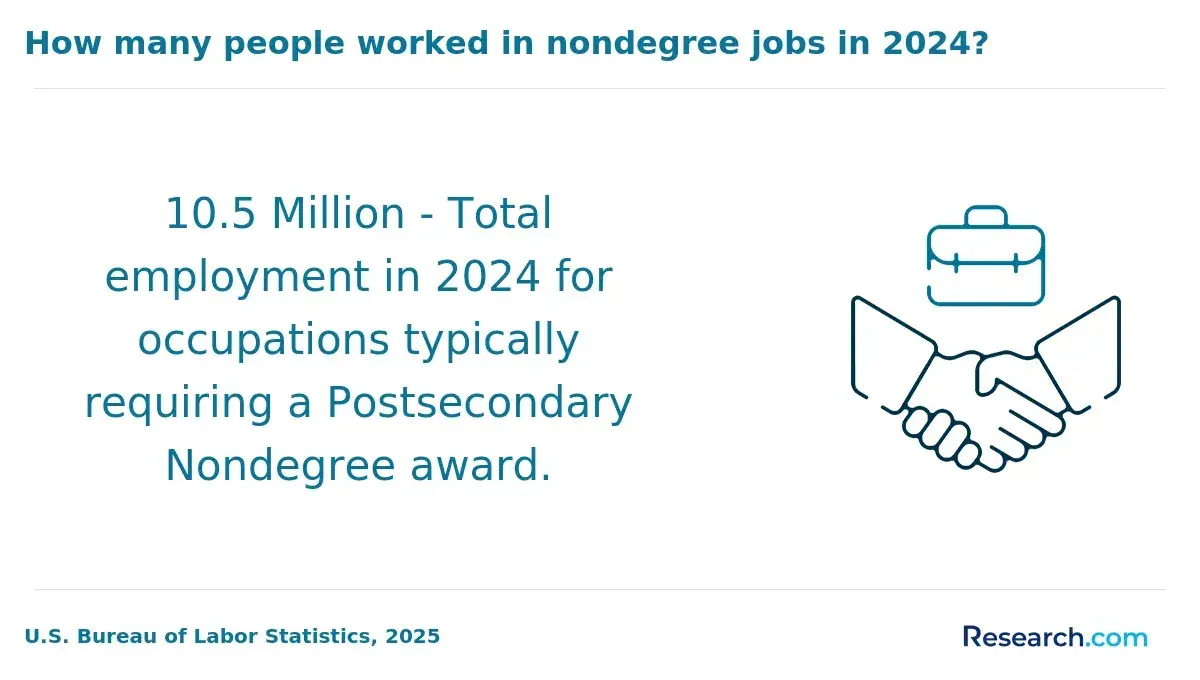
How do online community health programs compare with campus-based options for quality and outcomes?
Choosing between online and campus-based community health degree programs requires balancing academic equivalence against experiential limitations. While online community health degree program outcomes rival those of campus options when students fully engage and attend accredited schools, the inherent lack of in-person interaction restricts hands-on skill development. This gap matters in public health roles emphasizing community engagement techniques typically refined through fieldwork or internships. Campus programs have structured access to labs, local partnerships, and face-to-face networking, which often strengthens employment prospects.
Online students must actively secure local practicum placements and leverage virtual collaboration platforms to replicate these advantages. Employers notably prioritize proven skills and relevant experience over education delivery mode; public health departments hiring health education specialists exemplify this pragmatic stance. With a national median salary of $63,000 and top earners exceeding $112,900, the financial outlook favors candidates demonstrating fieldwork proficiency. Students evaluating the quality comparison of campus and online community health programs should confirm curricula include supervised practical components, accessible faculty, and robust career support.
For professionals constrained by geography or scheduling, online education offers access to public health outreach opportunities otherwise inaccessible, yet demands intentional networking to offset potential isolation. Prioritizing strategic experience acquisition and understanding workforce expectations defines success in this pathway. Additionally, those interested in broadening their expertise might explore programs like the healthcare MBA to complement their core knowledge in health outreach roles.
Which accreditation and institutional approvals should online community health students look for in the U.S.?
For students pursuing online community health degrees in the U.S., prioritizing regional institutional accreditation like that from the Higher Learning Commission or Middle States Commission on Higher Education is essential. These accreditations ensure federal financial aid eligibility and serve as a fundamental validation of degree legitimacy in the workforce. Beyond institutional approval, programmatic accreditation through bodies such as the Council on Education for Public Health (CEPH) specifically confirms that curriculum standards align with employer expectations and industry competencies.
Employment barriers arise when candidates lack CEPH-accredited credentials, especially for roles in state or federal health departments where licensing depends on recognized accreditation. Employers frequently scrutinize these accreditations as a filter for practical skill verification and comprehensive training, affecting eligibility for positions in epidemiology, health education, or outreach coordination. Transfer credits and articulation agreements also hinge on these accreditation distinctions, limiting options if overlooked.
Cost-to-value tradeoffs impact decision-making; for example, Southeastern Oklahoma State University provides an online Master of Science in Community Health at $14,025 tuition, representing one of the more accessible programs relative to many on-campus counterparts. Such pricing considerations are vital as working professionals evaluate return on investment without accruing excessive debt.
Students weighing program choices should consult resources like the RN to BSN online programs cost comparison for benchmarking expenses and verifying accreditation compliance against institutional standards. Assessing
- accreditation standards for online community health degrees in the U.S.
- recognized institutional approvals for U.S. community health programs
What courses and skills are typically included in an online community health curriculum for outreach work?
Online community health training merges core public health knowledge with pragmatic skills essential for outreach roles, especially in underserved areas where adaptability and cultural competence matter most. With California employing over 41,000 community health workers, programs must prepare learners for the logistical and interpersonal nuances distinctive to urban and rural environments. Graduates entering metropolitan homeless outreach, for instance, need to combine rapid digital documentation with culturally appropriate interventions, a dual skill set increasingly demanded by employers.
Curricula typically cover epidemiology, behavior change theories, and program planning, but the practical value depends heavily on experiential learning in grant writing, data analysis, and ethical confidentiality-areas linked closely to workforce readiness. Training that emphasizes navigating community resources and fostering agency partnerships directly correlates with greater employability and impact.
Technical proficiency in digital health tools is no longer optional; workers must handle mobile data reporting efficiently while overcoming barriers like transportation and language disparities. These realities highlight a key tradeoff for online learners: flexibility to simulate constraints versus the challenge of mastering hands-on community engagement remotely.
In practice, understanding local health determinants and tailoring interventions to regional labor market needs is critical. Accreditation agencies reinforce this by requiring culturally competent, ethically sound training that aligns with evolving public health expectations. Prospective students should weigh these operational demands carefully when selecting programs.
What are the common admission requirements and application materials for online community health degrees?
The practical reality of applying to online community health degree programs involves navigating precise academic and experiential thresholds that align closely with employer expectations. Most programs mandate a bachelor's degree from an accredited university, commonly with a minimum GPA near 3.0, emphasizing candidates who already possess foundational knowledge through health-related coursework or relevant professional experience.
Applicants must submit detailed resumes or CVs that document tangible public health outreach efforts or community-facing roles. Personal statements are expected to connect career intentions with specific community health challenges, revealing an applicant's comprehension of operational public health environments rather than generic aspirations. Recommendation letters-ideally two to three-should come from supervisors or academic mentors who can speak directly to an applicant's demonstrated leadership and practical skills.
Quantitative proficiency, often evidenced through coursework in statistics or research methods, is increasingly required to equip candidates for data-driven program demands. Work experience typically ranges from one to three years at the master's level, reflecting the sector's preference for applied knowledge in managing health interventions and collaborating with stakeholders.
Financially, tuition and fees for fully online professional community health degrees approximate $75,000, based on UC Berkeley School of Public Health data from 2024. This cost heightens the need for prospective students to verify employer tuition support or financial aid eligibility before committing, especially for mid-career professionals balancing income and study.
How long do online community health programs take, and what do they typically cost?
Completion time for online community health degree programs varies substantially-ranging roughly from 18 months to three years-depending on full-time or part-time enrollment and prior experience. Accelerated tracks typically compress curricula by focusing on core skills, benefiting candidates with relevant backgrounds seeking rapid labor market entry. Part-time students balancing jobs should anticipate extended timelines, which delay workforce integration and thus influence income trajectories and career momentum.
Cost differences reflect institutional type and residency, with tuition generally spanning $15,000 to $45,000. Public universities often offer lower rates, whereas private programs may demand premiums for specialized resources and connections. Financial aid options, including employer tuition support and FAFSA eligibility, mitigate expenses but require careful consideration against expected salary outcomes and debt management.
Median salaries for roles such as epidemiologists, health service managers, and health education specialists range from $63,000 to $117,960, surpassing the national median wage. This pay scale signals employer demand for candidates equipped with applied outreach, program evaluation, and health policy skills. Therefore, program features like accredited curricula combined with practicums or agency partnerships directly affect employability and can enhance initial salary offers.
What community health and public health outreach jobs can you get with an online community health degree?
Graduates of online community health degrees enter a competitive labor market where employers prioritize a blend of theoretical knowledge and practical skills such as data analysis, program design, and culturally sensitive communication. For example, a health education specialist tasked with creating anti-obesity initiatives in an urban school district must navigate socio-economic and cultural nuances while delivering measurable outcomes. This level of specificity demands targeted training often embedded in online curricula.
An ongoing challenge for students is balancing the flexibility of remote coursework with hands-on experience that employers increasingly expect. Practical exposure through internships or volunteering is often essential to overcome this gap, especially for mid-level or specialized roles. Without this, credential holders may find advancement limited despite having formal qualifications.
Key role competencies include:
- Grant writing and program evaluation for outreach coordinators managing multiple community partners and compliance requirements
- Leadership and budget management for public health program managers overseeing complex initiatives
- Communication and organizational skills evaluated through situational interviews rather than clinical certifications
Online programs that integrate interactive elements and capstone projects align more closely with what employers seek. Nevertheless, prospective students must weigh the tradeoffs between the convenience of online learning and the necessity of field experience to ensure their employability in evolving community health landscapes.
What salary ranges and job outlook can community health graduates expect in public health outreach roles?
Entry-level salaries for community health graduates in outreach roles typically range from $40,000 to $55,000 annually, though geographic and employer variables significantly influence compensation. For instance, coordinating maternal health outreach in metropolitan areas can start near $50,000, while comparable nonprofit positions in rural settings often begin closer to $40,000 but offer deeper program involvement. Mid-career salaries generally fall between $55,000 and $75,000, reflecting experience, funding contexts, and local cost of living. States with higher healthcare expenditures, like California and Massachusetts, push earnings toward the upper end of this spectrum.
Projected employment growth of roughly 12% through 2032 for health educators and community health workers exceeds average occupational expansion, driven by increased prevention-focused programs in underserved populations. However, candidates must weigh slower salary escalation beyond $75,000 against steady demand.
Tuition investment, such as $550 per credit hour for the University of Oklahoma's online BA in community health, demands scrutiny of return on investment since many outreach roles plateau in salary. Ultimately, strategic geographic targeting and negotiation skills are key to maximizing compensation without compromising mission impact.
How can prospective students choose a reputable online community health program aligned with their career goals?
Competency in health informatics and digital communication shapes the practical value of online community health programs, especially for those targeting roles in remote public health outreach. Increasingly, bachelor's-level positions demand proficiency in electronic health records management and data analysis, reflecting employer shifts toward telehealth and data-driven strategies. For example, a public health worker pivoting to remote outreach must prioritize programs with robust technical curricula rather than shorter programs lacking these essentials.
Accreditation from bodies like CEPH validates baseline quality but does not guarantee job readiness. Programs must provide applied learning through practicum or capstone projects simulating digital health promotion challenges. Without such experience, graduates risk falling short of employer expectations in evolving telehealth sectors.
Decision-making also requires weighing cost, duration, and scheduling flexibility against the necessity of technical skill acquisition. Candidates juggling current employment often face tradeoffs between program convenience and comprehensiveness of digital health training.
Strong alumni outcomes and employer partnerships serve as key indicators of program relevance. Programs with transparent graduate placement data segmented by job type and work setting enhance strategic alignment with workforce demands. Prospective students should prioritize affiliations with local health departments or telehealth organizations to leverage real-world connections that support effective career transitions.
Other Things You Should Know About Community Health
The depth and structure of practicum or field experiences differ significantly across online community health programs, impacting skill development and employability. Some programs require in-person internships coordinated locally, which provides hands-on public health outreach exposure, while others offer only virtual or simulated experiences that may not satisfy employer expectations. Students should prioritize programs with verified, substantial field placements tied to local health agencies to ensure real-world application, as this practical component heavily influences job readiness.
Online community health degrees can accommodate career changers, but programs vary in how they support students without health backgrounds. Those with foundational courses in public health sciences and accelerated pathways reduce initial knowledge gaps, while others expect incoming students to have some health-related coursework or experience, which may slow progress. Career changers should select programs offering foundational bridging classes and robust academic advising to avoid extended time to completion or underpreparedness for outreach roles.
Working professionals commonly struggle to balance demanding coursework with job and personal responsibilities in online community health programs. Many curricula include research projects, group assignments, and practica that require significant time and coordination beyond reading and exams. Those aiming for career advancement should prioritize programs with flexible scheduling and asynchronous elements but must realistically anticipate periods of intensive workload, especially during field placements, which can impact job performance and personal time.
Online community health degrees in 2027 equip graduates with skills in digital health communication, data analysis, and community program management. These programs often include virtual simulations and field projects, ensuring that students are ready to address diverse public health needs effectively, especially in digital-first environments.
References
- Community Health Worker Curriculums - RHIhub Toolkit https://www.ruralhealthinfo.org/toolkits/community-health-workers/4/training/curriculum
- Community Health Career - Public Health https://www.publichealthonline.org/community-health-career/
- chea newsroom https://www.chea.org/
- Faculty of Graduate and Postdoctoral Studies | University of Manitoba - Community Health Sciences (MPH) https://umanitoba.ca/graduate-studies/admissions/programs-of-study/community-health-sciences-mph
- What Can I Do With an Online Bachelor’s in Public Health? - MPH Online https://www.mphonline.org/jobs-online-bachelors-public-health/
- The Advantage of Online Learning for Community Health Workers Explained - Community Health Worker Training https://chwtraining.org/advantages-of-online-learning/
- Learn public health | edX https://www.edx.org/learn/public-health
- Online Bachelor’s Degree in Community Health and Wellness https://www.monroeu.edu/academics/undergraduate-programs/school-allied-health-professions/online-bachelors-degree-community
- Understanding the Decision-Making Journey of Prospective Graduate Health Care Students https://eimpartnerships.com/articles/understanding-the-decision-making-journey-of-prospective-graduate-health-care-students
- Home - SACSCOC https://sacscoc.org/