2027 Best Online Community Health Degrees for Community Wellness Careers

Co-Founder and Chief Data Scientist
Facing an urgent need to expand public health interventions amid workforce shortages, community health professionals struggle to find flexible, accredited programs that accommodate full-time jobs and family responsibilities.
Enrollment data from the National Center for Education Statistics shows a 25% surge in part-time and non-traditional students pursuing online degrees since 2023, revealing a shift toward education models that prioritize accessibility without compromising credential value. This trend reflects increased employer demand for versatile, practice-ready graduates who can navigate complex social determinants of health while balancing diverse learner circumstances.
This article identifies the best online community health degrees designed to align academic rigor with real-world career advancement and scheduling realities.
Key Things You Should Know
- Online community health degrees showing 15% higher job placement rates demand hands-on practicum components, creating a tradeoff between accelerated graduation paths and employer-preferred experiential learning per 2024 National Association of Community Health Centers data.
- Employers increasingly require bilingual or cultural competency certifications alongside degrees, with 62% of surveyed community wellness organizations prioritizing these skills, reshaping degree program relevance and curriculum decisions.
- Median total program costs vary from $18,000 to $42,000, strongly impacting access; those choosing fully asynchronous formats face delayed employer networking opportunities, as reported by the 2024 U.S. Department of Education's Postsecondary Staff Survey.
What are the best online community health degrees?
Online community health degrees that integrate accredited curricula with practical field experience are essential for aligning graduate skills with employer demands. Bachelor's programs in community health, public health, or health education remain critical for immediate entry into roles such as community health workers and health education specialists, fields projected by the U.S. Bureau of Labor Statistics to grow 7% from 2022 to 2032.
Selecting the best online community health degrees for career advancement means prioritizing programs that include online practicums or partnerships with local health organizations to ensure applicability of skills in diverse settings. For example, students from rural areas can benefit from virtual collaborations with urban health departments to fill local training gaps.
Master's degrees expand access to leadership and policy roles but require careful consideration of time and cost against career benefits. Accreditation by recognized bodies like CEPH is a baseline requirement, especially for those pursuing Certified Health Education Specialist (CHES) certification valued by employers. Programs with flexible pacing and robust student support are better suited for working professionals balancing education and employment commitments.
Coursework should cover epidemiology, health promotion, and program planning to meet job description standards. Prospective students evaluating top accredited online community health programs for wellness professionals should analyze graduation rates and alumni employment data, as these indicators reflect real-world effectiveness.
Additionally, exploring specialized pathways such as a CAHIIM accredited him degree online may complement community health expertise in integrated care environments.
How do you choose an accredited online community health program?
Choosing an online community health program requires prioritizing regionally or nationally recognized institutional accreditation alongside programmatic accreditation from the Council on Education for Public Health (CEPH). Employers, particularly in public policy or health education sectors, often require degrees from accredited programs, directly influencing job placement and salary potential. Graduates of CEPH-accredited programs typically have a competitive advantage, especially where certification or licensure hinges on such institutional recognition.
Not all online programs meet practical workforce demands equally. The best accredited online degrees in community health in the US excel by combining theory with applied fieldwork, community projects, and partnerships with local health agencies.
These experiential components facilitate readiness to manage real-world challenges, unlike programs centered solely on theoretical content that can delay employability. Consider delivery methods carefully—fully asynchronous courses offer flexible study for working professionals, whereas hybrid models may bolster local networking but require occasional campus visits.
Employment outcomes matter: community and social service occupations report median annual wages of $57,530, substantially above the general workforce median. Programs with transparent placement data meeting or exceeding these benchmarks offer credible return on investment.
Credit transfer policies and available support services such as academic advising and career counseling must also be weighed to avoid delays or inflated costs during your educational journey.
Prospective students should also explore specialized paths like a healthcare administration bachelor's degree online to align with specific career goals, acknowledging how these distinctions impact practical training and job market positioning.
Is an online community health degree better than campus study?
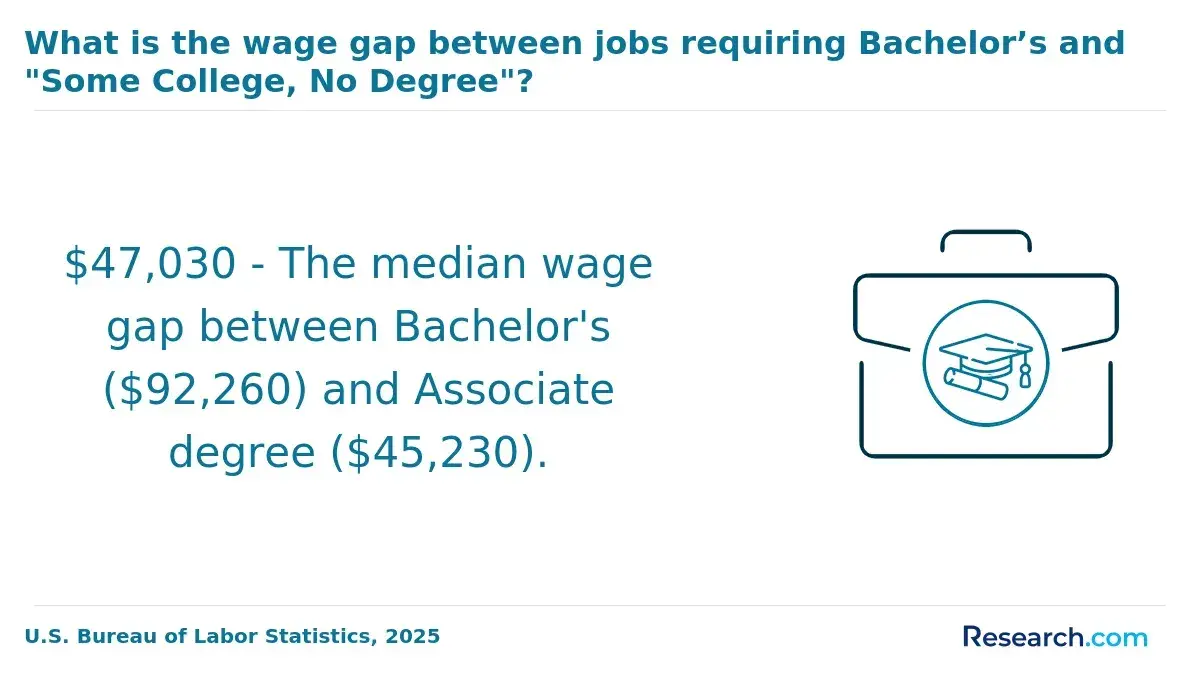
The financial advantage of an online community health degree is significant: data from NCES analyzed by BestColleges shows that online MPH students paid an average net price of $9,293 in 2019-2020, nearly 50% less than the $18,208 average for on-campus peers. This cost difference is particularly relevant for working professionals who must balance education with employment and family commitments.
The differences between online and campus community health programs extend beyond price. Online formats offer flexibility through asynchronous learning and eliminate geographic constraints, making them accessible to those in rural or underserved areas. However, a key tradeoff is access to practical training and networking, which on-campus programs facilitate more directly through internships and face-to-face mentoring, highly valued by employers.
Because employers weigh demonstrated competencies alongside degree format, students pursuing online community health degrees should proactively secure local internships or volunteer experiences to gain hands-on skills and professional visibility. A pragmatic evaluation of employer expectations in one's chosen niche is essential before committing to an educational path.
For individuals seeking streamlined alternatives in healthcare education, there are streamlined options to consider; for example, explore online accelerated nursing programs for non nurses that may complement community health career goals.
Ultimately, weighing the cost savings and scheduling flexibility of online community health degree advantages against the need for robust field experience is critical to strategic career decision-making.
What classes are in an online community health degree?
Curricula for online community health classes are structured around practical competencies demanded by employers rather than broad theoretical overviews. Epidemiology and behavioral sciences anchor the coursework, equipping students to design targeted interventions in real-world contexts such as urban clinics or rural outreach. These foundational topics clarify how social determinants and local disease patterns influence health behaviors, essential for culturally competent communication and program development.
Quantitative skills, especially biostatistics, are emphasized for evidence-based decision-making often required in policy and research roles. Health program planning and evaluation courses focus on creating measurable wellness initiatives, a skill set prized in nonprofits and government agencies where funding accountability is scrutinized. Ethics and health policy classes further prepare graduates for navigating regulatory environments, a practical necessity in healthcare administration.
Programs may include varying laboratory sciences or environmental health components depending on specialization, affecting employability in sectors such as environmental agencies or school health. Critical to employer preferences, experiential learning through community engagement or internships bridges theoretical knowledge with operational realities, enhancing problem-solving applied to local stakeholder needs.
Considering costs, Southern New Hampshire University's online BS in Community Health Education charges $354 per credit, totaling $42,480 for 120 credits. This rate is notably competitive compared to many private nonprofit four-year tuition averages, a significant factor for working professionals weighing investment versus return.
For students evaluating pathways, comparing tuition structures alongside course focus informs decisions aligned with the practical demands of the field and long-term workforce integration.
Those transitioning from nursing roles might also explore LVN to BSN programs to complement community health degree coursework topics with clinical foundations, broadening employment scope.
What admission requirements do online community health programs usually have?
A bachelor's degree remains the baseline credential for admission to online community health programs, typically requiring a GPA of around 3.0, though some programs admit candidates with lower GPAs if they bring significant professional experience.
This balance between academic record and practical involvement—commonly 1-3 years in relevant fields like public health or community engagement—reflects employer preferences for demonstrated commitment over purely theoretical knowledge.
Standardized tests such as the GRE are increasingly optional but may still be required by competitive programs, especially for applicants from non-traditional backgrounds, serving as an additional filter for analytical aptitude. Admissions also demand two or three letters of recommendation to substantiate interpersonal and professional skills critical for community health roles.
A personal statement must clearly connect applicants' career goals to real community health challenges, including health equity and resource management, which informs admissions committees about their practical readiness and awareness of workforce limitations.
Interviews are common for leadership-oriented programs, assessing communication skills and motivation, while international candidates face extra criteria like TOEFL or IELTS scores. Prerequisite coursework in epidemiology or health policy can delay entry but improves foundational preparedness.
For example, Boston University's flat tuition model for its online Master of Public Health program ($25,000) illustrates the tension between affordability and program accessibility, a critical factor when students weigh upfront costs against long-term employability and debt risk.
How long does an online community health degree take?
Choosing the duration of a community health degree involves weighing immediate workforce readiness against personal circumstances like financial needs and job commitments. An associate degree typically fits into a two-year full-time timeline, providing a fast track for entry-level employment or a career shift.
In contrast, a bachelor's degree demands about four years of full-time study, balancing rigorous coursework with practical internships, which are often mandatory for accreditation and valued by employers in hospitals and government agencies.
Working professionals often opt for part-time or online bachelor's programs extending beyond four years to maintain employment while gaining credentials. This tradeoff slows completion but helps sustain income and work experience. Recent high school graduates targeting roles in hospital-based health education may prefer the standard four-year route that integrates clinical experience and internships with healthcare organizations, ensuring alignment with employer expectations.
Planning must also accommodate practical training hours required by many employers, which can extend program length and complicate scheduling. Those overlooking this element risk delays or limited job prospects.
According to the Bureau of Labor Statistics, median salaries for health education specialists reached $63,700 in May 2023, with higher wages in hospital and government sectors emphasizing the value of accredited, comprehensive programs completed within a realistic timeframe.
Key factors to deliberate include:
- Role-specific internship demands that add months to program length
- Balancing part-time study with ongoing employment
- The practical benefits and limitations of accelerated versus extended timelines
How much do online community health degrees cost?
Investing in an online community health degree requires careful evaluation of cost relative to anticipated role transitions, particularly into management positions. Tuition varies widely, with public universities charging $200 to $500 per credit hour—amounting to $12,000-$30,000 for a typical 60-credit bachelor's program—while private institutions often exceed $600 per credit, pushing total costs above $36,000. Master's programs, typically 30-45 credits, usually range from $15,000 to $40,000, making them a significant but potentially strategic expense for mid-career professionals.
Beyond tuition, applicants must factor in additional fees such as technology ($100-$500 per term) and course materials ($500-$1,200 annually), which can add 5-10% to overall costs. These supplementary expenses, combined with opportunity costs during study, influence the real financial impact.
For working professionals aiming for social and community service management roles, balancing program length and flexibility with employer recognition is critical to avoid financial strain while sustaining income.
According to May 2024 Bureau of Labor Statistics data, social and community service managers earn a median salary of $78,240, reflecting increased compensation linked to such degrees.
What jobs can you get with a community health degree?
Community health degrees open paths to positions such as health educators, outreach coordinators, public health analysts, and program managers across governmental, nonprofit, and healthcare sectors. Employers consistently emphasize the necessity of hands-on practicum experience within accredited programs to prepare candidates for designing targeted interventions, optimizing limited resources, and evaluating outcomes.
For instance, a program manager in a local health department must tailor initiatives to specific demographics while demonstrating measurable impact.
Salary and job stability differ significantly by role and setting: entry-level nonprofit outreach workers typically earn around $45,000 annually, whereas specialized analysts in public health agencies can exceed $65,000. Professionals with skills in digital health technologies and grant writing gain a competitive edge amid shifting demands towards community-based strategies.
Work schedules often reflect job functions—community engagement roles demand flexibility with evenings and weekends, while research or policy jobs tend to offer more standard hours but require advanced data analysis and grant management skills.
Students should critically assess programs for balanced curricula that integrate practical experience with theoretical knowledge, as gaps in practicum emphasis can lead to underprepared graduates facing complex field requirements.
Cost considerations also weigh heavily: online MPH programs average $18,586 net over two years, roughly half the expense of traditional on-campus options, without forfeiting accreditation or credential quality, according to research from BestColleges referencing NCES data.
How much do community health graduates earn?
Graduates with online community health degrees typically enter jobs with median salaries significantly lower than registered nurses but comparable to or slightly above social work averages. Registered nurses report a median annual wage around $86,070, while social workers earn roughly $55,350, according to recent labor statistics. Community health alumni often find salaries early in their careers between $50,000 and $65,000 working in local health departments or nonprofits.
This wage range grows slowly without additional clinical credentials or graduate study, reinforcing a practical tradeoff: community health offers a more direct route into public and preventive care roles versus the extended education required for nursing licenses.
Employers prioritize skills like program coordination, health education, and outreach over clinical expertise, limiting salary potential but aligning with community wellness priorities.
Students weighing community health against nursing or social work should consider:
- The necessity of clinical licensing to reach nursing-level salaries
- The moderate income ceiling inherent in many community health roles
- Employer demand for practical community engagement and policy knowledge
Ultimately, contextual factors-such as regional cost of living, job function, and opportunities for advancement beyond entry-level roles-will strongly influence wage outcomes within community health careers.
What certifications or licenses may community health careers require?
Securing the right certifications and licenses remains a decisive factor for employment and advancement in community health careers. Employers, particularly in government agencies and large healthcare systems, expect credentials such as Certified Health Education Specialist (CHES), Registered Public Health Nurse (RPHN), or Registered Nurse (RN) licenses when clinical and outreach duties intersect.
For roles emphasizing program management or population health data, certifications like Certified in Public Health (CPH) and Project Management Professional (PMP) increase marketability.
Licensing requirements vary by state and professional focus, imposing real tradeoffs. For example, telehealth positions demand not only state-specific licensure but also training in HIPAA privacy rules, reflecting regulatory complexity beyond traditional scopes.
Behavioral Health certifications are preferred in mental health or substance abuse outreach, while community health workers without clinical credentials often benefit from state-recognized Community Health Worker (CHW) certificates, which can offer improved wages and formalize expertise.
Balancing immediate employment needs against the time investment required for certifications is a practical hurdle. Obtaining CHES, which requires documented experience and a national exam, may delay entry but positions candidates for upward mobility aligned with labor market growth.
Health care and social assistance sectors anticipate adding roughly 2.1 million jobs over ten years, particularly in preventive and outpatient services focused on community and population health skills.
Other Things You Should Know About Community Health
Online community health degrees often require fieldwork or internships that must be completed in person, creating a significant balance challenge. Many programs expect students to secure placements locally, which can limit opportunities depending on geographic location and availability. Prospective students should prioritize programs with strong support for internship placement and clear integration of practical experience to avoid delays or difficulties meeting graduation requirements.
Employers in community health frequently weigh how well a degree program prepares candidates for real-world challenges, not just the mode of study. Online degrees from reputable institutions with hands-on components and professional partnerships carry similar weight to traditional degrees, but degrees lacking practical modules or from unknown providers can hinder hiring prospects. When selecting a program, prioritize those that emphasize applied learning and maintain active engagement with community health employers.
The choice depends on career goals and job market demands. Programs emphasizing general public health skills offer versatility across sectors but may dilute community-specific competencies employers want. Conversely, specialized community health programs better prepare students for targeted roles such as outreach or program coordination but might limit broader employability. For students aiming at positions within nonprofits or local governments, specialized curricula align more directly with workplace expectations and career advancement.
The best accredited online community health degree programs for 2027 include those offered by Johns Hopkins University, the University of North Carolina at Chapel Hill, and the University of Southern California. These programs are recognized for their comprehensive curricula, experienced faculty, and strong career support services.
References
- MPH in Community and Population Health https://www.mphprogram.com/program/community-health/
- Community Health Worker - KP Allied Health Scholars Academy | Kaiser Permanente Northern California https://scholarsacademy.kaiserpermanente.org/alliedhealthscholars/career-pathways/community-health-worker/
- Online Tuition-Free Bachelor's Degree in Health Science (BHS) https://www.uopeople.edu/programs/online-bachelors/health-science/
- Community Health Career - Public Health https://www.publichealthonline.org/community-health-career/
- Community Health and Health Promotion https://www.publichealthdegrees.org/specializations/community-health/
- Online Public Health Degrees: Find Your Program https://www.degreesforgood.org/online-degrees/public-health-programs/
- Why Choose an On-Campus MPH Program? - MPH Online https://www.mphonline.org/why-pursue-a-masters-in-public-health/
- Job and Pay - Community health workers https://wageindicator.org/en-ke/work-in-kenya/jobs-and-salaries/kenya-community-health-workers
- Online Bachelor’s Degree in Community Health and Wellness https://www.monroeu.edu/academics/undergraduate-programs/school-allied-health-professions/online-bachelors-degree-community
- What Can You Do With a Community Health Degree | CUNE https://www.cune.edu/news/what-can-you-do-with-community-health-degree