2027 Online Community Health Degrees With Strong Navigation-to-Advocacy Preparation

Co-Founder and Chief Data Scientist
Professionals aiming to transition into advocacy roles within community health frequently confront a fragmented learning landscape that lacks clear pathways connecting foundational health knowledge to effective policy and advocacy skills. The National Center for Education Statistics reports a 21% surge in online program enrollment for adult learners in relevant fields since 2023, signaling growing demand but also highlighting the challenge of finding flexible yet comprehensive curricula that address both navigation of complex health systems and advocacy preparation. These shifts compel candidates to prioritize programs with integrated training designed for workforce adaptability rather than isolated theoretical instruction. This article evaluates online community health degrees optimized for seamless skill progression from system navigation to advocacy, guiding strategic enrollment choices aligned with career advancement priorities.
Key Things You Should Know
- Online community health degrees with navigation-to-advocacy focus often extend program length by 15-25% to incorporate policy and leadership modules, increasing tuition costs by an average 12%, impacting affordability and completion rates (NCES 2024).
- Employers in public health fields increasingly prioritize candidates with combined navigation and advocacy skills; 68% of surveyed agencies report these competencies improve community engagement outcomes, driving hiring preference shifts (ASPE 2024 Workforce Report).
- Tradeoff exists as programs balancing foundational navigation skills vs advocacy training yield divergent career trajectories: navigation-heavy grads enter case management roles quicker, while advocacy-integrated graduates command 20% higher median salaries but face longer job placement timelines (BLS 2024 data).
What is an online community health degree with a navigation-to-advocacy focus?
Degrees focusing on navigation-to-advocacy skills prepare graduates to bridge service coordination with systemic change, addressing critical workforce needs in community health. This dual skill set responds to complex demands, equipping students to both navigate fragmented social and health services and influence policy or organizational reform based on frontline experience. The practical implications surface in roles where immediate client support intersects with broader advocacy efforts.
Employment projections estimate 313,700 annual job openings in community and social service occupations through 2034, with a median wage of $57,530 as of May 2024. Demand stems from workforce turnover and expanding priorities around health equity. Employers now emphasize candidates possessing both case navigation expertise and the ability to lead client advocacy, fostering improved service delivery and institutional adaptability.
For example, a navigator working with low-income seniors must link clients to Medicare benefits while actively campaigning to close gaps in local support systems. Online community health degree programs with navigation and advocacy training integrate policy analysis, communication strategies, and cultural competency to prepare students for such challenges.
Choosing these community health education degrees focused on navigation-to-advocacy skills requires evaluating curricular depth, practicum quality, and career alignment. This pathway suits professionals seeking roles in nonprofits, public agencies, or healthcare settings demanding a balance of frontline navigation and strategic influence. Prospective students interested in mental health may also explore online clinical mental health counseling programs that share overlapping competencies in client support and advocacy.
How do online community health degrees prepare students for patient navigation and advocacy roles?
A critical consideration for prospective students evaluating online community health degree programs for patient navigation is how effectively curricula balance theoretical frameworks with applied skills to meet real employer demands. These programs embed patient navigation and advocacy training within healthcare systems, emphasizing cultural competence, policy insight, and legal aspects necessary to overcome hurdles like socioeconomic barriers and insurance complexity. Graduates emerge prepared to coordinate care transitions and advocate for patient access in settings ranging from rural health centers to urban clinics.
Community health advocacy training in online degrees typically involves virtual practicums or collaborations with local organizations, giving candidates hands-on experience with diverse patient populations despite remote learning constraints. This experiential emphasis fosters soft skills such as resilience and communication that employers weigh as heavily as technical knowledge. Still, students must consider logistical challenges, including maintaining clinical affiliations and meeting regional licensure requirements, which can influence the choice of program and ultimate career path.
Projected 7% growth in roles like health education specialists signals steady workforce demand, yet the median wage around $62,860 may vary significantly by geography and employer type. Individuals seeking strategic career advancement should also evaluate programs through practical lenses such as employability impact and compatibility with existing roles.
For a comparative perspective on accelerated program alternatives relevant to community health pathways, see accelerated healthcare administration degree listings that offer different operational models and timelines.
What types of online community health degrees and certificates are available?
Selecting an online community health degree program with navigation to advocacy focus requires clear alignment with specific career objectives and employer demands. Associate degrees primarily prepare students for frontline roles involving health education and resource coordination, while bachelor's degrees sharpen analytical and program development skills suited for advocacy and managerial positions. These undergraduate paths reflect the skills employers seek in roles such as community outreach coordinators and public health advisors.
Graduate certificates emphasize targeted, rapid upskilling in areas like healthcare navigation systems or legislative advocacy-ideal for professionals needing immediate competency without a full degree. However, their limited scope can restrict advancement unless supplemented by further credentials. Master's degrees equip graduates for leadership tasks, such as designing complex health initiatives, often leading to roles like social and community service managers. This progression aligns with documented median wages around $78,240, underscoring market differentiation for higher qualifications.
When weighing options, students must consider time investment, cost, and practical outcomes. For instance, a working professional aiming for administrative leadership might prioritize a master's or specialized MBA in healthcare program with a strong practicum component. Conversely, candidates prioritizing swift employment benefits may choose accelerated certificates aligned with advocacy skills development. Evaluating accreditation and how well programs train for data analysis and cross-sector collaboration is essential since employer preference heavily favors verified competencies.
In navigating this landscape, prospective students should recognize the tradeoffs between program depth and immediate employability in community health certificates emphasizing advocacy skills development. Combining practical experience with robust credentialing remains the most reliable strategy for career advancement in this evolving field.
What courses and skills are covered in community health navigation and advocacy curricula?
Community health navigation course topics focus on building precise, actionable skills rather than theoretical breadth. Core subjects include health communication, case management, social determinants of health, and behavioral health interventions, all designed to meet employer expectations for graduates who can immediately address system inefficiencies. Practical skill development prioritizes competencies in cultural humility, crisis intervention, and health literacy enhancement, reflecting the complex realities of client engagement across diverse social service environments.
Programs increasingly integrate scenario-based training, such as overcoming Medicaid enrollment challenges for low-income clients or coordinating multi-provider care for chronic conditions. This real-world application aligns with essential skills for community health advocacy programs, emphasizing resource coordination and policy influence essential to frontline effectiveness. Legal and ethical instruction ensures practitioners understand confidentiality, consent, and client rights-key compliance demands in this sector.
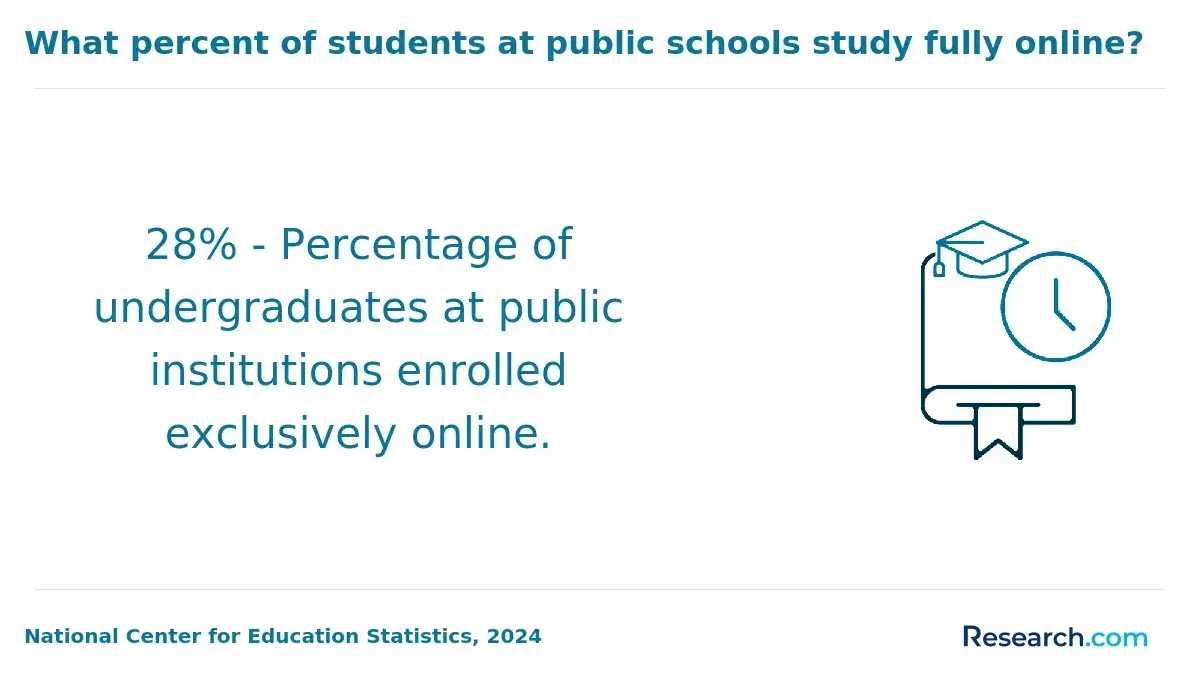
More than 70% of public health and navigation curricula now offer hybrid or fully online formats, improving access for working adults but raising concerns about hands-on experience gaps. Students should evaluate programs for interactive components that simulate practical challenges to avoid deficits in job readiness. For those considering further advancement, pathways like a BSN to MSN program may offer strategic options that build on community health foundations.
How do online community health programs compare with campus-based options for training quality?
Online community health degree programs consistently deliver theoretical coursework comparable to campus offerings, but disparities arise in practical advocacy training-an essential skill set for employment in public health roles. Employers across health departments and nonprofits often require graduates to demonstrate hands-on advocacy experience, yet a 2022 Australian review found that 23% of undergraduate and 21% of postgraduate public health programs fully exclude advocacy curricula. This shortfall extends beyond online education, signaling a widespread undervaluation of practical advocacy across modalities.
Students must verify whether online programs incorporate applied projects, internships, or simulation-based learning opportunities that build real-world advocacy skills. Lacking such components can create a steep transition after graduation, delaying workforce readiness and necessitating additional certifications. For example, a public health advocate working with marginalized urban populations must adeptly navigate policy frameworks and community engagement-skills rarely developed through passive learning alone.
Campus programs often embed on-site practicums and peer collaboration, providing clearer pathways to advocacy proficiency, though geographic and scheduling limitations apply. Some online degrees with synchronous sessions and agency partnerships replicate these benefits but remain infrequent. Prospective students should rigorously assess the depth and format of practical advocacy training rather than relying on modality alone when selecting a program for community health careers.
What accreditation and institutional quality standards should online community health programs meet?
Accreditation fundamentally differentiates online community health programs by validating the integration of current skills and standards critical for workforce readiness. Institutional accreditation from entities like the Higher Learning Commission or the Middle States Commission ensures baseline quality and credit transferability, but program-level accreditation by the Council on Education for Public Health (CEPH) is often the decisive factor for employers. CEPH accreditation guarantees curricula cover evolving competencies such as digital advocacy, policy design, and technology-driven community engagement.
For example, a community health worker shifting to digital advocacy in a rural setting must gain hands-on experience with virtual analytics platforms and digital outreach strategies-components typically embedded in CEPH-accredited programs' practicum requirements. Without this, professionals risk skill gaps that undercut effectiveness and increase retraining costs.
Key considerations when vetting programs include:
- Verification of CEPH accreditation alongside institutional validation
- Curriculum alignment with up-to-date digital tools and advocacy methodologies
- Embedded experiential learning opportunities with technology integration
- Assessment of tuition tradeoffs versus employment advantages in nonprofit and public sectors
Programs lacking recognized accreditation struggle to prove the inclusion of these competencies, leaving students vulnerable to obsolete training. Employability in funder-dependent organizations often hinges on such credentials, making accreditation not merely a formality but a practical necessity for career pivots toward advocacy and policy roles within community health.
What are typical admission requirements and time-to-completion for online community health degrees?
Admission requirements for online community health programs present clear practical tradeoffs. Associate degrees typically demand only a high school diploma or GED, enabling quicker entry, while bachelor's level candidates often face standardized tests or work experience documentation that can delay enrollment. Graduate programs require a completed bachelor's with some insisting on prior health or social sciences coursework, which can extend preparatory phases for nontraditional students.
Completion times differ markedly by degree level and student load: associate degrees generally require 2 years full-time; bachelor's online programs range between 3 to 4 years depending on flexibility or acceleration; master's degrees span approximately 1.5 to 3 years-with part-time options affecting pacing. For professionals balancing employment, programs recognizing prior experience and offering flexible schedules can mitigate time-in-program, which is crucial during career pivots.
Employers increasingly expect community health workers to integrate policy advocacy alongside direct service roles. A 2023 Australian study reveals over two-thirds of public health practitioners engage in advocacy without having received formal instruction, highlighting a notable gap in workforce preparation. Graduates from programs embedding advocacy and navigation skills tend to demonstrate stronger adaptability and impact in evolving public health landscapes.
Prospective students should assess admission prerequisites and program structuring against their timelines and career goals, particularly when factoring in employer expectations for advocacy competencies and practical experience immersion.
How much do online community health degrees cost, and what financial aid options exist?
Choosing an online community health degree requires careful evaluation of total costs versus expected workforce outcomes. Tuition ranges widely-from about $10,000 for accelerated programs to $40,000 for traditional four-year degrees-largely influenced by institutional type and residency status. Public state schools typically offer lower in-state per-credit rates ($200-$500), whereas private programs often exceed $600 per credit. For working adults balancing employment, shorter programs near $15,000 may minimize opportunity costs but risk limiting practicum depth or employer recognition.
Federal aid through Pell Grants and Direct Loans can offset significant tuition expenses. Employer tuition reimbursement is common for degrees directly aligned with job functions, but this varies by organization and role. State grants targeting public health can reduce net costs if candidates commit to serving underserved communities post-graduation. Ancillary expenses such as travel for practicum hours and liability insurance should not be overlooked in budgeting.
The labor market projects 14% growth for community health workers over the next decade, with median wages around $48,280 annually. This underscores the importance of aligning program selection with certification pathways that employers value and realistic debt burden management. Students must weigh program duration, cost structure, and placement outcomes to ensure the degree supports sustainable employment rather than inflating debt.
What careers, work settings, and advancement paths can follow a community health navigation degree?
Community health navigation graduates face a workforce where practical skills in cultural competence and systemic equity are increasingly non-negotiable. Employers value navigators who can mitigate barriers like language gaps and insurance confusion-skills that directly impact patient outcomes and reduce costly readmissions. For example, a hospital-based navigator coordinating chronic care must integrate medical knowledge with cultural literacy to improve adherence and follow-up.
Career trajectories typically start in frontline roles such as patient navigation or outreach coordination within hospitals, nonprofits, or government agencies. Advancement often hinges on acquiring management, grant writing, or policy analysis competencies; this transition usually takes 5-7 years and is associated with significant salary improvements. Professionals blending navigation expertise with public health or social work credentials command higher-level positions influencing program design and funding.
Choosing this path entails upfront tradeoffs. Nonprofit entry-level salaries tend to lag compared to clinical roles, offset by the potential for impactful community work. Continuous skill development is essential, with employers demanding culturally grounded navigation aligned with addressing structural racism and health inequities. Over 90% of community health worker advocacy involves these equity concerns, reinforcing the need for targeted training.
What is the salary potential and job outlook for community health navigators and advocates?
Salary outcomes for community health navigators and advocates show meaningful variation tied to employer type, geography, and skill specialization. Median wages range from $45,000 to $65,000 annually, with entry-level roles in nonprofits or local agencies typically starting around $40,000. More experienced professionals in hospital systems or public health departments can exceed $70,000, especially when their duties involve policy advocacy and strategic community engagement.
A 2024 analysis of 50 U.S. public health organizations found that over 75% prioritize competencies such as policy advocacy, systems thinking, and community engagement, which often translate to higher pay and influence within organizations. For example, a community health advocate working on Medicaid expansion policy within a state health department may earn up to 20% more than peers without specialized policy expertise.
Practical tradeoffs are significant: roles focusing on direct client navigation provide lower starting salaries but essential hands-on experience, whereas advocacy-centered positions often require advanced education and the ability to manage complex bureaucratic environments, potentially affecting job stability. Prospective candidates should evaluate local labor markets and align their educational investment with these evolving competencies to optimize employability and income growth over time.
Other Things You Should Know About Community Health
Programs with a navigation-to-advocacy focus often require balancing theory, practical applications, and fieldwork. Expect a significant time investment in virtual internships or community projects that replicate on-the-ground challenges. Students should prioritize programs with flexible schedules if they must maintain full-time work, as the integration of real-world case studies increases rigor compared to general online degrees.
Employer recognition varies widely depending on the program's accreditation and reputation. Degrees from institutions with established community health partnerships tend to carry more weight, especially where hands-on training and advocacy experience are verified. Candidates should prioritize programs offering measurable practical experience and completed internships over purely theoretical coursework to enhance job market competitiveness.
Programs differ in how they allocate coursework and practical training between patient navigation and advocacy. Students aiming for frontline patient interaction roles should select programs with stronger navigation components and direct community engagement. Those interested in policy influence need programs emphasizing advocacy strategies, legislative frameworks, and coalition-building. Choosing a degree that offers a clear emphasis aligned with career goals ensures clarity in skill development and employer expectations.
References
- Career FAQ | Patient Navigation and Community Health Worker Training https://patientnavigatortraining.org/network/career/
- Care Coordination - Community Health Navigation (Certificate Program) | Program Requirements https://www.monroecc.edu/etsdbs/mccatpub.nsf/hegis+codes/Care+Coordination+-+Community+Health+Navigation+(CERTIFICATE+PROGRAM)
- Community and Health Services Navigation https://cambriancollege.ca/programs/community-and-health-services-navigation
- Careers https://www.publichealthdegrees.org/careers/
- Patient Navigation Professional | Canadian Healthcare Education Network https://www.chenetwork.ca/aan-ppnc
- CHW Career Paths: Good Skills, Roles, and Growth Opportunities - Community Health Worker Training https://chwtraining.org/chw-career-paths/
- Health navigator https://careers.cimspa.co.uk/careers-occupations/health-navigator/
- Public Health - INTERNATIONAL EUROPEAN UNIVERSITY, POLAND | EUROPE | STUDY IN POLAND | STUDY IN EUROPE | MBBS | GENERAL MEDICINE | BUSINESS | ENGINEERING | IT | EUROPE https://ieu.com.pl/european-medical-school-main/public-health/
- Financial Aid Guide https://www.publichealth.org/resources/financial-aid/
- Online Public Health Degrees: Find Your Program https://www.degreesforgood.org/online-degrees/public-health-programs/