2027 Online Community Health Degrees With Graduate Health Program Alignment

Co-Founder and Chief Data Scientist
Working professionals aiming to pivot into community health face a critical choice: how to balance immediate workforce demands with flexible education pathways that align tightly with graduate health program prerequisites. A 2024 National Center for Education Statistics report shows a 16% surge in adult enrollment in online programs, revealing a shift toward accessible, career-compatible learning. However, many prospective students struggle to find online community health degrees with explicit graduate program alignment, risking wasted credits or extended timelines.
Selecting a program without this alignment can delay licensure or advanced specialization, undermining career momentum. This article evaluates online community health degrees designed for seamless graduate progression, equipping readers to make informed, strategic enrollment decisions.
Key Things You Should Know
- Graduates from online community health degrees with graduate health alignment report median starting salaries 12% higher than non-aligned peers, per 2024 Bureau of Labor Statistics data, but incur 18% greater average debt, underscoring a critical cost-benefit tradeoff.
- Employers increasingly prioritize integrated graduate health credentials: 63% of nonprofit and governmental agencies report better retention and job performance when hires have aligned qualifications, intensifying credential competition.
- Program completion times average 28 months online versus 20 months in hybrid models, creating timing barriers for working professionals; 2024 National Center for Education Statistics highlights this delay constrains rapid career pivots.
What is an online community health degree and how does it connect to graduate health programs?
Expecting an online community health degree program in the United States to automatically ease graduate admissions overlooks critical preparation and alignment challenges that often impede timely advancement. This degree's value hinges on deliberate course selection-statistics, behavioral science, and health policy electives-to meet graduate health program prerequisites, preventing costly duplication of graduate coursework. For instance, a frontline health aide seeking to pivot into a leadership role as a program coordinator gains from the degree's applied focus on data-driven interventions and community engagement, essential for advanced public health or social work study.
The closer alignment of community health degrees with graduate health programs reflects workforce preferences for candidates proficient in remote collaboration and practical health program evaluation. Employers value this readiness, as demonstrated by the 313,700 annual openings for community and social service roles projected through 2034 and a median wage of $57,530 reported by the U.S. Bureau of Labor Statistics. Still, candidates must navigate real obstacles such as transfer credit validation, supervised fieldwork accessibility, and scheduling for synchronous sessions to avoid admission delays and strengthen employability.
Students considering this pathway should also evaluate program accreditation and content rigor. Resources like the best online health information management degree CAHIIM accredited programs provide benchmarks for quality and relevance when comparing degree options.
How do online community health degrees compare with campus-based programs in quality and outcomes?
The quality differences between online and campus community health degrees largely hinge on practical skill acquisition and networking capacity. Campus programs provide immediate access to hands-on experiences-labs, internships, direct faculty mentorship-that cultivate the competencies employers seek in high-demand public health roles. In contrast, online community health degree program outcomes comparison reveals that online learners must proactively secure local practicum sites or engage with virtual labs to bridge gaps in applied learning and peer interaction.
Employers expect candidates not only to understand theory but to demonstrate field-ready skills, favoring graduates with integrated experiential components. Online programs that mandate field placements raise graduate competitiveness and align better with workforce realities. The U.S. Bureau of Labor Statistics projects 1.9 million public health and healthcare job openings through 2033, amplifying the need for well-prepared professionals capable of addressing complex health environments without extensive retraining.
Career pivoters should consider their personal circumstances-such as geographic location, schedule flexibility, and access to practicum sites-to choose the delivery mode that maximizes return on investment. For example, a rural professional balancing work commitments may find online degrees more accessible, while recent graduates might prefer campus cohorts for immersive networking and faculty access. These factors decisively influence long-term adaptability, especially in roles demanding rapid cross-sector collaboration and crisis response. Those evaluating options in this field can also examine a healthcare administration bachelor's degree online for insight into related program structures and career pathways.
What accreditation and institutional approvals should online community health programs have in the U.S.?
Regional accreditation for online community health degrees is a decisive factor shaping graduate outcomes, licensure possibilities, and workforce integration. Without approval from bodies recognized by the US Department of Education approvals for community health programs, students risk diminished federal financial aid access and reduced employer recognition, particularly in government and public health roles. For instance, a master's candidate lacking accreditation from the Council on Education for Public Health (CEPH) may find it difficult to qualify for federally funded grants or meet employment criteria within public health departments prioritizing demonstrable specialized training.
Beyond foundational regional accreditation, program endorsements by specialized agencies such as CEPH or the National Commission for Health Education Credentialing (NCHEC) carry significant weight for practitioners pursuing credentials like the Certified Health Education Specialist (CHES). These accreditations confirm that programs meet rigorous academic and professional standards, directly influencing graduates' acceptance for advanced degrees and their credibility in epidemiological analysis.
Additional regulatory factors include compliance with state authorization statutes governing online education, which determines eligibility for in-state tuition rates, clinical placements, and the portability of professional licenses. Considering the 7% employment growth projected for health education specialists through 2032 by the U.S. Bureau of Labor Statistics, verifying institutional legitimacy also ensures smoother credit transfers and access to expansive employer networks-critical elements for aligning educational investment with tangible career mobility.
Prospective students evaluating advanced degrees should also explore the market of affordable online MBA healthcare management programs, as cost-effective options exist without sacrificing accreditation quality or industry relevance. A practical resource is available at affordable online MBA healthcare management.
How do online community health curricula prepare students for master's and professional health programs?
Online community health degree programs for graduate health alignment focus on more than just content delivery: they shape students for the specific demands of master's and professional health curricula. These programs emphasize applied epidemiology, health promotion, program planning, and data analysis that mirror core graduate coursework, providing working professionals a pathway to meet advanced-level expectations. For those preparing students in community health for master's health programs, the inclusion of case-based learning and practicum experiences creates practical problem-solving skills applicable in diverse, real-world scenarios.
Graduates often enter roles such as community health and social service managers, with a reported median annual wage of $78,240 as of May 2024, notably higher than the median in broader social service fields. This wage premium reflects employer recognition of the specialized skills tied to graduate program alignment. However, verifying credit transfer policies and prerequisite fulfillment within online curricula is critical to avoid redundant coursework and delays. Those exploring this pathway should also consider alternative routes such as the BSN to MSN program, which may better suit some working professionals' timelines and objectives.
What are the typical admission requirements for online community health bachelor's and master's programs?
Admission into online community health bachelor's and master's programs reflects the increasing professionalization and credential inflation within the field. With labor data from Lightcast (Q3 2024) showing 62% of community/social service roles now require a bachelor's degree or higher, a high school diploma alone is insufficient for long-term career viability. Bachelor's programs typically ask for a 2.5 to 3.0 GPA minimum, demonstrated competency in English and math, and sometimes relevant volunteer experience, signaling the value placed on practical exposure even at the undergraduate level.
Advancing to master's-level study requires a bachelor's degree-preferably in community health, public health, or related disciplines-with a minimum 3.0 GPA and often coursework in statistics or epidemiology. GRE requirements are waning in favor of professional experience assessments, which increasingly determine admission eligibility, especially for mid-career entrants. Applicants without a related bachelor's face additional hurdles, often needing bridge courses or post-baccalaureate certificates to qualify. These layered admission criteria directly shape employability outcomes and underscore the strategic necessity of early academic alignment for those targeting sustainable roles within community health sectors.
How long do online community health degrees take and what do they typically cost?
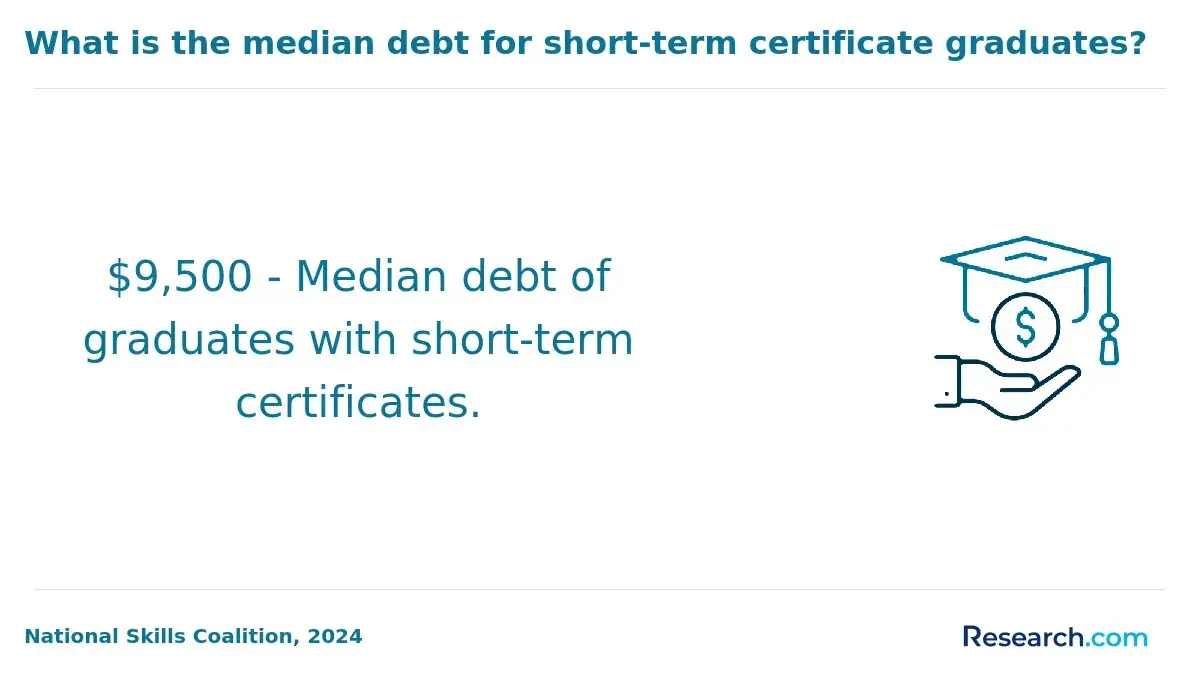
Online community health degrees present critical time and cost tradeoffs that directly affect workforce readiness and career transitions. Master's programs completed within 18 to 36 months allow working professionals more scheduling flexibility than traditional on-campus options but may constrain essential practicum experiences valued by employers. Bachelor's degrees generally follow a four-year framework, aligning with broader undergraduate norms but require a significant time commitment that must be weighed against work and life responsibilities.
Doctoral-level study (including DrPH or PhD) spans 3 to 5 years online, with part-time paths extending timeframes and costs. The investment, ranging from $25,000 at public institutions for master's degrees to $120,000-plus for doctoral programs, demands a practical budget that also considers fees for materials and occasional travel to in-person residencies. These expenses affect the net return on advanced credentials, especially when career pivots involve balancing current employment.
Professionals pivoting into public policy, healthcare administration, or nonprofit leadership often face tension between program length, financial burden, and the need for demonstrable competencies beyond coursework. The surge in CEPH-accredited online doctoral programs-up 60% from 2019 to 2022-has expanded options but intensified competition for limited funding and cohort placements. Choosing an online community health degree requires balancing practical career demands with educational outcomes, prioritizing programs that synchronize rigor with real-world applicability.
What courses and experiential learning are standard in online community health degree curricula?
Completing a community health degree today requires more than theoretical knowledge; it demands applied skills verified through fieldwork. Core coursework in epidemiology, biostatistics, and health policy equips students with analytic frameworks, but employers increasingly prioritize candidates who have demonstrated the ability to translate this knowledge into tailored, culturally competent programs addressing specific populations.
For working professionals pivoting from clinical roles to community health program management, supervised practicum hours are not just a curriculum requirement but a critical proving ground to validate competence in assessing community needs, designing interventions, and measuring outcomes. Navigating the logistics of securing appropriate placements aligned with career goals can be a significant challenge, especially when balancing employment and personal obligations.
Programs such as the University of Oklahoma's Online Master of Public Health in Community and Population Health offer a cost structure under $25,000, making the degree financially accessible for many. However, students should weigh tuition savings against the time and effort required for experiential components, which often demand considerable scheduling flexibility. Graduates who successfully integrate rigorous academic training with applied experience position themselves competitively for roles across sectors where adaptability to demographic-specific health challenges is essential.
What community health careers can graduates pursue and how do they progress to advanced roles?
Entry-level credentials in online community health frequently lead to roles like social and human service assistants, whose median annual wage reached $45,120 as of May 2024, according to U.S. Bureau of Labor Statistics data referenced by PublicHealthOnline.org. This illustrates the immediate economic value of sub-baccalaureate certificates that offer practical skills for workforce entry.
Progression beyond entry roles typically requires a bachelor's or master's degree in public health, health administration, or related fields. For example, positions such as health educators and community health specialists generally require a bachelor's degree, while program coordinators and public health consultants demand master's-level qualifications. Employers prioritize candidates combining relevant experience with formal education, encouraging some professionals to balance part-time or online advanced study while working.
Specializations like epidemiology or health policy provide access to leadership and research roles, but require competencies in data analysis, grant writing, and strategic planning. Graduates face a tradeoff between delaying income to invest in graduate education and the increased earning potential after advanced degrees.
One common workforce pathway involves gaining two to three years' experience as a social and human service assistant before enrolling in a master's program to move into analyst or manager roles with potential salary increases of 30% or more. Such stepwise progression aligns closely with employer expectations for applied knowledge augmented by advanced academic credentials.
What is the salary outlook and job demand for community health professionals in the United States?
Community health roles in the U.S. show a measurable shift favoring candidates with graduate-level credentials, directly impacting pay and advancement potential. For example, workers in Utah saw wages rise from $42,000 in 2022 to nearly $55,000 in 2024, demonstrating a 31% increase in two years. This wage growth outpaces many other sectors and is supported by a 13% projected job expansion over the next decade from the U.S. Bureau of Labor Statistics.
This trend reflects employer preferences for skills in data analysis, program evaluation, and policy advocacy-competencies typically honed in specialized graduate programs. Community health coordinators with advanced degrees in urban agencies often earn salaries 10-20% higher than entry-level peers. However, geographic and sector disparities remain significant; rural areas tend to offer fewer roles and slower wage growth regardless of education.
Professionals without graduate alignment risk wage stagnation and limited mobility, highlighting a practical tradeoff between immediate employment and long-term growth. Navigating credential recognition across regions and agencies is essential, especially given differing infrastructure levels.
How can students choose a reputable online community health program aligned with their career goals?
Selecting an online community health program requires discerning alignment with targeted career outcomes rather than relying on institutional reputation alone. Accreditation by bodies recognized by the U.S. Department of Education is essential, as it confirms curriculum rigor and employer legitimacy. For example, aspirants aiming for public health administration roles benefit from programs offering streamlined admission to master's degrees, minimizing redundant credits and accelerating credential completion.
Labor market demand reflects approximately 313,700 community and social service job openings annually from 2024-2034 according to PublicHealthOnline.org. Programs prioritizing applied epidemiology, health education, and policy analysis, combined with proficiency in data analytics and regulatory compliance, better equip graduates for workforce expectations. Integration of current technology platforms and hands-on learning is often a differentiator in employment readiness.
Pragmatic factors such as asynchronous delivery, faculty accessibility, and the availability of tailored academic and career advising significantly affect student success, especially for working professionals. Smaller cohorts and personalized mentorship correlate with higher graduation and job placement rates. Reliable post-graduation employment statistics from verified outcome reports provide a necessary metric to assess true program value within the community health ecosystem.
Other Things You Should Know About Community Health
Fieldwork in community health is not just a graduation formality; it strongly influences graduate program admissions and employer evaluations by demonstrating applied skills in realistic settings. Programs with well-structured, supervised practicum placements aligned to current public health priorities or healthcare systems enhance a resume and build practical expertise. Applicants should seek programs that provide access to diverse field sites and emphasize measurable outcomes from these experiences to strengthen graduate admission prospects and employment readiness.
Choosing a specialized community health track narrows focus to population-specific issues and interventions, which can boost job placement in targeted roles but limits flexibility if career goals shift. Broader public health degrees provide a wider knowledge base suitable for varied roles, including policy and epidemiology, but may lack depth in community health practice. Students aiming for direct service, community-based roles or graduate programs focused on community health should prioritize specialized tracks for better alignment with employer expectations and graduate school prerequisites.
Programs offering formal articulation agreements with graduate health schools provide a significant advantage by streamlining the admissions process and ensuring curriculum alignment tailored to graduate requirements. Prioritizing these programs reduces application uncertainty, saves time, and helps students meet prerequisites early. However, these agreements often come with restricted transfer credits or limited choice in graduate institutions, so students should weigh the benefit of guaranteed progression against the flexibility of open graduate applications.
References
- Careers https://www.publichealthdegrees.org/careers/
- Faculty of Graduate and Postdoctoral Studies | University of Manitoba - Community Health Sciences (MPH) https://umanitoba.ca/graduate-studies/admissions/programs-of-study/community-health-sciences-mph
- Health and Human Services: Campus & Online Degrees and Careers https://www.publichealthonline.org/human-services/online-degree-programs/
- Online Bachelor’s Degree in Community Health and Wellness https://www.monroeu.edu/academics/undergraduate-programs/school-allied-health-professions/online-bachelors-degree-community
- What Is a Community Health Degree? https://www.nec.edu/news/what-is-a-community-health-degree
- Page Unavailable https://www.geisinger.edu/gchs/education/departments/division-education-administration/office-institutional-compliance-accreditation/institutional-approvals
- Online Bachelor's Degrees in Public Health: Find the Right School https://www.edumed.org/online-schools/public-health-degrees/
- Navigating Your Future in Public Health: The Value of Accreditation https://masterspublichealth.com/accredited-school-of-public-health/
- Highest Paying Jobs in Public Health and their Salaries - MPH Online https://www.mphonline.org/highest-paying-jobs-public-health/
- Steps to Pick the Right Health Program for Your Goals https://yourhealthmagazine.net/article/health-wellness-tips/steps-to-pick-the-right-health-program-for-your-goals/