2027 Which MSN Specialization Has the Best Long-Term Demand?

Co-Founder and Chief Data Scientist
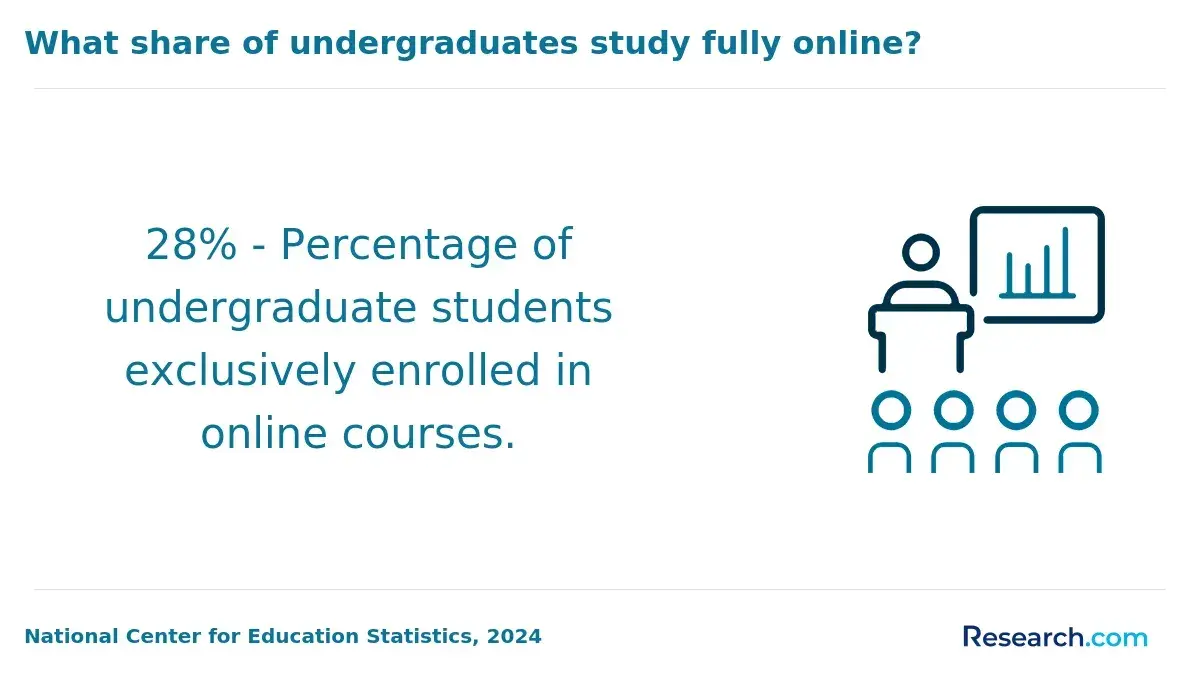
The choice of an msn specialization can make or break a nurse's ability to secure stable employment a decade from now, especially amid shifting healthcare priorities and workforce demands. With the U. S. Bureau of Labor Statistics projecting a 16% increase in nurse practitioner roles over the next decade, the allure of certain specializations masks volatile market saturation and varying employer preferences. Moreover, the rise of flexible, predominantly online msn programs-now enrolling over 50% adult learners according to the National Center for Education Statistics-complicates timing and accessibility considerations, impacting career mobility and return on educational investment. This article evaluates which msn specialization aligns best with enduring demand and practical advancement opportunities, enabling informed, strategic decisions for long-term career resilience.
Key Things You Should Know
- MSN specializations in nurse anesthesia command 15% higher median salaries but require 1.5x longer clinical hours than nurse practitioner tracks, delaying full-time workforce entry and increasing opportunity cost.
- Health system consolidation drives demand for nurse practitioners in family and psychiatric care, with 62% of hospitals seeking these specialties in 2025, intensifying competition yet broadening advanced care roles.
- Online MSN programs focusing on informatics reduce geographic barriers but can increase debt load by 20% versus traditional routes, pressing candidates to weigh accessibility against long-term financial strain.
Which MSN specializations currently have the strongest long-term demand and job growth?
Advanced practice nursing roles such as nurse practitioners (NPs), nurse anesthetists, and nurse midwives represent the MSN specializations with highest long-term job growth, driven by a projected 35% employment increase from 2024 to 2034. Among NPs, family, psychiatric-mental health, and neonatal tracks command particular demand, reflecting varying workforce priorities from rural primary care shortages to specialized neonatal intensive care units. These fields sustain median salaries above $130,000, signaling persistent employer investment aligned with ongoing provider deficits and healthcare complexity.
Evaluating the best MSN nursing specialties for career demand requires understanding program-specific hurdles and workforce expectations. Psychiatric and neonatal MSN paths often involve extended clinical hour requirements and potentially longer times to licensure compared to family NP routes, impacting working professionals' timelines and employer readiness. Additionally, dual certification or subspecialty training may be expected to secure competitive roles in evolving healthcare settings emphasizing telehealth and value-based care models.
Geographic workforce patterns also influence career feasibility; urban and rural demands diverge, affecting regional mobility and specialization fit. Candidates prioritizing faster entry into high-demand niches may explore accelerated MSN psychiatric NP programs as targeted options to bypass traditional delays.
Ultimately, long-term value hinges on selecting specializations that balance rigorous licensing standards with practical employment realities, ensuring graduates meet both clinical competencies and employer needs in a dynamic labor market.
How do different MSN tracks compare in salary potential and career advancement?
The family nurse practitioner (FNP) track remains the most strategically advantageous MSN specialization due to its dominant market share and broad applicability in primary care. With 65% of nurse practitioners in the U.S. identifying as FNPs, employers across outpatient clinics, community health, and primary care settings consistently prioritize these candidates, creating sustained demand and stronger negotiating power for salaries. This practical saturation translates into steadier job opportunities despite average salaries generally ranging from $95,000 to $115,000, which vary by geography and experience.
In contrast, specialties such as nurse anesthetist (CRNA) and nurse midwife (CNM) offer higher average earnings, often exceeding $120,000 annually, but face narrower job markets and more competitive entry barriers. These tradeoffs mean candidates must balance immediate salary benefits against employability and regional flexibility. The variation in msn specialization salary comparison underlines this tension between broader market access and higher wage potential.
Career advancement paths differ by track. FNPs can transition into outpatient program leadership, telehealth roles, or private practice management, especially in underserved areas, amplifying long-term income and stability. More niche tracks like psychiatric mental health nurse practitioners or acute care often require extra certification and focus primarily on hospital systems, constraining growth to vertical moves within specialized environments.
For working RNs exploring transition options, identifying easy nursing programs to get into can ease entry hurdles. Ultimately, choosing an MSN specialization hinges on weighing regional demand, practical job availability, and career trajectory rather than surface-level salary figures alone.
The career advancement opportunities by msn track depend on the balance between market breadth and specialization, making this decision a critical nexus for strategic planning.
Which MSN specializations offer the most stable employment and nationwide opportunities?
The msn specialization in Adult-Gerontology / Primary Care Nurse Practitioner offers a uniquely stable employment outlook, with demand expected to expand by 40% from 2023 to 2033, outpacing most other nursing tracks. This specialization stands among the msn specializations with highest national employment stability due to the aging U.S. population and a critical need for providers adept in managing chronic conditions and preventive care for adults and older adults.
This demand is particularly pronounced in settings like small rural hospitals where Adult-Gerontology NPs often serve as the primary healthcare provider amidst physician shortages. Such environments exemplify the workforce implications for graduates, who must possess broad clinical skills and strong diagnostic capability to fulfill diverse care roles. Compared to more niche or procedure-focused programs, this specialization's nationwide spread fosters consistent job opportunities across urban and rural markets-a practical advantage when considering msn specializations with highest national employment stability.
Deciding on this track entails navigating lower entry barriers and faster return on investment compared to acute care or psychiatric MSN nursing specializations, which often require additional certifications or face market limitations. Students should prioritize clinical practicum diversity and adaptability to different care settings aligning with employer expectations.
For those evaluating foundational nursing pathways, comparing program structures and outcomes is essential. Resources like the Capella RN to BSN vs Chamberlain RN to BSN analysis supply valuable context to inform such decisions.
What are the main MSN specialization options and what roles do they lead to?
Deciding among MSN specialization options and associated nursing roles requires assessing the tangible tradeoffs between sector demand, salary prospects, and work-life balance. The Psychiatric-Mental Health Nurse Practitioner (PMHNP) pathway meets critical workforce shortages in mental health care with an average salary of $125,325 per year, confirming its value where demand is pressing and stable. In contrast, the Family Nurse Practitioner (FNP) role offers versatility in diverse outpatient and rural settings but generally yields lower pay, reflecting its broader but less specialized scope.
The Nurse Anesthesia path demands intense clinical commitment yet provides some of the highest compensation among advanced nursing roles, suited for those prioritizing procedural medicine and willing to accept less flexible schedules. Nurse Educators sustain academic and clinical training pipelines, though demand varies regionally and depends heavily on institutional hiring trends. For prospective students weighing these options, matching specialization to long-term career goals involves navigating certification requirements, employer preferences, and practical work environment considerations.
Beyond these direct pathways, many candidates consult universities with dual degree programs to strategically position themselves for expanded roles or leadership tracks. Understanding these nuances is essential for applying one's skill set to the most sustainable and rewarding positions over time, especially in a labor market sensitive to both educational credentials and demonstrated clinical experience.
- MSN specialization options and associated nursing roles
- Long-term career pathways for MSN specializations
How does the job outlook for nurse practitioners compare to other MSN roles?
The nurse practitioner (NP) role offers substantial employment growth, projected at 46% through 2032, driven by increased demand for primary care and management of complex, aging patient populations. This contrasts with nurse anesthetists (CRNAs), who experience fewer job openings but significantly higher median pay exceeding $223,210 annually, due to specialized training and limited supply.
Choosing between these MSN pathways involves assessing distinct tradeoffs:
- NPs work across diverse settings such as outpatient clinics, hospitals, and specialty practices, providing geographic flexibility and steady demand but comparatively moderate salaries around $120,000.
- CRNAs require rigorous clinical training, restricting program access but offering elevated wages reflective of a high-responsibility role in anesthesia care.
Employers prioritize practical clinical competencies and certifications for NPs over academic credentials alone, emphasizing readiness for independent decision-making within collaborative frameworks. In contrast, CRNA candidates face stringent certification and clinical hour requirements, limiting entry but maintaining strong bargaining power in the workforce.
When evaluating these options, consider factors such as program length, required clinical hours, state-specific scope-of-practice laws, and personal priorities regarding work environment versus compensation. Those targeting balanced workloads and local opportunities may find the NP path more viable, whereas professionals aiming for specialized practice and higher income must accept training intensity and competitive entry.
What education, licensure, and certification are required for high-demand MSN paths?
Specializing in high-demand MSN fields such as nurse practitioner, nurse midwife, or nurse anesthetist goes beyond earning a master's degree; it requires targeted national certification and state licensure that shape both employability and practice scope. For instance, nurse midwives must graduate from an ACME-accredited nurse-midwifery program and pass the American Midwifery Certification Board exam to meet credentialing standards. This layered credentialing system often involves completing 500 to 1,000 clinical hours, creating a significant time and logistical investment that can delay entry into the workforce depending on state-specific licensure rules.
Employment prospects tighten without proper certification and licensure, as employers prioritize these credentials to ensure clinical competence and adherence to evolving care protocols. Nurse midwife positions are projected to grow by 40% from 2023 to 2033 (University of San Diego, citing BLS), reflecting clear demand but also underscoring the necessity of navigating credential requirements carefully.
State regulatory differences in practice authority-for example, less supervision required in full-practice states versus restricted states-impact how quickly graduates can assume independent roles. Therefore, prospective students and working professionals must critically assess both program accreditation and state licensing frameworks to avoid costly delays and restrictions on their career trajectory.
Getting an MSN to DNP online no clinicals program is also an option for you.
How do online MSN specialization programs compare to campus-based options in quality and outcomes?
Employers prioritize demonstrated clinical and administrative competence over whether an msn leadership degree is earned online or on campus. While accredited online programs can match the academic rigor of traditional models, real-world applicability hinges on verified experience and relevant skills. Rapid job growth in healthcare management roles-projected at 29% through 2033 per University of San Diego citing Bureau of Labor Statistics data-reflects increasing demand for nurses adept in leadership, not just credentials.
Campus-based programs typically facilitate easier access to in-person mentorship, clinical practicum intensity, and employer networks embedded in hospital systems, potentially smoothing job placement and immediate career momentum. However, online msn pathways remove geographical and scheduling constraints, offering essential flexibility for working nurses, especially in rural or underserved areas. These differences boil down to:
- Level of hands-on clinical and administrative immersion
- Access to synchronous collaboration versus asynchronous learning
- Proximity to employer-driven projects and professional networking
A rural nurse might leverage online programs but must proactively secure aligned clinical placements, while metropolitan nurses might gain premium access to hospital-affiliated experiences on campus. Given employers' emphasis on measurable leadership outcomes, students should weigh how each format aligns with their local labor market and ability to fulfill experiential demands rather than defaulting to modality preferences.
What prerequisites, GPA, and experience are needed to enter a competitive MSN specialty?
Admission to a competitive msn specialty demands more than academic qualifications; it requires strategic alignment with clinical experience and role expectations. A bachelor's degree in nursing with an active RN license and a minimum GPA of 3.0 is standard, yet the clinical experience requirement varies significantly-nurse practitioner tracks often require at least two years of acute or primary care, whereas nurse educator routes prioritize teaching-related experience over purely clinical hours.
Applicants must complete foundational science prerequisites such as anatomy and pharmacology, sometimes supplemented by bridge courses. While GRE scores are declining in importance, evidence of clinical competence and leadership increasingly influence admission, especially for research-intensive tracks like nurse anesthesia or midwifery. Developing a professional portfolio evidencing evidence-based practice can enhance competitiveness in these areas.
For example, the nurse educator pathway trades increased autonomy and lower exposure to workplace violence for moderate clinical experience demands, with job satisfaction rates around 68%. Candidates presenting mentorship or teaching assistant experience hold an edge here. The practical challenge is balancing clinical skill acquisition with pedagogical development before enrollment, a decision impacting employability and career sustainability as reported by workforce analyses from Nurse.org.
Entry criteria should be evaluated alongside one's long-term career pivot goals, weighing the impact on job market positioning and day-to-day role functions, rather than viewing GPA or prerequisites as mere hurdles.
How long do MSN specialization programs typically take, and what do they cost?
Completing an msn specialization typically requires 18 to 24 months of full-time study, but part-time enrollment and clinical demands can extend this to three years or more. More intensive tracks like Clinical Nurse Specialist (CNS) necessitate 500 to 600 supervised clinical hours, which employers closely weigh when assessing hands-on competency and board certification readiness.
Costs fluctuate considerably based on factors such as public versus private institutions, residency, and delivery format; tuition often falls between $20,000 and $45,000 overall. CNS programs tend to cost more due to specialized faculty and clinical placement expenses. Students juggling work and study frequently face longer timelines and indirect financial burdens like lost wages and childcare.
Choosing a shorter or less costly program may speed workforce reentry but often sacrifices depth of clinical experience and future salary potential. In contrast, MSN graduates from thorough CNS tracks earn median salaries around $104,400 (NurseJournal, citing Payscale, February 2025), reflecting the premium employers place on advanced practice skills.
Employers seek candidates with substantial supervised practice aligning with board certification criteria, making programs under 18 months a risky choice for those targeting specialized advanced roles. Prospective students should factor in rigorous practicum scheduling, which may conflict with full-time jobs, and must strategically plan for financial and logistical challenges.
How can prospective nurses choose an accredited, reputable MSN program in a high-demand field?
Choosing an msn specialization requires prioritizing programs with accredited curricula that align directly with labor market demands. Accreditation from bodies like the Commission on Collegiate Nursing Education (CCNE) or Accreditation Commission for Education in Nursing (ACEN) guarantees educational standards that employers recognize nationwide. Selecting high-demand specializations such as nursing informatics or nurse education positions graduates for roles that correspond with documented workforce trends.
Evaluating program outcomes demands scrutiny of graduation and certification exam pass rates alongside job placement statistics sourced from reliable institutional or federal data, such as the National Center for Education Statistics (NCES). For instance, nurse educators earn an average annual salary of $86,410, as noted by Credenza Health, reflecting compensation detached from bedside care and linked instead to academic and administrative expertise.
From an operational perspective, nurses targeting hospital leadership roles benefit from informatics skills that facilitate managing electronic health records and driving quality improvement through data analytics. Conversely, those pursuing academic instruction should select programs emphasizing faculty mentorship and instructional design. Flexible learning formats, including hybrid or online models with clinical partnerships, support professionals balancing employment with study.
Finally, weighing institutional reputation alongside employer networks and practicum opportunities is essential, influencing post-graduation employability. Candidates must evaluate geographic demand variations and long-term salary trajectories against personal objectives using objective metrics and job market analyses.
Other Things You Should Know About MSN
Most nursing informatics roles do not require a single national exam, but many employers prefer board certification such as the ANCC Nursing Informatics Certification. To qualify, candidates usually need an active RN license, a graduate degree, and practice hours in informatics or a related role.
To specialize as a Nurse Practitioner by 2027, you need an MSN degree, certification via an accredited body like the ANCC, and clinical training hours. Requirements may include completing core courses in pharmacology and health assessment, which vary by state.
MSN tracks emphasizing clinical practice require maintaining and expanding hands-on skills, often with continuing clinical education and recertification, making them better suited for those committed to direct patient care. Administrative paths typically involve fewer clinical hours but demand stronger skills in policy, management, and finance. Choosing administration may lead to less bedside interaction but offers broader leadership roles; clinical tracks offer deeper patient engagement but can involve more physically demanding and time-intensive work.
References
- How to Choose a Nursing Program | All Nursing Schools https://www.allnursingschools.com/how-to-get-into-nursing-school/choose-the-right-school/
- Top 10 Nursing Specialties in High Demand https://blog.forthenurse.us/top-10-nursing-specialties-in-high-demand/
- The Value of the DNP; Job Market Outlook/Compensation https://doctorsofnursingpractice.org/forums/topic/the-value-of-the-dnp-job-market-outlook-compensation/
- EdAssist | Advancing your nursing career with an MSN: Know your options https://www.brighthorizons.com/resources/blog/edassist/advancing-your-nursing-career-with-an-msn-know-your-options
- Where Could a Master of Science in Nursing (MSN) Take You? https://blog.methodistcollege.edu/where-could-a-master-of-science-in-nursing-msn-take-you
- MSN Academic Prerequisites - College of Nursing https://www.unthealth.edu/college-of-nursing/msn-academic-prerequisites.html
- Generalist Entry Master’s in Nursing (MSN) for Non-Nurses: Clinical Nurse Leader Admissions https://www.rushu.rush.edu/college-nursing/programs-admissions/masters-entry-nursing-msn-non-nurses/masters-entry-nursing-msn-non-nurses-admission-guidelines
- Choosing an MSN Specialization: What Each Track Actually Prepares You For - Plastic Surgery Key https://plasticsurgerykey.com/choosing-an-msn-specialization-what-each-track-actually-prepares-you-for/
- Nurse Practitioner vs. Doctor: Key Differences Explained | USAHS https://www.usa.edu/blog/nurse-practitioner-vs-doctor/
- What Can You Do With an MSN Degree? | Check 11 Career Options https://nursinglicensemap.com/nursing-degrees/masters-in-nursing/what-can-you-do-with-msn/