2027 Online Community Health Degrees With Behavioral Health Outreach Concentrations

Co-Founder and Chief Data Scientist
Community health professionals aiming to specialize in behavioral health outreach face a tight window to upskill while balancing current job demands. With workforce shortages intensifying-the U. S. Bureau of Labor Statistics projects a 17% growth in community health careers-practitioners must choose flexible education formats that do not stall their careers. The National Center for Education Statistics reported a 14% increase in adult enrollment in online degree programs in 2024, reflecting a shift toward asynchronous learning models that accommodate complex schedules.
These trends prioritize timing and accessibility but also raise questions about program rigor and employer recognition. This article examines online community health degrees with behavioral health outreach concentrations, focusing on balancing accessibility with career advancement to guide informed enrollment decisions.
Key Things You Should Know
- Behavioral health outreach concentrations in online community health degrees increase eligibility for 18% more employer roles in federal and state programs, yet often require 12-18 months longer completion times compared to generic degrees, inflating direct and opportunity costs.
- Employers report 27% higher preference for candidates with behavioral health outreach expertise due to growing integrated care demands, intensifying credential specificity as a hiring filter despite broader skill overlaps across social services.
- Programs centered on behavioral health outreach face resource constraints in practicum placements, limiting regional access for rural students and imposing a critical tradeoff between program prestige and geographic availability within accredited online community health degrees.
What is an online community health degree with a behavioral health outreach concentration?
An online community health degree behavioral health outreach concentration programs must be evaluated with a focus on operational realities and workforce fit rather than solely curriculum appeal. Graduates frequently enter settings where mental health provider shortages are acute, such as rural regions, requiring adaptable outreach strategies tailored to culturally diverse populations facing addiction or homelessness. These roles demand practical skills in program design, needs assessment, and resource coordination beyond theoretical knowledge.
The training involves epidemiology, social determinants of health, and counseling techniques, but the distinctive challenge is securing field placements essential for applied learning. Internships or community-based practicums are critical to bridge the gap between online instruction and effective service delivery, although geographic and institutional barriers often complicate these arrangements.
Employment projections estimate approximately 313,700 openings annually from 2024-2034 in community and social service fields, underscoring persistent demand. Employers prioritize candidates who demonstrate measurable impact on behavioral health outcomes through culturally sensitive communication, crisis intervention experience, and collaborative partnership skills.
Students pursuing this pathway should weigh program accreditation, direct employer relevance of coursework, and robust field placement support. Prior healthcare or social services experience can mitigate initial employment friction and accelerate advancement. For assessment of online educational options in allied health fields, see best CAHIIM accredited him programs online.
How do online community health programs compare with campus-based options for this specialization?
Online community health degrees with behavioral health outreach focus offer unmatched flexibility essential for working professionals who cannot accommodate rigid schedules or commuting demands common in campus programs. Considering over 28 million U.S. adults with mental illness received no treatment in 2023, this accessibility supports urgent workforce needs across diverse populations often underserved by traditional care systems.
Campus-based programs retain advantages in providing direct clinical experiences and immediate access to institutional networks, benefiting students requiring in-person practicums or local agency connections. Conversely, online versus campus community health programs for behavioral health increasingly share similarities, as many online options now partner with local providers to facilitate supervised fieldwork-an operational necessity for licensure and employment readiness despite geographic distance.
Employers prioritize practical experience and cultural competence over modality; however, graduates of online programs often must independently secure field placements, whereas campus students usually benefit from coordinated clinical rotations. Decision-making should weigh factors such as employment status, geographic mobility, and learning preferences. For example, a rural social service worker may leverage an accredited online degree combined with local collaborations more effectively than relocating for campus immersion.
Students should carefully evaluate their capacity to navigate experiential learning independently while considering workforce trends emphasized by the National Alliance on Mental Illness. To explore options that balance affordability with program quality, reviewing affordable online healthcare degrees can be a strategic step toward informed choices.
Which accreditation and program quality standards matter most for online community health degrees?
Employers in community health increasingly require degrees accredited by regional bodies recognized by the U.S. Department of Education, as these ensure acknowledged academic rigor and financial aid eligibility. Degrees lacking this accreditation often struggle with credit transfers and confirming legitimate credentials. Program-specific accreditation, such as from the Council on Education for Public Health (CEPH), adds critical value where behavioral health outreach competencies or data analysis skills are prioritized by government or health system employers.
Deciding on a program means balancing accreditation standards for online community health degrees with practical features like flexible scheduling and virtual practicum options. For working professionals, the absence of these can delay workforce entry despite formal recognition. Nonprofit employers may weigh program quality criteria for behavioral health outreach concentrations differently, emphasizing hands-on community engagement skills over rigorous research components.
Graduates without recognized accreditation may encounter barriers when seeking professional certifications or roles funded by federal or state programs. The U.S. Bureau of Labor Statistics projects a 7% employment growth rate for health education specialists and community health workers from 2022 to 2032, demonstrating the importance of well-chosen programs to long-term career resilience.
For those comparing pathways, programs that meet these accreditation and program standards are aligned with employer expectations and practical workforce demands. Prospective students might also explore related options like the easiest RN to BSN online programs for complementary healthcare career advancement.
What courses and practicum experiences are typical in behavioral health outreach-focused community health programs?
Behavioral health outreach courses in community health programs must extend beyond foundational knowledge to include epidemiology, program planning, cultural competence, and motivational interviewing, preparing students for tangible workplace challenges rather than theoretical constructs. Practicum experiences for community health behavioral outreach are critical for developing skills in real-world settings such as clinics and nonprofits, where students conduct client assessments, manage crises, and tailor interventions to specific populations. These placements are essential for cultivating interprofessional collaboration and advocacy abilities that employers prioritize.
Graduates face practical obstacles including ethical dilemmas, confidentiality issues, and balancing high caseloads, which directly influence effectiveness and career progression. The U.S. Bureau of Labor Statistics reports median wages of $57,530 for community and social service roles, with more advanced titles like social and community service managers earning substantially more, emphasizing the value of rigorous coursework and quality practicum experiences for upward mobility.
Prioritizing programs with accredited, varied practicum opportunities-urban, rural, clinical, and school environments-better equips students to adjust across different behavioral health landscapes. Those assessing educational investments should also consider financial factors exemplified by the cost of RN to BSN programs, as fiscal planning is integral to strategic career decisions.
What are the admission requirements and prerequisite experiences for these online community health degrees?
Admission to online community health degrees with behavioral health outreach concentrations hinges on more than baseline credentials; occupational viability depends on integrating academic rigor with field-tested proficiency. Applicants typically must hold a bachelor's degree from an accredited institution with a GPA threshold between 2.5 and 3.0, but this is often insufficient without prerequisite coursework in biology, psychology, sociology, and statistics. Candidates lacking a health-related undergraduate background usually need to complete these foundational subjects, which can extend time to degree and increase program complexity.
Admission committees heavily weigh relevant professional experience-usually 1 to 3 years-in community outreach, social work, or health services, recognizing that practical exposure to barriers in treatment and social determinants of health is critical for success. Preparing to balance asynchronous online coursework alongside internships or practicum placements demands disciplined time management and often employer cooperation, posing a logistical challenge especially for working adults.
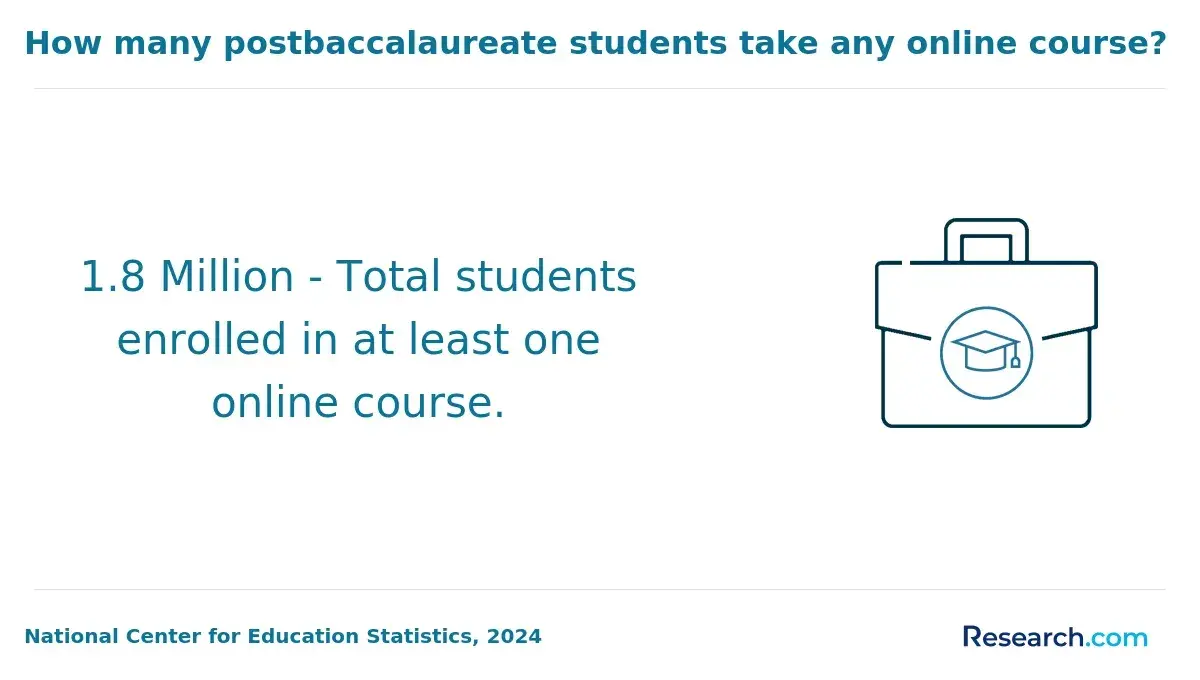
Applications must include personal statements articulating specific behavioral health engagement and recommendations from supervisors or mentors who can verify applied skills. Given the 71% graduate enrollment rate in distance education, competition is steep, making it imperative to strategically align one's background with evolving workforce expectations. Failure to demonstrate competencies in crisis management, patient communication, and culturally informed outreach can limit employability despite degree completion.
Prospective students should evaluate these prerequisites and experiential demands factor by factor to determine whether the program supports their pivot timeline and practical constraints or if alternative pathways might better suit their career objectives.
How long do online community health programs take, and what do they typically cost?
Completing a bachelor's degree in community health with a focus on behavioral health outreach generally demands a full-time commitment of about four years, equating to 180 credits. Part-time learners, often balancing employment, face extended timelines of five to six years, which can delay career progression and amplify financial pressure.
Tuition averages near $59,000 at public institutions, based on $329 per credit hour, surpassing the average student debt of $37,000 for bachelor's graduates. This gap forces prospective students to deliberate carefully on the return on investment, weighing increased earning potential against long-term debt and time away from full earnings.
Employers prioritize candidates possessing specialized behavioral health outreach skills, making accelerated or competency-based program structures attractive; however, such flexible offerings remain limited. Additionally, federal student aid eligibility often hinges on program length constraints, influencing financial planning approaches.
Non-traditional students should consider credit transfer options and employer tuition assistance to reduce program duration and out-of-pocket costs. Skipping this strategic planning risks not only inflated debt but also forfeited opportunities to re-enter or advance within the workforce promptly.
What careers can graduates pursue in community and behavioral health outreach, and where do they work?
Online community health degrees with behavioral health outreach concentrations prepare graduates for complex roles that merge public health education with targeted behavioral interventions. Professionals often split focus between mental health disparities and preventive services, navigating employer demands for interdisciplinary expertise that combines outreach and clinical coordination.
Workforce demand is evident in a more than 30% increase in accredited MPH programs offering these concentrations from 2019 to 2024, aligning with a sector-wide shift toward integrated, population-focused models. For example, a graduate employed at a county health department might design opioid misuse reduction initiatives, whereas another in a behavioral health nonprofit could coordinate outreach for populations affected by social determinants of health.
Practical challenges include regional salary disparities, with urban centers offering higher pay but also stronger competition. Advancing beyond entry roles typically requires certifications such as Certified Health Education Specialist (CHES), reflecting employer preferences for demonstrated fieldwork competence.
Prospective students should weigh the broad applicability of community health credentials against the value of deeper behavioral health specialization, prioritizing programs with strong field placement components tailored to their intended geography and employer sector to increase employability.
What salary ranges and job outlook can graduates expect in community and behavioral health outreach roles?
Salary outcomes for graduates in online community health degrees with a behavioral health outreach focus vary significantly by employer type, location, and credentials. Entry-level roles typically pay between $40,000 and $60,000 annually, but mid-career professionals often see increases to $65,000-$85,000. Nonprofit and local government positions tend to align with median salary ranges, while private healthcare and federal agencies sometimes offer salaries exceeding $80,000, particularly for those holding certifications such as Certified Health Education Specialist (CHES) or Licensed Clinical Social Worker (LCSW).
Employment growth for community health workers is strong, projected at 13% over the next decade by the U.S. Bureau of Labor Statistics, driven by increased demand for behavioral health outreach and preventive services. Community-based mental health outreach not only reduces hospitalizations by 20-40% but also improves the uptake of preventive care by up to 25%, creating justification for expanded funding and staffing.
Professionals must balance clinical skills with the ability to engage diverse populations and manage resource limitations, which often includes grant writing and data-driven outcome reporting. Geographic disparities affect wage growth, with rural areas and underfunded regions showing stagnant salary trends. Choosing programs that integrate fieldwork with data literacy and provide internship opportunities with established health or social service agencies strengthens employment prospects in this increasingly data-centric environment.
Are any licenses, certifications, or background checks required for behavioral health outreach positions?
Licensing and certification requirements for behavioral health outreach roles create significant variations in candidate preparation and employability. Most frontline outreach positions bypass clinical licensure mandates but require certifications like Certified Community Health Worker (CCHW) or Mental Health First Aid, reflecting employer emphasis on practical knowledge over formal clinical credentials. Background checks are nearly universal, primarily for safeguarding vulnerable populations and meeting funding regulations, with public sector and nonprofit employers-who represent over half of related health workers-applying particularly stringent standards.
Different operational settings impose additional layers of oversight: working with minors or substance use populations often demands fingerprinting and state or federal background clearances. When counseling or clinical intervention is part of the role, credentials such as Licensed Social Worker (LSW) or Licensed Professional Counselor (LPC) become prerequisites. However, outreach-focused jobs prioritize certifications and behavioral health knowledge without requiring state licensure, illustrating a clear divide between direct clinical work and community-based education or navigation.
Prospective students should weigh geographic and employer-specific certification nuances carefully. For instance, outreach roles in California's government agencies involve notably distinct background checks and certification paths compared to nonprofits in Texas, affecting time-to-employment and potential certification expenses. Online degree programs must therefore provide detailed guidance on aligning curricula with these variable credential requirements to minimize exit friction and optimize workforce readiness.
How can students evaluate and choose the best-fit online community health program for their goals?
Career outcomes in community health increasingly depend on telehealth proficiency and behavioral health outreach experience. With mental health and substance use telehealth encounters exceeding pre-pandemic levels by more than tenfold according to the U.S. Department of Health and Human Services, programs lacking embedded telehealth training put students at a significant disadvantage in the current job market. Employers prioritize candidates comfortable with remote client engagement and digital communication platforms, making curricular emphasis on these skills indispensable.
Key selection factors include accreditation status for licensure legitimacy and access to supervised practicum experiences reflecting telehealth realities. For instance, a professional aiming for rural behavioral health outreach must prioritize programs demonstrating success in remote service delivery and overcoming technological barriers common in underserved areas.
Additional considerations involve program scale and faculty expertise. Smaller class sizes taught by instructors with direct behavioral health outreach experience often correlate with more practical case studies and networking advantages. Flexibility remains vital, especially for working students needing asynchronous coursework balanced with synchronous skill-building sessions, which correlates strongly with retention and competency development.
Evaluate programs based on transparent graduation rates and job placement statistics specific to telehealth-enabled community health roles. This real-world performance data offers better insight than generic endorsements. Neglecting these elements risks enrolling in programs that deliver minimal career pivot value relative to time and financial investment.
Other Things You Should Know About Community Health
Employers generally value the internship or practicum components and relevant certifications more than the online versus campus distinction. Degrees from accredited programs with applied experience are prioritized. Candidates should emphasize hands-on skills and measurable outcomes from community projects over the mode of study. Programs that foster networking within local health agencies or require in-person fieldwork improve employment prospects significantly compared to purely theoretical online curriculums.
Students must balance asynchronous coursework with often rigid practicum hours, which can create scheduling conflicts for working professionals. Behavioral health outreach concentrations usually demand extensive fieldwork that cannot be completed virtually, requiring time management skills and employer flexibility. Applicants should assess their current job and personal obligations carefully and prioritize programs with clear practicum support or virtual field placements to avoid overcommitment and burnout.
Prospective students should prioritize concentrations that align tightly with employment goals, such as those emphasizing specific outreach models or population groups. Programs offering partnerships with community organizations enhance real-world learning and job placement opportunities. It is advisable to select concentrations with well-defined practicum frameworks and measurable competency outcomes to ensure skill relevance and employer readiness on graduation.
References
- Most Affordable Online MPH Programs - MPH Online https://www.mphonline.org/cheapest-online-mph/
- Drury GO Bachelor of Science in Behavioral and Community Health https://www.drury.edu/go/bachelor-behavioral-community-health/
- Online Public Health Degrees: Find Your Program https://www.degreesforgood.org/online-degrees/public-health-programs/
- Health and Human Services: Campus & Online Degrees and Careers https://www.publichealthonline.org/human-services/online-degree-programs/
- Learn public health | edX https://www.edx.org/learn/public-health
- Designing a Student Health and Wellness Plan: Best Practices https://survivalfirstaidkits.co.uk/pages/designing-a-student-health-and-wellness-plan
- Quality Standards and Accreditation of Distance Education Programs in a Pandemic - OJDLA https://ojdla.com/articles/quality-standards-and-accreditation-of-distance-education-programs-in-a-pandemic
- What Is the Difference Between Public Health and Community Health? https://online.worcester.edu/programs/nursing/msn-public-health/public-health-community-health-difference/
- How to Become a Community Health Worker in 3 Steps https://www.edumed.org/how-to-become/community-health-worker/
- Rural Community Health Degree | Western Colorado University https://western.edu/graduate/rural-community-health/