2027 Online Community Health Degrees With Prevention and Wellness Concentrations

Co-Founder and Chief Data Scientist
Public health professionals often confront the challenge of advancing their careers without interrupting full-time employment or sacrificing family responsibilities, especially when targeting specialized prevention and wellness roles.
Recent data from the National Center for Education Statistics shows that over 60% of online learners are adults balancing work and study, driving a surge in demand for accredited online degrees that accommodate flexible scheduling. This trend shapes program structures and admission cycles, creating trade-offs between accessibility and the depth of experiential learning.
This article examines online community health degrees with prevention and wellness concentrations to guide prospective students through choices that optimize career mobility and real-world applicability.
Key Things You Should Know
- Online degrees with prevention and wellness focus often demand 18-24 months of full-time study, but accelerated tracks raise cost per credit by up to 30%, pressuring students balancing employment and finances.
- Employers prioritize candidates with applied epidemiology and policy analysis skills, both underemphasized in many online curricula per 2024 National Public Health Workforce Survey, complicating direct labor market entry.
- Despite a projected 12% job growth in community health occupations through 2032, regional disparities in online program recognition create significant employability gaps, especially in underserved rural health departments.
What are online community health degrees with prevention and wellness concentrations?
Online community health degrees with prevention focus equip graduates to lead targeted health promotion efforts that navigate real-world challenges, including diverse population needs and evolving employer standards. These programs combine evidence-based strategies in nutrition, physical activity, behavioral health, and chronic disease prevention with operational skills like data analysis and culturally competent communication.
A wellness concentration in community health programs often integrates public policy and healthcare system navigation, enabling graduates to work effectively in varied environments such as urban youth initiatives, aging rural communities, or corporate wellness programs. This approach suits professionals needing flexibility; many online curriculums allow for local fieldwork arrangements, facilitating career pivots without relocation.
Employers in public health sectors increasingly seek candidates who can translate prevention science into practical wellness initiatives. According to projections, employment for roles like health education specialists and community health workers will grow 7% from 2022 to 2032, generating about 6,600 openings annually. However, many positions also require certifications or supervised practice hours beyond the degree, a critical consideration for realistic career planning.
Understanding the broader labor market, including factors such as health information management salary, helps candidates weigh the financial and professional return on investment. Ultimately, choosing such a degree means balancing convenience with the demands of applied experience, credentialing, and workforce expectations for sustainable, strategic advancement in community health careers.
Are online community health degrees properly accredited?
Accreditation status directly determines employability and practical value for students pursuing online community health degrees with prevention and wellness focuses. Employers and licensing bodies typically require graduates from programs holding regional accreditation recognized by the U.S. Department of Education or the Council for Higher Education Accreditation. Without this, candidates may struggle to qualify for positions in public health departments or chronic disease management roles, limiting advancement and earning potential.
Chronic disease-related expenses accounted for nearly 90% of the $4.5 trillion U.S. healthcare spending in 2022, intensifying demand for professionals skilled in prevention science and healthcare economics. For instance, a graduate from a non-accredited program seeking work in a hospital's population health unit might lack validated competencies in evidence-based intervention planning, impairing their competitiveness.
Many accredited online programs in community health and wellness integrate practicum or fieldwork requirements, essential for certification eligibility and applied skills development. Students should critically assess how these clinical placements are organized remotely to avoid delays in credentialing and workforce entry.
Verifying program accreditation through bodies like the Council on Education for Public Health (CEPH) and confirming criteria for certifications such as Certified Health Education Specialist (CHES) helps align education with labor market expectations. Those exploring related degrees may also consider programs in healthcare administration as alternative pathways with overlapping competencies.
What licensing or certification do community health graduates need?
Certification, rather than licensure, drives employability in community health roles across the United States, with nuances depending on specific functions and employer demands. The Certified Health Education Specialist (CHES) credential remains the principal certification for graduates focusing on prevention and wellness, frequently required by public health agencies and nonprofit employers.
For professionals targeting epidemiology or policy fields, the Certified in Public Health (CPH) credential signals a broader public health competency that often outweighs basic certification.
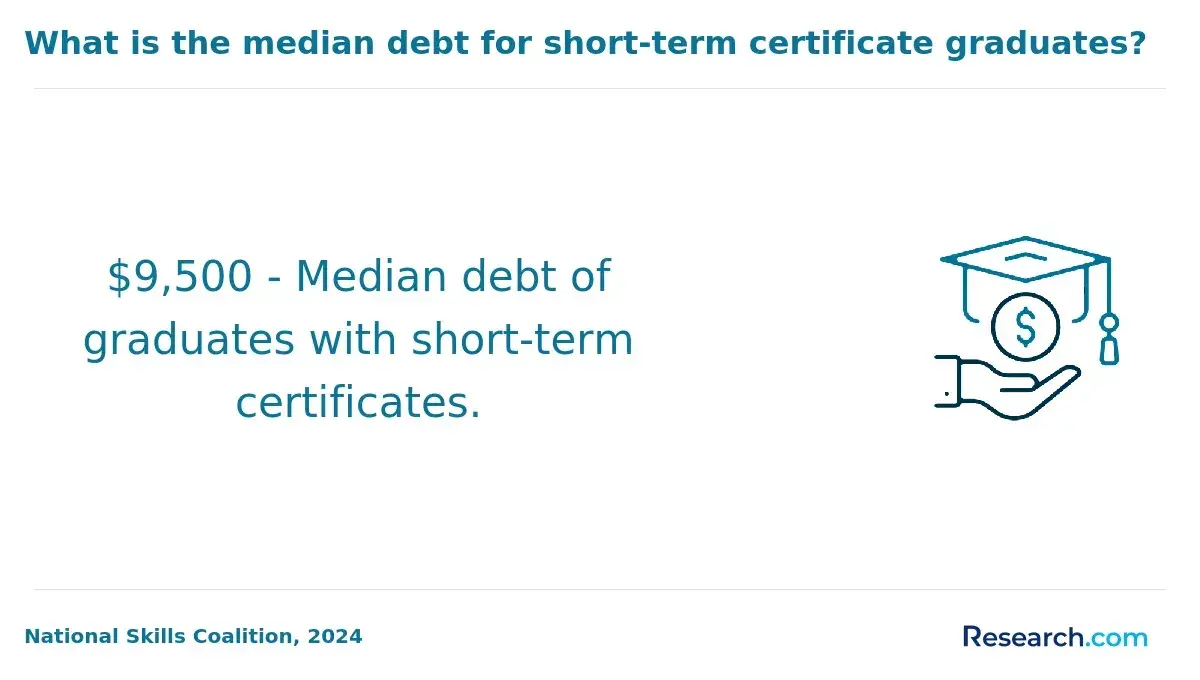
State licensing for community health professionals typically applies only when candidates hold clinical credentials such as nursing or dietetics licenses; most community health graduates without these are exempt. Employer preference increasingly favors documented certifications over licensure in government and large health organizations, creating a practical tradeoff for graduates who must invest $300-$400 per certification plus ongoing continuing education every five years to maintain status.
Practical obstacles include timing credential exams soon after graduation to optimize hiring potential, especially when grant-funded or policy roles may prioritize advanced degrees over certifications alone. UC Berkeley School of Public Health data reports a 2023 average salary of $111,830 for graduates from primarily online Master of Public Health programs, showing a clear financial benefit when certification alignment is achieved.
Graduates evaluating their pathway to community health careers should weigh employer expectations for certifications against the realities of exam preparation and renewal obligations. Those interested in broader healthcare administration should also consider related options like a healthcare administration masters to access different career trajectories and market demands.
How do online and campus community health programs compare?
The choice between online community health degree vs campus program benefits hinges on accessibility, direct experiential learning, and employer expectations. Online formats cater to working professionals by offering flexibility that supports balancing job and family demands, especially in prevention and wellness-focused areas.
Yet, campus programs provide critical advantages in hands-on involvement and networking essential for careers demanding direct community engagement, such as state health departments and nonprofit wellness organizations where on-site skill demonstration and partnerships are imperative.
Employers often equally weigh academic credentials and practical experience; campus students frequently benefit from embedded internships or practicum placements, a decisively valuable factor in fields targeting prevention services like tobacco cessation or cancer screenings, which the CDC links to tens of thousands of preventable premature deaths annually. Online graduates can match this workforce readiness only by proactively securing similar opportunities independently.
Financial and scheduling tradeoffs further differentiate these modalities. Campus programs typically involve higher tuition and less scheduling flexibility, potentially delaying workforce entry. Conversely, online programs allow faster completion and reduced cost but require greater self-discipline and intentional networking initiatives.
Individuals with existing public health experience seeking accelerated study might explore accelerated direct entry MSN programs online, while recent graduates targeting community-interfacing roles will likely gain more from the experiential advantages native to campus settings.
What courses are in a prevention and wellness concentration?
The practical value of prevention and wellness coursework lies in its focus on specialized skills that employers explicitly seek, such as program planning, evaluation, and culturally competent health communication. These courses emphasize measurable objectives and data-driven outcomes, essential for health education specialists working in diverse settings like corporate wellness programs where tailoring interventions to employee demographics matters.
Core subjects include epidemiology for disease pattern analysis, behavioral health theories to craft effective interventions, and lifestyle fundamentals addressing nutrition and physical activity-all necessary for chronic disease prevention. Students must weigh curriculum breadth against applied competencies; programs lacking practicum or data and informatics training risk producing graduates underprepared for evolving digital health environments.
Key workforce implications involve public policy and community engagement competencies needed to navigate regulatory landscapes and mobilize resources in government or nonprofit roles. Increasing demands for digital literacy reflect the shift toward telehealth and mobile health platforms, making health informatics knowledge a differentiator.
For instance, health education specialists in corporate settings must integrate cultural competence with health communication skills to impact diverse populations effectively. Southern New Hampshire University reports a median annual wage of $62,860 for these specialists, with a 7% projected growth through 2032, underscoring the market need for professionals synthesizing these applied skills with theory.
Students should strategically align course selection with targeted roles-administrative positions may prioritize policy and leadership, while community-focused roles benefit from behavioral science expertise-balancing theoretical knowledge with hands-on readiness to optimize employability outcomes.
What admission requirements do these programs usually have?
Admission to online community health degrees with prevention and wellness concentrations typically demands a bachelor's from an accredited institution, often emphasizing health sciences, biology, or psychology. A minimum GPA of 3.0 is common, setting a baseline for graduate-level rigor. Candidates with 1 to 3 years of relevant work experience-such as health education or public health roles-are more competitive because practical insight complements academic training.
Standardized tests like the GRE are frequently waived, especially for professionals with substantial experience. Yet, letters of recommendation remain a significant factor, ideally from supervisors or faculty who can attest to leadership and interdisciplinary collaboration skills.
Applicants should prepare statements that clearly define career objectives tied to prevention and wellness in real environments, like managing workplace health initiatives or chronic disease programs. Select programs may also conduct interviews to evaluate communication aptitude and fit for community outreach-focused roles.
Financial investment can be substantial; for instance, UC Berkeley's online MPH costs about $75,000, but reported average salaries around $111,830 suggest a potentially quick return on investment. Prospective students need to weigh upfront cost, program demands, and documenting practical experience against their career trajectory and market opportunities.
How long do online community health degrees take and cost?
Choosing an online community health degree requires weighing program length against career timing. Programs lasting around two years expedite qualification for practitioner and leadership roles, but often demand heavier course loads that can strain working professionals. Conversely, part-time three-year options allow continued employment but postpone direct workforce advancement.
Cost is a pivotal factor shaping accessibility and return on investment. For instance, Texas State University offers an online MPH in community health and behavior at $21,019, a considerable saving compared to private programs exceeding $40,000 to $60,000. This affordability can reduce debt load but may correlate with fewer specialized training or networking opportunities valued by certain employers.
Key considerations include:
- Shorter programs accelerate entry into competitive public health or nonprofit leadership but often limit concurrent work flexibility.
- Lower tuition public universities provide financial relief but may lack some advanced concentrations or research intensives.
- Practicum or internship mandates affect scheduling and geographic flexibility, especially for professionals balancing existing commitments.
A health educator aiming for government roles might prioritize a two-year program balancing cost and time, while a nonprofit manager targeting executive leadership may accept extended study with higher expenses and specialized coursework for promotion leverage.
Realistic assessment of duration, tuition, and practical demands is essential to align education choices with workforce expectations and long-term career strategies.
What jobs can you get with a community health degree?
Securing roles in community health demands expertise beyond academic credentials, focusing heavily on practical skills like data analysis, program management, and targeted outreach. For instance, a health educator working in local government develops campaigns to curb chronic diseases, requiring mastery of both policy implications and direct communication strategies.
Employers, especially federal agencies such as the CDC, prioritize candidates who can translate data into actionable community interventions.
Nonprofit sectors emphasize the ability to navigate social determinants of health while managing budgets and grant writing. A program coordinator overseeing a diabetes prevention initiative must integrate administrative skill with outcome evaluation to meet both funding and health goals. These job functions often require a careful balance between measurable impact and limited resources.
Compared to traditional public health programs, the University of Cincinnati's online MS in community health & prevention science streamlines admission with only one recommendation and a brief statement of purpose. This can accelerate career transitions into mid-level roles but may narrow the scope of applicant evaluation. Specialized skills such as statistical software proficiency remain essential, particularly for epidemiologists involved in outbreak response.
Public health consultants advising on corporate wellness programs illustrate a different track, needing fluency in health data and business strategy to reduce healthcare costs effectively. Prospective students should weigh how specific program admission requirements and curriculum focus align with these diverse career trajectories.
How much do community health professionals earn?
Salary outcomes for community health professionals vary substantially based on education, sector, and geography, with median wages ranging between $48,000 and $70,000 annually. Entry-level positions, typically requiring a bachelor's degree with a focus on outreach, cluster around $45,000, while roles demanding master's-level expertise or specialized prevention skills can exceed $65,000.
In urban centers or federally funded programs addressing high chronic disease burdens, salaries may surpass $75,000, indicating market-driven premium pay for specialized competencies.
Employers prioritize candidates who demonstrate proficiency not only in community engagement but also in data analytics, program evaluation, and culturally competent interventions tailored to complex, multi-morbidity populations. This specificity is pushing salary growth within the field and influencing program curricula that align educational outcomes with real workforce needs.
Tradeoffs exist between sectors: rural health outreach and nonprofit roles offer foundational experience but often with lower pay, while corporate wellness and private healthcare pathways provide higher earnings with increased technical demands and certification requirements.
Prospective students should scrutinize how program concentrations affect employability and salary negotiation power, especially given the increasing strategic focus on chronic disease management across diverse labor markets.
What should you look for in a reputable online program?
Selecting an accredited prevention and wellness program requires more than checking boxes; regional or national accreditation directly impacts employer recognition and curriculum quality. Graduates targeting roles such as health educators or wellness program managers must prioritize programs with clear specializations and faculty who maintain current, applied expertise in prevention science.
Programs lacking supervised practicum or internships risk leaving students without essential hands-on experience or professional networks typically needed in community health roles.
Employment projections reinforce this focus: Eastern Oregon University forecasts over 4,000 new health educator positions by 2033, emphasizing sustained demand. However, candidates should verify that programs integrate updated public health analytics, behavior change theories, and culturally competent communication, as these competencies are increasingly non-negotiable in diverse workforce environments.
Prospective students should scrutinize graduate completion and job placement rates, recognizing that rates below 70% may signal structural issues like insufficient academic support or outdated curricula. Flexibility in course delivery and deadlines is another critical factor for working professionals balancing education with employment, enabling deeper learning without sacrificing practical obligations.
Key decision points include:
- Choosing programs that offer a realistic balance between asynchronous learning and interactive group work to simulate real-world collaboration.
- Confirming that faculty research and practice mirror evolving prevention methodologies to maintain relevance.
- Evaluating whether curriculum rigor aligns with measured graduate employability to ensure a worthwhile investment of time and resources.
Other Things You Should Know About Community Health
Not all online programs equally prepare students for leadership positions in community health. Those emphasizing applied management skills, data analysis, and policy development offer stronger career advancement potential. Students should prioritize programs that integrate real-world project work and leadership training rather than purely theoretical frameworks to meet employer expectations for supervisory and program management roles.
Online community health degrees with prevention and wellness tracks can demand significant time for research, discussion, and practicum hours, often challenging full-time workers. Programs with flexible pacing options or asynchronous formats reduce conflict with work schedules but may extend completion time. Prospective students must assess their personal time management capacity and employer support, as program rigor directly influences stress and retention.
In 2027, community health degrees with prevention and wellness concentrations may require students to balance between acquiring comprehensive prevention strategies and specific wellness practices. Focusing on one can limit exposure to the other, potentially narrowing career opportunities, but also allowing for deeper expertise in a chosen area.
Employers increasingly value graduates who combine specialization with interdisciplinary competencies such as communication, cultural competency, and policy literacy. Candidates with narrowly focused degrees may face limits in job mobility compared to those trained across prevention, wellness, and social determinants. Applicants should seek programs that balance specialty coursework with broad practical skills to enhance adaptability within evolving community health environments.
References
- Community College vs Online Degrees: A Comparison https://www.sophia.org/blog/higher-education/community-college-vs-online-degree/
- Online Bachelor’s Degree in Community Health and Wellness https://www.monroeu.edu/academics/undergraduate-programs/school-allied-health-professions/online-bachelors-degree-community
- Online Public Health Degrees: Find Your Program https://www.degreesforgood.org/online-degrees/public-health-programs/
- Understanding the Difference Between Public Health and Community Health https://www.ahu.edu/blog/understanding-the-difference-between-public-health-and-community-health
- Prevention Plus Wellness Core Value Proposition, Mission & Story https://preventionpluswellness.com/pages/prevention-plus-wellness-core-value-proposition-mission
- Certified Community Health Worker (CCHW) https://www.pacertboard.org/cchw
- Community Health and Public Health | University of Phoenix https://www.phoenix.edu/articles/healthcare/community-health-and-public-health-differences.html
- Community Health and Wellness https://cabarruscollege.edu/academic-programs/allied-health-programs/community-health-and-wellness
- Community Health Worker https://explorehealthcareers.org/careers/allied-health-professions/community-health-worker/
- Top 25 Online MPH Community Health Degree Programs - MPH Online https://www.mphonline.org/best-online-mph-community-health/