2027 Creative Writing Degree Programs With Rolling Admissions

Co-Founder and Chief Data Scientist
Recent graduates weighing career paths often face enrollment timing challenges that complicate pursuing creative writing degrees. With traditional quarterly or semester deadlines, many must delay applications that conflict with job searches or financial planning. Meanwhile, education data from the National Center for Education Statistics reveals a 29% increase in adult learners seeking flexible scheduling options since 2015, signaling growing demand for adaptable admission models. Creative writing programs frequently incorporate low-residency or part-time formats, making rolling admissions a strategic fit for balancing practical training and professional transitions.
This article examines how rolling admissions influence access, timing, and suitability for various learner priorities in creative writing degrees.
Key Benefits of Creative Writing Degree Programs With Rolling Admissions
- Rolling admissions in creative writing programs allow for staggered enrollment, which can complicate cohort cohesion and sequence-dependent workshop offerings, potentially requiring students to adapt to nontraditional peer feedback cycles.
- The flexible admission timeline can align with publishing cycles or freelance opportunities, enabling students to enter programs when they are most prepared to engage professionally, a factor valued by employers assessing commitment and portfolio readiness.
- Extended application windows reduce immediate financial pressure, allowing candidates to optimize funding sources or part-time work schedules, yet this may delay time-to-degree, affecting long-term career trajectory in a competitive literary market.
How Do Creative Writing Degree Programs With Rolling Admissions Work?
Rolling admissions in creative writing degree programs represent a strategic pivot from rigid academic calendars toward more continuous and flexible enrollment processes. This dynamic approach directly influences how applicants engage with program timelines, how institutions manage cohort sizes, and how students navigate the challenges of academic progression within a field intimately tied to creative rhythms and professional unpredictability.
- Continuous Evaluation: Unlike fixed deadlines, rolling admissions allow programs to review applications as they arrive, offering quicker decisions and reducing wait times. This can particularly benefit writers whose creative output or professional circumstances do not align neatly with traditional academic cycles.
- Adaptive Enrollment: Programs use rolling admissions to adjust intake based on real-time demand and resource availability. Such flexibility supports smaller cohorts conducive to personalized workshops and mentorship, which are critical in fostering a robust creative environment.
- Academic Sequencing Tradeoff: Students admitted outside standard start terms often face challenges aligning with curriculum progression. For example, a spring admit might delay access to advanced seminars requiring prior coursework completed during fall entry, potentially extending time to degree completion.
- Workforce Integration: Rolling admissions accommodate writers balancing education with freelance or adjunct work, enabling enrollment after securing employment. However, variable start dates may complicate scheduling for employer tuition benefits and part-time jobs, requiring deliberate coordination.
- Access Versus Planning Complexity: While rolling admissions enhance accessibility and inclusivity, they demand greater administrative effort to synchronize course offerings with staggered arrivals. Students must proactively manage course sequences to avoid gaps in their creative and professional development.
Those who love writing and have creative imagination would find a creative writing degree one of the easy degrees that pay well.
What Are the Admission Requirements for Rolling Admissions Creative Writing Programs?
Rolling admissions in creative writing programs shift the evaluative focus from fixed deadlines to the quality and timeliness of each individual application as it arrives. This process rewards applicants who submit polished, substantial portfolios early, leveraging ongoing comparisons within a fluid applicant pool. For instance, an applicant submitting a strong writing sample months before capacity limits are reached may secure admission more easily than one applying later with similar credentials. However, this flexibility can also heighten pressure to maintain consistent readiness rather than rely on a single application cycle.
- Writing Portfolio: Submission of original poems, stories, or essays that demonstrate distinctive voice, technical proficiency, and narrative coherence, often weighted more heavily than standardized metrics in the evaluation.
- GPA Requirement: While some programs require verification of academic achievement, rolling admissions often allow for more inclusive consideration of non-traditional educational trajectories and professional experience.
- Transcripts: Required to confirm completion of requisite secondary or college coursework but with potential leniency in recency or format to accommodate diverse backgrounds.
- Letters of Recommendation: When requested, these emphasize writing ability and critical thinking skills but may be waived or simplified to expedite decision-making.
- Personal Statement: A critical component that offers nuanced insights into the applicant's creative motivations and long-term intentions, aiding evaluators in judging fit beyond quantifiable indicators.
- Application Form: Standardized forms remain essential to collect consistent baseline data, enabling programs to manage the continuous review efficiently.
This rolling admissions model aligns with workforce realities where timely presentation of relevant skills-rather than rigid academic markers-is increasingly valued. Students coordinating education with professional or personal commitments benefit from this system's adaptability, though they must balance the tradeoff of ongoing competition and potentially quicker decision turnarounds.
When Should You Apply for Rolling Admissions Programs?
Rolling admissions in creative writing programs operate through continuous evaluation rather than a single fixed deadline, which fundamentally shifts how applicants should strategize timing. Early applicants gain a tangible advantage by accessing the greatest range of available seats and being more likely to secure scholarships and funding before these resources diminish. However, this advantage only materializes if the application demonstrates full readiness-imperfect or underdeveloped submissions risk being overlooked as committees often prefer polished portfolios that reflect maturity and clear focus.
Mid-cycle applications encounter a more competitive field where remaining openings and limited financial support create a higher-stakes environment; applicants at this stage must balance the benefits of additional prep time against thinning opportunities and rising standards for material quality.
Waiting too long to apply can severely limit choices in popular creative writing programs, as remaining spots shrink or close and priority shifts to earlier applicants who capitalized on broader resource availability. This delay often results in missed financial aid, reduced mentorship chances, and narrower career support options, which cumulatively diminish the practical impact of earning the degree.
For professionals balancing work or personal demands, applying mid-cycle with a well-crafted, realistic submission might yield better outcomes than rushing early or postponing too late. Ultimately, effective navigation of rolling admissions requires aligning application timing not just with calendar openings but with the applicant's preparedness level and tactical access to limited program resources.
One former applicant shared that although she initially hesitated to submit early due to an incomplete writing sample, waiting until mid-cycle felt like a compromise that brought both relief and new challenges. She described the pressure of knowing fewer spots remained but was glad she invested the extra weeks refining her portfolio, which ultimately impressed the admissions committee despite the smaller financial aid pool. Her experience underscored that the timing question in rolling admissions isn't simply about acting fast but about making a calculated decision that balances readiness with realistic access to program opportunities.
Are Rolling Admissions Common in Online Programs?
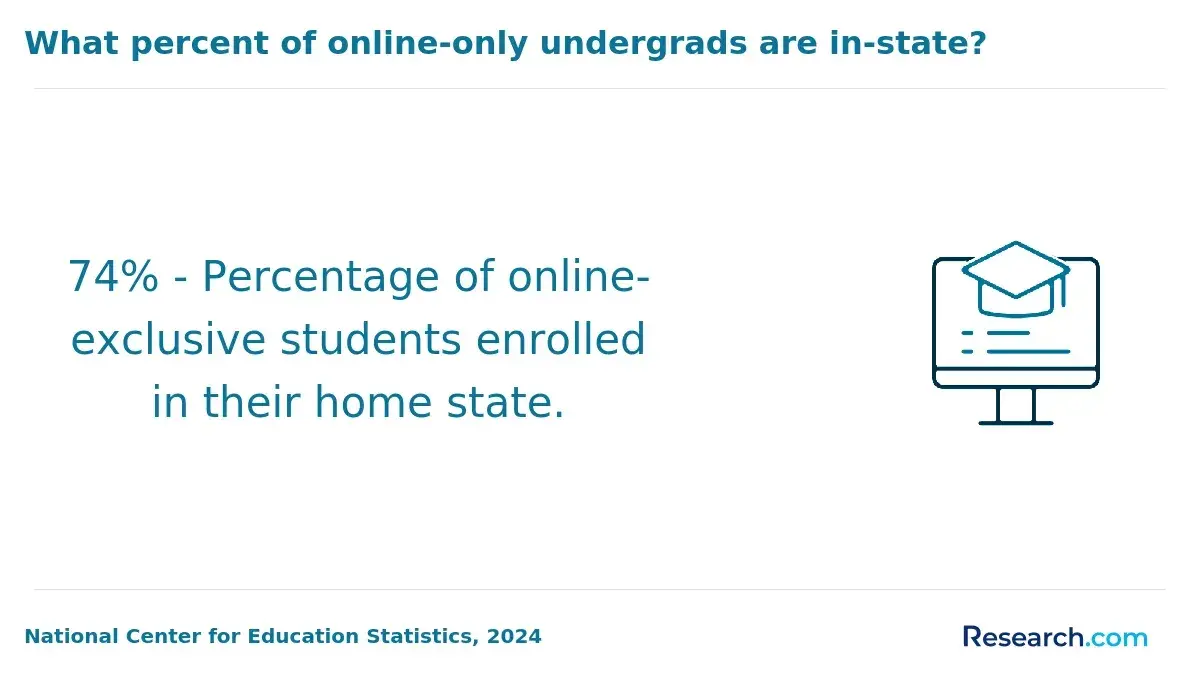
Rolling admissions are notably more prevalent in online creative writing programs than in traditional on-campus settings, primarily because online formats cater to the diverse schedules of remote learners who juggle professional and personal responsibilities. This model enhances operational scalability by allowing institutions to adjust enrollment dynamically, thereby preventing either overcrowding or insufficient cohort sizes.
Such flexibility aligns with how programs manage demand fluctuations, especially in specialized fields where applicant volume can vary significantly over time. However, not all online creative writing degrees adopt this approach; some prefer fixed enrollment periods to maintain structured pacing and cohort consistency, which can better align with employer expectations regarding credential timelines.
For students, rolling admissions often translate to multiple start dates and quicker application decisions, facilitating more immediate program entry-an advantage for those balancing work or seeking timely upskilling opportunities. Yet, this can also intensify competition as popular programs continuously accumulate applicants. Approximately 40% of online undergraduate programs use rolling admissions, indicating a substantial but selective adoption within the range of online creative writing degrees with rolling admissions. Understanding these nuances is crucial for prospective students, particularly when considering how enrollment timing may impact workforce entry and long-term career pathways.
Additionally, those exploring fields adjacent to creative writing, such as online clinical mental health counseling, may observe similar enrollment dynamics driven by diverse learner needs and institutional scaling considerations.
Do Rolling Admissions Schools Have Higher Acceptance Rates?
Rolling admissions should not be equated with inherently higher acceptance rates, as this admissions format primarily reflects an administrative scheduling choice rather than a lenient admissions stance. Programs use rolling admissions to process applications as they arrive, which can create the perception of greater accessibility. However, acceptance rates are more directly affected by factors such as program capacity, applicant interest, and cohort size than by the type of admissions timeline. For example, a small, popular creative writing MFA program with rolling admissions may remain highly selective despite continuous application review, as limited spots constrain admissions regardless of timing.
Application timing within rolling admissions can indirectly influence admission chances. Early applicants may face less competition, benefiting from more available places, while later applicants contend with fewer openings as classes fill. This dynamic reflects logistical realities, not diminished standards. Moreover, acceptance rates for creative writing programs vary widely across institutional types and academic levels, complicating broad generalizations. Prospective students should evaluate rolling admissions within the context of program demands and resource availability rather than assuming it signals easier admission, recognizing that rigorous selection often persists alongside flexible deadlines.
How Much Do Rolling Admissions Creative Writing Programs Cost?
Tuition for creative writing programs with rolling admissions typically follows a per-credit-hour model, ranging roughly from $300 to $800 depending on factors such as public versus private status, geographic region, and institutional prestige. Importantly, rolling admissions do not alter these base tuition rates but influence how and when students pay, allowing flexible enrollment timing without financial penalty on a per-credit basis.
Beyond tuition, students must budget for institutional fees-including technology, administration, and occasionally specialized course materials or workshop costs-that can add several hundred dollars annually. This composite cost structure affects cash flow and financial planning rather than total program expense, shaping how students manage education alongside employment or personal responsibilities. Understanding these nuances is essential for those evaluating average tuition fees for creative writing programs with rolling admissions.
Program format further impacts overall cost dynamics: online or hybrid offerings often use flat-rate tuition for terms, enabling accelerated completion or flexible pacing within rolling admissions. In contrast, cohort-based or accelerated tracks may demand higher upfront payments but can reduce total living and opportunity costs by shortening duration. Such tradeoffs underscore the importance of balancing immediate financial commitment against long-term cost efficiency and workforce entry timing.
For individuals weighing these factors, programs offering an associate degree in 6 months online exemplify how flexible structure and pricing can align with career goals and life circumstances in real-world scenarios.
Are Career Outcomes Different for Rolling Admissions Students?
Career outcomes for students admitted through rolling admissions in creative writing programs do not fundamentally differ from those using traditional deadlines, as the admissions process itself is primarily administrative rather than academic or career-impacting. What shapes long-term success are factors such as the program's accreditation status, the rigor and relevance of its curriculum, and the specialization students pursue, whether fiction, poetry, screenwriting, or nonfiction.
Equally critical are opportunities for internships, real-world writing experiences, and access to professional networks that directly influence employability and industry integration. Geographic location also plays a decisive role, given the uneven distribution of creative industry hubs and job availability across regions. Any advantage gained through rolling admissions tends to be indirect; enrolling earlier might lead to graduating sooner and, therefore, earlier entry into the job market, but this timing edge rarely translates into substantially better employment outcomes.
Evidence from the National Center for Education Statistics underscores that factors like institutional reputation and student engagement trump admission timing in forecasting graduation rates and employment success. Hiring managers in creative fields prioritize quality portfolios, writing samples, and hands-on experience over how or when a candidate was admitted.
Moreover, not all rolling admissions programs offer the same level of career support or industry connections, meaning outcomes can vary widely between institutions. Prospective students should weigh program resources and market fit more heavily than admission flexibility. In effect, rolling admissions expand access and convenience but do not alter the core determinants of career trajectory within creative writing.
One former student shared that applying via rolling admissions offered welcome flexibility amid job uncertainty and family obligations. She initially hesitated to submit her portfolio, aiming to refine her work and wait for feedback, but appreciated the ongoing acceptance window which reduced pressure and allowed careful preparation. Although she enrolled later in the cycle, she found the timing did not affect internship placement or career counseling availability at her institution. Reflecting on her transition to freelance writing, she noted, "It wasn't the admission timing that opened doors for me-it was the experience I gained during my degree and the connections I made. The rolling process helped me get in when I was ready, but everything else mattered far more."
Can Rolling Admissions Programs Lead to High-Paying Careers?
Salaries attained by graduates of creative writing programs are largely influenced by factors other than the admissions model, including specialization within the field, the prestige and accreditation of the institution, opportunities for internships, and the strength of professional networks established during study. Rolling admissions, as a flexible application process, does not inherently increase earning potential or guarantee access to higher-paying roles. Instead, it primarily improves accessibility and timing for students with diverse academic or personal constraints. For example, a student enrolling early through rolling admissions might graduate sooner and enter the workforce faster than peers with traditional deadlines, yet this timing advantage does not necessarily translate into higher starting salaries or better long-term compensation compared to those admitted through fixed deadlines.
Employer preferences in hiring creative writing graduates emphasize writing skill, portfolio quality, and relevant experience far more than how or when a candidate applied to their program. Geographic factors and industry demand within specialized niches-such as screenwriting or technical writing-have far greater impact on compensation ranges, which typically span from roughly $35,000 to over $70,000 annually depending on role and experience.
Rolling admissions programs should therefore be viewed as practical enrollment tools that increase access and flexibility rather than mechanisms that directly influence salary trajectory. Students aiming for high-paying creative writing careers should focus more on selecting programs with strong experiential learning components and reputable faculty than on the admissions timeline itself.
What Are the Disadvantages of Rolling Admissions Programs?
Rolling admissions for creative writing degrees offer flexibility but introduce structural challenges that influence applicant decisions and long-term outcomes. The key disadvantage lies in inconsistent cohort composition, which can disrupt the collaborative nature of writing programs and complicate both peer networking and skill-building. Additionally, students admitted later in the cycle often face interruptions in sequential coursework that underpin foundational writing techniques, potentially impairing their portfolio readiness and perceived program rigor-an important factor for employers and graduate schools.
This approach also affects financial planning. Many scholarships and financial aid packages align with traditional admissions timelines, putting rolling admissions applicants at a distinct disadvantage. According to the 2022 National Postsecondary Student Aid Study, students admitted via rolling admissions are 15% less likely to receive merit-based scholarships, increasing reliance on loans and impacting affordability. The open-ended application window can further complicate decision-making by encouraging delays; candidates may wait for better opportunities, which compresses preparation periods and risks submission of weaker applications.
- Varied cohort sizes undermine peer engagement and networking, reducing opportunities for critical feedback and literary community integration.
- Interrupted course sequencing affects skill development, as students may miss essential early workshops necessary for mastery of writing techniques.
- Reduced access to timed scholarships and financial aid limits funding availability, creating financial stress and influencing enrollment decisions.
- Delayed applications can compromise preparedness and outcomes by shortening time for sample refinement and interview readiness.
For those balancing flexible enrollment with practical considerations, these limitations of rolling admissions in creative writing programs highlight tradeoffs that can affect both academic trajectory and employability. Prospective students should weigh these factors against their personal circumstances and research financial aid options carefully. Exploring alternatives, such as programs with fixed deadlines or proven full funding, might better serve those seeking structured pathways. Those interested in options for flexible yet affordable credentials may also consider resources listing an affordable online master's degree in communications, which can provide comparative insight into enrollment and funding models.
How Do You Choose the Best Creative Writing Program With Rolling Admissions?
Evaluating creative writing degree programs with rolling admissions demands more than scanning deadlines; it requires assessing how flexible entry points impact academic pacing, course availability, and long-term career outcomes. Students juggling work or family must weigh how late enrollment might limit access to core classes or affect tuition rates compared to standard admission cycles.
- Curriculum relevance: Prioritize programs offering diverse genres and applied skills like editing, publishing, and digital storytelling, which align closely with evolving industry expectations beyond traditional authorship.
- Admissions flexibility versus course access: Rolling admissions accommodate nontraditional schedules but can restrict enrollment in popular courses or alter financial aid timing, affecting degree completion speed.
- Delivery format: Many students prefer programs with robust online or hybrid options, reflecting a growing trend where over 40% of creative writing students pursue online degrees, enhancing accessibility for working adults.
- Outcomes transparency: Strong graduation rates and clear postdegree placement in writing, publishing, or related sectors indicate program effectiveness and value in competitive job markets.
- Cost and financial aid consistency: Evaluate whether tuition remains stable across admission windows and if financial support addresses the unique needs of nontraditional enrollees, a critical factor for sustaining studies without interruption.
Prospective learners navigating creative writing degree programs with rolling admissions criteria can benefit from frameworks highlighted in resources like the military online college guide, which exemplifies how flexibility and student-centered policies intersect with practical program features.
What Graduates Say About Creative Writing Degree Programs With Rolling Admissions
- Stephanie: "Balancing a full-time job while enrolled was daunting, but the rolling admissions offered the flexibility I needed to start without delay. I chose the program after realizing that building a solid portfolio mattered more than the degree itself when I applied for internships. While I'm still navigating the challenge of a competitive job market, the practical writing experience I gained has opened doors to freelance opportunities I didn't expect so soon."
- Alexis: "With limited funds and a desire to pivot careers, enrolling in a creative writing program with rolling admissions was a strategic move to enter the field faster. I focused heavily on workshops and networking through internships, which ended up being more valuable to employers than my transcript. Today I'm in a junior editor role, though I remain mindful that advancing further may require ongoing upskilling or diversifying my skill set beyond writing alone."
- Louisa: "Juggling coursework on top of family commitments was tough, but the rolling admissions timing let me start when I was ready, which eased the workload pressure. Choosing this program was about gaining a credential while developing a narrative portfolio, knowing that many employers prioritize demonstrable work over degrees. The outcome? I secured a remote content position, but I'm aware that without additional certification, some higher-level creative roles remain out of reach for now."
Other Things You Should Know About Creative Writing Degrees
Applicants typically need to submit a completed application form, a writing sample, transcripts, a personal statement, and letters of recommendation for 2027 creative writing degree programs with rolling admissions. Specific requirements may vary by institution, so checking the program's official website is advised.
In 2027, potential students can consider top programs like Full Sail University's BFA in Creative Writing and the University of Houston-Victoria's MFA, both offering rolling admissions. These programs offer flexibility and continuous entry points, catering to diverse student needs and schedules.
In 2027, rolling admissions in creative writing programs can offer flexibility for students to start at various times, potentially reducing pressure. However, it may affect cohort bonding and classroom dynamics as students will join at different stages, possibly altering the traditional learning experience.
Scholarships for 2027 creative writing programs with rolling admissions can vary by institution but often include merit-based and need-based options. Investigate specific schools to find awards like the Doris Betts Creative Writing Scholarship or similar funding opportunities.
References
- What to look for in a creative writing program? https://talk.collegeconfidential.com/t/what-to-look-for-in-a-creative-writing-program/1783737
- The Cons of MFA Programs — Jennifer Ellis - Writing https://www.jenniferellis.ca/the-cons-of-mfa-programs
- Should You Get an MFA in Creative Writing? (Pros and Cons) — Mary Adkins https://maryadkinswriter.com/blog/should-you-get-an-mfa-in-creative-writing
- The Benefits Of Creative Writing https://artsacad.net/the-benefits-of-creative-writing/
- I Received a Fully Funded MFA Offer: Here’s How You Can Too | by Brittany Atkinson | The Writing Cooperative https://writingcooperative.com/i-received-a-fully-funded-mfa-offer-heres-how-you-can-too-94c53dc522cf
- How To Find the best MFA program in Creative Writing (for you) https://kendalldunkelberg.com/2017/07/02/how-to-find-the-best-mfa-program-in-creative-writing-for-you/
- A Fully Funded MFA Doesn’t Mean Financial Security https://magazine.catapult.co/dont-write-alone/stories/fully-funded-creative-writing-mfa-doesnt-mean-financially-secure-katerina-ivanov-prado
- Career Opportunities with an MFA in Creative Writing - Read Poetry https://www.readpoetry.com/career-opportunities-with-an-mfa-in-creative-writing/
- The Pros and Cons of Getting Your MFA in Creative Writing https://www.novelmasterclass.blog/post/the-pros-and-cons-of-getting-an-mfa-in-creative-writing
- 10 Considerations Before You Apply to a Creative Writing MFA Program — Set Your Muse on Fire! https://www.setyourmuseonfire.com/blog/10-considerations-before-you-apply-to-a-creative-writing-mfa-programnbspnbsp