2027 How Many Credits Can You Transfer Into a Creative Writing Degree Program?

Co-Founder and Chief Data Scientist
Transfer credit policies for creative writing degree programs remain highly variable, reflecting broader institutional priorities and accreditation standards. Recent data from the National Student Clearinghouse Research Center reveals that nearly 60% of all undergraduates transfer at least one course, underscoring the growing relevance of credit mobility. However, in creative writing, the specialized nature of coursework often limits the applicability of previous credits, affecting how quickly students can progress.
Understanding typical credit transfer caps and evaluation criteria is essential for students seeking efficient degree completion without compromising curricular coherence. This article explores the specific transfer credit allowances across creative writing programs and the factors shaping these decisions.
Key Things to Know About How Many Credits Can You Transfer Into a Creative Writing Degree Program
- Transfer limits often exclude specialized creative writing workshops, requiring students to complete these credits in-house, which delays graduation but ensures mastery of program-specific narrative techniques valued by employers.
- Employers in publishing and media increasingly favor graduates with original portfolios crafted within their degree programs, so extensive credit transfer can reduce field-specific skill recognition and networking opportunities.
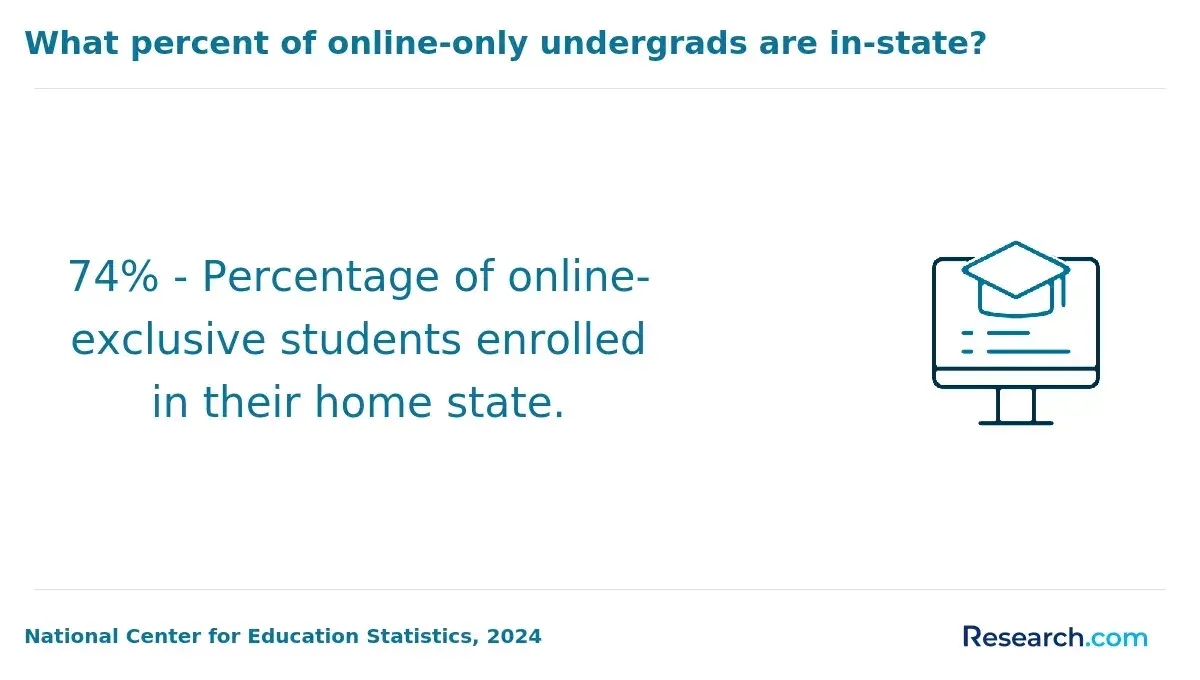
- With adult learners making up over 40% of online degree enrollees in 2024 according to NCES data, transfer policies directly affect access by influencing how quickly and affordably students can re-enter or pivot careers.
How Many Credits Can You Transfer Into a Creative Writing Degree Program?
Transfer credit policies for creative writing degrees typically impose strict limits that shape both the academic and professional trajectory of students. Programs often cap transferable credits between 30 to 60 semester hours, with considerable emphasis on accreditation and course equivalency-credits from regionally accredited institutions are far more likely to be accepted than those from national or non-accredited schools. For example, a community college graduate transferring an associate degree may find their general education credits transferring smoothly, but upper-division creative writing courses, especially those focused on fiction or poetry workshops, are scrutinized rigorously for alignment with the target curriculum.
This selective approach means students must carefully assess their course histories to avoid disruptions in course sequencing, as failure to meet equivalency standards can delay access to advanced seminars critical for portfolio development and professional readiness. These transfer credit limits have tangible effects on student timelines and degree planning, particularly for adult learners and career changers balancing education with employment. Many creative writing programs require a minimum of 30 upper-division credits to be completed in residence to maintain program integrity and mentorship quality, which can extend a student's path even if they bring in a substantial number of transfer credits.
This residency requirement often necessitates reevaluating total academic load and pacing, especially when considering the cumulative nature of creative writing skills development. Students weighing community college transfers versus credits from other four-year institutions or prior certifications-including some online certificates-must account for these factors to optimize completion time without compromising the core competencies employers seek in graduates. In this context, transfer credit strategies become a key lever in balancing affordability, efficiency, and the acquisition of recognized creative expertise.
What Types of College Credits Can Transfer Into a Creative Writing Degree Program?
When assessing transfer credits for a creative writing degree, the practical challenge lies in balancing institutional policies with how closely prior coursework matches the program's core skill objectives. For example, an adult learner moving from a community college humanities track may gain credits that expedite graduation but must evaluate if those credits adequately build specialized skills sought by employers in publishing, media, or literary fields. This tradeoff between efficiency and depth of expertise can influence long-term employability and portfolio strength.
Creative writing programs typically scrutinize transfer credits through course equivalency and content relevance rather than credit hours alone. The acceptance of credits often reflects not only the origin institution but how directly those credits contribute to demonstrated writing proficiency and critical analysis necessary for competitive positions.
- General Education Credits: Courses in English composition, literature, and humanities often transfer most straightforwardly as foundational supports for writing, but programs require alignment in content rigor and minimum grades to ensure baseline competencies.
- Creative Writing or English Major Courses: These credits demand a thorough syllabus review because programs prioritize skills like narrative construction, genre familiarity, and workshop-based revisions-elements essential to a writer's portfolio and credibility.
- Electives from Related Fields: Classes in journalism, media studies, or communications may count if they demonstrably enhance writing technique or literary analysis, yet acceptance varies and often requires faculty adjudication reflecting program priorities.
- Military or Professional Training: Certain military or workplace training with documented writing or communication components can translate to credits, benefitting career changers but requiring in-depth documentation and program-specific evaluation.
- Prior Learning Assessments (PLAs): Strategies such as portfolios or standardized testing help non-traditional learners earn credit by proving applied knowledge in writing disciplines, allowing credit without repetition of foundational coursework.
Does Accreditation Affect How Many Credits Transfer Into a Creative Writing Degree?
The accreditation status of both the institution awarding credits and the one receiving them plays a pivotal role in how many credits transfer toward a creative writing degree. Regional accreditation remains the most reliable marker for credit acceptance, as it signals adherence to stringent academic standards closely aligned with four-year institutions. Credits from nationally accredited schools, often linked to for-profit or vocational education, face higher scrutiny and are frequently accepted only in limited scope. Programmatic accreditation, while rare in creative writing, can influence transfer decisions when specific professional or curricular standards are required, resulting in partial credit recognition or rejection depending on the overlap in course content and rigor.
The practical consequences of these accreditation discrepancies are significant: according to a 2024 National Center for Education Statistics report, approximately 38% of transfer students lose 12 or more credits due to mismatched accreditations. For creative writing students, this often means retaking fundamental courses such as literature surveys or composition, extending time to degree completion and increasing educational expenses. These delays can postpone entry into publishing, teaching, or writing-related careers, affecting not only academic momentum but also financial stability and motivation. The decision to transfer credits without confirming their acceptance can trigger costly setbacks, making thorough evaluation of accreditation and institutional policies essential for efficient progression in creative writing programs.
One recent applicant recounted their experience navigating credit transfers amidst rolling admissions. They waited anxiously for official credit evaluations, uncertain how many previous humanities courses would apply, which delayed their course registration. The applicant ultimately chose to accept the risk of lost credits rather than postpone their start date further, highlighting how timing pressures and incomplete information about accreditation compatibility can force difficult tradeoffs in program entry and planning.
How Do Universities Evaluate Transfer Credits for Creative Writing Programs?
Universities evaluate transfer credits for creative writing programs through a detailed, multi-stage process focused on academic equivalency. This begins with a thorough review of the student's submitted syllabus, where evaluators compare course content, learning outcomes, and writing techniques against the institution's curriculum. They assess if the course covers relevant topics such as advanced workshops or genre studies and includes critical analysis components important to creative writing.
Credit hours receive close scrutiny to ensure they meet institutional thresholds, typically requiring three to four credits per course. The accreditation status of the originating institution heavily influences decisions, with regionally accredited schools' credits favored over those from nationally accredited or unaccredited sources. Departmental faculty then review whether the transfer courses satisfy core requirements or can only substitute for electives, as many creative writing programs prioritize upper-division classes for major credit.
Institution-specific policies shape outcomes significantly, especially in competitive programs where detailed syllabi are essential. According to a 2024 National Center for Education Statistics report, roughly 65% of arts and humanities transfer students face partial credit denials due to inadequate course alignment or documentation. These realities require students pursuing a creative writing degree to strategically plan their coursework, understanding distinctions between elective and core credit applications and anticipating limits on transferable credits.
For adult learners and career changers, this process affects degree timelines and academic planning. Aligning transfer credits effectively can speed program completion, but requires diligence in course selection and documentation. Prospective students might also explore options like the cheapest online computer engineering degree pathways to weigh alternatives when navigating credit evaluations.
Can Work Experience Count as College Credits in a Creative Writing Degree Program?
Work experience may translate into college credits within a creative writing degree if the institution offers prior learning assessments (PLAs) or portfolio evaluations that align professional skills with academic requirements. Typically, this process demands thoroughly documented proof such as detailed writing samples, resumes, and faculty-reviewed portfolios demonstrating competencies like narrative technique or literary analysis equivalent to specific coursework. However, policies vary widely: many programs limit PLA credits to 15-30 to preserve core residency and workshop components essential for creative writing pedagogy. Unlike standardized tests, direct faculty assessment is crucial due to the subjective nature of creative skills, meaning institutional approval is discrete and contingent on program standards rather than blanket acceptance of experience.
For students, leveraging work experience for credit can reduce course loads and shorten degree completion by several months-as much as a 7-month acceleration according to recent research by the Council for Adult and Experiential Learning-but this often involves tradeoffs, including limited exposure to peer collaboration and feedback vital in writing development. Moreover, some programs may reject experience that lacks robust evidence or fails to match curricular outcomes, potentially causing delays or requiring supplemental coursework. Strategic evaluation of credit applicability and early engagement with advisors are essential to avoid misalignments that hinder graduation timelines or erode skill-building opportunities.
One creative writing graduate recalled hesitating about submitting a portfolio during rolling admissions, concerned their freelance publishing credits would be insufficient or delayed in review. The student weighed rushing a submission with incomplete documentation against waiting for additional endorsements, mindful that timing could affect course planning and financial aid. Ultimately, the portfolio's acceptance accelerated progress by bypassing foundational classes, yet the uncertainty underscored the critical importance of preparation and clear communication with admissions to successfully navigate the PLA process.
Why Do Colleges Reject Transfer Credits for Creative Writing Programs?
Colleges frequently reject transfer credits for creative writing programs due to stringent academic and institutional standards designed to preserve program quality and relevance. A central issue is accreditation differences, where credits from regionally accredited institutions tend to transfer more smoothly compared to those from nationally accredited or technical schools with divergent curricula and less rigorous evaluation.
Course equivalency is equally important. Creative writing syllabi vary widely in focus and depth, requiring universities to carefully assess whether transferred courses involve comparable literary analysis, writing genres, or workshop experiences. Credits earned in lower-division or outdated courses often fail to align with the upper-division writing and critical thinking skills needed, making transfer credit policies for creative writing programs notably restrictive.
Grade thresholds also limit credit acceptance. Transfer courses typically must be completed with a minimum grade of "C" to demonstrate adequate mastery. Furthermore, experiential learning elements like portfolio development and peer critiques are highly valued but difficult to evaluate for equivalency, leading to frequent credit denial for courses lacking these components or laboratory-appropriate standards.
Misalignment with a program's specialized upper-division curriculum, including technical versus literary focus, often causes partial credit or outright rejection. Technical or career-oriented writing credits rarely substitute for creative writing requirements, prompting students to retake coursework. These rejections can delay graduation, inflate tuition costs, and disrupt course sequencing crucial for skill mastery. Transfer students from older programs or less rigorous institutions face higher hurdles, underscoring the need for early academic advising and realistic credit evaluation.
Data from recent national surveys reveal that nearly 65% of transfer credits in arts and humanities, including creative writing, are not applied toward degree requirements, illustrating systemic difficulties. Students considering diverse academic pathways might also explore related fields, such as an online PsyD program, for career flexibility and alignment with workforce demands.
Which Creative Writing Degree Programs Accept the Most Transfer Credits?
Public universities generally enforce stricter transfer credit limits for creative writing degrees, often capping accepted credits between 60 and 75 semester hours to safeguard academic rigor and program consistency. In contrast, online institutions and competency-based programs typically provide more generous transfer allowances, sometimes exceeding 90 credits, reflecting their design focus on adult learners and nontraditional students. Degree-completion pathways with formal articulation agreements can streamline credit acceptance for lower-division coursework but rarely extend that flexibility to upper-division creative writing classes, which often remain tightly controlled to preserve specialized training. While prior learning assessments can offset limited transfer credits by recognizing work experience or portfolios, these are more common in flexible programs and may not fully align with employer expectations favoring traditional academic credentials in creative fields.
Residency mandates requiring 30 to 45 credits completed on campus further constrain transfer efficiency, limiting how much prior coursework counts toward degree completion. This often translates to slower progression despite initial credit acceptance. In practice, only about 32% of bachelor's degree recipients who transferred credits finish within four years, highlighting the real impact of these policies on timely completion, according to the National Center for Education Statistics' 2024 data. Students prioritizing maximum credit transfer must weigh the tradeoff between speed and the depth of institution-specific instruction, as overreliance on transferred or assessed credits may reduce perceived academic strength and market competitiveness in the creative writing workforce. The challenge lies in balancing practical degree acceleration with preserving credentials that hold value with employers and within creative industries.
How Do Transfer Credits Affect the Time Needed to Complete a Creative Writing Degree?
Transfer credits can reshape the timeline for completing a creative writing degree, but the effect depends heavily on program-specific rules like residency requirements and the acceptance of upper-division courses. For instance, some institutions may allow up to 75% of credits to be transferred, yet many restrict how many major-relevant upper-division credits count, forcing students to complete critical in-residence coursework. This impacts not only the total time to degree but also sequencing, since prerequisite chains must be followed for advanced creative writing classes and internships. A 2024 national study revealed that nearly 60% of transfer students in arts and humanities fields face delays due to unmet prerequisites or coursework misalignment, which can postpone eligibility for internships-key for timely professional entry.
Moreover, transfer credits may not always match the specific rigor or genre focus that creative writing curricula demand, requiring students to navigate the tradeoff between accelerating graduation and fulfilling program competencies valued by employers. Policies on credit expiration and transfer limits can extend study duration if courses must be repeated or supplemented. For many transfer students, strategic consultation with academic advisors and thorough examination of equivalency guides is crucial to align previous credits with degree requirements effectively. Without this, the anticipated time-saving may backfire, delaying licensing pathways or workforce readiness despite the initial advantage of credit transfer.
Do Transfer Credits Reduce the Cost of a Creative Writing Degree?
Accepted transfer credits can directly impact the tuition costs of a creative writing degree, but only when those credits apply to required courses. Tuition is generally calculated based on the number of credits a student must complete at the degree-granting institution, so transfer credits that fulfill program core or elective requirements often reduce the total credit load-and thereby tuition expenses. The extent of this reduction depends on how institutions evaluate and accept those credits within their curriculum frameworks. According to a 2024 report by the National Center for Education Statistics, students who transferred credits that directly met program requirements saw tuition reductions averaging 15-25%. This highlights how the impact of transfer credits on creative writing degree tuition fees hinges on their applicability rather than mere possession.
However, many practical factors can limit cost savings. Programs often enforce residency requirements mandating a minimum number of credits earned on-site, which restricts the tuition relief from accepted credits. Furthermore, excess transfer credits might be counted as electives without reducing the required tuition-paid credits, meaning students pay tuition on a full course load regardless. Some institutions also use fixed tuition models, where savings are less transparent or nonexistent despite credit acceptance. This uneven financial relief emphasizes the tradeoffs transfer students face in navigating credit policies and program structures. Adult learners and community college graduates considering transfer should carefully review these nuances alongside broader academic goals and not rely solely on general expectations. For a comparative view of related degree pathways, consider exploring online business degree programs accredited that also address credit transfer policies.
What Is the Best Strategy to Maximize Transferable Credits?
Maximizing transferable credits for a creative writing degree requires understanding how institutional policies influence credit acceptance. For example, students transferring from regionally accredited colleges see a 30% higher credit acceptance rate compared to nationally accredited schools, according to the National Center for Education Statistics (2024). This difference directly impacts time to degree completion and cost, making strategic choices about course origin and alignment essential.
Key strategies to increase transferable credits include:
- Prioritize earning credits at regionally accredited institutions to enhance acceptance likelihood and meet core transfer policies.
- Research articulation agreements between community colleges and four-year programs to identify pre-approved courses that avoid redundant classes and streamline credit evaluation.
- Request detailed syllabus evaluations early in the process, providing clear descriptions, learning outcomes, and assessments to help universities establish curriculum equivalency for core creative writing competencies.
- Focus on coursework that aligns closely with degree prerequisites, such as fiction, poetry, and literary analysis, rather than broad or unrelated humanities electives, reducing transfer denial risks.
- Explore prior learning assessments (PLAs) where applicable, allowing recognition of relevant professional or life experience, a critical option for adult learners and career changers aiming to accelerate degree progress.
For students balancing academic credit transfer with career shifts, these targeted approaches offer a real-world framework to navigate complex institutional requirements. Those evaluating cross-field options should also consider pathways such as the best online MSW programs, which reflect the growing demand across healthcare systems and social services.
What Graduates Say About How Many Credits Can You Transfer Into a Creative Writing Degree Program
- Beatrice: "When I started my degree, I was limited to transferring only 30 credits from my previous coursework, which meant I had to carefully weigh which classes truly aligned with my creative writing goals. Choosing to retake certain courses was tough, especially with time and budget constraints, but it ultimately strengthened my portfolio. After graduation, employers seemed less interested in my transferred credits and more focused on my published work and internships, which really shaped my early career trajectory."
- Alexis: "I opted for a program that accepted up to 60 transfer credits, allowing me to complete my creative writing degree faster and jump into freelancing sooner. The trade-off was fewer opportunities for specialized workshops offered only in the later semesters. In the end, this accelerated path gave me flexibility to work remotely and build a client base, although I noticed some limits on salary growth until I gained more industry experience beyond the degree."
- Eli: "Transferring credits into my creative writing degree posed a real challenge because the program capped incoming credits at 45 and required core classes in person. I hesitated at the decision point but ultimately prioritized in-depth seminars and networking opportunities over speed. Navigating this meant a longer graduation timeline, yet it resulted in stronger mentorships and a clearer transition into editorial roles after school, proving that sometimes slower, more immersive paths pay off professionally."
Other Things You Should Know About Creative Writing Degrees
Transferring a significant portion of credits can disrupt the intentional sequencing of workshops, literature classes, and craft seminars designed to build skills progressively. Programs often emphasize a specific developmental path, so accepting many transfer credits might cause gaps in foundational skills or reduce exposure to faculty-guided mentorship critical for creative growth. Prospective students should prioritize programs that balance transfer flexibility with maintaining curricular integrity to ensure a cohesive learning experience and portfolio development valued by employers and graduate programs.
Students who transfer many credits might miss out on early stage workshops and foundational coursework where close faculty mentoring typically begins, which can affect the depth of personalized feedback and networking essential for writing careers. While advanced standing speeds up degree completion, it may reduce opportunities for long-term mentorship relationships that often lead to publishing guidance or professional recommendations. Therefore, transfer students should weigh faster degree paths against the potential cost of less faculty access and consider supplementing with extracurricular writing groups or internships.
In 2027, transferring credits can help fulfill foundational course requirements, allowing students to focus on specialized writing workshops and advanced studies. This alignment with program requirements enhances skill development and could optimize time, helping students meet graduation criteria more efficiently.
Transferring many core credits often limits customization of the curriculum, constraining students within predefined course selections that may not align with emerging literary interests or specializations like screenwriting or poetry. While accelerating degree completion is appealing, sacrificing the opportunity to engage deeply with specialized faculty or niche courses can hinder the evolution of a distinct authorial voice. Transfer applicants should prioritize programs that allow some balance between credit transfer and personal exploration to optimize both academic efficiency and creative development.
References
- Creative Writing, BA Hons https://www.gre.ac.uk/undergraduate-courses/ach/creative-writing-ba-hons
- The Importance of Understanding Transfer Credit Policies https://www.sophia.org/blog/higher-education/understanding-transfer-credit-policies/
- How to improve your creative writing — Creative Writing Courses and Classes Online and in Sussex and London: The Creative Writing Programme https://www.creativewritingprogramme.org.uk/inspiration/how-to-improve-your-creative-writing-the-creative-writing-programme-method
- Creative Writing, MFA https://www.nec.edu/cwmfa
- Creative Writing BA(Hons) (Online) https://www.falmouth.ac.uk/study/online/undergraduate/creative-writing
- What to look for in a creative writing program? https://talk.collegeconfidential.com/t/what-to-look-for-in-a-creative-writing-program/1783737
- How Colleges Award Credits For Work Experience https://www.affordablecollegesonline.org/college-resource-center/college-credit-for-work-experience/
- Rejected from 5 MFA Programs (All of them) | Absolute Write Water Cooler https://absolutewrite.com/forums/index.php
- What should a good creative writing program do? - The Writer https://www.writermag.com/improve-your-writing/writing-education/really-paying-enroll-creative-writing-program/
- Other Voices: Mastering the Transfer Credits Experience - Goldey-Beacom College https://www.gbc.edu/about/news/other-voices-mastering-the-transfer-credits-experience/