2027 Can a Creative Writing Degree Lead to Remote Jobs?

Co-Founder and Chief Data Scientist
The remote work landscape for Creative Writing graduates has expanded, driven in part by a 2024 report from the U.S. Bureau of Labor Statistics showing a 27% increase in remote content creation roles over the past three years. Creative Writing degrees often integrate training with industry-standard software such as Adobe Creative Cloud and Scrivener, while also including collaborative, cloud-based project workflows that simulate distributed team environments.
This practical focus equips graduates with essential skills for virtual editorial meetings and digital submissions, addressing employer preferences for candidates comfortable in asynchronous communication. This article examines how these competencies translate into remote job prospects and guides readers in assessing alignment with their career objectives.
Key Points About Creative Writing Degrees That Lead to Remote Jobs
- Remote careers like content strategist and technical writer require portfolios; practical experience often outweighs formal degrees, so students must balance coursework with real-world projects to meet evolving employer expectations.
- The U.S. Bureau of Labor Statistics projects steady growth in writing-related roles, implying long-term employment stability, but increased competition encourages ongoing skill development in digital and multimedia tools.
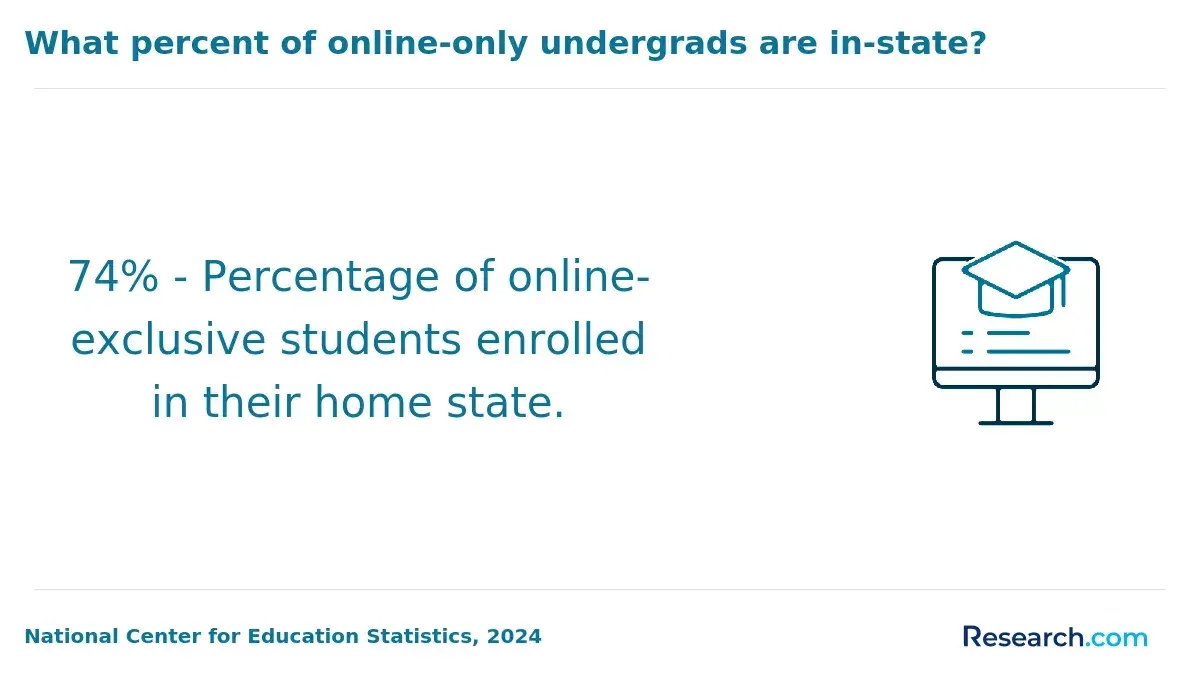
- With online creative writing enrollments rising by 12% in 2024 according to the National Center for Education Statistics, flexible program structures improve access but may challenge time management and networking opportunities.
Is it possible for Creative Writing graduates to work remotely?
Creative writing graduates can access remote or hybrid job opportunities, though availability depends heavily on the specific role and industry segment. Positions centered on producing and refining text, such as content writing, copywriting, freelance editing, and technical writing, frequently accommodate remote work arrangements due to their reliance on independent language skills and digital communication.
Employers in these areas often expect proficiency in managing deadlines without constant supervision, reflecting a work environment suited to remote operations. Conversely, roles demanding ongoing collaboration with editorial teams, publishers, or production staff tend to limit full remote flexibility.
Creative writing jobs connected to academia or publishing workflows often require some on-site presence for activities like workshops or live readings. Graduates aiming for remote work must therefore balance technical writing or freelance gigs with the possibility of intermittent in-person commitments, developing not only strong writing skills but also digital literacy and networking capabilities within online professional communities.
Overall, while fully remote positions exist for creative writing graduates, these are more common in sectors valuing autonomy and digital communication. Success in this pathway entails adaptability and consistency, alongside an understanding that remote work often requires integrating occasional face-to-face interactions depending on employer expectations and project demands.
What are the typical entry-level remote positions for new Creative Writing graduates?
Entry-level remote jobs for creative writing graduates are available across several sectors where writing is essential but does not demand extensive prior experience. These roles leverage writing skills in digital formats and often provide the flexibility of remote work due to the nature of the tasks involved.
Below are typical remote content writing positions for recent creative writing graduates that illustrate the diversity and operational realities of entry-level remote work.
- Content Writer: This role involves crafting blog articles, web content, and informational pieces that meet specific audience needs. It is commonly remote as companies aim to maintain a consistent online presence without the overhead of on-site staff. Writers must research thoroughly, adapt voice and style to different clients, and work within deadlines.
- Copywriter: Entry-level copywriters focus on producing compelling marketing materials, including slogans, product descriptions, and social media ads. Remote setups are typical here, as collaboration with designers and clients occurs digitally. The job demands creativity and brevity to effectively persuade target audiences.
- Editorial Assistant: These positions support publishing and digital media through proofreading, fact-checking, and managing submissions. Many editorial tasks are conducive to remote work, utilizing digital management tools to communicate with writers and editors across locations.
- Social Media Coordinator: Managing brand presence on social channels involves crafting and curating posts, responding to community engagement, and analyzing performance metrics. Given the inherently digital nature of social platforms, remote work suits this role well, with an emphasis on consistent, voice-aligned messaging.
- Instructional Writer: Employed by educational companies and e-learning providers, instructional writers develop accessible course content that simplifies complex information. Working remotely is common as content creation is often outsourced globally, requiring proficiency with collaboration software and an ability to communicate clearly through text.
While these entry-level remote jobs for creative writing graduates offer flexible opportunities to develop practical skills, they also require self-motivation and digital literacy beyond writing. Graduates should consider how these roles align with their strengths and capacity to work independently.
For those exploring alternative or supplemental education pathways, fast online degrees can provide a pathway to broaden skillsets and improve employability in increasingly digital markets, as detailed on fast online degrees.
Are there senior-level remote positions for Creative Writing professionals?
Senior-level remote positions for creative writing professionals do exist, though they typically require experience beyond entry-level roles and a capacity for complex project oversight. New graduates in creative writing should be aware that high-level remote positions in creative writing often blend leadership, strategy, and collaboration across virtual teams.
Below are five common senior roles that reflect this remote work trend and outline their core responsibilities.
- Senior Content Strategist: This role is usually remote to facilitate coordination with teams spread across locations. It involves directing content development, ensuring messaging aligns with organizational goals, and providing guidance to less experienced writers.
- Editorial Director: Frequently managed remotely to lead editorial teams operating in different regions, this position focuses on maintaining editorial standards, supervising quality control, and defining the overall content strategy.
- Lead Copywriter: Predominantly a remote role due to its reliance on input from diverse creative groups. Responsibilities include producing persuasive copy, leading brainstorming efforts, and maintaining consistent brand voice across channels.
- Creative Writing Program Manager: Found in educational or publishing settings, this position can function remotely to organize curriculum planning, coordinate staff or contributors, and oversee program effectiveness.
- Senior UX Writer: Often remote, this position integrates writing with technology teams spread globally. The role focuses on crafting user-centered language that enhances digital product usability while collaborating closely with design and development teams.
Senior remote jobs for creative writing professionals require proficiency in self-management and digital communication tools, as well as readiness to handle responsibilities beyond writing itself. These roles emphasize leadership, strategic thinking, and interdisciplinary coordination.
For writers evaluating the value of advanced degrees, it is important to recognize that such positions often call for a blend of writing expertise and operational skills that extend into project and team management. Exploring related fields such as a master's of library science may also provide pathways to flexible remote careers intersecting with content management and curation.
Remote job opportunities for creative writing graduates are distributed across several key industries where written content drives business and user engagement. Below are five sectors that most consistently hire remote creative writing professionals, detailing the types of roles typically offered.
- Publishing and Media: This sector employs remote writers and editors for content creation across print, digital articles, scripts, and promotional materials. The pivot to digital platforms has expanded flexible work arrangements, making remote roles increasingly common.
- Marketing and Advertising: Remote creative writers in this field develop campaign copy, social media posts, and branding materials. The project-based work structure supports collaboration from diverse locations, aligning well with freelance and contract positions.
- Technology and Software: Tech companies require writers for user manuals, UX content, and strategic communication. These teams often operate remotely by design, integrating creative writing roles into dispersed workflows and agile processes.
- Education and E-learning: Growth in online courses and digital education content has created remote jobs focused on curriculum development and instructional writing tailored for virtual learners.
- Entertainment and Gaming: Creative writing professionals contribute remotely to scriptwriting, narrative design, and dialogue creation within gaming and entertainment projects. Hybrid and fully remote setups are common, particularly for freelancers and contract workers.
These industries leverage remote creative writing roles due to their predominantly digital output and the demand for effective written communication. Success often hinges on adaptability to remote collaboration tools and self-management skills, crucial for graduates transitioning from traditional learning environments to autonomous work settings.
Salary disparities between remote and on-site creative writing roles often stem from employer strategies that factor in geographic cost differences. Many companies adjust pay for remote workers based on their location, typically offering lower salaries to writers in less expensive regions compared to on-site employees in major urban centers.
This practice means the average pay for remote versus on-site creative writing jobs can vary notably, especially for generalist positions or those early in their careers. Specialized roles such as scriptwriting or technical storytelling tend to offer more competitive remote salaries, reflecting ongoing talent shortages in these niches. Employers in these fields may limit geographic pay adjustments or provide closer parity with on-site compensation to secure skilled candidates.
For aspiring remote creative writers, understanding how companies structure pay reveals that location, role specialization, and market demand significantly influence earning potential. Balancing these factors alongside training from respected programs, such as those listed among the best online universities, helps clarify realistic expectations for remote creative writing salary comparison.
Working remotely can present several challenges for professionals in different degree fields. Common difficulties include communication barriers, limited collaboration, reduced access to specialized tools or resources, and maintaining productivity in a virtual environment. These challenges can affect work performance, teamwork, and overall professional development.
- Delayed Collaboration and Feedback: Creative writing thrives on immediate input and dynamic exchanges. Remote settings often slow feedback loops and limit spontaneous brainstorming, which can stall revision processes. Proactively scheduling regular check-ins and using interactive platforms can partially offset these delays.
- Technology and Version Control Issues: Fragmented use of project management and file-sharing tools leads to confusion or duplicated efforts, especially when multiple drafts circulate without clear tracking. Establishing standardized workflows and naming conventions helps maintain consistency and reduces lost work.
- Security Risks with Sensitive Material: Handling confidential client content requires vigilance, as unsecured networks and improper file storage jeopardize intellectual property. Remote writers must adopt encryption, secure VPNs, and disciplined data management to uphold confidentiality.
- Visibility and Recognition Gaps: Proximity bias can marginalize remote creative writers, limiting informal mentorship and recognition that influence performance assessments. Maintaining an active digital presence and seeking visibility through documented contributions are essential countermeasures.
- Nuanced Communication Barriers: Conveying tone and subtlety purely through written digital exchanges often leads to misunderstandings, given the reliance on nuanced language in the field. Employing clear, deliberate phrasing and supplementing messages with video calls where possible mitigates ambiguity.
One creative writing professional I spoke with, who completed an online bachelor's program, described his experience navigating remote roles as "a constant balancing act." He emphasized the difficulty in "capturing the energy and immediacy of in-person brainstorming" through virtual tools, noting that "waiting for feedback sometimes felt like my projects were in limbo."
He also pointed out how keeping track of multiple revisions across different platforms required "a meticulous system that wasn't always intuitive." Managing client confidentiality under varying network conditions added another layer of stress, leading him to implement strict personal protocols for file security. Despite these hurdles, he found that deliberately carving out time for digital presence and networking opportunities improved his professional visibility over time.
Certain certifications can enhance remote hiring outcomes for creative writing graduates by signaling skills beyond basic writing ability, particularly those that align with digital marketing and analytics. Below are five certifications often valued by employers seeking remote creative writing talent.
- Certified Professional Technical Communicator (CPTC): Offered by the Society for Technical Communication, this certification demonstrates expertise in producing clear, user-focused documents. It benefits creative writing graduates targeting roles that require precision and usability. Candidates typically undergo a comprehensive exam and must show experience in technical communication.
- HubSpot Content Marketing Certification: This credential focuses on digital content strategies and inbound marketing tactics. It is useful for writers needing to demonstrate proficiency in content creation aligned with marketing objectives, often requiring successful completion of an online course and tests.
- Copyblogger Certified Content Marketer: Centered on persuasive and conversion-driven writing, this certification highlights skills attractive to businesses valuing content that drives engagement. Candidates generally complete coursework and practical assignments.
- Google Analytics Individual Qualification (GAIQ): This certification reflects an ability to interpret audience metrics and optimize content for performance. It suits remote roles demanding data-informed content strategies and requires passing an online exam.
- American Writers & Artists Institute (AWAI) Copywriting Courses: Recognized for commercial writing training, AWAI courses prepare students for freelance and remote copywriting positions, emphasizing sales and marketing language. Enrollment and course completion usually form the main criteria.
Selection among these should consider the specific remote job type and industry focus, as employers increasingly seek candidates with a mix of traditional writing talent and digital skill sets. Assessing professional development courses for creative writing graduates involves weighing time and cost against how well certifications meet the demands of remote clients or companies.
For those interested in expanding their qualifications beyond writing alone, a relevant example of interdisciplinary online learning includes an online hospitality management course, illustrating the value of complementary skills in diverse remote work environments.
Creative writing degree students aiming for remote positions benefit from tailoring their approach to reflect the unique requirements of virtual roles. The evolving job market for writers pressures candidates to display adaptability and practical skills distinct from traditional employment models.
Below are five targeted strategies useful for improving chances in remote job searches for creative writing graduates.
- Diversify Your Portfolio: Showcase a variety of writing formats such as blog posts, scripts, marketing copy, and serialized fiction. Hiring managers seek evidence of versatility and the ability to handle diverse content, so relying on a single style may limit opportunities. Including brief project explanations about challenges and your solutions adds valuable context.
- Engage in Remote-First Networks: Active participation in specialized platforms like We Work Remotely, Remote OK, and niche job boards focused on writers increases exposure. Professional Slack groups and Discord communities geared toward content creators offer direct connections to employers and peers, fostering referrals and early job insights.
- Master Asynchronous Assessments: Remote recruitment frequently involves trial tasks such as timed editing or content creation without real-time interaction. Performing well in these exercises signals strong communication, independent work habits, and time management skills essential for remote roles.
- Maintain a Focused Online Presence: Keeping your LinkedIn profile current with remote work experiences or relevant freelance projects signals readiness for virtual job demands. Highlight roles that emphasize self-directed productivity to align with employer expectations for remote workers.
- Leverage Cross-Disciplinary Skills: Complement your creative writing expertise with knowledge such as digital marketing or SEO fundamentals. This broader skill set enhances practical value to employers targeting remote positions, making you more competitive among applicants.
For students balancing educational routes with a focus on flexible career options, including a military online college can offer structural support conducive to managing remote work preparation alongside academic obligations.
Remote creative writing roles reshape traditional promotion pathways by minimizing in-person visibility, shifting emphasis toward documented results and effective communication. Without casual office interactions, career progression depends heavily on tangible output monitored through project management platforms, detailed written updates, and asynchronous collaboration tools. This alters how leadership and initiative are perceived.
Creative writers working remotely need to cultivate a presence through active participation in virtual discussions and maintain steady communication to ensure their contributions are visible to decision-makers. Relying solely on sporadic messaging or passive task completion risks being overlooked. Proactively seeking feedback and sharing ideas in digital forums can replicate some benefits of in-person mentorship and informal networking.
The absence of face-to-face interaction imposes a premium on written communication skills and self-directed accountability. Career advancement hinges on the ability to document impact clearly and align output with organizational goals amid distributed environments. Those who fail to adapt to these remote dynamics may find upward mobility slower or less predictable compared to co-located peers.
Ultimately, effective remote creative writers translate leadership and collaboration into digital formats, using measurable contributions and purposeful engagement as evidence for promotions and expanded responsibilities.
Sustaining a remote career in creative writing depends heavily on how well individuals navigate evolving technology and shifting business priorities. Employers increasingly expect writers to integrate digital skills with their literary expertise, as AI-enhanced editing tools and collaborative platforms reshape traditional workflows.
While demand for digital content remains strong, remote creative writers must deliver consistently high-quality work that leverages these new tools rather than competing against them. This often means developing proficiency in content management systems, SEO basics, and data-informed storytelling alongside core creative talents.
Corporate attitudes towards remote roles continue to improve, especially in content-heavy industries where output is measurable and deadlines are clear. However, economic fluctuations and the gig-based nature of many creative writing opportunities can introduce instability.
Writers relying solely on remote gigs without diversifying skills or professional networks may find long-term sustainability challenging. Those who balance technical adaptability with effective networking and ongoing skill acquisition position themselves better to weather market changes and maintain relevance.
When asked about his experience, a creative writing professional who earned his degree online noted that sustaining remote work took more than creative skill. "Initially, I underestimated how much time I'd spend learning new editing software and marketing myself on social platforms," he shared.
"There were moments of uncertainty when contracts dried up, and I had to actively seek connections beyond typical writing circles. Staying remote means constantly evolving, not just writing." This perspective highlights that while remote creative writing careers are viable, they require deliberate effort beyond producing content.
What Graduates Say About Creative Writing Degrees That Lead to Remote Jobs
- Esteban: "My degree in creative writing was crucial in landing a remote editorial role at a digital publishing company. I found that having a strong portfolio and relevant internships mattered more than licensure when hiring managers reviewed my application. Working remotely means I can collaborate across time zones, but it also requires a lot of self-discipline and managing expectations without face-to-face guidance."
- Alexis: "Graduating with a creative writing degree helped me pivot into content strategy for a startup that fully embraces remote work. I've realized that employers often favor work experience and demonstrable skills over formal certifications in this industry, which has allowed me to fast-track my entry into the workforce. The flexibility remote work offers is invaluable, though I've noticed salary growth can plateau without additional qualifications or managerial experience."
- Eli: "After earning my degree in creative writing, I secured a freelance remote role producing scripts for branded content. It was a tough market where strong writing samples and networking outweighed academic credentials. The experience has been rewarding, but I stay cautious-remote gigs often offer limited advancement and require constant hustle to maintain a steady workflow."
Other Things You Should Know About Creative Writing Degrees
Specialization within a creative writing degree can significantly influence remote employability. Programs that emphasize digital storytelling, content marketing, or technical writing tend to align more directly with remote job markets, where clear, adaptable communication skills are vital. Those focusing solely on traditional literary fiction might find fewer immediate remote job pathways, as many remote roles prioritize versatile, audience-oriented writing over purely artistic endeavors. Students should prioritize programs with a broader skill set and practical applications to better meet remote employer expectations.
Creative writing graduates can qualify for remote roles in content strategy, UX writing, SEO copywriting, email marketing, and technical writing. Many employers ask for 2 to 3 writing samples and basic tool skills such as Google Docs, WordPress, or CMS platforms. A bachelor’s degree is usually enough.
Many remote creative writing roles lean toward freelance or contract work, which means graduates must be prepared for fluctuating income and the administrative burden of client management. Unlike salaried jobs, freelance positions demand strong self-discipline, marketing skills, and financial planning. Candidates must realistically assess their tolerance for instability and invest time in learning business fundamentals alongside craft development if they want sustainable remote careers.
- Student Feedback https://www.oxfordhomestudy.com/courses/remote-work-careers/remote-writing-work-free-course
- Will Writers Still Have Work in the Future? | by James Presbitero Jr. | Generative AI https://generativeai.pub/will-writers-still-have-work-in-the-future-6bc0232a07e0
- What's Really Suffering While Working Remotely? Collaboration and Creativity https://lucid.co/blog/remote-work-hurts-collaboration-and-creativity
- Do Writers Go Through a Mid-Career Slump? | by Colleen M. Story | The Writing Cooperative https://writingcooperative.com/do-writers-go-through-a-mid-career-slump-df68299a4028
- Creative Writing: Exciting Career Paths https://www.creativewritingacademy.uk/blog/creative-writing--exciting-career-paths
- 15 Common Challenges of Remote Work and How to Overcome Them | South https://www.hireinsouth.com/post/15-common-challenges-of-remote-work-and-how-to-overcome-them
- 20 Creative Writing Jobs for Graduates (+ Entry-Level Positions) https://reedsy.com/freelancer/creative-writing-jobs/
- Remote Writing Jobs | Working Nomads https://www.workingnomads.com/remote-writing-jobs
- Creative Writer Certifications: Best Credentials to Advance Your Career | Teal https://www.tealhq.com/career-paths/creative-writer-certifications
- 5 Challenges of Working Remotely and How to Overcome Them - Black Piano https://www.blackpiano.co.uk/post/remote-work-challenges