2027 Easiest Online Nonprofit Management Degree Programs That Pay Well: High-Salary Degrees with Simple Admissions

Co-Founder and Chief Data Scientist
Choosing an online nonprofit management degree is often a balancing act: you want a program that is realistic to get into, flexible enough to finish while working, and strong enough to support better career options. That balance matters because the nonprofit sector is expected to grow by 11% through 2030, and organizations need leaders who can manage fundraising, programs, budgets, volunteers, grants, and community partnerships.
This guide is for working adults, career changers, transfer students, and applicants who may not have a perfect academic record but want a practical route into nonprofit leadership. It explains how to recognize programs with simpler admissions, what jobs these degrees may support, how GPA and transfer credits affect your options, what accreditation and tuition mean, and how to choose a program that is accessible without sacrificing credibility or career value.
Key Benefits of the Easiest Online Nonprofit Management Degree Programs That Pay Well
- Many online nonprofit management programs offer simplified admissions, with 65% waiving standardized test requirements to increase accessibility for diverse applicants.
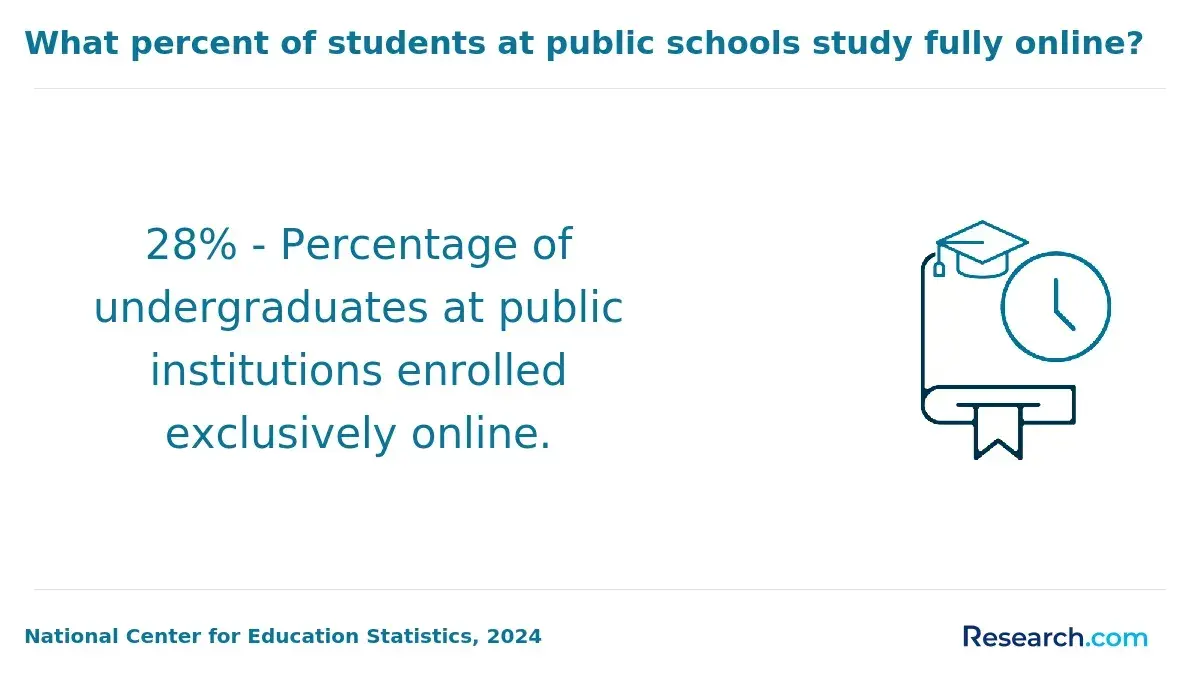
- Flexible online formats allow working professionals to complete coursework asynchronously, supporting a 21% annual growth in distance education enrollment.
- The nonprofit sector's projected 12% job growth boosts median salaries above $70,000 annually, highlighting strong postgraduation earning potential.
How to Tell If Online Nonprofit Management Programs Have Easy Admission Requirements?
An online nonprofit management program usually has “easy” admission requirements when it removes unnecessary barriers without lowering the academic expectations after enrollment. The goal is not to find a weak program. It is to find a legitimate program with a streamlined admissions process, clear requirements, and flexibility for applicants with different academic and professional backgrounds.
For working adults and career changers, simpler admissions can make a major difference. Fewer delays, fewer test requirements, and less prerequisite coursework can help students begin sooner and plan around jobs, caregiving, and other responsibilities.
Admission features that usually signal easier entry
- No entrance exams required: Programs that do not require standardized tests reduce the time and cost of applying. This is especially helpful for applicants who have been out of school for several years or whose strengths are better shown through work experience.
- Minimal prerequisite coursework: Some programs allow students to begin with foundational nonprofit, business, or leadership courses instead of requiring a long list of prior classes. This benefits applicants coming from fields such as education, social services, communications, healthcare, or public administration.
- Holistic review: Programs with holistic admissions may weigh professional experience, volunteer leadership, community work, essays, recommendations, and career goals alongside GPA. This can help applicants whose academic records do not fully reflect their current readiness.
- Provisional or conditional admission: Some schools allow students to start while completing missing requirements or proving academic readiness through early coursework. This can speed up enrollment, but students should understand exactly what conditions they must meet to remain in good standing.
- Clear document requirements: Easier programs tend to publish straightforward instructions for transcripts, resumes, statements of purpose, recommendations, and deadlines. If the process is confusing, ask admissions staff to confirm every requirement in writing.
What “easy admission” should not mean
Easy admission should not be confused with poor quality. A good online nonprofit management program may be accessible, but it should still have qualified faculty, a relevant curriculum, student support, transparent costs, and recognized accreditation. Be cautious if a school avoids answering questions about accreditation, transfer policies, graduation requirements, or total cost.
Applicants who are comparing accelerated or flexible pathways may also want to review related options such as EdD programs, especially if their long-term goals include executive leadership, teaching, or organizational strategy.
What High-Paying Jobs Can You Get With an Easy Online Nonprofit Management Degree?
An accessible online nonprofit management degree can support career growth, but salary outcomes depend on experience, location, organization size, funding level, and the type of role. The strongest-paying nonprofit jobs usually involve fundraising, strategy, operations, grant development, program leadership, or consulting. The nonprofit sector is growing steadily, with a 9% projected increase in employment from 2021 to 2031, which points to continued demand for professionals who can manage people, funding, compliance, and impact.
Common nonprofit management roles and salary ranges
- Development Director: Leads fundraising strategy, donor relations, campaigns, sponsorships, and major gifts. This role often earns between $65,000 and $110,000 annually, especially in larger organizations with established donor networks.
- Program Manager: Oversees services, staff, budgets, timelines, reporting, and outcomes for nonprofit programs. Median salaries range from $60,000 to $100,000, with higher earnings often tied to larger budgets or multi-site programs.
- Grant Writer: Researches funding opportunities and writes proposals for foundations, government agencies, and other funders. Salary ranges typically fall between $50,000 and $90,000, with experienced grant professionals sometimes moving into grants management or consulting.
- Nonprofit Consultant: Advises organizations on fundraising, operations, program evaluation, board development, strategic planning, or compliance. Earnings range from $70,000 to $120,000, though income may vary widely for independent consultants.
- Volunteer Coordinator: Recruits, trains, schedules, and supports volunteers who help deliver programs and events. This role generally earns $40,000 to $70,000 and can be a stepping stone into broader program or operations management.
How to choose a degree for stronger job outcomes
Look beyond the phrase “nonprofit management” and examine the courses. Programs with coursework in fundraising, budgeting, grant writing, program evaluation, leadership, data use, and nonprofit law may be more useful for higher-responsibility roles. Career services also matter. Resume support, employer connections, internships, capstone projects, and alumni networks can make the degree more practical.
Students who want to combine nonprofit leadership with human services, counseling-adjacent work, or community programs may also consider related study paths such as a fast track psychology degree online. The best choice depends on whether your target role is administrative, clinical-adjacent, fundraising-focused, research-based, or program-oriented.
The key is to choose an easy online nonprofit degree that is easy to access, not one that is thin on career preparation. A simplified application process is useful only if the curriculum and support services help you compete for better roles.
Can You Get Into an Online Nonprofit Management Program With a Low GPA?
Yes, some applicants can get into an online nonprofit management program with a low GPA, especially when the program uses holistic admissions. GPA still matters because it helps schools judge academic readiness, but it is not always the only factor. Approximately 40% of these programs now use holistic admissions, balancing GPA with other qualifications.
If your GPA is below the preferred range, your application should show that you are prepared now, even if your earlier academic record was uneven.
Ways to strengthen an application with a low GPA
- Emphasize relevant nonprofit experience: Paid work, volunteer leadership, board service, fundraising, community outreach, case management, advocacy, or program coordination can show that you understand the field and have practical skills.
- Secure strong recommendations: Letters from supervisors, nonprofit leaders, faculty members, or community partners can help explain your work ethic, leadership ability, communication skills, and readiness for online study.
- Complete prerequisite or refresher courses: Recent coursework in writing, statistics, management, finance, public administration, or nonprofit studies can demonstrate academic improvement and help offset older grades.
- Earn related certifications: Training in fundraising, grant writing, project management, volunteer management, budgeting, or nonprofit leadership can show current professional commitment.
- Write a focused statement of purpose: Do not over-explain every poor grade. Instead, briefly address the issue if needed, then show what changed, what you have accomplished since, and why you are ready for graduate-level or upper-division online work.
- Contact admissions before applying: Ask whether the school offers provisional admission, GPA waivers, probationary enrollment, or advice for applicants with substantial professional experience.
One graduate of an easy online nonprofit management degree program said her low GPA initially made her hesitant to apply. She worried that her grades would define her application, but the admissions team paid close attention to her years of work at a community center and her long-term commitment to service. Before applying, she completed several online courses to build confidence and show academic progress. Her experience reflects an important point: many programs want evidence of readiness, not perfection.
Some easy online nonprofit management degrees may be completed in under a year, but this depends on the credential level, credit requirements, transfer credits, course availability, and how many classes a student can handle at once. A shorter timeline can be valuable for career changers and working professionals who want to move quickly into leadership roles, but accelerated study requires discipline and enough weekly time to keep up.
What makes completion in under a year possible?
- Accelerated courses: Condensed terms allow students to complete credits faster than in a traditional semester format. The trade-off is intensity; weekly reading, writing, discussion, and project deadlines may be heavier.
- Full-time enrollment: Taking more courses each term can shorten the total timeline. Students should be realistic about work hours, family responsibilities, and the time required for writing-heavy assignments.
- Transfer credit: Previously completed college coursework, and in some cases relevant professional learning, may reduce the number of credits needed. Transfer policies vary, so students should request a formal transfer evaluation before enrolling.
- Flexible scheduling: Asynchronous courses can make faster progress more manageable because students can study outside standard business hours. This format works best for self-directed learners.
- Frequent start dates: Programs with multiple start dates may help students avoid waiting months to begin, which can reduce overall time to completion.
Questions to ask before choosing a fast program
- How many credits are required to graduate?
- How many credits can be transferred in?
- Are required courses offered every term?
- Is there a capstone, practicum, internship, or final project?
- What happens if you need to pause or drop to part-time enrollment?
Easy online nonprofit management degrees under one year often combine accelerated nonprofit management programs with simple admissions processes and few prerequisites. That can help students avoid long application delays. However, speed should not be the only priority. Make sure the program is accredited, affordable, and aligned with your target role.
Students comparing flexible online options in related fields may also review an MLIS degree, especially if their interests include information access, community education, archives, public libraries, or nonprofit-adjacent public service roles.
Online nonprofit management programs are often easier to fit into a busy life, but they are not necessarily academically easier. National data from 2023 indicates that completion rates in online nonprofit management courses match those of traditional programs, suggesting similar academic standards. The difference is usually in delivery: online students may have more control over when and where they study, while on-campus students may have more built-in structure and face-to-face interaction.
Why online programs may feel more manageable
- Flexible pacing: Online courses often let students complete lectures, readings, discussions, and assignments around work schedules. This can reduce logistical stress, especially for adults with full-time jobs or caregiving responsibilities.
- No commuting: Removing travel time can free up several hours each week and reduce transportation costs. For many students, this is the biggest practical advantage of online study.
- Access to digital materials: Recorded lectures, online readings, discussion boards, and learning platforms allow students to review material more than once. This can help with complex topics such as budgeting, evaluation, and grant compliance.
- More control over the learning environment: Students can study at times and places that support focus, whether that means early mornings, late nights, or weekend blocks.
Where online programs can be harder
- Self-motivation is essential: Without a classroom routine, students must manage deadlines, readings, and participation on their own.
- Peer interaction requires effort: Online discussion forums and group projects can work well, but students may need to be more intentional about networking and collaboration.
- Technology issues can interrupt progress: Reliable internet access and comfort with learning platforms are important.
- Time management matters: Flexible does not mean low effort. Students still need consistent weekly study time.
One online nonprofit management graduate said the format was easier for his life because he was balancing full-time work and family responsibilities. He could study late at night or early in the morning instead of commuting to campus. He also valued the ability to pause and rewatch lectures when learning complex material. Still, he noted that success required planning and self-discipline. For him, the online format was not easier because the work was lighter; it was easier because the schedule was possible.
Many easy online nonprofit management programs are accredited, but students should verify accreditation before applying. Accreditation is especially important when a program advertises simple admissions, accelerated study, or low tuition. It helps confirm that the institution meets recognized academic standards and that the degree is more likely to be accepted by employers, graduate schools, and financial aid systems.
With over 90% of respected online nonprofit management degrees holding regional or specialized accreditation, students should expect legitimate programs to be transparent about their status.
Types of accreditation to check
- Regional Accreditation: Regional accreditation is widely recognized in the U.S. and is granted by agencies such as the Higher Learning Commission. Degrees from regionally accredited institutions are generally more portable for employment, transfer credit, and further graduate study.
- Programmatic Accreditation: Some nonprofit management, public administration, or public affairs programs may hold specialized accreditation, such as from NASPAA. This can signal that the program has been reviewed against field-specific standards, which may be useful for students pursuing leadership roles in public service or nonprofit administration.
Why accreditation matters for easy-admission programs
- It can affect eligibility for federal financial aid.
- It can influence whether credits transfer to another institution.
- It can shape employer confidence in the degree.
- It can matter if you later apply to another graduate or doctoral program.
Before enrolling, confirm accreditation directly through the school and the accrediting agency. Do not rely only on marketing language. A program can be flexible, affordable, and accessible while still being academically credible, but the burden is on the student to verify that credibility before paying tuition.
Tuition for easy online nonprofit management programs typically falls between $15,000 and $30,000 for a full degree. The final cost depends on the school, credential level, credit requirements, transfer credits, fees, and whether the program is fully online or hybrid. Students should compare total program cost, not just the advertised per-credit rate.
Cost factors to review before enrolling
- Tuition range: Most online nonprofit management programs charge between $15,000 and $30,000 total. The difference often reflects credit requirements, institutional pricing, and program format.
- Fully online vs. hybrid format: Fully online programs often cost less because students may avoid some campus-based expenses. Hybrid programs can be more expensive if they require travel, parking, lodging, or campus fees.
- Credit hours and program length: Typical program lengths range from 30 to 48 credit hours. If a school charges by the credit, every additional required credit increases the total cost.
- Additional fees: Technology fees, online course fees, graduation fees, books, software, and materials can change the real price of a program. Ask for a full cost estimate before committing.
- Transfer credit: Accepted transfer credits may reduce the number of courses you need to pay for. However, some schools limit how many credits can transfer.
- Financial aid and employer support: Accreditation may affect federal financial aid eligibility. Working adults should also ask employers about tuition assistance or professional development funding.
How to judge whether the price is worth it
A lower-cost program is not automatically the best value, and a higher-cost program is not automatically better. Compare tuition against accreditation, curriculum relevance, faculty experience, student support, completion timeline, and career services. If your goal is a high-paying nonprofit role, prioritize programs that build practical skills in fundraising, finance, grants, leadership, and program evaluation.
Students comparing flexible programs and accelerated formats can review broader resources on online masters degrees to understand how cost, duration, and program quality vary across fields.
Yes. Transfer credits can make an online nonprofit management degree easier to complete by reducing the number of courses, lowering tuition costs, and shortening the path to graduation. They are especially valuable for students who have already completed an associate degree, prior college coursework, or relevant classes in business, public administration, communications, social sciences, or human services.
About 33% of students in online bachelor's programs utilize transfer credits, which shows how common this strategy has become for students seeking a faster and more affordable degree path.
How transfer credits help
- Shortening time-to-degree: Accepted credits can replace general education, elective, or prerequisite courses, allowing students to move more quickly into nonprofit management coursework.
- Lowering tuition costs: Fewer required courses usually means fewer credits to pay for, which can reduce the total cost of the degree.
- Improving scheduling flexibility: Students who transfer credits may have more room in their schedule to focus on core classes, internships, capstones, or career-related electives.
- Reducing repetition: Transfer credit can prevent students from retaking material they have already mastered, keeping the program more relevant and efficient.
Transfer questions to ask before applying
- What is the maximum number of credits the program accepts?
- Do credits expire after a certain number of years?
- Are transfer credits accepted only from accredited institutions?
- Can professional certifications or prior learning count for credit?
- Will transfer credits apply to major requirements or only electives?
- Can the school provide an official transfer evaluation before enrollment?
For students seeking the easiest online nonprofit degree credit transfer options, the best approach is to gather transcripts early and compare policies across schools. Transfer-friendly online degree programs can help students use previous academic work strategically instead of starting over.
Online nonprofit management students often balance coursework with jobs, family obligations, and community responsibilities. Strong academic support can be the difference between enrolling and actually finishing. The best programs do not simply provide online classes; they provide a support system designed for remote learners.
Common support services for online students
- Academic advising: Advisors help students choose courses, understand degree requirements, plan term-by-term schedules, and stay on track for graduation. This is especially important in accelerated programs.
- Tutoring and writing centers: Nonprofit management programs often require research papers, case analyses, grant proposals, reports, and strategic plans. Writing support can be valuable for students returning to school after time away.
- Career services: Career teams may help with resumes, cover letters, interview preparation, LinkedIn profiles, job searches, and nonprofit employer connections. Some programs also support internship or practicum placement.
- Technical assistance: Online students need reliable help with learning platforms, video tools, assignment uploads, library systems, and exam software. Responsive technical support reduces frustration and missed deadlines.
- Library and research support: Access to databases, research guides, and librarians can improve the quality of papers, grant research, and program evaluation projects.
- Faculty access: Clear office hours, timely feedback, and instructor communication are critical in online programs where students cannot ask questions after class in person.
What to ask about support before enrolling
- Are advising appointments available during evenings or weekends?
- How quickly do instructors typically respond to questions?
- Is writing support available for online students?
- Does career services work with distance learners?
- Is technical support available outside standard business hours?
Support services are not extras. For nontraditional students, they are part of the program’s real value. A degree with simple admissions but weak advising, limited faculty access, or poor technical support may be harder to complete than it first appears.
To choose the easiest online nonprofit management degree that pays well, look for the strongest combination of accessible admissions, recognized accreditation, relevant coursework, reasonable cost, flexible scheduling, and career support. The right program should be easy enough to enter and manage, but rigorous enough to help you qualify for better nonprofit roles.
Decision factors to compare
- Admission requirements: Check whether the program requires entrance exams, minimum GPA, prerequisite coursework, essays, recommendations, or professional experience. Easier admissions should still be transparent and organized.
- Program cost: Tuition affordability matters because nonprofit salaries vary widely by role and organization. Avoid taking on more debt than your likely career path can support.
- Program duration: Shorter or accelerated programs can help students move faster, but they require more weekly effort. Choose a pace you can sustain.
- Accreditation: Regional accreditation is important for employer recognition, financial aid eligibility, transfer credit, and future graduate study. Programmatic accreditation may add value in some public service fields.
- Curriculum fit: Look for courses in nonprofit leadership, fundraising, grant writing, budgeting, program evaluation, strategic planning, ethics, governance, and data-informed decision-making.
- Career support: Internships, mentorships, resume help, employer connections, alumni networks, and job search support can improve the degree’s practical value.
- Transfer credit policy: A generous transfer policy can reduce time and cost, but confirm how credits apply before enrolling.
- Student support: Advising, tutoring, writing help, technical support, and faculty availability all affect how manageable the program will be.
Common mistakes to avoid
- Choosing the cheapest program without checking accreditation.
- Assuming “online” means less work.
- Ignoring fees beyond tuition.
- Enrolling before receiving a transfer credit evaluation.
- Choosing a general curriculum that does not match your target job.
- Overlooking career services until the final term.
A strong choice is usually the program that removes admissions friction while preserving academic credibility and career relevance. If two programs look similar, choose the one with clearer costs, stronger student support, better transfer policies, and coursework that maps directly to the nonprofit roles you want.
What Graduates Say About Their Easy Online Nonprofit Management Degrees That Pay Well
- : "“Finding an easy online nonprofit management degree was a game changer for me. The low tuition cost, which was around $15,000, made it accessible without the burden of heavy student loans. Today, I'm thriving in my role as a program coordinator, and I credit my degree for opening doors to higher-paying opportunities.” — Nadine"
- : "“Choosing an online nonprofit management program that balanced simplicity and affordability was crucial. At under $20,000, the cost was reasonable, allowing me to focus on learning rather than finances. This degree has profoundly impacted my career by equipping me with skills to lead effective fundraisers with measurable success.” — Kaizen"
- : "“My journey into an easy online nonprofit management degree was driven by professional growth with minimal upfront cost-typically around $18,000. The practical knowledge I gained helped me secure a well-paying position in nonprofit administration, proving that investing in the right program pays off quickly.” — Nic"
Other Things You Should Know About Nonprofit Management Degrees
In 2027, universities like Southern New Hampshire University and Purdue University Global are known for offering online nonprofit management degree programs with straightforward admissions processes, low entry requirements, and no SAT/ACT requirements. This can accelerate entry into high-salary roles in the nonprofit sector.
Financial aid for online nonprofit management degree programs in 2027 includes federal grants, scholarships, and student loans. Prospective students should complete the FAFSA to determine eligibility for federal assistance and explore scholarships specific to nonprofit management studies offered by various organizations.
- 10 Most Affordable Master's In Non-Profit Management | GradSchoolHub https://www.gradschoolhub.com/affordable/online/masters/nonprofit-management/
- The Best Online Degrees For Those Interested In Non-Profit Work https://www.academicinfo.net/blog/2023-04-21-the-best-online-degrees-for-those-interested-in-non-profit-work/
- Nonprofit Management How to apply https://online.missouri.edu/degrees-programs/mu/arts-and-sciences/nonprofit-management/grad-cert/admissions
- Online MBA in Nonprofit Management at Mount Saint Vincent https://online.mountsaintvincent.edu/degrees/business/mba/nonprofit-management/
- Getting Into Online Master's Programs With a Low GPA https://www.onlinemastersdegrees.org/student-resources/grad-school-low-gpa/
- Online Certificate Program in Nonprofit Management - City Vision University https://www.cityvision.edu/lp/online-certificate-program-in-nonprofit-management/
- How Online Degrees at Nonprofit Universities Give Grad Students More Options https://www.ets.org/grad-school-journey/nonprofit-online-degrees.html
- Nonprofit Management Certificate Online https://www.snhu.edu/online-degrees/certificates/graduate-leadership-of-nonprofit-organizations
- How does the online format of the MBA nonprofit program differ from traditional on-campus programs? https://www.lsib.co.uk/2022/answers.aspx
- Online Nonprofit Management Degree | Explore Your Options https://www.learnhowtobecome.org/best-online-bachelors-in-nonprofit-management-degree-programs/