2027 Questions to Ask About Online Nonprofit Management Degree Programs Before You Enroll

Co-Founder and Chief Data Scientist
Many prospective students hesitate before enrolling in an online nonprofit management degree due to uncertainty about job prospects and program credibility. Recent data show nonprofit sector employment is projected to grow by 12% over the next decade, increasing demand for skilled managers. However, not all online degrees prepare candidates equally for this expanding workforce. Understanding program quality, accreditation, and alignment with industry standards is crucial for making an informed choice.
This article, prepared by career planning experts, examines essential questions to ask about online nonprofit management programs, guiding students to select degrees that enhance career outcomes, affordability, and licensure readiness.
Key Benefits of Enrolling in Online Nonprofit Management Degree Programs
- Online nonprofit management programs offer flexibility through self-paced courses, enabling students to balance studies with professional and personal commitments effectively.
- These programs often reduce costs by eliminating commuting and housing expenses, making higher education more accessible to a diverse group of learners.
- Students commonly report improved work-life balance, as online formats allow for study during off-hours, which supports sustained employment alongside degree completion.
Is the Online Nonprofit Management Degree Program Accredited?
Accreditation is essential for online nonprofit management program accreditation because it confirms the program meets rigorous academic standards, ensuring your degree is widely recognized by employers and graduate schools. Graduating from an accredited nonprofit management degree online enhances your eligibility for certifications and licensure that may be required in nonprofit leadership roles.
Research shows students are 60% more likely to complete a degree at an accredited institution, highlighting the importance of program quality in achieving career goals. While there is no distinct accrediting body exclusively for nonprofit management, programs are commonly accredited by regional agencies recognized by the U.S. Department of Education, such as the Higher Learning Commission or the Middle States Commission on Higher Education.
Prospective students should verify accreditation status by consulting the U.S. Department of Education's Database of Accredited Postsecondary Institutions and Programs or reviewing accreditation details on the school's website, ensuring the accrediting agency is recognized by the Council for Higher Education Accreditation or the Department of Education. Careful attention to accreditation protects your investment and supports successful career outcomes in the nonprofit sector. For those interested in other fields, exploring an artificial intelligence degree online can offer additional educational pathways.
What Are the Admission Requirements for Online Nonprofit Management Programs?
Prospective students benefit from carefully reviewing admission criteria for online nonprofit management degrees to ensure they meet eligibility and can prepare application materials effectively. These requirements also help programs identify candidates with the academic skills and motivation needed for success.
Below are key admission criteria for enrolling in nonprofit management programs online that applicants commonly encounter:
- Educational background: A bachelor's degree from an accredited institution is usually mandatory. This confirms the applicant has foundational academic training necessary for graduate studies.
- Transcripts: Official academic records verify prior coursework and GPA. They provide evidence of the student's ability to handle advanced coursework.
- Letters of recommendation: Typically two or three letters offer insights into an applicant's character, work ethic, and suitability for nonprofit leadership roles.
- Statement of purpose: This essay articulates career goals and reasons for pursuing nonprofit management, helping admissions determine alignment with program objectives.
- Relevant experience: Some programs prioritize or require professional work in nonprofit or related sectors, ensuring practical understanding of the field.
- Standardized test scores: Though becoming less common, certain programs still request GRE scores to gauge academic aptitude.
Knowing the requirements for enrolling in nonprofit management programs online enables applicants to collect necessary documents early and strengthen their submissions. Such preparation improves acceptance chances and helps set realistic expectations for the nonprofit management curriculum and career outcomes. Students interested in specialized areas may also compare options with similar fields, such as an engineering degree online, to evaluate costs and program formats.
What Classes Do You Take in an Online Nonprofit Management Program?
Examining the curriculum is vital for students comparing online nonprofit management programs because it highlights how well the coursework equips them for nonprofit sector challenges. Recent data shows that more than 60% of nonprofit employers favor applicants with specialized education, making course content a significant factor in hiring decisions.
Programs generally include several categories of classes that form a comprehensive educational experience.
- Core courses: These classes focus on essential topics like financial management for nonprofits, fundraising techniques, legal frameworks governing nonprofits, program planning, and organizational leadership. They establish the foundational knowledge necessary to operate and direct nonprofit entities successfully.
- Electives: Elective courses offer opportunities to deepen expertise in specific areas such as grant writing, volunteer coordination, social entrepreneurship, or advocacy efforts. This flexibility enables students to align their studies with distinct career aspirations.
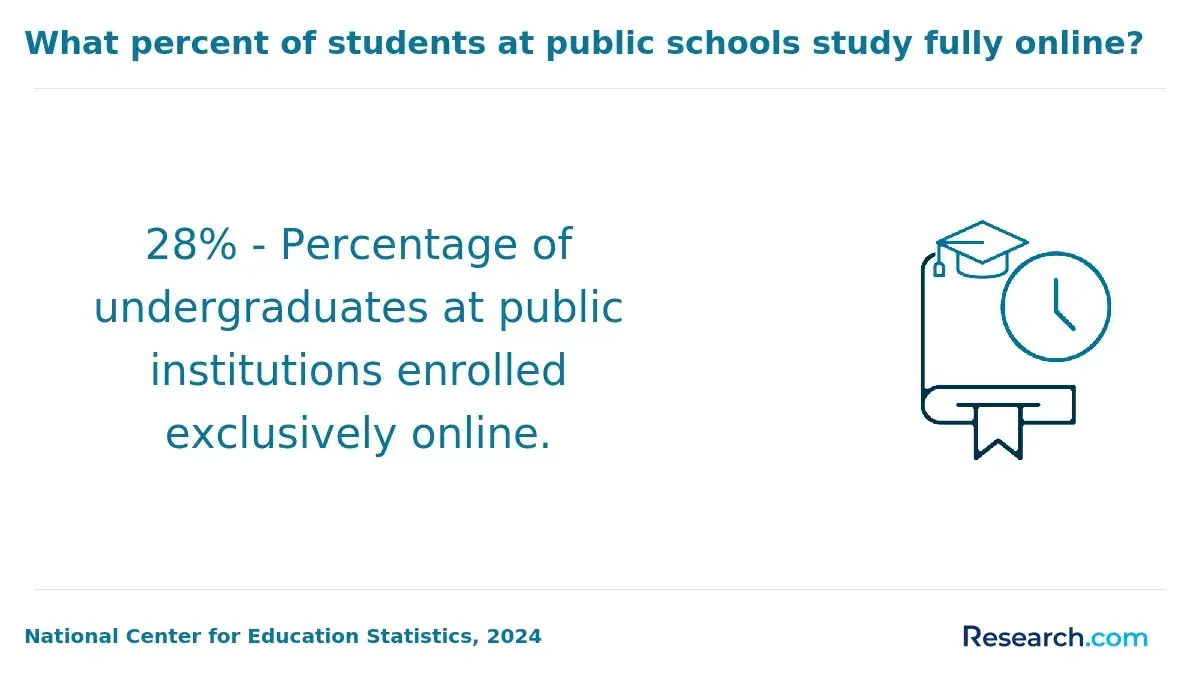
Knowing how long it takes to complete an online nonprofit management degree helps students plan finances, balance work and life, and set realistic career goals. The duration of these programs varies widely based on enrollment status and program format, impacting how quickly students can advance professionally.
Here are key timelines and considerations for completing an online nonprofit management degree:
- Full-Time Enrollment: Associate degrees typically require about two years of study, while bachelor's degrees span around four years. This schedule suits students who can commit fully to coursework without significant outside obligations.
- Part-Time Enrollment: For those balancing jobs or family, part-time study extends program length by one to two years beyond the standard full-time timeline. This allows flexibility but delays workforce re-entry or promotion.
- Accelerated Programs: Some options enable faster completion, with associate degrees attainable in 12 to 18 months and bachelor's degrees in approximately three years. These intensive tracks demand greater time management and dedication.
- Practical Components: Internships or clinical hours integrated within programs may add weeks or months to the total time. Though extending completion, these experiences increase job readiness and networking opportunities.
- Additional Factors: Completion times also depend on course availability, transfer credits, program difficulty, and individual responsibilities. Evaluating these elements helps students select a program timeline aligned with their lifestyle and goals.
Most online nonprofit management programs include a requirement for internships or practicums to provide hands-on experience that complements academic learning. These placements are typically organized with clear goals, guided supervision, and performance reviews to develop practical skills like fundraising, program management, and volunteer coordination.
Nearly 70% of nonprofit management students engage in experiential learning, highlighting its significance for building career-ready competencies and meeting licensure or certification standards. Knowing the details of any practical components upfront is vital, as it influences scheduling, location flexibility, and possible extra expenses such as travel. Prospective students should confirm whether programs assist in securing local placements or offer remote project options.
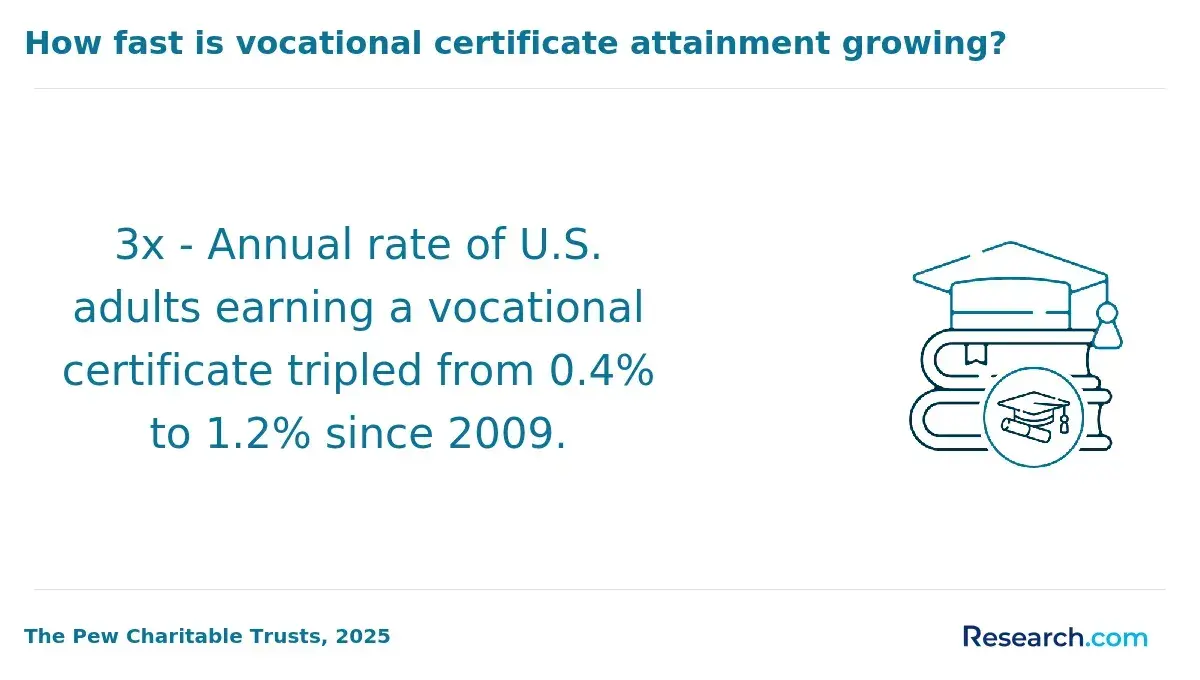
Graduates of online nonprofit management degree programs typically do not earn a specific professional license solely by holding the degree. Those aiming for licensure in related fields such as social work, counseling, or fundraising must fulfill additional criteria established by state boards or professional organizations. These often include completing a relevant degree, accumulating supervised work experience, and passing certification exams.
Many online nonprofit management programs prepare students to meet these licensure requirements by offering coursework aligned with industry standards, internships, practicum experiences, or partnerships with nonprofit organizations to help fulfill supervised hours. Prospective students interested in how to get licensed with an online nonprofit management degree should also verify that their program is accredited and recognized by pertinent professional bodies to ensure licensure eligibility.
Licensure requirements for online nonprofit management programs are a critical factor for students evaluating their options, as holding certification or licensure can significantly impact career opportunities and advancement. For example, the Certified Fundraising Executive (CFRE) credential is widely respected in the nonprofit sector and often demands documented experience along with specialized coursework, which some online degrees support.
Recognition of licensure importance is reflected in data: a 2023 survey by the Nonprofit Leadership Alliance found that over 70% of nonprofit professionals consider certification or licensure essential for career growth. Those comparing programs should also consider cost and value, and resources like the cheapest psychology degree online guide can provide useful insights into affordable online degrees that might complement nonprofit studies.
Evaluating tuition and fees is essential for prospective students comparing online programs, as costs can vary widely and impact long-term affordability. On average, the cost of online nonprofit management degrees ranges between $300 and $700 per credit hour, reflecting differences in institutions and delivery methods.
This overview breaks down common costs associated with these programs to help students budget effectively:
- Tuition per Credit: Tuition typically forms the largest portion of expenses and covers instruction, faculty support, and access to course materials. Rates generally range from $300 to $700 per credit hour, depending on program format and institutional policies.
- Additional Fees: Beyond tuition, students should consider registration fees, technology charges, and sometimes costs for course materials such as textbooks or specialized software. These fees vary but can add several hundred dollars to the total program cost.
- Program Length and Total Cost: Most online nonprofit management programs require between 30 and 45 credit hours. Estimating full tuition by multiplying per-credit charges by total credits provides a clearer picture of overall expenses.
- Technology and Internet Requirements: Reliable internet service and compatible devices are necessary for successful online learning. Although these expenses may not be included in the official fee schedule, they represent important costs to consider.
- Fee Packaging: Some programs bundle tuition and fees into a flat rate, while others list charges separately. Understanding how fees are presented helps prospective students compare true costs across institutions.
For students exploring advanced leadership roles linked to nonprofit sectors, examining options like a doctorate organizational leadership online can also provide valuable insights on cost and career outcomes. Being aware of the average cost of online nonprofit management degrees and the typical tuition fees for nonprofit management programs online is crucial for making an informed decision aligned with one's career goals.
Understanding financial aid options is essential for prospective students considering online programs, as funding can greatly ease the financial commitment involved. Data shows that nearly 85% of graduate students rely on some form of financial aid, underscoring the availability and importance of these resources in higher education.
Several key financial aid options are especially relevant to those exploring financial aid options for online nonprofit management degrees. These can help reduce overall expenses and improve access to quality educational pathways.
- Federal grants and loans: Completing the FAFSA is necessary to qualify for federal aid, which often includes low-interest loans and need-based grants. These options are designed to assist eligible students by easing upfront costs and managing repayment after graduation.
- Scholarships: Various merit- and need-based scholarships targeted at nonprofit leadership students provide another funding avenue. These scholarships may come from nonprofit foundations and external organizations aiming to support emerging leaders in the sector.
- Employer tuition assistance: For students employed by nonprofit organizations, tuition reimbursement or educational assistance programs may be available. Such benefits typically require continued employment and can offset a substantial portion of tuition fees.
- State aid programs: State residency often influences eligibility for grants or loan forgiveness programs aimed at public service sectors, including nonprofit management. These incentives encourage students to serve their communities while supporting education costs.
- Private loans: When other forms of aid fall short, private loans are an alternative. These usually carry higher interest rates and stricter terms, so careful consideration is advised before borrowing.
Prospective students should research scholarships and grants for nonprofit management students early to maximize available opportunities and improve program affordability. For those comparing several options, accessing comprehensive data on online degree programs can provide valuable insights into the financial aid landscape and help inform sound decisions.
Knowing career prospects helps prospective students assess online nonprofit management programs effectively. Employment in this field is expected to grow by 12% through 2030, reflecting a rising need for qualified nonprofit professionals.
Below are common roles graduates often pursue.
- Development coordinator: Leads donor communications and fundraising efforts, building relationships essential for organizational support. This role often serves as an entry point for advancement into senior fundraising or development leadership positions. The degree builds skills in communication and campaign management to excel here.
- Program manager: Responsible for planning, executing, and assessing nonprofit programs to ensure goals are met efficiently. Graduates utilize training in strategic planning and evaluation to manage multiple projects and teams effectively. Progression can lead to senior program director roles.
- Grant writer: Researches funding opportunities and crafts proposals to secure resources vital for program sustainability. Strong writing and research skills gained through the degree prepare students to meet grant deadlines and requirements. Success may open doors to senior development or communications roles.
- Volunteer director: Oversees recruitment and coordination of volunteers, maximizing community engagement and operational support. The nonprofit management curriculum equips graduates with leadership and organizational skills needed to motivate and manage diverse volunteer teams. Higher responsibilities may include broader community relations management.
Evaluating salary potential is a key step for students considering online nonprofit management programs, as it helps measure the value of their investment and sets realistic career expectations. Industry data forecasts an 8% growth in median wages for nonprofit management professionals over the next decade, indicating steady demand in the sector.
Several important factors influence how much graduates in nonprofit management can earn:
- Level of education: Holding an advanced degree, such as a master's, typically results in higher salaries than a bachelor's degree alone, reflecting the added expertise and leadership skills gained.
- Specialization: Expertise in fields like grant writing, fundraising, or nonprofit leadership often leads to increased earning potential, since these skills are in high demand and critical to organizational success.
- Experience: Salary generally rises with years of experience, as seasoned professionals demonstrate the ability to manage complex operations and drive mission-focused results effectively.
- Geographic location: Earnings can fluctuate widely depending on where one works; metropolitan areas and regions with a higher cost of living typically offer greater compensation compared to rural or lower-cost locations.
- Work setting: Employment at larger nonprofits or well-funded organizations often comes with better pay and benefits than working at smaller, local nonprofits with more limited budgets.
What Graduates Say About Enrolling in an Online Nonprofit Management Degree
- Jonnel: "I was initially hesitant about enrolling in an online nonprofit management program because of concerns about cost, but the affordable tuition really made it accessible. The flexibility of online classes allowed me to balance work and study effortlessly, enhancing my learning experience. Since graduating, I've secured a leadership role that directly benefits from the skills I gained, proving the investment was worthwhile. "
- Kristen: "The decision to pursue an online nonprofit management degree was deeply reflective for me, especially considering the average cost of attendance. The program's comprehensive curriculum and interactive online format surpassed my expectations, providing real-world applications I could immediately implement. This education has been pivotal in advancing my career within the nonprofit sector and expanding my professional network."
- Dominic: "Choosing this online nonprofit management degree was a strategic career move influenced by both cost efficiency and course quality. The streamlined online format offered rigorous content without sacrificing convenience, enabling me to complete the program while maintaining full-time employment. Post-graduation, I experience significantly elevated credibility and opportunity within the field. "
Other Things You Should Know About Nonprofit Management Degrees
Many programs require an internship, practicum, or service-learning project completed with a nonprofit agency, often for 120 to 300 hours. Ask whether the placement must be local, how supervision is documented, and whether the program provides an approved site list or lets you arrange your own placement.
In 2027, online nonprofit management programs focus on integrating digital tools commonly used in the nonprofit sector. Students are expected to become adept with CRM systems, data analytics, and virtual collaboration platforms, ensuring they possess real-world skills that enhance their operational effectiveness in the nonprofit industry.
Effective nonprofit management programs offer more than coursework by facilitating networking and professional growth. Look for programs that include access to alumni networks, online student forums, mentorship programs, or partnerships with nonprofit organizations. These opportunities help students connect with peers and professionals, which can be valuable for career advancement and real-world experience.
- Nonprofit Management https://online.missouri.edu/degrees-programs/mu/arts-and-sciences/nonprofit-management/grad-cert
- Nonprofit Management, Associate Certificate, Part-time/Distance & Online Learning (6310ACERT) - BCIT https://www.bcit.ca/programs/nonprofit-management-associate-certificate-part-time-6310acert/
- The 17 Most Affordable Master’s in Nonprofit Management Online https://www.geteducated.com/online-college-ratings-and-rankings/masters-in-nonprofit-management-online/
- Nonprofit Program Manager: Salary and Job Description https://online.nccu.edu/blog/non-profit-program-manager-salary/
- Master of Nonprofit and Civic Leadership https://www.drury.edu/graduate/master-of-nonprofit-and-civic-leadership/
- Bachelor's Degree in Nonprofit Management https://www.ccu.edu/ccu/nonprofit-management/
- Nonprofit Management Certificate Online https://www.snhu.edu/online-degrees/certificates/graduate-leadership-of-nonprofit-organizations
- Social Impact Jobs in Remote | The Impact Job https://www.theimpactjob.com/job-location/remote
- Certificate in Nonprofit Management | Arcadia https://arcadia.edu/certificates/program/certificate-in-nonprofit-management/
- Online Nonprofit Management & Grant Courses - Goodwin College of Professional Studies https://drexel.edu/goodwin/academics/continuing-professional-education/open-enrollment/nonprofit-management/