2027 Nonprofit Management Degree Coursework Explained: What Classes Can You Expect to Take?

Co-Founder and Chief Data Scientist
Prospective students often struggle to understand what coursework a nonprofit management degree entails and how it prepares them for real-world challenges. According to the National Center for Education Statistics, over 60% of nonprofit management graduates report their education directly improved job readiness in areas like fundraising and ethical leadership.
This article clarifies the typical classes included in nonprofit management curricula, highlighting essential skills and academic content. It offers a clear overview to help readers make informed decisions about their education and career trajectory in the nonprofit sector.
Key Benefits of Nonprofit Management Degree Coursework
- Nonprofit management coursework develops strategic leadership skills vital for managing organizations, improving operational efficiency, and driving mission-focused impact.
- Students gain expertise in fundraising, grant writing, and financial management, which are essential for securing funding and ensuring organizational sustainability.
- Graduates of nonprofit management programs often see enhanced employment prospects and higher salaries, with the sector growing at over 10% annually according to Labor Statistics.
What Types of Class Do You Take in a Nonprofit Management Degree?
Curricula for a nonprofit management degree generally include a combination of courses that build both practical and theoretical expertise. Approximately 70% of these programs emphasize integrating management strategies with social impact, equipping graduates to lead nonprofit organizations effectively.
Within these programs, students typically encounter a range of class types that develop a comprehensive skill set suitable for their career goals in the nonprofit sector.
Exploring the types of classes in nonprofit management programs reveals several key areas of focus:
- Core Foundational Classes: These classes cover essential topics such as nonprofit governance, financial oversight, and fundraising principles, teaching students how to navigate organizational challenges effectively.
- Specialization or Elective Courses: Students tailor their education by focusing on areas like grant writing, volunteer coordination, or community engagement to deepen expertise in specific nonprofit roles.
- Research and Methods Coursework: Emphasizing skills in data analysis and program evaluation, these classes prepare students to measure nonprofit impact and make data-driven decisions.
- Practicum, Internships, or Capstone Experiences: Hands-on opportunities integrate classroom theory with real-world practice, fostering professional growth and networking within nonprofit settings.
Those interested in advancing their academic journey might also explore options like the most affordable online MBA, which can complement nonprofit management expertise with broader business skills.
What Are the Core Courses in a Nonprofit Management Degree Program?
Core classes in a nonprofit management degree program build foundational knowledge and skills to effectively lead and operate nonprofit organizations.
These essential nonprofit management classes for degree programs emphasize both theoretical understanding and practical application needed to navigate the sector's unique challenges.
The curriculum balances critical areas such as organizational strategy, financial oversight, research, and resource development. Below is an overview of common core courses and the specific competencies they develop.
- Nonprofit Sector Foundations: Courses cover the history, ethics, and mission-driven leadership that define nonprofits. Students explore the sector's unique role and values to ground their decision-making and strategy.
- Research Methods for Nonprofits: This course trains students in data collection, program evaluation, and analysis techniques, enhancing their ability to make evidence-based decisions and measure impact effectively.
- Financial Management: Focus areas include budgeting, accounting, and funding strategies tailored to nonprofits, equipping students with skills for sustainable financial oversight.
- Human Resource Management: Covers volunteer coordination, staff development, and leadership skills necessary to motivate and manage nonprofit teams effectively.
- Fundraising and Grant Writing: Students learn strategies for resource development, including donor engagement and grant proposal writing essential for financial sustainability.
- Strategic Planning and Organizational Leadership: Emphasizes building sustainable practices through long-term planning, leadership development, and organizational effectiveness.
For those exploring educational pathways, comparing programs like an online engineering degree can provide perspective on affordability options in higher education generally, while selecting the right nonprofit management degree program should focus on curriculum relevance and career outcomes.
Core curriculum requirements in nonprofit management degrees ensure graduates are prepared to address complex issues and contribute meaningfully in various nonprofit roles.
What Elective Classes Can You Take in a Nonprofit Management Degree?
Elective courses in a nonprofit management degree provide students the opportunity to adapt their studies to their unique interests and professional objectives.
Studies show that nearly 65% of students choose electives focused on specialized fields like fundraising or social entrepreneurship, highlighting the value of customized educational paths.
Below are some popular electives that help build expertise in particular aspects of nonprofit work.
- Fundraising and Development: Concentrates on donor engagement techniques, crafting grant proposals, and organizing campaigns, equipping students with essential resource mobilization skills.
- Social Entrepreneurship: Focuses on creating innovative, sustainable solutions to social challenges, preparing graduates to lead mission-oriented ventures.
- Volunteer Management: Covers strategies for recruiting, training, and retaining volunteers, a key element for many nonprofits dependent on volunteer support.
- Program Evaluation: Introduces methods for assessing the impact and efficiency of nonprofit initiatives, fostering analytical skills vital for evidence-based decision-making.
- Nonprofit Marketing and Communications: Emphasizes branding, public relations, and digital outreach tactics that increase public awareness and engagement.
A professional who completed a nonprofit management degree shared that selecting electives was both exciting and a bit overwhelming. He described spending considerable time evaluating how each course aligned with his long-term goal of becoming a program director.
He said, "Choosing electives felt like building my own toolkit-I wanted skills that would not just look good on paper but genuinely prepare me for the challenges ahead."
Despite juggling work and classes, he found that courses on program evaluation and volunteer management were particularly rewarding, providing hands-on experiences that boosted his confidence in managing projects and teams.
This process, he added, helped him approach his career path with greater clarity and purpose.
Hands-on experiences are integral to nonprofit management programs, providing students with practical exposure that complements theoretical learning.
Approximately 70% of students in these programs engage in internships or practicums, underscoring their widespread inclusion as a key element of the curriculum.
The following points outline the main aspects of these experiential components:
- Program Requirements: Many nonprofit management curricula mandate completing an internship or practicum to ensure students gain real-world experience within nonprofit organizations.
- Typical Duration: These placements generally range from 100 to 300 hours, varying by program structure and learning objectives.
- Types of Experiences: Students commonly participate in activities such as fundraising, volunteer coordination, community outreach, and program development to apply classroom knowledge.
- Skills Developed: Engagement in these roles helps build critical abilities including project management, effective communication, leadership, and stakeholder collaboration.
Many programs also require students to complete reflective assignments tied to their practical work, facilitating deeper integration of learning and professional insights.
Capstone projects and theses both serve as pivotal components in demonstrating comprehensive academic and practical expertise in nonprofit management programs.
Notably, approximately 70% of these programs today emphasize capstones to align more closely with real-world professional demands.
Here's a closer look at how these culminating experiences differ and what they entail.
- Capstone vs. Thesis: A capstone centers on applying learned concepts through projects, case studies, or consulting activities, focusing on tangible problem-solving. In contrast, a thesis involves rigorous research to explore a specific question, aiming to produce original insights within the field.
- Program Requirements: Capstones are generally shorter and less research-intensive, requiring the integration of skills acquired throughout the program. Theses demand extended time commitments, detailed methodology, and often close supervision from faculty advisors.
- Skill Development: Capstones cultivate practical skills such as strategic planning, project management, and communication, directly useful in nonprofit careers. Theses enhance abilities in research design, critical analysis, and scholarly writing, valuable for academic or doctoral pursuits.
- Time Commitment: The duration for capstones is typically condensed, focusing on concrete deliverables within a semester or less. Theses require months of dedicated research and writing, reflecting their depth and complexity.
- Career and Academic Goals: Choosing a capstone often fits students aiming for leadership and operational roles within nonprofits. Those considering research careers or further graduate study may find the thesis more advantageous.
To gain perspective, I spoke with a professional who completed a nonprofit management degree. She recalled that deciding between a capstone and thesis was initially daunting, as both paths demanded significant commitment but very different approaches.
Her capstone involved collaborating with a local nonprofit to develop a community outreach strategy, which tested her ability to apply classroom knowledge to real organizational challenges.
She described the process as "intense yet rewarding," highlighting how it sharpened her confidence in project management and stakeholder communication.
While she recognized the thesis's value for research-oriented students, she found the hands-on nature of her capstone better suited her immediate career aspirations. This experience reinforced her belief that the right culminating project depends on one's professional goals and learning style.
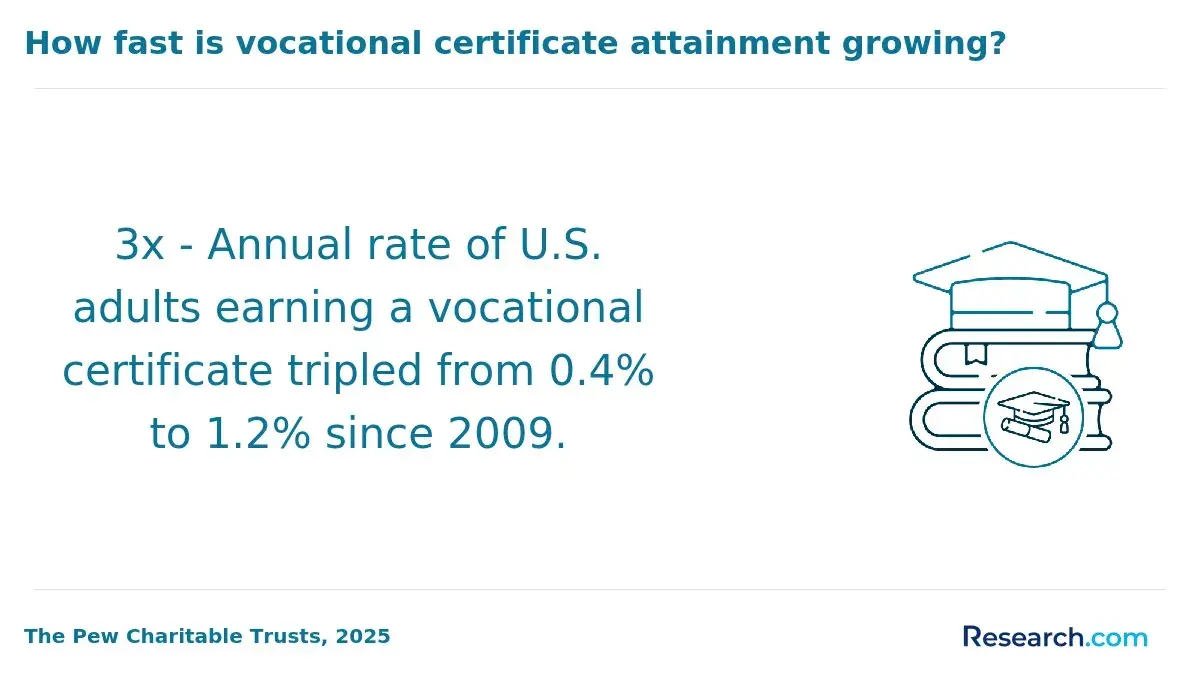
Nonprofit management coursework is largely uniform between online and on-campus formats, with comparable curriculum, learning goals, and academic rigor.
Both approaches cover essential subjects like fundraising, finance, program evaluation, and leadership. Regardless of delivery mode, students achieve similar academic standards and prepare for nonprofit sector careers.
The main differences arise in how courses are delivered and the student experience. Online programs offer greater flexibility in scheduling and rely on digital tools such as discussion boards and video calls for interaction, which may feel less immediate than face-to-face communication.
On-campus learning provides direct engagement, networking opportunities, and access to physical resources like libraries and career centers.
Practical components differ too: online students often arrange virtual or local internships independently, while on-campus students typically benefit from easier connections to university-affiliated nonprofit placements.
Assessment formats are generally alike but online courses tend to emphasize written assignments and quizzes completed digitally.
Most students pursuing a nonprofit management degree typically spend between 10 and 20 hours per week on coursework.
This time is generally divided into about 3 to 5 hours attending lectures or live sessions, 4 to 7 hours reading textbooks and case studies, 2 to 4 hours working on assignments and projects, and 1 to 3 hours participating in group discussions or collaborative work.
Additional applied learning activities, such as practicums or field projects, may increase this weekly time commitment.
Several factors influence how many weekly hours are required. Key considerations include:
- Enrollment status: Full-time students usually spend more hours weekly compared to part-time enrollees who often juggle work or family responsibilities.
- Course level: Graduate-level nonprofit management courses commonly demand greater time due to more complex material and research assignments.
- Learning format: Online programs offer flexibility but still require consistent effort every week to maintain progress and understanding.
- Credit load: The number of credits taken per term directly impacts weekly workload, as each credit typically equals 2 to 3 hours of study time.
- Applied learning: Courses featuring practicums or extensive projects require extra hours beyond traditional classroom and reading tasks.
For those exploring related options, programs such as an mft degree may offer additional career pathways. Understanding the average hours per week for nonprofit classes can help prospective students balance their academic, professional, and personal commitments effectively.
Total credit hour requirements play a critical role in determining the length of a nonprofit management degree program, the academic workload, and the timeline for graduation. These requirements differ depending on the degree level and the specific program structure, making it important to plan accordingly.
Credit hours reflect how much time students spend in class and on coursework, influencing how quickly they can complete their studies.
Common credit-hour components for typical credit hours for nonprofit degree completion often include the following:
- Core Coursework: This usually comprises the bulk of credit hours, ranging from about 20 to 40 credits at the graduate level and up to 60 credits at the undergraduate level. Core classes cover essential topics such as fundraising, nonprofit leadership, financial management, and program evaluation to build foundational skills.
- Electives: Electives offer students the opportunity to take specialized courses in areas like social entrepreneurship or grant writing. These typically account for 10 to 30 credit hours and allow students to tailor their learning to specific interests within the nonprofit sector.
- Experiential Learning: Practical experience is increasingly integral, especially in master's programs, which often require 3 to 9 credit hours earned through practicums, internships, capstone projects, or theses. This hands-on work helps students apply theory to real-world nonprofit challenges.
Undergraduate programs generally demand between 120 and 130 total credit hours, usually spread over four years with a mix of general education, nonprofit-specific courses, and electives.
Graduate programs, like master's degrees, tend to require 30 to 48 credit hours and often include mandatory experiential components to ensure practical skills development.
Because requirements vary widely by institution, prospective students should carefully review individual program details to confirm the credit distribution aligns with their academic and career goals.
Those interested in the broader context of workforce outcomes may find it helpful to explore information about highest paying bachelor degrees as a comparative base while considering a nonprofit management degree credit hour requirements.
Nonprofit management coursework equips students with essential skills and practical knowledge that directly translate to career readiness. The curriculum integrates both theoretical foundations and applied learning experiences, fostering competencies that meet organizational needs.
Employment in nonprofit-related management roles is expected to grow about 8% over the next decade, reflecting sustained demand for graduates with these specialized skills.
- Skill Development: Coursework emphasizes leadership, financial stewardship, grant writing, and program evaluation. These skills enable students to effectively manage programs and resources, ensuring they are prepared for real-world challenges in nonprofit settings.
- Applied Projects: Many programs incorporate case studies and strategic initiatives, allowing students to apply learned concepts to practical scenarios. This hands-on approach enhances problem-solving abilities and facilitates the transfer of academic knowledge into workplace success.
- Critical Thinking: The curriculum fosters analytical and strategic thinking necessary for navigating complex nonprofit environments. Graduates develop the ability to assess organizational effectiveness and make informed decisions that support sustainability and growth.
- Industry Tools and Technologies: Students gain exposure to financial management practices and software vital for nonprofit accountability. Mastery of these tools is crucial for managing budgets, reporting, and compliance in professional roles.
- Professional Networking Opportunities: Programs often encourage engagement with nonprofit leaders and communities. Building these networks can open doors to career advancement and opportunities to contribute meaningfully to organizational missions.
Understanding how nonprofit management career readiness skills are cultivated helps prospective students appreciate the value of their education beyond theory. This practical preparation also aligns with current job market trends, making graduates competitive candidates.
For those exploring educational pathways, it's worth considering fast degrees online that offer flexibility and efficiency to advance your career without long interruptions to work.
Completing nonprofit management coursework can significantly enhance salary prospects by providing specialized skills valued by employers in the sector.
Data indicates that professionals with formal education in nonprofit management often see salary increases ranging from 10% to 15% compared to those without such training.
Several factors within the curriculum contribute to this improved earning potential.
- Development of In-Demand Skills: Coursework covers essential areas such as financial oversight, fundraising strategies, program evaluation, and organizational leadership, equipping graduates with abilities that are highly sought after by hiring managers.
- Advanced and Specialized Courses: Higher-level classes focusing on leadership and strategic management prepare students for complex decision-making roles, which are typically linked to better compensation packages.
- Leadership and Management Training: Emphasizing supervisory skills and team coordination readies graduates for positions involving staff management, often translating into higher wages and career growth opportunities.
- Applied Experiences: Practical components like internships, practicums, or capstone projects enable students to showcase hands-on expertise, making them more competitive candidates and strengthening their negotiations for salaries.
- Certification Preparation: Coursework that helps students pursue nonprofit-specific certifications enhances credibility and demonstrates mastery of sector competencies, frequently resulting in accelerated career advancement and increased pay.
What Graduates Say About Their Nonprofit Management Degree Coursework
- Jared: "I was pleasantly surprised by how affordable the nonprofit management degree program was, especially compared to other graduate programs. Taking the courses online gave me the flexibility to balance work and study, which was a game-changer. Since graduating, the coursework has directly helped me lead successful fundraising campaigns in my current role. "
- Simon: "Reflecting on my time in the nonprofit management program, the reasonable cost made pursuing my passion achievable without financial strain. Although I attended classes on-campus, the interactive environment enriched my learning experience and fostered strong professional networks. The skills I gained have been invaluable in shaping my strategic approach to nonprofit leadership. "
- Dominic: "The nonprofit management degree was a strategic investment in my career, with costs that made high-quality education accessible. Enrolling in the online format suited my busy schedule, allowing me to immediately apply concepts from coursework to my management duties. This program has elevated my professional credibility and expanded my impact within the nonprofit sector. "
Other Things You Should Know About Nonprofit Management Degrees
Many 2027 nonprofit management degrees include a field experience, often 120 to 240 supervised hours, in a nonprofit agency, foundation, or public service office. Students usually complete reflective journals or a final report and may need faculty and site supervisor approval before placement.
In 2027, Nonprofit Management degree programs emphasize technology skills such as data analysis, digital marketing, and nonprofit software tools. These courses ensure students can leverage technology for efficient resource management and increased outreach.
Yes, nonprofit management coursework typically covers the legal environment affecting nonprofits, such as tax-exempt status, compliance requirements, and governance standards.
Understanding these legal frameworks is crucial for ensuring that organizations operate within the law and maintain public trust.
- Nonprofit Management, MNM https://catalog.csuohio.edu/preview_program.php
- Explore Careers in the Nonprofit Sector https://www.boisestate.edu/cobe-management/undergraduate-programs/nonprofit-management-minor-certificate/
- Program: Certificate in Nonprofit Management (CNPM) https://catalog.sou.edu/preview_program.php
- Master in Nonprofit Leadership (NPL) - UPenn https://sp2.upenn.edu/program/master-of-science-in-nonprofit-leadership/
- Core Certificate Program - Institute for Nonprofit Practice https://www.nonprofitpractice.org/programs/core-certificate-program/
- Nonprofit Management Internship — The Asherah Foundation https://www.asherahfoundation.org/nonprofit-management-internship
- Is it Worth it to Get a Master's in Nonprofit Leadership? https://www.pacificu.edu/blog/it-worth-it-get-masters-nonprofit-leadership
- Accelerated Master of Nonprofit Management https://pppm.uoregon.edu/grad/accelerated-master-nonprofit-management
- Nonprofit Management Concentration https://www.muw.edu/business/bba/nonprofit/