2027 Can You Get Licensed With an Online Nonprofit Management Degree? Requirements, Rules, and What to Know

Co-Founder and Chief Data Scientist
Many prospective students pursuing an online nonprofit management degree face uncertainty about licensure eligibility and certification requirements in the nonprofit sector. Recent data shows that only 38% of nonprofit professionals report having formal certifications, highlighting a gap between education credentials and professional licensure. Understanding whether an online degree meets licensing criteria is crucial for career advancement in nonprofit leadership roles.
This article explores the licensure rules, regulatory frameworks, and how online nonprofit management programs influence professional credentialing, helping readers navigate the pathway to becoming a licensed nonprofit practitioner.
Key Benefits of Getting Licensed with an Online Nonprofit Management Degree
- Licensure with an online nonprofit management degree enhances professional credibility, meeting industry standards that increase eligibility for leadership roles in charitable organizations.
- Holding licensure broadens employment options across sectors, allowing greater job mobility within nonprofit, government, and private foundations.
- Licensed professionals often experience higher earning potential and career advancement, with many reporting salary increases of 15% or more compared to non-licensed peers.
Can You Get Licensed With an Online Nonprofit Management Degree?
Licensure directly through an online nonprofit management degree is generally not feasible, as licensing requirements vary significantly depending on the specific profession within the nonprofit sector. Unlike some licensed professions, nonprofit management itself lacks a universal licensure system. However, completing the required coursework and practical components in an online nonprofit management degree prepares graduates with essential skills in governance, fundraising, financial oversight, and legal compliance. This foundation enables students to meet prerequisites for various certifications and regulated roles related to the sector, making the pathway toward getting licensed with nonprofit management degree online more accessible.
Earning an online nonprofit management degree with licensure or certification goals offers several advantages, including increased eligibility for regulated career paths and access to leadership opportunities requiring specialized knowledge. Credentials earned through such programs can lead to higher salaries and expanded responsibilities by validating professional expertise. Students should carefully research specific licensing or certification requirements relevant to their career goals, as these vary widely by state and job function. For those interested in related regulatory professions, exploring options such as online msw programs may be beneficial when considering comprehensive career pathways in social services and nonprofit work.
Do Licensing Requirements for Nonprofit Management Vary by State?
Licensing rules for nonprofit management professionals exist to ensure individuals demonstrate the necessary skills and knowledge to lead nonprofit organizations effectively. However, these requirements vary notably by state, with nearly 40% mandating some form of licensure or certification. Understanding state-specific nonprofit management licensure rules is crucial for those planning their career path.
Key areas where requirements may vary include:
- Examinations: Some states require candidates to pass a specialized exam to prove competency, while others have no such testing obligation. This can influence how quickly one enters the profession.
- Supervised experience: The amount of supervised working hours required ranges widely, from none to over 1,000 hours. This affects both training duration and practical skill acquisition.
- Continuing education: Certain states impose ongoing educational requirements to maintain licensure, ensuring professionals stay current with nonprofit management practices.
- Scope of practice: Definitions of regulated tasks or roles vary, shaping what licensed managers are authorized to do in different states.
- Renewal policies: Licenses may need renewal at varying intervals with differing criteria, impacting long-term career planning and commitment.
These variations highlight why prospective students should carefully research nonprofit management licensing requirements by state before enrolling in programs-especially when pursuing an online degree, which can offer flexibility to meet diverse state criteria. For those interested in related disciplines, exploring an engineering online degree might also provide insight into different professional licensure structures.
Are Online Nonprofit Management Programs Different From Campus Programs for Licensure?
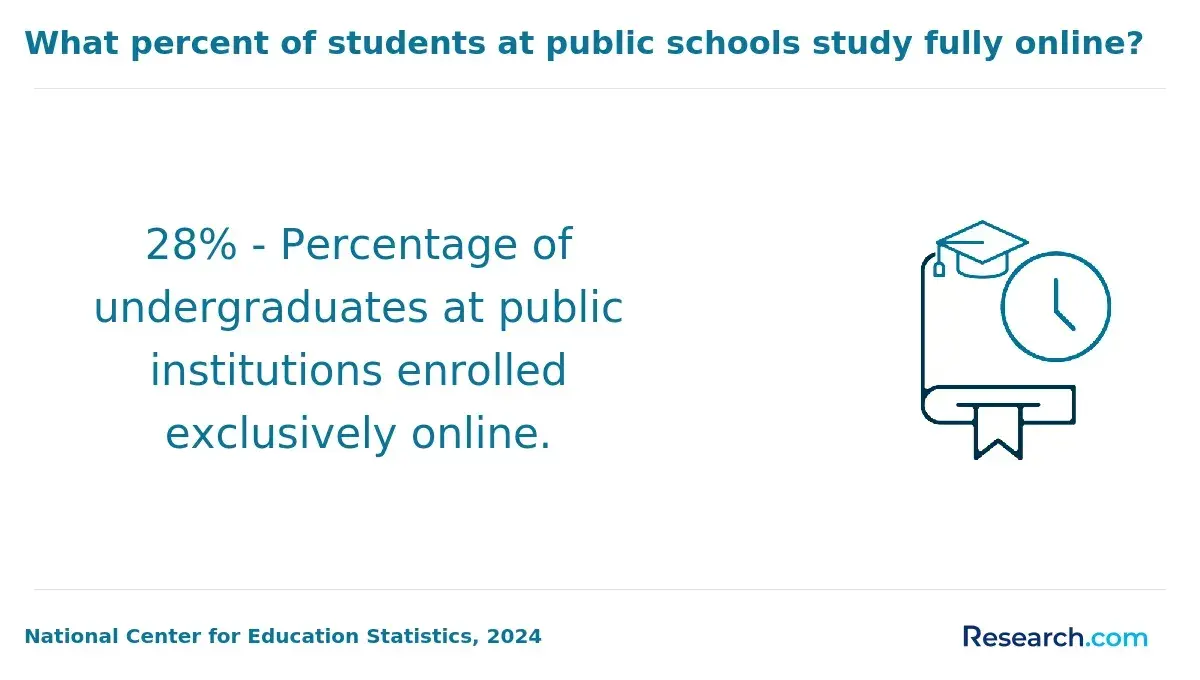
The format of an online nonprofit management program does not inherently affect one's eligibility for licensure. Accreditation and curriculum content remain the critical factors, with about 70% of licensing authorities now accepting fully online degrees for professional credentials.
- Curriculum coverage: Both online and campus programs cover essential subjects such as nonprofit law, fundraising, financial management, and organizational leadership. These core areas are fundamental to meeting licensure requirements regardless of delivery method.
- Practical experience: Internships or fieldwork required for licensure can often be completed remotely or locally, ensuring that hands-on learning is maintained in online formats as effectively as on-campus.
- Skill development: Programs focus equally on cultivating practical and leadership skills whether online or in-person, which is vital for licensure boards assessing competency.
- Assessment methods: Online programs commonly use digital exams and assignments, while campus programs rely on traditional in-person testing. However, these differences do not usually impact licensure outcomes if accreditation standards are met.
- Employer perceptions: Increasingly, employers prioritize mastery of skills and knowledge over the mode of education delivery, reflecting broader acceptance of online qualifications.
A licensed professional who completed an online nonprofit management degree shared insights about his elective choices. He noted that while managing coursework alongside full-time work was challenging, the flexibility allowed him to tailor his studies toward areas like grant writing and volunteer coordination, which he found highly relevant to his career goals. He appreciated how the online format enabled consistent interaction with instructors and peers, fostering a supportive learning environment despite the physical distance. This experience reinforced his belief that carefully selected electives in an online program can enrich practical expertise, equipping graduates well for licensure and professional success.
Breakdown of Private Fully Online Nonprofit Schools

Online nonprofit management degrees typically do not include traditional clinical hours like those required in health or therapy fields, but they often require practicum or internship experiences to prepare students for professional practice and licensure. These hands-on components help bridge theoretical knowledge with real-world nonprofit work, supporting skill development and eligibility for certain certifications.
- Typical practicum hours: Programs commonly require between 100 to 300 hours of supervised practicum work over a semester or academic year, allowing students to gain meaningful field experience essential for licensure in related nonprofit management certifications.
- Types of placements: Students usually engage directly with nonprofit organizations, performing roles such as fundraising, volunteer coordination, program development, or community outreach that reflect core nonprofit functions.
- Supervision and feedback: Experienced professionals guide students through practicum assignments, ensuring effective application of nonprofit management theories while providing the validation needed for some professional credentials.
- Skills gained: These practicums foster leadership, strategic planning, and operational skills crucial for nonprofit careers, often emphasizing community engagement and stakeholder communication.
- Online facilitation of in-person experiences: Many online programs collaborate with local nonprofits near the student to fulfill practicum requirements, supplemented by virtual supervision and reflective assignments to enhance learning without requiring relocation.
While clinical hours requirement for online nonprofit management degree programs is uncommon, the practicum experience needed for nonprofit management licensure remains a core component. Professionals interested in related fields may also explore complementary opportunities like the best online masters in psychology to broaden their credentials and expertise.
Licensing exams serve to confirm a candidate's expertise in nonprofit management, ensuring they meet professional standards crucial for leadership positions. Many candidates take the Certified Nonprofit Professional (CNP) exam, with roughly 65% passing on their first try, reflecting both the exam's rigor and the value of adequate preparation. Below are essential details about this certification exam:
- Exam name: The Certified Nonprofit Professional (CNP) credential is a respected industry standard, administered by the Nonprofit Leadership Alliance to verify core competencies.
- Content areas: Candidates are tested on key topics such as ethics, governance, fundraising, financial management, and program planning to ensure well-rounded proficiency.
- Format: The exam consists of multiple-choice questions delivered online, providing flexible access for examinees regardless of location.
- Preparation: Successful candidates often rely on study guides, practice tests, and relevant coursework to build a strong knowledge base before taking the exam.
- Retake policies: If necessary, candidates may retake the exam after a specified waiting period, though often with an additional fee, encouraging thorough readiness before attempting again.
- Relevance for online graduates: Accredited online nonprofit management programs qualify students to sit for the exam, helping bridge the gap between remote education and professional credentialing.
A licensed professional who completed her nonprofit management degree online shared her experience after I asked about the licensing exam requirement. She recalled feeling a mix of excitement and anxiety preparing for the exam, noting that balancing work and study was challenging but rewarding. She emphasized how online study materials and virtual practice tests were invaluable in building confidence. "I appreciated that the exam's online format aligned well with my remote study habits," she explained, highlighting that the ability to retake the exam provided some comfort despite the pressure. Her journey underscored how the certification serves not just as a credential but as a professional milestone confirming readiness to lead within the nonprofit sector.
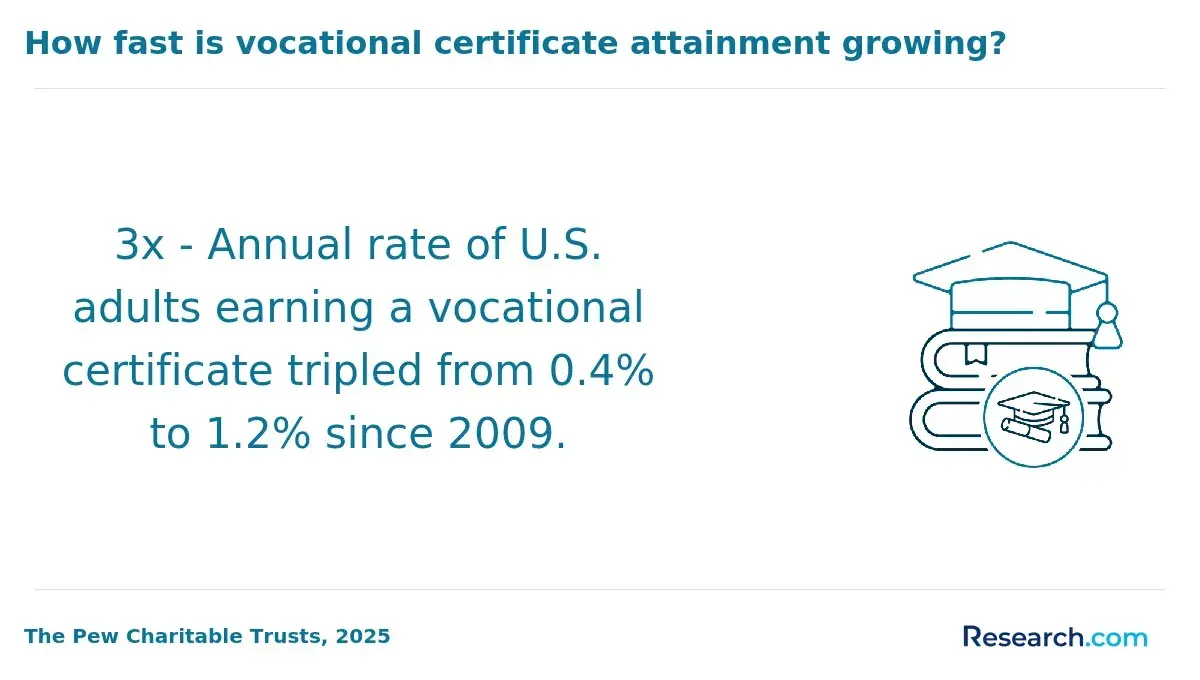
Supervised work experience is generally required for many nonprofit management careers after completing an online degree, especially when licensure or certification is involved. This practical training helps graduates develop essential skills and gain confidence to effectively manage nonprofit organizations.
About 60% of nonprofit professionals complete structured post-degree supervised experience, underscoring its role in career growth and professional competence. Key components of this requirement are outlined below.
- Duration: Typically ranges from 1,000 to 4,000 hours depending on state regulations or credentialing bodies, ensuring extensive hands-on exposure.
- Settings: Conducted within nonprofit organizations, foundations, or community agencies, providing relevant environments for practical learning.
- Mentorship: Supervision by experienced professionals offers guidance and constructive feedback, crucial for skill refinement and professional development.
- Skill development: Emphasizes leadership, strategic planning, fundraising, evaluation, and compliance to prepare graduates for management challenges.
- Career readiness and licensure: Validates a graduate's ability to meet ethical standards and operational demands, often a prerequisite for advanced positions and certifications.
Licensure reciprocity allows a professional license or credentials from one state to be recognized by another, which is vital for individuals aiming to practice across multiple states or regions. For nonprofit management graduates, this means their ability to work in various locations can be affected by how states accept licenses from elsewhere. Several factors influence whether licensure reciprocity applies.
Key considerations for licensure reciprocity for online nonprofit management graduates include:
- Eligibility criteria: States often require verification of education, relevant work experience, and successful completion of any required exams. These elements determine if a candidate qualifies for license transfer and ensure standards are maintained.
- Program requirements: Accreditation status and curriculum content are important since some states only recognize degrees from accredited programs. Graduates should confirm their online program meets these standards to avoid delays in licensure recognition.
- State reciprocity agreements: Not all states have formal arrangements to accept licenses from other states. This can impact the ease of transferring credentials for nonprofit management professionals seeking employment in different regions.
- Application process: Reciprocity usually involves submitting proof of credentials and adhering to specific state board guidelines. Additional requirements such as background checks or continuing education may also apply.
- Potential limitations: Online education can sometimes raise questions about program legitimacy, so ensuring degree legitimacy is essential. Graduates with properly accredited degrees, including those holding an accelerated bachelor's degree, often face fewer barriers in licensure transfer.
Understanding these factors helps those exploring state rules for nonprofit management license transfer better navigate career mobility across jurisdictions and maintain compliance with varied licensure requirements.
Online nonprofit management programs have seen a 20% enrollment increase over the last five years, reflecting growing interest among working professionals seeking flexible education paths. Many prospective students prioritize programs that support licensure outcomes, understanding how online formats influence credentialing and career readiness. Below is a breakdown of key advantages and challenges linked to these programs.
Pros
- Flexible scheduling: Allows students to balance coursework with job responsibilities, helping meet licensure timelines without disruption.
- Greater accessibility: Enables enrollment from diverse locations, expanding access to accredited programs required for licensure.
- Practical experience: Many programs include virtual internships or applied projects that enhance professional skills and licensure preparation.
Cons
- Limited face-to-face training: May reduce hands-on practice and mentorship opportunities essential for some licensure requirements.
- Supervision challenges: Certain boards mandate in-person supervision or specific field experiences hard to fulfill entirely online.
- Employer skepticism: Some employers question the rigor of online degrees, which can impact professional recognition and advancement.
Obtaining licensure with an online nonprofit management degree significantly impacts earning potential, with licensed professionals often earning between 10% to 20% more than their non-licensed peers, according to industry salary surveys. This salary advantage reflects the value of recognized credentials in the nonprofit sector. The licensed nonprofit manager salary benefits extend beyond basic wages, enhancing career opportunities and professional standing.
- Access to Higher-Paying Leadership Roles: Licensure often qualifies candidates for executive and senior management positions within nonprofit organizations. These roles typically offer greater compensation due to increased responsibilities and strategic oversight.
- Specialized Program Management: Holding a license increases competitiveness for specialized nonprofit management roles, such as program directors or compliance officers, which demand specific expertise and command higher salaries.
- Enhanced Credibility for Negotiations: Licensure provides verified proof of professional competence, strengthening a candidate's position when negotiating salary and benefits with potential employers.
- Eligibility for Preferred Certifications: Many employers require or prefer candidates with additional certifications that necessitate licensure, opening doors to better-paid opportunities and career advancement.
- Greater Job Security: Licensed professionals demonstrate a clear commitment to ethical practices and professional standards, which employers value highly, especially in nonprofit sectors where trust is paramount.
Graduates should weigh how licensure aligns with their career aspirations and the demands of their target nonprofit fields. While an online nonprofit management degree provides essential knowledge and skills, obtaining licensure can be a strategic step to maximize professional growth and salary impact. Those interested in exploring broader education options might also consider looking into the easiest online degrees that pay well as part of their long-term career planning.
Licensure can significantly shape career paths for graduates with an online nonprofit management degree, affecting job eligibility, earning potential, and advancement opportunities. While many roles in this field do not demand professional licenses, certain specialized positions often require credentials to deliver regulated services. About 70% of graduates secure jobs without licenses, though licensed professionals typically access higher salaries and specialized functions. Below is an overview of common roles for both licensed and non-licensed graduates.
Jobs With a License
- Licensed Social Worker: Provides clinical or counseling services within nonprofit organizations, adhering to state regulations and directly supporting clients' well-being, often leading to higher compensation and leadership openings.
- Nonprofit Counselor: Engages in therapeutic or advisory roles that require state-issued credentials, ensuring compliance with legal standards while enhancing program quality and credibility.
- Program Evaluator with Credentials: Oversees grant-funded initiatives involving regulated activities; licensed status supports adherence to funding requirements and improves career prospects in health or social service nonprofits.
Jobs Without a License
- Program Coordinator: Manages nonprofit projects, coordinates teams, and supports operational goals without requiring licensure, offering broad leadership experience.
- Fundraising Manager: Leads donor relations, plans campaigns, and drives revenue growth, focusing on strategic partnerships rather than clinical services.
- Community Outreach Specialist: Develops and implements programs to engage local populations, emphasizing advocacy, education, and resource mobilization without the need for state licenses.
What Graduates Say About Getting Licensed with an Online Nonprofit Management Degree
- Jayce: "The affordability of the online nonprofit management degree program truly stood out to me, with costs well below traditional on-campus options. Studying online allowed me to balance work and education seamlessly, providing practical knowledge that directly contributed to my licensure. Since graduating, I've seen a significant boost in my career opportunities, thanks to the skills and credentials I gained. "
- Demi: "Reflecting on my journey, the investment in the nonprofit management degree online was definitely worth every penny, especially considering the average program cost and the certification I earned. The courses were engaging and flexible, fitting perfectly into my busy lifestyle. This degree has been instrumental in elevating my professional standing and empowering me to lead impactful projects. "
- Alistair: "From a professional perspective, the cost of the online nonprofit management degree was quite reasonable compared to other programs, which made obtaining licensure more accessible. The online format was efficient and allowed me to deeply focus on content relevant to my career goals. This program has had a profound effect on my credibility and effectiveness as a licensed nonprofit professional."
Other Things You Should Know About Nonprofit Management Degrees
In 2027, licensure specifically for nonprofit management may not be available, as most roles do not require it. However, degrees can enhance employability and potentially align with general management licensure or certifications, depending on the state.
No. California’s LPCC pathway requires a master’s or doctoral degree in counseling or a closely related field with at least 60 semester units, plus supervised practicum content. A nonprofit management degree does not meet that educational rule for LPCC licensure in 2027.
In 2027, nonprofit management graduates can pursue various certifications such as the Certified Nonprofit Professional (CNP) or Certified Fund Raising Executive (CFRE). These certifications can enhance career prospects and demonstrate expertise beyond state licensure requirements.
- A Guide to Attracting and Supervising Nonprofit Interns https://www.galaxydigital.com/blog/nonprofit-interns
- Legal Requirements for Starting a Nonprofit in [Country/State] - fundsforNGOs - United States https://us.fundsforngos.org/how-to/legal-requirements-for-starting-a-nonprofit-in-country-state/
- Do you need a business license for a nonprofit? https://www.wolterskluwer.com/en/expert-insights/how-to-start-a-nonprofit-organization
- Non-Profit Leadership | Online Graduate Certificate https://www.merrimack.edu/academics/education-and-social-policy/graduate/certificate-in-community-based-nonprofit-leadership/
- Does A Nonprofit Need A Business License In Illinois | Chicago Lawyers https://www.pmllegal.com/illinois-nonprofit-business-license/
- Bachelor's Degree in Nonprofit Management https://www.ccu.edu/ccu/nonprofit-management/
- Study Non-Profit Management: Bachelor's, Associate & Online Degree Info https://learningpath.org/articles/Study_Non-Profit_Management_Bachelors_Associate_Online_Degree_Info.html
- Pursue a Certificate in Nonprofit Management https://www.nonprofitpro.com/article/should-you-pursue-a-certificate-in-nonprofit-management/
- Nonprofit Management https://www.uab.edu/cas/pspa/graduate/graduate-certificates/nonprofit-management
- Earning an Online Ph.D. in Nonprofit Management https://www.gograd.org/online-phd-programs/best-nonprofit-management-degrees/