2027 Nonprofit Management Degree Programs for Career Changers

Co-Founder and Chief Data Scientist
Transitioning into the nonprofit sector can challenge professionals accustomed to corporate environments, especially when lacking specialized knowledge in nonprofit management. Nearly 45% of adult learners pursuing nonprofit management degrees do so to pivot careers and gain relevant expertise quickly. This rising demand highlights the need for practical, flexible educational options that fit the schedules of working adults.
Without formal training, career changers may struggle to access leadership roles or understand nonprofit-specific regulations. This article explores how nonprofit management degree programs equip career changers with the skills and credentials necessary to navigate this sector confidently and efficiently.
Key Things to Know About Nonprofit Management Degree Programs for Career Changers
- Most nonprofit management degree programs offer flexible online or hybrid formats, enabling working adults to balance studies with professional and personal responsibilities effectively.
- Accelerated pacing options allow career changers to complete degrees faster, with some programs finishing in as little as 12 months, supporting swift career transitions.
- Curricula emphasize practical skills aligned with employer needs, often integrating real-world projects and networking opportunities to enhance job placement success in the nonprofit sector.
What Nonprofit Management Programs Accept Career Changers?
Programs in nonprofit management designed for working adults and professionals changing careers often provide flexible prerequisites and practical curricula focused on leadership, fundraising, and organizational skills. These attributes make such programs well suited to those seeking to shift their professional focus efficiently.
Over 40% of graduate students in the U.S. are adult learners pursuing degrees aimed at career transitions, highlighting the increasing demand for educational options tailored to busy professionals.
- Master's Degree Programs: These programs typically accept applicants with diverse work experiences and emphasize transferable leadership and strategic skills. Their curriculum is crafted to prepare career changers for senior roles in nonprofit organizations through practical coursework and real-world applications.
- Certificate Programs: Offering focused, skill-specific training, these programs often have flexible admissions policies. They are especially attractive to professionals seeking to gain targeted expertise without committing to a full degree.
- Professional Workshops: Short-term and intensive, these workshops concentrate on immediate skill development relevant to nonprofit sector roles. Their accessible format allows career changers to quickly build competencies to support their transition.
- Bachelor's Completion Programs: Geared toward adults with some college credits but no degree, these programs enable faster entry into nonprofit fields. They typically allow credit for previous learning and experience, easing the path for career changers.
Individuals interested in pursuing such paths should consider nonprofit management degree programs with flexible admissions for working professionals. For those exploring versatile options, researching accredited online MBA programs can also provide insights into comparable flexible graduate-level learning opportunities.
What Nonprofit Management Specializations Are Best for Career Changers?
Selecting the right nonprofit management specialization is crucial for career changers aiming for a seamless transition into the sector. Industry data shows fundraising and development specialists achieve a 12% higher job placement rate within their first year post-graduation compared to more general nonprofit roles.
Below are four top specializations that align well with the skills and aspirations of professionals switching careers.
- Fundraising and Development: This specialization leverages skills in communication and relationship-building, making it ideal for professionals with backgrounds in sales, marketing, or communications. It offers strong career mobility through roles focused on donor engagement and resource acquisition.
- Program Evaluation and Impact Assessment: Designed for those with analytical and research skills, this track enables career changers to contribute to measuring nonprofit success and informing strategic decision-making, providing accessible entry points for professionals from data-driven fields.
- Human Resources and Volunteer Management: Well suited for individuals experienced in leadership or people management, this area emphasizes recruitment, training, and retention within nonprofit organizations, allowing smooth adaptation for those familiar with managing teams.
- Social Entrepreneurship: Targeting entrepreneurial-minded changers, this specialization encourages innovation in nonprofit services or launching new initiatives with a business-focused approach, ideal for those interested in combining mission-driven work with entrepreneurial skills.
Career changers looking for effective transitions in nonprofit fields should consider these best nonprofit management specializations for career changers, as they emphasize transferable skills and accessible pathways. For those exploring further educational options, a reputable online business degree can complement these tracks, providing additional tools and credentials to support a successful switch into nonprofit leadership.
What Are the Admission Requirements for Career Changers Applying to a Nonprofit Management Program?
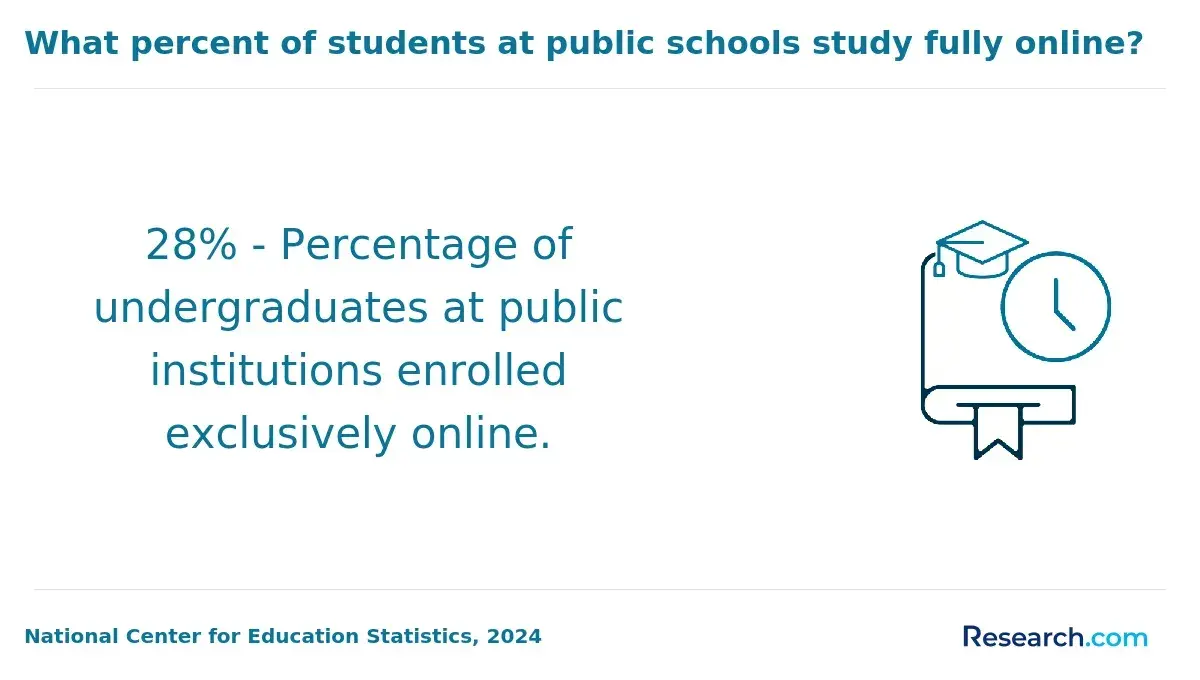
Admission requirements for career changers applying to a nonprofit management program are crucial to understand because these applicants often come from diverse professional backgrounds that differ significantly from traditional students. Adult learners make up nearly 40% of postsecondary students, which emphasizes the increasing need for flexible admission policies tailored to nontraditional students.
Below are common prerequisites designed to support career changers entering this field.
- Bachelor's Degree: Most programs require a bachelor's degree from an accredited institution. This foundational qualification ensures applicants have demonstrated academic competence, often without restricting specific majors to allow diverse prior educational experiences.
- Minimum GPA: Many programs ask for a minimum GPA, typically between 2.5 and 3.0. This standard helps evaluate academic readiness while still allowing flexibility for career changers who may excel in professional experience.
- Relevant Experience: Transferable skills such as leadership, project management, or fundraising are highly valued. Even if nonprofit experience is limited, relevant professional or volunteer roles can strengthen an application.
- Standardized Tests: GRE scores may be optional or waived, especially for working professionals with strong resumes or prior academic success. This policy increases accessibility for adult learners balancing multiple responsibilities.
- Flexible Scheduling: Programs often provide evening, weekend, or online classes to accommodate work commitments. Alternative pathways like professional certifications, detailed resumes, and strong letters of recommendation help highlight commitment and aptitude for nonprofit work.
Career changers can find that meeting these prerequisites opens doors to new nonprofit careers efficiently and confidently. For example, exploring the cheapest online psychology degree options could complement nonprofit roles focused on community and social services.
For those shifting careers, knowing the specific coursework involved in a nonprofit management degree helps clarify how their past experience aligns with new academic requirements and future goals. This understanding highlights the program's practical, flexible approach and leads naturally to its core subjects.
- Fundraising and Resource Development: Covers techniques for attracting financial support and maintaining donor relations, stressing adaptable strategies for varying organizational contexts.
- Financial Management: Focuses on budgeting, accounting, and tailored financial reporting aimed at nonprofit environments, designed to be accessible for students from diverse backgrounds.
- Leadership and Organizational Behavior: Explores effective leadership practices and managing nonprofit structures with attention to real-world applications that benefit those entering the field from other sectors.
- Program Planning and Evaluation: Teaches methods for designing, implementing, and assessing programs to address community needs, emphasizing practical tools for measurable impact.
- Legal and Ethical Issues: Provides insight into regulations, compliance requirements, and ethical standards unique to nonprofits, supporting informed decision-making.
- Marketing and Communications: Focuses on engaging stakeholders and promoting causes through various communication channels, adaptable to the changing nonprofit landscape.
A professional who completed an online nonprofit management degree described the journey as both challenging and rewarding. He shared, "Balancing my current job with coursework wasn't easy, but the program's flexibility made it manageable."
He appreciated assignments linked directly to real nonprofit scenarios, saying, "It helped me connect theory with practice quickly." Facing unfamiliar topics at first, he noted, "Some classes pushed me outside my comfort zone, but the structured support and clear expectations kept me motivated."
This experience reinforced his confidence that the degree's coursework effectively prepared him for a successful career transition.
Career changers benefit from understanding the variety of nonprofit management program formats, as nearly 40% of online students are adults aged 30 or older who need flexible learning options. Such flexibility is vital for those balancing work and personal responsibilities.
Below are common formats designed for working professionals.
- Online Programs: These fully digital courses allow students to learn at their own pace and from any location, providing maximum adaptability for busy schedules and family obligations.
- Evening and Weekend Classes: Offered in-person or hybrid, these sessions fit around standard work hours, making them ideal for professionals who prefer some face-to-face interaction without disrupting their careers.
- Hybrid Programs: Blending online learning with occasional campus visits, hybrids balance convenience with direct engagement, supporting networking and practical application.
- Part-Time Enrollment: This flexible option spreads coursework over a longer period, easing financial strain and workload, which helps adult learners manage education alongside other commitments.
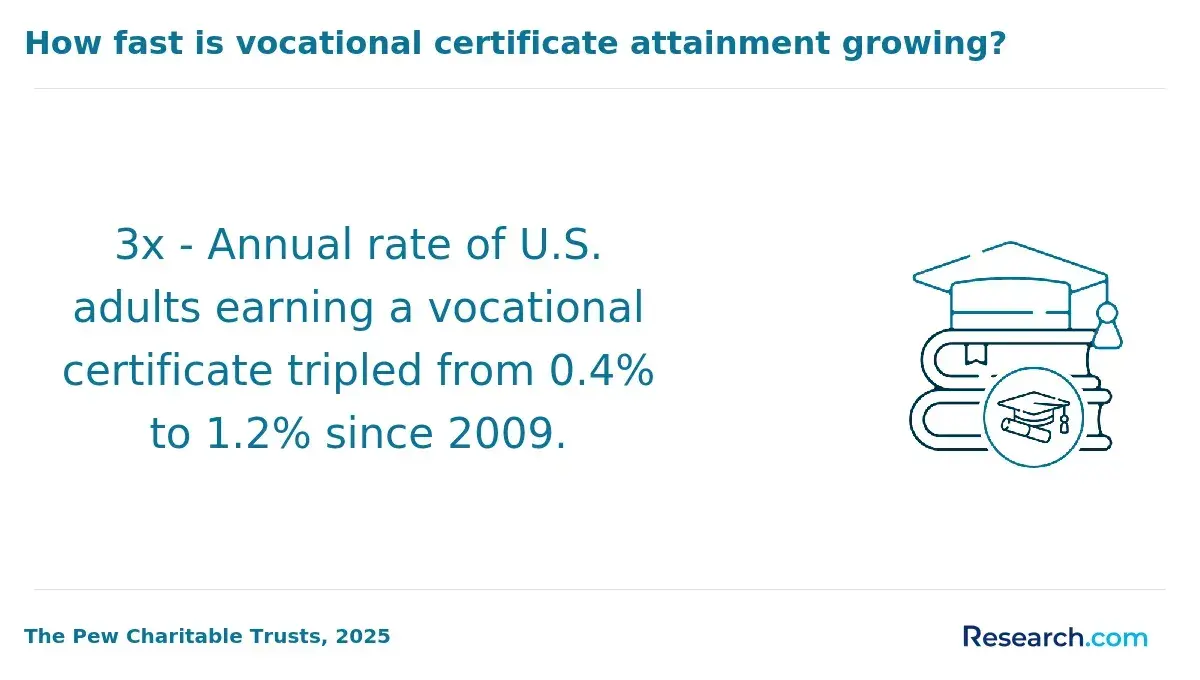
For career changers, developing relevant skills through a nonprofit management program is essential to effectively adapt to a new industry. Nearly 60% of adult learners engage in reskilling efforts to meet the demands of continually evolving job markets.
These programs emphasize essential abilities that directly translate to nonprofit roles and can broaden professional opportunities.
- Leadership and Team Management: This skill trains individuals to lead diverse groups, fostering collaboration and guiding projects within mission-focused organizations-an important foundation for effective nonprofit leadership.
- Financial Oversight and Budgeting: Learners acquire the capacity to manage funds responsibly, optimize resource allocation, and ensure the fiscal stability necessary for sustaining nonprofit initiatives.
- Fundraising and Development: Students gain practical know-how for securing donations and writing grants, which are crucial activities for organizations dependent on external funding streams.
- Strategic Planning and Evaluation: This competency involves designing impactful programs and measuring their outcomes, enabling evidence-driven improvements and organizational growth.
- Communication and Stakeholder Engagement: Emphasis on storytelling, advocacy, and relationship-building equips learners to connect effectively with communities and advance nonprofit missions.
One career changer who completed a nonprofit management degree shared her experience, highlighting how mastering a combination of these skills helped her navigate a significant professional transition. She described the initial uncertainty of leaving a familiar industry and entering a new sector with different expectations.
Through coursework and real-world projects, she gained confidence in leading teams and managing budgets-areas previously unfamiliar to her. She mentioned that developing fundraising abilities was especially challenging at first but ultimately rewarding. "I learned to craft compelling stories that resonated with donors, which made the work feel meaningful beyond just numbers," she explained.
Reflecting on the experience, she said the degree program "provided a toolkit" that allowed her to contribute effectively and feel prepared for ongoing growth in the nonprofit field.
Career changers need to carefully consider the total costs when pursuing a nonprofit management degree, especially since the average student loan debt for master's degree recipients in the U.S. now exceeds $66,000. This significant financial commitment makes it essential to understand the specific expenses involved and plan accordingly.
The main cost components to keep in mind include:
- Tuition and Fees: Tuition varies widely depending on the institution and program format, commonly ranging from $15,000 to $40,000 for the full degree. Additional fees for administration, technology, or resources can add several hundred to a few thousand dollars. Many affordable nonprofit management programs for working professionals offer flexible payment options like installment plans to help manage expenses.
- Books and Supplies: Textbooks, course materials, and any required software can add a few hundred to over a thousand dollars throughout the program. These costs are often overlooked but essential to factor into the budget for working professionals balancing multiple financial responsibilities.
- Technology Requirements: For online or hybrid nonprofit management degrees, students need reliable computers, high-speed internet, and sometimes specific software, potentially adding to upfront costs. Some programs provide technology support or discounted resources to ease this burden for adult learners.
- Cost-Saving Pathways: Accelerated programs and online formats can reduce both time and tuition expenses. Many students explore options like scholarships, employer tuition reimbursement, or part-time enrollment to lower costs. For those interested in speed and flexibility, an accelerated bachelor's degree online program may offer an efficient route that fits a busy schedule.
Curriculum design is especially important for career changers entering nonprofit management because it must bridge gaps in prior experience and deliver relevant skills quickly. A well-structured nonprofit management curriculum helps learners transition efficiently by focusing on practical and applicable knowledge.
Below are key features of such programs that support career transitions.
- Applied Learning Opportunities: Programs include case studies, internships, or simulations that provide hands-on experience, enhancing students' practical understanding of nonprofit challenges.
- Transferable Skill Development: Emphasis on leadership, communication, project management, and financial management enables career changers to leverage their prior professional experience effectively in nonprofit roles.
- Flexible Pacing Options: Part-time and online course formats accommodate busy working professionals, allowing them to balance education with existing commitments.
- Real-World Projects: Integrating authentic nonprofit challenges fosters problem-solving skills and provides exposure to governance, fundraising, and volunteer coordination essentials.
- Sector-Specific Knowledge: Curricula focus on nonprofit governance, fundraising strategies, and volunteer coordination, preparing students for immediate contribution and career growth.
For adult learners considering this career shift, choosing programs that blend theory and real-world application is crucial to gaining the skills needed from nonprofit management degree programs. Those seeking flexible options can explore fields related to the easiest bachelor degree to get online for a smoother educational experience tailored to busy schedules.
Knowing potential career outcomes helps those shifting to nonprofit management align their training with job market needs. The U.S. Bureau of Labor Statistics projects an 11% increase in community and social service jobs from 2022 to 2032, reflecting growing opportunities in this field.
Below are five common roles that graduates often pursue.
- Program Manager: Responsible for overseeing nonprofit initiatives and ensuring they meet organizational objectives. Leadership and strategic planning skills gained previously facilitate success in managing diverse projects and teams.
- Development Coordinator: Focuses on organizing fundraising efforts and maintaining relationships with donors. Strong communication and interpersonal abilities help career changers excel in this role by engaging supporters effectively.
- Volunteer Coordinator: Manages recruitment, training, and support of volunteers to maximize program impact. Prior experience in organization and people management translates well into coordinating volunteer activities.
- Grant Writer: Crafts proposals to secure funding from foundations and government sources. Excellent writing and research skills support transitioning professionals in producing persuasive applications crucial for resource development.
- Advocacy Specialist: Engages in public outreach and policy initiatives to advance nonprofit causes. Previous leadership experience empowers career changers to influence stakeholders and drive social change effectively.
Setting clear salary expectations is essential for career changers pursuing a nonprofit management degree, aiding in effective financial planning and goal setting. A 2023 industry survey revealed that reskilled professionals in nonprofit roles experience a median salary boost of about 12% within two years of completing related academic programs.
Below are common salary ranges and key compensation factors for nonprofits careers.
- Entry-Level Program Coordinators: These roles typically offer annual salaries between $45,000 and $55,000, reflecting early-career responsibilities and foundational nonprofit skills.
- Mid-Level Managers: Salaries generally range from $60,000 to $75,000, with variations depending on managerial duties and sector specialization.
- Senior Directors and Executives: Compensation often exceeds $90,000, reaching beyond $120,000 in larger organizations or metropolitan areas with higher living costs.
- Geographic Location: Urban centers usually provide elevated pay compared to rural areas, influenced by cost of living and local nonprofit market demand.
- Prior Professional Experience: Candidates bringing leadership or industry-related backgrounds may advance faster and command higher salaries, leveraging transferable skills within nonprofit contexts.
What Graduates Say About Their Nonprofit Management Degrees for Career Changers
- Jayce: "Choosing to switch careers was daunting, but enrolling in a Nonprofit Management degree program was a game changer. The average cost of attendance was reasonable compared to other fields, which made the decision easier. Completing the program gave me the confidence and skills to lead impactful projects and truly make a difference in my community."
- Kaizen: "After years in corporate roles, I took a reflective pause and realized I wanted more meaning from my work. Pursuing a Nonprofit Management degree was an investment, with tuition hovering around $20,000, but it was worth every cent. This program reshaped my professional path, opening doors to leadership roles in nonprofit organizations where my previous experience now adds value."
- Dominic: "My career change into nonprofit leadership was fueled by a desire to serve in a more direct and effective way. Despite initial concerns about the financial commitment of a Nonprofit Management degree program, I found the cost to be competitive and justifiable. Graduating from the program has been instrumental in equipping me with strategic and operational expertise critical to advancing my new career."
Other Things You Should Know About Nonprofit Management Degrees
Many programs allow professional experience to satisfy admissions review, but they do not replace core prerequisite courses such as accounting, statistics, or introductory management. For example, an admissions office may waive a prerequisite after reviewing transcripts, employer records, or a portfolio, but the decision is program-specific.
Career changers may encounter challenges such as adjusting to the academic environment after time away from formal education and balancing coursework with existing professional or personal responsibilities. Additionally, understanding nonprofit-specific legal and financial regulations can be demanding without prior exposure. Programs often include foundational courses to address these gaps and support students throughout the transition.
Typically, prior nonprofit experience is not a mandatory requirement for enrollment in most nonprofit management degree programs aimed at career changers. These programs are designed to equip students with essential skills and knowledge regardless of their background. However, some programs may recommend or offer opportunities to gain volunteer or practical experience to enhance learning and career readiness.
- Six Skills that Transfer Well to Nonprofit Leadership Positions https://www.bridgespan.org/insights/transferable-skills
- Nonprofit Management | An Opportunity to Change the World https://www.tuw.edu/school-news/benefits-of-working-in-nonprofit-management/
- 10 Essential Nonprofit Management Skills https://itsyourcareer.blog/10-essential-nonprofit-management-skills/
- 9 Essential Nonprofit Management Skills & Development Tips - Nonprofit Leadership Alliance https://nla1.org/nonprofit-management-skills/
- Online Specialization in Public and Non-Profit Management | Colorado State University Global https://csuglobal.edu/academic-programs/undergraduate-specializations/undergraduate-specialization-public-non-profit-management
- Nonprofit Management Certificate for Practitioners | MetroWest Nonprofit Network https://metrowestnonprofit.org/certificate/
- Five Essential Skills for a Successful Nonprofit Career https://prosper-strategies.com/nonprofit-career/
- Online Bachelor's in Nonprofit Management https://www.linfield.edu/programs/nonprofit-management/index.html
- Key skills needed to navigate ever present change in nonprofits https://cdo.som.yale.edu/blog/2025/11/12/key-skills-needed-to-navigate-ever-present-change-in-nonprofits/
- Career Development and Transition Funding | Coefficient Giving https://coefficientgiving.org/funds/global-catastrophic-risks-opportunities/career-development-and-transition-funding/