2027 Is a 2-Year Supply Chain Management Degree Worth It: Accelerated Bachelor's ROI & Time Trade-Offs

Co-Founder and Chief Data Scientist
Many prospective students face uncertainty when deciding if a 2-year accelerated supply chain management degree justifies the time and financial investment. Recent data reveals that supply chain roles are projected to grow by 19% over the next decade, outpacing average job growth. However, accelerated programs require intense workloads, raising questions about the balance between speed and comprehension.
This article analyzes the return on investment and time trade-offs of these degrees, providing insight into career outcomes, salary expectations, and overall value to help readers make informed education decisions aligned with their goals.
Key Benefits of a 2-Year Supply Chain Management Degree
- Accelerated two-year supply chain management degrees offer a faster pathway to entry-level positions, reducing opportunity costs compared to traditional four-year programs.
- Graduates typically see a strong ROI, with median supply chain salaries surpassing $70,000 annually, balancing tuition savings and earlier workforce access.
- The condensed curriculum emphasizes practical skills and certifications valued by employers, enhancing employability without prolonging educational time commitments.
How do 2-year supply chain management programs work?
A two-year supply chain management program offers an accelerated path through essential logistics, procurement, and operations coursework, enabling students to begin a career in this growing field swiftly. Understanding the program's structure helps potential students assess the demands and benefits of an intensive learning environment.
Below is a breakdown of how these accelerated 2-year supply chain management degree structure programs typically operate.
- Accelerated Pacing: Programs condense a traditional four-year curriculum into 18 to 24 months by shortening course durations and increasing credit loads, requiring strong time-management skills.
- Year-Round Enrollment: Classes run continuously throughout the year, including summer sessions, allowing students to avoid long breaks and maintain steady progress.
- Condensed Course Terms: Terms typically last 6 to 8 weeks instead of full semesters, creating an intense learning experience aligned with the accelerated 2-year supply chain programs' design.
- Credit Load Expectations: Students generally complete about 60 focused credits covering fundamentals such as inventory management and transportation logistics over a shorter timeframe.
- Instructional Format: Many programs combine online and in-person classes to provide flexible learning options suitable for working adults balancing other responsibilities.
- Assessment Methods: Quizzes, case studies, group projects, and exams emphasize applying theory to practical scenarios, supporting skill development essential for the field.
- Curriculum Progression: Students build foundational knowledge initially, then move into specialization and real-world applications to prepare for careers in supply chain roles.
For those exploring related accelerated degree options, resources on RN to BSN programs without clinicals provide additional perspective on fast-tracked healthcare education paths with similar intensive structures.
What are the admission requirements for a 2-year supply chain management degree?
Knowing the admissions requirements is essential for students considering an accelerated bachelor's in supply chain management, as it helps them gauge their readiness and plan their application strategically. These criteria ensure that candidates possess the academic background and skills needed to succeed in a fast-paced program. Below is a detailed breakdown of typical admission expectations for these programs.
- Prior Education: A high school diploma or equivalent, such as a GED, is usually required. This baseline qualification ensures applicants have completed foundational academic training.
- GPA Expectations: Many programs expect a minimum GPA, often between 2.0 and 2.5 on a 4.0 scale, to demonstrate consistent academic performance adequate for accelerated study.
- Standardized Tests: While some schools have made SAT or ACT scores optional, certain competitive programs may still request them as part of the admission process.
- Prerequisite Courses: Coursework in mathematics, economics, or business principles may be required or recommended, helping students prepare for core topics in supply chain management.
- Work Experience: Although not generally mandatory for 2-year supply chain management degree admission criteria, some accelerated bachelor's pathways give preference to applicants with relevant experience due to the intensive nature of the curriculum.
- Additional Assessments: Placement tests or interviews can be used by programs to evaluate an applicant's readiness for accelerated study rigor.
Accelerated degrees can reduce time to graduation by up to 50%, offering a significant advantage for students looking to enter the workforce swiftly without sacrificing quality. For those seeking efficient pathways into their careers, examining how to qualify for accelerated supply chain programs is a vital step. Interested students might also explore related fields, such as medical assistant certification, to compare accelerated pathways across industries.
What does a typical week look like in a 2-year supply chain management program?
Knowing the weekly demands of an accelerated supply chain management degree is crucial for those weighing its challenges against their personal and career goals. The condensed format means students must quickly adapt to a consistent and focused routine. Below is a detailed overview of what a typical week generally entails.
- Class Sessions and Lectures: Students attend frequent, concentrated classes totaling several hours weekly, covering essential topics like logistics, procurement, and data analysis. Active participation and attentiveness are necessary to grasp complex concepts efficiently.
- Assignments and Assessments: Regular assignments including case studies, problem-solving tasks, and written reports help apply theory to practice. Quizzes and exams often test both knowledge and practical abilities, contributing to continuous evaluation.
- Collaborative Group Work: Team projects simulate real-world supply chain environments, requiring communication and coordination with peers. This element adds to the workload but develops critical interpersonal skills.
- Independent Study: Reviewing lecture content, researching topics, and preparing presentations or papers demands disciplined time management. Self-study reinforces learning beyond scheduled sessions.
- Instructor Interaction: Opportunities through office hours or virtual meetings allow personalized support and clarification, aiding deeper understanding when challenges arise.
- Time Management: Balancing these intensive activities within an accelerated timeline requires strong organizational skills to maintain progress without burnout.
The author spoke with a professional who completed a bachelor's degree in supply chain management in two years. He described weeks packed with back-to-back lectures and looming deadlines as a "constant juggling act." He detailed how group assignments sometimes stretched into late nights, fueled by a need to coordinate across different schedules.
Despite the pressure, he valued the structure, saying, "It forced me to prioritize effectively and learn quickly on my feet." However, he admitted that moments of exhaustion were common and that relying on peers and instructors for support was vital. His experience highlighted the intense pace but also the rewarding nature of completing the program within a compressed timeframe.
Choosing the right delivery format is crucial for students pursuing an accelerated supply chain management degree, as it directly impacts flexibility, access to resources, and the ability to balance study with other commitments. Understanding the options available helps learners optimize their time and engagement during the intensive two-year curriculum.
- Fully Online Versus Hybrid: Fully online programs allow students to complete all coursework remotely, often through asynchronous modules enabling study at any time. Hybrid options combine online instruction with occasional in-person sessions, catering to those who value some face-to-face interaction or hands-on practice.
- Asynchronous and Synchronous Learning: Online formats may include asynchronous lessons for self-paced study alongside scheduled live sessions like video conferences or group discussions, enhancing flexibility while maintaining community connection.
- Technology Needs: Students need reliable internet, a capable computer, and sometimes specific software for supply chain analytics. Institutions usually support these requirements with digital platforms accessible from various devices.
- Student Support Services: Robust online support such as virtual tutoring, career advising, and digital libraries are often provided to help maintain motivation and academic success throughout the accelerated timeline.
- Pacing and Engagement: Accelerated programs demand strong time management due to faster course progression, but interactive elements like discussion boards and group projects help sustain engagement despite physical distance.
Evaluating the total cost of a 2-year supply chain management degree is vital for students who want to ensure the program's return on investment aligns with their career goals. This assessment helps balance financial outlay against the quicker entry into the workforce that accelerated programs provide. Below is a breakdown of key cost factors to consider when examining tuition fees for accelerated supply chain programs.
- Tuition Structure: Accelerated supply chain management degrees often charge tuition per credit hour or term, sometimes at a higher rate due to the intensive schedule. This model differs from traditional four-year degrees and can lead to varying total costs depending on course load and pacing.
- Additional Fees: Many programs include mandatory fees that cover online platforms, specialized software, or lab access essential for supply chain simulations and coursework, which can increase overall expenses.
- Textbooks and Learning Materials: Because accelerated programs cover material faster, students may need to purchase multiple textbooks and supplemental resources in a shorter timeframe, raising upfront costs compared to longer programs.
- Technology and Lab Costs: Some courses require specific technology or lab fees to support complex supply chain scenarios, further adding to the total investment needed for successful completion.
- Impact of Accelerated Pacing: Although accelerated degrees reduce total tuition and living expenses by shortening the enrollment period, they may demand higher immediate spending due to overlapping courses and heavier workloads, a trade-off that can benefit those prioritizing swift workforce entry.
The cost of 2-year supply chain management degree programs varies widely, but comparing it with traditional programs shows a general saving in total tuition because of the condensed timeframe. For students exploring alternatives, it might be worth reviewing options like easy nursing schools to get into for perspective on program costs and pacing in other accelerated fields.
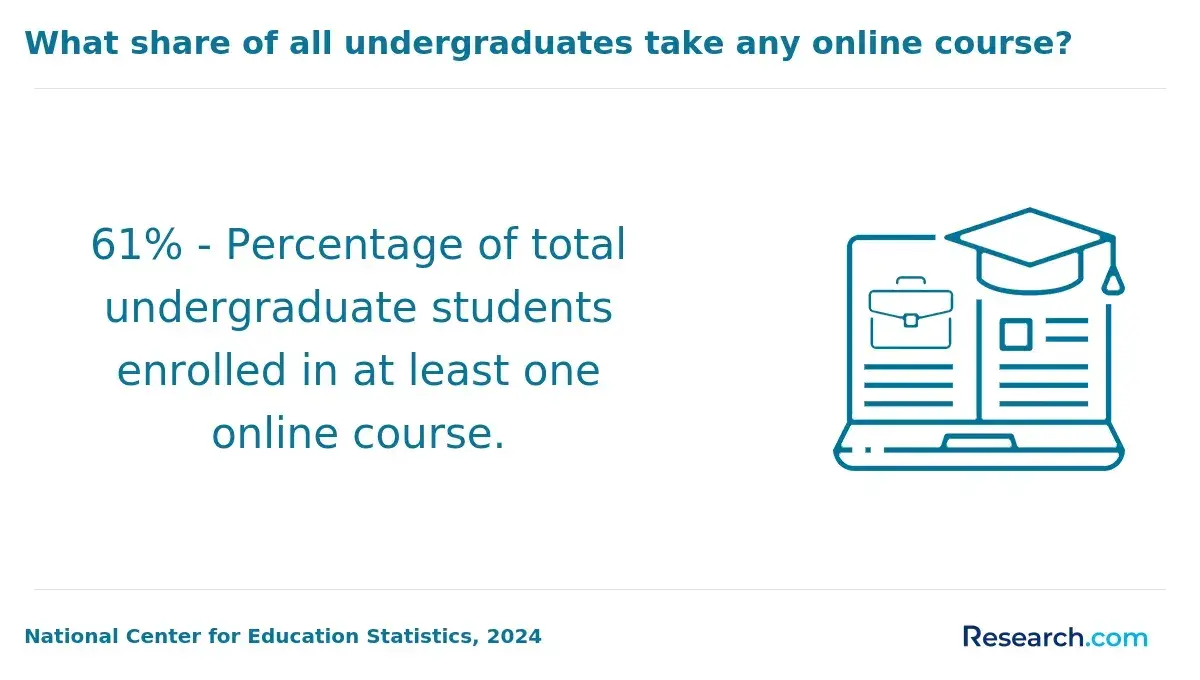
Financial aid can significantly impact a student's ability to enroll in and complete an accelerated supply chain management degree within two years. Since these programs often compress traditional coursework into shorter timeframes, understanding available funding options is crucial for managing costs effectively. Below is an overview of key financial aid opportunities and considerations for students pursuing such accelerated degrees.
- Federal Student Aid Eligibility: Most accredited accelerated supply chain management programs qualify for federal aid, including Pell Grants and Direct Loans. Students must be enrolled in an eligible program and maintain satisfactory academic progress to receive these benefits.
- Scholarships and Grants: Targeted awards for business and logistics students are available through industry groups and private foundations. These funds do not require repayment and can help reduce out-of-pocket expenses significantly.
- Employer Tuition Assistance: Working adults may gain support through employer-sponsored tuition reimbursement or assistance programs. Many businesses encourage further education by covering partial or full course costs related to supply chain management.
- Payment Plans and Disbursement Timing: Accelerated courses may limit the number of financial aid disbursements due to compressed schedules. Some schools offer flexible payment plans or more frequent distribution cycles to ease financial burdens.
- Impact of Accelerated Pacing: Fast-tracked degrees can reduce total time and tuition, but students must be mindful that quicker semesters might affect the timing and amount of aid received.
When I asked a professional who completed an accelerated bachelor's degree in supply chain management about her experience with financial aid, she reflected on the balancing act it required. "Managing the timelines for submitting documents and enrollment while juggling full-time work was demanding," she said. Her employer's tuition reimbursement was a key resource, but she also qualified for federal loans that eased upfront costs.
She appreciated how the school's financial office helped coordinate payment schedules around her accelerated classes, allowing her to focus on coursework without worrying about cash flow. Reflecting on the journey, she noted that financial aid made graduating in just two years not only feasible but also less stressful, reinforcing that careful planning and utilizing all aid options can make a compressed supply chain management degree attainable and financially manageable.
Evaluating career outcomes is crucial when considering the investment in an accelerated bachelor's degree in supply chain management. Understanding the types of jobs available helps prospective students align their education with their professional and financial goals. The following overview details common entry-level roles and career paths tied to a 2-year supply chain management degree.
- Logistics Coordinator: This role focuses on managing transportation and delivery schedules, ensuring efficient movement of goods between suppliers and customers. It is often the first step into the supply chain industry, ideal for graduates looking to gain operational experience.
- Purchasing Agent: Responsible for acquiring materials and supplies needed for production or retail, purchasing agents negotiate with vendors and manage supplier relationships. The skills learned in an accelerated supply chain degree support their ability to evaluate cost and quality effectively.
- Supply Chain Analyst: Analysts use data to forecast demand, optimize inventory, and improve overall supply chain performance. Accelerated programs emphasize practical data analysis tools that prepare students for these technological tasks.
- Operations Assistant: Providing administrative and logistical support within supply chain departments, this role helps new graduates build knowledge of end-to-end supply chain processes and software systems such as ERP.
- Industry Sectors: Graduates typically find work in manufacturing, retail, transportation, and distribution, sectors where efficient supply chain management is critical. Many employers value the practical experience gained through hands-on training incorporated in accelerated degree curricula.
The careers with accelerated supply chain degree options offer faster workforce entry because these programs often reduce time-to-completion by up to half, according to education statistics. This formats workforce readiness by focusing on essential skills like demand forecasting and supplier relationship management from the start.
While a 2-year supply chain management degree jobs might initially limit higher-level advancement, many organizations encourage further education and certification to foster continued career growth. For those balancing work and study, exploring paths such as cheap NP programs can be insightful for comparative accelerated degree benefits in related fields.
Salary outcomes are a crucial factor when evaluating the return on investment (ROI) of accelerated versus traditional degree paths in supply chain management. Prospective students must weigh initial earnings against long-term potential and time spent in education. This comparison helps clarify the financial benefits and trade-offs between a 2-year degree and a traditional bachelor's degree in this field.
- Early-Career Earnings: Individuals with a 2-year supply chain management degree salary comparison show median starting salaries around $45,000 to $55,000, while traditional bachelor's degree holders often earn between $60,000 and $75,000 in entry-level positions according to labor data.
- Long-Term Potential: Graduates with bachelor's degrees generally access higher career ceilings, with salaries frequently exceeding $90,000 as they gain leadership roles. This difference stems from employer preferences and advanced credential requirements for specialized positions.
- Employer Perception: Many companies favor candidates with bachelor's degrees for advanced roles, impacting promotion speed and salary growth. Those with accelerated bachelor's programs, typically completed in approximately three years, can partially offset this by entering the workforce sooner than traditional four-year students.
- Career Progression Timeline: The 2-year degree path facilitates earlier workforce entry and experience accumulation, while traditional bachelor's graduates usually progress faster into managerial ranks, thanks to enhanced credentials and networking opportunities.
- Overall Earnings Impact: While 2-year degrees offer faster workforce entry and salary generation, traditional bachelor's degree supply chain management earnings tend to surpass over time. For many, an accelerated bachelor's degree strikes a balance by reducing time and tuition costs without sacrificing the degree's earning edge.
For those comparing educational pathways, exploring options like the cheapest BSN programs can provide insight into accelerated degrees that reduce expenses and time commitment, a consideration often parallel to accelerated bachelor's degrees in supply chain management.
Evaluating the return on investment (ROI) is vital for students considering accelerated supply chain management degrees, as it helps determine whether the time and money spent will yield favorable career and financial results. Accelerated programs offer unique advantages that impact ROI differently than traditional paths. Below is an overview of the primary factors shaping the value of these fast-track degrees.
- Time-to-Completion: Accelerated degrees shorten the typical four-year timeline to about two years, enabling students to begin their careers sooner. This reduction not only cuts costs but also leads to earlier income generation, boosting overall financial benefit.
- Tuition and Total Cost: Although per-credit expenses often mirror traditional programs, condensing coursework into a shorter term usually reduces cumulative fees and miscellaneous costs. This compressed schedule can also mean lower spending on materials and campus-related fees.
- Opportunity Cost Savings: Entering the workforce earlier means students avoid lost income and gain valuable work experience sooner. With median salaries for supply chain roles near $77,000 as of 2023, the financial advantages of additional work years quickly add up.
- Employment Outcomes and Salary Growth: The supply chain sector is expanding rapidly, with job growth projections outpacing many other fields. Graduates from accelerated tracks often obtain comparable employment and earnings to those from traditional programs, maintaining competitive advantages.
- Industry Demand: Strong demand for supply chain professionals ensures that skills acquired remain relevant and sought-after, supporting career stability and progression.
- Transferability of Skills: Accelerated programs emphasize practical competencies like logistics, procurement, and data analytics, enhancing adaptability across various roles. This flexibility can improve long-term employability and income potential.
When deciding if a 2-year supply chain management degree fits your goals, reflect on your ability to handle an accelerated learning environment that demands strong time management and focus. Consider whether your current commitments allow enough flexibility to keep pace with an intensive curriculum.
Assess how quickly you need to enter the workforce, as these programs typically shorten the time to graduation by one to two years compared to traditional degrees. Your preferred learning style and readiness for faster content absorption are critical, along with your motivation to complete the program swiftly. Balancing these factors helps determine if this expedited path aligns with your educational needs and career ambitions.
Financially, 2-year programs often present lower tuition or similar costs but can reduce living expenses due to the compressed timeframe, improving overall return on investment. Job prospects in supply chain management remain strong, with a projected growth rate of 11% through 2032 and median salaries near $77,000 annually.
It is important to verify if employers in your target field prioritize bachelor's degrees regardless of duration, as some may prefer traditional formats. Additionally, ensure the program's schedule accommodates your work and family obligations to maintain long-term balance and avoid burnout during accelerated study.
What Graduates Say About Their 2-Year Supply Chain Management Degree
- Kelly: "I chose the 2-year supply chain management degree because I wanted to accelerate my entry into the workforce without incurring the higher costs associated with longer programs, which can average around $20,000 annually. Managing the intense schedule was challenging but rewarding, as it taught me incredible time management skills. Since graduating, I've already moved into a managerial role, and I credit this degree for giving me the practical knowledge and confidence to advance quickly. "
- Brody: "Opting for the 2-year supply chain management program was a deliberate choice to balance my career goals and financial commitments, knowing that the average cost was more reasonable compared to traditional four-year degrees. The condensed curriculum demanded strict discipline, but it allowed me to remain fully engaged and focused. Reflecting on my journey, I see how this accelerated path laid a strong foundation, helping me secure pivotal roles in logistics and operations. "
- Layla: "The appeal of a 2-year degree in supply chain management was the ability to pivot quickly into a competitive job market while saving on tuition, which often runs significantly lower than longer programs. Juggling coursework and part-time work was intense but cultivated my resilience and adaptability. Professionally, this degree has been invaluable-it fast-tracked my career growth and equipped me with the tools to tackle complex supply challenges confidently."
Other Things You Should Know About Supply Chain Management Degrees
Admission requirements typically include a high school diploma or equivalent, SAT or ACT scores, and a completed application. Some programs may require letters of recommendation and a personal statement. Always verify specific requirements with the program of your interest.
A 2-year supply chain management degree program in 2027 typically includes courses in logistics, procurement, inventory management, and operations planning. These courses are designed to equip students with the necessary skills to manage complex supply chain networks effectively.
- Salary with Supply Chain Management Degree | Masters vs Bachelors vs https://www.businessstudent.com/careers/salary-outlook-supply-chain-management-degree/
- Supply Chain Management Careers: Salaries, Growth & Opportunities | UAGC https://www.uagc.edu/blog/supply-chain-management-careers-salaries-growth-opportunities
- Logistics and Supply Chain Management https://akademiata.pl/en/offer/bachelor/logistics-and-supply-chain-management/
- Supply Chain and Logistics Career Paths: Explained https://www.logisticsbureau.com/jobs-and-career-paths-in-supply-chain-and-logistics/
- CA25 - Supply Chain & Logistics https://www.pgcareers.com/de/en/supply-chain-logistics
- Two-year Degree Courses in the UK | GoStudyIn https://gostudyin.com/study-in-uk/study-options/two-year-degree/
- Master of Supply Chain Management https://www.uow.edu.au/study/courses/master-of-supply-chain-management/
- Purchase and supply chain management » Management – second-cycle programme » | WSZiB Kraków https://www.wszib.edu.pl/en/studies/management-second-cycle-programme/purchase-and-supply-chain-management/
- 5 Tips For Choosing the Right Supply Chain Master’s Program https://exploreblog.ashland.edu/5-tips-for-choosing-the-right-supply-chain-masters-program