2027 Online vs On-Campus Nonprofit Management Degree Programs: Pros & Cons

Co-Founder and Chief Data Scientist
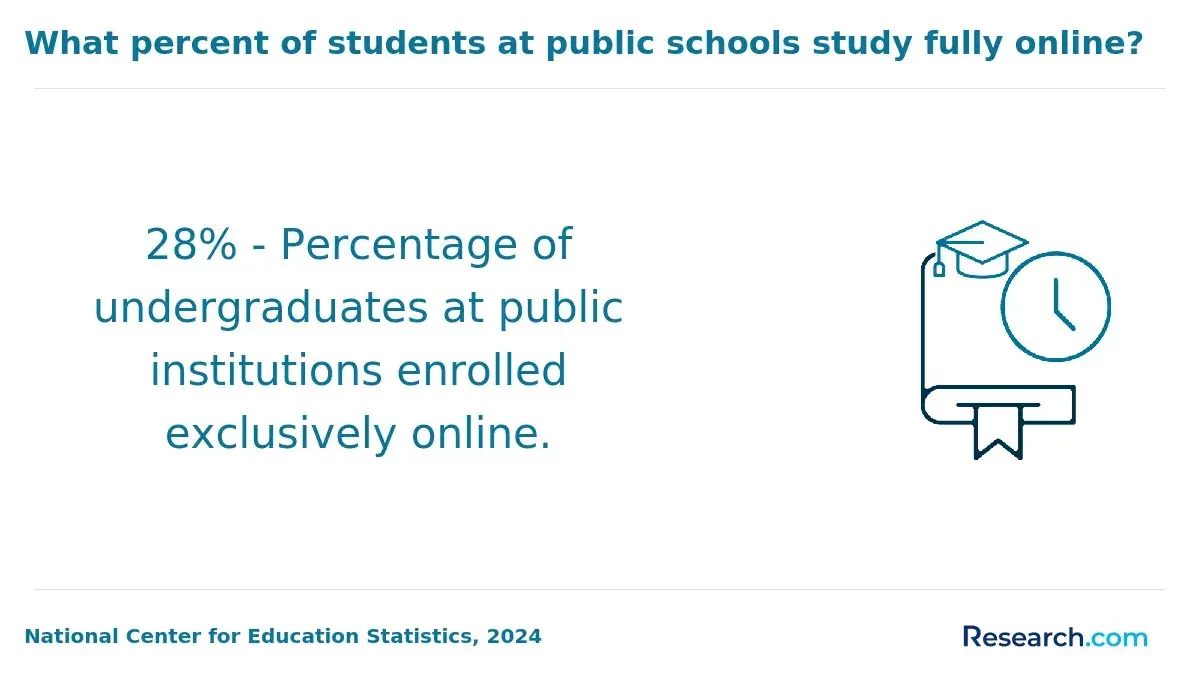
The rising popularity of online nonprofit management degrees reflects a broader shift in higher education, with over 40% of U.S. postsecondary students enrolled in at least one distance learning course in 2023. This trend highlights the growing appeal of flexible and accessible study options. However, deciding between online and on-campus nonprofit management programs requires careful consideration of factors such as flexibility, cost, learning experience, and career outcomes. This article offers an expert comparison to guide prospective students in making informed decisions that align with their personal needs and professional goals.
Key Benefits of Online vs On-Campus Nonprofit Management Degrees
- Online nonprofit management degree programs offer flexible scheduling that accommodates working professionals, with studies showing over 70% of online students balance education alongside employment.
- Tuition for online nonprofit management degrees is often 25% lower on average than on-campus programs, making them more accessible to a wider range of students.
- On-campus nonprofit management programs provide direct access to campus resources and networking opportunities, with 65% of alumni reporting stronger career connections fostered during in-person experiences.
Are Online vs. On-Campus Nonprofit Management Programs Structured the Same Way?
Online and on-campus nonprofit management degree programs differ notably in how courses are structured and delivered. These variations shape how students engage with the material, instructors, and peers throughout their studies. To clarify these distinctions, the following bullet list compares key structural elements of online and on-campus nonprofit management programs in areas like scheduling, course delivery, and student interaction.
- Course Delivery: Online programs use learning management systems to provide content via live-streamed or pre-recorded lectures, allowing students to access materials remotely and complete assignments on their own time. On-campus programs rely on face-to-face classroom instruction, offering immediate, real-time interaction with professors and classmates.
- Class Schedules: Online courses often feature flexible scheduling, especially in asynchronous formats, giving students the freedom to study at their own pace. Conversely, on-campus programs follow fixed schedules with classes held at specific times and locations, requiring consistent attendance and adherence to a routine.
- Interaction and Collaboration: Online students typically communicate through discussion boards, video calls, and group projects conducted digitally, which enables participation across geographic distances but may reduce spontaneous exchanges. Campus-based students benefit from in-person conversations that foster stronger networking, mentorships, and immediate feedback.
- Practical Assignments and Projects: Online programs incorporate assignments that can be done remotely, such as virtual fundraising simulations or budgeting exercises. In contrast, on-campus programs often include hands-on learning options like live case studies or community service projects that provide direct engagement with local nonprofits.
- Student Engagement: Online learners must be self-directed and disciplined to manage their study time effectively due to the independent nature of asynchronous courses. On-campus students usually experience more structured environments with frequent, immediate interaction that can enhance motivation and accountability.
Are Admission Requirements the Same for Online vs On-Campus Nonprofit Management Degree Programs?
Colleges and universities maintain consistent academic standards for both online nonprofit management degree admission requirements and on-campus programs to ensure equivalent rigor and outcome quality. However, institutions may differ in how they assess applicants' readiness, especially regarding technical skills and flexibility needed for remote learning.
The following points compare key admission criteria where these requirements align and where distinctions exist between online and on-campus nonprofit management program application process:
- Academic Qualifications: Both formats generally require a bachelor's degree from an accredited institution with a minimum GPA between 2.5 and 3.0, depending on the program. Some schools, like USC Price, waive standardized tests such as the GRE or GMAT for both online and on-campus applicants, opting for a holistic review of academic credentials.
- Work Experience: While valued in both settings, online master's degrees often place more emphasis on relevant work or leadership experience, reflecting their appeal to working professionals. For example, online MPA programs may require at least two years of experience, whereas on-campus programs may consider it preferred but not mandatory.
- Application Materials: Applicants to both program types must submit transcripts, resumes, letters of recommendation, and a personal statement outlining their career goals and motivation. Digital submission of materials is common for online applications and increasingly accepted for on-campus programs as well.
- English Proficiency: International candidates must demonstrate English proficiency through tests like TOEFL, IELTS, or Duolingo, with consistent minimum scores across both online and on-campus formats.
- Technical Readiness and Flexibility: Online programs sometimes require supplemental essays or orientation to assess candidates' capability for self-directed, technology-based learning. This aspect is less frequently emphasized in traditional on-campus admissions.
- Internships and Professional Development: Both online and on-campus programs may offer or mandate internships, but online students typically benefit from greater flexibility regarding location and scheduling of these experiences.
Prospective students seeking nonprofit management degrees may also consider the benefits of costs and scheduling flexibility offered by online formats, as well as employer perceptions, which have grown increasingly favorable-especially for accredited programs. Interested learners can explore certifications that pay well related to their career trajectories.
Do Online Nonprofit Management Students Receive the Same Academic Support as On-Campus Students?
Universities have significantly expanded their academic support systems to ensure that online nonprofit management students receive resources and assistance comparable to those available to their on-campus peers. These enhancements aim to deliver equitable educational experiences regardless of learning format. The following comparison highlights the key academic support services typically available to both online and on-campus nonprofit management students.
- Tutoring Services: Both online and on-campus students have access to tutoring tailored to course-specific needs. Online learners often use virtual platforms, while on-campus students benefit from in-person or hybrid tutoring, helping reinforce complex concepts, especially in quantitative areas.
- Academic Advising: Students in either format are assigned advisors to assist with course selection and degree planning. Online advising commonly occurs via video calls or email, whereas on-campus advising happens face-to-face, both contributing to higher retention and graduation rates.
- Career Counseling: Career support services such as workshops, resume reviews, and job placement aid are available to all students. Online students access these through webinars and virtual fairs, ensuring equal preparation for nonprofit sector employment.
- Library Access: Universities provide full digital library resources to online students, including journals and research databases. On-campus learners have both physical and digital options, but research support remains comparable across formats.
- Faculty Interaction: The same instructors often teach both online and in-person courses. Online students engage with faculty via discussion boards and scheduled video sessions, while on-campus students may benefit from spontaneous face-to-face interaction, fostering strong educational relationships.
- Technical Support: Dedicated technical assistance helps online students navigate learning management systems and virtual classrooms, while on-campus students can access support for hybrid or technology-enhanced courses.
The time it takes to complete a nonprofit management degree varies significantly based on whether students choose an online or on-campus format, along with their individual pace and scheduling flexibility. These factors greatly impact how quickly a student can graduate and balance other commitments. To better understand these differences, here is a comparison of the average completion time and key characteristics for online versus on-campus nonprofit management degree programs.
Below is a bullet list comparing the average completion time for online and on-campus nonprofit management degree programs, highlighting key differences in duration, flexibility, and influencing factors:
- Online Nonprofit Management Degree Most online master's programs can be completed in as little as 10 months if studied full-time, while part-time enrollment often extends this to 2.5 to 3 years, depending on course load and summer sessions. Online formats typically offer greater flexibility with asynchronous classes that allow students to juggle work and personal obligations. Accelerated options are also common, enabling motivated students to finish sooner than traditional timelines.
- On-Campus Nonprofit Management Degree Full-time on-campus master's programs generally take 1 to 2 years to complete, with part-time students often requiring up to three years or more. These programs follow structured semester schedules with fixed class times, which may present challenges for working professionals seeking flexibility. Some schools address this with evening or weekend classes, but overall, on-campus formats tend to be less adaptable than online alternatives.
- Academic Support and Employer Perception Both delivery modes provide access to faculty and cohort experience, though online students rely more on virtual support networks. Employer surveys suggest hiring outcomes do not vary significantly between online and on-campus nonprofit management graduates when the institution is reputable and accredited. Ultimately, career prospects tend to depend more on program quality and individual experience than on the format of study.
When discussing program length with a professional who completed an online nonprofit management degree, he reflected on balancing work and studies as central to his timeline. "I took about two and a half years because I was working full-time and wanted to maintain my income," he explained. Managing assignments alongside a demanding job required careful planning, but asynchronous coursework allowed him to study late at night or during weekends, which was a huge advantage. He noted that while it sometimes felt lengthy, the flexibility was "well worth it." The option to pause during particularly busy periods helped prevent burnout, and despite the longer timeframe compared to a traditional two-year master's, he appreciated the ability to control his pace without sacrificing educational quality. His experience illustrates how the length of online nonprofit management programs can vary widely, shaped largely by personal circumstances rather than rigid academic schedules.
Tuition, fees, and other expenses for online nonprofit management programs are generally lower than those for on-campus equivalents, although the actual cost varies depending on the institution and program format. While online students often save on housing and transportation, differences in tuition rates and financial aid availability can affect overall affordability.
Several key cost factors influence the total price comparison between online and on-campus nonprofit management programs, as outlined below.
- Tuition and Fees: Online nonprofit management programs usually have lower tuition rates compared to on-campus options. For example, the average annual cost for online undergraduate courses is about $12,216, which is roughly $6,765 less than the $18,981 average for on-campus programs. Credit hour costs also tend to be cheaper online, averaging $509 versus $791 on campus, although some public schools may charge more for online credits than in-state on-campus rates.
- Living Expenses: Students in online nonprofit management degree programs typically avoid significant living costs associated with on-campus attendance. Since online learners can live at home, they save on room and board, meals, and campus activity fees, with on-campus room and board averaging $744 more annually than typical living expenses.
- Commuting and Related Costs: Online students eliminate expenses such as daily commuting, parking, and transportation usually required for on-campus attendance. Over the duration of a degree, these savings can be substantial and add to the overall lower cost of online pathways.
- Technology Costs: While online learners need reliable internet access and suitable computer equipment, these technology expenses are generally much lower than cumulative housing and commuting costs, making them a relatively minor portion of total expenses.
- Financial Aid Availability: Both online and on-campus nonprofit management students can access federal financial aid, but institutional scholarships may be more limited for online formats. Prospective students should carefully compare aid packages since financial support can influence net program cost.
- Transfer Credits and Accelerated Paths: Online programs often offer more flexible transfer policies and accelerated course options, enabling students to complete their degree faster and reduce total tuition charges.
For those seeking easy phd programs to get into within nonprofit management or other fields, exploring various online options can provide cost-effective and flexible alternatives worth considering, especially as online degrees gain credibility in the job market.
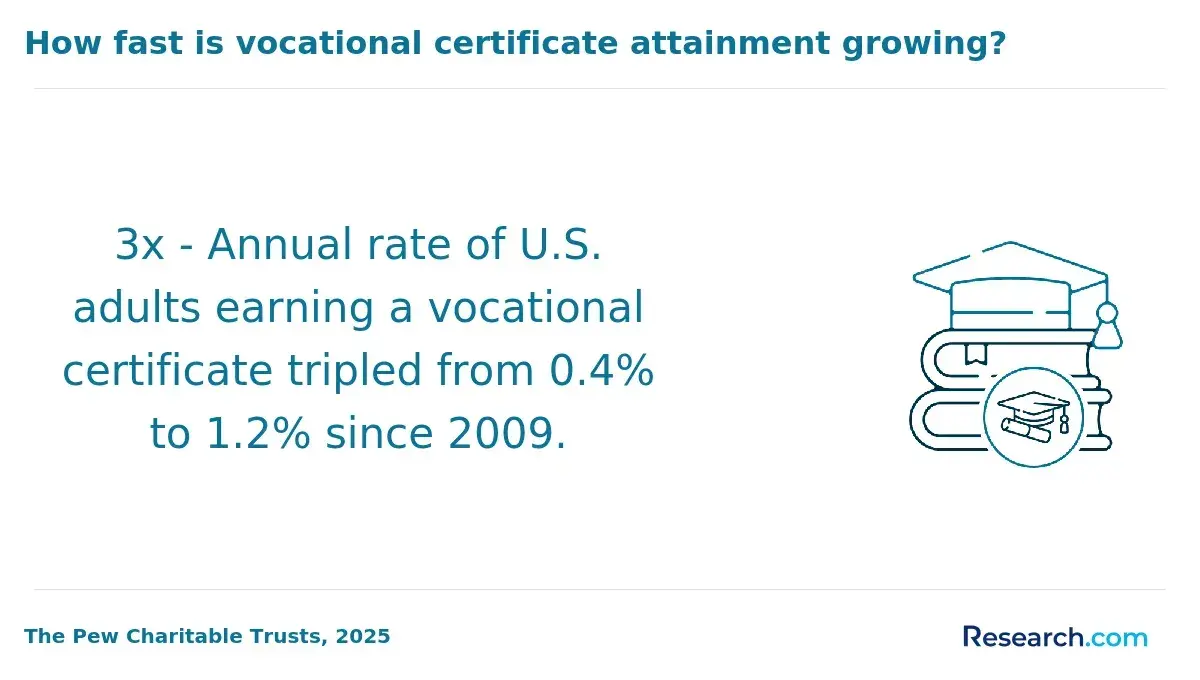
Both online and on-campus students pursuing nonprofit management degrees may qualify for financial aid, but eligibility and accessibility can vary based on program format and the type of institution attended. Understanding these differences helps students maximize funding opportunities and reduce overall educational expenses.
Below is a comparison of the main financial aid options available to both online and on-campus nonprofit management students, outlining how each can differ by enrollment status and program delivery.
- Federal Financial Aid: Accredited nonprofit management programs, whether online or on campus, typically qualify for federal aid such as Pell Grants and Direct Subsidized and Unsubsidized Loans. Students must complete the FAFSA to apply. While online students usually have equal access, part-time enrollment or certificate-only tracks may limit eligibility compared to full-time on-campus learners.
- State Aid: State grants and scholarships often depend on residency and enrollment status. Some states restrict awards to residents attending in-state schools, which may include online programs at state institutions. However, students enrolled fully online in out-of-state programs may find limited state aid options.
- Scholarships and Grants: Many scholarships for nonprofit management are open to both online and on-campus students who enroll in eligible degree programs. Some awards target full-time or campus-based learners, but increasing numbers of schools have expanded eligibility to include online and part-time students. These scholarships can significantly offset tuition costs for both groups.
- Employer Tuition Reimbursement: For nonprofit professionals, employer-sponsored tuition benefits are often accessible regardless of program format, as long as the degree relates to their role. Online programs provide the added benefit of flexible scheduling, making it easier for working students to utilize employer reimbursement.
- Private Student Loans: Private loans are available to supplement funding gaps not covered by federal or institutional aid for both online and on-campus students. Approval depends on credit eligibility and minimum enrollment status, usually at least half-time. These loans should be considered only after exhausting other aid options.
Students seeking a fast online master's degree in nonprofit management should carefully explore these financial aid options to find the best fit for their program type and personal circumstances.
The credibility of online and on-campus nonprofit management programs is anchored in shared accreditation standards, faculty qualifications, and curriculum requirements. Leading accrediting bodies like the Nonprofit Academic Centers Council (NACC) and the Distance Education Accrediting Commission (DEAC) rigorously assess both formats to ensure they meet consistent academic quality and mission alignment. Online programs often employ faculty with qualifications equivalent to those teaching on campus and deliver curricula that closely mirror traditional counterparts. This alignment ensures that students receive comparable educational outcomes regardless of the format they choose. Such standards reinforce trust in the validity and rigor of online nonprofit management education.
Employer and institutional perceptions of online nonprofit management degrees have improved markedly in recent years. A 2022 survey by Northeastern University found that 61% of employers regard online degrees from accredited institutions as equal to traditional ones, reflecting growing acceptance. Academic institutions and licensing bodies also increasingly acknowledge online credentials when they meet stringent national and industry-specific standards. Innovations in virtual learning, including interactive simulations and real-time collaboration, further enhance the practical relevance of online programs. Partnerships with nonprofit sector leaders enable online students to engage directly with real-world scenarios, making these programs not only more flexible and affordable but also highly respected within the field.
Employer attitudes toward online and on-campus nonprofit management degrees have grown increasingly favorable toward both formats, reflecting broader changes in education and work culture. Recent surveys show that most employers do not differentiate between online and traditional degrees in terms of starting salaries or perceived value, provided the institution is reputable and the program is properly accredited. The reputation of the university remains a decisive factor; well-known schools offering both online and on-campus options tend to inspire more hiring confidence than online-only institutions, even if accredited. Furthermore, employers emphasize demonstrated skills and relevant experience over the mode of study, signaling that adaptability and specialty expertise weigh heavily in hiring decisions. These trends suggest that online nonprofit management degrees from established universities are now largely seen as equivalent to their on-campus counterparts in the job market.
Workplace norms evolving toward remote and hybrid environments have also diminished previous skepticism toward online education, especially in nonprofit management fields where digital communication and adaptability are priorities. Employers increasingly appreciate candidates who have honed their skills in virtual settings, mirroring the work contexts many nonprofits operate in today. Yet, for-profit or lesser-known online providers may still face employer scrutiny, underscoring the continued importance of program accreditation and institutional prestige. Overall, graduates benefit most when they choose accredited programs that not only offer rigorous curricula but also provide opportunities to build practical skills relevant to nonprofit sectors. Aligning educational credentials with tangible competencies remains the key to maximizing employment potential regardless of delivery format.
When discussing these insights with a professional who completed her nonprofit management degree online, she reflected that her journey reinforced these employer priorities. She shared that although she initially worried that an online degree might disadvantage her, her strong portfolio of projects, internships, and practical experience convinced employers of her readiness. "The flexibility of the online program allowed me to work while studying, which enriched my resume in ways a traditional campus program might not have," she noted. Hiring managers "valued what I could do and how I could apply my skills, not where I earned my degree." Her experience highlights how well-chosen online programs, combined with proactive skill-building, can effectively open doors in the competitive nonprofit job market.
Salary comparisons between online and on-campus nonprofit management program graduates are increasingly shaped by factors such as employer perception, accreditation, and career specialization rather than the format of the degree alone. As a result, the online vs on-campus nonprofit management graduate earnings show more similarities than differences in many situations. Here is an overview of current salary trends and factors influencing earning outcomes for these graduates.
- Employer Perception and Accreditation: The reputation and accreditation of the institution awarding the degree usually carry more weight than whether the degree was earned online or on-person. Accredited online nonprofit management degrees, especially those meeting recognized standards, are generally valued equally in hiring and salary decisions.
- Program Flexibility and Cost: Online programs often allow students to maintain employment while studying, helping reduce debt and support career advancement. Tuition costs for online degrees can be significantly lower, contributing indirectly to better long-term salary potential.
- Networking and Career Advancement: On-campus programs may provide more robust face-to-face networking opportunities, though many online programs now include virtual collaboration and networking components. This evolution is bridging historical gaps in career advancement potential between formats.
- Job Role and Geographic Location: Salaries in nonprofit management are more influenced by specific roles and locations than by degree format. Social and community service managers, fundraising managers, or advocacy directors show earning ranges that reflect position and location rather than online versus on-campus training.
- Schedule and Academic Support: Online programs cater to working professionals with self-paced structures, while on-campus programs offer structured schedules and more direct academic support. This difference affects student experience but is not a significant factor in salary when the degree quality is comparable.
For professionals weighing degree options, those interested in accelerated paths might explore options like a one year doctorate, demonstrating the expanding flexibility in advanced nonprofit management education.
Choosing between online and on-campus nonprofit management programs depends on your personal learning preferences, lifestyle, and professional goals. The right format aligns with how you learn best, your schedule flexibility, and the access to resources that supports your success. To help you make an informed choice, consider these key factors before deciding which program style fits you best:
- Learning style: On-campus programs suit students who benefit from direct face-to-face interaction and structured classroom settings. Conversely, online programs appeal to self-motivated learners comfortable with virtual instruction and independent study, which can impact your engagement and success in the program.
- Flexibility needs: Online nonprofit management degrees often provide more scheduling flexibility, allowing students to balance work and study through asynchronous classes or part-time enrollment. This is especially important given that about 70% of online students work while studying, whereas on-campus programs typically follow set schedules requiring physical attendance.
- Budget: When considering a cost comparison nonprofit management degree programs reveal that online options generally lower expenses by eliminating costs such as commuting and campus housing. Tuition ranges widely, but many online students save money by maintaining employment during their studies.
- Networking opportunities: On-campus programs offer direct access to peers, faculty, and local nonprofit organizations, facilitating strong professional relationships. While online programs now include virtual networking and group projects, these connections may feel less immediate and require extra effort to develop.
- Access to campus resources: Being on-campus grants direct access to libraries, career centers, and extracurricular activities that enhance learning and professional growth. Online students might have virtual support but may not enjoy the full range of campus facilities.
It is also important to note that online nonprofit management degree completion rates tend to be lower than traditional programs, which can influence your decision if finishing on time is a priority. To explore career outcomes related to your educational choices, you can learn more about what are trade school jobs as an example of how program type may align with different career paths.
Here's What Graduates of Online vs On-Campus Nonprofit Management Programs Have to Say About Their Degree
- Theo: "Completing my online nonprofit management degree allowed me the flexibility to balance work, family, and education seamlessly. The virtual format meant I could apply what I was learning directly to my current job in nonprofit fundraising, accelerating my career growth. I particularly valued how the program connected me with a diverse network of professionals across the country, broadening my perspective on global community impact. The self-paced nature challenged me to develop strong time management skills, which have been invaluable in my leadership role today. Online learning truly empowered me to pursue my passion on my own terms."
- Rose: "Attending the on-campus nonprofit management program was a transformative experience that went beyond academics. Being physically present on campus created opportunities for real-time collaboration with peers and professors, fostering deep professional relationships and mentorships that have lasted well into my career. The hands-on workshops and community engagement projects enhanced my understanding of nonprofit operations and fueled my passion for making a tangible difference. This degree paved the way for my steady career advancement and gave me confidence in my leadership abilities. The vibrant campus culture helped me grow both personally and professionally."
- Donny: "The hybrid nonprofit management degree offered the perfect blend of flexibility and face-to-face interaction. Some weeks I could focus on intensive in-person sessions that enriched my practical skills, while other weeks I engaged with course material remotely without sacrificing quality. This format prepared me well for the dynamic nature of nonprofit work, which often requires adaptability and multitasking. The hybrid experience also allowed me to stay connected with my local community through service projects, deepening my commitment to social change. Professionally, this degree opened doors to leadership roles in regional nonprofits, where I continue to grow and contribute. "
Other Things You Should Know About Online & On-Campus Nonprofit Management Degree Programs
In 2027, online nonprofit management degree programs tend to be more cost-effective due to lower tuition fees and elimination of commuting and accommodation expenses. Students can also continue working while studying, thus maintaining income streams alongside their education.
Yes, on-campus nonprofit management degree programs offer unique networking opportunities by facilitating face-to-face interactions with peers and faculty. These interactions can enhance collaboration and provide valuable connections for future career opportunities in nonprofit management. These experiences are often integral to personal and professional development within the field.
Yes. Online and on-campus nonprofit management degrees are usually accredited by the same regional accrediting agencies, such as HLC, SACSCOC, MSCHE, NECHE, WSCUC, or NWCCU. Business-focused programs may also seek ACBSP or IACBE accreditation, which schools list in their program pages.
- Management Consulting For Nonprofits | All Bachelor Degrees https://allbachelordegrees.com/degrees/comprehensive-guide-to-getting-a-bachelors-degree-in-nonprofit-management/
- 7 Popular Nonprofit Management Careers & Their Salaries https://graduate.northeastern.edu/knowledge-hub/nonprofit-management-careers/
- Online Courses for Non-Profit Management: How to Choose https://www.aicoursify.com/online-courses-for-non-profit-management
- Online Degree vs On-Campus Degrees https://www.online.drexel.edu/news/online-degree-vs-traditional-degree.aspx
- What Do Employers Really Think About Online Degrees? https://spectrum.ieee.org/what-do-employers-really-think-about-online-degrees
- Admission Requirements https://las.depaul.edu/academics/school-of-public-service/graduate/nonprofit-management-mnm/Pages/admission-requirements.aspx
- Are online degrees respected by employers? https://onlineprograms.uic.edu/news-stories/are-online-degrees-respected-by-employers/
- Online Master's in Nonprofit Management | Johns Hopkins AAP https://advanced.jhu.edu/academics/graduate/ma-nonprofit-management/
- The Surprising Cost of Online Education: Why 83% of Online Degrees Aren’t More Affordable https://www.nexford.edu/insights/the-surprising-cost-of-online-education-why-83-of-online-degrees-arent-more-affordable
- Nonprofit Management and Social Entrepreneurship https://www.ubalt.edu/schools-and-colleges/college-of-public-affairs/academics/explore-all-programs/masters-nonprofit-management-and-social-entrepreneurship/index.cfm