2027 Community Health Specializations for Behavioral Health Outreach Careers

Co-Founder and Chief Data Scientist
Struggling to balance work, family, and gaining the specialized behavioral health skills needed to impact complex community factors, many prospective students face a narrow window to enroll in relevant programs.
The U.S. Department of Education reports a 28% growth in online graduate enrollment among adult learners since 2022, signaling expanded access but also heightened competition for flexible, career-aligned offerings. This surge reflects broader workforce demands for behavioral health outreach professionals who can meet diverse community needs without pausing employment.
Understanding the specific community health specializations with accessible pathways and strong employer recognition is critical for timely, strategic career moves. This article examines these specializations in detail, helping readers align their educational choices with practical workforce entry and advancement goals.
Key Things You Should Know
- Analysis of 2024 U.S. Bureau of Labor data shows behavioral health outreach jobs requiring specialized certifications yield 15% higher starting wages but extend credentialing time by 6-12 months, impacting career pivot timing.
- Employer surveys from the National Council for Mental Wellbeing reveal 68% prioritize candidates with integrated behavioral and community health skills, pressuring education choices toward interdisciplinary programs over narrower scopes.
- Federal Health Workforce Reports indicate rural community health roles offering high demand face access barriers, as 40% of training programs lack tele-mentoring, forcing workforce entrants to weigh location flexibility against elevated travel and living costs.
What is community health, and how does it support behavioral health outreach careers?
Community health program opportunities for behavioral health professionals shape workforce readiness by addressing social determinants that underlie mental health disparities. For example, behavioral health outreach workers in urban settings confront challenges like housing instability and limited mental health access; community health training equips them with critical skills in assessment, cultural competency, and targeted intervention design.
Employment growth in mental health occupations is projected at 11% from 2024 to 2034, outpacing the national average significantly. This demand reflects a need for professionals adept at integrating clinical knowledge with community-based solutions and highlights how community health services enhance behavioral health outreach careers through a prevention-oriented, multidimensional approach.
Educationally, community health blends epidemiology, program evaluation, and case management skills to prepare workers for navigating complex service coordination and client engagement. Students must weigh the broader career pathways offered—such as policy and leadership roles—against the tradeoff of longer multidisciplinary training versus quicker clinical certifications. This choice affects employability and career trajectory in meaningful ways.
In practice, successful behavioral health outreach requires strong communication, practical resource allocation, and the ability to measure program impact. For students considering advancement in this field, specialized programs like clinical mental health counseling offer complementary credentials that can enhance both the scope and depth of community health expertise.
Which community health specializations are best for behavioral and mental health outreach roles?
Effective behavioral health outreach community health specializations require integrating behavioral science, public health, and case management to engage vulnerable populations with measurable impact. Candidates armed with training in trauma-informed care, mental health first aid, and substance use disorder counseling stand out, especially where direct client interaction with addiction or acute episodes is frequent.
For example, workers in managed care roles who combine motivational interviewing with health information technology can better navigate reporting demands and client engagement, a skill set highly valued in both rural and urban under-resourced settings.
The median annual wage for community health workers was $51,030 in May 2024, with employment growth projected at 11% through 2034, creating roughly 7,800 openings each year. This demand favors specializations emphasizing communication, cultural competence, and legal compliance, particularly in correctional or school-based outreach where privacy and institutional policies govern operations.
Programs offering hands-on practicums outperform purely theoretical ones in preparing students for these field-specific challenges.
Employers increasingly expect skills in community needs assessment and outcome measurement to justify funding and career progression beyond entry-level roles. Specializations blending clinical knowledge with applied data tracking and administrative competencies address this complexity.
Professionals pursuing this path should consider focused options such as 1 year MHA programs online to expedite credential attainment while maintaining practical relevance for mental health community health roles for outreach.
What degrees and training do you need for community health behavioral outreach careers?
Employers in community health behavioral outreach prioritize candidates holding at least a bachelor's degree in behavioral health, psychology, social work, or related fields, as this credential ensures foundational knowledge in mental health principles and counseling techniques. Those with only associate degrees face restricted entry-level roles and slower progression.
Specialized certifications such as Certified Alcohol and Drug Counselor (CADC) or Licensed Professional Counselor (LPC) often serve as differentiators, particularly in substance use disorder outreach.
Master's degrees in counseling, social work (MSW), or public health (MPH) become necessary when job functions include clinical assessment, treatment planning, or managing programs. For instance, a school district may prefer candidates pursuing or possessing LPC licensure to ensure readiness for case management and direct intervention.
This requirement impacts training program choices; aspiring professionals must weigh the time and resource investment of advanced degrees against immediate employment prospects.
State-specific licensing laws shape training programs for behavioral health outreach careers, affecting job responsibilities and wage tiers. Budget-constrained agencies often rely on bachelor's degree holders augmented by certification and on-the-job training, which limits advancement potential. Conversely, federal health initiatives demand advanced degrees combined with supervised clinical experience.
The projected 18% growth in employment for behavioral disorder and mental health counselors through 2032 indicates accelerating demand, with about 42,000 openings annually. This trajectory highlights the practical advantage of combining formal education with hands-on clinical training to manage complex caseloads across diverse community health settings.
Some individuals explore alternative educational pathways, including 12-month accelerated nursing programs online for non nurses, to pivot effectively within health outreach roles.
How do online community health programs compare with campus options for behavioral outreach?
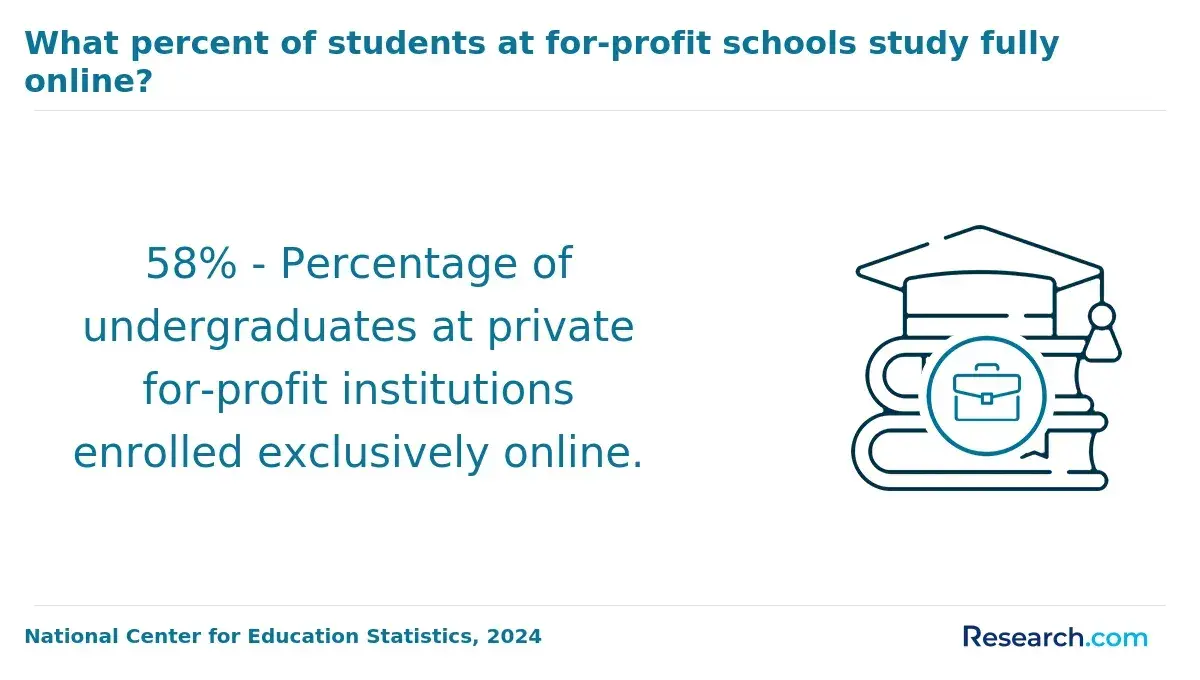
Programs offered online in community health provide flexibility but often lack the immersive practical training essential for behavioral health outreach roles, especially those focused on schools and youth. Employers expect demonstrable experience with direct client interaction, crisis intervention, and multi-agency collaboration—criteria more readily acquired through campus behavioral outreach education.
Campus programs incorporate local practicums and internships that build these skills and professional networks, critical for employment in school districts and youth-focused agencies.
Graduates aiming for licensed counseling or school certification frequently need in-person clinical hours mandated by many states, making campus pathways more suitable. Conversely, working adults already in the system may choose online options to upgrade credentials, accepting limitations in real-time skill practice and networking. The is between flexible credentialing versus immediate job readiness in community-facing roles.
According to the New York City Behavioral Health Career Roadmap, educational and vocational counselors earn an average salary of $77,665, illustrating the value of practical readiness over convenience. Online programs often emphasize theoretical knowledge and may suit mid-career professionals balancing schedules but with slower access to hands-on experience.
In evaluating an educational pivot, candidates should assess the balance between flexibility and immersive fieldwork. For those exploring an ADN to BSN or similar competitive paths, these distinctions shape not just credential attainment but eventual workforce integration.
What courses and skills are covered in community health specializations focused on behavioral outreach?
Behavioral outreach in community health demands more than foundational knowledge; it requires specialized skills to work effectively with justice-involved and other high-risk populations. For instance, probation officers must integrate multi-agency efforts involving criminal justice, social services, and public health to mitigate recidivism. This coordination depends heavily on expertise with risk assessments, confidentiality laws, and mandated reporting requirements.
Key training involves evidence-based assessment, crisis intervention, and culturally attuned communication, which supports engagement across diverse and marginalized groups. In practice, this translates into mastering motivational interviewing and trauma-informed care to build trust and improve behavioral outcomes.
Students face considerable challenges, including rigorous coursework paired with simulations and fieldwork that sharpen decision-making under ethical and time pressures. The evolving legal and policy landscape demands ongoing skill refinement. Professionals must also navigate occupational stress and burnout while managing collaborative interventions.
Workforce data from the NYC 2024 regional labor report show average salaries around $95,106 for these specialists, reflecting a premium on combining behavioral health expertise with justice system navigation. Students should weigh the tradeoffs of intensive training and systemic complexity against the practical advantage this specialization offers in employability and impact within underserved populations.
How do accreditation and program quality affect careers in community behavioral health outreach?
Accreditation directly shapes employability and salary potential in community behavioral health outreach by establishing eligibility for licensure and clinical positions. Many state licensing boards and hospital privileging committees require degrees from accredited programs, meaning graduates from unaccredited paths face significant barriers to employment in clinical and hospital-based roles.
Programs without recognized accreditation or updated curricula often fall short in providing essential practicum opportunities in integrated settings such as community clinics or hospitals, limiting graduates' exposure to critical skills like crisis intervention and patient coordination.
Employers prioritize verifiable clinical experience from accredited institutions, filtering out candidates lacking this background to mitigate liability and ensure quality care.
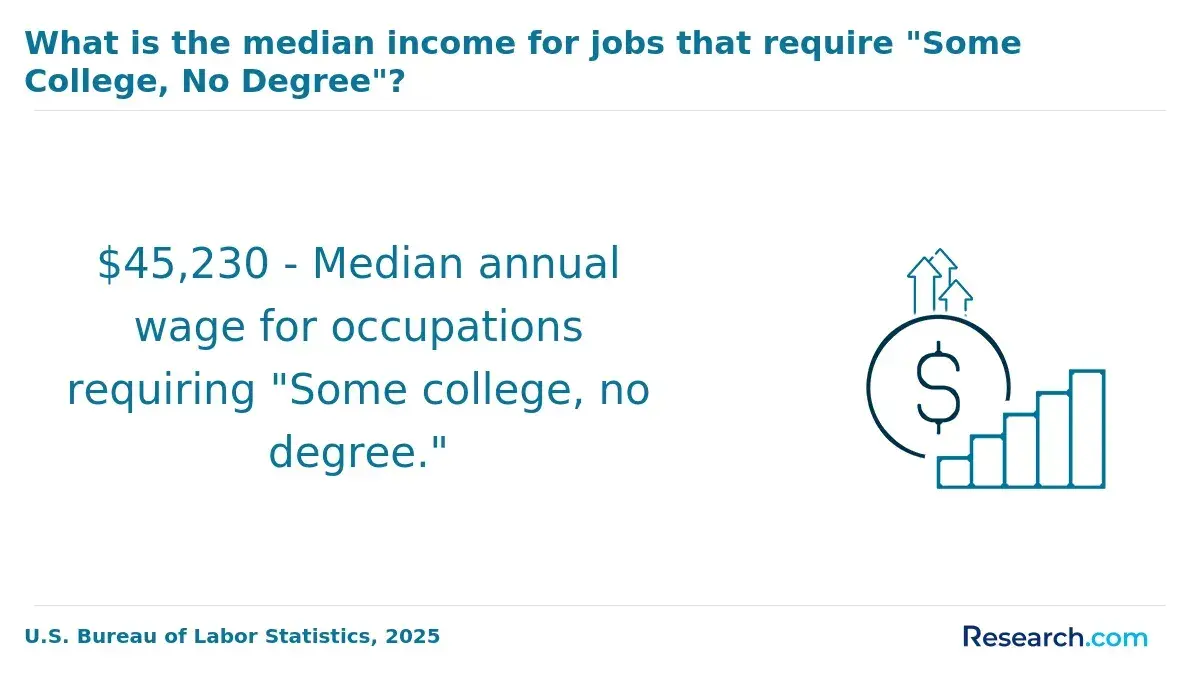
The U.S. Bureau of Labor Statistics reports a median healthcare social worker wage of $62,940, with employment in this sector projected to grow 9% over a decade, particularly within multidisciplinary teams in hospital environments. This demand reinforces the premium on training that aligns with integrated care models.
Candidates weighing cost savings from unaccredited programs should consider long-term tradeoffs, including restricted job mobility and lower wage ceilings. Careful evaluation of program quality, accreditation status, and clinical practicum settings is essential for those targeting a sustainable career pivot or advancement in behavioral health outreach within the healthcare system.
What admission requirements, program length, and typical costs should students expect?
Admission standards for behavioral health outreach programs emphasize foundational qualifications but vary markedly by level and target population. While a high school diploma suffices for basic certificates, advanced roles require a bachelor's in social work, psychology, nursing, or a related discipline.
Applicants with prior community service or healthcare experience gain a critical advantage, especially in programs serving rural or underserved regions, where practical readiness directly affects workforce efficacy. Background checks and immunization records remain standard due to field placement requirements, but standardized testing is rarely mandated.
Program durations reflect the depth of training and credentialing ambitions, ranging from 6 to 12 months for certificates, about two years for associate degrees, and four years for bachelor's degrees. Graduate-level certifications or master's degrees extend the pathway by 1 to 3 years and align with roles demanding clinical leadership or advanced intervention skills.
Financial considerations present tangible trade-offs. Community colleges offer associate programs between $3,000 and $8,000 total, whereas bachelor's degrees at four-year institutions can cost $20,000 to $50,000 per year, influenced heavily by in- or out-of-state status. Graduate tuition often surpasses $30,000 annually. Limited financial aid within this niche means candidates need to weigh upfront costs against strong workforce demand.
For example, more than 160 million Americans reside in behavioral health shortage areas per the HRSA's 2023 Behavioral Health Workforce Brief, highlighting persistence of opportunity despite economic friction.
Course content balances behavioral science, community health principles, and supervised fieldwork crucial for effective service in demanding environments. This curriculum blend reinforces the occupational readiness needed to navigate complex social determinants of health in underserved communities, directly impacting career versatility and employability.
What jobs can you get with a community health specialization in behavioral health outreach?
The demand for behavioral health outreach professionals in community health settings hinges largely on their ability to provide culturally and linguistically tailored services to minority populations. Employers routinely prioritize candidates who can bridge significant cultural and language gaps, since racial and ethnic minority groups make up over 40% of the U.S. population but represent less than 20% of licensed behavioral health providers.
This mismatch creates tangible barriers for practitioners lacking specialized training or experience in culturally responsive methods.
In practice, roles such as behavioral health outreach coordinator or peer support specialist often require bilingual skills or formal certification in culturally specific interventions. For example, a case manager in a public health department serving a predominantly African American neighborhood must navigate social determinants of health intertwined with historical mistrust and linguistic diversity.
Candidates without embedded cultural competencies or partnerships with local institutions may find themselves at a disadvantage despite general behavioral health expertise.
Advanced positions like program planners or policy analysts increasingly demand data literacy focused on evaluating outreach efficacy across diverse populations. Prospective students and professionals must weigh the tradeoff between broad behavioral health credentials and specialized cultural competence, as the latter often influences both employment prospects and salary potential.
What salary ranges and job outlook can community behavioral health outreach specialists expect?
Salary ranges for community behavioral health outreach specialists vary significantly by setting and credentials, typically spanning $40,000 to $65,000 annually. Entry-level roles in rural nonprofits generally align with the lower range, while licensed clinicians in urban hospital systems can exceed $70,000. The 12% job growth projection through 2030 anticipates demand will rise sharply due to expanded mental health services integrated into broader care models funded by government and insurers.
Employers increasingly prioritize telehealth proficiency, making digital competency a differentiator that can increase salaries by $3,000 to $5,000 annually. This shift complicates career planning for candidates in underconnected areas, where agencies often combine virtual outreach with on-site visits to mitigate client technology barriers.
Outreach workers managing hybrid service delivery tend to experience more stable employment and clearer advancement within integrated behavioral health teams, particularly in state-supported programs.
Budget limitations in smaller agencies restrict pay but offer varied roles that develop transferable skills. Conversely, hospital and insurance sector positions usually feature higher salaries, defined promotion paths, and benefits like loan repayment and professional development support.
Candidates must weigh regional demand, telehealth infrastructure, and credential requirements carefully to navigate this evolving occupational landscape effectively.
How do certifications, licensing, and background checks work for behavioral health outreach roles?
Behavioral health outreach careers impose strict credentialing and compliance demands that directly affect employability and job retention. Candidates must navigate a dual requirement: maintain valid certifications or licenses—such as Certified Community Behavioral Health Clinics (CCBHC) approvals or addiction counseling credentials—and pass rigorous background screenings focused on protecting vulnerable populations.
Employers routinely require fingerprint checks linked to federal and state databases, and failure to disclose past offenses or maintain current licensure often results in immediate dismissal or withdrawn offers.
For example, a community health worker engaged in youth mental health outreach may need to budget $200 annually for license renewal and complete 20 hours of continuing education. This poses financial and scheduling challenges that can deter entry or stall advancement despite a steady labor market demand.
Bureau of Labor Statistics data notes a median salary near $63,000 for health education specialists who often perform outreach duties, with projected growth at 4% through 2034—yet these figures mask industry preferences for candidates who can demonstrate continuous regulatory compliance.
Practical considerations for prospective behavioral health specialists include:
- Certification and licensing cost and renewal obligations
- Stringent background and fingerprint checks emphasizing criminal history clearance
- State-specific credentialing variations causing geographic mobility limitations
Success in this field often hinges on balancing upfront financial and administrative burdens with long-term career and employment durability.
Other Things You Should Know About Community Health
Workload balance is a frequent concern in community health behavioral outreach, as programs often require extensive fieldwork alongside academic commitments. Students and professionals must be prepared for irregular hours, including evenings and weekends, which contrast with more traditional schedules. Prioritizing programs with flexible field placement options or part-time formats can reduce burnout and improve completion rates.
Choosing a narrow specialization can increase expertise in high-demand areas like substance abuse or youth mental health, attracting employers with targeted programs. However, broader skill sets offer flexibility across different community health settings and can insulate against market fluctuations. Prospective students should assess local labor market demands and their career goals before deciding which approach to prioritize.
Securing internships or field placements with reputable agencies is critical, as practical experience heavily influences hiring decisions. Networking with community partners and attending local health workshops can also open doors to job opportunities. Students should focus on programs that integrate experiential learning with academic study to align closely with employer expectations.
References
- A Complete Guide to Careers in Behavioral Health Fields https://behavioralhealth.careers/blog/careers-in-behavioral-health-guide/
- The Emerging Field of Behavioral Health Paraprofessionals https://www.nga.org/publications/the-emerging-field-of-behavioral-health-paraprofessionals/
- Community Health Outreach Worker Jobs | Minnesota Council of Nonprofits Career Center https://jobs.minnesotanonprofits.org/q-community-health-outreach-worker-jobs.html
- Introduction to Behavioral Health | Behave Health https://behavehealth.com/blog/introduction-to-accreditation-in-behavioral-healthcare
- Behaviour Change Communication for Community Health offered to you by Accordemy® https://accordemy.com/behaviour-change-communication-for-community-health/
- Mental Health Outreach Worker Job Description, Qualifications and Salary | TrainSmart https://tsa.edu.au/careers/mental-health-outreach-worker-job-role/
- Careers https://www.publichealthdegrees.org/careers/
- Behavioral Health Career Descriptions | SAMHSA https://www.samhsa.gov/about/careers/behavioral-health-workforce/careers-by-state/descriptions
- First-year requirements https://admission.universityofcalifornia.edu/counselors/preparing-freshman-students/freshman-requirements.html
- Careers - Discovery Behavioral Health https://discoverybehavioralhealth.com/careers/