2027 Pediatric Nurse Practitioner Clinical Hours Requirements: What Counts and How to Complete Them

Co-Founder and Chief Data Scientist
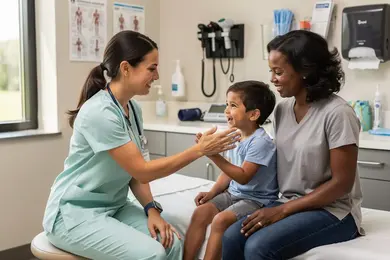
What qualifies as clinical hours in pediatric nurse practitioner programs often puzzles many current students balancing coursework and practicum training. Supervised clinical hours are essential for developing competencies in common pediatric care settings such as outpatient clinics, hospitals, and specialty practices. According to recent industry data, more than 85% of pediatric nurse practitioner graduates report completing at least 500 supervised clinical hours before licensing.
Understanding which experiences count and how to meet these requirements can impact timely program completion and professional readiness. This article clarifies what counts toward clinical hours and outlines how students typically fulfill clinical requirements in pediatric nurse practitioner programs.
Key Things to Know About Pediatric Nurse Practitioner Clinical Hours Requirements
- Clinical hours provide essential supervised hands-on experience, allowing pediatric nurse practitioner students to apply theoretical knowledge in real-world pediatric healthcare settings.
- The clinical placement process and approved training sites, such as hospitals and pediatric clinics, significantly influence where and how students complete required hours.
- Strict documentation, supervision, and evaluation protocols ensure students meet competency standards, which are crucial for successful completion and certification eligibility.
What Are the Clinical Hours Requirements for Pediatric Nurse Practitioner Programs?
Pediatric nurse practitioner programs generally require students to complete between 500 and 1,000 clinical hours to ensure comprehensive hands-on training. Approximately 85% of this clinical education occurs in direct patient care settings, offering crucial real-world experience. These clinical hours are designed to bridge theoretical learning with practical skills, allowing students to confidently manage pediatric patient care. Such training plays an essential role in preparing graduates for the complex demands of pediatric healthcare, reflecting pediatric nurse practitioner clinical training hour guidelines by state.
Clinical hour requirements are embedded in program completion standards, meaning students must meet these hours to earn their degree and advance toward certification. This integration ensures applied competency, fostering critical clinical reasoning and decision-making skills through continuous patient interaction. By mandating a consistent clinical experience, programs cultivate workplace readiness and professional confidence in pediatric nurse practitioner students. Those seeking accelerated healthcare education options might also explore programs like the fastest medical assistant program to complement their foundational clinical skills.
What Counts as Clinical Hours in Pediatric Nurse Practitioner Programs?
Clinical hour requirements in pediatric nurse practitioner programs are designed to provide students with hands-on experience that bridges classroom learning and real-world practice. Research indicates that engaging in experiential learning, such as supervised clinical work, can improve clinical reasoning skills by up to 40% compared to theoretical study alone. These practical experiences are essential for developing the competencies needed to deliver safe, effective pediatric care. Below are common activities that qualify as clinical hours in these programs.
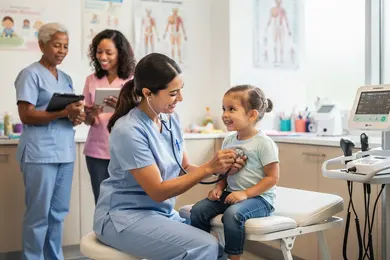
- Direct Patient Assessments: Conducting physical exams and health evaluations of infants, children, and adolescents under supervision allows students to apply clinical knowledge while honing their assessment skills.
- Diagnostic Testing: Performing or interpreting laboratory results and diagnostic procedures provides valuable insights into patient conditions and supports clinical decision-making.
- Health Promotion Activities: Participating in immunization clinics or nutritional counseling sessions helps students engage in disease prevention and community health initiatives.
- Chronic Illness Management: Collaborating on care plans for conditions like asthma or diabetes gives students experience managing long-term health issues in pediatric populations.
- Patient Documentation and Clinical Discussions: Recording patient histories and engaging with healthcare teams or preceptors in clinical reasoning discussions are critical for developing thoroughness and communication skills.
A pediatric nurse practitioner degree graduate shared that navigating clinical hour requirements was both challenging and rewarding. "Keeping track of diverse experiences while ensuring each hour met program standards took careful planning," he noted. He described moments of uncertainty around whether certain activities qualified but emphasized that regular guidance from mentors helped clarify the process. "It felt fulfilling to apply what I learned in real-time and to see the direct impact on patient care," he recalled, reinforcing how clinical hours truly enhance professional preparedness.

Do Clinical Hour Requirements Vary by State?
State regulatory agencies and licensing boards play a significant role in shaping the clinical hour requirements for pediatric nurse practitioner programs. Although national accrediting organizations provide general standards, approximately 10-15% of states have unique clinical hour policies that deviate notably from these baseline guidelines. These variations influence how clinical training is structured and completed for aspiring pediatric nurse practitioners.
- Total Hour Requirements: Some states enforce a higher minimum number of supervised clinical hours than national recommendations, reflecting local healthcare complexities or workforce demands.
- Approved Clinical Experiences: States differ in what types of clinical time qualify toward requirements, with some restricting hours to direct pediatric patient care while others allow broader settings like family or community health.
- Documentation Procedures: The way clinical hours must be recorded and verified varies, affecting students' ability to meet licensure prerequisites and the overall flexibility in accumulating hours.
- Submission Timing: While certain states require ongoing reporting of clinical hours throughout the training period, others permit consolidated submissions near program completion, impacting student pacing.
- Post-Graduation Hours: Some state boards mandate additional clinical hours after graduation during the transition to advanced practice licensure, extending clinical requirements beyond formal education.
Nearly 80% of experiential learning for pediatric nurse practitioner students takes place in direct patient care settings, highlighting the value of immersive clinical experiences. These environments provide essential opportunities to develop hands-on skills and clinical decision-making. Common settings for completing clinical hours include:
- Outpatient Pediatric Clinics: Students gain experience managing routine health maintenance, immunizations, and common illnesses. This setting emphasizes continuity of care and the principles of preventive medicine.
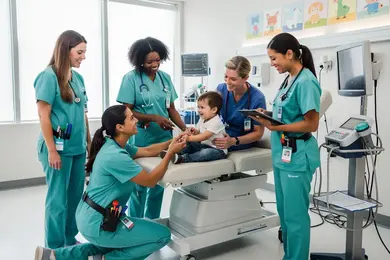
- Hospital Pediatric Units: Exposure to acute and chronic pediatric conditions, emergency care, and teamwork within multidisciplinary teams helps build competence in managing complex cases.
- Neonatal Intensive Care Units: Clinical hours in NICUs allow students to care for critically ill and premature infants, developing specialized skills in monitoring and life support techniques critical for neonatal care.
- School-Based Health Centers: These environments enable students to address developmental and behavioral health issues in children within community settings, prioritizing health promotion and early intervention strategies.
- Specialty Pediatric Practices: Students observe and participate in care within fields such as pediatric cardiology or endocrinology, gaining exposure to chronic and multisystem disorders that expand clinical knowledge.
Clinical placements in pediatric nurse practitioner programs provide essential supervised experience, linking students to practical, real-world pediatric care environments. Studies show that about 70% of professional competency is built through experiential learning during these placements. Below are common methods used for the assignment of pediatric nurse practitioner clinical rotations.
- Coordinator Assignment: Many programs use clinical coordinators who collaborate with healthcare facilities to assign students based on availability and educational needs, streamlining the clinical placement process for pediatric nurse practitioner students.
- Student Site Selection: Some programs allow students to identify and propose their own clinical sites, which must meet program standards and receive approval to ensure quality experiences aligned with pediatric clinical hour requirements.
- Rotation Scheduling: Students are often scheduled to rotate through multiple affiliated pediatric settings, providing diverse exposure to patient populations and specialties related to pediatric nurse practitioner clinical hours.
- Preceptor Matching: Effective placements consider preceptor availability, pairing students with experienced clinicians who can provide mentorship and meet accreditation benchmarks.
- Combined Approaches: Hybrid methods blend coordinator-assigned placements with student preferences to balance institutional agreements and individual learning goals.
Students interested in exploring options without traditional entry barriers might consider a nursing school without entrance exam.
Clinical hours for pediatric nurse practitioner programs cannot be completed entirely online but may be fulfilled part-time depending on the program. Approximately 60% of nursing programs have adopted hybrid models that blend online coursework with in-person clinical practice, reflecting a shift toward flexible learning. The necessity for hands-on, supervised patient care limits fully remote completion, as these experiences are critical for developing essential clinical skills. This balance between flexibility and requirement ensures effective training without sacrificing practical competence.
Some programs offer partial flexibility by allowing students to schedule clinical hours over extended timeframes or combine limited virtual activities, such as telehealth observation or case discussions, with direct patient encounters. Still, these online components only supplement in-person experiences rather than replace them. Supervised, face-to-face clinical interaction remains essential for mastering physical assessments and real-time decision-making. Programs design their curricula to maintain quality patient care skills regardless of hours being completed part-time or full-time.
When I spoke with a professional holding a pediatric nurse practitioner degree, she shared that balancing clinical hours with work and family was demanding but manageable through part-time scheduling. She recalled feeling both anxious and excited during early clinicals, especially when transitioning from simulated environments to live patient care. "The hands-on experience was invaluable," she said, noting that while some case reviews happened online, nothing replaced being physically present with patients. Her experience underscored that, although the process requires commitment and careful planning, it ultimately builds the confidence and competence needed for pediatric practice.
During pediatric nurse practitioner clinical hours, supervision is typically provided by experienced nurse practitioners, pediatricians, or other licensed healthcare professionals with expertise in pediatric care. This direct oversight is essential for both student learning and patient safety, ensuring that learners apply theoretical knowledge accurately in clinical environments. Research indicates that approximately 80% of skill acquisition in healthcare professions happens through supervised experiential learning, highlighting the critical role of effective supervision during training.
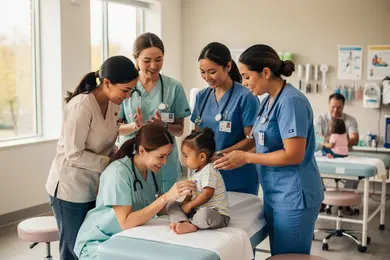
Supervision goes beyond simple observation; it actively facilitates skill development by offering mentorship, assessing student progress, and pinpointing areas needing improvement. This continuous guidance helps students build clinical competence, sharpen judgment, and improve communication with pediatric patients and their families. Pediatric nurse practitioner programs generally require that clinical hours be completed under continuous or readily accessible supervision, balancing oversight with growing student autonomy. This structured mentorship ensures professional readiness and supports adherence to best practices before students enter independent practice.
Tracking clinical hours is critical for pediatric nurse practitioner students to document their progress and fulfill program requirements. Nearly 90% of healthcare education programs rely on digital tracking tools to ensure accuracy and accountability in experiential learning documentation. Below are common methods used for tracking clinical hours in pediatric nurse practitioner programs.
- Digital Logging Systems: These platforms enable students to enter clinical hours in real time, often including reflections or notes. Integration with academic systems allows faculty and clinical supervisors to monitor ongoing progress efficiently.
- Supervisor Verification Forms: Completed by clinical preceptors, these signed forms confirm both the quantity and quality of clinical hours. They ensure that reported hours represent actual hands-on experiences under appropriate supervision.
- Attendance Documentation: Sign-in sheets or electronic check-ins at clinical sites verify student presence during direct patient care or related activities. This method adds an important layer of validation to reported clinical hours.
- Progress Reports: Submitted periodically by students or supervisors, these reports assess not only hours completed but also competency achievements. They give faculty valuable insights into skill development alongside raw hour totals.
- Academic Tracking Platforms: Some institutions use comprehensive systems that combine hour logging, supervisor evaluations, and competency assessments. This integration simplifies review processes and supports program accountability.
Students interested in efficient completion of their clinical hour requirements may explore options offered through a fast track program designed to support their educational goals.
Tracking clinical hours for pediatric nurse practitioner programs, using these verified methods, ensures the rigorous standards necessary for competent practice are met and documented thoroughly.
Clinical training demands significant effort from Pediatric Nurse Practitioner students, often leading to high stress levels. According to a study in the Journal of Nursing Education, over 60% of nursing students experience notable stress balancing clinical workload with academic duties. This pressure can create obstacles in completing clinical hours and gaining essential hands-on experience. Below are common challenges faced during clinical training.
- Balancing Academic Responsibilities: Managing coursework alongside intensive clinical hours requires strong time management. Failure to balance these demands can delay progress in pediatric nurse practitioner clinical training challenges and complicate clinical hour completion.
- Adjusting to Professional Environments: Clinical settings often have varying expectations for competence and communication. Students must quickly adapt to these differences, which can impact their confidence and ability to fulfill required clinical hours.
- Managing Clinical Schedules: Rigid and unpredictable clinical schedules may conflict with personal obligations, causing fatigue or burnout. This challenge frequently affects students' ability to consistently complete clinical hour requirements.
- Handling Emotional Stress: Caring for pediatric patients and families in critical situations requires resilience and empathy. Emotional strain can influence a student's performance and willingness to engage fully in clinical experiences.
- Adapting to Hands-On Learning: Students must rapidly translate theoretical knowledge to practical skills under supervision. This adjustment can be intimidating but is crucial for overcoming clinical hour completion obstacles for pediatric nurse practitioners.
For prospective students exploring pathways into nursing, programs such as ASN online offer accessible routes that prepare learners for these clinical demands.
Preparing thoroughly and remaining flexible are crucial for thriving during pediatric nurse practitioner clinical hours. Studies reveal that students engaged in active experiential learning can achieve up to 30% higher clinical performance compared to peers focusing only on theory. Mastering specific strategies enhances readiness for the dynamic clinical environment where adaptability is key.
Successful pediatric nurse practitioner clinical training techniques include:
- Effective Communication: Clear, respectful dialogue with preceptors, patients, and families facilitates accurate information exchange and builds trust, improving overall care quality.
- Time Management: Prioritizing tasks and organizing daily responsibilities helps students meet clinical hour requirements efficiently while maintaining balance and reducing stress.
- Professionalism: Exhibiting reliability, ethical conduct, and a positive attitude fosters credibility and a supportive environment among healthcare teams and mentors.
- Active Learning: Engaging proactively by asking questions and seeking feedback deepens understanding and strengthens practical skills essential for confident clinical practice.
- Adaptability: Staying flexible and open to change enables students to handle unexpected challenges effectively, enhancing critical thinking and emotional resilience.
These strategies align with effective study habits for pediatric nurse practitioner clinical hours and improve outcomes during experiential training phases. For further insight into career prospects, reviewing data such as the psychiatric mental health nurse practitioner salary can provide valuable context on long-term professional growth.
What Graduates Say About Pediatric Nurse Practitioner Clinical Hours Requirements
- Levi: "Completing the pediatric nurse practitioner clinical hours was challenging but extremely rewarding. I was impressed with how these hands-on experiences truly prepared me for real-world pediatric care. Although it required a financial investment, the cost felt justified given the invaluable skills I gained in my career."
- Ahmed: "Reflecting on my journey, the clinical hour requirements for the pediatric nurse practitioner program taught me patience and adaptability. The expenses involved were higher than I initially expected, but the structured mentorship during those hours made it worthwhile. Ultimately, these experiences shaped my confidence and professionalism in pediatric healthcare."
- Christopher: "From a professional standpoint, fulfilling the pediatric nurse practitioner clinical hours solidified my knowledge and enhanced my ability to provide excellent patient care. While managing the cost was a consideration, it was an investment that opened doors for advanced career opportunities. The hands-on practice was indispensable in making me a competent pediatric nurse practitioner."
Other Things You Should Know About Pediatric Nurse Practitioner Degrees
Yes. Pediatric nurse practitioner programs require students to develop and demonstrate proficiency in specialized pediatric assessment, diagnosis, and treatment skills. These include growth and development evaluations, administering immunizations, managing common pediatric illnesses, and performing age-appropriate physical examinations. Mastery of these core skills ensures readiness for advanced practice in pediatric healthcare settings.
In 2027, pediatric nurse practitioner students typically need to complete a minimum of 500 clinical hours for certification. This requirement ensures they gain sufficient practical experience under the supervision of qualified professionals, as mandated by certifying bodies like the Pediatric Nursing Certification Board.
Yes, if the site provides direct, supervised pediatric patient care and meets your program’s approved rotation standards. School-based clinics often count when students see children for primary care, immunizations, acute visits, and chronic condition follow-up under a qualified preceptor.
Programs usually require detailed logs or clinical portfolios documenting hours completed, types of clinical experiences, and supervisory signatures verifying student involvement and performance. Some programs use electronic tracking systems to monitor progress and ensure compliance with accrediting bodies. Accurate and timely documentation is essential for program completion and eligibility for certification exams.
- Rotation Ideas | PNCB https://www.pncb.org/rotation-ideas
- (PDF) Difficulties of Nursing Students During Clinical Training https://www.academia.edu/99003304/Difficulties_of_Nursing_Students_During_Clinical_Training
- FNP Clinical Rotation Sites: How to Find and Get Approved https://www.nphub.com/blog/find-fnp-clinical-rotation-sites
- 10 Tips for Success in Clinical https://www.chamberlain.edu/blog/10-tips-for-success-in-clinical
- Online Pediatric Nurse Practitioner (PNP) Programs | Maryville University https://nursing.maryville.edu/concentrations/pediatric-nurse-practitioner-online-program
- Pediatric NP Skills: 7 Traits You Need to Succeed https://www.herzing.edu/skills/pnp
- The Ultimate Beginners Guide to NP Clinical Rotations https://clickclinicals.com/blog/ultimate-beginners-guide-np-clinical-rotations
- How Long Does It Take to Become a Pediatric Nurse Practitioner? https://npdegrees.org/resources/how-long-does-it-take-to-become-pediatric-nurse-practitioner/
- How to Become a Pediatric Nurse Practitioner (PNP) https://nursinglicensemap.com/advanced-practice-nursing/nurse-practitioner/pediatric-nurse-practitioner-pnp/
- 2022 NTF Standards for NP Education https://apea.com/blog/NTF-Standards-Overview-41/