2027 Pediatric Nurse Practitioner Programs With Placement Support for Practicum or Clinicals

Co-Founder and Chief Data Scientist
Securing high-quality practicum or clinical placements remains a critical challenge for pediatric nurse practitioner programs, especially for students enrolled in online or hybrid formats who rely heavily on institutional support. This support varies widely across traditional universities and for-profit institutions, influencing graduates' readiness for licensing exams and their ability to transition smoothly into pediatric clinical roles.
Studies show that programs offering structured placement assistance see a 35% higher clinical site retention rate, underscoring how robust placement infrastructure impacts career outcomes. This article examines how placement support differs by program type and format, providing readers with tools to assess and select programs that genuinely facilitate clinical success.
Key Things to Know About Pediatric Nurse Practitioner Programs With Placement Support for Practicum or Clinicals
- Placement support quality ranges from direct clinical site partnerships offering tailored mentorship to minimal advisory services, impacting student readiness for real-world pediatric nurse practitioner roles.
- Online and hybrid programs often provide centralized placement coordination, while traditional institutions leverage local healthcare networks, creating varied practicum experiences.
- Robust placement support correlates with higher licensing exam pass rates and improved employment outcomes, making it essential for career advancement in pediatric nurse practitioner fields.
What Are Pediatric Nurse Practitioner Programs With Placement Support for Practicum or Clinicals, and Why Do They Matter?
Pediatric nurse practitioner programs with placement support for practicum or clinicals distinguish themselves by actively assisting students in securing and managing their clinical training sites.
Unlike programs that expect students to independently find and arrange their placements, often a difficult and time-consuming hurdle, these programs take a proactive role, vetting clinical sites, negotiating agreements, and providing dedicated placement coordinators.
This structured support is a hallmark of quality and directly influences the success of students' graduate pediatric nurse practitioner practicum placement support.
- Structured Support: Placement assistance is integrated into the curriculum and managed institutionally to align with accreditation standards and ensure meaningful clinical experiences.
- Independent Arrangement: Students in programs without placement support bear sole responsibility for securing clinical sites, which carries risks of delays and inadequate practicum quality.
- Student Success: Surveys demonstrate that graduates receiving institutional placement aid report higher practicum satisfaction and lower attrition rates.
- Credential Validity: Accreditation bodies stress verified, supervised clinical experiences. Programs providing this safeguard uphold eligibility for certification and licensure exams.
- Employer Perception: Graduates from programs with official placement networks are often preferred by employers, viewed as having reliable, standardized clinical training that improves hiring prospects.
This placement support is especially essential for students balancing work, family, or geographic limitations who need assured access to quality clinical sites. Understanding the degree and nature of placement support when comparing pediatric nurse practitioner programs is critical for licensing readiness and career success.
Prospective students should ask programs detailed questions about how placement sites are selected, whether dedicated coordinators assist them, and what outcomes can be expected based on alumni data.
Industries offering the highest mean and median starting salaries for pediatric nurse practitioner graduates often emphasize clinical rigor and experience:
- Hospital Settings: Children's hospitals and large healthcare systems providing complex pediatric care.
- Outpatient Clinics: Specialty pediatric clinics focusing on chronic conditions and preventative care.
- Community Health Centers: Facilities serving underserved populations with a broad scope of pediatric services.
For those interested in exploring programs with various entry standards, a helpful resource is available detailing the easy nursing schools to get into that may offer pediatric nurse practitioner programs with clinical placement assistance.
How Do Pediatric Nurse Practitioner Programs Define Practicum or Clinical Requirements, and What Counts Toward Completion?
Practica and clinical requirements in pediatric nurse practitioner programs exhibit notable variation but universally adhere to accrediting bodies' standards that drive essential training components. These programs generally mandate a range of supervised clinical hours, commonly between 500 and 1,000 clock hours, focused on direct patient care within pediatric settings.
All hours must occur under the guidance of qualified preceptors to ensure candidates demonstrate core competencies in pediatric assessment, diagnosis, treatment planning, and family-centered care.
- Clock Hours: Accrediting organizations like the Accreditation Commission for Education in Nursing (ACEN) and the Commission on Collegiate Nursing Education (CCNE) define minimum contact hours, but program lengths and depth vary, often reflecting regional demand or institutional focus.
- Site Types: Approved sites generally include pediatric primary care offices, hospitals, community health clinics, and pediatric specialty centers. Hours gained at non-approved sites or via observation-only or unpaid volunteer experiences do not satisfy clinical requirements.
- Competency Outcomes: Completion hinges on proving clinical competencies beyond attendance, such as comprehensive health assessments and evidence, based pediatric interventions. Programs with placement support often offer structured mentorship and evaluation tools for consistent competency tracking.
- Accreditation Standards: National accreditors enforce baseline practicum expectations but allow some flexibility. Programs with robust placement offices frequently exceed these minimums, enhancing clinical skill acquisition and the credential's marketability in competitive pediatric healthcare fields.
- Exclusions: Volunteer and observation-only engagements typically do not qualify, emphasizing hands-on, supervised experiences that align with licensure readiness.
- Credential Value Impact: The rigor and scope of a program's practicum directly influence the perceived value of the pediatric nurse practitioner credential, making careful selection crucial for success on licensure exams and in the job market.
Prospective students evaluating clinical placement criteria for pediatric nurse practitioner programs should inquire specifically about site approvals, supervision quality, and competency assessments during admissions to differentiate genuine placement support from nominal claims.
Those exploring flexible advancement options can consider MSN to DNP programs online that emphasize rigorous clinical placement support alongside coursework.
What Types of Placement Support Do Pediatric Nurse Practitioner Programs Actually Provide, and How Extensive Is It?
Placement support in pediatric nurse practitioner programs spans a wide range, from simply offering lists of approved clinical sites to fully managing every placement step with dedicated staff.
This spectrum reflects varying institutional resources and student needs, especially for those balancing employment or restricted by geography.
- Site Identification: Some programs supply databases of vetted clinical locations, allowing students to independently pursue placements, while others form ongoing partnerships with pediatric healthcare providers to broaden options.
- Pre-Approval of Partner Organizations: Established programs formalize agreements with clinical sites to guarantee compliance with accreditation requirements and ensure appropriate pediatric patient access and supervision quality.
- Coordination of Student-Site Matching: More resource-intensive programs assign placement coordinators who collaborate closely with students and clinical sites-accounting for learning objectives, location preferences, and site capacity-to secure compatible placements efficiently.
- Liability Insurance Coverage: Some programs cover or arrange malpractice insurance for students, eliminating a common obstacle to clinical site acceptance.
- Supervisor Credentialing: In many cases, programs verify that clinical preceptors maintain current licenses and relevant pediatric expertise, aligning with regulatory standards.
- Placement Monitoring Throughout the Field Experience: Certain programs offer continuous oversight, periodically checking in to resolve issues and confirm that clinical hours and learning goals are met under proper supervision.
On-campus programs often leverage local healthcare networks for placement support, while online programs must implement more structured coordination due to dispersed student locations.
Not all programs with "placement support" in their literature have this infrastructure; candidates should require clear evidence of formal site agreements, dedicated personnel, and measurable placement success when evaluating options.
A professional who completed a pediatric nurse practitioner degree shared that navigating clinical placements without strong program support was stressful: "I spent weeks contacting sites with no response until the placement office stepped in to coordinate directly."
"The hands-on help, matching me to a site that understood my goals and provided necessary insurance coverage, was a turning point. It made a real difference in finishing clinical hours on time and feeling prepared for licensing." This experience underscores how critical comprehensive, active placement support is for student success and career readiness.
Online and on-campus pediatric nurse practitioner programs frequently differ in how they facilitate placement opportunities for students. These differences may affect access to internships, clinical sites, and professional networking.
- Geographic Reach: While on-campus pediatric nurse practitioner programs capitalize on well-established clinical sites near their campuses, enabling convenient access for placements, online programs face the challenge of serving students widely dispersed across states or regions. To address this, online programs often establish nationwide partnerships or agreements with multiple healthcare facilities to broaden student options.
- Partnership Models: Traditional programs benefit from longstanding collaborations with local health providers, streamlining students' clinical placements. In contrast, online programs typically use regional placement coordinators who work individually with students to find suitable sites. These programs also rely on reciprocal agreements with various healthcare institutions to expand practicum availability for their geographically scattered students.
- Licensing Considerations: State licensing reciprocity can complicate clinical placement for pediatric nurse practitioner students in online programs. Since clinical practice must comply with state-specific regulations, students often require placements within states where they hold or intend to secure licensure, which can restrict placement options compared to on-campus peers.
- Support Services: Online programs attempt to replicate the mentorship and oversight found on campus by offering virtual site visits, preceptor training, and comprehensive placement guidance. However, variability in clinical site quality and availability tends to be higher in online settings.
- Questions to Ask: Prospective students looking at online pediatric nurse practitioner programs should inquire about the geographical reach of clinical partnerships, the level of placement assistance offered in their area, any fees linked to securing placements, and whether the program factors in student preferences and circumstances during the site selection process.
Even with robust networks, online programs sometimes face challenges placing students in highly competitive or specialty pediatric clinical environments often accessible through campus-based affiliations, potentially limiting exposure to niche patient populations.
The contrasts in online versus on-campus pediatric nurse practitioner clinical placement support highlight the importance of careful program evaluation. For those exploring flexible learning paths, reviewing these differences, while referencing accredited self-paced online courses, can ensure informed decisions about practicum readiness and career outcomes.
The practicum and clinical experiences included in pediatric nurse practitioner programs are typically subject to accreditation guidelines. These standards help ensure that placements align with professional and educational expectations.
- National Accreditation: The primary national accreditors for pediatric nurse practitioner programs are the Commission on Collegiate Nursing Education (CCNE) and the Accreditation Commission for Education in Nursing (ACEN). Both require a well-defined clinical practicum component that includes a minimum number of supervised clinical hours-typically over 500 hours. These hours must be overseen by preceptors with appropriate certification or licensure. Additionally, programs must establish formal agreements with clinical sites that offer a varied pediatric patient base to ensure comprehensive clinical exposure.
- Regional Accreditation: Regional bodies like the Middle States Commission on Higher Education or the Higher Learning Commission set broader institutional standards that cover resource availability and administrative support for clinical education. While they do not specify detailed practicum hour requirements, their recognition guarantees the institution maintains infrastructure and organizational capacity to manage clinical placements effectively.
- Programmatic Discipline-Specific Accreditation: The National Organization of Nurse Practitioner Faculties (NONPF) provides curriculum guidelines specific to pediatric nurse practitioner tracks. These standards often override regional requirements by stipulating detailed expectations for practicum experiences, including qualifications for supervisors, appropriateness of clinical sites, and formal evaluation protocols for students during clinical rotations.
Programs with active accreditation from these entities typically have the relationships, quality control procedures, and verified supervisor credentials necessary to offer dependable clinical placement support.
Prospective students should confirm that their chosen program's clinical hour benchmarks meet the licensing and certification criteria of the state or employers where they intend to practice, since these standards can differ widely. This verification ensures the clinical placement support offered is authentic and professionally aligned rather than promotional.
Reflecting on accreditation's impact, a pediatric nurse practitioner graduate shared how critical these standards were during her clinical placement process. She recalled the initial challenges of securing a diverse pediatric site and how her program's established partnerships eased this task. Regular evaluations and qualified preceptors gave her confidence in developing essential competencies.
"Knowing the program met rigorous accreditation requirements," she noted, "helped me trust the clinical training I received was both comprehensive and respected by employers." Her experience underscores how accreditation translates directly into meaningful, structured practicum support that prepares graduates for successful careers.
Undergraduate GPA requirements for pediatric nurse practitioner programs generally fall between 2.75 and 3.0 across various institutions, ranging from large public universities to private nonprofit and accredited online programs. These minimums establish fundamental academic readiness for advanced clinical training.
Some programs with more competitive admissions set the bar higher, often requiring a GPA of 3.25 or above. Such elevated standards typically align with more selective practicum and clinical site placements, reflecting the connection between academic achievement and clinical preparedness.
Several programs may offer conditional acceptance to applicants whose GPAs slightly miss the threshold, usually contingent on completing extra coursework or demonstrating specific competencies before full enrollment.
It's crucial for applicants to consider both the program's stated minimum GPA and the average GPA of admitted cohorts, since the average often surpasses the baseline, revealing the competitive nature of admissions.
This distinction matters especially when evaluating pediatric nurse practitioner programs boasting structured support for practicum and clinical placements. Programs with stringent GPA criteria often maintain stronger partnerships with high-quality clinical sites and invest more in student success, which can impact licensing readiness and career outcomes.
Prospective students should weigh these factors carefully during application and admissions discussions to better assess institutional placement support and program rigor.
Since 2020, many pediatric nurse practitioner graduate programs have moved toward test-optional or test-free admissions, aligning with wider trends in health, social science, and education fields. This shift aims to reduce barriers and emphasize holistic candidate evaluation over standardized testing.
However, research-intensive universities and highly competitive clinical programs often still require GRE or similar exam scores. These programs argue that standardized tests provide an objective measure of academic readiness and help maintain a selective, rigorous cohort capable of succeeding in demanding coursework and clinical placements.
- Program Type: Research-focused and clinically selective programs tend to retain testing requirements to ensure students are prepared for intensive academic and practicum demands.
- They view standardized tests as an integral part of a comprehensive placement support system that aligns with licensing readiness and career outcomes.
- This approach signals a strong institutional investment in matching students to quality clinical sites and supporting practicum success.
- Admissions Strategy: Many programs with structured placement support now emphasize prior clinical experience, recommendations, and personal statements over test scores, using optional testing to allow more diverse applicant pools.
- Signaling Selectivity: The presence or absence of test requirements reflects differing institutional philosophies. Mandatory tests often indicate competitive programs, while test-optional policies underscore equity and broader access.
- Applicant Advice:
- Submit GRE scores only if they strengthen your application, especially if above average.
- If scores are below recommended ranges, highlight clinical experience and professional strengths instead.
- Contact admissions offices to understand how test scores factor into evaluations and how placement support functions independently of testing.
The typical duration of pediatric nurse practitioner programs with clinicals varies significantly based on the enrollment format and the level of practicum placement support provided. Full-time students often complete coursework and supervised clinical hours, usually around 500 or more, within two to three years.
However, because clinical requirements extend beyond academic coursework, the total program length is frequently longer than expected. Part-time students face an extended timeframe to complete pediatric nurse practitioner practicum requirements, generally three to four years, as they juggle fewer course credits with mandatory clinical hours.
Accelerated options sometimes compress this timeline to as little as 12 to 18 months, but they demand an intensive schedule and robust placement coordination to meet clinical hour requirements concurrently with classwork.
Programs offering strong placement support coordinate practicum sites and supervisors alongside coursework, enabling clinical experiences to occur simultaneously rather than sequentially, potentially shortening time to degree.
In contrast, programs requiring students to independently secure placements can encounter delays due to site availability, supervisor conflicts, or fit issues, risking timeline slippage of a semester or more.
Since timely completion of clinical hours is critical for licensing readiness, applicants should investigate average completion times and how involved institutions are in placement coordination. Alumni feedback on practicum scheduling challenges also provides valuable insight to distinguish high-quality placement support from programs that merely reference assistance.
For students exploring flexible graduate options, including those considering an online pharmacy school, evaluating placement support quality remains vital to ensure practical clinical training aligns with career goals.
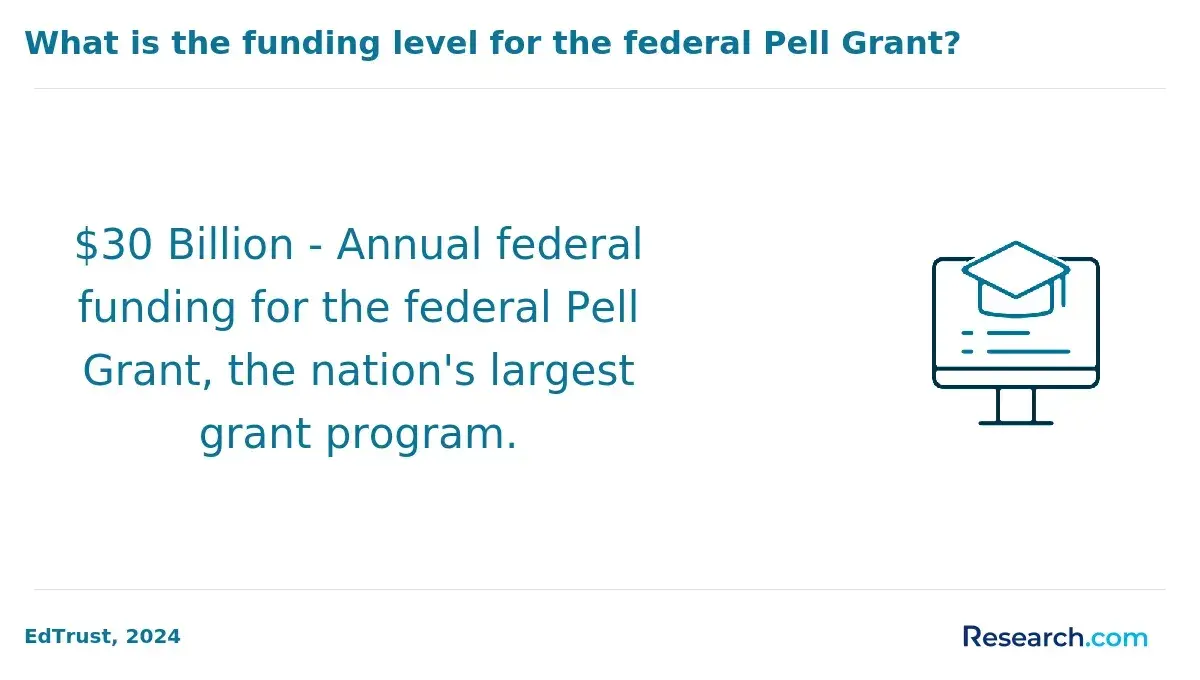
Tuition costs for pediatric nurse practitioner programs with clinical placement support typically range from moderate to higher than average compared to similar graduate nursing degrees.
Programs with dedicated clinical coordination staff, placement specialists, and partnerships with healthcare sites often include additional fees or surcharges to cover these resource-intensive practicum arrangements. These charges reflect the administrative and logistical efforts necessary to secure quality clinical placements, which are vital for hands-on training and licensing preparation.
Financial aid options for pediatric nurse practitioner practicum placement applicants can significantly reduce the overall cost burden. Common resources include:
- Federal Loans: Stafford and Grad PLUS loans offer graduate students borrowing support but require strategic repayment planning.
- Graduate Assistantships: Select programs provide work opportunities within nursing schools, granting tuition remission and stipends in exchange for research or teaching duties.
- Employer Tuition Benefits: Some working nurses receive partial or full tuition reimbursement aligned with employer career advancement plans.
- Scholarships and Grants: Professional bodies focused on pediatric nursing often award discipline-specific scholarships to ease financial barriers.
It is essential to evaluate the net cost of a pediatric nurse practitioner program, that is, the actual amount paid after financial aid, rather than relying solely on the sticker price.
Programs with strong placement infrastructure generally yield better employment outcomes, demonstrated by higher graduate employment rates and often stronger starting salaries, as disclosed in institutional data. These advantages can justify a higher tuition because they reduce time-to-degree and improve readiness for licensing exams and clinical roles.
When comparing programs, carefully weigh the total cost of attendance against the value of placement support, considering benefits such as:
- Risk Reduction: Effective placement services minimize delays in practicum experiences, helping prevent extended graduation periods.
- Licensing Readiness: Clinical experiences designed to meet state licensure requirements enhance timely eligibility.
- Career Outcomes: Partnerships with healthcare providers support better job placement rates and salary prospects.
Asking targeted questions about clinical placement resources during admissions will help distinguish programs with genuine hands-on support from those with superficial marketing claims. For students studying online or those looking to change careers, comparing these factors alongside tuition costs ensures a well-informed decision.
For applicants seeking program duration info, consider exploring options such as the shortest RN to BSN program as part of broader education planning.
Students enrolled in pediatric nurse practitioner programs with structured placement support often gain access to a wide variety of clinical and practicum sites through extensive affiliate networks.
- Site Variety: Placement options span multiple healthcare environments to meet differing student goals and clinical interests.
- Community Mental Health: Opportunities to work with pediatric behavioral and developmental cases.
- Hospitals and Specialty Clinics: Exposure to acute pediatric care and interdisciplinary teamwork.
- Schools and Government Agencies: Engagement in preventive care and public health initiatives.
- Private Practices and Rehabilitation Facilities: Focused training in outpatient management and therapies.
- Corporate Wellness: Experience in health promotion and pediatric occupational health programs.
The breadth of a program's clinical site network directly impacts students' ability to align placements with their preferred specialty or patient population. Rich networks foster greater clinical competence and confidence, key factors for licensure and career advancement.
Transparent programs often publish comprehensive site lists, placement rates, and alumni outcome data, clear signals of a well-developed and reliable placement system. This transparency assists prospective students in making informed comparisons beyond superficial claims of placement support.
Because site availability varies significantly according to program size, location, and maturity, applicants should inquire specifically about active clinical environments relevant to their geographic area and specialty interest to assess the sufficiency of the placement infrastructure before committing.
Effective clinical supervision is essential for pediatric nurse practitioner students completing practicum placements. Quality programs rigorously confirm that supervisors hold current, valid licensure and certifications recognized by authorities such as the National Task Force on Quality Nurse Practitioner Education or state nursing boards.
This vetting ensures supervisors possess advanced practice nurse credentials and sufficient supervisory experience prior to site approval.
- Credential Verification: Programs thoroughly check supervisor qualifications and maintain compliance with accreditation and licensing standards before endorsing clinical sites.
- Pre-Approval Audits: Potential placement sites undergo detailed evaluations to confirm supervisors' expertise, the suitability of the clinical environment for pediatric training, and adherence to supervision and clinical hour requirements.
- Continuous Oversight: Programs implement ongoing monitoring through student feedback, supervisor evaluations, and periodic site visits to sustain supervision quality throughout clinical rotations.
- Risk of Inadequate Supervision: If supervisors lack proper credentials, licensing boards may reject clinical hours, jeopardizing certification timelines and the development of essential clinical skills.
- Student Protections: Strong programs provide clear mechanisms for students to report concerns and seek reassignment or remediation if supervision falls short of standards.
Applicants should directly inquire how clinical supervisors are credentialed, how the program evaluates supervision quality during placements, and what steps are in place if supervisors fail to meet expectations.
These inquiries help distinguish programs with authentic placement support from those offering minimal oversight, impacting students' readiness for pediatric nurse practitioner licensure and professional success.
What Graduates Say About the Pediatric Nurse Practitioner Programs With Placement Support for Practicum or Clinicals
- Lexi: "The placement support I received during my pediatric nurse practitioner program truly exceeded my expectations. The staff actively connected me with clinical sites that matched my career goals, ensuring a high-quality practicum experience. I learned quickly that such support isn't uniform; programs affiliated with larger institutions often have extensive networks, whereas smaller schools may require more self-advocacy. This tailored placement assistance made a tangible difference when preparing for licensing, giving me the confidence and hands-on skills I needed."
- Ahmed: "Reflecting on my journey, I realize how critical the varying placement support was across different program formats. Online tracks, for instance, offered flexible scheduling but depended heavily on their partnerships to secure quality clinical experiences. Having reliable placement support was essential to me because it directly impacted my readiness for licensing exams and real-world patient care. Ultimately, the robust clinical exposure I gained opened doors to rewarding career opportunities that I might not have accessed otherwise."
- Christiana: "Professionally, the value of placement support during my pediatric nurse practitioner program can't be overstated. Effective coordination between faculty and clinical sites paved the way for practical learning that directly translated to competency in pediatric care. I noticed that institutions vary widely in how they support clinical placements, which makes it crucial to consider program type when selecting a school. This support was integral not just for meeting licensing requirements but also for securing a position in a competitive job market afterward."
Other Things You Should Know About Pediatric Nurse Practitioner Degrees
Pediatric nurse practitioner programs typically have contingency plans to address placement conflicts or site failures. These may include maintaining multiple clinical site partnerships to ensure alternatives are available, offering virtual or simulation-based clinical hours temporarily, and proactively reassigning students to new sites. Program coordinators work closely with students to resolve placement issues promptly, minimizing disruptions to clinical progression.
Students should assess the range and strength of clinical site partnerships each program offers, including access to diverse pediatric settings and patient populations. They should inquire about the program's process for site assignment, assistance with conflicts, and availability of simulation as a supplement. Alumni feedback on how effectively the program handled their clinical placements can also provide valuable insight into support quality.
Most programs require an active RN license, current BLS or ACLS certification, background check, drug screen, immunization records, and malpractice coverage before placement approval. Many sites also require a 10-panel drug test, TB screening, proof of health insurance, and a signed affiliation agreement before the first clinical hour.
- Pediatric Primary Care Guide | NPHub https://www.nphub.com/blog/np-pediatric-care-guide
- How To Become a Pediatric Nurse Practitioner | Betternurse.org https://betternurse.org/pediatric-nurse-practitioner/
- FAQ: Are there any online PNP programs that do not require the GRE for admission? https://www.onlinefnpprograms.com/faqs/online-pnp-programs-no-gre-required/
- Online FNP Programs vs. Campus-based FNP Programs https://www.nursepractitionerlicense.com/aprn-guide/online-fnp-programs-vs-campus-based-fnp-programs/
- Nurse Practitioner Education https://www.aanp.org/advocacy/advocacy-resource/position-statements/nurse-practitioner-education
- Do You Need to Take the GRE to Become a Nurse Practitioner? | ThriveAP https://provider.thriveap.com/blog/do-you-need-take-gre-become-nurse-practitioner
- How Long Does It Take to Become a Pediatric Nurse Practitioner? https://npdegrees.org/resources/how-long-does-it-take-to-become-pediatric-nurse-practitioner/
- Applying to NP School: What You Need to Know - BoardVitals Blog https://www.boardvitals.com/blog/applying-to-np-school/