2027 Pediatric Nurse Practitioner Practicum Requirements Explained

Co-Founder and Chief Data Scientist
Meeting practicum requirements poses a common challenge for students pursuing a pediatric nurse practitioner degree-especially amid rising expectations for rigorous supervised training, comprehensive background checks, and GPA thresholds commonly enforced by U. S. programs. Variability in state-specific rules and clinical placement settings can delay graduation or certification eligibility.
Recent data shows that over 60% of nurse practitioner students face practicum placement delays due to limited clinical sites and evolving supervision standards. Understanding these multifaceted requirements early helps students align academic progress with licensure timelines and workforce readiness. This article clarifies pediatric nurse practitioner practicum essentials and offers strategies to navigate these hurdles effectively.
Key Things To Know About Pediatric Nurse Practitioner Practicum Requirements
- Completing practicum hours provides essential hands-on experience-enhancing clinical skills and confidence in pediatric patient care under direct supervision.
- Field placements expose students to diverse pediatric settings-helping them adapt to various healthcare environments and patient needs.
- Supervised internships foster professional networking and mentorship-offering critical insights into pediatric healthcare career pathways and workplace expectations.
What Is A Practicum In Pediatric Nurse Practitioner Program?
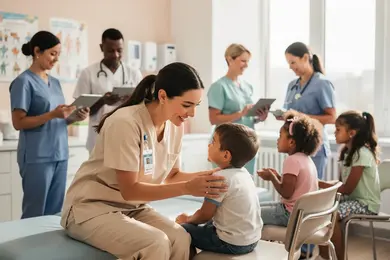
A practicum within pediatric nurse practitioner programs serves as an essential bridge between academic theory and real-world clinical practice, providing structured, supervised experiences in healthcare settings. Across U.S. higher education, practicums are commonly organized to ensure students obtain diverse, hands-on training-typically requiring between 500 and 600 clinical hours for program completion. Studies show that over 70% of pediatric healthcare employers prioritize candidates with extensive experiential learning outcomes when hiring.
The following key elements highlight how a practicum functions within pediatric nurse practitioner clinical practicum overview and requirements:
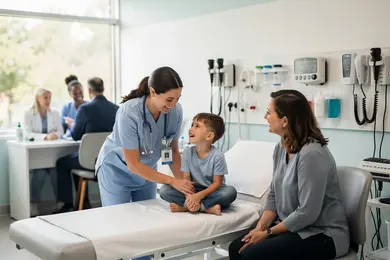
- Applied Clinical Training: Unlike internships or capstone projects that focus on broader learning or research, practicum placements emphasize direct patient care under supervision. Students engage with pediatric patients in hospitals, clinics, or community health centers, connecting classroom knowledge to practical skills in real time.
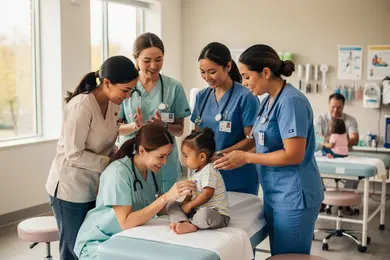
- Supervised Skill Development: Licensed pediatric nurse practitioners or physicians closely monitor student progress through structured evaluations and feedback. This supervision ensures that students develop critical clinical competencies, maintain patient safety, and meet program learning outcomes.
- Timing and Placement: Practicums usually occur after foundational coursework in nursing theory, pharmacology, and pediatrics is completed. Programs often require students to fulfill eligibility conditions, including current nursing licensure and immunization verification, before beginning clinical hours.
- Accreditation and Graduation Criteria: Successful practicum completion is mandatory for graduation and certification eligibility, reflecting accreditation standards that emphasize real-world readiness. These requirements distinguish practicum experiences as a vital component in preparing students for pediatric nurse practitioner roles.
- Career Relevance: Practicums enhance job-relevant competencies and expand professional networks, giving students competitive advantages upon entering the workforce. Incorporating applied learning through clinical fieldwork is a strategic asset supporting career development.
For students looking to complement their clinical skills, related educational options including medical coding classes can further broaden healthcare expertise and career opportunities.
What Are The Eligibility Requirements For Pediatric Nurse Practitioner Practicum?
Practicum eligibility standards in pediatric nurse practitioner programs exist to ensure that students enter clinical environments with the necessary academic and professional preparation-as this safeguards patient safety and reinforces educational quality. Over 85% of nursing graduate programs emphasize practicum readiness, reflecting employer expectations for graduates who are work-ready and capable of delivering competent pediatric care. These requirements are critical in bridging theoretical knowledge with practical application in healthcare settings.
Common eligibility criteria include the following:
- Minimum GPA: Most pediatric nurse practitioner programs require a cumulative GPA of around 3.0 or higher. Maintaining this academic benchmark confirms that students have a strong grasp of essential concepts crucial for advanced clinical practice and supports academic retention and success in demanding fieldwork.
- Prerequisite Coursework: Completion of foundational courses in advanced pathophysiology, pharmacology, and pediatric health assessment is mandatory. This prerequisite coursework for pediatric nurse practitioner practicum equips students with vital clinical reasoning and critical thinking skills specific to pediatric populations.
- Faculty Approval: Programs typically mandate formal endorsement from faculty or clinical coordinators. This evaluation process considers students' demonstrated competencies, professionalism, and readiness based on academic performance and prior clinical experience.
- Health and Background Clearances: Students must comply with institutional health policies-including immunizations, drug screenings, criminal background checks, and liability insurance. These safeguards protect vulnerable pediatric patients and comply with facility regulations.
- Enrollment Status: Active enrollment in a pediatric nurse practitioner graduate program is required, often paired with good academic standing and no unresolved disciplinary issues. Such status ensures students demonstrate professionalism and commitment before engaging in supervised clinical rotations.
For students exploring various training options, reviewing online nursing programs can provide pathways to meet practicum requirements while balancing other responsibilities.
How Many Practicum Hours Are Required For Pediatric Nurse Practitioner Program?
Practicum hour requirements serve as essential benchmarks in pediatric nurse practitioner programs to ensure students acquire supervised clinical expertise and readiness for professional certification. These mandates differ by institution, state laws, and accrediting organizations-with most programs aligning with national standards that emphasize hands-on patient care. Research indicates employers highly value graduates' extensive clinical training as a predictor of job performance and patient safety.
The main considerations shaping practicum hour mandates in pediatric nurse practitioner education include:
- Typical Hour Ranges: Programs usually require between 500 and 1,000 hours of practicum work. Master's level curricula often set lower minimums compared to doctoral programs, reflecting increased clinical competency expectations at advanced degree levels.
- Observation Versus Hands-On: Practicum hours encompass both observational experiences and active patient care. Direct clinical involvement occupies the majority of hours to foster diagnostic and treatment skills critical for pediatric healthcare delivery.
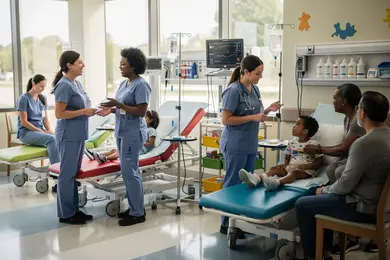
- Phased Practicum Structure: Students progress through multiple clinical rotations in diverse pediatric settings-ranging from outpatient clinics to inpatient hospital units-promoting breadth and depth of clinical exposure.
- Supervision and Verification: Every practicum hour must be documented and validated by licensed preceptors or faculty supervisors. This oversight ensures accountability and that clinical objectives are met.
- Scheduling and Timeframes: Most programs expect students to complete a set minimum of practicum hours weekly, spread over a semester or the full academic year. This schedule supports steady skill acquisition alongside academic coursework.
A professional who completed a pediatric nurse practitioner practicum recounted that balancing intense clinical hours with coursework demanded rigorous time management. He recalled moments "where the fast pace and emotional weight of patient care were challenging," but found the diverse clinical rotations invaluable for "developing confidence and honing skills under close supervision." His experience highlighted that surpassing the minimum hour requirement felt essential for truly mastering pediatric assessment and intervention-reinforcing that practicum hours are a critical foundation rather than just a graduation formality.
Prerequisite coursework establishes the essential academic foundation that prepares students for the demands of practicum settings, ensuring they can effectively apply theoretical knowledge in clinical environments. Studies show that programs with sequenced prerequisite classes see a 25% increase in readiness for experiential learning, highlighting the importance of structured preparation before field experiences. This is especially relevant for those pursuing pediatric nurse practitioner core prerequisite courses, where foundational skills are critical.
Typical prerequisite coursework includes the following key areas:
- Core Theory: Foundational courses cover anatomy, physiology, pathophysiology, and pharmacology, providing students with a comprehensive understanding of bodily functions and medical conditions. This knowledge is vital for accurate pediatric patient assessment during practicum.
- Professional Ethics: Instruction on legal principles, patient confidentiality, and ethical decision-making fosters responsible clinical behavior and adherence to healthcare regulations, which are crucial before entering supervised practice.
- Research and Assessment Methods: Students learn to critically analyze scientific literature and utilize evidence-based practices. These skills enable integration of current research into clinical decisions and support accurate health assessments.
- Communication Skills: Training emphasizes effective interaction with children, families, and healthcare teams. Developing cultural competence, empathy, and documentation skills prepares students for the collaborative nature of practicum work.
- Field-Specific Competencies: Coursework tailored to pediatric nurse practitioner practicum focuses on growth and development, behavioral health, or chronic illness management to deepen specialized expertise required in pediatric settings.
Prerequisite requirements vary across nursing, psychology, counseling, education, and allied health programs, reflecting differences in professional scope and practicum expectations. In all cases, academic progression and curriculum sequencing determine practicum eligibility, ensuring students possess the competencies necessary for applied learning. For example, students interested in healthcare roles benefit from understanding career pathways impacting compensation, such as medical coder salary trends, which emphasize the value of thorough prerequisite training.
The practicum placement process in Pediatric Nurse Practitioner programs connects classroom learning with essential clinical experience by coordinating hands-on training at approved external sites. Institutions manage these placements carefully to ensure students meet professional standards and receive practical exposure crucial for their development. Research indicates over 85% of healthcare employers prioritize experiential learning when hiring new graduates, underscoring the value of structured clinical placements.
The main phases of this process include:
- Eligibility Verification: Programs first confirm that students have completed all required coursework and meet health, immunization, and background screening criteria to ensure readiness for clinical engagement.
- Application and Matching: Students submit preferences or are assigned practicum locations based on availability and educational fit, often facilitated by a dedicated coordinator who bridges student interests with appropriate host sites.
- Host Site Communication: Institutions collaborate with clinical partners-such as hospitals or pediatric clinics-to arrange placements, establishing clear agreements on supervision, scope of practice, and scheduling aligned with accreditation requirements.
- Interview and Screening: Certain placements require students to participate in interviews or assessments by host organizations to evaluate interpersonal skills, professionalism, and clinical aptitude.
- Faculty Oversight: Throughout the practicum, faculty or preceptors maintain ongoing evaluation, site visits, and guidance to monitor student progress and ensure learning objectives are met.
- Onboarding and Compliance: Students complete mandatory orientations covering safety protocols, electronic health record training, and insurance confirmation before starting clinical hours, with timely completion critical for coursework progression.
Reflecting on her practicum experience, a professional who launched her career after graduating shared how navigating clearance requirements and coordinating interviews initially felt overwhelming. She emphasized that consistent communication between school faculty and clinical sites helped clarify expectations and resolve delays. The structured oversight and hands-on learning ultimately strengthened her confidence and clinical skills, proving essential for transitioning successfully into pediatric healthcare practice.
Pre-practicum documentation is vital to confirm Pediatric Nurse Practitioner students are qualified for clinical placements while ensuring compliance with regulatory and institutional standards. Clear submission protocols reduce onboarding delays-research indicates that over 85% of health programs see better student adherence and fewer scheduling setbacks when documentation requirements are well defined.
Students typically must provide several key documents before starting their practicum:
- Practicum Application: This form officially begins the placement process by detailing student information, preferred clinical areas, and confirmation of prerequisite coursework. Timely submission is essential to allow coordinators to secure suitable clinical sites and begin approval workflows.
- Institutional Approvals: Verification of academic standing and adviser endorsements demonstrates that students meet the school's criteria. These approvals often require completion of specific coursework or training modules and should be obtained early to avoid delays.
- Medical Clearance and Immunizations: Up-to-date records of physical health and vaccinations-including influenza, hepatitis B, and MMR-are mandatory. These protect patients and students by minimizing infection risks in clinical environments and generally must be verified by a healthcare provider.
- Background Checks and Drug Screens: To ensure patient safety and meet legal standards, students undergo criminal history reviews and substance testing. Any gaps or late submissions in this paperwork can halt placement until clearances are confirmed.
- Liability and Confidentiality Agreements: Students sign documents that outline responsibility for patient privacy and adherence to clinical protocols. These agreements protect both the student and the institution by setting clear professional expectations.
- Site-Specific Onboarding Forms: Depending on the clinical facility, additional paperwork such as insurance verification, emergency contacts, or orientation acknowledgments may be required. These materials ensure compliance with unique site policies and must be completed before starting the practicum.
Pre-practicum compliance requirements ensure a safe, legal, and professional environment for students and the vulnerable populations they serve during clinical placements. These clearances protect public health and institutional integrity, with over 90% of healthcare education programs strengthening background and health screening standards to meet regulatory demands.
Common prerequisites for practicum eligibility include:
- Criminal Background Checks: Programs require comprehensive criminal history reviews including state and federal databases and fingerprinting to verify suitability for working with children. These checks uphold legal mandates and protect patient safety.
- Immunizations and Health Screenings: Documented vaccinations for MMR, varicella, hepatitis B, and annual flu shots are typically mandatory. Tuberculosis testing-via skin or blood test-is required to prevent disease transmission during clinical experiences.
- CPR Certification: Current Basic Life Support (BLS) certification for healthcare providers is universally required to ensure readiness in emergency interventions while on practicum site.
- Drug Screening and Occupational Health: Some clinical sites mandate drug testing and other occupational health clearances to comply with workplace safety and legal regulations protecting patients and practitioners.
- Documentation & Renewal: Timely submission and ongoing maintenance of all required documents are essential. Immunizations and certifications must often be renewed every one to two years, depending on institutional policy.
Practicum placements in pediatric nurse practitioner programs connect academic theory with supervised clinical experience, offering students essential hands-on learning in real-world healthcare settings. As experiential learning becomes a key element in higher education and workforce readiness, 87% of nurse practitioner employers now prioritize candidates with practicum experience during hiring decisions. These placements help bridge the gap between classroom knowledge and practical application, building critical skills and confidence for future clinical roles.
Students should expect several key components during their pediatric nurse practitioner practicum placement, including:
- Clinical Responsibilities: Students engage in direct patient care such as conducting health assessments, assisting in care planning, and monitoring pediatric patients under supervision. These day-to-day responsibilities develop essential clinical reasoning and decision-making skills in a controlled environment, reflecting typical challenges faced in practice.
- Supervision and Mentorship: Experienced nurse practitioners or physicians provide close oversight throughout the practicum, offering guidance, feedback, and evaluations. This mentorship supports professional growth, helping students navigate complex clinical scenarios with confidence and fostering effective clinical judgment.
- Professional Conduct: Adherence to ethical standards and workplace policies is critical. Students must maintain patient confidentiality, demonstrate punctuality, and communicate effectively with healthcare team members, reflecting the high standards expected in clinical settings.
- Performance Evaluation: Regular assessments measure progress based on clinical competencies, patient interactions, and documentation accuracy. These evaluations typically include direct observation and reflective discussion aimed at identifying strengths and areas for improvement.
- Skill Development: Practicums focus on building practical skills such as physical examinations, patient education, and pharmacologic management. Repeated practice in these areas strengthens procedural knowledge and clinical confidence.
- Communication Practices: Students learn to manage interdisciplinary communication and effectively interact with families and caretakers. This experience enhances the interpersonal skills vital for pediatric healthcare delivery and collaborative practice.
Understanding the pediatric nurse practitioner practicum supervision expectations is essential for maximizing educational outcomes and professional competence. The structured mentorship provided ensures that students meet rigorous standards while preparing for the complexities of pediatric patient care. Furthermore, familiarity with the day-to-day responsibilities during pediatric nurse practitioner practicum solidifies the connection between theory and clinical practice, fostering readiness for certification and employment.
For those interested in furthering their foundational science knowledge before entering such programs, consider exploring the best online biology degree, which supports career pathways into nursing and healthcare fields.
Supervision and evaluation in pediatric nurse practitioner practicum experiences ensure students develop clinical skills, professionalism, and readiness for independent practice. These processes support student development and academic accountability through structured oversight commonly implemented across U.S. educational programs. Recent research shows that timed assessments and feedback can improve student competence by up to 30% in clinical settings, highlighting the value of experiential learning.
Supervision and evaluation encompass multiple roles and methods designed to ensure quality learning outcomes and workplace preparedness. Key components include:
- Supervisory Roles: Practicum students receive guidance from clinical preceptors, site coordinators, and faculty advisors who collaboratively oversee progress. Preceptors focus on direct clinical supervision, while faculty ensure academic alignment with program standards and competencies.
- Ongoing Guidance: Regular communication, through meetings, case discussions, and informal check-ins, provides continuous support and timely identification of areas needing improvement. This dynamic dialogue fosters reflective learning and professional growth throughout the practicum.
- Feedback Delivery: Constructive feedback is delivered both verbally and in writing, emphasizing clinical decision-making, procedural skills, and professional conduct. This continuous feedback loop supports students in meeting evaluation criteria for pediatric nurse practitioner practicum students and promotes incremental improvement.
- Assessment Methods: Evaluation employs direct observation, competency checklists, reflective journal reviews, and periodic performance assessments. These tools comprehensively measure practical skills, critical thinking, communication, and adherence to ethical standards.
- Documentation and Review: Student performance is recorded systematically via reports or electronic portfolios, with faculty and clinical teams conducting periodic progress reviews. Final comprehensive evaluations determine practicum completion and eligibility for certification or graduation.
- Institutional Variations: Though supervision frameworks are consistent, variations exist across disciplines and accrediting bodies. All models emphasize accountability, student safety, and workforce readiness, supporting preparation for professional pediatric nursing roles.
For students exploring options to enhance their clinical education, programs offering flexible, accredited degrees like the best kinesiology programs also demonstrate strong practicum supervision models that prepare graduates effectively for workforce demands.
Practicum experiences are integral to meeting licensure and certification criteria for pediatric nurse practitioner students-offering supervised clinical exposure that bridges academic learning with industry regulations. Studies indicate that more than 85% of healthcare employers now prioritize applicants who have completed accredited practicum hours, underscoring the value of hands-on training for professional readiness. These placements ensure students gain practical competencies and fulfill regulatory mandates.
Key aspects of practicum requirements include:
- Clinical Hours: Students accumulate essential fieldwork hours mandated by certification boards, providing real patient care experience necessary to qualify for licensure examinations.
- Competency Benchmarks: Performance evaluations focus on clinical reasoning and skills vital for pediatric nurse practitioner roles, confirming students' preparedness to deliver safe, independent care.
- Structured Supervision: Licensed preceptors oversee students' clinical activities, ensuring compliance with accreditation standards and fostering accountable, guided learning environments.
- Documentation and Verification: Academic programs meticulously record practicum completion, including verified hours and supervisor assessments, which support accreditation and licensure applications.
- Cross-Disciplinary Standards: Similar practicum frameworks apply across related fields such as pediatric counseling and education, where supervised experience is critical for certification eligibility.
What Do Students Say About Their Pediatric Nurse Practitioner Practicum Experience?
- Levi: "My practicum journey as a pediatric nurse practitioner student was both challenging and rewarding. Initially, navigating the eligibility requirements caused some delays, which was frustrating, but it pushed me to stay organized and proactive. I was pleasantly surprised to find that the supervision was very hands-on, with my preceptor providing detailed feedback after each session-this significantly boosted my confidence. Overall, the experience exceeded my expectations in preparing me for real-world pediatric care."
- Ahmed: "Reflecting on my pediatric nurse practitioner practicum, I found the placement process more complex than anticipated due to varying institutional policies on student eligibility. While I hoped for more diverse clinical exposure, my placement concentrated heavily on outpatient pediatrics, which shaped my focus effectively but left me curious about inpatient care. The evaluation methods were strict but fair, emphasizing critical thinking and patient communication skills-key areas I continue to develop with pride."
- Christopher: "During my practicum for pediatric nurse practitioner studies, I encountered some unexpected administrative hurdles regarding credential verification that delayed my start. However, the supervisory approach was very professional and structured, involving frequent assessments and constructive discussions about my clinical decisions. This rigorous evaluation process made me feel well-prepared and confident in my ability to provide high-quality pediatric care in diverse settings."
Other Things You Should Know About Pediatric Nurse Practitioner Degrees
The pediatric nurse practitioner practicum is designed to develop key competencies including clinical assessment skills, pediatric-specific diagnostic reasoning, and family-centered care approaches. Students also enhance communication techniques tailored to children and caregivers, as well as gain experience with pediatric pharmacology and health promotion. These competencies are essential for providing holistic care in diverse pediatric settings.
Yes, practicum placements may occur in various settings such as outpatient clinics, hospitals, community health centers, or specialty pediatric practices. Each environment offers unique learning opportunities-ranging from acute care to chronic disease management-that help students understand the full spectrum of pediatric healthcare. This variety prepares students for the diverse roles pediatric nurse practitioners may assume after graduation.
Programs usually require a signed practicum agreement, proof of RN licensure, current immunization records, CPR certification, background check results, and malpractice coverage. Many also require a site approval form and a learning contract before the student starts direct patient hours.
Mentorship is crucial in the 2027 pediatric nurse practitioner practicum, providing guidance and support to students as they apply classroom knowledge in clinical settings. Mentors help students refine clinical skills, navigate patient interactions, and develop professional competencies essential for pediatric care.
- How to Become a Pediatric Nurse Practitioner https://www.coloradotech.edu/degrees/studies/nursing/articles/how-to-become-a-pediatric-nurse-practitioner
- MACP Practicum Portal https://practicum.yorkvilleu.ca/students/practicum-information/
- Immunization Requirements in Healthcare Higher Education https://blog.verifiedcredentials.com/immunization-requirements-in-healthcare-higher-education
- How to Become a Pediatric Nurse Practitioner (PNP) https://nursinglicensemap.com/advanced-practice-nursing/nurse-practitioner/pediatric-nurse-practitioner-pnp/
- Navigating Clinical Placement Challenges for NP Students https://preceptorpoint.com/blog/f/navigating-clinical-placement-challenges-for-np-students
- Education and TrainingNurse Practitioner Clinical Practicum https://www.cincinnatichildrens.org/education/clinical/student-grad/nurse-practicum
- How to Become a Pediatric Nurse Practitioner https://credenzahealth.com/career-advice/how-to-become-a-pediatric-nurse-practitioner
- Q. Are there eligibility requirements prior to starting the internship/clinical practicum? https://chat.library.berkeleycollege.edu/faq/195897
- What are background checks and security clearances? https://help.usajobs.gov/faq/job-announcement/security-clearances
- SECTION 3: PROFESSIONAL PRACTICE - CACREP https://www.cacrep.org/section-3-professional-practice/