2027 How to Become a Caregiver: Certification Requirements in Alabama

Co-Founder and Chief Data Scientist
Becoming a caregiver in Alabama can mean different things depending on the job you want. A non-medical caregiver who helps with meals, mobility, companionship, and daily routines follows a different path than a Certified Nursing Assistant (CNA) working in a licensed healthcare setting. That distinction matters because training hours, exams, renewal rules, and employer expectations are not the same for every caregiving role.
Alabama’s need for care workers is rising as the state’s senior population grows, with caregiving jobs expected to increase by 25% by 2030. For job seekers, that creates an accessible entry point into healthcare and human services. For families and employers, certification and training help confirm that caregivers understand safety, client rights, infection control, emergency response, and respectful personal care.
This guide explains how caregiver certification works in Alabama, where CNA requirements fit in, what training usually covers, how much programs may cost, how renewal and continuing education work, and which jobs may be available after training. It is designed for people comparing caregiver training options, deciding whether CNA certification is worth pursuing, or preparing to work with a home care agency, facility, or private client.
Quick Answer: How Do You Become a Caregiver in Alabama?
In Alabama, general non-medical caregivers typically complete basic caregiver training, pass required background checks, and meet employer documentation requirements. There is no single centralized state board for general caregiver certification. However, CNAs follow a more formal route: they must complete a state-approved training program of at least 75 hours, including 16 hours of supervised clinical practice, and pass the Alabama Nurse Aide Competency Exam.
The best path depends on where you want to work. If you want home companion or personal care work, a basic caregiver course may be enough for some employers. If you want to work in nursing homes, hospitals, skilled facilities, or roles involving hands-on nursing support, CNA certification is usually the stronger credential.
Key Things to Know Before You Start
- Know the role you are targeting. Basic caregiver, home health aide, and CNA jobs can have different training, supervision, exam, and renewal expectations.
- CNA training is more structured. Alabama CNA candidates complete at least 75 hours of approved training, including 16 hours of supervised clinical practice.
- General caregiver training may be shorter. Some basic caregiver programs describe an 8-hour training route, but employers may require additional instruction depending on the setting and client population.
- Background screening is important. Caregivers working with vulnerable adults, children, or disabled clients should expect criminal history and abuse registry checks.
- Renewal and continuing education rules vary. CNAs and HHAs commonly complete 12 hours of annual in-service training, while private caregiver certification renewal may depend on the certifying organization.
- Education needed for caregiver roles in Alabama
- Required training hours for Alabama caregivers
- What Alabama caregiver training programs teach
- Whether Alabama requires a caregiver exam
- How to apply for caregiver certification or employment
- Expected cost of caregiver training in Alabama
- Caregiver certification renewal timelines
- Continuing education expectations
- How caregivers can move into specialized roles
- Certified caregiver salary in Alabama
- Jobs available with caregiver certification
What education is required to become a certified caregiver in Alabama?
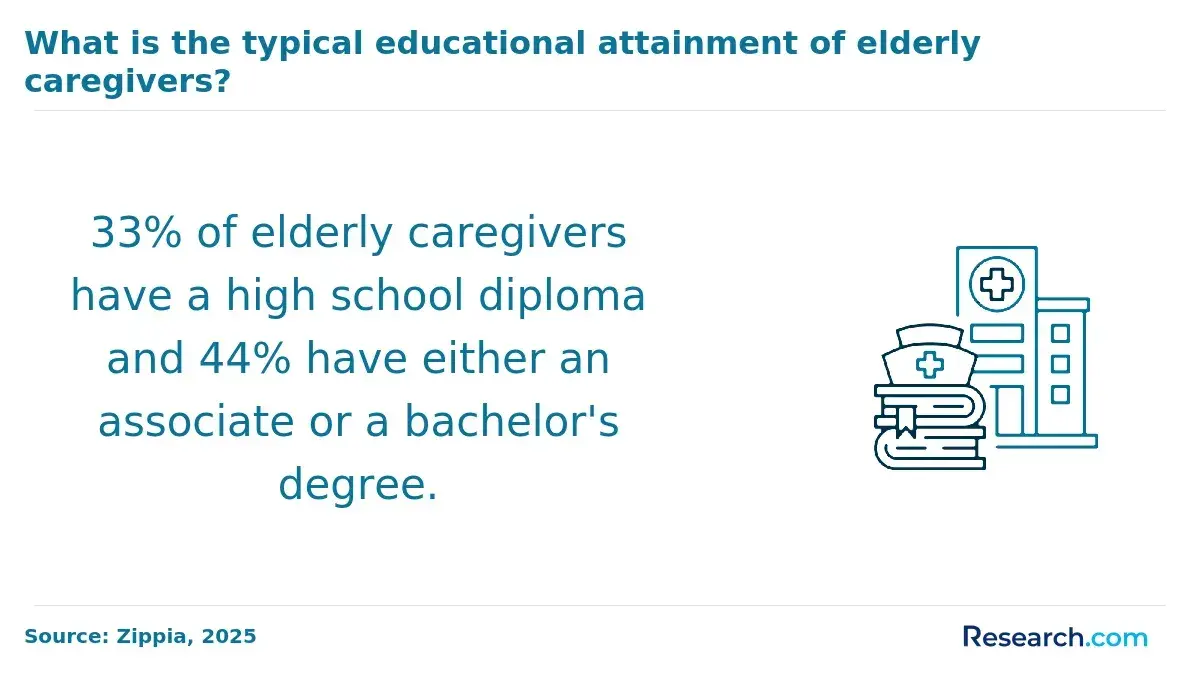
Most entry-level caregiver roles in Alabama do not require a college degree. Employers usually look for basic training, a clean background check, reliability, communication skills, and the ability to safely assist clients with daily activities. CNA roles, by contrast, require completion of a state-approved nurse aide training program and a competency exam.
It is important not to confuse caregiver training with unrelated education credentials. A bachelor’s degree, teacher certification, graduate coursework, Alternative Master’s Pathway, or dual language teaching certification is not a standard requirement for becoming a caregiver or CNA in Alabama. Those credentials may apply to education careers, not direct adult care or nurse aide certification.
| Caregiving path | Typical education or training expectation | Best fit |
| Non-medical caregiver | Basic caregiver training, employer orientation, background screening, and job-specific instruction | Companion care, help with daily routines, household support, and non-clinical home care |
| Home health aide | Employer-required training and, in many cases, 12 hours of annual in-service education | Home care roles that may include personal care and support under agency policies |
| Certified Nursing Assistant | State-approved CNA training with at least 75 hours and 16 hours of supervised clinical practice, followed by the competency exam | Nursing homes, hospitals, assisted living, rehabilitation facilities, and more clinical support roles |
| Specialized caregiver | Additional training in dementia care, hospice care, palliative care, emergency response, or disability support | Caregivers who want higher-responsibility assignments or a more focused client population |
If you are comparing healthcare support careers beyond direct caregiving, Research.com also offers guidance on the caregiver training and certification process in relation to other healthcare credential paths.
How many training hours are required for caregiver certification in Alabama?
Training-hour requirements in Alabama depend on the credential. The clearest state-defined training standard applies to Certified Nursing Assistants. CNA candidates must complete at least 75 hours of state-approved instruction, including 16 hours of supervised clinical practice. That combination gives students both classroom knowledge and hands-on experience before they take the competency exam.
For non-medical caregivers, Alabama does not use the same statewide CNA-style hour requirement. Some caregiver training providers describe an 8-hour basic training model, while many agencies recommend or require 8 to 12 hours of initial instruction before a caregiver begins work. Employers may add orientation, client-specific training, dementia care modules, medication reminder policies, emergency procedures, or annual updates.
| Worker type | Training hours mentioned | Exam requirement | Notes for job seekers |
| Certified Nursing Assistant | At least 75 hours, including 16 hours of supervised clinical practice | Yes, the Alabama Nurse Aide Competency Exam | Best option for facility-based roles and jobs requiring nurse aide certification |
| Home Health Aide | Often tied to employer and program rules; 12 hours of yearly in-service training is commonly required | Varies by employer and role | Ask each agency what training is required before client assignment |
| Non-medical caregiver | No single statewide minimum for all roles; many agencies suggest 8 to 12 initial hours | No general state exam for basic caregiver work | Useful for companion care, personal care, and private-duty support roles |
| Caregiver certification through private organizations | May include an 8-hour course depending on provider | Depends on the organization | Verify employer acceptance before paying for the course |
Before enrolling, ask the provider whether the program qualifies you for CNA testing, basic caregiver employment, home health agency work, or only a private certificate. These are not interchangeable.
What topics are covered in caregiver training programs in Alabama?
Good caregiver training should prepare you to assist people safely, respectfully, and consistently. Alabama programs and employer orientations often focus on the practical tasks caregivers perform every day, along with legal and ethical responsibilities when working with vulnerable people.
- Personal care support: Training usually covers bathing, dressing, grooming, toileting, feeding, and mobility assistance while preserving the client’s dignity and independence.
- Infection prevention: Students learn handwashing, protective equipment use, cleaning routines, and methods for reducing the spread of illness.
- Client communication: Programs teach active listening, respectful conversation, documentation basics, nonverbal communication, and ways to work with clients who have memory loss, speech limitations, or cognitive changes.
- Home and facility safety: Caregivers practice fall prevention, safe transfers, lifting techniques, hazard identification, and emergency preparation.
- Emergency response: Training may include recognizing urgent symptoms, contacting emergency services, following agency protocols, and understanding basic first aid or CPR expectations.
- Patient rights and abuse prevention: Caregivers learn privacy, dignity, mandatory reporting, neglect warning signs, and boundaries with clients and families.
- Nutrition and hydration: Courses may address safe feeding, choking risks, meal preparation, hydration monitoring, and special diet awareness.
- Chronic condition support: Training often introduces common conditions such as diabetes or dementia, along with observation skills and medication reminder rules.
- End-of-life and palliative support: Some programs explain comfort-focused care, family communication, grief awareness, and hospice team coordination.
- Child care behavior guidance: When training is connected to child care settings, topics may include positive discipline, bullying prevention, emotional support, and safe supervision.
- Trauma and mental health awareness: Caregivers may learn trauma-informed approaches and ways to respond calmly to behavioral or psychological challenges.
- Family and community coordination: Programs may include cultural awareness, family communication, and referrals to community resources.
If you are weighing direct care against healthcare administrative work, it may also help to compare the difference between certified professional coder and certified billing and coding specialist certification as a separate career option.
Is there a state exam for caregiver certification in Alabama?
Alabama does not use one universal exam for every person who wants to work as a caregiver. The exam requirement depends on the role.
For general non-medical caregiver work, the state does not require a single statewide written and skills exam. A caregiver may instead complete an approved or employer-accepted training course, meet age and work-authorization requirements, submit documents, and pass background screening. Some programs describe an 8-hour training route that covers basic care, safety practices, and client rights.
For CNA certification, an exam is required. CNA candidates must complete the state-approved training requirement and pass the Alabama Nurse Aide Competency Exam, which evaluates both knowledge and hands-on care skills. This is the path to choose if you want a credential recognized for nurse aide roles in licensed healthcare settings.
| Question | General caregiver | CNA |
| Is there one state exam? | No statewide exam for all basic caregiver roles | Yes |
| Is formal training expected? | Yes, by many employers and training providers | Yes, through a state-approved CNA program |
| Is a background check expected? | Yes, especially for work with vulnerable populations | Yes, depending on program, employer, and setting |
| Can this lead to facility-based healthcare work? | Sometimes, but options may be limited | Yes, CNA certification is more widely used for hands-on facility care |
How do you apply for caregiver certification in Alabama?
The application process is easiest when you first decide whether you want basic caregiver employment or CNA certification. A basic caregiver may apply through a training provider or employer, while a CNA candidate must follow the approved training and exam process.
- Choose the job category you want. Decide whether you are aiming for companion care, personal care, home health work, facility care, or CNA positions.
- Confirm eligibility. Many caregiver roles require you to be at least 18 years old and legally authorized to work in the United States.
- Select the right training. For basic caregiving, look for an employer-accepted program. For CNA work, choose a state-approved nurse aide training program with the required hours.
- Complete the coursework and practical instruction. Training may include online lessons, in-person skills practice, supervised clinical work, videos, quizzes, or written assignments.
- Prepare your documents. Common requirements include a valid photo ID, proof of age, training completion records, and, in some roles, immunization or health exam documentation.
- Submit your application. General caregivers often apply through an employer or training provider because Alabama does not have one centralized board for all basic caregiver certification.
- Complete background screening. Screening may include checks through the Alabama Bureau of Investigation, FBI, and abuse registries.
- Meet health screening requirements if requested. Employers serving older adults, children, or people with disabilities may ask for additional medical or immunization records.
- Take the exam if your credential requires it. Basic caregiver roles do not have a universal state exam, but CNA candidates must pass the Alabama Nurse Aide Competency Exam.
- Start applying for roles that match your credential. Use your training certificate, CNA status, or employer orientation record to pursue appropriate jobs.
-
: "
One Alabama caregiver described the process as manageable but detail-oriented. The short training was not the hardest part; keeping documents organized, scheduling around family responsibilities, and waiting for the background check required patience. She said receiving her certificate from her employer felt like proof that she had taken the first serious step toward work that mattered.
"
How much does it cost to get caregiver certification in Alabama?
The cost of caregiver training in Alabama depends on the credential, provider, format, and whether exam fees or materials are included. A short online caregiver course can be inexpensive, while a longer CNA program through a school, healthcare system, or private academy can cost more.
| Cost item | Estimated amount stated | What to check before paying |
| Accelerated healthcare-system programs | Around $350 | Whether tuition includes materials, skills practice, and exam preparation |
| Private academy programs | About $600 for 8-week courses | Whether the credential is accepted by local employers |
| Community college training | Approximately $589 for similar training lengths | Whether the program is CNA-focused or general caregiver training |
| Online caregiver certification course | As low as $59 | Whether it satisfies employer or agency requirements |
| Textbooks and materials | Between $25 and $100 | Whether supplies are included in tuition |
| Application or registration fee | $25–$50 in some programs | Whether the fee is separate or bundled |
| Background check | Usually $40–$60 | Whether the provider, employer, or student pays |
| CNA exam fees | Between $100 and $150 | Whether exam fees are included in the program cost |
| Annual training or continuing education | Commonly under $100 online | Whether your employer provides required annual training |
| Comprehensive CNA programs | May reach upwards of $3,000 | Whether financial aid, employer sponsorship, or scholarships are available |
Do not compare programs by tuition alone. A low-cost course may be useful for basic caregiving but may not qualify you for CNA testing. A higher-cost program may be worth it if it includes clinical hours, exam support, employer connections, and a recognized credential. Students considering non-bedside healthcare careers can also review a medical billing and coding certificate vs bachelors degree salary comparison to understand how credentials may affect career options.
How often do you need to renew caregiver certification in Alabama?
Renewal depends on the credential you hold. Private caregiver certifications, CNA status, and professional licenses do not always follow the same timetable.
Some caregiver credentials, including the National Caregiver Certification and Master Caregiver Certification, are renewed every year through the certifying organization. The American Caregiver Association lists renewal fees that typically range from $59 to $149, depending on the certification. If a caregiver misses the deadline, the credential may become inactive and may no longer appear as active in the National Caregiver Registry.
CNA renewal is a separate process from private caregiver certification. The article’s core certification summary notes renewal every 24 months and continuing education to remain current. Because renewal rules can affect employability, caregivers should verify requirements directly with their employer, certifying organization, or the relevant Alabama agency before the deadline approaches.
| Credential type | Renewal timing stated | Why it matters |
| National Caregiver Certification or Master Caregiver Certification | Every year | Keeps private certification active with the certifying organization |
| CNA-related certification summary | Every 24 months | Helps maintain eligibility for nurse aide roles and employer verification |
| Employer-required training record | May be annual or tied to hire date | Supports compliance with agency policies and client safety standards |
What continuing education is required for caregivers in Alabama?
Continuing education helps caregivers keep up with safety procedures, client rights, infection control, communication practices, dementia care, and emergency response. Requirements vary by role, so caregivers should confirm expectations with both the employer and the organization that issued the credential.
- CNAs and HHAs: These workers commonly complete 12 hours of continuing education each year. Topics may include infection control, emergency procedures, resident rights, communication, and basic patient care.
- Non-medical caregivers: Alabama does not impose one universal continuing education requirement for all non-medical caregivers, but 6–12 hours of annual training is often recommended as a practical standard.
- Voluntary training: Caregivers may complete optional modules from organizations such as the Alabama Department of Veterans Affairs, although these certificates may not be professionally accredited.
- Employer-specific training: Agencies serving Medicaid waiver recipients or high-need clients may require additional instruction beyond a basic course.
-
: "
An Alabama caregiver who completed annual in-service training said the 12-hour requirement was difficult to fit around work shifts, but the content proved useful. Emergency procedures and communication refreshers helped him feel more prepared with clients and families. In his view, continuing education was not just a compliance task; it changed how confidently he handled real situations.
"
How Can Caregivers in Alabama Advance to Specialized Roles?
Caregiving can be an entry-level job, but it can also become the starting point for a longer healthcare career. The fastest way to advance is to build skills that match high-need client populations or more regulated care settings.
| Advancement option | Training focus | When it makes sense |
| Dementia care | Memory loss, behavior changes, communication, safety, and family support | Best for caregivers working with older adults in home care, assisted living, or memory care |
| Hospice or palliative care | Comfort care, grief awareness, family communication, and end-of-life support | Useful for caregivers who want to support clients with serious or terminal illness |
| Emergency response training | First aid, CPR, fall response, and urgent symptom recognition | Valuable for caregivers working alone in private homes or with medically fragile clients |
| CNA certification | Clinical skills, supervised practice, and competency testing | Strong option for caregivers who want facility-based healthcare roles |
| Allied health education | Formal degree or licensure preparation in a healthcare profession | Appropriate for caregivers planning a long-term clinical career |
Caregivers who want a licensed clinical career may eventually explore fields such as occupational therapy. Research.com’s guide on how to become an occupational therapist in Alabama explains that pathway in more detail.
What is the salary for certified caregivers in Alabama?
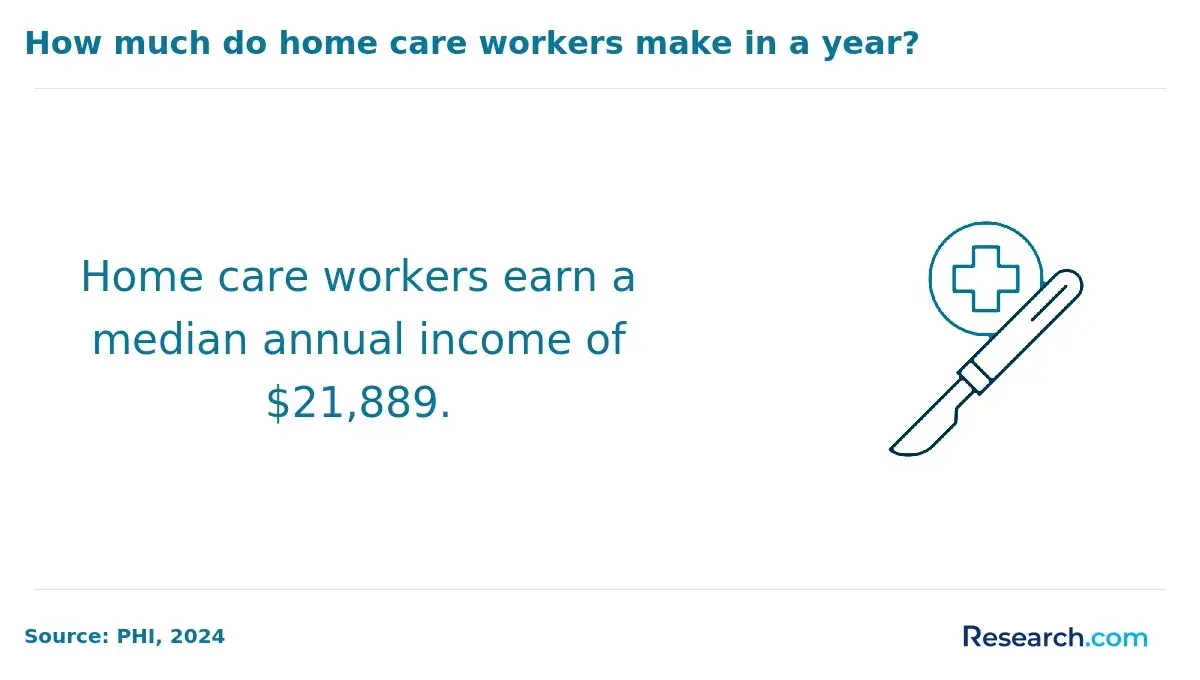
Certified caregiver pay in Alabama varies by role, employer type, shift schedule, experience, location, and whether the caregiver has specialized training. Urban markets such as Birmingham may pay differently from rural communities, and live-in or private-duty assignments may have different compensation structures than hourly agency work.
| Role or location | Pay information stated | What affects earnings |
| Private caregivers in Alabama | Average hourly wage of $14.08; annual salaries range from $25,800 at the 25th percentile to $35,802 for top earners; average yearly salary of $29,289 | Private client needs, experience, schedule, and whether care includes advanced responsibilities |
| Live-in caregivers in Alabama | Typical hourly wages around $20.37; annual earnings average $42,367; salaries range from $28,600 up to $67,979 | Live-in schedule, overnight support, employer type, and care complexity |
| Caregivers in Birmingham | Average of $14.02 per hour; starting wages near $10.69; top rates reaching $18.37 | Metro-area demand, experience, agency type, and specialized skills |
| In-home caregivers statewide | Posted average rate of $17.04 per hour, or about $2,954 per month | Hours worked, client acuity, transportation needs, and shift availability |
Salary figures are not guarantees. Caregivers can improve their earning potential by gaining CNA certification, accepting higher-need assignments, completing dementia or hospice training, building a strong employer record, and being available for evening, weekend, or live-in schedules. Those interested in administrative healthcare work may also compare direct-care training with medical coding online classes.
What jobs can you get with caregiver certification in Alabama?
Caregiver certification can qualify you for several support roles, especially in home care, assisted living, residential services, hospice, and private-duty care. CNA certification can open additional opportunities in settings that require more formal nurse aide preparation.
| Job title | Main duties | Good fit for |
| Home Health Aide | Assists with personal care, daily routines, medication reminders, and basic support in the client’s home | Caregivers who want one-on-one home-based work |
| Personal Care Attendant | Helps with bathing, grooming, toileting, dressing, and mobility | Workers who are comfortable providing hands-on non-medical support |
| Residential Care Aide | Supports residents in assisted living, group homes, or similar settings | Caregivers who prefer team-based care environments |
| Hospice Aide | Provides comfort-focused assistance and emotional support for clients near the end of life | Caregivers with patience, compassion, and strong family communication skills |
| Certified Nursing Assistant | Provides hands-on nursing support in hospitals, nursing homes, private residences, or care facilities | Students willing to complete state-approved CNA training and testing |
| Direct Support Professional | Assists people with developmental or intellectual disabilities in daily life and community participation | Caregivers interested in disability services and long-term client support |
| Companion Caregiver | Offers conversation, supervision, light household help, and social engagement | Workers who prefer lower-acuity support and relationship-based care |
| Private Duty Caregiver | Provides customized care for families, often including overnight, weekend, or chronic-condition support | Experienced caregivers who can manage independent assignments |
| Patient Observationist | Monitors patients for safety and reports changes to medical staff | Caregivers interested in hospital or clinic support roles |
If you want to contribute to healthcare without direct bedside care, another option is learning how can I start as a certified medical coder and biller from home.
What Do Caregivers in Alabama Say About Their Career?
- After completing caregiver training at Jefferson State Community College, I felt prepared to begin working in a local school setting. The practical instruction helped me understand how much small, consistent support can affect a child’s day. Working in Alabama has shown me how closely families, schools, and communities depend on dependable caregivers. The job gives me both stability and a clear sense that my work has value. Allison
- My training at Shelton State Community College gave me the basic skills I needed to support children with different needs. The work has challenged me to become more patient, more observant, and more culturally aware. Being a caregiver in Alabama has helped me grow personally and professionally, especially because I can see the effect of my work in the community around me. Lorie
- Wallace State Community College helped me build a foundation for caregiving in rural Alabama. The environment brings challenges, but it also creates meaningful opportunities to support children and families who may have fewer nearby resources. This career has taught me resilience, empathy, and creative problem-solving. I take pride in knowing that my work supports more than one person at a time; it strengthens the wider community. Richard
Common Mistakes to Avoid When Choosing Caregiver Training in Alabama
- Assuming every caregiver course leads to CNA certification. A short caregiver certificate and a CNA credential are not the same. If you want CNA jobs, confirm that the program is state-approved for nurse aide training.
- Choosing only by price. A $59 online course may be useful for basic preparation, but it may not meet an employer’s requirements for hands-on care or facility work.
- Ignoring background check requirements. Caregiving involves vulnerable clients, so screening delays can slow hiring even after training is complete.
- Forgetting renewal deadlines. Private caregiver certifications may become inactive if not renewed on time, and CNA-related credentials may have separate renewal rules.
- Not asking employers what they accept. Before paying for training, contact agencies, facilities, or families you want to work with and ask which credentials they recognize.
- Assuming salary outcomes are guaranteed. Pay depends on location, employer, schedule, experience, and care complexity.
Questions to Ask Before Enrolling in an Alabama Caregiver Program
- Is this program for basic caregiver training, home health aide preparation, or CNA certification?
- Does the program include the required 75 hours and 16 supervised clinical hours if I want to become a CNA?
- Are textbooks, background checks, registration fees, and exam fees included in tuition?
- Will local employers accept this certificate?
- Does the course include hands-on skills practice or only online lessons?
- What renewal or continuing education will I need after completing the program?
- Does the provider help with job placement, clinical scheduling, or exam registration?
- What happens if I do not pass the CNA exam on the first attempt?
Key Insights
- Alabama caregiver requirements depend on the role. Basic non-medical caregivers and CNAs follow different training and exam pathways.
- CNA certification is the more formal credential. CNA candidates complete at least 75 hours of training, including 16 hours of supervised clinical practice, and must pass the Alabama Nurse Aide Competency Exam.
- Basic caregiver training may be enough for some home care jobs. Some programs use an 8-hour model, but employers may require additional orientation or annual training.
- Costs vary widely. Online caregiver courses may start as low as $59, while comprehensive CNA programs may reach upwards of $3,000.
- Continuing education matters. CNAs and HHAs commonly complete 12 hours of annual training, while non-medical caregivers should still pursue updates in safety, dementia care, communication, and emergency response.
- The best program is the one that matches your target job. Before enrolling, verify whether the course qualifies you for the role, employer, and care setting you want.
Related Articles for Nearby States
- 2027 How to Become a Caregiver: Certification Requirements in Mississippi
- 2027 How to Become a Caregiver: Certification Requirements in Tennessee
- 2027 How to Become a Caregiver: Certification Requirements in Georgia
- 2027 How to Become a Caregiver: Certification Requirements in Florida
- 2027 How to Become a Caregiver: Certification Requirements in Louisiana
- 2027 How to Become a Caregiver: Certification Requirements in Arkansas
- 2027 How to Become a Caregiver: Certification Requirements in Kentucky
- 2027 How to Become a Caregiver: Certification Requirements in South Carolina
- 2027 How to Become a Caregiver: Certification Requirements in North Carolina
- 2027 How to Become a Caregiver: Certification Requirements in Missouri
References:
- Alabama Caregiver Online Training Course - Free Certification https://caredemy.us/product/alabama-caregiver-training/
- Renewal – Alabama Board of Nursing https://www.abn.alabama.gov/licensing/renewal/
- Licensure Application | Alabama Department of Public Health (ADPH) https://www.alabamapublichealth.gov/providerstandards/application.html
- Ala. Admin. Code r. 538-X-2-.06 - Caregiver Registration | State Regulations | US Law | LII / Legal Information Institute https://www.law.cornell.edu/regulations/alabama/Ala-Admin-Code-r-538-X-2-.06
- How Caregiver Training Requirements Vary by State - CaregiverList.com https://www.caregiverlist.com/caregiver-training-requirements-by-state.aspx
- Renew Your Caregiver Certification https://americancaregiverassociation.org/product/renew-your-certification/
- Timeline https://timeline.knightlab.com/
- Timeline - World History Documentaries - YouTube https://www.youtube.com/@TimelineChannel
- Timeline (2003) - IMDb https://www.imdb.com/title/tt0300556/
- timeline - Tłumaczenie po polsku - Słownik angielsko-polski Diki https://www.diki.pl/slownik-angielskiego
Other Things You Should Know About Becoming a Caregiver in Alabama
The Alabama Department of Public Health oversees caregiver training rules for many home care and personal care roles, while the Alabama Board of Nursing regulates nursing-related credentials. Employers may also require CPR, background checks, and agency-specific orientation before hiring.
In Alabama, the caregiver certification exam in 2027 will cover patient care, ethics, and emergency procedures. It includes 100 multiple-choice questions and requires a passing score of 70%. The exam is administered by the Alabama Department of Public Health.
In 2027, to become a certified caregiver in Alabama, individuals need to complete a state-approved training program, which includes topics such as basic caregiving skills and patient rights. Passing a competency exam and undergoing a background check are also mandatory requirements.