
2027 Fastest Online Education Specialist Degrees in Leadership

Co-Founder and Chief Data Scientist
Choosing an accelerated online Education Specialist degree in leadership is usually a career-timing decision: you already have graduate training, you are working in education, and you want to qualify for higher-responsibility leadership roles without spending several more years in a doctoral program. The fastest online Ed.S. leadership programs are built for that exact situation. They offer post-master’s coursework in school administration, instructional leadership, supervision, law, finance, and organizational improvement, often in formats that can be completed while you remain employed.
This guide is for teachers, department chairs, instructional coaches, assistant principals, curriculum specialists, and current administrators comparing fast online Ed.S. pathways. It explains how these programs work, how long they take, what they cost, which schools offer accelerated options, how accreditation and licensure affect your choices, and what career outcomes may be realistic after graduation.
Use this article as a decision guide, not just a list of programs. A fast Ed.S. can be valuable, but only if it matches your state licensure requirements, schedule, budget, and leadership goals.
Quick answer: What is the fastest online Ed.S. in leadership?
The fastest online Education Specialist degree in leadership can be completed in as few as 12 months by qualified students who already hold a master’s degree. These programs are commonly designed for working educators who want advanced leadership preparation for roles such as principal, assistant principal, superintendent, district administrator, or instructional leader. The best choice is not always the shortest program; it is the accredited program that fits your state requirements, fieldwork needs, career target, and total cost.
Why consider an accelerated online Education Specialist degree in leadership?
- It can support advancement into school and district leadership. Graduates may pursue roles such as principal, assistant principal, instructional coordinator, curriculum director, or superintendent, depending on experience, state rules, and program design.
- It may improve earning potential. Leadership roles in education often pay more than classroom teaching roles, with median salaries ranging from $80,000 to $120,000 depending on role and location, according to the U.S. Bureau of Labor Statistics.
- It is built for working educators. Many online Ed.S. leadership programs use accelerated calendars, online coursework, and field experiences that can be completed without leaving a full-time education job.
What should you expect from a fast online Education Specialist degree in leadership?
An Education Specialist degree in leadership is a post-master’s credential positioned between a master’s degree and a doctorate. It is usually more advanced than a master’s program but shorter and more practice-focused than a Ph.D. or Ed.D. For many educators, the Ed.S. is a targeted way to build administrative expertise without completing a dissertation-based doctoral pathway.
In an online Ed.S. leadership program, you can expect advanced study in school administration, instructional supervision, curriculum leadership, school law, education finance, data-informed improvement, staff evaluation, and strategic planning. Programs that lead to administrator licensure may also require internships, practicums, performance assessments, or state-specific coursework.
The fastest programs commonly use 6- to 8-week terms, year-round enrollment, and sequenced courses that allow completion in 12 to 18 months. The pace can be demanding. Students who succeed are typically organized, already familiar with school systems, and able to apply coursework directly to real leadership problems in their workplace.
Where can Ed.S. leadership graduates work?
Graduates of online Ed.S. programs in leadership most often work in educational settings that need administrators, instructional leaders, compliance managers, program directors, and change leaders. Your options depend heavily on your specialization, prior experience, license status, and state requirements.
- K–12 public and private schools: principal, assistant principal, dean of students, instructional leader, or school improvement coordinator
- School districts: curriculum director, professional development coordinator, district administrator, superintendent, or assessment leader
- Colleges and universities: student affairs administrator, academic affairs coordinator, department leader, or other postsecondary administrative role
- Education consulting organizations: school improvement consultant, leadership coach, curriculum consultant, or professional learning specialist
- Government agencies and nonprofits: education policy analyst, program manager, teacher training coordinator, or reform initiative leader
The strongest employment fit usually comes from aligning the Ed.S. concentration with a specific leadership credential or role. For example, an aspiring principal should prioritize a program aligned with principal licensure, while an educator aiming for central office work may benefit more from district leadership, curriculum, or superintendency preparation.
How much can you earn with an online Ed.S. in leadership?
An Ed.S. in leadership can lead to roles with strong salary potential, but earnings vary by state, district size, institution type, contract structure, years of experience, and whether the position requires licensure. The median annual salary for elementary, middle, and high school principals is $104,070 as of May 2024. School principals earn on average $120,306, with the top 25% earning up to $135,338. ZipRecruiter reports median earnings around $87,873 for district administrators.
Postsecondary education administrators average $115,180, with ranges typically between $77,010 and $196,420, depending on institution and locale. Entry-level Ed.S. professionals in specialized roles like school psychology often start in the $60,000–$80,000 range and may earn more as they gain experience and responsibility.
Salary should not be treated as guaranteed ROI. Before enrolling, compare your current compensation, your district’s salary schedule, administrator pay scales, licensure requirements, and the actual cost of the program.
- Fastest Online Education Specialist Degrees in Leadership for 2027
- How long does a fast online Ed.S. in leadership take?
- Online vs. on-campus Ed.S. in leadership: which format is better?
- How much does an accelerated online Ed.S. in leadership cost?
- What financial aid can Ed.S. leadership students use?
- What admission requirements do accelerated Ed.S. programs have?
- What courses are included in an online Ed.S. leadership curriculum?
- Which Ed.S. leadership specializations are available?
- How should you choose among the fastest online Ed.S. leadership programs?
- What jobs can you pursue after an Ed.S. in leadership?
- How interdisciplinary credentials can strengthen education leadership
- Why accreditation matters for online Ed.S. leadership programs Interdisciplinary credential planning Career outcomes
- What is the job market for Ed.S. leadership graduates?
- What is the ROI of a fast online Ed.S. in leadership?
- What challenges should students expect in an accelerated Ed.S. program? ROI factors Job market factors
Fastest Online Education Specialist Degrees in Leadership for 2027
How do we rank schools?
Research.com recognizes that selecting an accelerated online Education Specialist degree in leadership is a major academic, financial, and professional decision. These rankings are designed to help prospective students compare programs using structured data rather than relying only on marketing language or program speed claims.
This ranking uses a transparent methodology and draws from sources such as the Integrated Postsecondary Education Data System (IPEDS), Peterson's databases including their Distance Learning Licensed Data Set, and the College Scorecard database from the National Center for Education Statistics. These sources help evaluate schools across factors such as online availability, cost, institutional profile, and program characteristics.
| School | Program length | Credits | Cost per credit | Best fit |
| American College of Education | As few as 12 months | 30 credit hours | $480 | Educators seeking a fast, fully online post-master’s leadership program |
| National University | 18 months | 33 | $901 | Professionals comparing leadership options across K–12, curriculum, and higher education |
| Walden University | 18 months | 56 total quarter credits | $560 per quarter hour | Students seeking principal preparation or advanced licensure-focused study |
| Liberty University | As little as 1 year | 30 | $610/credit full time; $675/credit part time; $375/credit military | Students wanting elective flexibility and multiple Ed.S. leadership-related options |
| University of Alabama | 18 months | Minimum 30 hours | $429 | Educators pursuing Alabama Class AA Instructional Leadership (P-12) Certification |
| Arkansas State University | As few as 18 months | 30 | $340 | Aspiring principals seeking building-level administrator licensure preparation |
| Northwest Missouri State University | As few as 12 months | 30 | $436 | Licensed teachers preparing for K–12 principal certification or related Ed.S. options |
| California Baptist University | 18 months to completion | 36 units | $720 + fees | Current K–12 administrators seeking senior leadership preparation |
| Kennesaw State University | 18 months | 27 credit hours | $296 | Georgia educators pursuing Tier II Educational Leadership certification |
| Western Michigan University | 18 months | 24 credits | $798 | Students seeking an online program aligned with Michigan Administrator Certification |
1. American College of Education
American College of Education offers an Ed.S. in Leadership for educators who already have a master’s degree and want advanced leadership preparation without completing a dissertation. The program is fully online and emphasizes practical leadership skills that can be applied in schools and other education settings. It is a strong fit for working professionals who want a short, focused pathway in educational leadership.
- Program Length: As few as 12 months
- Tracks/concentrations: Educational Leadership
- Cost per Credit: $480
- Required Credits to Graduate: 30 credit hours
- Accreditation: Council for the Accreditation of Educator Preparation (CAEP)
2. National University
National University provides a 100% online EdS-EdL for education professionals who want specialized leadership study without a dissertation requirement. The program may appeal to K–12 teachers, department heads, assistant principals, principals, and other professionals seeking career growth. Suggested coursework spans leadership in curriculum and teaching, educational and organizational leadership, and leadership in higher education.
- Program Length: 18 months
- Tracks/concentrations: Leadership in Curriculum and Teaching, Educational and Organizational Leadership, and Leadership in Higher Education
- Cost per Credit: $901
- Required Credits to Graduate: 33
- Accreditation: Council for the Accreditation of Educator Preparation (CAEP) and National Educational Leadership Preparation (NELP) Specialized Professional Association.
3. Walden University
Walden University offers an EdS in Educational Leadership and Administration with an advanced-licensure focus. The program is designed for current administrators and educators preparing for broader leadership responsibilities in schools, districts, and government-related education settings. Its online format supports working professionals, but students should plan for practicum and internship requirements.
- Program Length: 18 months
- Tracks/concentrations: Focuses on Principal Preparation/Licensure.
- Cost per Credit: $560 per quarter hour
- Required Credits to Graduate: 56 total quarter credits
- Accreditation: Council for the Accreditation of Educator Preparation (CAEP)
4. Liberty University
Liberty University offers a 100% online Ed.S. in Educational Leadership for students preparing for higher-level education leadership responsibilities. Liberty has offered distance learning since 1985, and the program is designed for K–12 and higher education professionals seeking advanced administrative expertise. Students may select elective coursework, and broader Ed.S. options include administration and supervision, curriculum and instruction, educational research, and higher education administration.
- Program Length: As little as 1 year (for the Ed.S. in Educational Leadership, not all Ed.S. programs)
- Tracks/concentrations: Administration and Supervision: Educational Leadership, Curriculum and Instruction, Educational Research, and Higher Education Administration.
- Cost per Credit: $610/credit (Full Time), $675/credit (Part Time), $375/credit (Military)
- Required Credits to Graduate: 30
- Accreditation: Southern Association of Colleges and Schools Commission on Colleges (SACSCOC)
5. University of Alabama
The University of Alabama offers an online Educational Specialist in Educational Leadership focused on district-level leadership and Alabama Class AA Instructional Leadership (P-12) Certification. Courses are delivered online through synchronous and asynchronous formats, including Zoom-based instruction. The program is a practical option for educators whose leadership goals are tied to Alabama certification requirements.
- Program Length: 18 months
- Tracks/concentrations: Focuses on district-level leadership, leading to Alabama Class AA Instructional Leadership (P-12) Certification.
- Cost per Credit: $429
- Required Credits to Graduate: Minimum 30 hours
- Accreditation: Council for the Accreditation of Educator Preparation (CAEP)
6. Arkansas State University
Arkansas State University offers an online Education Specialist in Educational Leadership, Principalship for educators preparing to strengthen leadership competencies in school systems. The program includes multiple start dates, accelerated coursework, and an internship that may be completed while working in education. It is specifically oriented toward principalship and building-level administrator licensure.
- Program Length: As few as 18 months
- Tracks/concentrations: Principalship, leading to building-level administrator licensure.
- Cost per Credit: $340
- Required Credits to Graduate: 30
- Accreditation: Council for the Accreditation of Educator Preparation (CAEP)
7. Northwest Missouri State University
Northwest Missouri State University offers an online Educational Specialist – Educational Leadership K-12 for licensed teachers who already hold a master’s degree and want to prepare for principal roles. The program is delivered online by faculty who also teach on campus, and profession-based fieldwork is embedded in the curriculum. In addition to the K–12 leadership pathway, the university offers related Ed.S. options such as Educational Diagnostician, Superintendent, and Generalist.
- Program Length: As few as 12 months
- Tracks/concentrations: Educational Leadership K-12 (Principal Certification), with other Ed.S. options including Educational Diagnostician, Superintendent, and Generalist.
- Cost per Credit: $436
- Required Credits to Graduate: 30
- Accreditation: Association for Advancing Quality in Educator Preparation (AAQEP)
8. California Baptist University
California Baptist University offers an online Educational Specialist in Educational Leadership and Administration designed for current K–12 administrators and working professionals preparing for senior leadership. The online EdS program was implemented in 2023 and is structured around theory, practice, and research. It may be especially relevant for professionals seeking advancement in K–12 school or district administration.
- Program Length: 18 months to completion (with a full-time course load)
- Tracks/concentrations: Focuses on K-12 school administration and district-level administration.
- Cost per Credit: $720 + fees
- Required Credits to Graduate: 36 units
- Accreditation: Western Association of Schools and Colleges Senior College and University Commission (WSCUC)
9. Kennesaw State University
Kennesaw State University offers a 100% online Educational Specialist in Educational Leadership (Tier II) built around performance-based leadership preparation. The program targets Georgia educators seeking Tier II Educational Leadership certification and can be completed in as few as three semesters. KSU also offers other Ed.S. programs in Curriculum & Instruction and Instructional Technology for educators with different advancement goals.
- Program Length: 18 months
- Tracks/concentrations: Tier II Educational Leadership certification. An 18-hour Tier II Certification Only option is also available. KSU also offers other Ed.S. programs in Curriculum & Instruction and Instructional Technology.
- Cost per Credit: $296
- Required Credits to Graduate: 27 credit hours
- Accreditation: Georgia Professional Standards Commission
10. Western Michigan University
Western Michigan University offers a fully online Specialist (Ed.S.) in Educational Leadership for students pursuing advanced educational administration preparation. The program uses a mix of synchronous and asynchronous courses and is designed for working professionals. It aligns with Michigan Administrator Certification requirements, with all required courses available fully online.
- Program Length: 18 months
- Tracks/concentrations: Specialist Ed.S. in Educational Leadership
- Cost per Credit: $798
- Required Credits to Graduate: 24 credits
- Accreditation: Higher Learning Commission
How long does a fast online Ed.S. in leadership take?
The shortest online Education Specialist degrees in leadership can take as few as 12 months. Many accelerated options fall between 12 and 18 months, especially for students who enroll continuously and follow a full-time course sequence. These programs are usually intended for educators who already hold a master’s degree and can move directly into advanced leadership coursework.
Fast completion is often possible because programs use condensed terms, commonly 6- to 8-week courses, and may offer several start dates each year. A typical curriculum includes about 30 credit hours in leadership theory, school improvement, education law, administrative practice, and related field-based learning.
Speed can come with trade-offs. A 12-month program may require continuous enrollment, heavy weekly reading and writing, and field assignments completed alongside full-time work. If affordability is as important as speed, compare tuition carefully with resources such as the cheapest online educational leadership programs.
| Timeline | Who it fits best | What to watch |
| 12 months | Highly organized educators with strong support at work and home | Heavy workload, limited breaks, fast fieldwork deadlines |
| 18 months | Working professionals who want acceleration with more breathing room | Still requires steady enrollment and careful schedule planning |
| 18–24 months or more | Students balancing major job, family, or licensure responsibilities | Longer time before potential career advancement |
Online vs. on-campus Ed.S. in leadership: which format is better?
A fast online Ed.S. in leadership is usually the better format for working educators who need schedule flexibility and cannot commute to campus several times a week. Online programs often offer asynchronous coursework, accelerated terms, and multiple start dates, making it possible to finish in as little as 12 months while continuing full-time employment.
On-campus programs may be a better fit for students who want face-to-face discussion, local networking, immediate faculty access, and a traditional academic calendar. They may also be useful when the school has deep relationships with nearby districts. However, campus-based schedules can make completion slower or less convenient for full-time educators.
| Factor | Fast online Ed.S. | On-campus Ed.S. |
| Scheduling | Often asynchronous or hybrid with accelerated terms | Usually fixed meeting times and traditional semesters |
| Completion speed | Can be as short as 12 months | Often 18–24 months or more |
| Best for | Working educators who need flexibility | Students who prefer in-person learning and local networking |
| Fieldwork | May be completed in the student’s current school or district | May use local partner districts or campus-arranged placements |
| Main risk | Self-management and reduced informal networking | Less flexibility and more commuting time |
The fastest online Ed.S. programs can create a quicker path to leadership roles, but students should still confirm licensure alignment and internship expectations. Location can also matter for career planning. Texas led the 2024 ranking with 35,900 school leaders, making it the state with the highest number of employed education administrators in this category.
The chart below highlights the U.S. states with the highest employment levels for education administrators working in preschool through secondary school settings. These figures reflect where demand for leadership roles in K–12 education is currently strongest.
How much does an accelerated online Ed.S. in leadership cost?
Fast online Education Specialist programs in leadership commonly require around 30 credit hours and may be completed in about 12 months. Tuition varies by institution, but many programs in this category charge between $400 and $800 per credit. That places estimated tuition between $12,000 and $24,000 before considering fees, books, technology costs, or other charges.
For example, Northwest Missouri State lists a full online Ed.S. at $436 per credit, or approximately $13,080 for 30 credits. Regent University lists online rates at $800–$820 per credit, which means around $24,000 for 30 credits. Students comparing lower-cost options can review the most affordable online education specialist degree in leadership programs.
Do not compare programs by tuition alone. A cheaper program may cost more in practice if it requires extra fees, travel for residencies, longer enrollment, or coursework that does not meet your state licensure goal. Conversely, a higher tuition program may be worth considering if it has strong licensure alignment, usable field placements, and predictable completion planning.
What financial aid can Ed.S. leadership students use?
Students in accelerated online Ed.S. leadership programs may have access to several funding options. Because the Ed.S. is a graduate-level credential, federal grants are uncommon, but eligible students may be able to use federal Direct Unsubsidized Loans by completing the Free Application for Federal Student Aid (FAFSA).
Other funding options may include institutional scholarships, educator tuition discounts, military benefits, employer tuition reimbursement, state-funded teacher incentives, and school payment plans. Current educators should ask their district whether the degree qualifies for tuition assistance, salary lane movement, licensure advancement, or reimbursement tied to hard-to-fill leadership roles.
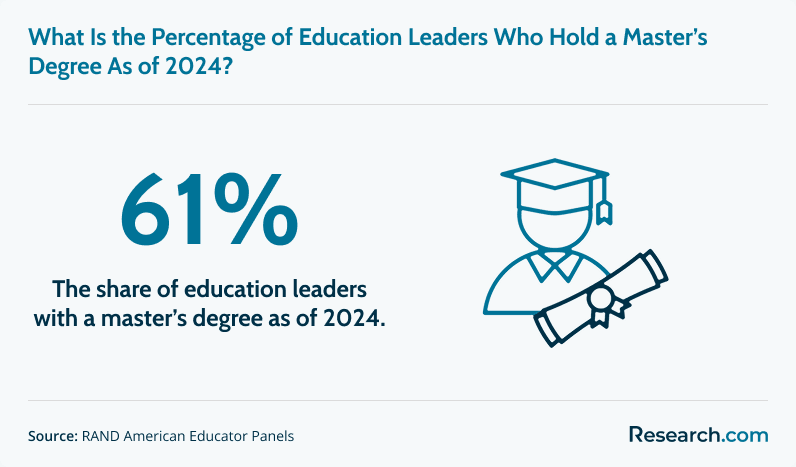
Educators comparing related graduate pathways may also want to review the most affordable online master's in adult education programs. As of 2024, 61% of school leaders have a master's degree, which makes them qualified to pursue an education specialist degree.
| Funding option | What to ask before relying on it |
| Federal Direct Unsubsidized Loans | Is the program eligible for federal aid, and what will total repayment cost? |
| Institutional scholarships | Are awards automatic, competitive, renewable, or limited to certain terms? |
| Employer reimbursement | Does your district require a grade minimum, continued employment, or role alignment? |
| Military benefits | Does the school offer a military rate or participate in relevant benefit programs? |
| Payment plans | Are there plan fees, deadlines, or limits on how tuition can be divided? |
What admission requirements do accelerated online Ed.S. leadership programs have?
Admission to a fast online Education Specialist degree in leadership is selective because the curriculum assumes graduate-level academic readiness and professional education experience. The standards are similar in seriousness to other accelerated professional graduate options, including the fastest online MBA programs in entrepreneurship, where prior preparation and clear career goals matter.
- Master’s degree: Applicants typically need a master’s degree from a regionally accredited institution, often in education or a related field.
- Professional education experience: Many programs expect at least two to three years of experience in an educational setting, commonly as a teacher, instructional specialist, or administrator.
- Teaching or administrative license: Licensure is not universal for every Ed.S. pathway, but it is often required or strongly expected for programs leading to principal, superintendent, or administrator credentials.
- Graduate GPA: A minimum GPA of 3.0 in prior graduate coursework is commonly required, although some schools may offer conditional admission.
- Recommendations: Programs often request two or three letters from supervisors, faculty members, or professional mentors who can evaluate your leadership potential.
- Statement of purpose and resume: Applicants generally submit a career-focused statement and a professional resume or CV outlining education experience, leadership responsibilities, and goals.
Before applying, ask whether the program requires interviews, writing samples, background checks, district partnership agreements, or proof of access to an approved fieldwork site. These requirements can affect whether an accelerated timeline is realistic. Similar readiness expectations appear in other leadership-focused graduate options, such as a fast-track homeland security master’s degree online.
What courses are included in an online Ed.S. leadership curriculum?
Accelerated online Ed.S. leadership programs usually include 10 to 12 advanced courses in administration, instructional improvement, law, finance, personnel leadership, and applied school improvement. Among school principals in 2024, 22% have a degree or diploma as educational specialist, showing that the credential is already present in the school leadership workforce.
Common core courses
- Leadership Theory and Practice: Examines leadership frameworks and how they apply to schools, districts, and education organizations.
- School Law and Ethics: Covers legal responsibilities involving students, staff, policy, liability, compliance, and ethical decision-making.
- Educational Finance: Focuses on budgeting, funding structures, resource allocation, and fiscal leadership in schools.
- Organizational Change and Improvement: Prepares students to lead improvement initiatives across classrooms, schools, or districts.
- Curriculum Development and Supervision: Addresses curriculum evaluation, instructional alignment, and leadership of academic programs.
- Data-Driven Decision Making: Teaches leaders to interpret student, school, and district data for improvement planning.
- Supervision and Evaluation of Personnel: Explores teacher evaluation, staff coaching, human resources, and performance feedback.
- Strategic Planning and Vision: Develops skills for setting goals, building stakeholder support, and guiding long-term school improvement.
Applied and field-based requirements
- Internship or practicum in leadership: Provides supervised leadership experience in a school or district setting and is often required for licensure.
- Capstone project: Requires students to address a practical leadership challenge using research, data, and applied problem-solving.
Programs that lead to licensure may include additional state-specific coursework, internship hours, or performance assessments. Students who are earlier in their education journey can compare foundational options such as the shortest online bachelor's programs in organizational leadership.
Some professionals also compare accelerated leadership curricula across fields. For example, the fastest online MBA programs in environmental management use condensed coursework in sustainability, policy, and business leadership for executive roles outside K–12 education.
The chart below shows the highest level of education attained by school principals across the United States. It highlights how many principals hold advanced degrees, including master’s, specialist, and doctoral-level credentials.
Which Ed.S. leadership specializations are available?
Specialization choice is one of the most important decisions in an Ed.S. leadership program. A concentration can determine whether the degree supports principal licensure, district leadership, curriculum leadership, higher education administration, or special education oversight. Students should compare education specializations against their target job, state rules, and current experience.
Educational Leadership or Administration
This is the most common pathway for educators preparing for principal, assistant principal, or school administrator roles. Coursework usually covers school law, finance, staff supervision, curriculum leadership, organizational management, and school improvement. If your goal is public school administration, confirm that the program meets the licensure requirements in your state.
Instructional Leadership
Instructional leadership is a good fit for educators who want to improve teaching and learning without necessarily becoming a building principal. Graduates may work as curriculum coordinators, academic coaches, professional development leaders, or instructional improvement specialists. Coursework often emphasizes assessment data, teacher support, instructional design, learning outcomes, and program evaluation.
Educators who want a technology-centered version of instructional leadership may also compare an affordable masters in Ed Tech online. In some districts and higher education settings, technology leadership, governance, and compliance knowledge can also be useful; professionals sometimes explore options such as the shortest ISC2 CGRC training programs online to understand risk and governance topics that intersect with digital learning systems.
Superintendency
A superintendency specialization prepares experienced educators for district-level leadership. Students study board relations, policy implementation, multi-school operations, budget management, strategic planning, and community leadership. This pathway is usually best for educators who already have administrative experience and want to move toward central office or superintendent roles.
Higher Education Leadership
This concentration is designed for professionals interested in postsecondary administration. Coursework may address student services, enrollment, academic program management, campus leadership, assessment, and institutional change. It is more relevant for college or university administration than for K–12 principal licensure.
Special Education Leadership
Special education leadership prepares educators to manage programs and services for students with disabilities. Topics may include individualized education programs, IDEA-related compliance, inclusive instruction, supervision of special education staff, and advocacy. This specialization is especially useful for educators who want administrative roles tied to equity, services, and legal compliance.
| Specialization | Best for | Licensure consideration |
| Educational Leadership/Administration | Aspiring principals and school administrators | Often tied to principal or administrator credentials |
| Instructional Leadership | Curriculum leaders, coaches, and academic improvement specialists | May not lead to administrative licensure |
| Superintendency | Experienced administrators pursuing district leadership | Often state-specific |
| Higher Education Leadership | College and university administrators | Usually not K–12 licensure-focused |
| Special Education Leadership | Leaders managing special education programs and compliance | May require prior special education or administrative credentials |
How should you choose among the fastest online Ed.S. leadership programs?
Among the many degrees in education, an Ed.S. is best for educators who already have a master’s degree and want advanced leadership preparation without immediately pursuing a doctorate. To choose well, start with your career goal: principal, superintendent, curriculum director, higher education administrator, special education leader, or another role. Then work backward to identify which program type and specialization actually supports that goal.
Accreditation and licensure fit should come before speed. A 12-month program is not useful if it does not satisfy your state’s administrator requirements. Look for regional accreditation, relevant educator preparation accreditation such as CAEP when applicable, and clear documentation of licensure alignment. If you are in a specialized education environment, related credentials may also shape your path; for example, educators in clinical or health-related academic settings may compare affordable online pediatric NP graduate certificate programs alongside leadership training.
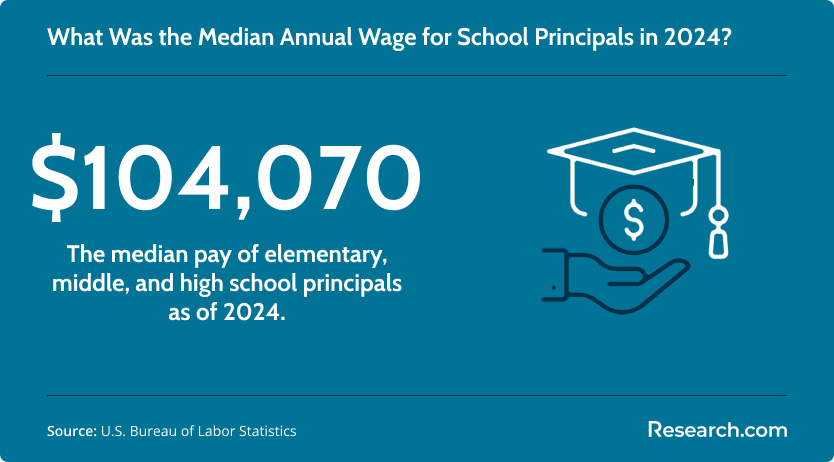
Cost, fieldwork, support, and scheduling also matter. As of 2024, the median pay of elementary, middle, and high school principals was $104,070, which makes the education specialist degree worth considering for career advancement, but students should still calculate whether the tuition, fees, and time commitment make sense for their situation.
Questions to ask before enrolling
- Does the program meet administrator licensure requirements in my state?
- Is the program regionally accredited and, if relevant, programmatically accredited?
- Can I complete internships or practicums in my current school or district?
- How many hours per week should I expect in a 6- or 8-week course?
- What is the full program cost, including fees, books, technology, and assessments?
- Will my district recognize this degree for salary advancement or leadership eligibility?
- Are courses asynchronous, synchronous, or a mix of both?
- What student support exists for online learners, licensure questions, and field placements?
What jobs can you pursue after an Ed.S. in leadership?
Graduates of accelerated online Ed.S. leadership programs can pursue advanced education roles similar to those available to experienced educators with masters degrees in education online, but the Ed.S. is more specialized for leadership, administration, supervision, and system-level improvement. Actual eligibility depends on experience, licensure, and state or employer requirements.
School Principal or Assistant Principal
Principals and assistant principals oversee school operations, supervise staff, support instructional quality, manage discipline and safety systems, communicate with families, and implement district policies. Ed.S. programs with principal licensure alignment are most relevant for this path.
Instructional Coordinator or Curriculum Director
Instructional coordinators and curriculum directors lead curriculum selection, instructional improvement, assessment planning, teacher support, and professional development. This path is a strong fit for educators who want to influence teaching and learning at scale.
District-Level Administrator or Superintendent
District administrators and superintendents manage systems rather than individual classrooms or schools. They may oversee budgets, personnel, policy implementation, board relationships, operations, and district-wide strategy. Superintendency-focused Ed.S. programs are most relevant here.
Director of Special Education
Special education directors manage services, staff, compliance, budgets, family communication, and support systems for students with disabilities. This role often requires deep knowledge of law, inclusive practice, and program administration.
Higher Education Administrator
Ed.S. graduates with postsecondary leadership preparation may work in academic affairs, student services, enrollment, department administration, or related campus leadership positions. Postsecondary school administrators received a median wage of $107,600 in 2024.
Some educators strengthen leadership practice through interdisciplinary study. For example, affordable online anthropology degree programs can help leaders better understand culture, community dynamics, social systems, and stakeholder engagement in diverse education settings.
Other possible roles include educational consultant, professional development coordinator, state education agency official, charter school administrator, assessment leader, and school improvement specialist.
The chart below shows the median annual wages for postsecondary education administrators across various institutional settings. These figures highlight salary differences based on the type of educational institution.
How can interdisciplinary credentials strengthen education leadership?
Education leaders increasingly need to solve complex problems that involve instruction, technology, law, communication, equity, finance, and community trust. Complementary credentials can help when they align with a clear leadership purpose. For example, an accelerated bachelor degree in philosophy online may strengthen ethical reasoning, argument analysis, and decision-making skills that can support policy interpretation and leadership judgment.
The key is relevance. Do not add credentials simply to build a longer resume. Choose interdisciplinary study only when it supports a defined role, such as technology leadership, community engagement, compliance, curriculum design, research, or higher education administration.
Why does accreditation matter for online Ed.S. leadership programs?
Accreditation is one of the most important quality checks for an online Ed.S. in leadership. Institutional accreditation helps confirm that the school meets recognized academic standards. Programmatic accreditation or state approval may matter even more if the degree is intended to lead to principal, superintendent, or administrator licensure.
Before applying, verify the accrediting agency, state authorization, educator preparation approval, internship requirements, and whether the program is accepted by your state’s licensing authority. This step is essential because online programs may enroll students nationally, but not every program automatically meets every state’s certification rules.
When comparing value across graduate education programs, students may also review other low-cost professional pathways such as the cheapest online SLP programs. The comparison can be useful for understanding tuition structures, accreditation standards, and licensure-sensitive program selection across fields.
What is the job market for Ed.S. leadership graduates?
The job market for Ed.S. leadership graduates is steady but competitive. According to the U.S. Bureau of Labor Statistics, employment for elementary, middle, and high school principals is projected to grow by 4% from 2022 to 2032. Instructional coordinators are expected to see 2% growth during the same period. These projections suggest continued demand, but they do not guarantee advancement for every graduate.
Demand is shaped by retirements, administrator turnover, district leadership needs, curriculum reform, school accountability pressures, and the expansion of digital learning environments. Candidates with licensure, successful teaching or leadership experience, strong communication skills, and a record of school improvement are generally better positioned than candidates with the credential alone.
Schools also need leaders who can communicate clearly with families, boards, staff, and communities. For that reason, some educators build complementary communication skills through programs such as the fastest online bachelor's in journalism degrees, where storytelling, media literacy, and public communication may support stakeholder engagement.
What is the ROI of a fast online Ed.S. in leadership?
The return on investment for an accelerated online Ed.S. in leadership depends on four main variables: total program cost, time to completion, whether the credential qualifies you for the role you want, and the salary change you can realistically expect. A shorter program can improve ROI if it helps you become eligible for advancement sooner, but only when the degree is recognized by your employer or licensing authority.
To estimate ROI, compare tuition and fees against your current salary, likely administrator salary, district salary schedules, possible stipends, loan repayment costs, and the opportunity cost of your time. Also consider whether you may eventually need a doctorate. If your long-term goal requires doctoral-level preparation, compare Ed.S. options with alternatives such as 2 year Ed D programs.
| ROI factor | Why it matters | What to verify |
| Total tuition and fees | Lower cost can improve payback time | Per-credit rate, program fees, books, technology, and assessments |
| Completion speed | Faster completion may support earlier advancement | Whether 12-month completion is realistic while working |
| Licensure alignment | Required for many administrative roles | State approval and internship requirements |
| Employer recognition | Determines salary lane movement or promotion eligibility | District HR policies and administrator hiring requirements |
| Career target | Different roles have different pay and credential expectations | Principal, superintendent, curriculum, higher education, or consulting pathway |
What do professionals say about online Ed.S. leadership programs?
- Completing my Ed.S. online made it possible to keep teaching while preparing for administration. The pace was intense, but I finished in just under a year and moved into an assistant principal role soon after. Michelle
- I was unsure about online graduate study, but the structure worked well for my schedule. The assignments were tied to real leadership problems, and the program helped me move into district curriculum planning. Marcus
- The flexibility mattered most to me. I could manage school, work, and family, and the coursework connected directly to the issues I was handling as a department head. Alyssa
What challenges should students expect in an accelerated Ed.S. leadership program?
The biggest challenge is workload. A fast online Ed.S. compresses advanced graduate study into a short timeline, so students need strong time management, consistent writing habits, and support from their workplace and family. Fieldwork can also be difficult if your current role does not provide access to required leadership experiences.
Online students must be intentional about networking. Since informal campus interactions are limited, candidates should join virtual discussions, attend optional sessions, seek mentors, connect with district leaders, and participate in education leadership organizations when possible.
Students should also verify technology support, state authorization, accreditation, and licensure alignment before enrolling. If a doctoral credential is part of your long-term leadership plan, compare the Ed.S. with an affordable doctoral degree educational leadership online before committing.
Common mistakes to avoid
- Choosing the shortest program without checking licensure. A fast degree may not help if it does not meet your state’s administrator requirements.
- Comparing only tuition per credit. Fees, books, fieldwork costs, and extra terms can change the real price.
- Assuming online means self-paced. Many accelerated programs have strict weekly deadlines and sequenced cohorts.
- Ignoring internship logistics. Licensure-focused programs may require approved supervisors, sites, and documented leadership hours.
- Relying only on rankings. Rankings are a starting point; fit, accreditation, state approval, and employer recognition matter more.
- Expecting salary gains automatically. Pay increases depend on job openings, district policies, licensure, experience, and successful hiring.
Key Insights
- The fastest online Ed.S. leadership programs can be completed in as few as 12 months, but many students choose 18-month formats for a more manageable workload.
- Accreditation and licensure alignment are more important than speed. Always confirm whether a program meets your state’s principal, superintendent, or administrator requirements.
- Costs vary widely. Many accelerated online programs fall between $12,000 and $24,000 in tuition before fees, depending on credit requirements and per-credit pricing.
- Career outcomes depend on specialization. Principal preparation, instructional leadership, superintendency, higher education leadership, and special education leadership prepare students for different roles.
- In 2024, Texas led the nation with the largest number of employed school leaders, totaling 35,900 individuals in leadership roles.
- The U.S. Bureau of Labor Statistics projects a 4% job growth for principals in elementary through high school settings through 2032.
- Postsecondary administrators working in state-run colleges, universities, and professional schools earned a median salary of $107,600 in 2024.
- As of 2024, school principals earned a median annual salary of $104,070, making the Ed.S. worth evaluating for educators targeting administration.
- In 2024, 22% of school principals held an Education Specialist degree or diploma, showing that the credential is a recognized pathway in school leadership.
References:
- American University. (n.d.). Education leadership organizations, associations, and ways to get involved.
- American Association of School Administrators. (n.d.). School staff shortages. AASA.
- Bureau of Labor Statistics. (n.d.-a). Elementary, middle, and high school principals. U.S. Department of Labor.
- Bureau of Labor Statistics. (n.d.-b). Occupational employment and wage statistics. U.S. Department of Labor.
- Bureau of Labor Statistics. (n.d.-c). Postsecondary education administrators. U.S. Department of Labor.
- Learning Policy Institute. (n.d.). School climate in California: Leveraging data to improve student and educator outcomes.
- National Center for Education Statistics. (n.d.). National Teacher and Principal Survey (NTPS). U.S. Department of Education.
- National Education Association. (n.d.). Educator pay and student spending: How does your state rank?
- Partnership for Student Success. (2024). 2023–24 RAND data tables.
- RAND Corporation. (2024). The 2023–24 state of the American teacher survey: Insights on morale, staffing, and working conditions (Report No. RRA956-27).
Other Things You Should Know About the Fastest Online Education Specialist Degrees in Leadership
Most programs require a master’s degree in education or a related field, official transcripts, a résumé, a statement of purpose, and one to three recommendation letters. Some also ask for a valid teaching or administrator license, a minimum GPA, and proof of prior graduate coursework.
In 2027, recognized accreditation bodies for online Education Specialist Degrees in Leadership include the Council for the Accreditation of Educator Preparation (CAEP) and the Distance Education Accrediting Commission (DEAC). Ensuring accreditation ensures the program meets quality education standards.


