2027 Communication Disorders Degree Completion Rates by Format: Online, Hybrid, and Campus Programs Compared

Co-Founder and Chief Data Scientist
Choosing how to complete a communication disorders degree presents a complex dilemma for many students balancing personal commitments, work, and academic rigor. An online program might offer flexibility but could lack the structured environment some learners need, while a traditional campus program provides direct access to faculty and resources but demands regular physical attendance. Hybrid formats attempt to balance these factors, blending online convenience with periodic on-campus engagement.
Completion rates vary significantly across these options, influenced by factors such as student motivation, program support, and access to practical experiences essential in communication disorders training. Understanding these differences helps prospective students align their choice with realistic outcomes rather than assumptions about convenience or prestige. This article compares online, hybrid, and campus completion rates, exploring what drives student success and how to select the format that best supports educational and career objectives.
Key Things to Know About Communication Disorders Degree Completion Rates by Format
- Campus programs show a 12% higher completion rate than online formats due to immersive clinical practicum access, impacting licensure readiness and timely entry into speech-language pathology careers.
- Hybrid formats offer moderate completion rates by balancing in-person skills training with online coursework, but managing inconsistent schedules can delay program completion and professional certification.
- A 2024 study found online communication disorders programs face a 25% dropout rate linked to limited hands-on experience, posing challenges for licensure-focused students needing robust clinical practice.
- Key Things to Know About Communication Disorders Degree Completion Rates by Format Key Things to Know About Communication Disorders Degree Completion Rates by Format
- How Do Completion Rates Compare Across Online, Hybrid, and Campus Communication Disorders Programs? Completion Rate Comparison
- What Factors Have the Greatest Impact on Communication Disorders Degree Completion? Degree Completion Factors
- Which Communication Disorders Degree Format Is Hardest to Complete? Completion Difficulty
- How Does Each Communication Disorders Learning Format Affect Student Success? How Does Each Communication Disorders Learning Format Affect Student Success?
- How Does Enrollment Status Affect Communication Disorders Completion Rates? How Does Enrollment Status Affect Communication Disorders Completion Rates?
- Can Transfer Credits Improve Communication Disorders Degree Completion? Transfer Credits
- What Student Support Services Improve Communication Disorders Completion Rates? Student Support Services
- How Do Communication Disorders Completion Rates Affect Career Outcomes? Impact on Career Outcomes
- How Should Students Choose the Best Communication Disorders Learning Format? Choosing the Best Format
- What Are the Long-Term Pros and Cons of Each Communication Disorders Learning Format? Learning Format Pros & Cons
How Do Completion Rates Compare Across Online, Hybrid, and Campus Communication Disorders Programs?
Completion rates in communication disorders degree programs often serve as proxies for student outcomes rather than definitive measures of program quality because they largely reflect who is enrolling and their circumstances. Students opting for campus, hybrid, or online formats usually differ in motivation, support needs, and life situations, shaping persistence and graduation likelihood. For instance, a traditional campus student might have fewer outside obligations and more structured time, contributing to completion rates closer to 65-70%, whereas these rates don't necessarily indicate a better teaching approach but rather different contextual factors.
Differences in completion rates between online, hybrid, and campus formats frequently stem from how students juggle responsibilities. Online learners, often balancing work and family, may struggle to maintain consistent study routines, leading to rates around 40-55%. Hybrid programs, mixing in-person and remote elements, tend to offer moderate flexibility and interaction, which correlates with completion rates near 60-65%. The ability to enroll full-time or part-time, access timely support, and engage with peers influences outcomes too, but no format guarantees success independent of student discipline and external pressures.
Prospective students should consider how these completion rate trends intersect with personal learning styles, available time for study, and career aims when choosing a mode of study for communication disorders degrees. Someone working full-time might find an online SLP program accommodates their schedule despite lower overall completion statistics. Meanwhile, those seeking immersive academic environments may lean toward campus formats for higher persistence odds. Using completion rates alongside personal factors offers a realistic foundation for selecting the format most conducive to degree achievement.
What Factors Have the Greatest Impact on Communication Disorders Degree Completion?
Completion of a communication disorders degree involves more than just motivation; it requires a complex interplay of personal capabilities, academic background, and program-specific supports. Students often underestimate how factors like time management, access to clinical practicum, and institutional resources shape their persistence. An illustrative case is a working adult in a fully online program who struggles to secure on-site clinical hours due to limited faculty interaction and logistical hurdles, ultimately affecting their ability to meet graduation requirements. Below are key factors that most strongly impact degree completion in communication disorders programs.
- Academic preparedness and foundation: Students with a solid grounding in prerequisite skills such as biology, psychology, and linguistics tend to navigate complex coursework more successfully. Those entering with gaps may face repeated coursework or lower grades, increasing their risk of attrition. Strengthening this area through bridge courses or preparatory workshops can improve overall persistence and graduation odds.
- Time management and self-regulation skills: Degree completion, especially in online and hybrid formats, closely ties to students' ability to organize study schedules, juggle clinical placements, and meet deadlines. Learners with weaker self-discipline often falter under competing responsibilities. Developing structured routines and leveraging digital tools for planning are effective ways to bolster this skill set.
- Access to clinical practicum and field experiences: Since communication disorders programs mandate hands-on clinical training, students must secure practicums that align with academic timelines. Limited faculty support or geographic constraints can delay clinical placements, thereby extending program length or risking withdrawal. Proactive communication and early engagement with clinical coordinators help mitigate these challenges.
- Institutional support services: Tutoring, advising, career counseling, and peer study groups significantly influence persistence rates. Students who utilize these resources tend to have higher completion rates because they can address academic difficulties and plan career paths more effectively. Selecting programs with robust support structures can buffer against common obstacles.
- Program delivery format and engagement: While the impact of delivery format is secondary to other factors, campus-based programs historically show higher completion rates, partly due to direct mentorship and peer interaction. Hybrid models often offer a compromise by providing some face-to-face support alongside flexibility. Students should assess how format aligns with their learning style and life responsibilities rather than assuming motivation alone will suffice.
- Personal and external obligations: Work commitments, family responsibilities, and commute times influence student capacity to remain enrolled. Nontraditional students juggling multiple roles may experience more scheduling conflicts, making flexible program options or hybrid models more viable. Recognizing these constraints early allows for better planning and reduces dropout risk.
- Financial resources and stability: Economic challenges can interrupt enrollment and academic focus, especially if funding clinical hours or materials is required. Financial aid availability and transparent cost structures directly affect persistence. Students should investigate financing options thoroughly before committing to a program.
Strong evidence from the National Center for Education Statistics highlights that academic preparedness, time management, and institutional supports outweigh mere course delivery format in predicting communication disorders degree completion. Prospective students balancing these factors and thoughtfully selecting a program that fits their circumstances stand a better chance of attaining their educational and professional objectives. Exploring affordable options like those detailed in business degree online programs can also inspire strategic financial planning when evaluating communication disorders study paths.
Which Communication Disorders Degree Format Is Hardest to Complete?
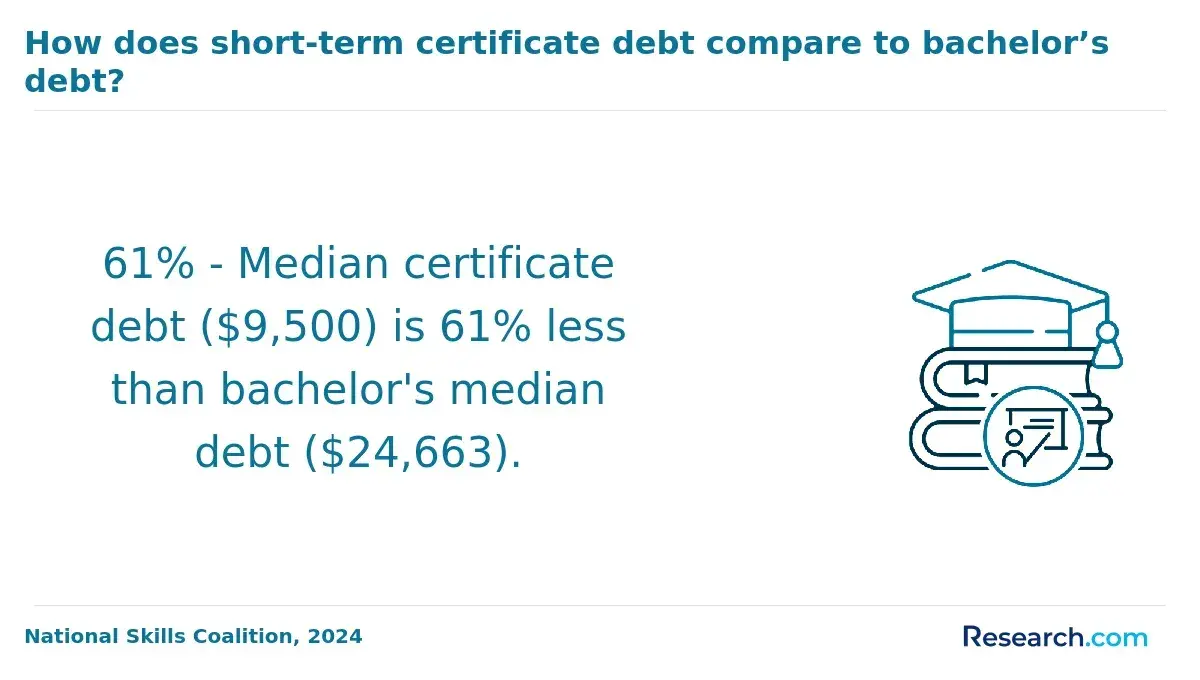
Completion rates for communication disorders degrees differ notably by delivery format, reflecting distinct challenges tied to each option. Traditional campus programs typically record persistence rates between 65% and 80% over six years, benefiting from structured schedules and direct faculty engagement that foster steady progress. Meanwhile, hybrid formats see completion roughly between 55% and 70%, as students juggle both online flexibility and required in-person attendance, which can cause scheduling strain. Fully online programs exhibit the lowest completion outcomes, with rates spanning 40% to 60%, largely due to the demands of self-motivation, remote supervision for clinical practice, and the isolation inherent in digital learning environments.
This landscape suggests that completion difficulty aligns less with format prestige and more with the balance each program strikes between flexibility, support, and hands-on requirements. For example, a working parent opting for a hybrid degree may face unexpected conflicts managing on-campus components alongside family commitments, while another student in an online program might struggle without direct peer interaction or timely feedback during clinical hours. The real-world consequences include delayed graduation or extended program duration, which affect both educational momentum and early career entry.
One graduate reflected on their experience transitioning from a full-time job to pursuing a communication disorders degree online. Initially drawn by the convenience, they soon found maintaining motivation difficult amid minimal real-time contact with instructors and classmates. The occasional campus visits required for clinical evaluations introduced additional stress, especially balancing childcare. This student noted that while the online path provided needed flexibility, it demanded far more self-discipline and resilience than anticipated, highlighting how completion challenges are deeply personal and tied to each learner's circumstances rather than format alone.
How Does Each Communication Disorders Learning Format Affect Student Success?
Student success in a communication disorders program hinges largely on how well the chosen learning format matches one's personal learning style, time availability, and outside commitments rather than the format itself. A student juggling a part-time job and family care, for example, might find a rigid campus schedule restrictive, while another student needing direct faculty interaction could struggle with fully online coursework. Recognizing these practical tradeoffs can clarify which environment supports degree completion most effectively. Key factors influencing success across online, hybrid, and campus formats include the following.
- Engagement through real-time interaction: Campus programs typically provide immediate access to instructors and peers, fostering dynamic discussions and hands-on practice essential in communication disorders training. This direct contact benefits students who thrive on immediacy and feedback but may disadvantage those constrained by geographic or time limitations.
- Flexibility balancing life commitments: Fully online formats offer unmatched scheduling freedom, enabling students to study from anywhere and at varied times. However, this flexibility demands high self-motivation and can lead to isolation, resulting in lower completion rates among learners who lack robust self-discipline and institutional support.
- Accountability via hybrid structures: Hybrid programs combine remote learning with scheduled in-person sessions, blending flexibility with periodic check-ins that increase motivation and reduce the sense of detachment. This model tends to work well for students needing a balance between independence and structured oversight.
- Access to academic resources and support: Campus students often benefit from on-site tutoring, clinics, and informal peer networks, which are vital in skill-based disciplines. Online learners' success correlates strongly with the availability of virtual advising and interactive technologies designed to replicate these supports.
- Impact of social integration: The campus experience encourages peer bonding and professional networking, which can enhance persistence through challenges. Conversely, online students may miss these connections unless programs intentionally build community through synchronous activities.
- Real-world clinical experience opportunities: Hands-on practice is crucial in communication disorders education. Campus formats typically facilitate local clinical placements, whereas online programs must create remote or hybrid clinical options, which may not be equally accessible or recognized in all regions.
- Completion rate disparities: According to the National Student Clearinghouse Research Center (2024), degree completion rates are highest among campus learners due to engagement and resource access, while fully online students show lower completion likely linked to feelings of isolation and less immediate academic support. Hybrid formats often achieve outcomes close to campus programs by offering a middle ground.
How Does Enrollment Status Affect Communication Disorders Completion Rates?
Enrollment status stands as one of the most critical factors influencing completion rates in communication disorders degree programs, but its impact extends beyond simply how many courses a student takes. The interplay between full-time and part-time enrollment reflects complex personal circumstances-such as work, family, and support networks-that often dictate whether a student can sustain momentum toward graduation. Recognizing these nuances helps prospective students align their study pace with their real-world demands rather than defaulting to assumptions about full- or part-time superiority. The following points clarify how enrollment status directly shapes degree outcomes.
- Access to Institutional Resources: Full-time students typically gain better access to academic advising, tutoring, and campus services that support persistence and progression. Part-time learners may face restricted hours or fewer touchpoints, which can slow progress if alternative support isn't established.
- Time Management Challenges: Part-time students often juggle work or caregiving responsibilities, creating unpredictable schedules. This challenge especially affects those in fully online or hybrid communication disorders programs, where self-discipline is critical for consistent study habits.
- Program Structure and Cohort Models: Programs that offer cohort-based learning or structured advising tend to improve completion rates for part-time students by fostering peer support and clearer milestones, showing the importance of institutional design in mitigating enrollment-related risks.
- Academic Engagement Intensity: Full-time enrollment permits concentrated coursework and frequent interactions with faculty, accelerating mastery of concepts essential in communication disorders studies. Conversely, the dispersed pacing of part-time students can lead to diminished academic immersion and retention challenges.
- Completion Time and Career Entry: Data from recent higher education research indicates that full-time students in communication disorders programs are approximately 40% more likely to graduate within four years compared to part-time peers. This timeliness aligns better with professional licensure requirements and labor market demand.
- Flexibility versus Progression Tradeoff: Part-time enrollment offers critical scheduling flexibility for students managing life commitments but may lead to extended graduation timelines unless supplemented with targeted advisement and motivational resources.
- Impact on Earnings and Workforce Integration: Delayed completion for part-time students can postpone entry into communication disorders careers, affecting long-term earnings trajectories. Full-time students' expedited completion better positions them to meet workforce needs swiftly, emphasizing the career implications of enrollment pace decisions.
Students considering their options should carefully weigh these factors alongside personal context before committing to full- or part-time study. Understanding how enrollment status affects communication disorders degree completion rates can inform smarter choices and realistic expectations about timing and support needs. For those exploring flexible study paths, including online or hybrid formats, resources like social media university courses may offer additional insights into managing part-time study successfully.
Can Transfer Credits Improve Communication Disorders Degree Completion?
Transfer credits often shorten the path to completing a communication disorders degree by preventing students from retaking courses that cover foundational material they have already mastered. This reduction in redundant coursework can translate into a faster graduation timeline and less financial burden. However, the degree to which transfer credits accelerate program completion varies widely based on factors such as how well credits align with specific program requirements, the policies of the receiving institution, and the nature of remaining coursework needed to graduate.
Students with prior college experience, military education, or professional training frequently benefit the most from transfer credits. For example, a student who completed general education or introductory communication disorders courses at a community college before moving to a four-year university may enter with a significant number of applicable credits. This positioning can allow them to focus sooner on advanced or specialized courses, resulting in a more streamlined academic journey. Conversely, a learner with credits that do not correspond closely to university requirements may see limited advantage, facing additional courses that extend their time in the program.
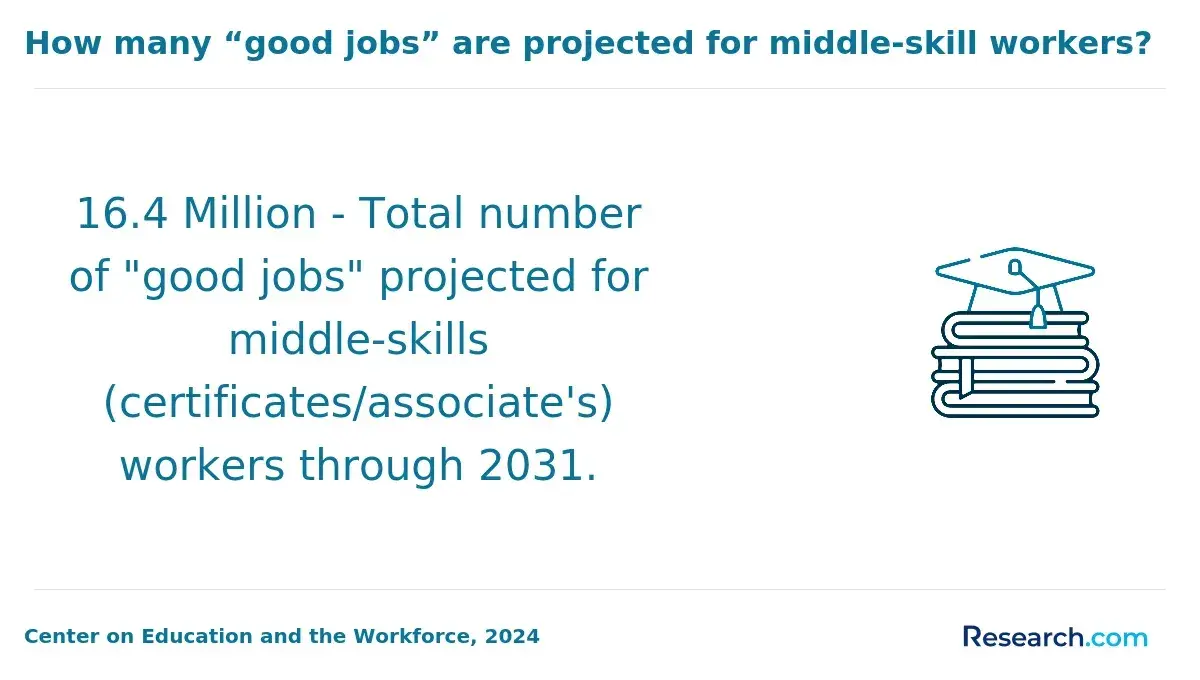
Data from the Community College Research Center in 2024 found that online students who utilized transfer credits were about 25% more likely to graduate within four years than those without such credits. This reflects how credit acceptance can improve degree completion rates, particularly in flexible delivery formats where timely progress is critical. It's important, however, to recognize that transfer credit acceptance alone cannot guarantee accelerated graduation; students must also navigate course sequencing, program rigor, and personal circumstances.
Prospective students should critically evaluate their potential to benefit from transfer credits by first obtaining an official credit evaluation from the institution they plan to attend. Comparing the number of applicable transferred credits with the total credits required for the degree helps clarify how much coursework remains. They should also consider their intended enrollment pace and whether remaining courses fit logically into a manageable schedule. Institutions with clear articulation agreements and transparent credit policies tend to support smoother credit transfers and higher completion rates across all program formats.
What Student Support Services Improve Communication Disorders Completion Rates?
Success in completing a communication disorders degree significantly depends on the availability and effectiveness of student support services tailored to the chosen learning format. Data from the National Center for Education Statistics in 2024 shows that students who access academic advising, tutoring, and mental health resources have higher retention and graduation rates in healthcare-related fields. Yet, the kind of support needed varies by program delivery style, influencing how well students navigate academic and personal challenges.
Key support services associated with improved completion rates include:
- Accessible Academic Advising: Regular, proactive guidance helps identify struggling students early, enabling timely interventions. Advising that adapts to student schedules-whether virtual or in-person-ensures learners stay on track despite external responsibilities.
- Mental Health and Counseling Services: Addressing emotional well-being reduces dropout risk, especially for students juggling coursework with work or family. Personalized counseling supports resilience and motivation across all formats.
- Technology Support for Online Learners: Reliable tech assistance mitigates frustrations with platforms and tools, preventing disengagement in asynchronous environments where students lack immediate in-person help.
- Flexible Faculty Access in Hybrid Programs: Additional office hours and community-building activities promote interaction and practical skills, blending digital and in-person engagement to combat isolation.
- Embedded Tutoring Centers on Campus: Immediate face-to-face tutoring offers targeted help in difficult subjects, reinforcing comprehension and academic confidence for campus students.
- Peer Networking Opportunities: Social connections foster belonging and mutual encouragement, which are critical to maintaining motivation, especially in hybrid programs that combine virtual and physical presence.
- Personalized Outreach for Non-Academic Barriers: Advisors who monitor overall student progress and coordinate support services can identify and help resolve external issues like childcare or transportation that might otherwise derail completion.
One online graduate recalls struggling mid-program when balancing part-time work and family care felt overwhelming. What made the difference was timely outreach from an academic coach who arranged flexible deadlines and connected them with mental health resources. This support not only kept them enrolled but helped sustain motivation through moments of doubt, highlighting that tailored, accessible assistance is crucial in online communication disorders programs.
How Do Communication Disorders Completion Rates Affect Career Outcomes?
Completion rates for communication disorders degrees directly influence career success by shaping employability, salary potential, and professional growth. Data from the National Center for Education Statistics shows that individuals who complete their bachelor's in communication disorders have a 30% higher employment rate within six months of graduation compared to non-completers. Understanding how finishing a program improves career outcomes helps students choose the format that maximizes their chances of success. Here are key ways completing a communication disorders degree impacts career trajectories:
- Credential Eligibility: Certification and licensure require a completed degree. Many employers in speech-language pathology and audiology fields mandate a finished degree for entry-level roles and certification exams. Students who don't complete risk limited job options and lower starting salaries. Completion is crucial for those aiming for professional credentials that open doors to clinical and educational positions.
- Employment Stability and Earnings Growth: Graduates experience more consistent employment and higher salary trajectories. Completing the degree signals commitment and foundational knowledge. It increases bargaining power and access to better-quality roles. Those with completed programs are also likelier to receive promotions and wage increases due to meeting baseline qualifications demanded by employers.
- Graduate Study Pathways: Timely degree completion significantly boosts graduate school enrollment: Entry into advanced programs, essential for specialized roles in communication disorders, strongly depends on having an accredited bachelor's degree. Students who finish on schedule have better chances to apply for graduate degrees that are worth it, which further enhances career prospects.
- Long-term Professional Advancement: Completing a degree fosters progression into leadership and specialized positions. Those who persist are more prepared to develop clinical expertise and assume roles involving supervision or research. Although completion alone doesn't guarantee advancement, it is a foundational step that supports these opportunities over time.
Completion disparities across online, hybrid, and campus formats are a major factor influencing these outcomes. Campus programs often support higher completion rates through structured schedules and hands-on experiences that improve persistence. Students considering communication disorders degree completion impact on career success should also weigh how the chosen format aligns with their learning style and need for clinical exposure to optimize future career possibilities.
How Should Students Choose the Best Communication Disorders Learning Format?
Students deciding on a communication disorders program format must weigh practical realities alongside academic outcomes to select a path that supports long-term persistence and success. A flexible online program might benefit a working parent, while a recent high school graduate may thrive in a campus environment with daily peer interaction. Considering how format influences degree completion rates uncovers critical tradeoffs. Here are key factors for students to evaluate:
- Self-Discipline and Time Management: Online programs suit highly motivated learners with strong self-regulation skills, as students largely manage their schedules independently. Those lacking this discipline are at higher risk of low engagement and dropout. Assess your capacity to maintain consistent study habits without regular face-to-face oversight.
- Work and Family Commitments: Students balancing jobs and caregiving often benefit from the flexibility of online or hybrid formats. According to 2024 data on communication disorders program completion rates by format comparison, flexible scheduling improves retention among working adults, while full-time campus attendance can be challenging for those with these responsibilities.
- Preference for Social Interaction: Campus programs foster academic and social integration through direct faculty support and peer networks, which boosts completion rates. Hybrid formats offer a middle ground with scheduled in-person sessions to maintain accountability for those who find purely online isolation difficult.
- Access to Support Services: On-campus students have immediate access to academic advising, tutoring, and career resources. Online learners must proactively seek virtual equivalents. Evaluate which formats provide the support necessary to help you navigate challenges and stay on track.
- Learning Style and Environment: Consider whether structured classroom settings or asynchronous online learning better fit your cognitive preferences. For instance, a student who excels with in-person discussion might struggle with recorded lectures, impacting completion chances.
- Long-Term Career Goals: Format can influence employability in communication disorders professions through networking opportunities and clinical practicum access. Campus and hybrid options often facilitate direct connections within local professional communities, which might be critical depending on your desired career path.
- Program-Specific Features and Reputation: Comparing program delivery and outcomes, such as those highlighted in online geology programs assessments, reveals how institutional strengths and format innovations can affect success rates. Research evidence-driven completions rather than marketing claims to find the best fit.
What Are the Long-Term Pros and Cons of Each Communication Disorders Learning Format?
Choosing between online, hybrid, or campus formats for a communication disorders degree involves weighing distinct long-term impacts on completion rates, skill development, and professional success. For example, a working parent juggling childcare may thrive in a hybrid program's flexible schedule combined with essential in-person clinical training. The following points outline key factors to consider when deciding which learning format aligns best with your goals and circumstances.
- Completion Rates and Support: Campus programs typically show higher completion rates due to immersive environments and direct faculty interaction, while fully online programs face slightly higher attrition linked to reduced supervision. Hybrid models offer a middle ground, often boosting completion by combining flexibility with structured in-person experiences.
- Practical Skill Acquisition: Hands-on clinical practice is crucial in communication disorders. Campus students benefit from extensive face-to-face training; hybrid learners gain necessary clinical exposure during scheduled sessions, whereas online students may need supplementary placements to achieve equivalent skills.
- Flexibility and Accessibility: Online programs excel at accommodating nontraditional students, including working adults and caregivers, by eliminating geographic and scheduling barriers. Hybrids provide some flexibility but require periodic campus visits, and campus-only formats pose more logistical challenges.
- Networking and Professional Integration: Graduates from campus and hybrid formats generally develop stronger professional networks through peer collaboration and faculty mentorship, which supports better career integration. Online students often must be proactive in building these networks post-graduation.
- Cost and Time Investment: Campus programs often incur higher expenses and time commitments, potentially deterring those with financial or time constraints. Online and hybrid formats can reduce these burdens but may trade off immersive learning experiences and immediate access to resources.
References:
- Communication Disorders: Types, Symptoms, Diagnosis, and Treatment https://www.changedirection.org/conditions/communication-disorders
- Pros and Cons of the School-Based Setting for SLPs https://www.coremedicalgroup.com/blog/pros-and-cons-school-based-slp
- Course Sequence | M.S. in Communication Sciences & Disorders | Elmhurst University https://www.elmhurst.edu/academics/departments/communication-sciences-disorders/programs/m-s-communication-sciences-disorders/course-sequence/
- Communication Disorders Degree Guide: Programs & Careers https://www.speechpathologygraduateprograms.org/blog/what-can-you-do-with-a-communication-disorders-degree/
- Effective Strategies for Communicating with Students Who Have Language and Communication Disorders https://www.parallellearning.com/post/effective-strategies-for-communicating-with-students-who-have-language-and-communication-disorders
- Master of Science (MS) in Speech-Language Pathology https://www.rushu.rush.edu/college-health-sciences/academic-programs/master-science-speech-language-pathology
- Speech-Language Pathology Transfer Students Share Their Story https://www.salus.edu/news-stories/2022/12/speech-language-pathology-transfer-students-share-their-story.html
- Top 10 Budget-Friendly Online Master’s in Speech Therapy for 2024 – Specialist Language Courses https://specialistlanguagecourses.com/top-10-budget-friendly-online-masters-in-speech-therapy-for-2024/
- Top 10 Bachelor’s in Communicative Disorders Degree Programs | Special Education Degrees https://www.special-education-degree.net/top-bachelors-communicative-disorders-degree-programs/
- Support Students with Communication Disorders - VocoVision https://www.vocovision.com/blog/supporting-students-with-communication-disorders-in-public-schools/
Other Things You Should Know About Communication Disorders
While online programs offer greater scheduling flexibility, this often introduces a higher risk of inconsistent engagement with course material. Students must balance self-discipline against distractions outside the academic environment, which can lead to staggered progress or withdrawal. For those prone to needing structured pacing, campus or hybrid formats with scheduled in-person sessions typically foster steadier completion rates.
Hands-on clinical experiences are critical in communication disorders education and are more seamlessly integrated into campus or hybrid formats. Online-only formats may struggle to provide equivalent supervised practice, potentially delaying completion when additional arrangements are necessary. Prioritizing programs with robust in-person clinical opportunities can reduce extension risks and better prepare students for licensure demands.
Employer expectations often lean toward graduates from programs with substantial face-to-face interaction, reflecting perceived rigor and clinical readiness. While online degrees offer flexibility, some employers remain cautious about their equivalence in practical training. Students aiming for competitive clinical roles should prioritize hybrid or campus programs despite longer commute or scheduling demands, while those needing immediate workforce entry may benefit from well-supported online tracks.
Hybrid programs offer a compromise, combining in-person clinical and peer interaction with online course flexibility. This blend typically supports sustained student engagement and timely completion better than fully online options, without sacrificing critical hands-on experience. For most students juggling work or family, hybrid formats often represent an optimal path to graduation and career readiness in communication disorders.