2027 Communication Disorders Degree Enrollment Trends by Age Group: Traditional Students vs Adult Learners

Co-Founder and Chief Data Scientist
The demand for speech-language pathologists and audiologists, projected to grow 29% by 2030 according to the Bureau of Labor Statistics, drives distinct enrollment trends in communication disorders degree programs. Traditional students often enroll immediately after secondary education, influenced by the structured pathway toward licensure and clinical practicum prerequisites.
Adult learners, conversely, face challenges balancing career transitions and family responsibilities with intensive program demands, leading to different enrollment rhythms. This divergence highlights how credential inflation and employer expectations for extensive clinical experience shape who pursues these degrees and when. The age distribution within these programs signals evolving workforce preparedness and accessibility issues in the profession.
Key Things to Know About Communication Disorders Degree Enrollment Trends by Age Group
- Enrollment rates for traditional college-age students dominate programs, reflecting early career entry preference but creating timing tradeoffs for adult learners balancing work and study demands.
- Employers increasingly value diverse age cohorts for communication disorders roles, but younger graduates often gain an advantage in clinical placement availability, affecting hiring timelines and experience accumulation.
- Higher tuition costs and limited part-time options disproportionately impact adult learners, implying longer financial commitment and access barriers that influence degree completion speed and workforce reentry decisions.
- Key Things to Know About Communication Disorders Degree Enrollment Trends by Age Group Key Things to Know About Communication Disorders Degree Enrollment Trends by Age Group
- Which Age Groups Represent the Largest Share of Communication Disorders Students? Students by Age Group
- Why Do Traditional Students Choose Communication Disorders Degree Programs? Traditional Students
- Why Do Adult Learners Return to School for a Communication Disorders Degree? Adult Learners
- How Do Academic Goals Vary Between Younger and Older Communication Disorders Students? Academic Goals by Age Group
- How Do Financial Concerns Differ Between Traditional Students and Adult Learners? Financial Concerns by Age Group
- What Challenges Do Adult Learners and Traditional Students Face While Earning a Communication Disorders Degree? Student Challenges by Age Group
- How Does Age Affect Communication Disorders Degree Student Retention? Age and Student Retention
- Which Communication Disorders Specializations Are Most Popular Among Adult Learners? Top Specializations for Adult Learners
- How Does Age Affect Job Opportunities for Communication Disorders Graduates? Impact of Age in Job Opportunities
- What Do Current Communication Disorders Enrollment Trends Reveal About Future Demand? What Do Current Communication Disorders Enrollment Trends Reveal About Future Demand?
Which Age Groups Represent the Largest Share of Communication Disorders Students?
Communication disorders programs attract students spanning multiple life stages, but enrollment tends to cluster within specific age groups due to differences in when individuals enter the workforce, their financial readiness, and the nature of educational pathways available. This age distribution is less about academic preference and more a reflection of broader labor market rhythms and higher education accessibility trends.
Understanding these patterns helps clarify why certain age groups dominate program participation and how this aligns with their career trajectories and practical constraints.
- Ages 18-24: This group constitutes the largest share of communication disorders students, reflecting the traditional college-age population. Many enter these programs immediately after high school, benefiting from full-time enrollment options and relatively fewer outside obligations. Their studies often align directly with initial workforce entry, driving enrollment in undergraduate and entry-level clinical roles.
- Ages 25-34: Adult learners in this range represent a growing segment, particularly at the graduate and certification levels. Many individuals in this group are career changers or professionals seeking specialization, balancing education with employment and family duties. Their enrollment is often influenced by the need for flexible schedules, which increases demand for part-time, online, or hybrid programs.
- Ages 35-44: While smaller in share, this cohort frequently pursues advanced credentials necessary for licensure in fields such as speech-language pathology or audiology. Their later entry into these programs is often tied to recalibrating career goals toward sustainable healthcare or educational support roles, reflecting longer-term employability concerns.
- Under 18 or 45 and up: Students in these age ranges comprise a minimal fraction of enrollment. Those under 18 are typically not represented in postsecondary communication disorders programs, while older adults beyond 45 often face greater financial and time constraints, limiting participation despite a potential interest in continuing education or second careers.
Enrollment trends in communication disorders degree programs by traditional and adult learners illustrate how workforce timing and education accessibility coalesce. The nuances of financial readiness, program structure, and career motivations reveal that age-based participation reflects systemic labor and education dynamics rather than simple demographic preference.
For prospective students evaluating their options, recognizing these patterns alongside available pathways, such as online accelerated psychology degree formats, can provide insight into how age and life stage may influence educational fit and career progression.
Why Do Traditional Students Choose Communication Disorders Degree Programs?
Traditional students often select communication disorders degree programs due to a blend of academic interest in human development and early career planning that aligns with stable, healthcare-related professions. These programs signal a clear vocational pathway substantiated by strong demand projections, such as the U.S. Bureau of Labor Statistics forecasting 21% employment growth in speech-language pathology over the next decade.
For many, enrolling represents more than choosing a major-it reflects an intent to enter a field combining clinical practice with tangible social impact, which can solidify their educational commitment and provide early specialization opportunities. In this context, traditional students view communication disorders degrees as a foundational step in establishing a career that offers both community relevance and professional resilience.
Deeper factors influencing this choice include targeted university recruitment efforts and the role of guidance counselors who often steer students toward fields perceived as recession-resistant or growth-oriented. Exposure to communication disorders topics through secondary education or introductory college courses further shapes interest and informs academic decisions.
Additionally, the viability of smooth education-to-career transitions with robust clinical practicum placements makes these programs attractive to traditional learners focused on licensure preparation and employment. Data from the Council on Academic Accreditation highlights that a majority of new enrollees pursue these degrees motivated by the direct social engagement the profession offers, which complements perceived job market stability amidst fluctuating economic conditions.
These motivations interplay with broader student decision-making patterns shaped by labor market expectations and institutional pipelines, especially when considering opportunities like easy online associate degrees.
Why Do Adult Learners Return to School for a Communication Disorders Degree?
Adult learners returning to school for a communication disorders degree typically do so to reposition themselves within shifting labor markets, often seeking increased salary potential or entry into higher-demand roles such as speech-language pathology and audiology.
These fields are experiencing above-average growth due to demographic trends like an aging population and expanded need for clinical services, which drives demand for licensed practitioners.
For many adults, re-enrollment represents a strategic response to credential inflation and evolving licensure requirements that can restrict career mobility without updated qualifications. This professional recalibration reflects broader economic pressures where mid-career workers balance practical outcomes against the opportunity cost of time spent studying.
Additional factors facilitating adult learner enrollment include employer-supported tuition assistance and the expansion of flexible program formats, notably online and part-time options that accommodate complex life responsibilities.
Communication disorders programs increasingly adapt to nontraditional schedules, recognizing the need for ongoing skill refreshment amid technology changes and updated clinical standards.
These adjustments help address barriers tied to work-life balance and financial constraints, reinforcing the role of lifelong learning in maintaining workforce relevance.
According to the U.S. Bureau of Labor Statistics in 2024, employment in speech-language pathology and audiology is projected to grow by 21%, underscoring the timely nature of upskilling efforts in this sector.
How Do Academic Goals Vary Between Younger and Older Communication Disorders Students?
Younger communication disorders students generally approach their education intending to establish a solid foundation of knowledge and clinical skills that enable prompt entry into the workforce or progression to graduate study. Their academic focus often centers on broad-based coursework and licensure preparation within a compressed timeframe, reflecting both institutional designs and labor market demands for early credentialing.
Many are at a stage where rapid degree completion and exposure to diverse clinical settings are prioritized to maximize flexibility in early-career choices. According to a 2024 report from the National Center for Education Statistics, nearly 70% of students aged 18 to 24 in communication disorders programs plan to secure licensure and employment within two years of graduation, underscoring their intent to transition swiftly into practitioner roles.
In contrast, adult learners in communication disorders programs tend to pursue education with a more targeted and pragmatic orientation linked closely to existing career trajectories or desired professional shifts. Their academic goals emphasize specialization, flexible scheduling, and credential attainment that aligns with specific job requirements or advancement pathways in healthcare, education, or related fields.
Many adult students balance educational commitments with ongoing professional and personal responsibilities, making part-time or modular program options crucial. As highlighted by a 2024 American Speech-Language-Hearing Association study, about 58% of adult learners prioritize programs that accommodate their complex schedules, reflecting a shift toward strategic upskilling and role transitions rather than foundational credentialing alone.
One adult learner shared their experience navigating the admissions process amid these priorities. Having worked in education for years, they hesitated initially about returning to school due to uncertainty about balancing work and family with rigorous studies. The rolling admissions timeline added pressure, as they waited for confirmation while weighing whether to defer for a semester.
Ultimately, the decision to enroll hinged on securing a program offering flexible clinical placements and part-time coursework, allowing them to maintain employment during their credential pursuit. This reluctance, combined with strategic timing, reflects common challenges adult students face in aligning academic goals with real-life demands and career ambitions.
How Do Financial Concerns Differ Between Traditional Students and Adult Learners?
Traditional students pursuing communication disorders degrees typically rely on a combination of family support, financial aid, and student loans to manage tuition and living expenses. Their financial concerns focus heavily on navigating upfront costs while balancing part-time work and minimal familial financial obligations.
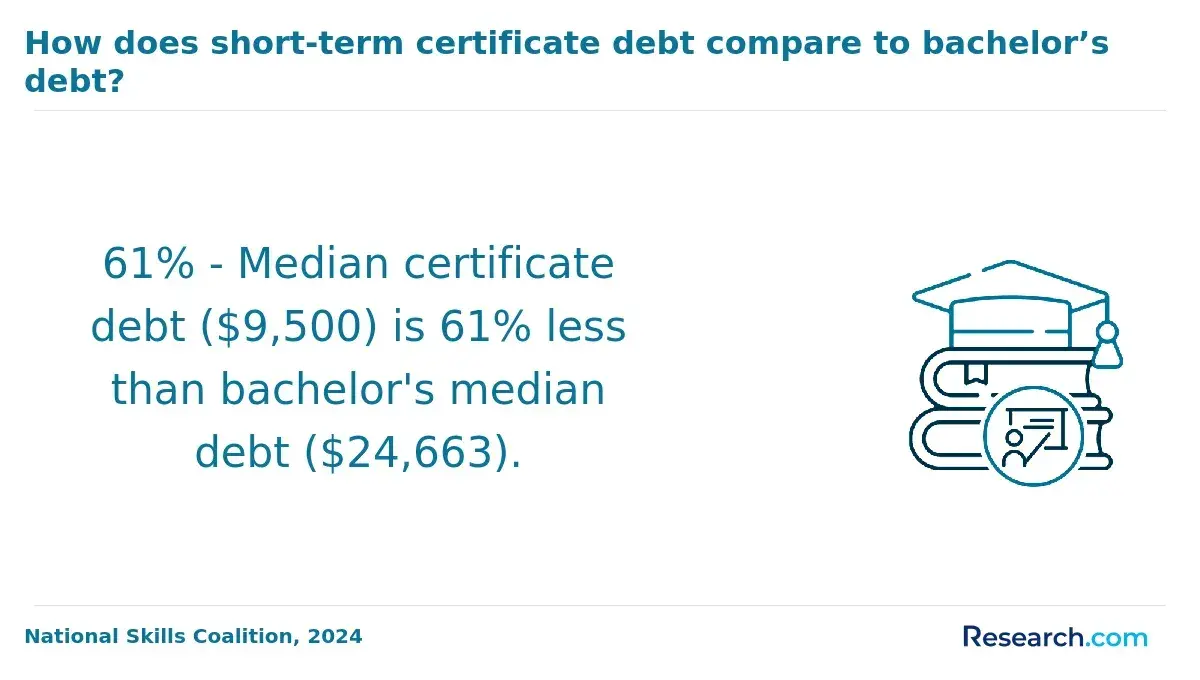
According to the National Center for Education Statistics (2024), about 70% of undergraduate students under 25 receive financial aid, often graduating with around $30,000 in debt, a burden weighed against the long-term return on investment of their degree.
This dynamic shapes how younger students approach tuition and financial planning, frequently prioritizing debt tolerance and loan management strategies while considering the opportunity costs of education relative to expected income growth.
Adult learners, in contrast, face distinct financial pressures that involve balancing ongoing full-time employment with education costs and family responsibilities such as childcare or eldercare. They are less likely to accumulate debt from loans, relying instead on personal savings, employer tuition assistance, or government programs like Pell Grants.
However, the opportunity cost of reduced work hours or earnings is high, often forcing adult students to weigh immediate income loss against educational gains. The 2024 Adult Learner Financial Study by the Lumina Foundation found nearly 60% of adult learners delay or forgo schooling due to these financial factors, highlighting the burden of sustaining household income while investing in further education and reflecting the financial aid challenges for traditional vs adult communication disorders students.
These divergent financial behaviors are reflected in enrollment trends and program choices within the communication disorders field, as adult learners often prioritize flexible, often online formats that accommodate work and family demands, whereas traditional students may opt for more on-campus engagement.
Such decisions directly influence long-term outcomes and program completion timelines, as managing opportunity costs alongside debt accumulation affects the perceived value of the education.
Prospective students evaluating cost differences in communication disorders degrees for young and adult learners should also consider hybrid delivery models or payment plans geared to adult learners, alongside resources found through pathways like a real estate development degree online, which illustrate evolving strategies in balancing education financing with career demands.
What Challenges Do Adult Learners and Traditional Students Face While Earning a Communication Disorders Degree?
Traditional students in communication disorders programs often grapple with the transition to higher education demands, facing academic preparedness gaps and the need to develop disciplined study habits within a structured campus environment. Many are managing the shift from high school to college-level coursework in specialized areas such as speech pathology or audiology, where the complexity and volume can be overwhelming.
According to a 2024 report from the National Center for Education Statistics, roughly 30% of these students experience significant stress from academic pressure, which correlates with retention challenges. Beyond academics, integrating into campus life and building peer networks present additional adjustment demands unique to this age group's developmental stage and social expectations.
Adult learners encounter a distinct set of challenges shaped by their life stage, including balancing employment, family obligations, and study commitments. Unlike traditional students, they often return to or continue their education amid competing priorities, making time management critical and complex.
Data from a 2024 survey by the Postsecondary Education Research Institute highlights that 68% of adult learners in communication disorders fields identify conflicts between work schedules and family responsibilities as key barriers to consistent engagement. Financial constraints also compound these challenges since adult students less frequently access traditional aid and may rely on loans or employer assistance, intensifying stress and prolonging degree completion paths.
Institutions addressing these divergent needs increasingly implement flexible clinical placements, online coursework, and tailored advising to accommodate both populations. While traditional students benefit from campus-based resources and more predictable schedules, adult learners require adaptable program formats and support systems that can reconcile their multifaceted roles outside academia.
Recognizing these lifecycle-based differences is essential not only for student retention but also for aligning curriculum pacing and experiential opportunities with real-world constraints, ultimately impacting workforce readiness and career trajectory in communication disorders professions.
How Does Age Affect Communication Disorders Degree Student Retention?
Younger students enrolled in communication disorders degree programs often contend with retention challenges rooted in their transitional phase into higher education. Their academic preparedness can vary widely, and many struggle to align motivation with the intensive demands of coursework and clinical expectations.
Early stages of college reveal gaps in time management and less clarity about long-term career objectives, contributing to wavering persistence. Data from the National Center for Education Statistics in 2024 underscores this, showing that traditional students have retention rates several percentage points lower than their adult counterparts, reflecting volatility in engagement and adjustment to academic rigor.
In contrast, older students pursuing communication disorders degrees exhibit a retention pattern marked by strong goal orientation, heavily influenced by prior work experience and a focused intent to complete credentials tied directly to employment outcomes. Yet their persistence is tempered by competing responsibilities like full-time employment, caregiving, and limited flexibility for traditional class schedules.
Programs that offer hybrid or fully online options often significantly improve retention for this group by accommodating life's demands. These dynamics illustrate how retention among adult learners is less about academic acclimation and more about negotiating external pressures while sustaining educational progress.
One graduate recalled the tension of navigating a rolling admissions cycle while balancing family and part-time work. Initially hesitant to apply, she delayed submitting materials to evaluate her readiness and finances carefully.
The extended timeline allowed her to build confidence and secure necessary supports but also introduced anxiety about possible missed opportunities. This experience highlighted how timing and strategic preparation-especially for adult learners juggling multiple commitments-can critically impact enrollment persistence beyond academic capabilities alone.
Which Communication Disorders Specializations Are Most Popular Among Adult Learners?
Adult learners in communication disorders programs tend to select specializations that provide clear pathways to licensure, practical skill development, and employment stability. This group often seeks to leverage prior professional experience or facilitate career transitions with credentials that yield immediate workforce applicability and salary progression.
Unlike traditional students, adult learners prioritize specializations aligned with hands-on clinical training and licensing requirements that support their reentry or advancement within healthcare, education, or rehabilitative services.
Data from the American Speech-Language-Hearing Association (ASHA) in 2024 indicates that 62% of graduate enrollment by adults aged 25 and higher is concentrated in speech-language pathology tracks, reflecting these workforce demands within communication disorders adult learner specialization trends.
- Speech-Language Pathology: Adult learners often come from related health or education backgrounds and find this specialization supports direct entry into diverse clinical settings, enabling faster salary growth and job stability due to ongoing demand.
- Audiology: While requiring extended graduate education, audiology is chosen by those seeking specialized expertise in hearing and balance disorders, facilitating transitions into more technical or medical roles with potential for high clinical responsibility.
- Clinical Supervision and Leadership: This specialization appeals to professionals aiming to move into administrative or educational leadership roles, building upon existing clinical skills to influence program quality and staff development.
- Language Development and Intervention: Adults interested in pediatric-focused or educational roles select this track to complement previous experience in teaching or therapy, aligning with workforce needs in early intervention programs.
- Augmentative and Alternative Communication (AAC): This niche specialization attracts those focused on innovative communication technologies, often suited for learners with technical aptitude seeking specialization in augmentative clinical tools.
These preferences emphasize adult students' focus on career pragmatism, job market alignment, and professional reinvention rather than purely academic exploration in less clinically oriented subfields. This contrasts with traditional students whose enrollment tends to be more evenly distributed across speech science or language research domains, which may lack immediate professional application.
Among adult learners evaluating program affordability alongside specialization is critical, further underscoring practical decision-making. For those seeking a balance between cost and career impact, identifying a cheapest online college with accredited credentials can be an essential advantage.
How Does Age Affect Job Opportunities for Communication Disorders Graduates?
Younger graduates in communication disorders programs commonly benefit from employer preferences for early-career hires who are perceived as flexible and trainable, aligning with organizational models that invest in workforce development through internships and entry-level roles. These candidates often access structured pipelines leading to quicker job placement and clearer career progression paths.
According to the U.S. Bureau of Labor Statistics in 2024, younger graduates have about a 15% higher likelihood of securing employment within six months of graduation than their older peers, reflecting labor market dynamics favoring those who enter the workforce earlier. These hiring patterns reveal how age influences communication disorders graduate job prospects by age group, particularly in how initial role placement and early experience accumulation shape long-term career trajectories.
In contrast, older graduates frequently enter the field with prior professional experience or transferable skills that can be advantageous for specialized communication disorders roles but face unique challenges related to employer expectations and labor market segmentation.
Employers may exhibit bias regarding salary demands or adaptability, sometimes hesitating to offer senior-level compensation without direct relevant experience, which can slow hiring decisions or limit starting positions. Additionally, balancing education with other life responsibilities can extend timelines for workforce entry, impacting momentum in early career stages.
Nonetheless, adult learners often leverage their developed organizational and interpersonal competencies in ways that can enhance their employability despite these barriers. For students weighing their educational pathways, comparing the practical realities between traditional and adult learners, including for example accelerated options like the shortest online MBA, highlights the nuanced impact of age on career opportunities in communication disorders and helps tailor strategic enrollment decisions.
What Do Current Communication Disorders Enrollment Trends Reveal About Future Demand?
Shifts in enrollment in communication disorders degree programs reflect nuanced changes in student priorities and perceptions of career viability. While traditional college-age enrollment remains stable, a marked uptick in adult learner participation reveals growing recognition of these degrees as viable pathways for mid-career transitions and advanced practice roles.
The 2024 National Postsecondary Student Aid Study highlights this demographic shift, showing accelerated growth in formats accommodating working adults, including part-time and online options.
This trend underscores a bifurcation in learner goals-undergraduates typically seek entry-level licensure readiness, whereas adult learners pursue specialization and graduate credentials aligned with advancing healthcare roles.
These enrollment dynamics signal broader labor market adjustments, where employer demand for specialized skills and practical experience increasingly shapes educational pathways. As healthcare innovation expands the scope of communication science, many programs respond by broadening graduate offerings and flexible delivery modes, anticipating workforce shortages and interdisciplinary needs.
The integration of advanced competencies and experiential learning in curricula corresponds with industry expectations for employability and licensure, suggesting sustained program growth driven by evolving demand across healthcare and allied fields.
References
- Meeting the Needs of Adult Students | Insight Into Academia https://insightintoacademia.com/meeting-the-needs-of-adult-students/
- Going Back to School as an Adult: a Step-by-Step Guide https://insights.ehl.edu/going-back-to-school-as-an-adult
- Communication Disorders and Use of Intervention Services Among Children Aged 3â17 Years: United States, 2012 http://library.eshikshya.org/modules/en-cdc/www.cdc.gov/nchs/products/databriefs/db205.htm
- Government data shows 30% of pupils with SEND have speech and language challenges - Speech and Language UK: Changing young lives https://speechandlanguage.org.uk/about-us/news-and-blogs/government-data-shows-30-of-pupils-with-send-have-speech-and-language-challenges/
- The Benefits of College for Adult Learners - ReUp Education https://reupeducation.com/blog/the-benefits-of-college-for-adult-learners/
- Top 5 Reasons Why Adults Go Back to School https://www.georgefox.edu/adult-degree/articles/back-to-school-reasons.html
- Why college? A deep dive into adult learners’ journeys https://www.luminafoundation.org/news-and-views/why-college-a-deep-dive-into-adult-learners-journeys/
- Supporting Adult Learners in Higher Education: Strategies for Non-Traditional Student Success https://moderncampus.com/blog/why-and-how-you-should-serve-non-traditional-students.html
- Communication Sciences & Disorders Major & Minor https://www.stonehill.edu/programs/communication-disorders/
- Communication Sciences & Disorders Degree Programs | Elmira College https://www.elmira.edu/academics/programs/communication-sciences-disorders
Other Things You Should Know About Communication Disorders
Adult learners in communication disorders programs are more likely to enroll part-time compared to traditional students, who often attend full-time. This enrollment pattern affects the pacing of degree completion and can influence the continuity of learning, with adult learners potentially facing longer program durations. Programs that lack flexible scheduling may hinder adult learners from balancing work and study effectively, which can impact retention and depth of skill acquisition. Therefore, prospective adult students should prioritize programs explicitly designed to support part-time learners with tailored academic advising and flexible clinical placements.
Traditional students often access a wider array of on-campus experiential learning such as internships and peer study groups, while adult learners may face limitations due to work or family commitments. This can create a gap in hands-on training intensity, which is critical in communication disorders education where clinical experience is essential. Adult learners need to evaluate how programs integrate remote or evening/weekend clinical practicums and whether employers recognize these alternative experiences as equally credible. Choosing programs with robust, flexible experiential frameworks is crucial for adult learners aiming to meet employer expectations on practical skills.
Yes, social integration and peer networking differ significantly between traditional students and adult learners and these factors materially impact both academic support and career networking. Traditional students benefit from immersive campus environments fostering peer collaboration, while adult learners might experience isolation if programs lack structured networking for older cohorts. Since strong professional networks contribute to job placement and knowledge exchange in communication disorders fields, adult learners should prioritize institutions that offer cohort models, mentorship, or virtual communities that facilitate meaningful connections beyond age divides. For traditional students, active social engagement remains important but is often more organically available.