2027 Communication Disorders Tuition Inflation Report: How Fast Are Program Costs Rising?

Co-Founder and Chief Data Scientist
Tuition trends within communication disorders programs reflect distinct pressures tied to the field's evolving clinical and educational demands. Increasing accreditation requirements and expanded clinical practicum hours necessitate higher labor and facility costs, pushing program expenses beyond typical academic inflation. Advanced speech-language pathology technology, diagnostic tools, and specialized laboratory equipment contribute to rising operational budgets, while faculty with niche expertise command competitive salaries amid workforce shortages. Enrollment shifts reveal a growing number of mid-career students balancing tuition with professional demands, signaling changes in workforce requalification and continuing education needs. Understanding these patterns sheds light on how program cost inflation corresponds to the profession's practical and regulatory complexities.
Key Things to Know About Communication Disorders Tuition Inflation
- Tuition inflation for communication disorders programs has exceeded the overall higher education average by 15% since 2022, reflecting increased resource demands and regulatory standards, complicating affordability and lengthening financial planning horizons.
- Employers increasingly prioritize candidates with specialized clinical experience over advanced degrees alone, meaning rising tuition may yield diminishing returns without strategic practicum or internship selections embedded in curricula.
- Rising costs disproportionately delay program completion for lower-income students, potentially reducing workforce diversity and exacerbating shortages in underserved areas where communication disorders expertise is most needed.
- Key Things to Know About Communication Disorders Tuition Inflation Key Things to Know About Communication Disorders Tuition Inflation
- How Much Has Communication Disorders Tuition Increased Over the Past Decade? How Much Has Communication Disorders Tuition Increased Over the Past Decade?
- How Does Communication Disorders Tuition Inflation Compare to Overall Inflation? How Does Communication Disorders Tuition Inflation Compare to Overall Inflation?
- Which Types of Schools Have Experienced the Fastest Communication Disorders Tuition Growth? Tuition Growth by School Type
- What Factors Are Driving Rising Costs in Communication Disorders Degree Programs? Tuition Cost Drivers
- How Does Communication Disorders Tuition Growth Vary by State and Region? Tuition Growth by State
- Are Online Communication Disorders Programs Becoming More Affordable Than Campus-Based Programs? Online Program Affordability
- How Have Financial Aid and Scholarships Changed as Communication Disorders Tuition Has Increased? Impact on Financial Aid and Scholarships
- How Does Rising Communication Disorders Tuition Affect Student Debt After Graduation? Impact on Student Debt
- Do Higher-Cost Communication Disorders Programs Deliver Better Career Outcomes or Earnings? Impact on Career Outcomes
- What Do Current Tuition Trends Suggest About the Future Cost of a Communication Disorders Degree? What Do Current Tuition Trends Suggest About the Future Cost of a Communication Disorders Degree?
How Much Has Communication Disorders Tuition Increased Over the Past Decade?
Analysis of recent data from the National Center for Education Statistics and the College Board reveals that tuition for Communication Disorders degree programs in the United States has increased roughly 35% to 45% in nominal terms since 2014. This rise notably outpaces general inflation rates near 20%, underscoring how costs for these specialized programs have inflated disproportionately over the past decade. Both undergraduate and graduate tuition have followed this upward trajectory, reflecting a sector-wide pricing trend that cannot be divorced from broader higher education inflation patterns. The persistence of such tuition inflation trends over the past decade raises critical questions about the long-term financial sustainability for students pursuing careers in this field.
Several intertwined factors contribute to the rising costs of communication disorders degree programs in the United States. The need for specialized faculty with clinical credentials, investment in accredited training facilities, and the maintenance of low student-to-instructor ratios all generate substantial fixed expenses that administrations pass on to students. Public institutions have contended with shrinking state support, further shifting the financial burden onto enrolled learners, while private schools have maintained even higher sticker prices due to limited external subsidies. Additionally, expanding expectations around clinical competence and credentialing requirements push programs to enhance their technological and instructional infrastructure, accelerating tuition growth beyond what typical inflation alone would predict.
These tuition inflation pressures have real consequences for student affordability, borrowing, and program choice. With wages in many communication disorders careers not consistently matching tuition growth, prospective students face harder decisions weighing debt load against future earnings and employment stability. Transparency around cost structures and access to supportive resources are increasingly vital for managing return on investment in this field. Students exploring their options might also consider alternatives with clearer financial pathways. For example, some AI degree programs highlight affordability and growing labor market needs, an approach that underscores the importance of aligning program costs with realistic career outcomes amid shifting higher education economics.
How Does Communication Disorders Tuition Inflation Compare to Overall Inflation?
Tuition inflation for communication disorders programs has outpaced general consumer price inflation, with annual tuition increases ranging between 5% to 7% compared to roughly 3% CPI growth from the U.S. Bureau of Labor Statistics. Data from the College Board and National Center for Education Statistics illustrate this persistent gap, underscoring how education expenses in this field are rising at a significantly faster rate than everyday household costs. This discrepancy highlights the growing financial challenge faced by students, especially as communication disorders tuition inflation rates compared to overall inflation reveal mounting pressures unique to specialized health-related programs. Such trends warrant careful examination by prospective students when assessing long-term affordability and return on investment in these degrees.
The structural factors driving this tuition inflation gap extend beyond typical market forces affecting consumer goods. Declining state funding for public institutions shifts cost burdens toward tuition revenue, while expansion of administrative layers and compliance with evolving accreditation requirements add operational complexity and expense. Investments in clinical training facilities, technology upgrades, and expanded student support services further elevate institutional costs in a sector where quality oversight and hands-on practicum are indispensable. Regional trends in communication disorders program cost increases also reflect variable state funding formulas and differing institutional priorities, amplifying disparities in tuition growth nationally.
These cost dynamics amplify affordability pressures, often pushing students toward increased borrowing and longer debt repayment horizons. The widening gulf between tuition inflation and general inflation influences program selection decisions and career pathways, as learners weigh specialized training benefits against financial strain. In this context, understanding how communication disorders tuition inflation intersects with broader economic forces provides crucial perspective on educational investment choices, paralleling similar concerns seen in other advanced healthcare programs. For those comparing financing options, exploring alternatives like the cheapest executive MBA online may illustrate how program costs and outcomes differ across professional fields.
Which Types of Schools Have Experienced the Fastest Communication Disorders Tuition Growth?
Tuition increases for communication disorders programs differ markedly depending on the type of institution, funding mechanisms, and instructional models employed. Recognizing these distinctions is crucial for stakeholders assessing cost trends and evaluating program affordability and value. Institutional pricing behavior reflects underlying financial pressures, market demand, and resource allocation priorities that vary significantly across higher education sectors.
- Private For-Profit Institutions: These schools often report the fastest tuition growth for communication disorders programs, driven by limited public funding and reliance on tuition as a primary revenue source. Aggressive program expansion and flexible delivery formats appeal to working adults but come with higher pricing to sustain specialized faculty and clinical partnerships.
- Public Universities: Tuition increases here tend to be more modest, typically in the 2-3% annual range, reflecting partial state subsidies and regulatory oversight. However, rising operational costs and shifts in state funding formulas have gradually eroded earlier cost containment, especially in high-demand healthcare disciplines.
- Research-Intensive Universities: These institutions face upward tuition pressure to fund cutting-edge facilities and research integration within communication disorders programs. Their ability to cross-subsidize tuition with grant funding varies, but overall program prestige and resource intensity contribute to steady price escalation.
- Regional Colleges and Smaller Nonprofit Universities: Such schools may experience moderate tuition growth fueled by niche specialization and efforts to expand healthcare-related offerings. Limited scale can increase per-student costs, though these increases often remain below private for-profit levels due to broader philanthropic support and lower administrative overhead.
- Online Universities and Hybrid Providers: The growth in tuition here is mixed; some programs leverage technology to reduce costs while others charge premiums for convenience and accelerated pathways. Market competition and investment in virtual clinical training infrastructure influence pricing strategies substantially.
A 2024 report from the National Center for Education Statistics indicates private for-profit programs in communication disorders have seen tuition rises exceeding 5% annually, surpassing public counterparts by a significant margin. This divergence illustrates how institutional financial models and market positioning directly shape long-term affordability and accessibility within the field.
What Factors Are Driving Rising Costs in Communication Disorders Degree Programs?
The escalation in costs for communication disorders degree programs stems from a complex interplay of institutional, economic, and regulatory forces rather than a sole or straightforward cause. Public funding reductions have pressured many programs to increase tuition reliance, shifting the financial burden onto students even as demand for specialized instruction and clinical experience grows. Institutional responses include expanding administrative roles and compliance capacities to address increasingly rigorous accreditation mandates, which add overhead without directly enhancing instructional quality. These factors intertwine with labor market realities in higher education, where competitive faculty salaries must reflect sector-wide trends and the increasing specialization required in both research and clinical supervision.
Significant investments in digital and clinical infrastructure further compound cost pressures for communication disorders programs. Upgrading simulation labs, telepractice platforms, and diagnostic technology, which are essential for hands-on training aligned with employer expectations, requires sustained capital outlays and ongoing maintenance expenses. Faculty compensation alone has risen about 6.5% annually recently to retain experienced practitioners-a trend documented in workforce reports-while operational inflation, including facility upkeep and administrative support, routinely exceeds general consumer inflation. These systemic financial dynamics converge, particularly in health-related fields, creating upward pressure on tuition and overall program costs that reflect not only education delivery but also the embedded cost of meeting professional standards and workforce readiness.
A graduate recalled how navigating the admissions timeline illuminated these cost realities on a personal level. Faced with a rolling application process and limited communication from programs, they hesitated to commit quickly, uncertain whether later offers might include updated tuition details or additional funding options. The delay added stress but also time to assess how rising fees and resource requirements might affect their long-term financial planning. Only after weighing both program quality and affordability did they accept an offer, highlighting how prospective students often must balance urgency and caution amid fluctuating cost structures and opaque institutional timelines.
How Does Communication Disorders Tuition Growth Vary by State and Region?
Tuition growth for communication disorders programs varies significantly by state and region, driven primarily by differences in state funding, institutional types, and broader economic conditions. States with substantial public university systems and consistent state appropriations often experience more controlled tuition increases, while regions with a greater concentration of private and research-intensive universities tend to see sharper annual hikes. These regional trends in communication disorders tuition increases reflect complex interactions between funding models, local cost of living, and institutional pricing strategies that affect affordability and access across the country.
Key drivers of this variation include the degree of state appropriations supporting public universities, which directly impact tuition pressures as institutions compensate for funding gaps. Regions like the Northeast and West Coast, characterized by higher living costs and a strong presence of private or research-focused institutions, often report tuition growth surpassing 5% annually. In contrast, Midwestern and Southern states generally have slower tuition growth due to more stable public funding and cost-control efforts, despite often having fewer specialized or prestige programs. Workforce demand in metropolitan areas with competitive clinical and academic job markets further influences tuition strategies, as programs in these locations may justify higher costs given the stronger long-term employment prospects for graduates. Such state-by-state communication disorders program tuition growth rates underscore how regional labor market dynamics and institutional mixes mediate financial barriers.
The uneven tuition growth across regions has broader implications for student mobility and program selection, with affordability disparities influencing where learners enroll and their potential return on investment. Students must weigh higher upfront expenses in competitive metro areas against possible enhanced employment outcomes, while those in lower tuition growth regions may face fewer immediate opportunities in niche fields. This dynamic highlights the importance of analyzing regional education economics and workforce conditions rather than relying on surface-level tuition comparisons. Prospective students navigating these complexities can also explore related fields, sometimes considering programs in business office administration when evaluating their educational pathways and financial commitments.
Are Online Communication Disorders Programs Becoming More Affordable Than Campus-Based Programs?
Tuition trends in communication disorders degree programs highlight a widening contrast between online and campus-based delivery formats. Traditional on-campus programs face annual tuition increases averaging 4 to 5 percent, often surpassing overall inflation rates, largely due to rising costs tied to physical facilities and campus infrastructure upkeep. Conversely, online programs exhibit more restrained tuition growth, typically in the 1.5 to 3 percent range, reflecting lesser dependency on fixed campus expenses and the scalability of digital platforms. However, this relative affordability is not uniform; certain online degrees maintain per-credit rates comparable to campus offerings, driven by program length and institutional pricing strategy rather than delivery mode alone.
The core factors influencing these pricing dynamics rest in distinct cost structures and investment priorities. On-campus programs incur substantial maintenance, utility, and administrative overhead linked to physical classrooms and clinical labs, which online alternatives circumvent. Yet, online communication disorders programs must deploy significant resources in technology infrastructure, including virtual clinical simulation software, secure learning management systems, and dedicated instructional design tailored for remote clinical skill acquisition. Additionally, faculty workload models differ as online instruction often demands higher preparation and asynchronous engagement, necessitating enhanced student support services to address the dispersed learner population. These divergent institutional expenses mean affordability differences stem from structural choices, with some schools strategically investing heavily in digital platforms, potentially offsetting lower facility costs and impacting tuition pricing over the long term. According to 2024 data from the National Center for Education Statistics, tuition inflation rates verify this bifurcation, demonstrating sustained cost escalation in traditional programs against moderated increases in their online counterparts.
One graduate of an online communication disorders program described her admissions experience as marked by uncertainty common in rolling application cycles. After submitting materials early, she faced a delay in receiving a decision, which complicated her ability to compare financial aid offers and plan accordingly. The flexible pacing of the online program offered relief, allowing her to begin coursework while awaiting final scholarship information, but also required careful timing to optimize affordability without losing access to key support resources. This nuanced experience underscored how cost considerations interact with admissions timing and preparatory strategy, influencing both perceived and actual program affordability beyond published tuition figures.
Employer Confidence in Online vs. In-Person Degree Skills, Global 2024

How Have Financial Aid and Scholarships Changed as Communication Disorders Tuition Has Increased?
Financial aid and scholarship offerings have evolved unevenly as tuition expenses for Communication Disorders programs have steadily increased. While some institutions, particularly well-funded research universities or professional schools, have expanded merit-based scholarships and need-based grants to remain competitive, this growth often does not align proportionally with escalating tuition costs. Many regional or smaller programs report stagnating scholarship pools, meaning that students frequently face a widening gap between aid received and overall program expenses. Public sources such as federal Pell Grants and subsidized loans have adjusted incrementally, but these increases rarely keep pace with tuition inflation in Communication Disorders, leaving students to rely increasingly on debt.
The expansion of financial aid is influenced by several intersecting trends. Rising competition among programs to recruit high-achieving candidates has prompted selective merit-based awarding, especially at institutions with greater endowments. Federal and state aid programs show modest eligibility improvements, yet their budgets and award limits have not fully matched tuition hikes. Additionally, universities apply tuition discounting differently based on market demands and institutional priorities, which affects net price variability across programs. Private scholarships linked to professional associations remain a vital supplement but are increasingly competitive and limited, emphasizing a shifting aid environment where students must navigate a complex mix of merit, need, and external funding sources.
Despite some nominal increases in financial aid, the net price for many Communication Disorders students has risen, heightening concerns over long-term debt burdens amid variable postgraduation salaries in the field. These affordability pressures influence enrollment decisions and may exacerbate disparities by institutional prestige and geography, affecting which students can realistically pursue advanced education. The current aid trends underscore the importance of strategic financial planning when selecting Communication Disorders programs, as rising tuition and uneven aid growth challenge the assumption that scholarships substantially offset costs or reduce reliance on loans.
How Does Rising Communication Disorders Tuition Affect Student Debt After Graduation?
Rising tuition in communication disorders programs directly leads to higher borrowing amounts as students increasingly rely on loans to cover expanding costs. This trend is underscored by analyses from government education reports and independent research institutes in 2024, which show average debt levels climbing nearly 20% in five years. The growing communication disorders tuition impact on student loan debt means many students must borrow not only for tuition but also for associated expenses, often exceeding grant or scholarship support. As prices climb faster than wage growth or inflation, borrowing becomes an essential but burdensome step to accessing these degrees.
Several factors deepen the financial strain as rising costs interact with limited financial aid and differences in institutional pricing structures. Public programs, though generally less expensive, are also experiencing tuition inflation that outpaces salary increases, while private institutions typically impose even higher fees, widening the gap between total cost and available aid. Interest accrual during multi-year programs further inflates eventual repayment totals, especially as loan interest accumulates before graduation. Post-graduation incomes for communication disorders professionals vary significantly by specialization and geography, which complicates debt servicing and long-term affordability for many borrowers.
Heavier debt burdens tied to rising tuition contribute to prolonged repayment periods and increased financial stress, especially for adult learners juggling work and family responsibilities. Income-driven repayment plans and loan forgiveness programs offer some relief but are unevenly accessible or effective, potentially skewing program choice and perceived degree value. Students weighing communication disorders degrees must carefully assess these financial dynamics, considering resources such as the cheapest online master's in finance guides to manage loan commitments relative to realistic post-graduate earnings and debt recovery timelines.
Do Higher-Cost Communication Disorders Programs Deliver Better Career Outcomes or Earnings?
The relationship between higher-cost communication disorders programs and improved career outcomes or earnings is not direct or assured. Tuition expenses alone do not reliably predict stronger employment results or higher starting salaries. Recent data from the U.S. Department of Education's College Scorecard (2024) reveal that career earnings among graduates tend to cluster within a narrow range regardless of whether the program was high-cost or low-cost, primarily influenced by regional demand and licensure requirements. Thus, the assumption that more expensive programs automatically deliver better financial returns or job placement opportunities oversimplifies a complex educational and labor market reality involving communication disorders degree earnings by institution type.
Factors beyond price more significantly influence graduate outcomes. Institutional prestige and available resources can impact exposure to advanced clinical specializations and research opportunities, but employer networks, internship pipelines, and state licensure pass rates play a critical role in employability and salary levels. Geographic location shapes demand intensity and salary scales, while alumni networks provide essential professional connections. Licensing and certification standards standardize baseline qualifications, further leveling salary expectations. Consequently, program affordability paired with accreditation and access to relevant practicum experiences often outweighs tuition costs as determinants of employment success in communication disorders.
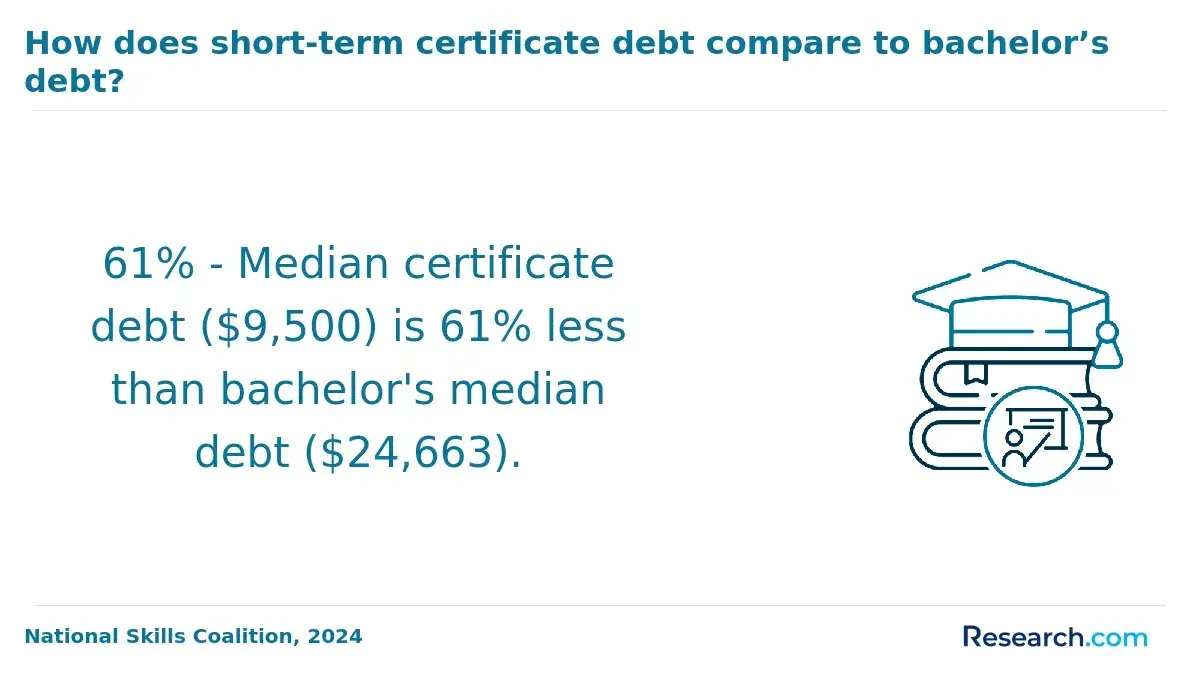
Prospective students must evaluate total return on investment by balancing tuition inflation against tangible program benefits, such as clinical training quality and network access. Rising costs do not guarantee stronger job placement or higher lifetime earnings. Considering practical alternatives-including short certificate programs that pay well-can provide more cost-effective pathways into the field. Well-informed decisions prioritize program fit, location, and applied learning opportunities to maximize long-term career value rather than relying on institutional price or reputation alone.
What Do Current Tuition Trends Suggest About the Future Cost of a Communication Disorders Degree?
Recent tuition trends suggest that the cost of earning a Communication Disorders degree will continue to rise at a rate surpassing general inflation for higher education. Data from the National Center for Education Statistics in 2024 shows an average annual increase of approximately 4.7% in tuition and fees over the past three years, indicating persistent upward pressure on program costs. This historical growth reflects not only inflation but also discipline-specific factors driving prices higher than typical academic inflation rates, signaling that future candidates should expect sustained increases rather than stabilization or decline.
Key drivers behind these tuition increases include ongoing funding constraints within higher education institutions, which must balance growing demand for specialized faculty and clinical resources against limited public and private support. The rising need for advanced clinical training facilities and compliance with evolving accreditation standards further inflates costs. Additionally, expansion in online education and investments in technology-enhanced learning environments-while potentially offering enrollment flexibility-introduce upfront expenditures that institutions often recover through tuition. These dynamics combine to create a complex cost structure that is unlikely to soften in the near term.
Such trends carry meaningful implications for student affordability and borrowing. Steeper tuition growth may require longer repayment periods and larger loan amounts, particularly affecting traditional-age students and adults juggling work and family commitments. Prospective students are advised to interpret tuition increases cautiously, factoring in the likelihood of incremental cost growth when evaluating program value and financing strategies. Institutions' pricing behavior, influenced by both market demand and operational investments, means that tuition forecasts remain an essential consideration in educational planning within Communication Disorders disciplines.
References
- Everything You Need to Know About Communication Disorders https://www.mastersincommunications.org/everything-about-communication-disorders/
- College Tuition Inflation [2025]: Rate Increase Statistics https://educationdata.org/college-tuition-inflation-rate
- Effective Strategies for Communicating with Students Who Have Language and Communication Disorders https://www.parallellearning.com/post/effective-strategies-for-communicating-with-students-who-have-language-and-communication-disorders
- Why College Is Too Expensive — And How Competition Can Fix It - FREOPP https://freopp.org/whitepapers/why-college-is-too-expensive-and-how-competition-can-fix-it/
- Communication Sciences & Disorders Post-Bacc Tuition and Financial Aid https://www.pacificu.edu/communication-sciences-disorders-post-bacc/tuition-financial-aid
- How college tuition inflation has impacted college costs https://finance.yahoo.com/news/college-tuition-inflation-cost-college-221647962.html
- New report analyzes factors for rising tuition - Utah System of Higher Education https://ushe.edu/new-report-analyzes-factors-for-rising-tuition/
- Communication disorders: Definition, types, causes, and symptoms https://www.medicalnewstoday.com/articles/communication-disorders
- Refining the list -and looking for some mid-sized schools to add [3.85 GPA, <$30k, possibly biology or communication disorders / speech language pathology] https://talk.collegeconfidential.com/t/refining-the-list-and-looking-for-some-mid-sized-schools-to-add-3-85-gpa-30k-possibly-biology-or-communication-disorders-speech-language-pathology/3680532
- National Council on Disability | Students with Disabilities Face Financial Aid Barriers https://www.ncd.gov/report/students-with-disabilities-face-financial-aid-barriers/
Other Things You Should Know About Communication Disorders
Rising tuition often reflects changes in curriculum complexity, clinical training hours, and accreditation standards that demand more resources and faculty expertise. Students need to weigh the added educational rigor and potential for better-preparedness against the higher financial burden. Prioritizing programs that maintain strong clinical partnerships and up-to-date training despite cost increases can lead to better job readiness, even if tuition is higher.
The 2027 Communication Disorders Tuition Inflation Report indicates longer programs may have higher overall costs but offer extensive training. Shorter programs might limit tuition expenses but may not cover as much material, potentially impacting comprehensive education and career readiness.
Steeper tuition hikes disproportionately affect students from lower-income backgrounds, reducing accessibility and potentially limiting the diversity of the student body. This can have downstream effects on workforce representation, particularly in serving diverse populations with communication disorders. Programs and policymakers should prioritize financial support mechanisms and targeted outreach to avoid narrowing the talent pool amidst inflation pressures.
Specialized tracks often command higher tuition but may align better with niche job markets, such as pediatric or neurogenic communication disorders. For students clear on their career path, investing in these tracks can yield returns through targeted skills and employer demand. Yet, for those uncertain about specialization, a more generalist program with lower tuition might offer broader flexibility at a reduced cost.