2027 Communication Disorders Salary Trends Report: Are Wages Keeping Up With Tuition and Inflation?

Co-Founder and Chief Data Scientist
A prospective communication disorders student weighs the decision to pursue a degree amid rising tuition fees and fluctuating inflation rates. They face the challenge of determining if the financial return will justify the growing investment and potential debt.
This calculation requires more than just reviewing starting salaries; it demands careful analysis of how wage growth aligns with the escalating costs of education and living expenses. Understanding this dynamic is critical to making an informed choice about entering the field.
Salary increases for communication disorders graduates often fail to keep pace with tuition inflation and broader economic pressures. Ignoring these disparities can lead to unexpected long-term financial strain despite initial salary figures that may seem adequate.
Evaluating the true value of the degree means considering how education costs, inflation, and salary growth interact over time. This article examines recent salary trends, tuition costs, inflation impacts, return on investment, affordability, and factors that influence the lasting financial worth of a communication disorders degree.
Key Things to Know About Communication Disorders Salary Trends
- Graduate wages in communication disorders often lag behind inflation and tuition hikes, with a 2024 study showing median entry salaries rising only 2% annually, insufficient to offset increasing education costs.
- Specialization in high-demand areas like pediatric speech therapy can enhance salary growth trajectories, indicating that focused expertise influences long-term financial returns more than general credentials.
- Geographic location and employment setting remain critical; urban clinicians in private practice tend to out-earn peers in public schools, highlighting that career placement decisions significantly impact earning potential.
- Key Things to Know About Communication Disorders Salary Trends Key Things to Know About Communication Disorders Salary Trends
- What Is the Current Salary Outlook for Communication Disorders Graduates? Salary Outlook
- Are Communication Disorders Salaries Keeping Up With Inflation? Inflation Impact
- How Do Tuition Costs Compare With Communication Disorders Salary Growth? Tuition vs Salary
- Does a Communication Disorders Degree Deliver a Positive Return on Investment? Degree ROI
- Which Industries Offer the Highest Salaries for Communication Disorders Graduates? Which Industries Offer the Highest Salaries for Communication Disorders Graduates?
- Which States and Cities Offer the Highest Pay for Communication Disorders Professionals? Which States and Cities Offer the Highest Pay for Communication Disorders Professionals?
- How Do Communication Disorders Salaries Grow Throughout a Career? Career Growth
- How Do Communication Disorders Salaries Compare With Similar Degrees? Salary Comparison
- How Is Employer Demand Affecting Communication Disorders Salary Trends? Employer Demand
- How Can Students Maximize Their Lifetime Earnings With a Communication Disorders Degree? Maximizing Earnings
What Is the Current Salary Outlook for Communication Disorders Graduates?
The latest data on communication disorders graduate salary trends reveals a nuanced picture shaped by workplace setting, geographic factors, and credentials. According to the U.S. Bureau of Labor Statistics in 2024, speech-language pathologists-a common profession for communication disorders graduates-earn a median annual wage near $83,000.
However, this median masks significant variability; entry-level salaries in school districts or rural clinics often start between $55,000 and $65,000, while hospital or private practice roles tend to offer wages at or above the national median. Understanding these distinctions is critical, as two graduates with identical degrees might see notably different earnings simply based on their initial employment choices.
Consider a recent graduate who takes a position in an urban hospital, commanding a salary closer to the median, versus another who accepts a school-based role in a less populous area with lower starting pay. The former might face higher living costs but also more robust salary growth tied to advanced certifications and specialization, whereas the latter could experience slower wage increases despite potential benefits like job stability and community impact.
Prospective and current students should evaluate these variations in light of projected job expansion-anticipated at around 21% through 2032-which is influenced by demographic trends and increased service demand in healthcare and education sectors.
While wages for communication disorders professionals are trending upward, these gains often lag behind rising tuition and inflation, underscoring the importance of financial planning. Students might explore funding options such as scholarships and accelerated EdD programs online to mitigate education costs and optimize long-term returns.
Ultimately, salary outlooks should be interpreted alongside the broader career trajectory, including licensure requirements and specialized expertise that can significantly enhance earning potential beyond initial pay rates in this evolving field.
Are Communication Disorders Salaries Keeping Up With Inflation?
Nominal salary increases in communication disorders frequently fall short of outpacing inflation, which means that wage growth does not necessarily translate into greater purchasing power. U.S. Bureau of Labor Statistics data from early 2024 highlights that median wages for speech-language pathologists grew by approximately 3.3%, while Consumer Price Index inflation rose by about 4.5%. This discrepancy illustrates a real income decline despite apparent salary gains.
For example, a recent graduate in a mid-sized metro area may receive a slightly higher paycheck than the previous year, but rising housing, transportation, and everyday expenses can effectively erode the financial benefits of that wage bump, making the cost-to-benefit calculus more complex for students deciding whether to enter the field.
The question of whether wages for communication disorders graduates keep pace with tuition is especially critical, considering that educational costs for these programs have increased at annual rates between 5% and 7%. This tuition inflation, exceeding both general inflation and nominal starting salaries, creates a financial squeeze for new professionals entering the workforce.
Regional differences also matter; metropolitan areas with higher inflation often see comparatively better wage growth than rural regions, but even these increases frequently lag behind local cost-of-living surges.
Prospective students can explore options like online business degree programs accredited platforms, which sometimes offer more affordable paths to related skills and certifications, though this is less common directly within communication disorders fields.
How Do Tuition Costs Compare With Communication Disorders Salary Growth?
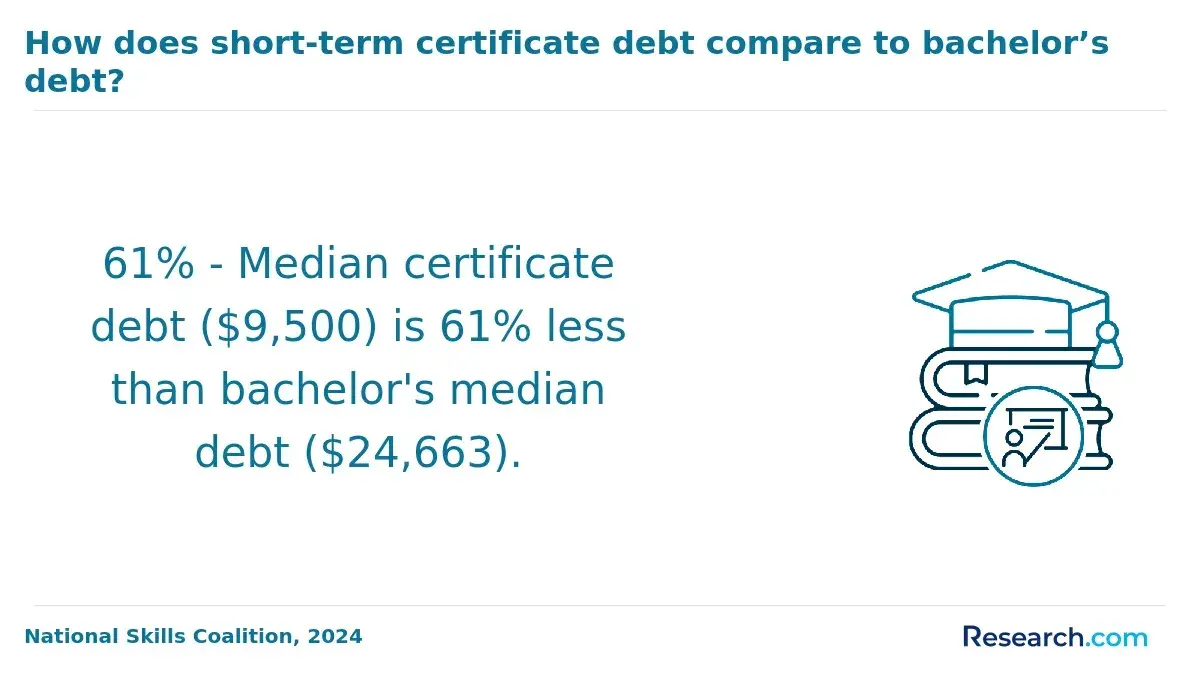
Analyzing tuition costs alongside salary growth for communication disorders graduates reveals a critical dynamic often overlooked when evaluating educational investments. Tuition for master's programs in communication disorders has been increasing by roughly 4% annually, outpacing the typical 2-3% salary growth seen among early- to mid-career professionals in the field, according to 2024 data from the National Center for Education Statistics and the U.S. Bureau of Labor Statistics.
This growing gap means that while graduates may start with average salaries near $60,000, their income gains often fail to keep pace with rising debt burdens. Comparing these figures together rather than in isolation captures not only the immediate financial outlay but also the long-term strain on loan repayment capacities and overall economic well-being.
Consider two hypothetical students: one attends an institution where tuition rises steadily beyond inflation, accruing higher debt, while the other secures a program with tuition revenue growth closer to or below inflation. Despite similar starting salaries, the first student faces a more constrained budget over time due to debt servicing, dampening financial flexibility.
Factors such as geographic location, local salary norms, and availability of loan forgiveness or financial aid also shape how tuition costs align with salary trajectories. These realities highlight that the financial value of a communication disorders degree is not fixed; it varies with institutional pricing strategies, labor market conditions, and individual circumstances.
A recent graduate reflected on these pressures, recalling the difficult choice between enrolling in a higher-cost private program close to home and a more affordable state school several hours away. The urgency to start earning prompted initial hesitation, especially given the steeper tuition increases at the private school.
Ultimately, the graduate accepted the private institution's offer, hoping that the specialized clinical opportunities there would offset the heavier debt through enhanced early-career job prospects. Yet, even after several years, the slower salary growth relative to tuition inflation meant budget adjustments and a continuing focus on loan repayment remain a defining part of their financial reality.
Does a Communication Disorders Degree Deliver a Positive Return on Investment?
Return on investment (ROI) in higher education involves weighing the total costs of obtaining a communication disorders degree-such as tuition, fees, and opportunity costs-against the long-term economic benefits including career stability, salary progression, and job availability. Unlike a focus solely on entry-level wages, ROI considers the evolving earning potential and employment security over an entire career.
For example, a graduate who finances their degree with moderate debt at a public university might find that steady salary increases and consistent demand in healthcare and educational settings allow them to break even within a decade, despite rising tuition inflation outpacing initial wage growth.
Key factors influencing whether this degree delivers a positive ROI include geographic variations in salaries, the specific cost structure of the chosen program, and the local demand for speech-language pathologists and audiologists.
Data from the U.S. Bureau of Labor Statistics in 2024 show median annual wages between $75,000 and $85,000 for these professions, with projected employment growth at 16% through 2030-significantly above the national average. However, tuition for communication disorders programs has increased roughly 4% annually over the past ten years, often exceeding wage hikes, which means students in higher-cost regions or programs must carefully evaluate financing options and potential salary ranges.
Ultimately, the ROI of a communication disorders degree is not uniform and depends heavily on individual circumstances. While research from accredited institutions indicates many graduates recoup educational expenses in 7 to 10 years due to strong labor demand, those attending pricier schools or entering saturated job markets may face longer payback periods.
Assessing program costs against regional economic conditions and long-term career trajectories provides the most realistic framework for understanding the financial merits of pursuing this educational path in today's economy.
Which Industries Offer the Highest Salaries for Communication Disorders Graduates?
Graduates in communication disorders face varied salary landscapes depending on the industry they enter. Highest-paying sectors typically combine specialized clinical skills with settings that demand advanced certifications or offer complex caseloads.
The top paying sectors for communication disorders professionals by industry reflect the interplay between public need, institutional resources, and emerging technologies.
According to the U.S. Bureau of Labor Statistics and recent 2024 data, healthcare remains dominant but new corporate roles signal shifts in earning potential. Below are key industries that generally offer the strongest salaries for communication disorders graduates, informed by employment trends and wage reports:
- Hospital Settings: Hospitals provide some of the highest wages for communication disorders professionals due to the critical nature of acute care and multidisciplinary collaboration. Speech-language pathologists and audiologists working here often engage with complex patient needs, which requires higher certifications and yields premium salaries compared to other healthcare subsectors.
- Outpatient Care Centers: These centers offer specialized intervention for communication disorders on a less acute but highly targeted basis. Professionals benefit from steady caseloads and often command higher pay, especially when focusing on pediatric or neurologic populations requiring advanced therapeutic techniques.
- Home Healthcare Services: Providing in-home therapy services demands adaptability and independent clinical judgment. These roles often offer competitive hourly wages and include travel stipends, appealing to communication disorders professionals seeking flexible but well-compensated work in community settings.
- Educational Services: Postsecondary institutions and specialized programs pay well for communication disorders experts, though salaries usually fall below hospital benchmarks. However, experience working with diverse learners and developing programmatic leadership can raise earning potential within this stable sector.
- Government Agencies: Public school systems and federal entities such as the Department of Veterans Affairs provide stable salaries with comprehensive benefits. While base pay may not top the private sector, long-term job security and pension plans represent valuable tradeoffs for many graduates.
- Corporate Telehealth and Technology Firms: Emerging corporate roles in telehealth platforms and companies developing assistive communication devices often offer salaries rivaling traditional healthcare. These sectors reward technology proficiency combined with clinical expertise, reflecting demand for innovative service delivery models.
- Private Practice Ownership: Owning a private practice can yield the highest income potential but introduces financial risks and business management responsibilities. Success depends on building a strong referral network and balancing administrative duties with clinical work, making this path viable for entrepreneurial communication disorders professionals.
Considering long-term career choices, it is crucial to assess how each industry aligns with your professional strengths and lifestyle preferences. Salary potential must be weighed against job stability and required qualifications.
For those interested in expanding their skill set, exploring options like the best data science masters can open doors to competitive corporate roles by merging clinical expertise with data analytics. Prospective students should carefully evaluate the top paying sectors for communication disorders professionals by industry to maximize both financial and career satisfaction.
Which States and Cities Offer the Highest Pay for Communication Disorders Professionals?
Salary levels for communication disorders professionals vary significantly based on location, shaping the financial outlook for graduates and career changers in this field. While some metropolitan areas offer salaries that surpass $90,000 annually, the cost of living and local economic conditions heavily influence actual take-home value and long-term financial security.
Balancing higher wages against elevated housing costs and tuition inflation is critical, especially for those entering the workforce with education-related debt.
Below are key states and cities where salaries for communication disorders roles are among the highest, along with considerations for evaluating these opportunities:
- California: California, especially cities like San Francisco and Los Angeles, consistently offers some of the top wages for communication disorders professionals, often exceeding $100,000. Strong healthcare sectors and competitive private and public school systems drive demand. However, candidates must weigh these salaries against some of the nation's highest housing costs and tuition rates, which can erode net earnings.
- Massachusetts: With Boston as a central hub, Massachusetts provides high average salaries fueled by prestigious hospitals, research institutions, and universities. This region's advanced healthcare infrastructure supports career growth but comes with a steep living and education expense profile that affects early-career net income.
- New York: New York City ranks among the top payers due to dense healthcare networks and educational services demanding skilled speech-language pathologists and audiologists. While salaries are robust, the extensive cost of living and competitive job markets require strategic planning for financial stability.
- Alaska: Alaska offers above-average wages for communication disorders roles, often due to workforce shortages and remote location challenges. The higher pay can translate to better disposable income if candidates can adapt to the unique geographic and lifestyle demands.
- Washington, D.C. Metro: The D.C. area provides near top-tier salaries backed by government agencies, veteran healthcare systems, and nonprofit organizations focusing on communication health. Costs are relatively lower than some coastal cities, providing a more favorable salary-to-cost balance.
- Seattle, Washington: Seattle's growing tech-driven economy complements its expanding healthcare sector, leading to competitive compensation for communication disorders professionals. While housing costs are rising, they remain modest compared to California cities, offering promising earning potential after factoring in local expenses.
How Do Communication Disorders Salaries Grow Throughout a Career?
Communication disorders salaries generally start closer to the lower wage quartile, with entry-level professionals often earning between $60,000 and $65,000 annually. As they gain experience, particularly within five to ten years, earnings tend to increase substantially to a range of $80,000 to $90,000, influenced by factors such as workplace setting and additional qualifications.
For example, two graduates with identical degrees may diverge significantly: one pursuing a clinical specialization or a master's degree often reaches higher salary tiers faster than a peer remaining in entry-level roles or less specialized settings. According to the U.S. Bureau of Labor Statistics data from 2024, this mid-career growth reflects a blend of accumulated skills, increased responsibilities, and credentials that reward professional development in this field.
Beyond a decade of work, salary growth tends to slow, with many seasoned clinicians earning between $95,000 and $110,000, although those advancing into leadership, academia, or administrative roles can surpass these figures. However, it's important to note that income gains may not always match inflation or rising education costs, which can affect real earnings over time.
Those who strategically pursue additional certifications and take on supervisory or specialized duties often see more sustainable salary progression than those who do not. In this sector, balancing the cost of ongoing education against potential income gains is crucial for long-term financial decisions.
One graduate recalled how, early in their career, they hesitated about pursuing a clinical specialty due to additional time and expense. Yet, after earning advanced certification within six years, their salary jumped noticeably compared to colleagues who stayed in general roles.
This decision, initially daunting, became a turning point, offering not only increased pay but also opportunities to shape program development. The experience underscored how selective professional growth can define salary trajectories despite common challenges like rising tuition and slower wage increases later in the career.
How Do Communication Disorders Salaries Compare With Similar Degrees?
Communication disorders graduates typically enter a salary range that is moderate compared to related degrees, but understanding real-world tradeoffs is crucial when assessing long-term value. While the earnings align reasonably well with several health and education professions, rising tuition and inflation pose significant considerations, especially for students in private or urban institutions.
For those weighing their return on investment, it's useful to see how communication disorders salary compared to related degrees influences career and financial decisions. Below is a balanced comparison among key fields highlighting typical salary outcomes, career types, and the underlying factors shaping earning potential:
- Speech-Language Pathology: This field closely overlaps with communication disorders and offers median wages around $81,000 according to U.S. Bureau of Labor Statistics data. Careers typically involve clinical settings, schools, or healthcare facilities, with higher salaries reflecting certification requirements and state licensure that boost earnings compared to broader communication disorders roles.
- Audiology: Audiologists earn a median wage near $78,000, slightly below speech-language pathologists but above communication disorders graduates in many cases. The specialized nature of audiology, requiring specific clinical training and often a doctoral degree, contributes to this elevated salary level, reflecting the technical expertise and healthcare credentials involved.
- Special Education Teaching: With a median salary of approximately $63,000, special education teachers generally earn less than those in communication disorders. This difference arises from education sector budget constraints and variations in required credentials, although both fields share an emphasis on working with diverse learner needs.
- Nursing and Physical Therapy: Compared to these STEM and healthcare degrees, communication disorders salaries tend to be lower, as nursing and physical therapy median wages often exceed $90,000. These fields demand more extensive clinical hours and technical certifications, which typically command higher compensation in the labor market.
- Social Work and Counseling: Communication disorders earnings generally surpass those in social work or counseling, where median wages often fall below $55,000. However, job growth prospects and the variety of clinical environments can influence salary trajectories in both areas.
For prospective students or career changers balancing tuition inflation and living costs, these figures emphasize the importance of factoring in both earning potential and job growth trends. The communication disorders field projects robust expansion, exceeding 20% growth through 2030, which may improve salary prospects over time.
Those evaluating financial viability may also consider exploring related fields or programs like master of library science online programs to identify pathways with complementary earning potential and costs.
How Is Employer Demand Affecting Communication Disorders Salary Trends?
Employer demand directly shapes salary trends in communication disorders by influencing competition for qualified candidates and the intensity of hiring activity. For example, in rural or underserved areas where shortages of speech-language pathologists and audiologists are pronounced, employers may offer sign-on bonuses or targeted incentives to attract professionals, effectively raising compensation levels despite broader market constraints.
The U.S. Bureau of Labor Statistics projects employment in these roles to grow 16% over the next decade, underscoring how rising demand supports upward wage pressure in certain regions or specialties.
However, employer demand is not the sole driver of salaries; factors such as experience, specialization, economic conditions, and organizational budgets play critical roles. While demand growth can accelerate wage increases, the National Association of Colleges and Employers 2024 Salary Survey reveals that average starting salary growth remains modest, typically 2-3% annually, often trailing tuition inflation and living costs.
Prospective students weighing communication disorders salary trends in the US job market should consider that economic pressures and geographic variation may dampen expected earnings, making strategic career planning essential.
Understanding these dynamics is particularly important for those pursuing communication disorders degrees, as strong employer demand creates a baseline for compensation but does not guarantee rapid salary growth for all.
For individuals evaluating educational investments or career transitions, exploring specialized fields or regions with critical workforce gaps can enhance earning potential. Additionally, considering pathways like online MPA degrees may offer flexible alternatives that align with workforce demand and financial sustainability.
How Can Students Maximize Their Lifetime Earnings With a Communication Disorders Degree?
Maximizing lifetime earnings with a communication disorders degree requires strategic choices focused on specialization, education level, and employment context. Data from the U.S. Bureau of Labor Statistics and the American Speech-Language-Hearing Association for 2024 clearly indicate that advanced degrees and targeted certifications are key drivers of higher income.
For example, a master's degree in speech-language pathology often leads to significantly better pay than a bachelor's alone, especially in metropolitan hospital settings or government agencies.
Below are effective strategies students can deploy to increase their long-term earning potential:
- Advanced Education: Obtaining a master's or doctoral degree, particularly in speech-language pathology or audiology, substantially boosts earning potential by qualifying graduates for specialized and higher-paying roles that require clinical expertise.
- Sector Selection: Targeting employment in hospitals, specialized rehabilitation centers, or educational services maximizes salary growth due to the complexity and demand for services in these settings.
- Geographic Advantage: Focusing on large metropolitan areas with robust healthcare systems can offer higher wages and greater opportunities for professional development, reflecting regional healthcare spending patterns.
- Certifications And Specializations: Earning relevant certifications beyond the degree enhances marketability and often results in premium pay, particularly as new therapies and technologies emerge.
- Professional Networking: Active involvement in industry organizations and ongoing education keeps skills current and opens doors to higher-paying roles and leadership positions.
- Government Roles: Pursuing stable positions within government sectors like the Veterans Health Administration combines salary progression with comprehensive benefits and job security.
- Entrepreneurial Pursuits: Establishing private practices or consulting services leverages clinical skills and business acumen to generate income that can outpace salaried positions over time.
References
- Does College Pay Off? A Comprehensive Return On Investment Analysis - FREOPP https://freopp.org/whitepapers/does-college-pay-off-a-comprehensive-return-on-investment-analysis/
- Speech-Language Pathologists: Salary, career path, job outlook, education and more - RaiseMe https://www.raise.me/careers/healthcare/speech-language-pathologists/
- What Is the Average Salary for Speech Therapists? | Advanced Therapy Clinic https://www.advancedtherapyclinic.com/blog/what-is-the-average-salary-for-speech-therapists
- Choosing Between Speech Pathology or Occupational Therapy https://speechpathologymastersprograms.com/speech-pathology-careers/slp-vs-ot/
- Is College Worth it? | Return on Investment Analysis of College Degree https://educationdata.org/college-degree-roi
- What Can I Do with a Communication Disorders Degree? | Maryville Online https://slp.maryville.edu/blog/what-can-i-do-with-a-communication-disorders-degree/
- SLP Salary & Career Settings | High-Demand States for Speech Therapists | ERES https://eres.com/blog/slp-salary-career-settings-high-demand-states
- Why is the cost of college rising so fast? https://ssti.org/blog/why-cost-college-rising-so-fast
- Speech Pathologist Salary and Career Outlook https://teach.com/online-ed/healthcare-degrees/online-masters-speech-language-pathology/career-salary/
- ROI of Higher Education - Signal49 Research https://www.signal49.ca/focus-areas/roi-of-higher-education/
Other Things You Should Know About Communication Disorders
Balancing part-time work during graduate studies can lead to slower progress, potentially delaying entry into the workforce and impacting early earning years. However, practical experience gained simultaneously often enhances employability and could lead to better starting salaries. Students should weigh the immediate financial relief against potential delays in career advancement, prioritizing programs that integrate clinical practicums efficiently without extending time to degree completion.
Many employers expect ongoing certification and specialization in speech-language pathology or audiology, which can create wage growth opportunities but also add to long-term costs and workload. Professionals who prioritize earning advanced credentials or maintaining state licenses often see faster salary progression. For candidates, investing in these credentials early can be critical, though it requires managing additional time and financial commitments that can temporarily offset salary gains.
Higher-cost programs with established clinical partnerships and alumni networks can boost job placement rates, potentially mitigating tuition burdens through quicker employment at competitive salaries. Conversely, more affordable programs may reduce immediate debt but offer less access to high-quality internships or employer contacts, which could slow career launch. Students must prioritize whether upfront investment in network-rich programs fits their financial capacity and career timeline, as this access often affects long-term earning potential.
Nominal wages may appear higher in urban or affluent regions but often come with significantly increased living expenses, diminishing actual disposable income. Professionals relocating for jobs should analyze regional cost of living alongside salary offers to assess true financial gain. Prioritizing regions with balanced salary and living costs can enhance quality of life and savings potential, rather than focusing solely on top-dollar salaries that don't stretch as far in expensive areas.