2027 Communication Disorders ROI by Institution Type: Public vs Private vs Nonprofit Online Programs

Co-Founder and Chief Data Scientist
Consider a prospective Communication disorders student weighing three seemingly equivalent online programs-one public, one private, one nonprofit. Tuition differences alone might suggest clear cost advantages, yet a stark 2024 study reveals that graduates from some private programs carry 30% higher average debt without corresponding boosts in graduation or employment rates.
This disconnect highlights how hidden variables like institutional support, curriculum rigor, licensing exam pass rates, and employer reputation shape outcomes far beyond sticker price. Choosing based solely on cost risks burdening graduates with debt that hampers career progression. This article dissects ROI by institution type, offering a detailed framework to evaluate Communication disorders programs based on net value and career impact.
Key Things to Know About Communication Disorders ROI by Institution Type
- Private online programs often have higher tuition but yield lower average student debt, reflecting lender flexibility and targeted aid crucial for career changers balancing work and study.
- Public institutions report 15% higher graduation rates in online communication disorders, suggesting better institutional support frameworks that influence employer perceptions and long-term career stability.
- Nonprofit online schools emphasize flexible pacing, yet added completion time may increase total costs, highlighting a key tradeoff between accessibility and overall financial ROI for working adults.
- Key Things to Know About Communication Disorders ROI by Institution Type Key Things to Know About Communication Disorders ROI by Institution Type
- What Does ROI Mean for a Communication Disorders Program and How Is It Measured? Understanding Communication Disorders Program ROI
- How Do Public, Private, and Nonprofit Online Communication Disorders Programs Differ in Overall Value? Value by Institution Type
- How Do Tuition Costs Affect the ROI of a Communication Disorders Program Across Institution Types? Tuition Costs and ROI
- How Do Graduation Rates Influence Communication Disorders Program ROI? Graduation Rates Impact ROI
- What Role Do Career Outcomes Play in the ROI of a Communication Disorders Degree? Career Outcomes and ROI
- How Does Student Debt Impact the Long-Term ROI of a Communication Disorders Program? Debt vs. Long-Term ROI
- How Do Flexibility and Adult Learner Support Affect Communication Disorders Program Value? Flexibility and Program Value
- How Do Accreditation and Institutional Reputation Influence Communication Disorders ROI? How Do Accreditation and Institutional Reputation Influence Communication Disorders ROI?
- How Does Time-to-Degree Affect the ROI of Public, Private, and Nonprofit Communication Disorders Programs? How Does Time-to-Degree Affect the ROI of Public, Private, and Nonprofit Communication Disorders Programs?
- How Can You Choose the Best Communication Disorders Program Based on Your ROI Goals? Choosing Programs by ROI
What Does ROI Mean for a Communication Disorders Program and How Is It Measured?
ROI in a communication disorders program hinges on a balance between total educational costs and the tangible career benefits realized after graduation. For example, while public universities typically offer lower tuition and higher graduation rates-factors that can reduce debt burden and time-to-degree-private nonprofit programs may charge more upfront but provide stronger learner support and professional networking that can enhance certification success and long-term employability. Evaluating ROI therefore requires more than comparing sticker prices; it demands scrutinizing graduation timelines, debt levels, and institutional reputation within the field, especially as these elements directly affect financial strain and time lost from workforce participation.
Measuring ROI in online communication disorders degrees involves assessing how program structure influences opportunity costs and career outcomes. Accelerated or flexible online pathways can shorten time-to-degree, limiting lost wages and expediting entry into positions requiring state licensure or clinical fellowships. However, the lowest-cost options might lack robust career resources or have lower graduation rates, which can delay professional progress. According to updated data from the National Center for Education Statistics, public institutions consistently maintain higher graduation rates compared to their for-profit counterparts, affecting both debt-to-earnings ratios and overall student satisfaction.
Students must also weigh personal goals and circumstances when analyzing ROI, recognizing that financial efficiency does not always equate to strongest career value. For instance, working professionals seeking upward mobility might prioritize programs with stronger employer alignment or clinical placement success, even if those come with higher initial costs. Prospective students can find more detailed comparisons of expenses and outcomes by exploring curated lists of online speech pathology programs masters that emphasize total cost of attendance along with support services. This approach helps frame ROI as a multidimensional metric informed by debt burden, employability, and the quality of educational experience rather than a simple price-to-salary ratio.
How Do Public, Private, and Nonprofit Online Communication Disorders Programs Differ in Overall Value?
Public, private, and nonprofit online communication disorders programs present distinct tradeoffs that significantly affect affordability, completion rates, and career outcomes. Public options often provide lower tuition supported by state funding, which keeps average student debt near $25,000, a critical factor for cost-conscious learners, though graduation rates hover around 55%. Private nonprofits generally charge 1.5 to 2 times more in tuition but commonly demonstrate higher graduation rates near 65%, enhanced student support, and stronger alumni networks-factors that can improve job placement despite a heavier debt burden averaging $38,000. Nonprofit programs, whether public or private, frequently emphasize career preparation and flexibility, wielding specialized accreditations that can elevate credentials but may vary widely by program, influencing the practical return on investment depending on a student's professional goals and financial situation.
These distinctions mean students weighing online communication disorders programs must consider beyond sticker price: regional accreditation, graduation likelihood, debt-to-earnings potential, and network access dramatically influence long-term value. For example, adult learners balancing work and family may prioritize nonprofit programs' flexibility and targeted career services despite higher costs, while others might opt for public institutions to minimize debt and benefit from local partnerships that facilitate clinical placements. The 2024 National Center for Education Statistics data highlights that graduation rates and associated debt levels directly impact ROI and employability, underscoring the importance of a nuanced evaluation of each institution's support infrastructure and financial aid offerings.
One student faced challenges choosing between a private nonprofit program reputed for personalized support but steep tuition and a public online option with broader accessibility and lower debt but less career networking. Concerned about committing to nearly $40,000 in debt, they scrutinized graduation outcomes and employer reputation, ultimately selecting a well-regarded nonprofit program offering generous scholarships and internship connections. This choice balanced manageable debt against meaningful professional development, reflecting the complex decision-making adult learners confront when aligning education investments with career aspirations and financial realities.
How Do Tuition Costs Affect the ROI of a Communication Disorders Program Across Institution Types?
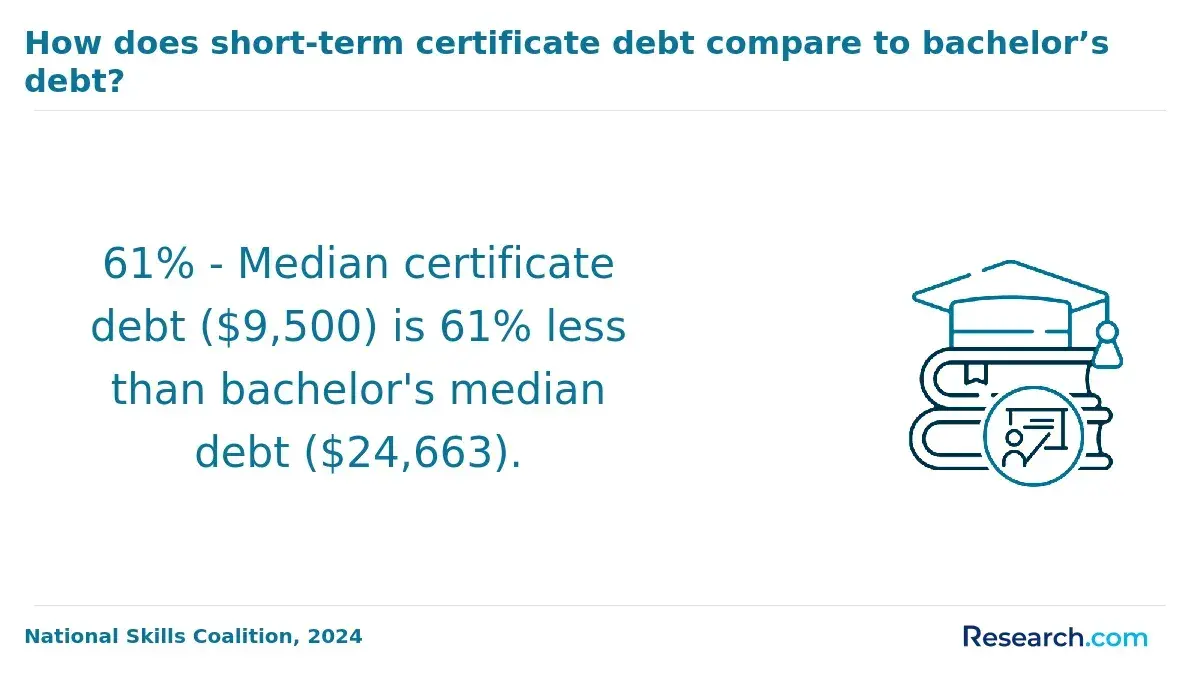
Lower tuition at public institutions often appears to offer better ROI for communication disorders programs, but this advantage can be offset by less robust financial aid and higher average debt burdens among graduates. For example, despite lower sticker prices, public program alumni frequently carry more debt due to limited grant availability, which can constrain early-career financial stability. In contrast, private and nonprofit online programs tend to provide stronger aid packages that substantially reduce out-of-pocket costs, sometimes resulting in equal or lower net debt despite higher tuition.
Graduation rates and program support further complicate the cost-benefit analysis. Smaller cohorts and enhanced student services at private nonprofit institutions often contribute to faster degree completion and higher retention, reducing opportunity costs associated with prolonged study. However, the premium tuition at these schools does not always translate into higher entry-level earnings, given that clinical roles in communication disorders are largely regulated by state licensing, limiting salary variance. Ultimately, decision-makers must weigh whether the likelihood of completing a program sooner and receiving stronger career support justifies the upfront financial commitment, especially for adult learners balancing work and study obligations.
A 2024 Lumina Foundation study highlights that some private nonprofit healthcare-related programs, including those in communication disorders, achieve debt-to-income ratios comparable to or better than public counterparts, underscoring that sticker price alone provides an incomplete picture of ROI. For cost-conscious students, understanding these nuanced tradeoffs-between tuition, aid, completion dynamics, and labor market realities-is crucial to making an informed choice that aligns with their financial capacity and career timelines rather than defaulting to the lowest sticker price.
How Do Graduation Rates Influence Communication Disorders Program ROI?
Graduation rates significantly impact communication disorders program ROI by reflecting how effectively institutions guide students toward timely degree completion, which correlates with reducing debt accumulation and improving workforce entry speed. Public online programs typically report graduation rates near 60% within six years, outperforming many private and nonprofit options that hover between 45% and 55%, partly due to differences in student demographics and external challenges. This gap underscores a tradeoff: institutions with robust support systems and flexible academic schedules may lower graduation rates but still foster persistence and eventual completion, especially for working adults balancing multiple obligations.
However, graduation rates alone offer an incomplete picture of ROI. For adult learners and part-time students, longer time-to-degree often reflects real-world constraints rather than program quality, emphasizing the importance of examining career services and institutional investment in student success beyond raw metrics. Employer recognition of degree quality and alignment with career pathways play crucial roles in value assessment, alongside managing debt and graduation timelines. Prospective students comparing public, private, and nonprofit communication disorders programs should also consider data on costs like how much does it cost to get a business degree online to understand financial risk versus long-term benefit.
What Role Do Career Outcomes Play in the ROI of a Communication Disorders Degree?
Career outcomes shape the ROI of communication disorders degrees by directly influencing how quickly and effectively graduates enter relevant job markets, especially amid the 21% projected growth in speech-language pathology roles over the next decade, according to the U.S. Bureau of Labor Statistics (2024). Public institutions often deliver stronger employment outcomes due to established employer networks and lower tuition, which can reduce debt burdens and speed workforce integration. Conversely, private programs may offer more specialized training but face challenges in offsetting higher costs without demonstrated employer recognition or career services, complicating ROI calculations. Nonprofit online programs cater to working adults by balancing flexibility with timely certification prep, though their long-term value hinges on maintaining industry alignment and tangible skill applicability.
Decisions around program choice must factor in nuanced tradeoffs: faster degree completion and access to mentorship can accelerate career mobility, but only if employers value the credential and graduates achieve licensure promptly. High employment placement rates-averaging 85% within six months for top public programs-highlight the concrete benefits that come with strategic program selection. Tuition costs and student debt interact heavily with these outcomes; extended time-to-degree or limited clinical opportunities may delay earnings growth, diminishing perceived educational value. Ultimately, ROI is less about headline figures and more about how well the program equips graduates to meet evolving employer expectations and pivot within healthcare systems.
An online graduate from a nonprofit program recounted hesitating before enrollment due to uncertainty about whether their degree would translate into real job market advantages. Early on, they found it difficult to quantify ROI beyond financial cost, especially with modest initial job offers. However, over two years, the graduate leveraged program-provided networking and certification tracks to secure an internal promotion that expanded clinical responsibilities-an outcome that validated the degree's role in career progression despite lingering student debt. This experience underscores that career outcomes influencing ROI often unfold gradually and depend on employer recognition and sustained professional engagement beyond graduation.
How Does Student Debt Impact the Long-Term ROI of a Communication Disorders Program?
Debt levels profoundly shape the long-term ROI of communication disorders programs, particularly when paired with variations in institutional type and completion efficiency. Students at public online programs often incur significantly less debt, roughly 15-25% lower than private nonprofit counterparts according to NCES data, which can ease repayment and improve financial outcomes over time. Conversely, private nonprofit programs, despite sometimes offering richer financial aid, frequently leave graduates with median debts above $50,000, extending repayment periods and limiting financial flexibility during critical early career stages. These disparities highlight the importance of evaluating borrowing risks relative to program quality, not simply assuming higher cost correlates with better value.
Graduation rates and timely degree completion further influence long-term financial benefits of communication disorders degree debt, as delayed completion can inflate borrowing costs and reduce early earning potential in a field where initial salaries often align with public sector standards. Employer expectations for graduates emphasize manageable debt levels to avoid restricted career mobility and deferred wealth accumulation like homeownership or savings. Students weighing program options should consider these practical tradeoffs among tuition, borrowing burdens, and realistic salary trajectories, especially when reviewing offerings such as the best art therapy masters programs that may intersect with communication disorders education pathways. Ultimately, the ROI varies considerably across public, private, and nonprofit online institutions depending on how debt repayment obligations intersect with educational value and workforce realities.
How Do Flexibility and Adult Learner Support Affect Communication Disorders Program Value?
Program flexibility and adult learner support critically shape the return on investment for communication disorders programs, especially across public, private, and nonprofit online institutions. For example, programs that integrate asynchronous coursework and part-time enrollment options allow working adults and parents to manage competing responsibilities more effectively, reducing dropout risks and accelerating degree completion. According to data from the National Student Clearinghouse (2024), retention improves by up to 15% when such flexibility is paired with robust student support, directly influencing long-term employability and career stability in this healthcare-related field.
Differences in institutional type highlight notable tradeoffs: public online programs often prioritize affordability but may lack extensive personalized advising and career services, which can prolong time-to-degree and increase indirect costs such as lost income or additional semesters. Conversely, private programs tend to invest in faculty accessibility and specialized accommodations for military affiliates or working professionals, potentially raising tuition but enhancing persistence and graduation rates. Nonprofit institutions frequently offer a middle ground with targeted support like transfer credit evaluations and dedicated mentorship, which boost employment odds by up to 20% within six months post-graduation, according to recent Council for Adult and Experiential Learning findings.
However, the presence of synchronous elements, although beneficial for real-time interaction, can reduce scheduling freedom and may not align with the needs of all adult learners, especially those balancing non-negotiable work shifts or caregiving duties. Funding constraints in some public programs can limit support expansion, affecting satisfaction and outcomes despite lower sticker prices. Adult learners should therefore evaluate how these structural realities-flexibility, advising quality, and support services-interact with tuition and debt implications when assessing the practical value and long-term ROI of communication disorders programs rather than relying solely on program reputation or curriculum depth.
How Do Accreditation and Institutional Reputation Influence Communication Disorders ROI?
Accreditation directly affects the return on investment (ROI) of online Communication Disorders programs by determining graduates' eligibility for licensure and professional certification, which are critical to employment in this field. Programs accredited by bodies such as the Council on Academic Accreditation in Audiology and Speech-Language Pathology (CAA) often yield higher licensure passage rates-improving outcomes by around 15%, according to a 2024 National Center for Education Statistics report-and thus increase employability. For adult learners balancing cost and credentials, choosing a regionally and programmatically accredited school ensures that credits transfer smoothly and that the degree aligns with state licensure requirements, which can mitigate debt risks and accelerate workforce entry.
Institutional reputation can influence career outcomes but is often outweighed by practical factors employers prioritize, including hands-on clinical experience and demonstrated job readiness. While private institutions may offer brand recognition linked to higher starting salaries or prestigious job markets, a recent employer survey from the Higher Education Employer Alliance found that 62% of hiring managers in this sector emphasize accreditation and skill proficiency over prestige when evaluating candidates. Public and nonprofit programs frequently provide greater flexibility, credit transfer options, and targeted support for working adults, factors that can balance higher-tuition private options and contribute to competitive ROI through lower overall debt and timely program completion.
Ultimately, prospective students should weigh accreditation and reputation alongside program quality, clinical opportunities, and support services to navigate tradeoffs between upfront cost and long-term professional value. Accreditation acts as a baseline quality and credential safeguard, while institutional reputation may shape initial perceptions but rarely substitutes for the concrete outcomes employers seek. This nuanced understanding helps adult learners and career changers make informed decisions grounded in practical career and financial considerations rather than surface-level institutional prestige.
How Does Time-to-Degree Affect the ROI of Public, Private, and Nonprofit Communication Disorders Programs?
Time-to-degree directly impacts the total cost exposure and earning potential for students pursuing communication disorders programs, with public institutions often requiring longer completion times due to higher part-time enrollment and less flexible scheduling. For example, a part-time student at a public university may extend their program beyond typical timelines, increasing tuition payments and opportunity costs from delayed workforce reentry or career progression. Private nonprofit programs frequently offer accelerated options that reduce time-to-degree and related lost wages, but these paths can introduce greater intensity and less scheduling flexibility, which may challenge working professionals managing family and job demands.
Nonprofit online programs tend to balance cost and adaptability, frequently enabling transfer credit use and flexible pacing that benefit adult learners and transfer students aiming for timely completion. However, extended duration beyond recommended timeframes often increases debt accumulation and defers salary growth, diminishing the long-term ROI. Since degree-completion rates vary-with public sectors around 58% for part-time students and private nonprofit schools near 65% according to NCES 2024-selecting a program that aligns with a student's ability to maintain steady progress is critical when assessing how time-to-degree influences ROI in public, private, and nonprofit communication disorders programs.
Considerations such as enrollment intensity and program flexibility must be weighed against the financial and practical realities of each student's situation. Some may find value in accelerated routes despite stress and workload, while others benefit more from flexible pacing that accommodates work-family balance. Prospective students should also explore alternative pathways including PhD without dissertation offerings, which can offer additional options in managing time-to-degree and financial investment. Understanding the impact of accelerated graduation on financial returns in online communication disorders programs is essential to making informed choices that realistically reflect each learner's circumstances.
How Can You Choose the Best Communication Disorders Program Based on Your ROI Goals?
The highest ROI from a communication disorders program depends largely on individual priorities rather than institutional category alone. Public online programs typically offer lower tuition and broader access to state and federal financial aid, helping reduce upfront costs and potentially limiting debt accumulation. However, private and nonprofit online programs may justify higher costs through smaller cohorts, stronger learner support, and greater flexibility, which can improve graduation rates and shorten time-to-degree-key factors for adults balancing work, family, and career transitions. According to IPEDS, some private nonprofit programs report graduation rates up to 15% higher than public counterparts, demonstrating how program design and support affect completion and, ultimately, ROI.
Employers in healthcare and educational settings often look for accredited programs with strong reputations and clinical partnerships, so ROI calculations must weigh not just cost but career outcomes and employability. Nonprofit programs may offer specialized training aligned with niche sectors, potentially commanding higher starting salaries, while public institutions usually have extensive clinical networks that facilitate job placement across broader markets. Personal circumstances-such as current employment status, caregiving obligations, and how quickly one aims to enter the workforce-should inform choices since a slower path or higher debt burden can dilute long-term financial returns. For cost-conscious adult learners, understanding these tradeoffs alongside the cost of criminal justice degree analyses clarifies which online program best fits their ROI goals and practical realities within communication disorders program ROI comparisons.
References
- Bridging Education and Opportunity: Exploring the ROI of Higher Education and Workforce Development — HCM Strategists https://hcmstrategists.com/resources/ucmfwg7ha7zzeug6nb3dlawh3poziz
- Mission & Learning Outcomes | M.S. in Communication Sciences & Disorders | Elmhurst University https://www.elmhurst.edu/academics/departments/communication-sciences-disorders/programs/m-s-communication-sciences-disorders/mission-learning-outcomes/
- Communication Disorders Degree Guide: Programs & Careers https://www.speechpathologygraduateprograms.org/blog/what-can-you-do-with-a-communication-disorders-degree/
- Bachelor of Science in Communication Sciences and Disorders | Maryville University Online https://slp.maryville.edu/online-programs/bachelor-of-science-in-communication-sciences-and-disorders/
- Health LibraryCommunication Disorders https://www.cincinnatichildrens.org/health/c/communication-disorders
- Communication Disorders https://resident360.amboss.com/pediatrics/developmental-and-behavioral-pediatrics/communication-disorders/communication-disorders.html
- Is Rising Student Debt Harming the U.S. Economy? | Council on Foreign Relations https://www.cfr.org/backgrounders/us-student-loan-debt-trends-economic-impact
- Communication disorders: Definition, types, causes, and symptoms https://www.medicalnewstoday.com/articles/communication-disorders
- Communication Disorders Explained: Symptoms, Causes, and Treatment Options https://bloom-healthcare.com.au/blog/understanding-communication-disorders-types-causes-and-treatments/
- The Disproportionate Impact of Student Loan Debt https://www.wgulabs.org/posts/the-disproportionate-impact-of-student-loan-debt
Other Things You Should Know About Communication Disorders
Public programs often have established clinical partnerships due to longstanding ties with state healthcare and education systems, which can offer more accessible practicum placements at lower cost. Private and nonprofit online programs may have fewer in-house clinical sites, requiring students to find external placements, potentially increasing time and financial investment. This affects ROI by influencing time-to-completion and the practical experience employers prioritize, making program format and clinical support critical factors beyond tuition price for long-term employability.
Yes, many employers tend to prioritize graduates from public institutions due to perceived rigor and alignment with state licensure standards, especially in public school settings. However, nonprofit programs with strong clinical components and communication disorders certification outcomes can compete effectively. Private online program graduates may face more scrutiny unless the institution is well-known or has clear accreditation. For ROI, graduates should weigh employer preferences in their target job markets since institutional background can influence hiring and salary offers.
Private and nonprofit online programs often advertise flexibility but may require synchronous sessions or compressed clinical experiences that increase time pressure, potentially extending the program duration for working students. Public online programs tend to offer more asynchronous coursework with predictable clinical schedules aligned to state requirements, aiding consistent progress without burnout. This impacts ROI by affecting a student's ability to maintain employment and avoid lost income during studies; work-life balance support varies and should be a deciding factor for cost-conscious learners.
Prioritizing public programs is generally advisable due to their stronger alignment with state licensure exam preparation and mandated clinical hours, which often translates to smoother certification paths and reduced out-of-pocket expenses. Nonprofit programs can also offer good ROI if they demonstrate high certification pass rates and robust practicum structures. Private programs should be evaluated carefully for their licensure support and graduate outcomes, as gaps here can delay entry into the workforce and diminish ROI. Certification readiness directly impacts career trajectory and earning potential, making this a primary lens for comparing institution types.