2027 Communication Disorders Job Market Report: Open Roles, Salary Bands, and Hiring Momentum

Co-Founder and Chief Data Scientist
The labor market for communication disorders professionals reflects complex shifts driven by evolving credential requirements, the integration of telepractice technologies, and regulatory updates impacting service delivery models. These factors influence employer priorities beyond sheer staffing levels, shaping demand for specialized skills in areas like pediatric intervention or adult neurogenic disorders.
Salary bands and open roles often reveal geographic disparities and highlight constraints caused by demographic changes within the workforce, such as retirements and limited pipeline replenishment. Hiring momentum further reflects industry investment cycles and regional variations in public and private funding.
This report examines these indicators to contextualize how the communication disorders field is adapting and which competencies are gaining priority.
Key Things to Know About the Communication Disorders Job Market
- Open roles in communication disorders are growing steadily, but many require advanced certifications, creating a tradeoff between time invested in education and immediate employability.
- Salary bands remain niche-sensitive; employers prioritize specialized skills in pediatric or geriatric care, reflecting workforce segmentation and influencing where graduates focus their expertise.
- Hiring momentum shows regional variance, with faster growth in underserved areas, signaling that geographic flexibility can reduce entry barriers and impact overall career trajectory.
- Key Things to Know About the Communication Disorders Job Market Key Things to Know About Communication Disorders Job Market
- How Strong Is the Demand for Communication Disorders Graduates in Today's Job Market? Demand for Graduates
- Which Communication Disorders Careers Have the Most Open Job Opportunities? In-Demand Careers
- What Salary Bands Are Employers Offering Across Communication Disorders Careers? Offered Salary Bands
- Which Industries Are Hiring the Most Communication Disorders Graduates? Top-Hiring Industries
- How Does Hiring Demand Vary by State, Region, and City? Hiring Demand by Location
- What Skills Are Employers Prioritizing in Communication Disorders Job Postings? In-Demand Skills
- Which Certifications Increase Employability and Salary Potential? High-Value Certifications
- How Do Remote and Hybrid Opportunities Affect the Communication Disorders Job Market? How Do Remote and Hybrid Opportunities Affect the Communication Disorders Job Market?
- Which Communication Disorders Careers Show the Strongest Long-Term Hiring Momentum? Strongest Careers
- How Can Students Use Job Market Data to Make Better Career Decisions? How Can Students Use Job Market Data to Make Better Career Decisions?
How Strong Is the Demand for Communication Disorders Graduates in Today's Job Market?
The current strength of demand for communication disorders graduates remains robust, supported by recent labor market data indicating a projected 21% growth in employment for speech-language pathologists and related roles from 2022 to 2032, as reported by the U.S. Bureau of Labor Statistics. This growth outpaces the average for all occupations, reflecting a favorable job market outlook United States-wide, though employment opportunities for communication disorders professionals in North America vary significantly by region.
Urban and suburban centers offer the most positions, particularly within hospital networks, educational institutions, and outpatient facilities, while rural areas may lag behind but occasionally provide financial incentives. LinkedIn Workforce Reports highlight that despite favorable hiring momentum, employers increasingly prioritize candidates who combine clinical proficiency with interpersonal skills, raising the bar for new graduates entering this sector.
Several key factors drive this sustained demand, including demographic shifts such as an aging population with increasing prevalence of stroke and cognitive impairments that require specialized speech and language services. Advances in diagnostic technologies and a push for inclusive educational environments further expand the need for professionals equipped with niche clinical competencies.
Additionally, workforce shortages compounded by budgetary limitations in public education and healthcare sectors reinforce the value of graduates with advanced credentials or clinical fellowship experience. These industry dynamics emphasize the importance for students to critically assess program offerings and practical training opportunities, especially when considering cost-effective options like the cheapest online colleges that still align well with evolving employer demands.
Which Communication Disorders Careers Have the Most Open Job Opportunities?
Job openings within communication disorders careers reflect broader labor market dynamics shaped by industry expansion, skills shortages, and changing employer requirements. These factors combine to concentrate hiring activity in roles tied to growing demand for specialized speech and hearing services across diverse settings. Rather than isolated vacancies, open positions mirror evolving healthcare needs, educational mandates, and service delivery models, which emphasize multidisciplinary skills and adaptability.
Understanding these trends offers critical insight for prospective students and early-career professionals evaluating opportunity landscapes in communication disorders job openings by specialization.
- Speech-Language Pathologists: Representing the largest share of open positions, speech-language pathologists (SLPs) benefit from expansive demand driven by pediatric schools and healthcare systems serving aging populations. Increased diagnosis of speech delays and neurological impairments fuels growth in this role, with employers emphasizing competencies in assessment, individualized intervention, and telepractice technologies. The U.S. Bureau of Labor Statistics projects a substantial 21% employment growth for SLPs through 2032, highlighting persistent workforce shortages in both urban and rural areas.
- Audiologists: Audiologist positions show positive hiring momentum, primarily aligned with demographic shifts such as the aging baby boomer generation requiring hearing care and management of auditory processing disorders. Though openings are fewer compared to SLPs, demand intensifies in outpatient clinics and rehabilitation centers. Competency in audiometric testing, hearing aid technology, and counseling for hearing loss adaptation remain key employer expectations.
- Speech-Language Pathology Assistants (SLPAs): Serving as critical support professionals, SLPAs experience growing job listings fueled by the need to alleviate service bottlenecks within schools and outpatient programs. Their expanding role allows licensed pathologists to extend caseload capacity, especially in education sectors that account for nearly half of the field's employment. Employers prioritize practical skills in implementing therapy plans under supervision and effective communication with clients and families.
- Communication Aides and Support Staff: In educational and residential care settings, communication aides address increasing caseloads for complex needs populations. Their job availability reflects organizational efforts to comply with individualized education plans (IEPs) and healthcare regulations. Proficiency in behavior support, augmentative communication devices, and interdisciplinary collaboration are highly sought traits.
- Early Intervention Specialists: With rising awareness of the benefits of early diagnosis and treatment of speech and language delays, these specialists see moderate growth. Often employed in community health agencies and home-based programs, they require skills in family coaching, developmental screening, and culturally responsive practice to meet diverse populations' needs.
- Clinical Educators and Supervisors: As program sizes increase, clinical educators supporting trainee development and supervision see steady demand. This role bridges service delivery and workforce training, requiring advanced clinical expertise, mentoring abilities, and familiarity with accreditation standards for communication disorders education.
These demand patterns reflect an ecosystem where communication disorder careers intersect with healthcare innovation, education policy, and demographic trends. Such complexity requires prospective entrants to weigh sector-specific growth, skill acquisition pathways, and the practical realities of hiring environments. For those exploring related fields, such as a game development degree online, recognizing how specialized employability factors differentiate communication disorders from other professions can support more strategic career planning.
What Salary Bands Are Employers Offering Across Communication Disorders Careers?
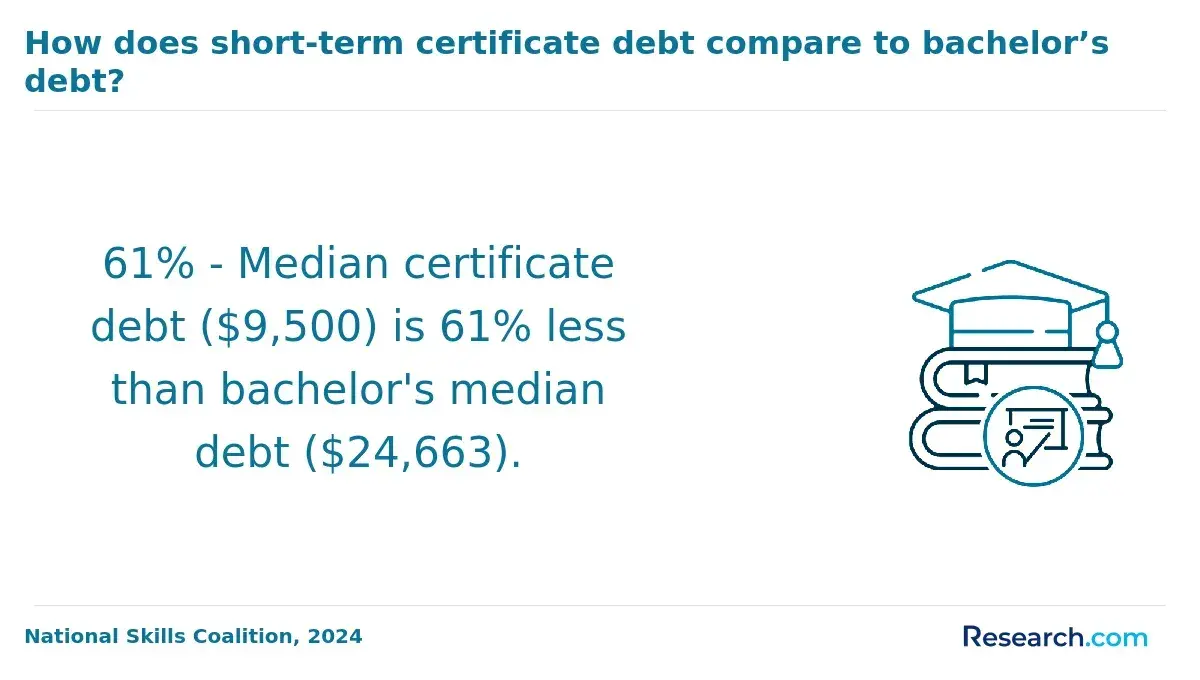
Salary bands within communication disorders careers in 2024 reflect distinct tiers aligned with experience and role complexity. Entry-level positions, such as speech-language pathology assistants or junior clinicians, typically start between $50,000 and $65,000 annually, according to U.S. Bureau of Labor Statistics data. Mid-career professionals with several years of clinical exposure often see salaries rise to the $65,000-$85,000 range, corresponding to increased responsibility and independent caseload management across diverse settings like hospitals or schools.
Senior roles, which encompass specialized audiologists and program directors, frequently command $85,000 to $110,000 or more, particularly in metropolitan or specialized healthcare environments, illustrating a labor market that compensates advanced skills and leadership experience.
Variations in salary bands arise largely from the interplay of specialization depth, geographic cost of living, employer type, and market demand for niche expertise. Urban centers and private healthcare providers generally offer higher pay to offset living expenses and compete for scarce talent, especially in subfields requiring certifications like cochlear implant management or dysphagia expertise. Conversely, public institutions and nonprofit agencies often face budget constraints that suppress wages despite ongoing workforce needs.
Additionally, employers increasingly differentiate compensation based on clinical autonomy and supervisory capacity, underscoring how skill scarcity and organizational roles directly influence earning potential within communication disorders professions.
A recent communication disorders graduate shared how navigating the rolling admissions process added stress to their career planning. They applied early but faced weeks of waiting due to incomplete prerequisite verifications, which delayed decision-making about which program to commit to.
While this uncertainty was frustrating, it ultimately reinforced the importance of early preparation and follow-up with admissions offices to avoid lost opportunities—a lesson they advise peers to heed when entering a field where timing impacts both educational and financial outcomes.
Which Industries Are Hiring the Most Communication Disorders Graduates?
Demand for communication disorders graduates is concentrated in sectors experiencing digital innovation, workforce growth, or persistent skill shortages. These economic and technological forces shape how industries recruit talent, emphasizing adaptable clinical skills alongside emerging competencies in telepractice and integrated care models. Understanding these trends helps clarify which employers prioritize advanced therapeutic expertise, interdisciplinary collaboration, and technological fluency.
- Healthcare: As the largest employer, healthcare continues to drive the highest demand for communication disorders professionals due to an aging population and increased chronic condition management. Hospitals, outpatient centers, and nursing facilities seek practitioners proficient in diagnosis and rehabilitation, often valuing candidates with experience in evidence-based intervention and the ability to navigate complex medical environments. The U.S. Bureau of Labor Statistics reports this sector remains a primary growth area in 2024.
- Educational Institutions: Public and private schools represent significant and stable employment avenues, fueled by legislative mandates like IDEA that require specialized support for students with speech and language impairments. Employers often favor candidates skilled in individualized education planning and collaborative strategies across multidisciplinary teams, reflecting a 5% rise in school-based roles between 2023 and 2024, per the National Center for Education Statistics.
- Mental Health and Residential Treatment Facilities: Growth in integrated behavioral health increases the need for communication disorders experts who can address speech-related challenges associated with developmental and cognitive disabilities. Employers here prioritize adaptability and cross-disciplinary communication skills to deliver effective interventions, anticipating a 7% increase in demand over the next five years as per current projections.
- Telehealth and Digital Services: The expansion of remote platforms has transformed delivery models, with 20% of new communication disorders job openings attributed to telepractice according to the American Speech-Language-Hearing Association in 2024. Hiring favors those proficient with digital assessment tools and flexible service delivery, reflecting post-pandemic shifts that require both clinical expertise and technological competency.
How Does Hiring Demand Vary by State, Region, and City?
State and regional variations in hiring demand for communication disorders professionals reflect underlying economic and demographic structures identified in the U.S. Bureau of Labor Statistics 2024 data. States with large, diverse populations such as California, Texas, and New York lead in job openings due to their dense healthcare systems and extensive school networks, both critical employers in the field. Regional budget allocations for public health and education also shape demand, with the Northeast and West Coast showing stronger hiring momentum compared to the Midwest or rural Southern states.
These trends illustrate how differences in healthcare infrastructure and demographic pressures—like aging populations requiring speech therapy or growing families needing early interventions—drive the geographic distribution of communication disorder job openings by state and city. Salary bands and hiring intensity correspond closely to local cost-of-living and funding priorities, intensifying competition in high-demand areas while limiting opportunities elsewhere.
At the city level, metropolitan hubs such as Boston, Chicago, and Seattle serve as concentrated talent and employer clusters, often requiring advanced clinical credentials or bilingual skills to navigate more competitive markets. These urban centers benefit from integrated healthcare networks, specialized rehabilitation services, and educational institutions that create robust ecosystems for communication disorders professionals, influencing both salary levels and role availability.
However, higher living costs and employer expectations for experience reflect the tradeoffs in these dense markets. Conversely, smaller cities and suburban areas may not match these salary levels but can offer accelerated entry to the profession and incentives like loan repayment for rural placements. Understanding these city-specific dynamics, including the strength of local talent pipelines and infrastructure, is essential for targeted job searching and realistic salary expectations.
For prospective students evaluating educational investments, such as those considering one of the best MBA programs online, integrating knowledge of regional demand and employer needs can frame informed career decisions in this evolving labor market.
What Skills Are Employers Prioritizing in Communication Disorders Job Postings?
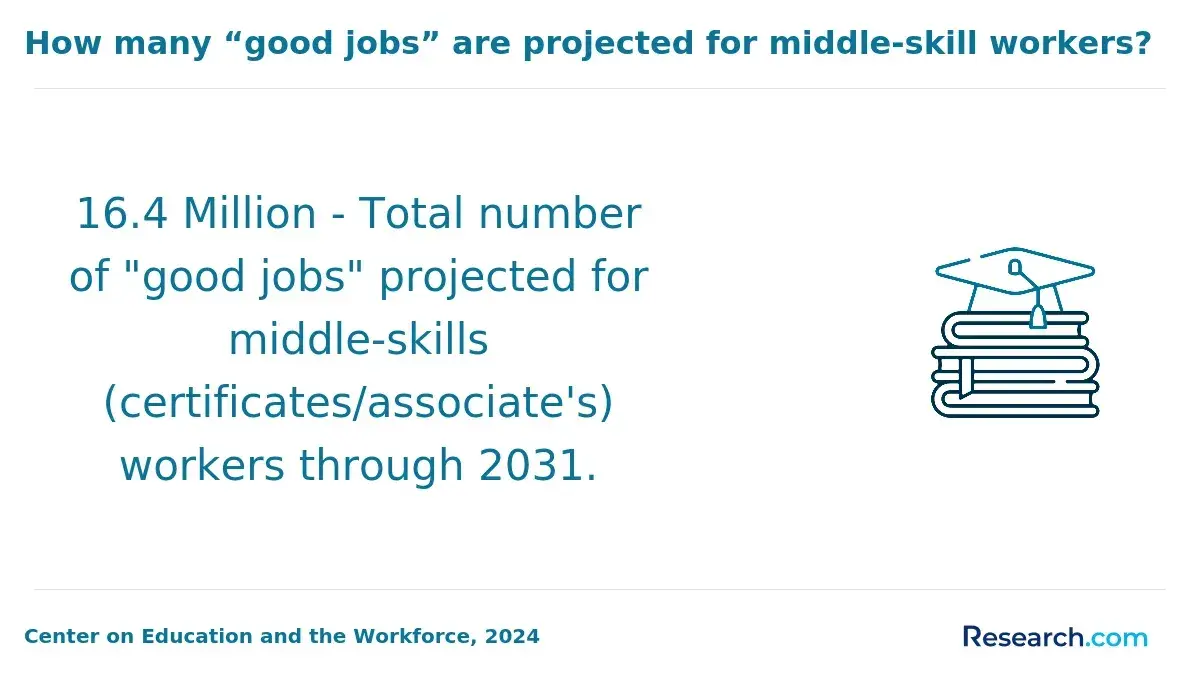
Employer expectations for communication disorder roles are shifting in response to ongoing technological advances, increased automation, and the sector's escalating reliance on interdisciplinary collaboration. These forces have amplified demand for skills that transcend traditional clinical competence, emphasizing adaptability to evolving treatment settings and integration of diverse data sources. Hiring patterns reflect a nuanced emphasis on holistic practitioner capabilities rather than static skill sets, underscoring the dynamic nature of workforce requirements in this field.
- Evidence-Based Therapeutic Expertise: Employers increasingly seek clinicians proficient in tailoring interventions to diverse populations, reflecting the critical need to apply research-backed methods across varying cultural and age groups. Mastery in this area signals readiness to meet complex client needs while aligning with the sector's movement toward personalized care approaches.
- Interpersonal Communication and Collaboration: Effective interaction with patients, families, and interdisciplinary teams ranks highly, given that treatment success often depends on education and coordination beyond clinical diagnosis. Hiring managers prioritize practitioners who can bridge clinical insight with empathetic communication to enhance care continuity.
- Technical Proficiency with Diagnostic Tools and EHR Systems: The rise of digital recordkeeping and sophisticated diagnostic platforms makes technological fluency essential. Candidates adept at navigating electronic health records and data management demonstrate the operational competence critical to modern clinical workflows and outcome tracking.
- Critical Thinking and Adaptive Problem Solving: The capacity to modify treatment plans responsively according to emerging evidence or patient response reflects the sector's demand for agility. Employers value professionals who integrate updated research and clinical reasoning to address complex, changing scenarios.
- Cultural Competence and Emotional Resilience: Beyond procedural knowledge, employers emphasize soft skills that influence practitioner effectiveness, including managing workload pressures and engaging diverse communities sensitively. These qualities reduce burnout risks and improve client relationships, crucial in high-demand environments.
According to the 2024 Job Skills Report by the U.S. Department of Labor, over 70% of communication disorders openings specify evidence-driven therapeutic skills tailored to diverse populations, highlighting the emphasis on nuanced clinical and cultural adaptability. This demonstrates a labor market trend that prizes not only what professionals know but also how they apply and communicate expertise in integrated care environments.
For candidates and early-career practitioners, developing these prioritized skills is fundamental both for employability and for navigating the sector's trajectory toward technologically enhanced, client-centered service models.
Which Certifications Increase Employability and Salary Potential?
Certifications within the communication disorders field function as critical indicators of specific competencies and preparedness that employers actively seek amid ongoing skill shortages. These credentials not only validate technical expertise but also serve as essential signals of professional readiness that distinguish candidates in competitive hiring environments. Viewed as strategic supplements to formal education, certifications directly impact salary potential and open doors to more specialized clinical positions, where proven qualifications often dictate eligibility and advancement.
- Certificate of Clinical Competence in Speech-Language Pathology (CCC-SLP): Widely regarded as the gold standard for speech-language pathologists, the CCC-SLP certification aligns with the clinical demands in schools, hospitals, and private sectors. It signals mastery over evidence-based assessment and intervention methods, making certified professionals more attractive to employers who prioritize credentialed clinicians. According to the American Speech-Language-Hearing Association's 2024 workforce data, holding this certification correlates with a 15% to 20% salary premium compared to non-certified peers.
- Certificate of Clinical Competence in Audiology (CCC-A): For audiologists, the CCC-A reflects specialized knowledge in auditory assessment and rehabilitation, addressing the growing need for qualified practitioners in aging populations and urban health systems. Hiring analyses from 2024 demonstrate that candidates with CCC-A certification receive preference due to validated skill sets that meet both regulatory and clinical standards, enhancing both employability and wage scales.
- State Licensure: Often legally mandated, licensure plays a pivotal role in ensuring practitioners meet localized professional standards. States with more stringent licensure requirements typically offer not only greater job security but also better compensation, as employers equate licensure rigor with clinical reliability and adherence to ethical practice.
- Board Certified Specialist in Fluency Disorders (BCS-F) and Swallowing Disorders (BCS-S): These specialty certifications cater primarily to mid-career professionals seeking to differentiate themselves within niche markets. By showcasing advanced expertise in complex disorder areas, they align with evolving employer needs for subspecialists and can foster significant salary growth, though demand remains concentrated in select clinical environments.
One recent communication disorders graduate recalled the challenge of deciding when to pursue certifications amid rolling graduate admissions and job market uncertainty. Initially hesitant to invest heavily in CCC-SLP preparation while awaiting program acceptance, they tracked the labor market's growing emphasis on certified clinicians.
This prompted a timely decision to prioritize certification study early, ultimately enabling a smoother transition to employment and stronger negotiating power for salary. The experience highlighted how strategic timing and understanding employer expectations can influence both access to jobs and income trajectories in this competitive field.
How Do Remote and Hybrid Opportunities Affect the Communication Disorders Job Market?
Remote job opportunities and hybrid work trends in communication disorder careers are reshaping hiring patterns by expanding geographic reach and diversifying talent pools. Workforce data from 2024 analyses show many employers now include remote and hybrid models to attract candidates beyond traditional local markets, especially in outpatient clinics, school districts with hybrid learning, and private practices supporting virtual visits.
This shift increases competition for roles by allowing organizations to source from underserved or rural areas while maintaining salary bands competitive with in-person positions. Hiring managers also expect candidates to possess telepractice proficiency and digital communication skills alongside clinical expertise, reflecting the evolving demands seen in healthcare workforce studies.
These changes influence the overall labor market structure in communication disorders, normalizing salary expectations across regions and raising the bar for technical competency in digital platforms. Geographic mobility is less of a barrier, but the competition intensifies as remote roles widen candidate pools.
Employers are recalibrating expectations to balance flexibility with collaboration and ensuring that hybrid roles preserve essential hands-on clinical experience despite remote elements. Such trends suggest a long-term evolution toward integrated digital and clinical competencies, underscoring the importance for prospective professionals to seek programs that blend telehealth training with traditional clinical rigor, like those found in many ASHA accredited SLP programs.
Which Communication Disorders Careers Show the Strongest Long-Term Hiring Momentum?
Long-term hiring momentum in communication disorders careers reflects broader structural shifts rather than transient job market fluctuations. These roles endure sustained demand due to demographic trends, evolving healthcare delivery models, and technological innovation reshaping practitioner responsibilities. Understanding these underlying drivers offers a clearer outlook on workforce sustainability compared to short-term hiring spikes.
- Speech-Language Pathologists (SLPs): Projected employment growth of 16% through 2034, as reported by the U.S. Bureau of Labor Statistics, underpins the strong long-term momentum for SLPs. An aging population with post-stroke aphasia and neurological conditions alongside increased early intervention for developmental delays ensures that demand continues to outpace average occupation growth. Advances in telepractice and standardized care protocols also increase access, reinforcing workforce needs.
- Audiologists: Steady growth around 11% is driven by expansions in healthcare and school-based hearing services. Industry transformation includes increasingly sophisticated diagnostic and treatment technologies requiring higher skill levels and licensure, positioning audiologists centrally in patient care teams and securing their demand.
- Hearing Aid Specialists: Though more modest in growth, these professionals benefit from aging population trends and rising hearing loss awareness. They serve as crucial access points for amplification technology, adapting to innovations such as digital and smart hearing aids that require ongoing technical mastery.
These career paths reflect the communication disorders job growth trends in the United States, shaped by rising prevalence of impairments and greater public awareness prompting early and culturally competent care. Workforce expansion is tempered by educational bottlenecks, including funding concentration for clinical training slots and licensure requirements, which influence supply relative to demand.
While clinical roles typically require a master's degree, evaluating training costs alongside realistic salary ranges-generally between $70,000 and $95,000 depending on geography and setting-is essential for prospective professionals. For those weighing educational pathways, integrating options like online forensic science courses may offer useful comparative insight into cost, flexibility, and credential value within specialized fields of study.
How Can Students Use Job Market Data to Make Better Career Decisions?
Students evaluating careers in communication disorders should utilize recent labor market data—such as updated labor reports, hiring platform analytics, and 2024 salary databases—to identify where demand is concentrated and which specializations demonstrate tangible growth potential. These data sources reveal geographic and setting-specific variations in hiring rates and compensation, providing critical insight into which roles offer viable entry points and sustainable earnings.
Understanding patterns like annual vacancy growth or employer hiring surges helps students prioritize fields with more stable long-term opportunities, rather than fleeting trends. Reliable salary bands further allow assessment of the financial return relative to required education and experience, grounding career expectations in practical realities rather than idealized outcomes.
Interpreting this data effectively requires balancing quantitative indicators with qualitative factors such as personal skills, geographic preferences, and evolving industry requirements like telepractice competencies. Students should resist overemphasizing short-term market spikes or isolated salary highs that may not reflect systemic demand, focusing instead on consistent signals of job stability and credential alignment.
Integrating labor data with individual career goals enables informed tradeoffs between passion and pragmatism, ensuring choices that enhance employability while accounting for the nuanced, dynamic nature of communication disorder labor markets. This approach supports strategic decision-making rooted in workforce analysis rather than simplistic or promotional narratives.
References
- Communication Disorders Degree Guide: Programs & Careers https://www.speechpathologygraduateprograms.org/blog/what-can-you-do-with-a-communication-disorders-degree/
- Top Communication Skills Employers Seek From College Grads https://www.manpower.com.sg/en/insights/blogs/2021/03/top-communication-skills-employers-seek-from-college-grads
- How to Become a Speech-Language Pathologist - NY Health Careers https://www.healthcareersinfo.net/profession/speech-language-pathologists/
- Jobs | RCSLT Jobs https://rcsltjobs.com/jobs/
- Essential Insights for Aspiring Speech-Language Pathologists https://eres.com/blog/essential-insights-for-aspiring-speech-language-pathologists
- Overcoming employment barriers for people with speech related disabilities | Queen's Gazette https://www.queensu.ca/gazette/stories/overcoming-employment-barriers-people-speech-related-disabilities
- How Many Speech Therapists in the Us | Advanced Therapy Clinic https://www.advancedtherapyclinic.com/blog/how-many-speech-therapists-in-the-us
- Resources | Disability:IN - Momentum at Work: Disability and Career Mobility https://disabilityin.org/resource/momentum-at-work-disability-and-career-mobility
- Your Guide to SLP Certifications and Specialties https://otpotential.com/blog/slp-certifications-and-specialties
- Top Skills Employers Look for in Mass Communication Graduates https://urbeuniversity.edu/blog/top-skills-employers-look-for-in-mass-communication-graduates
Other Things You Should Know About Communication Disorders
Specializing early, such as focusing on pediatric speech therapy or adult neurogenic disorders, can lead to stronger job prospects within niche hiring pools and potentially higher salaries. However, generalists often enjoy more diverse job opportunities and greater flexibility in employment settings, especially in smaller clinics or schools. Candidates must prioritize based on local market demand and personal career goals, balancing early specialization against adaptability to shifting role availability.
Entry-level positions often provide crucial hands-on experience and employer connections that can accelerate career advancement, which may outweigh the short-term sacrifice of lower pay. Conversely, waiting for a higher salary offer might limit practical skill development and extend unemployment risks. Early-career professionals should evaluate the quality of mentorship and workload expectations tied to lower-paying roles to determine if the experience gained justifies the initial compensation.
Longer graduate programs with extensive clinical hours generally correlate with stronger preparation and favorable employer perceptions, improving chances in competitive job markets. However, extended program durations increase financial and time costs, delaying entry into the workforce when hiring momentum is already peaking for certain roles. Prospective students should weigh these factors carefully, prioritizing programs that balance rigorous clinical experience with efficient pathways to licensure and employment.
Public sector positions, such as school-based speech-language pathologists, often offer more predictable workloads, benefits, and job security but typically pay less than private healthcare or outpatient roles. Private sector jobs can provide higher compensation and varied caseloads but may include less job stability and more demanding productivity requirements. Candidates should assess their tolerance for workload variability and prioritize accordingly, considering long-term career sustainability alongside immediate salary incentives.