2027 Communication Disorders Affordability by State: Where Students Pay the Most and Least

Co-Founder and Chief Data Scientist
Facing a choice between two communication disorders programs that differ by tens of thousands in total costs is more common than expected. One program's lower tuition may be offset by higher living expenses or out-of-state fees, creating a complex affordability equation. According to a 2024 report from the National Center for Education Statistics, average out-of-state tuition increases nearly twice as fast as in-state rates nationally, pressuring students to weigh residency status heavily. This dynamic skews enrollment decisions, especially for students balancing debt concerns against future career prospects.
This article examines state-by-state tuition and fees to reveal where earning a communication disorders degree is most and least financially accessible, helping students make informed choices.
Key Things to Know About Communication Disorders Affordability by State
- States with lower tuition often have higher living costs or limited program options, creating a tradeoff where total expenses may surpass pricier states with stronger financial aid and diverse clinical placements.
- More generous state funding correlates with reduced student borrowing for communication disorders degrees, influencing workforce entry by easing debt-related career constraints and enabling broader employer choice.
- The rise in online program availability since 2023 expands access but can delay hands-on skill acquisition, impacting timing of workforce readiness and emphasizing cost differences beyond sticker tuition alone.
- Key Things to Know About Communication Disorders Affordability by State Key Things to Know About Communication Disorders Affordability by State
- Which States Have the Most Affordable Communication Disorders Degree Programs? Most Affordable State Programs
- Which States Have the Highest Communication Disorders Degree Costs? Highest State Tuition Costs
- How Much Does a Communication Disorders Degree Cost by State? Degree Costs by State
- Why Does Communication Disorders Affordability Vary So Much Between States? State Affordability Variations
- How Do In-State and Out-of-State Tuition Rates Affect Communication Disorders Affordability? In-State vs. Out-of-State Rates
- How Does the Cost of Living Impact Overall Communication Disorders Affordability by State? Living Costs and Affordability
- Which States Offer the Best Value for a Communication Disorders Degree? Best Value State Degrees
- What Financial Aid and Scholarship Opportunities Can Reduce Communication Disorders Costs? What Financial Aid and Scholarship Opportunities Can Reduce Communication Disorders Costs?
- Are Online Communication Disorders Degree Programs More Affordable Than On-Campus Options? Are Online Communication Disorders Degree Programs More Affordable Than On-Campus Options?
- Is a Communication Disorders Degree Worth the Cost Based on Career Outcomes and ROI? Degree ROI and Outcomes
Which States Have the Most Affordable Communication Disorders Degree Programs?
States that consistently rank among those with the most affordable communication disorders degree programs leverage a combination of strategic public funding and institutional pricing models that prioritize resident accessibility. For example, Wyoming's public universities manage to offer in-state tuition near $5,200 annually by relying heavily on state appropriations rather than tuition revenue, enabling lower sticker prices and reducing the financial burden on local students. This creates a significant advantage for residents compared to national averages exceeding $11,000 and often influences enrollment decisions as students weigh in-state affordability against out-of-state tuition penalties, which can sometimes double the cost and complicate degree completion plans.
Regional cost differences and residency policies further shape affordability, as states like New Mexico and South Dakota not only maintain lower tuition but also benefit from comparatively low living expenses and streamlined financial aid systems. These factors make pursuing a communication disorders degree more feasible for budget-conscious learners who might otherwise defer or forego enrollment due to high out-of-pocket costs. Moreover, the rise of accredited online master degree programs expands options for students outside these low-cost states, reducing housing and transportation expenses and offering a practical tradeoff between geographic affordability and program access. Navigating these variables is crucial for students seeking to optimize educational investment while managing long-term financial outcomes.
Which States Have the Highest Communication Disorders Degree Costs?
States that register the highest costs for communication disorders degrees typically reflect a complex interplay of steep tuition-especially for out-of-state students-limited public funding, and elevated living expenses in urban centers. For example, in California, nonresident tuition at some public universities surpasses $40,000 annually, a figure made more burdensome by high housing and transportation costs. Meanwhile, Massachusetts and New York combine comparatively high tuition rates for both residents and nonresidents with fewer publicly funded program options, limiting competition and affordable enrollment alternatives. These financial barriers often force students to evaluate whether the potential return on investment justifies out-of-state or metropolitan study, particularly when less costly programs exist in neighboring or online-accessible states.
The decline in state appropriations for higher education compounds the issue by shifting a greater fiscal load onto students, with New York illustrating this trend through a decade-long reduction in funding that has driven tuition upwards. Residency policies also contribute to affordability challenges; stricter in-state eligibility rules delay access to discounted rates, effectively increasing total degree costs for many relocating learners. Consequently, students must navigate tradeoffs between geographic accessibility, institutional reputation, and financial aid availability, balancing immediate expenses against longer-term career prospects in this field, where demand across healthcare and educational settings continues to rise.
One recent graduate recalled extensively researching multiple states' tuition and residency stipulations before deciding whether to pursue their communication disorders degree in a higher-cost area or opt for a more affordable in-state option. They weighed the benefits of attending a prestigious urban program against the financial strain of higher nonresident fees and local living costs. Although online alternatives offered a partial solution, concerns about hands-on clinical training limited that possibility. Ultimately, this led to a cautious decision that factored in available scholarships and anticipated postgraduation job markets, underscoring the nuanced complexity behind choosing where to invest in a communication disorders education.
How Much Does a Communication Disorders Degree Cost by State?
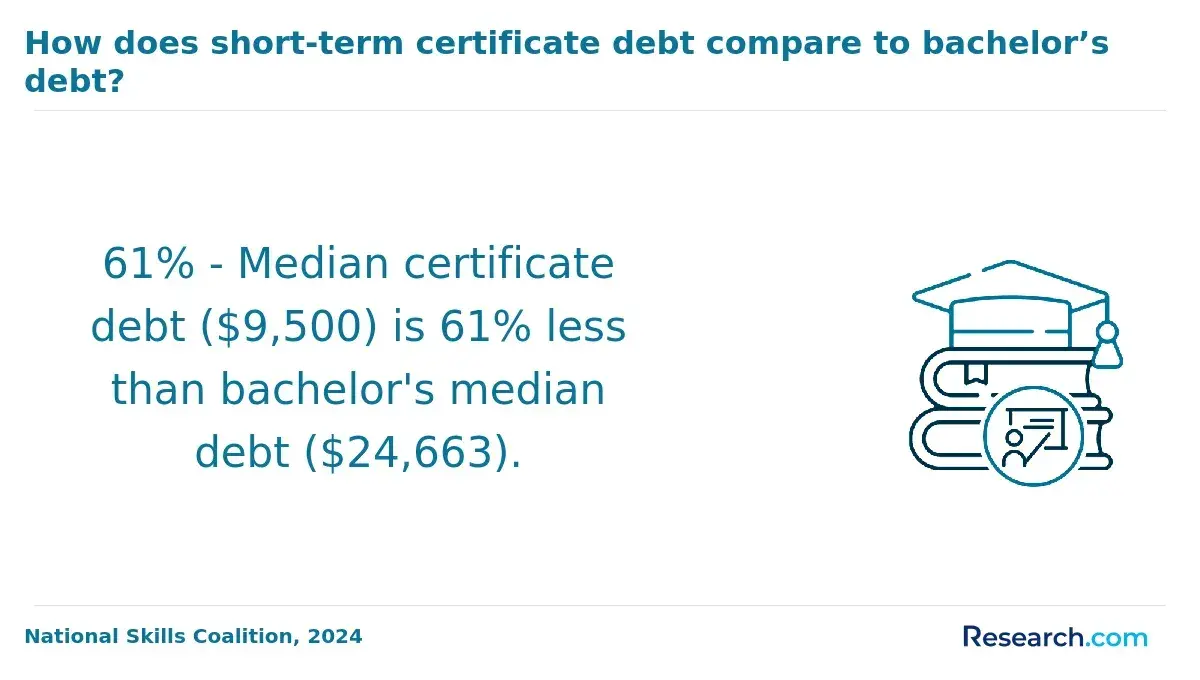
State-level tuition policies and regional economic factors create substantial variation in the cost of earning a communication disorders degree, often shaping where students choose to enroll. For instance, a student from Texas considering programs in Wyoming versus California faces a significant financial tradeoff, as Wyoming's average in-state tuition hovers around $6,000 annually compared to over $15,000 in California, according to 2024 data from the National Center for Education Statistics. These differences are compounded by residency status; out-of-state tuition can reach two to three times the in-state rate, frequently pushing total expenses into the $30,000-plus range at public universities, thereby influencing not only tuition but also potential borrowing and the feasibility of relocating for education.
Private colleges offering communication disorders programs typically charge more than $30,000 annually nationwide, providing little regional variation but limiting cost savings for students in states with high public tuition. Additionally, states with elevated living costs such as New York and Massachusetts add financial layers beyond tuition, raising the overall price of attendance. The uneven distribution of financial aid and grants further complicates cost comparisons, often making states like Florida and Texas more attractive despite higher sticker prices due to more robust subsidy options. For budget-conscious students, these factors emphasize the importance of analyzing total financial commitments-including living expenses and aid availability-rather than tuition alone when selecting a program.
These cost disparities influence practical decisions beyond initial enrollment; some students may balance affordability against program availability, licensure requirements, and workforce demand across states, while others might opt for online or hybrid learning formats to mitigate expenses tied to location. Understanding how tuition, residency status, and ancillary costs converge is essential for accurately projecting the long-term financial impact of pursuing a communication disorders degree, informing whether borrowing, relocation, or alternative credential pathways align best with career and personal circumstances.
Why Does Communication Disorders Affordability Vary So Much Between States?
Differences in state funding allocation largely determine variations in communication disorders degree costs by state, as public universities rely heavily on these subsidies to set tuition rates favorable to in-state students. For example, Wyoming and New Mexico allocate over 30% more per student toward higher education than the national average, which translates into noticeably lower tuition for residents pursuing communication disorders degrees there. Conversely, states with underfunded public systems or where private institutions dominate tend to see higher tuition, forcing many students to weigh the financial tradeoff of out-of-state or private enrollment against in-state options, including increasing interest in online programs to reduce costs.
Cost of living further complicates affordability decisions, with states like California and New York presenting elevated housing and daily expenses that amplify the overall burden beyond tuition alone. Differences in financial aid availability also shape net costs; some states prioritize grants for high-demand areas like communication disorders, easing student expenses and influencing enrollment patterns. Smaller programs often have higher per-student tuition due to fixed operational costs spread over fewer enrollees, affecting long-term planning for students who must consider program scale and regional demand. Budget-conscious learners comparing communication disorders affordability across states should also consider resources like the best associates degrees to get to inform practical, deadline-driven choices aligned with employer expectations and career viability.
How Do In-State and Out-of-State Tuition Rates Affect Communication Disorders Affordability?
Tuition differences between in-state and out-of-state learners meaningfully shape how accessible communication disorders programs are, especially when budgeting for a multi-year degree. Public institutions typically charge residents about $10,600 annually, compared to roughly $27,000 for nonresidents, according to 2024 National Center for Education Statistics data. These disparities compel many students to weigh the financial impact of enrolling in out-of-state programs against the value of potential reciprocity agreements or the possibility of securing residency classification to reduce costs over time. For students unable to qualify for in-state rates or state-specific grants, paying out-of-state tuition can substantially increase debt without a corresponding boost in post-graduate employability, particularly since many employers prioritize local or state licensure pathways and networks.
Private and online programs offer a contrasting fee structure that often ignores residency distinctions, simplifying cost expectations but usually at a higher baseline price. While this flat-rate model supports students seeking geographic flexibility, it also requires a careful assessment of program accreditation and long-term career outcomes. State reciprocity compacts-such as those seen in certain Western and Southern states-offer limited relief, but students should not assume these arrangements close the affordability gap entirely. Ultimately, residency-based tuition policies influence not only immediate financial planning but also decisions about where to live, how to finance education, and how to align schooling with regional labor markets that matter most for speech-language pathology and related fields.
A graduate shared that relocating for a communication disorders degree unexpectedly complicated financial planning. Though initially confident about qualifying for in-state tuition after moving, they encountered stricter residency criteria and had to pay near full out-of-state rates their first year. This surprise inflamed anxiety over mounting costs, prompting a last-minute shift to a nearby private online program with stable tuition but higher sticker prices. Reflecting on the experience, the student acknowledged how critical it was to scrutinize residency rules and consider long-term funding options before committing, underscoring that assumptions about tuition classification can markedly influence educational access and financial stress in this field.
How Does the Cost of Living Impact Overall Communication Disorders Affordability by State?
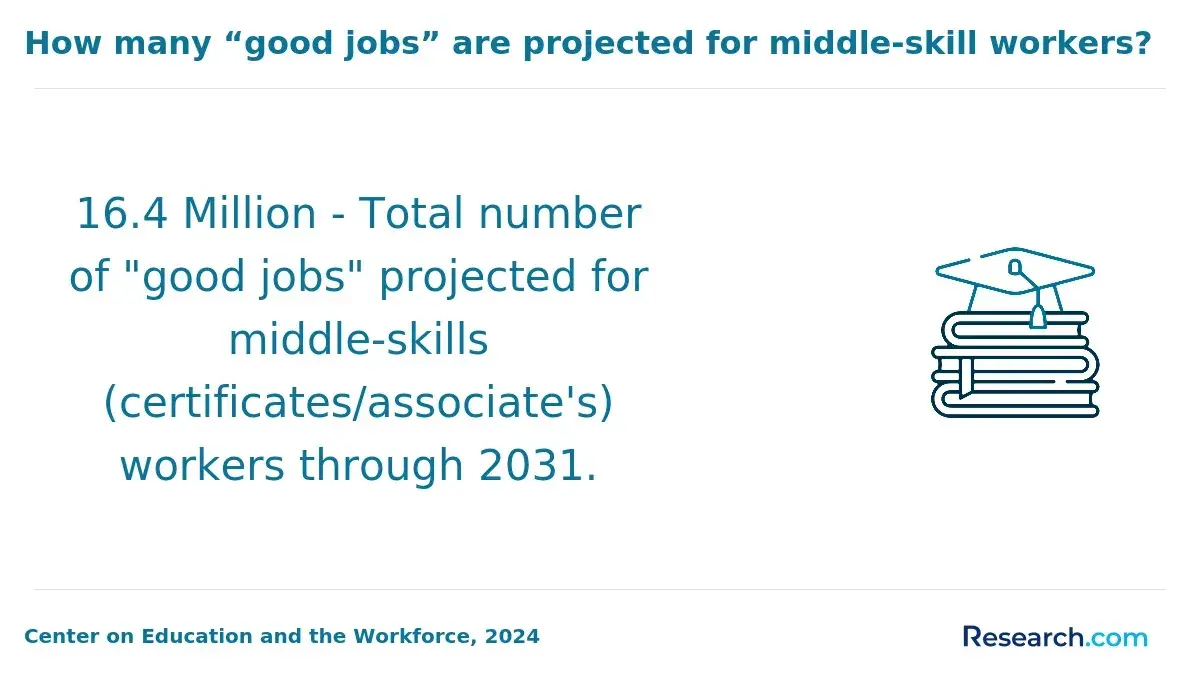
Cost of living nuances significantly influence where students find a communication disorders degree financially viable beyond the sticker price of tuition. For instance, housing in metropolitan hubs like San Francisco or New York sharply inflates budgets, often outpacing tuition differences entirely. This dynamic forces students either to increase work hours, which can impede clinical performance and academic progress, or to consider programs in states like Oklahoma or Mississippi, where rents are lower and funds can better support educational materials and reduce loan dependence. Such strategic choices reflect the practical tradeoffs in prioritizing program quality against regional expenses.
Transportation, food, healthcare, and utility costs further complicate this picture, molding the real cost of attendance in ways tuition alone does not reveal. Urban students may gain from robust public transit mitigating car expenses, while rural residents face higher fuel and insurance costs, often shifting a program's affordability calculus. Students evaluating regional living expenses and communication disorders degree costs across states must also factor in healthcare coverage during clinical training, with proximity to medical facilities and insurance premiums shaping practical decisions about where to enroll or live. These considerations increasingly influence financial aid needs, student debt exposure, and the viability of in-person versus online or accelerated pathways, such as an accelerated finance degree option in another field facing similar cost disparities.
Ultimately, comparing tuition without integrating housing, healthcare, and other living costs presents an incomplete affordability analysis for communication disorders students. Regional economic realities compel a comprehensive evaluation to inform enrollment decisions, commuting choices, and long-term financial planning, underlining how cost of living impact on communication disorders program affordability by state remains central to realistic educational and career outcomes.
Which States Offer the Best Value for a Communication Disorders Degree?
States vary significantly in how they deliver value for students pursuing a communication disorders degree, with differences rooted in tuition policies, financial aid accessibility, and local economic conditions. For example, North Carolina's public institutions combine relatively low in-state tuition with graduation rates above 60%, a balance that can reduce overall debt burdens for residents and limit costs beyond just sticker price. In contrast, a student considering relocation might find Texas's larger public university system attractive despite moderately higher tuition because of its extensive aid options and strong healthcare employment demand, which boosts post-graduation job prospects to around 85% within a year.
But affordability is more nuanced than just tuition rates; it hinges on state residency rules, the availability of clinical practicum placements, and living expenses that vary widely. Ohio, for instance, offers graduates a good mix of practical training and manageable living costs aligned with a healthcare sector that supports steady employment, making the state a pragmatic choice for both in-state residents and those weighing relocation. Conversely, states like California and New York, while academically reputable, impose high living costs and tuition premiums with comparatively less public financial aid, which can undermine the net return on investment. Such disparities highlight that the cheapest option upfront may not yield the strongest financial or professional outcome in communication disorders.
Students must weigh these factors relative to personal circumstances, including potential to qualify for in-state tuition, work during study, and access to local healthcare markets. The decision to study on campus or online, or move for residency, should consider how degree completion rates and local demand for licensed professionals affect not only costs but realistic employment outcomes after graduation. According to the U.S. Department of Education's 2024 data, states combining affordable tuition, robust aid, and solid clinical opportunities tend to offer the most balanced value, emphasizing the need for a holistic evaluation beyond sticker price alone.
What Financial Aid and Scholarship Opportunities Can Reduce Communication Disorders Costs?
Financial aid sources vary significantly in how they reduce the cost of a communication disorders degree, and students must weigh eligibility complexities and geographic factors carefully. Federal need-based grants like the Pell Grant provide foundational support but often fall short in covering full tuition, especially in states with higher education costs. State grants differ widely; for example, New York and California frequently offer substantial state-funded awards, whereas other states may provide minimal direct aid. This disparity means students aiming for affordability may benefit from enrolling in schools within states that have more robust public grant programs, but this advantage can be negated if residency requirements restrict access to out-of-state applicants.
Institutional scholarships and merit-based awards tailored to communication disorders can significantly offset tuition; however, availability fluctuates by institution and often requires maintaining specific academic criteria or enrollment status. Adding to affordability considerations, employer-sponsored tuition assistance-reported by 32% of healthcare employers in the 2024 Employer Education Trends Report-can reduce reliance on loans for working students, though these benefits are typically tied to continued employment and specific job roles. Part-time and nontraditional students frequently face narrower aid pools, complicating the cost-benefit analysis of spreading coursework over longer periods. Awareness of application deadlines, renewal conditions, and combined aid policies is essential to optimize financial packages and avoid unexpected costs during degree progression.
Are Online Communication Disorders Degree Programs More Affordable Than On-Campus Options?
The affordability of online communication disorders degree programs compared to on-campus options hinges on a balance of tuition structures, residency policies, and associated living expenses. While online programs may list tuition rates 15-25% lower according to 2024 NCES data, the actual savings depend heavily on factors like technology fees, the need for specialized hardware, and out-of-state tuition differentials. For example, a working adult living far from campus might save significantly by avoiding housing and transportation costs, but a local student attending an in-state university could see minimal financial benefit if technology requirements offset tuition discounts.
State residency policies and financial aid availability further complicate cost comparisons. Some states restrict aid to residents enrolled on campus, narrowing affordability gaps, whereas others offer comparable grants to online learners regardless of location, as shown in research by the Texas Higher Education Coordinating Board in 2024. Enrollment trends underscore this dynamic, with part-time online students increasing by 12% since 2022, reflecting a need for flexible schedules that impact opportunity costs differently than full-time attendance.
Ultimately, students weighing online versus on-campus communication disorders degree affordability by state must consider personal circumstances alongside institutional policies. Total cost of attendance encompasses more than tuition alone, and the decision entails tradeoffs between convenience, direct costs, and long-term career implications. Those focused on cost-effective options might also explore related fields like the online graphic design degree, where comparable affordability factors apply but with different market demands and educational structures.
Is a Communication Disorders Degree Worth the Cost Based on Career Outcomes and ROI?
Variations in tuition costs across states heavily influence the true value of a communication disorders degree, particularly for budget-conscious students and families. For instance, a resident attending a public university in California might face annual tuition above $15,000, while peers in Texas or Florida could pay nearly half that amount. This disparity significantly affects student debt levels, with some graduates bearing over $40,000 in loans-an important tradeoff considering the degree often requires a master's or advanced certification before reaching full earning capacity. The career outlook remains positive, as data from the U.S. Bureau of Labor Statistics reports a 21% job growth rate for speech-language pathologists and a median salary near $81,000, yet these figures must be weighed against the cost and length of education in deciding whether the ROI aligns with personal financial and professional goals.
Graduation and program completion rates further complicate the ROI equation, given that delayed completion or dropout increases financial strain without career returns. Job satisfaction, geographic mobility, and sector-specific advancement also impact the long-term value of the degree beyond initial earnings. Prospective students should evaluate affordability alongside these factors-balancing tuition differences, debt burdens, and program quality-rather than focusing solely on the sticker price. Those seeking greater flexibility might explore online colleges with frequent start dates to mitigate opportunity costs. Ultimately, nuanced analysis of communication disorders degree career outcomes in the United States requires attention to state-specific tuition, institutional performance, and realistic job market expectations, rather than relying on generalized ROI claims.
References
- The impact of the cost-of-living crisis on persons with disabilities https://www.edf-feph.org/the-impact-of-the-cost-of-living-crisis-on-persons-with-disabilities/
- 24 Online Speech Pathology Programs https://speechisbeautiful.com/2016/05/24-online-speech-pathology-programs/
- Importance of Cost of Living | Goldwater Institute https://www.goldwaterinstitute.org/cost-of-living/
- How Housing Affordability Conditions Vary Across States and Metro Areas https://eyeonhousing.org/2026/02/how-housing-affordability-conditions-vary-across-states-and-metro-areas/
- Top 10 Bachelor’s in Communicative Disorders Degree Programs | Special Education Degrees https://www.special-education-degree.net/top-bachelors-communicative-disorders-degree-programs/
- How the Cost of Living Compares Across All 50 States—and What Factors Drive Such Wide Gaps https://finance.yahoo.com/economy/articles/cost-living-compares-across-50-110500273.html
- pioneer-healthcare.com: Verifying that you are not a robot... https://pioneer-healthcare.com/blog/understanding-the-costs-to-become-a-speech-pathologist/
- 17+ Cheap and Affordable Speech Pathology Masters Programs https://onlinespeechpathologyprograms.org/affordable-slp-programs/
- The College Affordability Gap: Insights and Impact on Families https://encoura.org/resources/wake-up-call/the-college-affordability-gap-insights-and-impact-on-families
- Understanding communication disorders https://pacificmedicaltraining.com/communication-disorders
Other Things You Should Know About Communication Disorders
Lower tuition costs in some states can coincide with fewer available clinical practicum hours or limited access to specialized faculty, which are critical for Communication Disorders programs. This tradeoff means students in more affordable states may face challenges meeting rigorous accreditation standards or gaining diverse hands-on experience. Evaluating affordability alongside program structure is essential; a cheaper program with fewer clinical opportunities may impact preparedness and competitiveness for certification and employment.
Higher tuition states often house institutions with established healthcare networks, offering richer clinical practicum and internship placements. For Communication Disorders students, these placements are vital for skill development and networking. While the upfront cost is higher, the enhanced practical training can improve job readiness and employer appeal, potentially offsetting expenses with smoother licensure and employment outcomes. Budget-conscious students should weigh whether stronger clinical opportunities justify the additional tuition.
States differ in their licensing exams, supervised hours, and renewal fees, which affect the total cost beyond tuition. Students in states with more demanding licensing processes should anticipate higher indirect costs and longer timelines to full professional credentialing. This reality impacts the real affordability of a degree and should factor into decisions if planning to practice locally. Researching these requirements helps avoid unexpected financial burdens post-graduation.
Employer demand varies significantly by state and influences both job availability and starting salaries for Communication Disorders graduates. Opting for a state with higher demand, even if tuition is somewhat higher, can reduce job search duration and enhance salary prospects, improving overall return on investment. Students should prioritize states where workforce data indicates strong employment opportunities within their specialization, balancing affordability with career trajectory.