2027 Communication Disorders Student Debt Report: Borrowing, Monthly Payments, and Repayment Risk

Co-Founder and Chief Data Scientist
Programs in communication disorders often require extended study periods and supervised clinical hours, directly shaping borrowing behavior and repayment outcomes. The combination of demanding practicum requirements and certification prerequisites can increase educational costs beyond tuition, influencing the total student debt load. According to recent data from the National Center for Education Statistics, nearly 60% of graduate-level communication disorders students borrow federal loans, reflecting the financial demands specific to this discipline.
The field's wage variability, paired with licensing-related delays in workforce entry, further complicates repayment patterns. Notably, the presence of a substantial number of mature students suggests evolving workforce dynamics and shifts in accessibility within communication disorders education.
Key Things to Know About Communication Disorders Student Debt
- Average monthly payments for communication disorders graduates often remain high relative to entry-level wages, creating a tradeoff between manageable debt and delayed financial stability with family or housing investments.
- Employers increasingly value clinical experience over additional certifications, signaling that excessive borrowing for extra credentials may not yield proportional career advancement in communication disorders roles.
- Rising program costs combined with extended degree timelines elevate repayment risk, emphasizing the importance of early financial planning to mitigate default probability linked to communication disorders education pathways.
- Key Things to Know About Communication Disorders Student Debt Key Things to Know About Communication Disorders Student Debt
- How Much Student Loan Debt Do Communication Disorders Graduates Typically Have at Graduation? Average Studen Loan Debt
- What Factors Have the Biggest Impact on Communication Disorders Student Loan Debt? Student Debt Key Factors
- What Is the Average Monthly Student Loan Payment for Communication Disorders Graduates? Average Monthly Payment
- How Do Repayment Rates Compare Between Public and Private Institutions? Public vs. Private Institution Repayment Rates
- Do Online Communication Disorders Graduates Have Different Repayment Outcomes Than Campus-Based Students? Online vs. On-Campus Student Loan Repayment
- Which Industries Provide the Best Financial Return Relative to Borrowing Costs? Which Industries Provide the Best Financial Return Relative to Borrowing Costs?
- Does Student Debt Affect Which Jobs Communication Disorders Graduates Accept? Does Student Debt Affect Which Jobs Communication Disorders Graduates Accept?
- What Factors Increase Student Loan Repayment Risk for Communication Disorders Graduates? Loan Repayment Risk Factors
- How Can Communication Disorders Students Reduce Student Loan Debt While Earning Their Degree? Tips to Reduce Student Debt
- How Should Prospective Students Evaluate Borrowing Risk Before Enrolling? Evaluating Student Debt Risk
How Much Student Loan Debt Do Communication Disorders Graduates Typically Have at Graduation?
Students graduating from communication disorders programs commonly face student loan debt that ranges between $30,000 and $50,000 at the bachelor's degree level, according to recent data from the National Center for Education Statistics and updated federal education sources from 2024. This borrowing range captures the typical debt of those completing undergraduate study, although individuals pursuing graduate or clinical certification often increase their overall liabilities well beyond these figures.
Variations in borrowing reflect not only tuition costs but also the financial pressures tied to program length and the growing need for advanced credentials in fields like speech-language pathology. Understanding typical communication disorders graduate student loan debt averages helps frame the financial realities these students encounter as they enter the workforce.
Debt disparities among communication disorders students are influenced by several institutional and enrollment factors. Attending private versus public universities can significantly affect tuition and fees, with private institution attendees generally accruing higher debts. Out-of-state students face additional costs compared to in-state enrollees, while limited scholarship and grant availability in this field often compels greater reliance on loans.
Moreover, students enrolled part-time may spread borrowing over extended periods, altering debt accumulation patterns. Cost-of-living differences where programs are located also affect total borrowing, as living expenses add to overall education costs. These variables collectively shape the typical student borrowing amounts for communication disorders degrees and underscore the complexity behind published debt averages.
The financial burden of these loan levels has tangible consequences for postgraduation stability, especially since starting salaries in speech and hearing sciences often align with entry-level healthcare or education wages. Consequently, many graduates utilize income-driven repayment plans to manage monthly payments, which can prolong repayment timelines and increase interest costs over time.
This dynamic requires careful consideration during program selection and budgeting stages, highlighting the importance of assessing financing options and career prospects early on. Some students might find value in exploring accelerated associate degree paths that reduce time and costs; for instance, an accelerated associate degree could offer an alternative entry point into allied health roles with lower debt exposure.
What Factors Have the Biggest Impact on Communication Disorders Student Loan Debt?
Student loan debt levels in communication disorders programs result from a complex interplay of institutional pricing, individual financial circumstances, and program characteristics rather than a single, isolated cause. Borrowing amounts reflect how program length, institution type, and financial aid access converge with students' living costs and enrollment decisions. Understanding these overlapping factors clarifies why debt burdens vary widely among students and highlights the practical tradeoffs that drive borrowing behavior in this field.
- Program Length and Academic Level: Communication disorders graduate borrowing differences are heavily influenced by the extended duration typical for these degrees. Master's programs usually require at least two years beyond undergraduate studies, increasing cumulative tuition and related expenses. Students pursuing doctoral study add further borrowing risk due to additional years of limited income, amplifying overall debt accumulation.
- Institution Type and Tuition Pricing: Public versus private institutional pricing presents stark contrasts that shape debt levels. Public universities often have lower tuition for in-state students, whereas private or out-of-state enrollments can substantially increase borrowing requirements. The National Center for Education Statistics reports graduate tuition can range from $15,000 to over $40,000 annually, so enrollment choices critically influence loan size.
- Financial Aid Availability and Structure: Reliance on unsubsidized federal loans is common in communication disorders programs due to inconsistent access to assistantships and employer-sponsored funding. This financing pattern accelerates interest accrual during schooling, raising the total repayment burden. The scarcity of substantial aid reinforces borrowing, especially for students without direct financial support from their institutions or external sources.
- Living Expenses and Regional Costs: Higher living costs in urban areas with many communication disorders programs compel students to borrow more to cover essentials like housing and transportation. Limited opportunities for part-time work or practicums with stipends reduce alternative income streams, making loans the primary means to manage day-to-day expenses and increasing total debt.
- Enrollment Decisions and Student Financial Behavior: Program format, including full-time versus part-time enrollment, affects borrowing dynamics. Full-time students often incur higher immediate costs but may graduate sooner, whereas part-time enrollment can extend debt duration and require balancing work and study. Effectively managing borrowing levels depends on students' ability to navigate these enrollment options alongside available financial resources.
Recent data from the Bureau of Labor Statistics indicates median wages for speech-language pathologists around $79,000 annually, a moderate income relative to the debt many communication disorders graduates carry. This wage-to-debt ratio underscores the need for strategic borrowing decisions and informed analysis of how institutional pricing, financial aid systems, and program choices collectively influence long-term student loan obligations in the field. Prospective students can also explore affordable online MFT programs as a comparative reference for financial planning across related healthcare education paths.
What Is the Average Monthly Student Loan Payment for Communication Disorders Graduates?
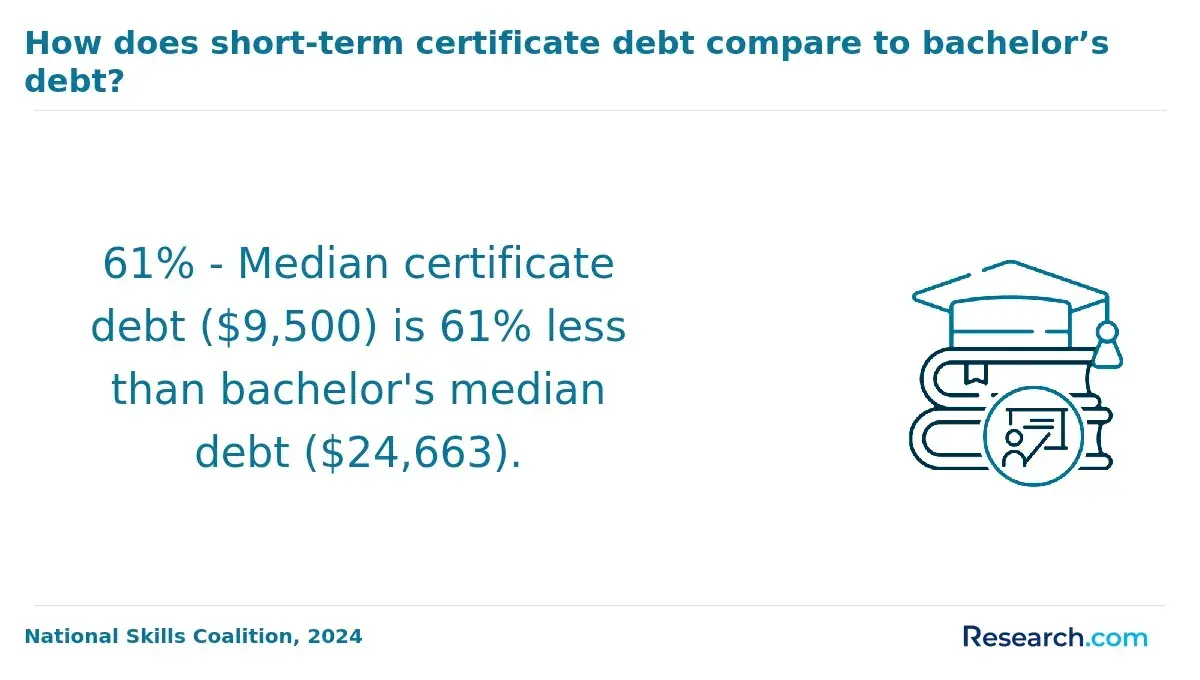
Recent data from the U.S. Department of Education and Federal Reserve indicates that graduates with degrees in communication disorders typically face monthly student loan payments ranging between $250 and $400. These figures reflect a median scenario based on combined undergraduate and advanced degree debt, often accumulated through master's or doctoral programs in the field. Variability within this range accounts for factors like loan interest rates and repayment terms, with federal loans commonly structured around a 10-year standard repayment plan. This baseline serves as a practical reference point but does not capture the full complexity of repayment burdens experienced by graduates.
Monthly payment amounts diverge considerably due to varying initial loan balances, which for many in communication disorders fall between $40,000 and $75,000, influenced by program costs and institutional differences. Enrollment in income-driven repayment plans can reduce payments to closer to $100-$200 by recalibrating obligations according to actual income rather than fixed amortization schedules.
Additionally, refinancing or forgiveness options aimed at public service employment further modify payment expectations. Salary disparities within the communication disorders workforce also shape repayment capacity, as starting wages between $55,000 and $70,000 annually determine how manageable or burdensome loan payments are relative to take-home pay, often setting informal limits on sustainable debt levels and influencing long-term financial decisions.
One communication disorders graduate shared that waiting late in the application cycle to secure a spot in a preferred master's program introduced significant uncertainty, especially amid rolling admissions across competing schools. This delay compressed her timeline for financial planning, meaning she had to estimate potential loan amounts and monthly repayments without complete clarity on program length or funding support. Her experience underscored the strategic tradeoff many face: whether to commit early with limited information or wait for better offers but risk last-minute financial decisions. The unpredictability in admissions timing compounded the challenge of responsibly preparing for typical loan payments faced after graduation.
How Do Repayment Rates Compare Between Public and Private Institutions?
Graduates with degrees in communication disorders from public universities demonstrate notably higher loan repayment rates within three years of completing their studies than those from private institutions, according to 2024 data from the U.S. Department of Education's College Scorecard. Around 62% of borrowers from public institutions reduce their loan principal in this period, compared to approximately 54% from private colleges. This discrepancy is reinforced by findings from the Federal Reserve, which indicate about a 20% lower risk of default or delinquency among public university graduates. These patterns suggest that differences in repayment behavior extend beyond job placement and entry-level earnings.
The driving forces behind these disparities largely involve the interplay of tuition costs, debt burdens, and repayment flexibility. Public institutions typically offer lower tuition, resulting in smaller average loan balances and more manageable monthly payments. Additionally, income-driven repayment plans are often more accessible or better utilized by public university graduates, easing financial strain. Although private school graduates may benefit from perceived prestige or networking, the higher borrowing required can increase repayment difficulty, influencing borrowing strategies and long-term financial outcomes for communication disorders students.
Do Online Communication Disorders Graduates Have Different Repayment Outcomes Than Campus-Based Students?
Recent data from authoritative sources such as the National Center for Education Statistics reveal that repayment rates for communication disorders graduates tend to be higher among those from public institutions compared to their private university peers. Approximately 58% of public university graduates reach full repayment or show strong progress within five years of entering repayment, whereas this figure drops to near 50% for graduates from private universities.
These differences reflect more than institutional branding or delivery mode; they underscore varying economic outcomes influenced by sector-based financing structures and borrower profiles, especially relevant in the online communication disorders graduate loan repayment comparison. Such disparities also suggest that repayment performance in communication disorders is shaped by complex systemic factors rather than mere modality or attendance status.
A range of institutional and economic variables drives these repayment rate differences. Public universities typically offer lower tuition rates which directly reduce borrowing needs, producing less initial debt and more manageable monthly payments relative to expected earnings. Conversely, private institutions-particularly those with a significant online presence-often carry higher tuition and fees, increasing debt levels among students whose post-graduation income may not scale proportionally.
Differences in financial aid distribution, geographic employment demand, and institutional reputation further affect borrower outcomes, with private online graduates occasionally facing longer repayment timelines due to elevated debt-to-income ratios. These dynamics shape how campus versus online communication disorders student debt outcomes unfold, influencing graduates' financial stress and mobility.
The broader implications of these repayment patterns extend to perceptions of program value and institutional accountability in communication disorders education. Higher repayment success at public universities often correlates with stronger local employer networks and established clinical pathways, facilitating income stability that supports debt management. In contrast, the variability in private programs' earnings outcomes underscores the importance of careful financial planning and understanding long-term debt risks.
For prospective students considering accelerated learning options, programs such as a master degree in 6 months may offer tailored pathways but also require scrutiny regarding how quickly debt accrued can realistically be serviced given labor market conditions.
Which Industries Provide the Best Financial Return Relative to Borrowing Costs?
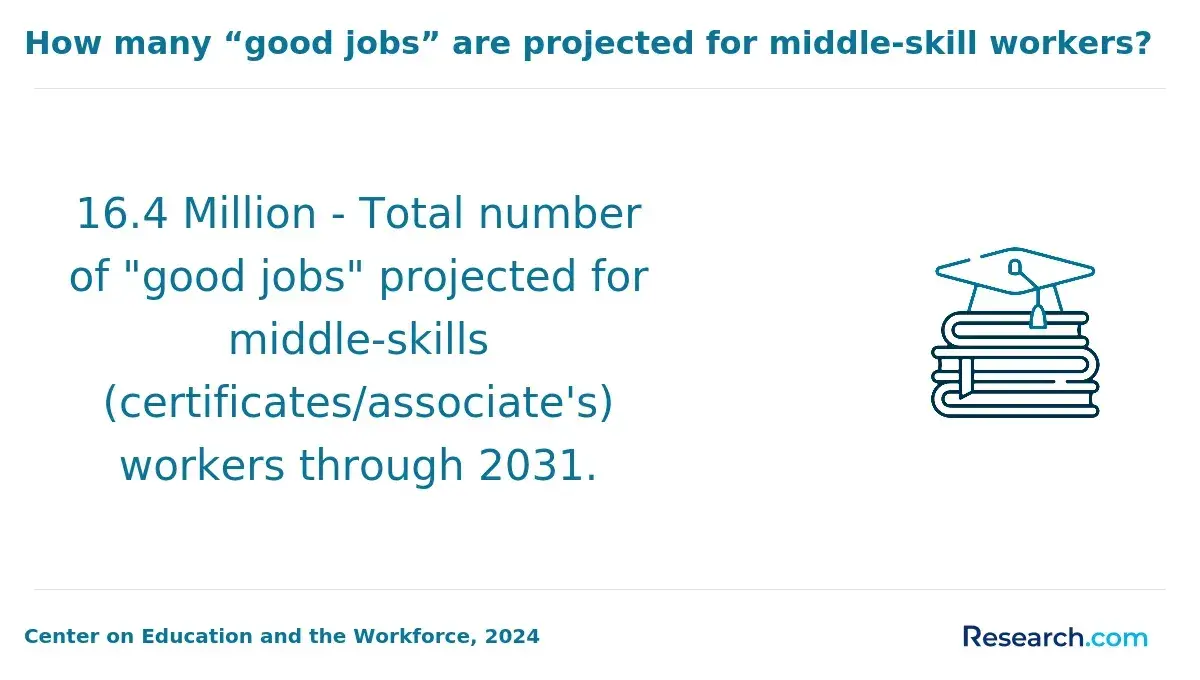
Financial return for graduates in communication disorders varies considerably depending on the industry, shaped by the interplay between typical income growth and student debt levels. Rather than focusing solely on entry salaries, a realistic assessment must consider how each sector supports repayment capacity and overall debt management while accounting for hiring demand and career progression speed. With median education debt around $50,000 and salary ranges spanning widely by industry, choosing a sector where earnings reliably outpace borrowing is critical to minimizing long-term financial strain.
- Healthcare Facilities (Hospitals and Outpatient Centers): These settings generally offer higher starting salaries-often between $65,000 and $75,000-which align more favorably with typical debt loads. Robust demand within medical environments and structured career ladders contribute to steady income growth, enhancing loan repayment capacities and reducing default risk.
- Medical and Diagnostic Laboratories: Employment here tends to offer above-average wage growth and comparatively stable job prospects, making this subsector a strong contender for financial ROI. While entry salaries might vary, ongoing demand and advancement opportunities help mitigate the relative weight of student loans over time.
- Public Education (Special Education Roles): Starting pay in public schools frequently hovers nearer to $50,000 but often lacks rapid salary escalation, which increases repayment pressure against typical debt levels. Budget constraints and slower progression pathways may exacerbate this disparity, particularly for graduates with high borrowing.
- Community Service Organizations: Though these roles may provide flexibility, wages tend to be lower and less consistent, amplifying the challenge of balancing debt repayment with income. For those considering this path, external supports like loan forgiveness programs become increasingly significant in offsetting financial burdens.
- Private Practice and Nonclinical Education Support: Positions in these domains often involve variable incomes with slower growth potential, translating to moderate or limited financial return relative to borrowing. While they may offer autonomy, their earnings patterns require careful debt management planning.
Data from the National Center for Education Statistics and the Bureau of Labor Statistics in 2024 emphasize the necessity of evaluating the combination of salary trajectories, industry demand, and debt burden rather than focusing on raw earnings alone to determine meaningful ROI for communication disorders graduates.
Does Student Debt Affect Which Jobs Communication Disorders Graduates Accept?
Student debt levels strongly influence which job offers communication disorders graduates accept, particularly due to the imperative to meet repayment schedules. Graduates with high loan balances often prioritize positions promising sufficient salaries or immediate income, even when these roles diverge from their preferred career trajectories or offer limited professional growth.
The necessity to balance debt-to-income ratios can make salary a decisive factor over other job attributes like workplace setting or specialization. For instance, a 2024 National Center for Education Statistics report found that 62% of recent graduates weigh salary and loan repayment terms heavily when selecting employment, frequently causing a shift toward higher-paying private sector roles rather than lower-compensated public or research-based opportunities.
Beyond salary considerations, behavioral and structural factors further differentiate job acceptance patterns between high- and low-debt graduates. Those carrying larger debts tend to restrict geographic mobility, favoring regions with lower cost-of-living or available loan repayment benefits, thereby narrowing potential job markets. Additionally, financial strain can delay or deter pursuit of advanced certifications or graduate education despite long-term professional benefits, constraining upward mobility.
Industry selection also reflects these pressures: graduates with heavier debt loads may steer clear of internships or fellowships that lack pay, and they often opt for positions offering loan assistance incentives. These dynamics illustrate a complex interplay between debt burdens and evolving workforce participation, shaping both immediate employment choices and cumulative career pathways within communication disorders.
One recent communication disorders graduate shared that navigating the rolling admissions cycle for master's programs was fraught with uncertainty, which compounded financial stress. After waiting weeks for responses from several schools, the looming prospect of accumulating debt before securing a stable income prompted an early job acceptance at a private clinic offering a sign-on bonus and loan repayment aid.
Although the graduate had initially hoped to arrange an unpaid fellowship aligned with long-term goals, the timing and financial unpredictability forced a pragmatic decision prioritizing financial stability over ideal placement, highlighting how student debt urgency can outweigh optimal educational or career timing strategies.
What Factors Increase Student Loan Repayment Risk for Communication Disorders Graduates?
Student loan repayment risk for communication disorders graduates arises from a complex interplay of financial obligations, academic requirements, and labor market conditions. This risk is not determined by a single factor but by how debt accumulation combines with variable earning stability after graduation. Graduates must navigate the burden of borrowed capital while entering a field with salary fluctuations and uneven employment opportunities. The impact of program format and student demographics on communication disorders loan repayment risk further complicates these financial dynamics.
- High Graduate-Level Borrowing: Extended education programs often require graduate degrees, pushing student debt above national averages for healthcare fields. This elevated borrowing increases repayment pressure, especially when initial earnings do not keep pace with loan interest accumulation and living expenses.
- Variable Salaries by Licensure and Setting: Salaries significantly depend on credentialing status and employment sector. Delays in licensure or working in lower-paying public or rural positions reduce immediate earning power, limiting repayment capacity and prolonging loan periods.
- Employment Instability and Underemployment: Careers in education or rural healthcare settings often involve part-time or contract roles lacking benefits, leading to inconsistent income streams. This instability hampers consistent loan payments and causes repayment volatility.
- Geographic and Employer Differences: Wage disparities across regions and employer types affect overall income. Graduates in areas with lower costs of living may still face repayment risk if opportunity wages stagnate or tuition debt remains substantial relative to earnings.
Approximately 30% of communication disorders graduates encounter heightened loan repayment risk within five years of finishing their studies, according to the National Student Loan Data System. Prospective students assessing program choices should critically evaluate program costs, credentialing timelines, and realistic earnings to understand their repayment risk fully. For those considering flexible educational options, programs such as a masters in child psychology online may offer comparative cost advantages and scheduling flexibility that can influence debt levels and repayment outcomes.
Factors that increase student loan repayment risk for communication disorders graduates in the United States hinge heavily on borrowing magnitude and post-graduate employability, exacerbated by program format and demographic variations that shape career trajectories.
How Can Communication Disorders Students Reduce Student Loan Debt While Earning Their Degree?
Reducing student loan debt while earning a communication disorders degree involves deliberate financial planning and strategic academic decisions throughout the educational journey. Effective debt minimization requires combining financial awareness with enrollment choices and leveraging institutional resources that align with both cost control and educational quality. This approach goes beyond bookkeeping or cost-cutting; it focuses on how communication disorders student loan repayment strategies intersect with curriculum design, aid optimization, and workforce-related opportunities to realistically lower borrowing.
- Seek Federal Work-Study or Relevant Part-Time Jobs. Engaging in work-study programs or part-time employment tied to communication sciences allows students to offset living expenses while gaining applicable skills. This practical approach reduces the need for additional loans and enhances employability without compromising academic progress.
- Apply for Specialized Scholarships and Grants. Targeted scholarships and grants specifically designed for communication disorders students significantly reduce loan dependency. Data from the 2024 National Center for Education Statistics shows that actively pursuing merit- and need-based aid can lower average borrowing by around 20%, underscoring this strategy's tangible impact.
- Consider Accelerated or Combined Degree Paths Cautiously. While accelerated and joint programs, like 6 month programs, can shorten time to degree, thereby decreasing tuition costs and debt, students must weigh increased workload and potential reduced income from limited employment during studies. Strategic academic planning is essential to balance these factors effectively.
- Enroll in Public or In-State Institutions for Lower Tuition. Public universities and in-state programs generally offer more affordable tuition, reducing overall borrowing needs. This enrollment decision is often the most direct way to minimize debt, especially when paired with targeted state or institutional aid.
- Use Financial Counseling to Understand Borrowing Limits. Early financial education and counseling improve awareness of loan terms, repayment requirements, and borrowing limits. This knowledge empowers students to make informed decisions, avoid over-borrowing, and explore alternative funding before accumulating unsustainable debt.
- Optimize Academic Efficiency Through Course Planning. Careful selection of courses and program sequencing reduces the total credit hours required, lowering tuition expenses. Efficiency in academic progression minimizes extended enrollment periods, a key factor in debt accumulation for communication disorders degrees.
- Leverage Institutional Resources for Student Support. Utilizing university resources such as advising, financial aid offices, and career services can connect students to lesser-known funding opportunities and practical advice, improving their ability to manage costs and avoid unnecessary borrowing.
How Should Prospective Students Evaluate Borrowing Risk Before Enrolling?
Evaluating borrowing risk before enrolling in a communication disorders program is crucial to grasp the long-term financial consequences tied to the degree. Prospective students must weigh the total anticipated debt against expected post-graduation earnings to gauge affordability and repayment capacity realistically. This balance helps avoid unforeseen financial strain and supports sustainable career investment decisions.
- Estimated Total Debt Burden: Analyze the cumulative cost of attendance, including tuition, fees, and living expenses. Since average student loan debt for communication disorders graduates can exceed $40,000, understanding this total figure upfront is vital to project realistic repayment timelines without excessive financial hardship.
- Projected Entry-Level Salaries: Compare anticipated starting salaries, typically ranging from $50,000 to $60,000 annually, against monthly debt obligations. This debt-to-income ratio assessment clarifies how manageable loan repayments will be relative to take-home pay in diverse regional job markets.
- Program Completion and Employment Rates: Higher graduation and employment rates reduce default risk by increasing the likelihood of timely income generation. Evaluating these metrics for specific programs helps identify institutions where borrowing may align better with successful outcomes.
- Availability of Loan Forgiveness or Assistance Programs: Some programs offer targeted loan forgiveness or financial aid for communication disorders professionals working in underserved areas. Incorporating knowledge of such options can significantly alter the debt risk profile and repayment outlook.
- Opportunity for Income During Studies: Assessing possibilities for part-time work, assistantships, or internships that offset borrowing can reduce overall debt exposure. These earnings opportunities also build experience without severely increasing financial risk.
- Long-Term Career Trajectory and Additional Costs: Certification requirements and professional development needed after graduation may entail further expenses or borrowing. Factoring these into initial borrowing decisions ensures a holistic view of total educational investment.
Systematic evaluation across these factors enables a measured, evidence-based enrollment decision and improves alignment between financial commitment and career value in the communication disorders field.
References
- Is Rising Student Debt Harming the U.S. Economy? | Council on Foreign Relations https://www.cfr.org/backgrounders/us-student-loan-debt-trends-economic-impact
- The Long-Term Effects of Student Loans | ACE Blog https://ace.edu/blog/the-long-term-effects-of-student-loans/
- Private Student Loan State Legislation - Protect Borrowers https://protectborrowers.org/what-we-do/state-local-projects/state-regulatory-advocacy/private-student-loan-state-leg/
- New CSS Report Identifies Barriers to Student Loan Repayment and Offers Solutions https://www.cssny.org/news/entry/new-css-report-identifies-barriers-to-student-loan-repayment-and-offers-sol
- The Impact of Student Debt on the Low-Wage Workforce https://workrisenetwork.org/working-knowledge/impact-student-debt-low-wage-workforce
- How to Pay Off Student Loan Debt on a Speech-Language Pathologist Salary https://www.studentloanplanner.com/average-salary-of-speech-language-pathologist/
- Insert/edit link https://www.msfinancialaid.org/slpl/
- CFPB Highlights Default Risk Factors for Student Loans https://www.consumerfinancialserviceslawmonitor.com/2022/04/cfpb-highlights-default-risk-factors-for-student-loans/
- How Will You Pay for Your Degree? - NSSLHA Blog https://blog.nsslha.org/2018/10/09/how-will-you-pay-for-your-degree/
- Communication Sciences & Disorders Post-Bacc Tuition and Financial Aid https://www.pacificu.edu/communication-sciences-disorders-post-bacc/tuition-financial-aid
Other Things You Should Know About Communication Disorders
Doctoral programs in communication disorders generally involve higher tuition and longer study periods, increasing total borrowing and monthly repayment amounts. However, they often open doors to higher-paying clinical, academic, or research positions, which can improve repayment capacity over time. Students facing tighter short-term budgets should weigh the tradeoff between immediate financial strain and potential long-term earnings growth, prioritizing programs with strong employment outcomes aligned with their career goals.
Clinical practicums in communication disorders programs can extend program length and reduce the time available to work full-time, leading to increased reliance on loans. This pause or reduction in income during training often results in higher borrowing and delayed earnings, complicating timely loan repayment. Choosing programs with integrated paid practicum options or shorter fieldwork periods can mitigate this financial stress and improve repayment prospects.
Income-driven repayment (IDR) plans can offer essential relief for communication disorders graduates whose loan payments outpace their early-career earnings, especially in lower-paying public school or non-profit roles. Yet, because many graduates see significant salary increases after certification and licensure, IDR should be considered a temporary strategy rather than a long-term solution. Graduates should prioritize rapid certification and targeted job search strategies to transition off IDR and reduce overall loan costs caused by accruing interest.
Strong employer relationships and reputable programs in communication disorders often improve job placement and salary leverage, indirectly facilitating loan repayment despite potentially higher upfront borrowing. Conversely, programs with generous financial aid but weaker market recognition may lead to longer repayment horizons due to underemployment or lower wages. Prospective students should favor programs balancing manageable debt with demonstrable employment outcomes and professional network support, even if initial borrowing appears larger.