2027 Communication Disorders Career Outcomes by Degree Level Report: Pay, Employment, and Advancement Patterns

Co-Founder and Chief Data Scientist
Facing the challenge of choosing the right degree path in communication disorders often hinges on understanding distinct career outcomes tied to each educational level. For instance, a 2024 study from the American Speech-Language-Hearing Association highlights that master's degree holders experience notably higher employment rates and more frequent leadership opportunities compared to bachelor's graduates.
This trend matters because it reflects workforce demands and signals which credentials unlock advanced roles or greater job stability. Without clarity on pay progression, employment likelihood, and advancement channels by degree level, prospective students risk costly misalignment with career goals. This article dissects these key metrics to help readers assess degree-level outcomes in communication disorders.
Key Things to Know About Communication Disorders Career Outcomes by Degree Level
- Master's degree holders dominate clinical roles due to certification requirements, limiting employment for bachelor's graduates largely to assistant positions; this dynamic guides candidates toward advanced degrees for licensure and career entry.
- Employers increasingly prioritize clinical experience paired with graduate credentials, reflecting a workforce trend that constrains advancement without higher-degree attainment, shaping realistic promotion pathways in healthcare settings.
- The longer time and cost investment for doctoral credentials delays workforce entry but correlates with enhanced research and leadership roles, presenting a tradeoff between immediate employment and long-term career flexibility.
- Key Things to Know About Communication Disorders Career Outcomes by Degree Level Key Things to Know About Communication Disorders Career Outcomes by Degree Level
- What Career Outcomes Can Students Expect From Each Communication Disorders Degree Level? Career Outcomes by Degree
- How Much Do Communication Disorders Graduates Earn by Degree Level? Salary by Degree Level
- Which Communication Disorders Degree Level Offers the Strongest Employment Prospects? Best Degrees for Employment
- What Entry-Level Jobs Can You Get With a Communication Disorders Degree? Entry-Level Career Opportunities
- How Do Communication Disorders Degree Levels Affect Career Advancement and Promotion Opportunities? Career Growth by Degree
- Is a Communication Disorders Degree Worth It Based on Salary, Employment, and ROI? Salary, ROI, and Value
- How Do Associate, Bachelor's, Master's, and Doctoral Communication Disorders Degrees Compare? Comparing Degree Levels
- Which Industries and Employers Hire Communication Disorders Graduates by Degree Level? Which Industries and Employers Hire Communication Disorders Graduates by Degree Level?
- What Skills, Credentials, and Experience Improve Communication Disorders Career Outcomes? What Skills, Credentials, and Experience Improve Communication Disorders Career Outcomes?
- Which Communication Disorders Degree Level Is Best for Your Career Goals? Choosing the Right Degree
What Career Outcomes Can Students Expect From Each Communication Disorders Degree Level?
Entry-level credentials in communication disorders, such as certificates or associate degrees, primarily position graduates for support roles with limited decision-making authority and constrained advancement prospects. These positions, including therapy aides or assistants, often require supervised practice and correspond to lower pay scales relative to advanced degree holders.
For transfer students or working adults weighing time investment against employment outcomes, this credential may allow quicker labor market entry but typically necessitates subsequent graduate study for meaningful upward mobility. Given employer expectations and state licensing frameworks, this initial credential aligns more with immediate workforce entry than with sustained career development across the field.
Bachelor's degree holders frequently encounter a wage and role plateau in communication disorders due to the absence of clinical practicum elements critical for independent practice certification. While qualifying for entry-level roles such as rehabilitation aides supports foundational engagement, many employers regard this level as insufficient for fully licensed responsibilities, which constrains both employment access and advancement potential.
Master's degrees remain the standard for licensure and clinical leadership, highlighting a practical tradeoff for students determining whether to pursue additional graduate training after a bachelor's program. Navigating these decisions, especially for adult learners balancing commitments, benefits from understanding how bachelor-level credentials affect communication disorders degree pay and employment outcomes compared to graduate qualifications.
Doctoral qualifications, including PhDs or clinical doctorates, open pathways beyond conventional clinical practice into research, policy, and administrative leadership, representing an investment with more specialized returns. Despite their limited prevalence in the workforce, holders of terminal degrees tend to influence program development and interdisciplinary initiatives significantly but rarely gain clinical advantages restricted to master's-qualified practitioners.
Licensing mandates emphasize this distinction, restricting many clinical roles to master's-level graduates, which informs strategic decisions regarding time and financial investment in advanced study. Adult learners without prior graduate coursework should carefully assess such factors, considering transfer options and alignment with career goals, or explore alternative pathways like the accelerated social work degree if interdisciplinary leadership or policy roles are a priority.
How Much Do Communication Disorders Graduates Earn by Degree Level?
Salary outcomes for communication disorders graduates vary substantially by degree level, shaped heavily by clinical licensure eligibility, specialized skills, and geographic demand. For instance, professionals with a master's degree-often the minimum for licensed speech-language pathology or audiology roles-report median annual wages near $80,000 according to 2024 U.S. Bureau of Labor Statistics data, contrasting with bachelor's holders who often see starting salaries closer to $55,000.
While associate degree and certificate holders typically enter support positions earning $35,000 to $45,000, these roles frequently offer limited upward mobility and come with rigid credential barriers that restrict their ability to transition into clinical or leadership tracks without further education. For working adults and transfer students, the time and cost required to advance from an associate or bachelor's to a master's degree must be weighed against these wage differentials and the increased job stability reported for those with graduate credentials in more competitive labor markets.
Doctoral-level qualifications unlock access to advanced clinical, academic, or research roles earning upwards of six figures, but these pathways demand significant additional investment and may not yield immediate financial returns for early-career professionals. Employment rates also differ; master's degree completers generally experience lower unemployment within their fields, reflecting employers' preference for fully licensed practitioners amid growing clinical demands.
Geographic variance further complicates decision-making, as wages tend to be higher in urban centers with greater demand for specialized services. Interpreting pay data alongside these regional and credential-related factors is crucial for prospective students assessing whether incremental education will provide meaningful career leverage relative to cost, personal commitments, and time to completion.
One recent graduate shared how initial job market research revealed a $20,000 salary gap between bachelor's-level support roles and master's-level clinical positions in their state, prompting them to carefully evaluate program transfer policies and part-time study options. Although the prospect of an extended timeline and tuition expenses caused hesitation, conversations with local employers confirmed that most clinical openings explicitly required a master's degree and associated licensure.
Which Communication Disorders Degree Level Offers the Strongest Employment Prospects?
Employment outlooks for communication disorders vary considerably by degree level, with master's credentials clearly dominating the field's access and stability. Most clinical and professional roles, such as speech-language pathology, demand a master's degree combined with state licensure, effectively barring certificate holders and associate degree graduates from fully licensed practice.
For example, entry-level positions requiring only certificates or associate degrees are often support roles with restricted responsibilities and limited upward mobility, which can hinder long-term earning capacity and career growth in many labor markets. Though bachelor's degrees offer broader academic foundations and some job entry points, these generally do not meet licensure requirements, slowing advancement without graduate education.
Doctoral degrees provide pathways to research, academic appointments, and leadership positions, but these opportunities constitute a smaller segment of the employment landscape and come with greater time and financial investments. According to the U.S. Bureau of Labor Statistics, employment for speech-language pathologists is projected to grow 21% through 2032, underscoring strong demand primarily for professionals holding at least master's credentials, especially in regions with healthcare system expansions or underserved populations.
Decisions between immediate workforce entry via lower credentials and investing in graduate-level training hinge on weighing faster employment against limited progression versus delayed but broader professional eligibility and enhanced job security. Internship and clinical practicum opportunities embedded in master's and doctoral programs further prepare candidates for employer expectations and licensure hurdles.
Geographic variability also affects outcomes, with some underserved areas offering roles to lesser credentialed workers at lower pay and fewer advancement options, underscoring the practical importance of matching educational choices with realistic regional and occupational demands.
What Entry-Level Jobs Can You Get With a Communication Disorders Degree?
Entry-level opportunities in communication disorders vary substantially based on degree attainment and licensure status, affecting both job accessibility and career trajectory. Many employers, particularly in healthcare and educational settings, now expect candidates to have completed supervised clinical practicums, as these provide essential hands-on experience and often serve as gatekeepers to employment.
For bachelor's degree holders, roles are typically limited to support or administrative positions within speech and hearing clinics, with restricted capacity for direct clinical work unless further certification or graduate study is pursued. This distinction is critical for students weighing immediate employment against longer-term advancement prospects in clinical practice.
Graduates with a master's degree usually qualify for licensed roles involving direct client care, assessment, and intervention, expanding their employment options considerably compared to those with only undergraduate credentials. The practical implication is that these jobs come with stricter educational and certification requirements but offer greater stability and a clearer path toward professional development. Geographic factors also influence job availability, with rural areas sometimes providing more entry points but fewer advanced resources.
Evaluating these dynamics alongside transferable skills such as communication and technology use is essential for a realistic interpretation of communication disorders entry-level jobs. According to the U.S. Bureau of Labor Statistics (2024), a growing share of employers require this blend of education and experience, indicating that pursuing a master's degree or targeted internships can strategically enhance employability and long-term mobility within the field.
Those considering these pathways might also explore related disciplines-for example, combining communication disorders credentials with a master's in psychology-to broaden functional roles and program support possibilities. Awareness of such interdisciplinary options can offset limitations inherent to certain degree levels and better position graduates for diversified entry-level roles, reducing dependency on narrowly defined clinical paths and accommodating varied career planning goals.
How Do Communication Disorders Degree Levels Affect Career Advancement and Promotion Opportunities?
Higher degree levels in communication disorders critically shape eligibility for supervisory and specialized clinical roles, with employers often requiring at least a master's degree for licensed or leadership positions. According to 2024 Integrated Postsecondary Education Data System figures, individuals holding graduate degrees gain access to advance faster and occupy more specialized functions than those with only bachelor's credentials.
This credential gap reflects a practical bottleneck, as many clinical and management roles explicitly mandate master's or doctoral qualifications, limiting upward mobility for bachelor's degree holders despite relevant work experience. Additionally, advanced programs frequently integrate management training, equipping graduates with skills that align with employer expectations for leadership and clinical supervision, which foundational bachelor's curricula tend to omit.
Transfer students and adult learners with prior credits can leverage accelerated pathways to reduce time-to-degree at the graduate level, offering a strategic advantage in career timing and mobility. However, pursuing further education for promotion eligibility involves balancing immediate income loss against long-term advancement opportunities, especially since continuing education and licensure renewal increasingly require ongoing credential updates.
For working professionals or military-affiliated students, the decision to attain a higher degree must weigh employer certification prerequisites and internal promotion protocols as much as personal ambition or entry-level affordability. One recent graduate, initially hesitant about investing in a master's program while working full-time, reflected on the necessity of the degree after encountering a clinic manager role requiring ASHA certification tied to that credential.
They explained, "I knew my bachelor's experience was solid, but when I saw the job listing specifying a master's and certification, it felt like a hard barrier. Deciding to enroll came with worries about juggling work and study, but it opened doors I couldn't access before and made me confident applying for supervisory positions where I had previously been overlooked."
Is a Communication Disorders Degree Worth It Based on Salary, Employment, and ROI?
Return on investment for communication disorders careers varies significantly depending on the degree level, timing, and regional labor demand. Bachelor's degree holders often face limited direct employment opportunities in speech-language pathology roles, which typically require a master's degree plus licensure. This gap means that those with only a bachelor's may experience underemployment or slower salary growth, particularly if they enter the workforce in regions with less demand for specialized speech services.
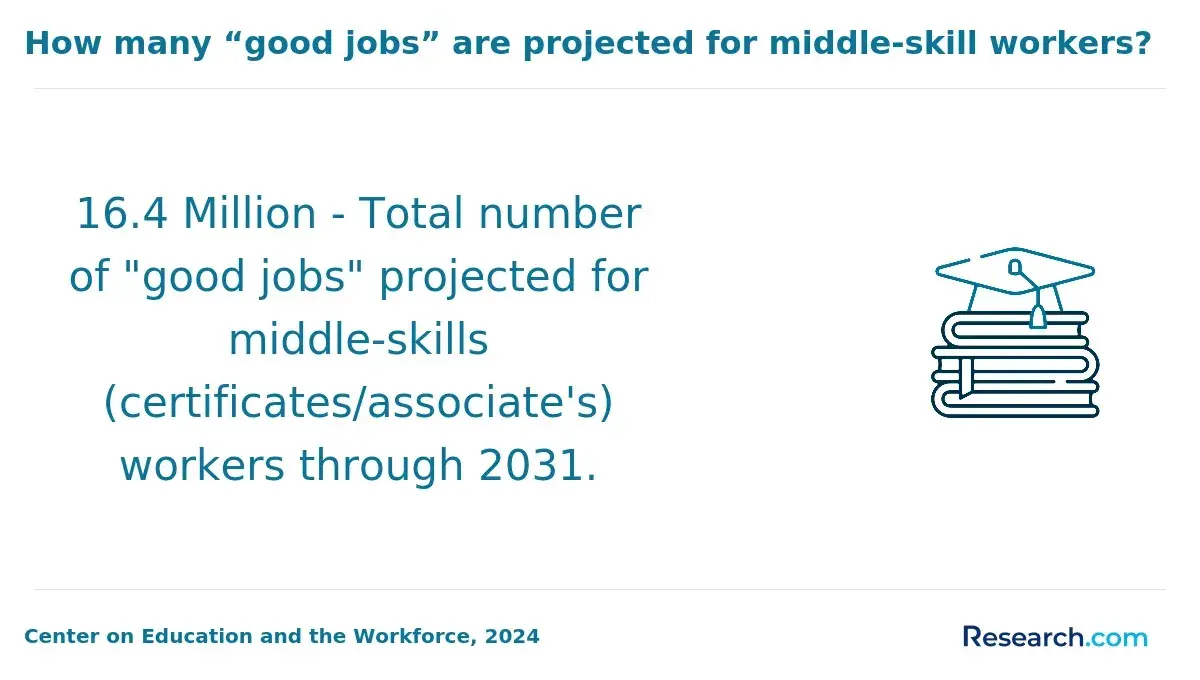
For working adults or transfer students, the additional years and costs required to complete a master's degree represent opportunity costs that must be weighed against the stronger career mobility and greater wage potential licensed clinical roles provide. Speech-language pathologists with master's degrees generally experience more stable employment and clearer advancement pathways, benefiting from a profession projected to grow faster than average.
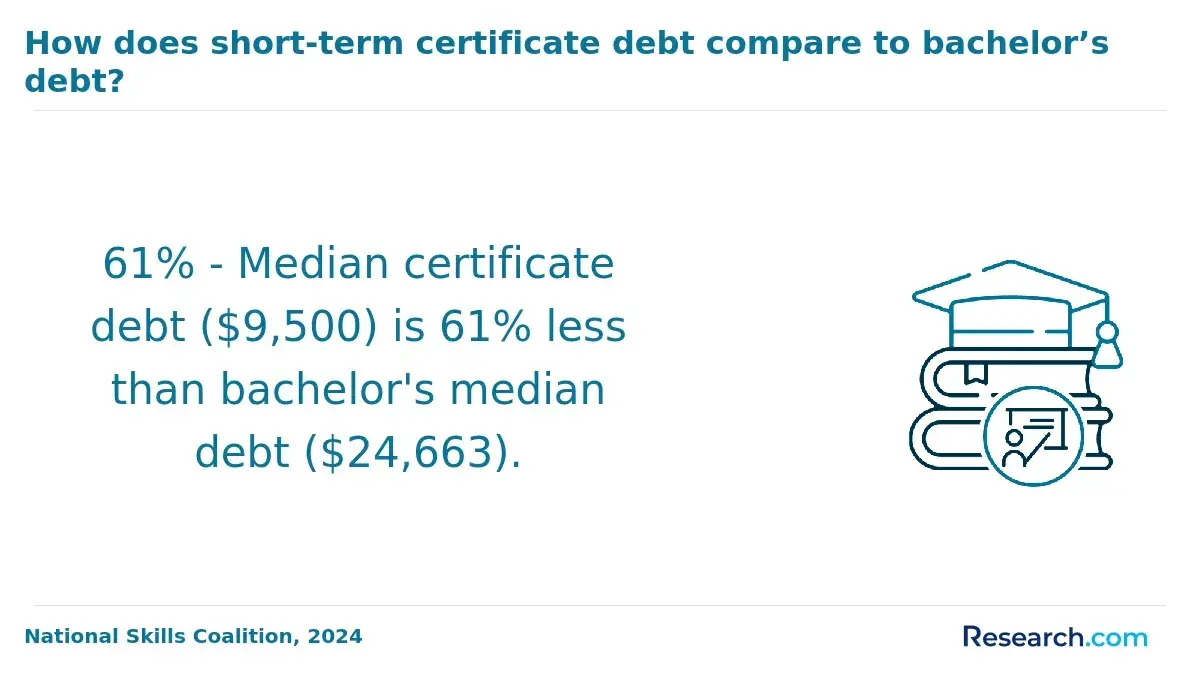
The total cost of graduate education, including tuition and lost income, can be significant, but data shows graduates often maintain manageable loan repayment rates thanks to the sector's salary floors. Regional factors also impact outcomes; locations with larger aging populations tend to increase demand, thereby improving salary offers for licensed professionals.
For prospective students balancing affordability and career readiness, exploring options such as the cheapest online master's in urban planning can provide useful cost-comparison benchmarks across fields with similar education-to-work delivery models. Understanding communication disorders degree salary and employment outcomes helps clarify real-world tradeoffs, especially for military-affiliated students or professionals considering switching careers.
Evaluating how time-to-completion, licensing requirements, and financial aid shape both immediate earning potential and long-term career resilience is crucial. While a bachelor's might suit those supplementing with work experience or certifications, a full master's degree remains the most reliable route to entering the core speech-language pathology workforce and securing competitive wages with future upward mobility.
How Do Associate, Bachelor's, Master's, and Doctoral Communication Disorders Degrees Compare?
The choice to pursue an associate, bachelor's, master's, or doctoral degree in communication disorders significantly shapes professional trajectories by defining initial job eligibility, supervisory requirements, and long-term advancement avenues. For example, individuals with associate degrees often secure para-professional roles like speech-language pathology assistants, which offer stable openings with about 11% growth nationally but usually require oversight from licensed clinicians and have limited upward mobility.
Bachelor's degree holders gain access to broader entry-level clinical or educational roles and can more seamlessly transfer credits toward graduate education, yet these positions rarely fulfill licensure criteria outright and may restrict autonomy in practice settings. Master's credentials remain the industry standard for independent clinical work and leadership positions; graduates typically surpass 90% employment within a year and qualify for national certification and state licensure, which are prerequisites for practitioner autonomy and management responsibilities.
However, the decision to stop at the master's level versus continuing to doctoral study hinges on aspirational roles such as university faculty appointments or advanced research leadership, where doctoral degrees-despite lower completion rates and higher educational costs-offer greater job stability, specialized expertise, and influence in policy or innovation. Balancing the time and financial investment against career flexibility should weigh student goals carefully, especially considering modular program designs that enable stacking and credit transfers to optimize education and workforce entry.
Which Industries and Employers Hire Communication Disorders Graduates by Degree Level?
Employment trajectories for communication disorders graduates reflect clear distinctions linked to their degree level, with practical consequences for where and how graduates work. Associate degree holders often fill support roles such as speech-language pathology assistants in healthcare settings like nursing facilities, private clinics, and public schools, where licensure requirements are lower and technical assistance is paramount.
In contrast, bachelor's degree graduates frequently encounter limitations due to clinical licensure barriers, steering them toward paraprofessional or administrative roles in government agencies and nonprofits rather than independent clinical practice. Master's degree recipients dominate direct patient care roles aligned with ASHA certification standards, securing positions in hospitals, outpatient centers, and educational institutions where independent clinical responsibilities and leadership are expected.
According to the National Institute on Deafness and Other Communication Disorders' 2024 report, higher credentials significantly increase opportunities for specialization in areas such as pediatric or geriatric therapy as well as supervisory roles within healthcare and school systems. Doctoral graduates typically transition into research, policy, or academic careers, prioritized by universities and government bodies focused on developing new treatment methods and training models.
Meanwhile, certificate programs serve professionals seeking to enhance licensure or specialization without changing employment sectors, reflecting employer preferences for advanced education combined with clinical experience and supervised hours in direct care roles.
What Skills, Credentials, and Experience Improve Communication Disorders Career Outcomes?
Success in communication disorders careers hinges less on degree level alone and more on a strategic blend of specialized credentials, applied experience, and targeted skill development. Candidates with master's and doctoral degrees benefit significantly from licensure, particularly the Certificate of Clinical Competence in Speech-Language Pathology (CCC-SLP), which nearly all U.S. states require for clinical practice and advancement.
Conversely, bachelor's degree holders encounter restricted licensure options and must compensate with technical skills like diagnostic tool proficiency and evidence-based intervention techniques to remain competitive. Employers consistently prioritize strong communication, adaptability, and empathy, recognizing these soft skills as crucial to patient outcomes and team integration, as highlighted in recent workforce data emphasizing their importance for entry-level hires.
Field placements, internships, and tangible portfolio evidence fostering continuous learning are decisive in shortening job placement times and enhancing promotion eligibility, especially for mid-career professionals eyeing leadership roles or research tracks. Military experience and prior industry exposure offer transferable skills and discipline valued in clinical settings but often require supplementing with advanced certifications in areas such as dysphagia or augmentative and alternative communication (AAC) to navigate competitive job markets.
These layered qualifications illustrate how combining credentials and deep experiential learning aligns with employer expectations and facilitates upward mobility across degree pathways. Adult learners balancing prior credits and work experience must weigh these tradeoffs carefully to optimize outcomes. For those exploring affordable education routes, understanding what are the cheapest online colleges can provide practical access to foundational skills critical in communication disorders certification and licensure requirements.
Which Communication Disorders Degree Level Is Best for Your Career Goals?
Choosing a degree level in communication disorders directly impacts employability and advancement potential, with associate degrees mainly limiting graduates to entry-level aide roles that often cap career growth. While the 15% projected employment increase for speech-language pathology assistants through 2032 indicates stable demand, these positions generally offer lower wages and restricted specialization. For adult learners or military-affiliated students weighing time and cost, an associate degree may serve as a quicker entry point but requires careful consideration of its long-term ceiling in roles and licensure.
Bachelor's degrees in communication disorders broaden eligibility for more professional roles and provide a foundation for graduate study, though many clinical and independent licensure positions still require a master's degree. Completion rates around 65% reflect challenges related to rigorous practicum demands, which are essential for career readiness. Given these factors, prospective students should review the easiest bachelor degree options within communication disorders programs to balance academic demands and job market viability effectively.
The master's remains critical for independent practice, certification, and specialization, with over 80% of graduates securing employment within a year per integrated education data. Doctoral degrees, while extending time to workforce entry, suit those targeting leadership, policy, or advanced research roles but come with higher opportunity costs and delayed earnings. Comparing employment outcomes by communication disorders degree level underscores the importance of aligning program length, debt, and employer credential expectations with individual career goals.
References
- Is College Worth it? | Return on Investment Analysis of College Degree https://educationdata.org/college-degree-roi
- Career Opportunities | Keys2Communication https://www.keys2c.com/career-opportunities
- Communication Skills that will advance your career https://dcmlearning.ie/blog/communication-skills-that-will-advance-your-career.html
- Embarking on a Rewarding Career: Speech Language Pathology Explained https://www.parkwoodclinic.com/post/embarking-on-a-rewarding-career-speech-language-pathology-explained
- Communication Disorders Degree Guide: Programs & Careers https://www.speechpathologygraduateprograms.org/blog/what-can-you-do-with-a-communication-disorders-degree/
- Top Careers in Speech and Language Pathology: A Guide https://www.growwithcoral.com/blog/top-careers-in-speech-and-language-pathology-a-comprehensive-guide
- What Can I Do with a Communication Disorders Degree? | Maryville Online https://slp.maryville.edu/blog/what-can-i-do-with-a-communication-disorders-degree/
- Master's in Communication Salaries by Career and Position (2025 Update) https://www.mastersincommunications.com/faqs/masters-in-communication-salary
- Top 6 Communication Skills for Career Growth and Organizational Impact https://www.callutheran.edu/programs/articles/top-communication-skills-career-growth-organizational-impact/
- How to Develop Workplace Communication Skills https://www.learningandliteracyclinic.com.au/professional-communication-skills-speech-pathology-southeast-queensland/
Other Things You Should Know About Communication Disorders
Longer degree programs, such as master's or doctoral levels, generally open doors to higher-paying roles and advanced clinical responsibilities but require significant time and financial investment before entering the workforce. Students prioritizing faster employment may consider bachelor's degrees, which often lead to assistant or technician roles. However, these positions typically offer lower pay and limited advancement, potentially requiring further education later. Balancing the urgency of income with long-term career growth is critical when choosing a degree path.
Higher degree levels in communication disorders often correspond with roles that bear more clinical decision-making and administrative duties, increasing workload intensity and stress. Entry-level and mid-tier positions with lower qualifications might have more structured hours and less responsibility but also less autonomy. Prospective students should consider how much additional responsibility and potential burnout risk they are willing to manage versus the career benefits of advanced degrees.
Employers typically expect graduates with master's or doctoral degrees to have deeper clinical expertise, research skills, and leadership potential, influencing hiring and retention decisions. Bachelor's degree holders may face expectations to work under supervision, limiting independent practice. This means that higher degrees not only improve job prospects but also correlate with immediate operational readiness and less on-the-job skill gap, important factors for career stability and satisfaction.
While doctoral degrees can significantly enhance opportunities in academia, research, and specialized clinical roles, they require a major commitment without guaranteed salary premium across all settings. For many professionals focused on clinical practice, a master's degree provides a more practical balance of qualification and return on time invested. Prioritizing a doctoral degree makes sense primarily when targeting niche roles that explicitly require it, rather than as a default step for career advancement.