2027 Can You Complete Pediatric Nurse Practitioner Clinicals Locally?

Co-Founder and Chief Data Scientist
Many aspiring pediatric nurse practitioners face the challenge of coordinating clinical placements with existing work and family commitments. For example, a working adult enrolled in an online DNP program might worry about the feasibility of completing clinical hours near home without disrupting their schedule. Given that 60% of pediatric nurse practitioner students report scheduling conflicts during placements, flexibility in clinical site selection is crucial.
Healthcare programs often require supervised hands-on experience in pediatric settings, but local options can vary widely. This article examines whether pediatric nurse practitioner clinicals can be completed locally and what factors impact the availability of convenient clinical opportunities.
Key Things to Know About Completing Pediatric Nurse Practitioner Clinicals Locally
- Programs often assist in securing local clinical placements through established partnerships with nearby healthcare facilities to ensure relevant pediatric nurse practitioner experience.
- Completing clinicals locally offers practical benefits such as reduced commute times, greater schedule flexibility, and stronger community ties.
- Prospective students must verify state licensure requirements, site availability, and program approval processes before enrolling to avoid future compliance issues.
Can you complete pediatric nurse practitioner clinicals near your home or hometown?
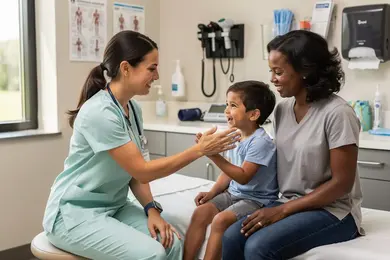
Clinical placements in pediatric nurse practitioner programs can often be completed near a student's home or hometown, depending on the program's structure, school partnerships, and geographic site availability. Local clinical opportunities improve convenience, scheduling flexibility, and accessibility for students managing work or family commitments. A survey by the American Association of Nurse Practitioners found that nearly 40% of students valued access to local clinical placements as a key factor in their program progression.
The ability to complete pediatric nurse practitioner clinicals locally depends on several important factors:
- School Partnerships: Formal affiliations between nursing programs and local healthcare facilities, such as pediatric clinics or hospitals, are crucial. These arrangements facilitate placement opportunities close to students' residences through established agreements that meet educational standards.
- Geographic Location: Urban and suburban areas typically offer a broader range of approved pediatric clinical sites, while rural or underserved regions may present challenges due to fewer available facilities. This affects local pediatric nurse practitioner clinical placement options significantly.
- Regulatory Requirements: State and regional policies governing clinical hours, supervision, and approved site criteria influence where students can complete their clinicals. Compliance with these rules ensures meeting licensure and accreditation standards.
- Facility Approval Processes: Nursing programs often assess potential clinical sites for quality of training, available supervision, and educational value. This vetting can impact the availability of local pediatric nurse practitioner clinicals in your region.
- Placement Coordination: The program's coordination resources and relationships with local healthcare providers affect how easily students secure local clinical experiences. Efficient site approval procedures and strong community connections help expand local options.
Those seeking to optimize their clinical placement strategies may also benefit from exploring related fields, such as medical assistant programs accelerated, which often share similar challenges and opportunities regarding local clinical availability and experiential learning.
How do pediatric nurse practitioner clinical placements work?
Clinical placements in pediatric nurse practitioner programs are typically organized through partnerships between schools and approved healthcare training sites. These hands-on experiences allow students to apply classroom learning in real-world pediatric healthcare settings, which is crucial for developing clinical judgment and professional skills.
Approximately 70% of healthcare learning takes place during clinical or experiential training, highlighting its importance in nursing education. Placement structures, scheduling processes, and facility availability often influence where and how students complete their clinical training.
The key elements of how pediatric nurse practitioner clinical placements work include:
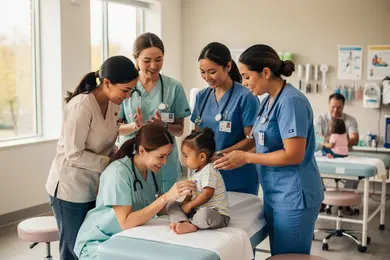
- School Partnership Networks: Schools maintain relationships with a range of approved healthcare facilities and community organizations, forming a network that supports clinical placements. This network often prioritizes locations near a student's primary residence, facilitating the option of completing clinical rotations locally.
- Placement Coordination: Clinical hours are coordinated through the program, with some students able to arrange rotations at their current healthcare workplaces if those sites meet accreditation and program standards. Coordination balances student availability with facility capacity and supervision requirements.
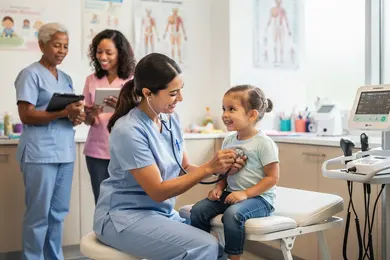
- Supervision and Scheduling: Licensed healthcare professionals, such as certified pediatric nurse practitioners or physicians, supervise students during clinicals. This ensures patient safety and provides essential feedback while students complete required hands-on hours, typically ranging from 500 to 1,000.
- Approved Training Environments: Accreditation bodies and state nursing boards influence which clinical sites qualify for pediatric care training. These sites must meet supervision and pediatric care criteria, directly impacting placement approval and availability.
- Geographic Considerations: Students seeking to arrange pediatric nurse practitioner clinical rotations near home benefit from local facility networks and flexible scheduling. This geographic alignment helps accommodate personal and professional commitments without compromising educational quality.
Prospective students interested in exploring affordable pathways can consider programs listed among the cheapest accelerated nursing programs, which may offer flexible clinical placement options supporting local healthcare settings.
What state authorization and licensing rules affect local clinicals?
State authorization policies, regional education rules, and professional licensing standards significantly influence whether pediatric nurse practitioner students can complete their clinicals near home. Varying requirements between states often determine eligibility for placements, the approval process, and access to approved healthcare sites. According to recent data, over 60% of states have specific policies affecting interstate clinical training for nurse practitioner students.
Several key regulatory factors typically impact local clinical placement opportunities:
- State Authorization: These agreements regulate where nursing programs are allowed to operate and whether students may participate in clinicals within a state. Some states require special permissions for out-of-state students to complete clinical hours locally, limiting placement options.
- Licensing Board Approval: Professional licensing boards enforce rules on clinical supervision, including qualifications for preceptors and the nature of oversight. These standards ensure that clinical experiences meet professional practice requirements, affecting site approvals.
- Interstate Placement Restrictions: Many states restrict or prohibit clinical training for students enrolled in out-of-state programs without prior authorization, forcing students to seek alternatives inside their program's home state or navigate additional administrative hurdles.
- Affiliation Agreements: Formal contracts between nursing programs and healthcare facilities are essential for validating clinical sites. Without such agreements, students often cannot access local clinical locations, even if regulations permit local training.
- Compliance and Documentation: Schools must maintain thorough records verifying that clinical sites adhere to licensing, accreditation, and supervision standards. This oversight is critical to uphold educational quality and regulatory compliance.
A pediatric nurse practitioner degree graduate shared that navigating these rules "felt like a maze" during clinical placement. He explained that securing approval for local clinical hours required "constant communication with several boards and the school's administration."
The experience demanded patience and adaptability, as unexpected delays and paperwork sometimes postponed start dates. Nonetheless, he noted that managing these challenges honed his organizational skills and confidence in dealing with complex healthcare systems.
Many online pediatric nurse practitioner programs enable students to complete clinical hours close to their homes by coordinating with local healthcare providers and approved facilities. These local clinical placement options for pediatric nurse practitioner students enhance convenience and scheduling flexibility, supporting students in managing hands-on training alongside their online coursework. Studies show that around 70% of students in online healthcare education secure local clinical sites, highlighting growing accessibility in distance education.
The ability to arrange local clinical placements often depends on several factors:
- Affiliation Agreements: Schools must establish formal contracts with healthcare facilities to authorize student training, which can affect the availability and timing of local placement options.
- Geographic Availability: Programs rely on networks of approved clinical sites within certain regions, so students residing in less populated areas may face more limited choices for local clinical site coordination.
- State Authorization: Institutions must have permission to operate and place students within specific states, influencing whether students can complete clinical hours near their primary residence.
- Facility Approval Standards: Clinical sites must meet accreditation requirements and provide qualified supervision, ensuring that clinical experiences fulfill academic and licensing criteria.
- Student Support and Coordination: Some programs assist students in identifying local sites subject to school approval, expanding placement possibilities but requiring additional coordination efforts.
For students interested in healthcare education options beyond pediatric nurse practitioner clinicals, 8 week medical billing and coding courses offer flexible alternatives.
Many pediatric nurse practitioner programs enable students to complete clinical hours close to home, supporting accessibility for those balancing personal and academic commitments. Recent data shows that over 70% of these programs maintain partnerships with a variety of local clinical sites, highlighting the wide availability of training opportunities near students' residences. This network greatly benefits those enrolled in online or hybrid programs seeking nearby placements.
Clinical learning experiences typically take place in several common healthcare settings:
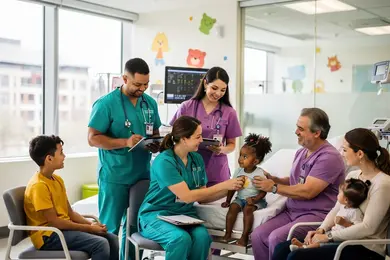
- Hospitals: Offering a broad spectrum of pediatric care, hospitals expose students to complex and acute cases under expert supervision, fostering essential skills in fast-paced, multidisciplinary environments.
- Outpatient Clinics: Focused on preventive care and chronic condition monitoring, these clinics allow students to build long-term relationships with families and practice routine health assessments.
- Specialty Practices: Clinics specializing in fields like pediatric cardiology or endocrinology provide in-depth exposure to specific medical conditions, enhancing specialized clinical knowledge.
- Rehabilitation Centers: These facilities enable students to participate in therapeutic processes and collaborate with multidisciplinary teams to support pediatric recovery and development.
- Community Health Organizations: Serving underserved populations, these organizations offer practical experience in health education, public health initiatives, and addressing social determinants of health.
A professional with a pediatric nurse practitioner degree reflected on her clinical experience, recalling that securing placements near home was often a juggling act involving coordination between multiple sites and supervisors.
She described it as both challenging and rewarding to adapt to varied clinical environments, stating, "Each facility taught me something different-whether it was managing an urgent situation in a hospital or establishing trust with families at a community clinic." Her journey underlined the value of flexible local options, which helped her gain confidence and diverse skills while maintaining balance in her personal life.
Pediatric nurse practitioner programs often provide adaptable clinical placement options and schedules to meet the diverse needs of their students. Around 65% of these students choose clinical sites within 30 miles of their home, which helps reduce commuting challenges and supports work-life balance. The expansion of hybrid and online healthcare education has further encouraged programs to offer more flexible clinical arrangements.
The following points highlight common features of clinical scheduling and placement flexibility in pediatric nurse practitioner programs:
- Local Placement Options: Programs often form partnerships with healthcare providers near students' residences, enabling most clinical hours to be completed close to home. This reduces travel time and supports those balancing school with family or employment commitments.
- Flexible Scheduling: Clinical rotations frequently include evenings and weekends, allowing students to coordinate clinical hours around other responsibilities. This structure aids in managing academic and personal priorities simultaneously.
- Collaborative Facility Networks: Schools typically work with multiple hospitals, clinics, and pediatric practices across a region, broadening placement opportunities. This network allows students to select sites that fit their clinical interests and logistical needs.
- Travel Considerations: While many students complete clinicals locally, some may need to travel farther for specialized pediatric care experiences. Programs usually provide advance notice to help students plan transportation and scheduling.
- Hybrid Program Support: For hybrid or online students, clinical placements are arranged to complement remote learning, making it easier to balance on-site hours with virtual coursework. This coordination helps integrate practical experience without overwhelming the student's schedule.
Pediatric nurse practitioner programs typically manage preceptor assignments and clinical site approvals through partnerships with healthcare facilities to ensure students complete required supervised clinical hours locally. With over 60% of nurse practitioner students encountering difficulties securing clinical placements due to a national preceptor shortage, these coordinated efforts are essential for meeting accreditation standards.
Key aspects of how preceptors and clinical site approvals operate include:
- Preceptor Qualifications: Preceptors must hold relevant licensure and certifications, usually being experienced pediatric nurse practitioners or physicians. Their expertise guarantees quality mentorship aligned with the program's educational goals.
- Affiliation Agreements: Formal contracts between programs and healthcare sites define roles, responsibilities, and liability coverage. These agreements protect all parties and are prerequisites before clinical training begins.
- Site Evaluation Processes: Clinical sites undergo thorough assessments to confirm patient diversity, resources, and suitability for pediatric training. This ensures students gain well-rounded, compliant clinical experiences.
- Supervision Standards: Preceptors provide direct oversight and consistent feedback to support skill development and safety. Clear supervision guidelines and documentation are critical for maintaining program quality.
- Approval Timelines: Sites and preceptors often require months of advance approval. Early coordination helps secure placement opportunities that satisfy accreditation deadlines.
- Student Coordination: Programs facilitate local site identification but expect students to actively communicate and schedule with preceptors. This collaboration promotes effective clinical learning experiences.
Students pursuing a Pediatric Nurse Practitioner degree who complete their clinicals locally often face a variety of direct and indirect expenses. Clinical education costs can increase total program expenses by 10-15%, impacting student budgets significantly. For those navigating local pediatric nurse practitioner clinical placement expenses, planning ahead is essential to manage these financial demands.
Common costs associated with completing pediatric nurse practitioner clinicals locally include the following:
- Transportation and Fuel: Regular travel to clinical sites can incur substantial commuting expenses. Depending on the distance and frequency, students may spend between $50 and $150 monthly on fuel and vehicle upkeep, which adds up over time.
- Parking Fees: Many healthcare facilities require students to pay parking fees that range from $5 to $15 daily or $50 to $200 monthly. These mandatory fees often represent an ongoing out-of-pocket expense throughout the clinical rotation.
- Uniforms and Supplies: Clinical placements typically mandate specific uniforms such as scrubs and suitable footwear. Additionally, essential tools like stethoscopes may be needed, with initial costs usually falling between $100 and $300.
- Immunizations and Background Checks: To meet site safety and legal standards, students must provide current immunization records and pass background screenings. These requirements typically cost between $50 and $150 and are necessary prerequisites for clinical participation.
- Onboarding and Liability Insurance: Facilities often require orientation sessions or onboarding fees, while liability insurance coverage may be mandatory as well. Combined expenses for these can range from $100 to $300 depending on the institution.
For students exploring healthcare education options, especially those interested in radiology tech programs online, resources like radiology tech programs online can offer insights into cost-effective pathways within healthcare fields.
While some students may complete pediatric nurse practitioner clinicals near their home or hometown, local placements often involve logistical, administrative, or geographic challenges depending on program structure and regional availability. Limited placement capacity, coordination requirements, or healthcare facility availability can affect accessibility or scheduling for students.
A 2023 survey by the American Association of Nurse Practitioners found that nearly 40% of nurse practitioner students face difficulties securing clinical placements due to shortages of qualified preceptors.
Common challenges in completing local clinical hours include:
- Limited Placement Sites: Many regions have a small number of healthcare facilities that accept pediatric nurse practitioner students, creating competition among multiple programs for the same clinical spots.
- Geographic Restrictions: Some schools require clinical placements within certain geographic boundaries, limiting options for students who live in less densely populated areas or rural communities.
- Approval Processes: Clinical sites often require institutional approval and background checks, which can delay or complicate placement. Programs must navigate varying onboarding procedures for each site.
- Scheduling Conflicts: Balancing coursework deadlines with clinical hours is challenging, especially when facility hours or available shifts don't align well with academic calendars.
- Qualified Preceptor Availability: A shortage of preceptors with pediatric expertise or state licensure can restrict opportunities, a barrier especially relevant when navigating state licensing for pediatric nurse practitioner clinicals.
Students should consider how these factors may influence their ability to complete required supervised hours locally. For those assessing their career outlooks, understanding differences in clinical access may also impact decisions related to pursuing mental health nurse practitioner salary prospects or specialty focus areas in advanced nursing roles.
Completing pediatric nurse practitioner clinicals locally can provide valuable hands-on experience and help students establish connections within their community. Over 60% of healthcare employers favor candidates with clinical experience in nearby healthcare settings, which can improve job prospects and support workforce retention. This local exposure equips students with relevant skills and insights that align with regional healthcare demands.
The following points outline how local pediatric nurse practitioner clinical experiences may enhance employment opportunities after graduation:
- Professional Networking: Engaging in clinical placements within local facilities enables students to form relationships with healthcare professionals who can offer guidance and potential job referrals once they graduate.
- Workplace Familiarity: Gaining experience in nearby hospitals or clinics helps students adapt to the specific operations, culture, and patient demographics of local healthcare settings.
- Employer Recognition: Demonstrating strong clinical skills locally gives employers direct insight into a student's abilities, potentially increasing their consideration for job openings in the area.
- Local Workforce Needs: Completing clinical hours in regions with pediatric healthcare shortages can align students with employers seeking professionals familiar with community-specific health challenges.
- Communication Skills: Working closely with local care teams and patients improves interpersonal abilities essential for effective collaboration in pediatric healthcare.
- Practical Readiness: Hands-on experience within local clinical environments builds confidence and competence, facilitating a smoother transition into professional practice.
What Students Say About Completing Pediatric Nurse Practitioner Clinicals Locally
- Levi: "I've been really enthusiastic about completing my pediatric nurse practitioner clinical hours right here in my hometown. The program's flexibility allowed me to arrange placements at several local clinics, which made juggling work and studies much easier. It feels rewarding to contribute to my own community while gaining the hands-on experience essential for my career."
- Ahmed: "Coordinating local pediatric nurse practitioner clinical placements has been more challenging than I anticipated. Sometimes, the availability of suitable healthcare facilities near my residence is limited, requiring extensive communication and paperwork. Despite these hurdles, I've learned valuable lessons in persistence and organization, which I believe will serve me well in my future professional life."
- Christopher: "Doing my pediatric nurse practitioner clinicals near home has significantly increased my confidence and readiness for this career path. Working in familiar healthcare settings helped me understand the specific needs of my community's pediatric population. I truly believe that completing clinical hours locally deepened my practical skills and prepared me to make a meaningful impact as a nurse practitioner."
Other Things You Should Know About Pediatric Nurse Practitioner Degrees
Yes, local pediatric sites can satisfy clinical hour requirements if they are approved by the program and supervised by credentialed preceptors. Most pediatric nurse practitioner tracks require about 600 clinical hours, with documentation, site contracts, and faculty approval before placement begins.
Completing clinicals in local facilities can enhance professional networking within the community where students plan to work after graduation. Building relationships with local healthcare professionals can lead to job opportunities and professional mentorship. It also helps students better understand regional healthcare challenges and family demographics.
Local clinicals can reduce commuting and relocation costs, making scheduling easier and more convenient. However, students may face challenges such as limited site availability or competition for clinical hours. Planning ahead and maintaining flexibility are important to address potential constraints in clinical placement logistics.
- Pediatric Primary Care Guide | NPHub https://www.nphub.com/blog/np-pediatric-care-guide
- The Pros and Cons of Hiring Locally | CA Global https://www.caglobalint.com/post/the-pros-and-cons-of-hiring-locally/
- Clinical Experience Opportunities | ICOM https://www.icom.edu/academics/clinical-experience/
- What Should NP Students Do and NOT Do For Clinical Rotations https://www.preceptorlink.com/blog-posts/what-should-np-students-do-and-not-do-for-clinical-rotations
- Searching for a Clinical Site? https://www.asrt.org/main/career-center/clinical-site-search
- The Benefits of Choosing Local Locum Tenens Work | MPLT Healthcare https://www.mplthealthcare.com/benefits-local-locum-tenens-work/
- The Ultimate Guide to Clinical Trial Costs in 2025 https://www.sofpromed.com/ultimate-guide-clinical-trial-costs
- Clinical Site Preceptor Approval Policy | School of Medicine https://med.unr.edu/about/policies/physician-assistant-student-policies/clinical-site-preceptor-approval-policy
- The Biggest Challenges Of Localisation Project Management | International Achievers Group https://internationalachieversgroup.com/localisation/the-biggest-challenges-of-localisation-project-management/
- Can Graduates Expect Job Offers Right After Nursing School? https://nursingeducation.org/insights/job-offers-after-nursing-school/