2027 Graphic Design vs. Animation Degree: Explaining the Difference

Co-Founder and Chief Data Scientist
Choosing between a graphic design degree and an animation degree is really a choice between two kinds of visual problem-solving. Graphic design uses layout, typography, branding, and digital media to communicate a message clearly, often through static or interactive visuals. Animation uses movement, timing, sequencing, character work, and production tools to tell stories or explain ideas over time.
The right path depends on the work you want to do every day. If you enjoy building brand systems, posters, websites, packaging, social media assets, or user interfaces, graphic design may fit better. If you are drawn to storyboards, characters, motion graphics, 3D environments, games, visual effects, or film production, animation is usually the stronger match.
This guide compares both degree paths across curriculum, skills, difficulty, career outcomes, cost, and decision factors so you can evaluate which program aligns with your creative strengths, budget, portfolio goals, and long-term career plans.
Key Points About Pursuing a Graphic Design vs. Animation Degree
- Graphic Design degrees typically focus on visual communication and branding with programs lasting 2-4 years; average tuition ranges from $15,000 to $30,000 annually.
- Animation degrees emphasize storytelling and motion graphics, often requiring 3-4 years; annual tuition averages $20,000 to $35,000.
- Career outcomes differ: graphic designers work in marketing and publishing, while animators find roles in gaming, film, and media production industries.
What are Graphic Design Degree Programs?
Graphic design degree programs teach students how to create visual communication for print, digital, brand, and interactive media. The focus is not only on making work look appealing, but on making information clear, persuasive, consistent, and usable for a specific audience.
In the US, these programs typically combine studio courses, design theory, software training, critique, and portfolio development. Students learn how visual choices affect meaning, readability, hierarchy, accessibility, and brand recognition.
Common coursework in graphic design programs
- Typography: Students learn how to choose, arrange, and refine type for readability, tone, and hierarchy.
- Branding and identity design: Courses may cover logos, visual systems, brand guidelines, campaign assets, and consistent messaging.
- Color theory and composition: Students study how color, space, contrast, alignment, and proportion shape the viewer’s experience.
- Illustration and digital imaging: Programs often include drawing, image editing, digital photography, and visual concept development.
- Web and digital design: Students may study responsive layouts, interface design, digital publishing, and screen-based communication.
- Art history and design principles: These courses help students understand visual culture, design movements, and professional standards.
- Industry software: Students commonly work with Adobe Photoshop and Illustrator, and many programs also incorporate layout and digital production tools.
Bachelor's degrees usually require between 120 and 183 credit hours and take around four years to finish. Admission typically requires a high school diploma, and some programs may ask applicants to submit a portfolio or demonstrate artistic ability. Students are often expected to maintain at least a C grade in major classes to continue progressing and complete the program successfully.
A strong graphic design program should help students graduate with a portfolio that shows more than polished visuals. Employers often look for evidence of concept development, problem-solving, typography, process, revisions, and the ability to design for real audiences and constraints.
What are Animation Degree Programs?
Animation degree programs prepare students to create moving images for film, television, games, advertising, educational media, immersive experiences, and digital platforms. Compared with graphic design, animation places more emphasis on motion, timing, sequential storytelling, production pipelines, and technical execution.
These programs usually last four years for a bachelor's degree, while some accelerated options span two years for students with relevant prior experience. The curriculum generally blends drawing, design, cinematic language, storytelling, software training, and collaborative production work.
Common coursework in animation programs
- 2D and 3D animation: Students practice movement, timing, spacing, staging, and character performance across traditional and digital formats.
- Storyboarding: Courses teach students how to plan scenes, camera movement, pacing, and visual continuity before production begins.
- Character creation: Students may develop characters visually and narratively, including shape language, expression, appeal, and movement style.
- Modeling and rigging: In 3D programs, students learn how to build digital assets and prepare character or object controls for animation.
- Animation principles: Coursework often covers foundational concepts such as squash and stretch, anticipation, follow-through, arcs, and timing.
- Digital cinematography: Students study composition, virtual cameras, lighting, shot planning, and visual continuity.
- Audio design: Programs may include sound editing, synchronization, and the relationship between audio and motion.
- Professional software: Students may use Maya, ToonBoom, and Adobe Suite, depending on the program’s focus and production pipeline.
Admission typically requires a high school diploma, a portfolio showcasing artistic talent, and occasionally prior art or design classes. Because animation is often collaborative, coursework may include group productions, studio-style critiques, and projects that mirror industry workflows.
A good animation portfolio or demo reel should show more than finished clips. It should demonstrate timing, acting choices, story clarity, technical skill, and the ability to complete work within a production process.
What are the similarities between Graphic Design Degree Programs and Animation Degree Programs?
Graphic design and animation programs both train students to communicate visually. The main difference is that graphic design often solves communication problems through static or interactive compositions, while animation solves them through movement and sequence. Still, the two fields share enough foundations that some students begin in one area and later build skills in the other.
- Shared visual foundations: Both programs commonly teach color theory, composition, hierarchy, visual rhythm, digital imaging, and design principles.
- Creative process: Students in both fields learn to research, sketch, test ideas, receive critique, revise work, and present final projects with a clear rationale.
- Software-based production: Both degrees require comfort with digital tools. Adobe Creative Suite is especially relevant because it supports image editing, layout, illustration, motion graphics, and production workflows.
- Portfolio development: Students must produce work that proves their abilities. A degree alone rarely substitutes for a strong portfolio, reel, or body of project work.
- Studio learning: Both programs typically combine instruction, hands-on projects, peer feedback, faculty critique, and professional-style deadlines.
- Similar degree formats: Both degrees commonly take four years and may award Bachelor of Arts or Bachelor of Fine Arts degrees. Admissions may include portfolio review and often standardized test scores, depending on the institution.
- Overlapping industries: Graduates from both fields may work in media, advertising, entertainment, marketing, publishing, and digital content production.
The overlap is especially important for students interested in motion graphics, social media content, interactive media, or digital marketing, where static design and animation often appear in the same campaign. A graphic designer who learns motion tools can become more competitive for digital roles, while an animator with strong typography and layout skills may produce clearer title sequences, explainers, and interface animations.
Students who need a more flexible route into creative fields may also compare traditional programs with accelerated online degree completion programs for working adults, especially if they already have college credits or professional experience.
The biggest difference is the final form of the work. Graphic design is primarily about visual communication through layout, branding, typography, and static or interactive assets. Animation is primarily about communication through motion, sequence, performance, timing, and production.
| Comparison point | Graphic Design Degree Programs | Animation Degree Programs |
| Primary focus | Static and digital visual communication for branding, print, web, marketing, and user-facing content. | Moving images, storytelling, character performance, motion graphics, 2D/3D production, and visual effects. |
| Core coursework | Typography, branding, layout, color theory, illustration, web design, and digital imaging. | 2D and 3D animation, storyboarding, modeling, rigging, digital cinematography, and audio design. |
| Software emphasis | Tools such as Adobe Photoshop, Illustrator, and InDesign for image, vector, and layout work. | Tools such as Autodesk Maya and Blender for 2D/3D motion work, along with animation and compositing software. |
| Typical projects | Logos, posters, brand systems, packaging, website layouts, editorial design, and campaign materials. | Animated shorts, character scenes, game assets, motion graphics, VFX shots, and storyboards. |
| Work style | Often emphasizes individual portfolio pieces, client communication, revisions, and brand or audience alignment. | Often emphasizes team-based production cycles, pipeline roles, iteration, scene continuity, and technical coordination. |
| Common industries | Advertising, marketing, publishing, corporate communications, digital products, and UX/UI design. | Gaming, film production, VFX, streaming media, motion graphics, and interactive entertainment. |
Another practical difference is feedback. Graphic design critiques often ask whether a composition communicates the intended message quickly and clearly. Animation critiques may also examine performance, timing, continuity, camera movement, rendering quality, and whether the sequence supports the story.
Students should also consider how they prefer to work. Graphic design can involve frequent client-facing revisions and quick-turnaround deliverables. Animation projects may take longer, require more files and production steps, and depend heavily on technical troubleshooting and collaboration.
Both degree paths build creative and technical skills, but they train students for different kinds of visual work. Graphic design emphasizes clarity, hierarchy, branding, and layout. Animation emphasizes motion, storytelling, timing, and production execution.
Skill Outcomes for Graphic Design Degree Programs
- Typography mastery: Students learn how to arrange type for readability, tone, structure, and visual impact across print and digital formats.
- Color theory: Students study how colors interact, how they affect perception, and how they support brand identity and audience response.
- Layout and composition: Students learn how to organize images, text, space, and hierarchy so a viewer understands the message quickly.
- Brand identity development: Students practice creating logos, visual systems, and guidelines that keep communication consistent across platforms.
- Software expertise: Students develop practical ability with tools such as Adobe Illustrator, Photoshop, and InDesign for digital and print production.
- Production knowledge: Programs may cover file formats, print preparation, image resolution, export settings, and responsive layouts.
- Client and critique communication: Students learn how to explain design decisions, accept feedback, revise work, and present solutions professionally.
These skills are especially useful for students who want to work on brand systems, marketing assets, digital products, editorial layouts, packaging, or user-facing communication.
Skill Outcomes for Animation Degree Programs
- 2D and 3D animation techniques: Students learn how to animate characters, objects, and environments using tools such as Adobe After Effects, Autodesk Maya, and Blender.
- Storyboarding: Students develop the ability to plan visual sequences, camera angles, pacing, transitions, and narrative flow before animation begins.
- Character rigging: Students learn how digital character controls are built so movement can be animated efficiently and convincingly.
- Timing and motion: Students practice spacing, rhythm, weight, anticipation, and follow-through to make movement feel intentional.
- Character and scene development: Programs often train students to design characters, environments, and visual worlds that support a story.
- Special effects and compositing: Students may learn how to combine layers, effects, motion, and rendered elements into finished scenes.
- Collaborative production: Animation students often build skills in pipeline coordination, version control, team critique, and production deadlines.
Animation degree program skills are most relevant for careers in film, video games, interactive media, advertising, VFX, and digital storytelling, where motion and narrative structure are central to the work.
Students who want to build specific creative skills before committing to a full degree may also explore open enrollment online college courses as a lower-barrier way to test interest in design, animation, or related software tools.
Animation degree programs are often more technically demanding, while graphic design degree programs can be equally challenging in concept development, critique, and communication strategy. The harder option depends on your strengths, but animation typically involves more production steps, more specialized software, and more time-intensive rendering, rigging, and motion work.
When comparing the difficulty of animation degree vs graphic design degree, animation students usually need to master both static visual foundations and dynamic visual systems. In addition to drawing, design, and storytelling, they may study character rigging, 3D modeling, motion tracking, rendering, storyboarding, and digital composition. These requirements can make projects longer and more technically complex.
Graphic design has a different kind of rigor. Students must develop strong judgment around typography, hierarchy, branding, layout, audience, and clarity. A simple-looking logo, interface, or poster can require extensive research, testing, iteration, and critique. Graphic design students also need to defend why their choices solve a communication problem, not just why the work looks attractive.
| Challenge area | Why graphic design can be difficult | Why animation can be difficult |
| Technical workload | Requires mastery of design software, production standards, file formats, and digital/print workflows. | Requires animation software, rigging, modeling, rendering, compositing, and motion-based production skills. |
| Creative expectations | Work must communicate clearly, fit a brand or audience, and withstand critique. | Work must communicate through story, motion, timing, character behavior, and visual continuity. |
| Project structure | Often built around design briefs, individual portfolio pieces, and client-style revisions. | Often built around complex scenes, production pipelines, collaborative projects, and time-intensive outputs. |
| Best fit for | Students who enjoy structure, visual systems, typography, branding, and communication strategy. | Students who enjoy storytelling, technology, movement, characters, and long production cycles. |
For students asking whether an animation degree is harder than graphic design, the most honest answer is: animation is usually harder if you dislike technical workflows, long production timelines, or troubleshooting software. Graphic design is harder if you struggle with abstraction, typography, visual hierarchy, or explaining creative decisions to clients and reviewers.
Your best choice should match how you like to think and work. Students with technical curiosity and storytelling instincts may be more comfortable in animation. Students who enjoy visual systems, branding, communication, and layout may thrive in graphic design. If you are already planning graduate study and want a shorter path, you may also compare creative or adjacent programs with quickest masters degree online options.
Graphic design and animation can both lead to creative careers, freelance work, agency roles, studio positions, and digital media jobs. The main difference is where graduates usually compete: graphic design graduates often enter branding, marketing, publishing, corporate communications, and UX/UI-related roles, while animation graduates more often pursue entertainment, gaming, VFX, motion graphics, and production roles.
Career Outcomes for Graphic Design Degree Programs
The graphic design degree career opportunities in the United States remain steady, with a projected job growth of about 3% from 2022 to 2032. Graduates may find opportunities in advertising, marketing, publishing, corporate communications, digital products, and in-house creative departments.
- Graphic Designer: Creates visual concepts for branding, marketing, print, digital media, and campaign materials.
- UI/UX Designer: Develops user-friendly and visually organized digital interfaces for websites, apps, and digital products.
- Brand Identity Specialist: Builds and maintains consistent visual systems, including logos, typography, color, and brand usage standards.
Graphic design graduates may also move toward art direction, creative management, packaging design, editorial design, digital marketing design, or freelance studio work. Advancement usually depends on portfolio quality, client results, communication skills, and the ability to manage increasingly strategic creative decisions.
Career Outcomes for Animation Degree Programs
The animation degree job outlook and salary USA are especially favorable in some roles, with some roles expected to grow by 8% or more due to demand in gaming, streaming media, and VR/AR industries. These sectors often need specialists who can produce motion, effects, interactive assets, and animated content at a professional level.
- 2D/3D Animator: Produces animated sequences for films, games, advertising, digital platforms, and media projects.
- Motion Graphics Designer: Creates animated visual content for commercials, explainers, title sequences, social media, and digital campaigns.
- VFX Artist: Designs visual effects for movies, TV shows, immersive experiences, and other production environments.
Median salaries for graphic designers hover around $58,000 annually, with higher earnings as art directors or UI/UX specialists. In contrast, animators and VFX professionals typically earn between $78,000 and $95,000, reflecting their specialized expertise and the fast-growing entertainment sector.
Advancement opportunities in graphic design include senior designer, art director, and creative director roles, often with more responsibility for strategy, team leadership, and client relationships. Animation graduates may advance to senior animator, lead animator, animation director, or VFX supervisor roles, especially in studio and production settings. Both fields also support freelance and entrepreneurial paths, although independent work requires business development, pricing discipline, contracts, and reliable client management.
Students comparing online or hybrid options should prioritize accredited institutions and review program outcomes carefully. One place to begin is a directory of accredited non-profit online schools, which can help narrow the search to institutions with recognized quality standards.
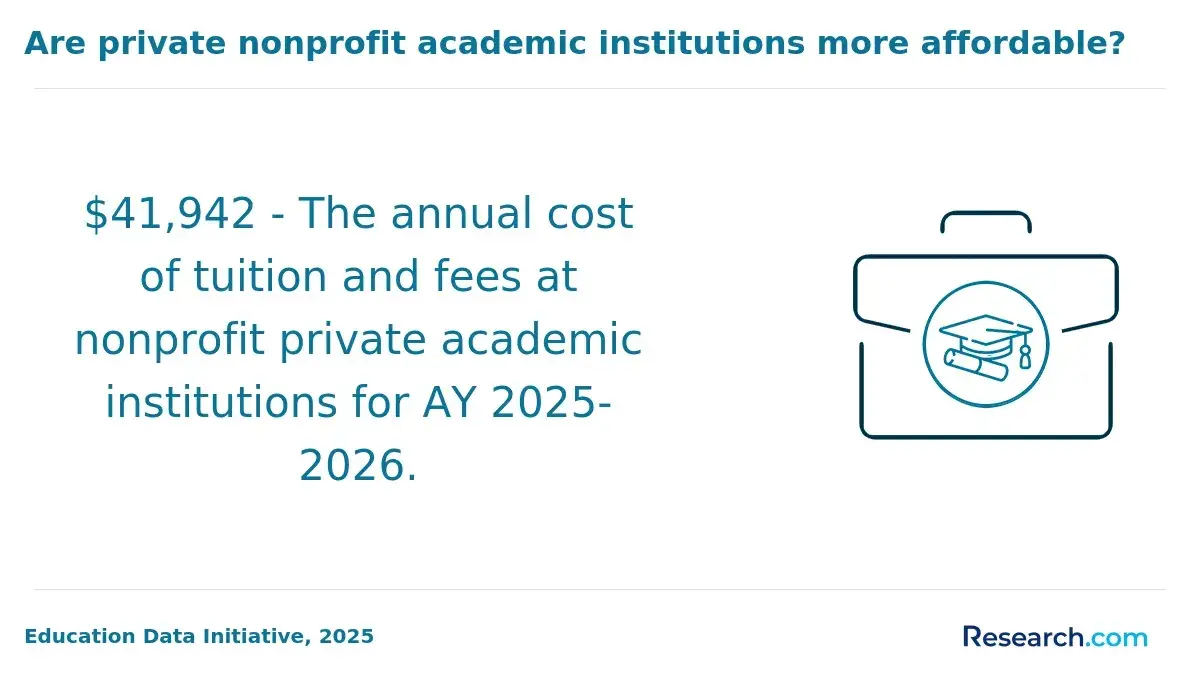
The cost of a graphic design or animation degree in the US depends heavily on institution type, delivery format, residency status, program level, fees, and required technology. Tuition is only one part of the budget. Students should also account for software subscriptions, hardware, drawing tablets, storage, printing, portfolio materials, and possible travel or studio fees.
Graphic design degrees generally have lower tuition costs than animation programs, though the range is wide. For a Graphic Design bachelor's degree, annual tuition at budget-friendly online public universities, like Arkansas State University, starts near $7,260 per year. More costly private and for-profit schools can charge as much as $27,900 annually. Over four years, total tuition for an online bachelor's degree typically falls between $29,000 and $57,000.
Online graphic design programs may reduce commuting and housing costs, and they can be easier to fit around work. However, students should still confirm technology requirements before enrolling. Some programs expect access to specific software, a capable computer, reliable internet, and design production tools. Accredited programs usually qualify for financial aid, though availability and amount depend on the institution and the student’s circumstances.
Animation degrees tend to be more expensive because they may require specialized software, higher-performance computers, rendering capacity, studio resources, and production-intensive instruction. The average yearly cost for vocational programs in Animation, Interactive Technology, Video Graphics, and Special Effects is roughly $30,882 as of 2025. Bachelor's degrees in Animation offered by private art schools may exceed $40,000 per year, while public universities generally maintain lower tuition. Short-term certificates in animation last about 6 to 12 months and charge between $2,500 and $6,000.
| Cost factor | Graphic Design Degree Programs | Animation Degree Programs |
| Typical tuition pattern | Generally lower, with online bachelor's tuition often between $29,000 and $57,000 over four years. | Often higher, especially at private art schools and programs with intensive production resources. |
| Example annual tuition range | Starts near $7,260 per year at budget-friendly online public universities, like Arkansas State University, and may reach $27,900 annually at more costly private and for-profit schools. | Vocational programs average roughly $30,882 yearly as of 2025; private art school bachelor's programs may exceed $40,000 per year. |
| Short-term alternatives | Students may use certificates, individual courses, or portfolio-focused study to build specific design skills. | Short-term animation certificates last about 6 to 12 months and charge between $2,500 and $6,000. |
| Extra expenses to check | Software, computer, tablet, printing, portfolio hosting, fonts, stock assets, and production materials. | Software, high-performance computer, drawing tablet, storage, rendering needs, plug-ins, and production materials. |
Before enrolling, compare net price rather than sticker price. Review whether the program is accredited, whether financial aid is available, whether transfer credits are accepted, and whether graduates leave with a portfolio or reel strong enough to compete for entry-level work.
Choose graphic design if you want to solve communication problems through layout, branding, typography, digital content, and visual systems. Choose animation if you want to tell stories or explain ideas through movement, timing, characters, scenes, and production tools. The better degree is the one that matches the work you can see yourself doing consistently, not just the title that sounds more exciting.
Use these questions to make the decision
- What type of work do you enjoy making? If you like logos, posters, websites, packaging, campaigns, and brand systems, graphic design is likely a stronger fit. If you like storyboards, characters, motion graphics, game visuals, and VFX, animation may fit better.
- Do you prefer static composition or movement over time? Graphic design focuses on how a viewer reads and understands a visual at a glance. Animation focuses on how a viewer experiences a sequence as it unfolds.
- How technical do you want your workflow to be? Graphic design requires software skill and production discipline, but animation usually involves more technical pipeline work, rendering, rigging, modeling, and timing.
- What career setting interests you? Graphic design often connects to advertising, marketing, publishing, corporate communications, and UX/UI design. Animation often connects to gaming, streaming, film production, VFX, and motion graphics.
- How do you respond to critique? Both fields involve feedback. Graphic design critique often centers on communication, hierarchy, and brand fit. Animation critique may also address timing, continuity, motion quality, acting, and technical execution.
- What should your portfolio show? A graphic design portfolio should show visual systems, typography, process, and communication strategy. An animation portfolio or reel should show timing, motion, storytelling, technical skill, and production quality.
- What can you afford? Animation programs can cost more because of specialized tools and production requirements. Graphic design may offer more lower-cost online routes, but program quality and portfolio support still matter.
Best-fit summary
| Choose this path | If you are strongest in | If you want to work on |
| Graphic Design Degree Programs | Typography, layout, branding, visual hierarchy, audience communication, and design systems. | Logos, campaigns, websites, packaging, editorial design, marketing assets, UI/UX layouts, and brand identity. |
| Animation Degree Programs | Storytelling, timing, motion, character work, technical production, and sequential visual thinking. | 2D/3D animation, motion graphics, game assets, VFX, storyboards, animated shorts, and production pipelines. |
If you remain undecided, take an introductory course in both areas before committing. Try building a small brand identity project and a short animated sequence. The process will tell you a lot: graphic design will test your patience for refinement and communication clarity, while animation will test your tolerance for technical detail, timing, and longer production cycles.
To compare schools, review accreditation, portfolio requirements, software access, faculty experience, internship options, transfer policies, and graduate work samples. You can also start with a list of nationally accredited colleges offering relevant programs, then narrow your choices based on cost, curriculum, flexibility, and career support.
What Graduates Say About Their Degrees in Graphic Design Degree Programs and Animation Degree Programs
- Kay: "Enrolling in the Graphic Design Degree Program was challenging but incredibly rewarding. The coursework pushed me to master both traditional and digital techniques, preparing me thoroughly for a fast-paced creative industry. Thanks to this rigorous training, I secured a role in a top design agency shortly after graduation."
- Cassie: "The Animation Degree Program offered unique hands-on experiences, especially through its collaborative projects with local studios. This real-world exposure helped me understand production pipelines and sharpen my storytelling skills. Reflecting on my journey, I appreciate how the program balanced academic theory with practical application."
- Noel: "With the Graphic Design Degree, I gained a strong foundation that made transitioning into freelance work much smoother. The program's focus on industry-standard software and client communication gave me a distinct advantage in growing my income steadily. The professional mindset I developed continues to open new doors in diverse creative settings."
Other Things You Should Know About Graphic Design Degree Programs & Animation Degree Programs
In 2027, a Graphic Design degree emphasizes 2D design principles, typography, branding, and user interface design, focusing on aesthetics and visual communication. An Animation degree centers on storytelling, character design, and 3D modelling, emphasizing movement and dynamism for film, gaming, and media.
In 2027, Graphic Design degrees emphasize proficiency in Adobe Creative Suite, including Photoshop and Illustrator. In contrast, Animation degrees focus on software like Autodesk Maya and Blender, crucial for 3D modeling and animation production.
A Graphic Design degree typically requires around 120 credit hours, while an Animation degree often requires similar or slightly more, due to additional courses in specialized software and storytelling. Both programs generally span four years but may differ based on specific curriculum designs.
- How to Move From Graphic Design to Motion Graphics Design | Noble Desktop https://www.nobledesktop.com/blog/how-to-move-from-graphic-design-to-motion-graphics-design
- Special Effects Artists and Animators : Occupational Outlook Handbook: : U.S. Bureau of Labor Statistics https://www.bls.gov/ooh/arts-and-design/multimedia-artists-and-animators.htm
- What are the Differences between the Jobs of an Animator and a Motion Designer? https://www.schoolofmotion.com/blog/what-are-the-differences-between-the-jobs-of-an-animator-and-a-motion-designer
- Differences Between Animation and Graphics Explained - Artemisia College https://www.artemisiacollege.com/blog/animation-graphics-differences-explained/
- Graphic Design VS. Animation - Hatchwise https://www.hatchwise.com/resources/graphic-design-vs-animation
- Full Sail University | Question: I was going to switch from graphic design to computer animation and I was proceeding to switch | Facebook https://www.facebook.com/groups/119901661417068/posts/26287349437578933/
- Bachelor of Animation | Programs | Sheridan College https://www.sheridancollege.ca/programs/bachelor-of-animation
- Which Is a Better Career Option: Animation or Graphic Design | BBSMIT https://www.bbsmituni.com/blog/which-is-a-better-career-option-animation-or-graphic-design-
- What Does a Graphic Designer Do? (2025 Guide) | BrainStation® https://brainstation.io/career-guides/what-does-a-graphic-designer-do
- Top Career Opportunities in Animation, VFX & Graphic Design https://www.linkedin.com/pulse/top-career-opportunities-animation-vfx-graphic-design-3j7qe