2027 Online Game Art & Design Bachelor's Degree Programs With Monthly Start Dates

Co-Founder and Chief Data Scientist
Many prospective students face scheduling conflicts or delayed enrollment opportunities when pursuing online game art & design bachelor's degrees. Traditional academic calendars often restrict start dates to a few times annually, delaying entry into a rapidly evolving industry.
Monthly start dates offer flexible options for working adults, military personnel, and career changers seeking timely access to education. According to recent data, programs with monthly intakes have increased enrollment by 25% over five years, reflecting demand for adaptable learning schedules.
This article examines how monthly start dates can reduce barriers, exploring admission criteria, curriculum design, costs, and career prospects to guide informed decision-making.
Key Things to Know About Online Game Art & Design Bachelor's Degree Programs With Monthly Start Dates
- Accredited programs require a high school diploma or GED and often accept transfer credits, easing admission for working adults and career changers.
- Curricula blend foundational courses with specialized art, animation, and 3D modeling, costing between $15,000 and $40,000 for full completion online.
- Graduates qualify for roles in game studios and digital media, with employment in interactive design expected to grow 9% through 2031.
What Are Online Game Art & Design Bachelor's Degree Programs With Monthly Start Dates, and How Do They Work?
Monthly or rolling start dates in online higher education allow students to begin their studies any month rather than waiting for traditional fall or spring semesters. This flexible enrollment option is common in online game art & design bachelor's programs with monthly start dates and often pairs with competency-based or asynchronous delivery models.
These models enable students to access course materials and complete assignments at their own pace, which benefits working adults, military personnel, and career changers seeking adaptable schedules.
Typically, these programs require between 120 and 130 credit hours for graduation, covering fundamentals like digital modelling, animation, storytelling, game development software, and project management.
Students usually progress through sequenced courses but may also self-pace within flexible programs, allowing for accelerated or extended study based on individual needs. This structure supports diverse learners balancing personal and professional commitments.
Online enrollment has significantly grown in recent years. Data from the National Center for Education Statistics (NCES) and the Online Learning Consortium confirm that programs with flexible monthly start dates are now mainstream options instead of experimental formats. Such growth reflects increasing demand for online alternatives that fit modern lifestyles.
Those interested in related fields may also explore AI degree programs for additional flexible, affordable online education options.
Which Regional Accreditation Bodies Approve Online Game Art & Design Bachelor's Programs With Monthly Start Dates?
Regional accreditation for online game art & design degrees is the gold standard most recognized by employers, graduate schools, and licensure boards.
Unlike national accreditation, which often covers vocational or for-profit institutions with less prestige, regional accreditation is granted by bodies that oversee nonprofit and degree-granting colleges in specific geographic areas.
Approved accrediting agencies for game art & design programs in the US include:
- Higher Learning Commission (HLC): Accredits universities in the central United States, ensuring robust academic standards.
- Southern Association of Colleges and Schools Commission on Colleges (SACSCOC): Covers southern U.S. schools and is highly respected among employers and graduate programs.
- New England Commission of Higher Education (NECHE): Oversees northeastern institutions with strict evaluation processes.
- Western Association of Schools and Colleges Senior College and University Commission (WSCUC): Accredits west coast colleges, including online programs.
- Middle States Commission on Higher Education (MSCHE): Supports quality assurance mainly in the mid-Atlantic region.
- Northwest Commission on Colleges and Universities (NWCCU): Supervises institutions in the northwest with strong academic and administrative standards.
Prospective students can verify a program's genuine regional accreditation by consulting the U.S. Department of Education's Database of Accredited Postsecondary Institutions and Programs (DAPIP) or the Council for Higher Education Accreditation (CHEA) database.
Beyond institutional accreditation, certain programmatic accreditations from organizations like the National Association of Schools of Art and Design (NASAD) may confer additional prestige specific to game art & design programs. Checking a school's official website or contacting admissions helps confirm these credentials.
Be cautious of diploma mills and non-accredited institutions offering monthly start dates to appear flexible but lacking recognized accreditation. Such schools may lead to degrees not acknowledged by employers or academic institutions, risking time and resources.
For students interested in further education options, considering affordable online masters in clinical psychology may present alternative career pathways and funding strategies.
How Do Monthly Start Dates in Online Game Art & Design Programs Differ From Traditional Semester or Quarter Systems?
- Enrollment Flexibility: Monthly start programs differ from traditional semesters by allowing students to begin their studies each month instead of waiting for fixed dates. This rolling enrollment reduces delays and better accommodates busy schedules, making education more accessible to professionals balancing work and life commitments.
- Course Sequencing: Students often follow a structured curriculum designed for steady progress, sometimes blending instructor-led classes with self-paced modules. This approach ensures a clear learning path while offering some scheduling autonomy, unlike fixed-semester systems where all courses adhere strictly to set timelines.
- Learning Community And Peer Interaction: Cohorts in monthly-start models tend to be smaller and less synchronized, which can challenge peer networking. Programs counter this through online forums, group projects, and live sessions spread throughout the year to maintain a sense of community despite staggered entry dates.
- Instructor Availability: Faculty remain engaged year-round rather than only during semester periods, enabling more immediate support and tailored guidance that matches the continuous enrollment cycle.
- Financial Aid Considerations: Since federal Title IV aid ties to institutional payment periods aligned with academic calendars, monthly start programs must define payment schedules compatible with these rules. Prospective students should verify with admissions or financial aid offices that the monthly enrollment and payment periods meet federal requirements. The U.S. Department of Education's Federal Student Aid office advises confirming that disbursement dates coincide properly with enrollment periods to avoid delays or eligibility issues.
A professional who completed an online game art & design bachelor's program with monthly start dates shared that, initially, the flexibility was both liberating and overwhelming. He appreciated not having to wait months to begin but found coordinating projects with peers joined at different times challenging. "I had to be proactive in reaching out and staying connected," he noted.
The year-round access to instructors helped him swiftly resolve questions that otherwise could have stalled his progress. On financial aid, he described a careful verification process to ensure payment periods aligned correctly, which he credits with preventing assistance delays. Overall, the monthly start model allowed him to balance work and study effectively, though it required self-discipline and active communication to fully benefit from the program's structure.
What Are the Admission Requirements for Online Game Art & Design Bachelor's Programs With Monthly Start Dates?
- High School Diploma or GED: Most online game art and design bachelor's degree admission requirements include a high school diploma or GED as a fundamental eligibility criterion. This credential confirms readiness for college-level study.
- Official Transcripts: Applicants must submit official transcripts from all prior educational institutions. These documents enable admissions committees to evaluate academic performance and verify credentials, especially crucial for transfer students whose applications often begin with unofficial transcripts before requiring official versions.
- Minimum GPA: Programs generally set minimum GPA thresholds around 2.0 to 2.5, though more selective online game art and design bachelor's programs with monthly start dates may request higher academic standards to ensure student preparedness.
- Standardized Testing: Many rolling-enrollment programs have dropped SAT and ACT requirements to improve access for adult learners and career changers. However, some selective programs still expect test scores or portfolio submissions to assess artistic and technical skills.
- Transfer Credit & Prior Learning: For transfer students, documentation like course descriptions or syllabi may be necessary to validate prior learning and gain equivalent course credit. Admissions offices carefully review such materials alongside transcripts.
- Program Selectivity: While open-admission programs welcome nearly all applicants, most reputable online game art and design bachelor's degree programs with monthly start dates are selective. This selectivity is a hallmark of program quality and industry recognition.
- Applicant Support: Those with weaker academic records can improve admission chances by submitting personal statements clarifying goals, securing strong letters of recommendation, or joining bridge or preparatory courses that demonstrate readiness for rigorous curricula.
For prospective students exploring related options, what is the easiest associate's degree to get can offer helpful insights into alternative pathways.
What Is the Minimum GPA Requirement for an Online Game Art & Design Bachelor's Program With Monthly Start Dates?
Online game art & design bachelor's programs with monthly start dates commonly set minimum admission GPAs between 2.0 and 2.5 on a 4.0 scale. Maintaining at least a 2.0 GPA is typically required to continue enrollment and secure financial aid, while graduation standards may require this baseline or higher, especially in major-specific courses.
Applicants with GPAs below minimum thresholds may still gain entry through provisional admission, which monitors academic progress closely. Academic probation offers a chance to improve performance before any dismissal decisions, and appeal procedures allow reconsideration when exceptional circumstances impact GPA.
Admission criteria vary by program selectivity: open-admission schools may accept lower GPAs, moderately selective programs expect stronger academic records, while competitive ones often require GPAs above 3.0 for assured acceptance. This variance means applicants should honestly evaluate where their GPA fits to pursue realistic options.
Because GPA requirements frequently change, consulting the latest academic catalog on each school's website is essential to confirm current policies and avoid surprises during the application process.
A professional who built a career after completing an online game art & design bachelor's with monthly starts shared her experience: "My GPA was just below the typical cutoff, but the program's provisional admission gave me a chance to demonstrate my commitment."
"It was stressful at first, juggling coursework under close review, but the probation policy meant I wasn't immediately dismissed. I appreciated the appeal option too. When personal issues affected my grades, the school considered my circumstances rather than just numbers. Looking back, those flexible policies helped me stay on track and graduate with confidence."
How Long Does It Take to Complete an Online Game Art & Design Bachelor's Degree With Monthly Enrollment Options?
Typically, earning a bachelor's degree in game art & design requires about 120 semester credit hours, with completion time varying based on credit load, transfer credits, and program flexibility.
Students who attend full-time, taking 12 to 15 credits each term, usually finish in around four years. However, monthly enrollment options enable students to start new courses nearly every month, which can help accelerate progress by overlapping or immediately following classes.
- Full-Time: Those who commit to a full credit load and take advantage of monthly start dates often complete their degree in about four years, potentially faster by maximizing course overlap and continuous progression.
- Part-Time: Working adults or military personnel frequently enroll part-time, extending their studies beyond five years. Monthly starts allow them to register for courses as soon as they are ready, avoiding long waits between terms and staying aligned with their personal schedules.
- Transfer and Prior Learning Credits: Students bringing in transfer credits or credits earned through prior learning assessments can significantly reduce their time to graduate. Monthly enrollment supports ongoing course entry, letting these students bypass introductory classes and move more quickly through degree requirements.
- Credit Load Impact: How many credits a student takes each term strongly influences the completion timeline. Programs structured with flexible monthly courses let students adjust credit loads each term to either expedite or pace their studies, accommodating life demands.
- Program Flexibility: Many online programs permit students to pause enrollment or take leaves of absence without penalty, which helps working adults and military members balance education with other responsibilities and resume studies smoothly.
- Potential Delays: Underestimating completion time can happen if transfer credits are not fully accepted or if prerequisite courses extend the timeline, delaying access to advanced game art & design classes and adding extra semesters.
What Does an Online Game Art & Design Bachelor's Program With Monthly Start Dates Typically Cost, and What Financial Aid Is Available?
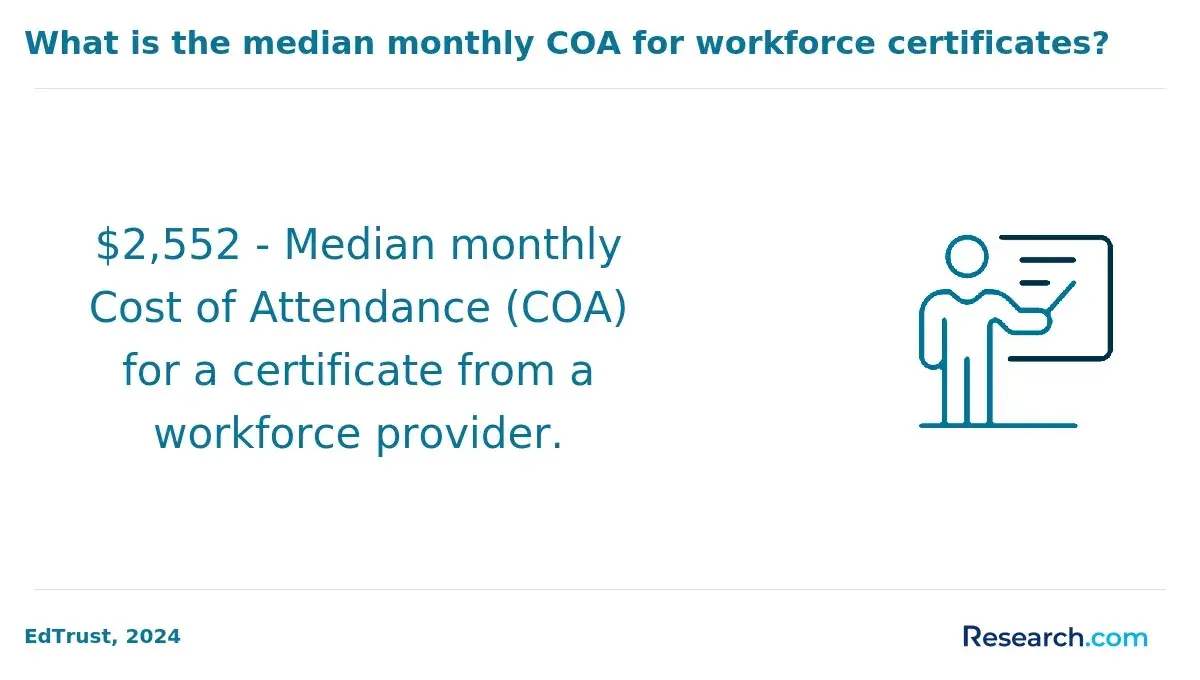
Costs for an online Game Art & Design bachelor's program with monthly start dates vary significantly based on tuition rates, credit load, fees, and materials. Tuition typically ranges from $300 to $700 per credit hour.
Technology fees, averaging $50 to $150 per semester, cover online platform access and necessary software. Additional expenses for course materials, such as digital art tools and design software licenses, can add $500 to $1,200 annually.
Though these programs are online, some schools require brief residencies or practicum sessions, which may incur travel and housing costs between $500 and $2,000 depending on location.
- Federal Financial Aid: Students qualify for Pell Grants up to $7,395 annually based on financial need. Direct Loans are available as subsidized loans, where interest is paid by the government during enrollment, and unsubsidized loans, which accrue interest immediately. Federal work-study programs offer part-time jobs on- or off-campus. Filing the FAFSA annually is essential, with careful attention to deadlines as rolling admissions do not negate the importance of early submission to maximize aid eligibility.
- Scholarships: Opportunities exist specifically for Game Art & Design students through organizations like the International Game Developers Association, university scholarship funds, and state grant programs. Resources such as the College Board Scholarship Search and Fastweb help locate these awards, many of which focus on portfolio excellence, diversity, or financial need.
- Cost Comparison Framework: For example, a public university charging $350 per credit hour could total about $42,000 before aid, while a private nonprofit with $650 per credit might reach $78,000. After factoring in average financial aid, students often pay between $15,000 and $30,000 net. A lower-cost online program with $300 per credit and minimal fees might total $36,000, potentially reduced to below $20,000 with grants and scholarships.
Which Schools Offer the Most Reputable Online Game Art & Design Bachelor's Degree Programs With Monthly Start Dates?
Several institutions stand out for offering reputable online game art and design bachelor's degrees with flexible start dates-balancing academic quality, professional preparation, and accessibility.
- Full Sail University: Accredited by the Accrediting Commission of Career Schools and Colleges (ACCSC), Full Sail offers an innovative, hands-on online game art bachelor's program with monthly starts. Tuition is competitive, and transfer policies allow evaluation of up to 50% of credits. The curriculum emphasizes industry-standard software and portfolio development, typically completed in 24 to 36 months. Its extensive network of industry partnerships connects students directly with game studios and employers.
- Southern New Hampshire University (SNHU): Regionally accredited by NECHE, SNHU provides a game art and design online bachelor's degree featuring affordable tuition and acceptance of up to 90 transfer credits. The program includes immersive coursework in 3D modeling and animation, usually completed in about three years. SNHU's dedicated mentors and career coaching focus on creative industries, making it an excellent choice for flexible learners.
- Liberty University: This regionally accredited school by SACSCOC offers an online game art bachelor's degree with monthly enrollment and generous transfer credit evaluations based on course equivalency. Tuition is moderately priced with military discounts often available. The program combines technical training with a Christian worldview, emphasizing visual storytelling and digital art. Average completion is around four years but can be accelerated.
- Academy of Art University: Accredited by WSCUC, the Academy delivers a fully online game art bachelor's degree with flexible pacing and monthly starts. Tuition costs are higher, but students benefit from strong portfolio development and one-on-one mentoring by faculty drawn from active game industry professionals. Transfer credits are evaluated case-by-case, with completion time varying based on a personalized curriculum.
- Rocky Mountain College of Art and Design (RMCAD): RMCAD, regionally accredited by the Higher Learning Commission (HLC), offers an online game art bachelor's with rolling admissions and monthly starts. Tuition is moderate, and up to 75% of credits may transfer. The curriculum blends technical and creative skills with capstone projects mentored by faculty. Completion averages three to four years. Its career services department connects students with internships and studios.
Evaluating programs beyond rankings also means examining employer partnerships that facilitate internships or job placement, alumni employment rates, portfolio quality, faculty credentials, and student-to-instructor ratios.
These factors provide insight into real-world relevance and personalized mentorship, key for a creative field like game art and design. A program's reputation within the industry and among hiring studios often matters as much as its overall brand ranking.
Prospective students should focus on schools that emphasize hands-on portfolio-building and practical skills aligned with employer needs. Those exploring educational options should note that a strong alignment with the targeted game art and design community enhances career prospects.
For related paths, exploring a child and adolescent psychology masters can also open unique career opportunities.
What Courses and Curriculum Can Students Expect in an Online Game Art & Design Bachelor's Program?
Students in an online game art and design curriculum overview typically start with general education courses covering communication, math, humanities, and science to build a broad academic foundation. These foundational courses prepare learners for specialized game art and design studies.
Lower-division coursework in online game art and design bachelor programs emphasizes fundamental skills such as design principles, color theory, digital drawing, and 3D modeling. Early classes also introduce animation, visual storytelling, and game history to ground students in creative and cultural contexts.
Upper-division major courses focus on advanced 3D asset creation, character modeling, environment design, texture mapping, rigging, and programming basics tailored for artists. Students learn game engine workflows, user interface design, narrative development, and interactive media techniques-all essential for crafting immersive player experiences.
Many programs offer specializations or elective tracks that align with targeted career goals or industry sectors. Common options include character design, environment art, concept art, and virtual reality development. This flexibility allows students to customize their education to fit their professional aspirations.
Applied learning components such as capstone projects, practicums, simulations, and employer-integrated projects distinguish higher-quality programs by providing real-world challenges and portfolio-building opportunities.
Access to professional software tools like Autodesk Maya, Adobe Creative Suite, ZBrush, and game engines such as Unity or Unreal Engine is a key part of the experience. Some programs include industry databases and memberships in professional organizations to boost networking and career development.
For those evaluating career outcomes, knowing what can you do with an environmental science degree showcases the importance of program rigor and practical application across disciplines, including game art and design.
How Do Online Game Art & Design Programs With Monthly Start Dates Support Working Adults and Non-Traditional Students?
Monthly-start online game art & design bachelor's degree programs cater to adults managing work, family, and other commitments by offering asynchronous classes with on-demand lectures. This flexibility enables learners to study anytime without fixed schedules. Assignments come with adaptable deadlines, and mobile-friendly platforms allow seamless learning across devices, supporting busy lifestyles effectively.
Quality programs provide extensive support services tailored to non-traditional students. Dedicated academic advisors guide course planning, while career centers assist with professional development. Many schools offer military and veteran support offices, disability accommodations, and peer tutoring available beyond typical business hours, ensuring accessibility and personalized help when it's needed most.
Adult learners often face challenges such as imposter syndrome, technology anxiety, and re-acclimating to academic writing after time away. To address these, programs typically include specialized resources like writing labs and tech support designed for adult students.
Returning learners should prioritize programs that recognize prior experience through CLEP exams, portfolio evaluations, or military training credits. This can reduce both time and tuition costs significantly.
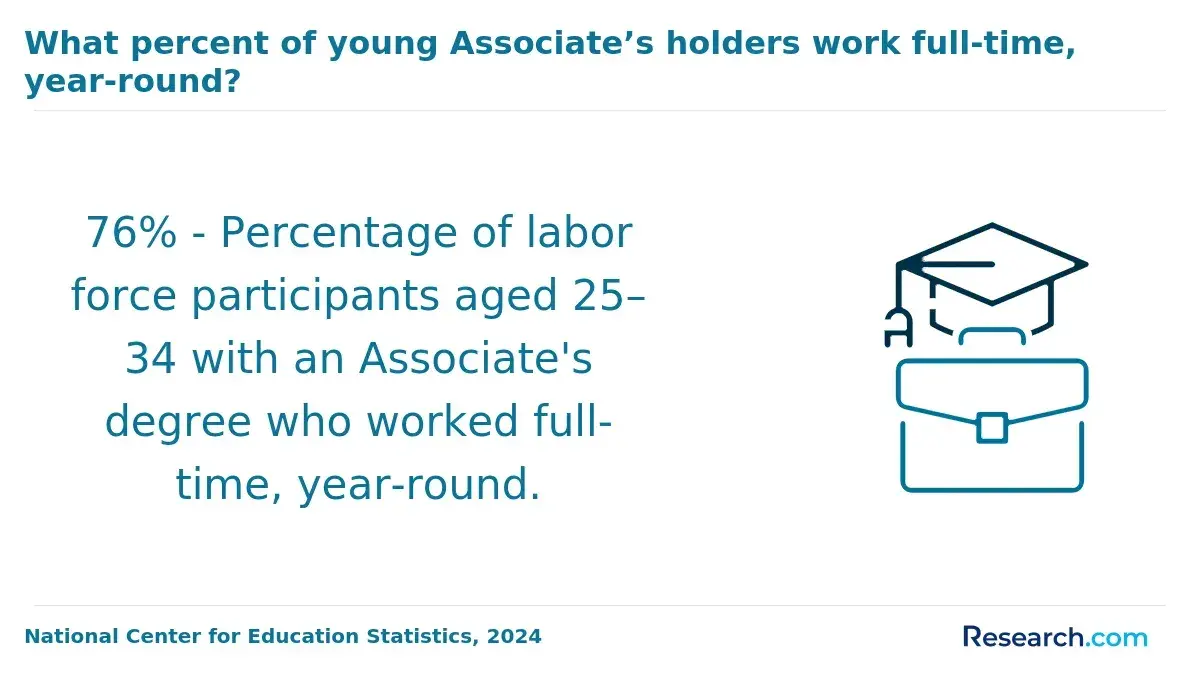
Recent statistics reveal that nearly 40% of college students nationwide are adults, highlighting the growing demand for flexible, supportive educational structures crafted for this demographic.
What Career Outcomes and Salary Expectations Are Realistic for Game Art & Design Bachelor's Graduates?
- Employment Growth: The Bureau of Labor Statistics projects a 4% growth in careers linked to game art & design, such as multimedia artists and animators, from 2022 to 2032. This matches the overall occupational growth rate, fueled by expansions in gaming, virtual reality, and interactive media sectors.
- Salary Expectations: Median annual earnings for multimedia artists and animators reached about $78,000 in 2022. Entry-level salaries start lower, but experienced professionals can earn beyond $120,000, with pay often higher in major cities and tech hubs due to local market demands and living costs.
- Career Paths: Graduates with a game art & design bachelor's degree often begin as junior artists, 3D modelers, or texture artists. Advancement leads to roles like lead designer, art director, or technical artist. While a bachelor's degree is sufficient for most positions, specialized research or managerial roles may require a master's degree.
- Regional Variation: Data from Lightcast and the Economic Policy Institute indicate strong demand in states including California, Washington, and New York. Remote work opportunities are growing, but salary adjustments often reflect the employee's location, making geography a key factor in both wages and job availability.
- Emerging Roles: Graduates have new career options in fields like augmented reality, virtual reality, and immersive experience design. Skills in real-time rendering, user interface design, and interdisciplinary collaboration are increasingly valued, opening pathways beyond traditional game studios.
What Graduates Say About Their Online Game Art & Design Bachelor's Degree Programs With Monthly Start Dates
- Fisher: "Starting the online game art & design bachelor's degree with monthly start dates was a game-changer for me-the flexible admission process made enrollment straightforward and accessible. The curriculum balanced theory and practical skills perfectly while staying budget-friendly compared to similar programs. I appreciated how the program's accreditation opened doors for me professionally, leading to exciting opportunities in the gaming industry."
- Cairo: "Reflecting on my experience, the game art & design program offered a comprehensive curriculum that challenged me creatively and technically-with monthly start dates that suited my unpredictable schedule. I was impressed by the reasonable cost and careful structure of the courses, which kept me engaged without overwhelming financial strain. This degree truly prepared me for a professional career, and I now feel confident stepping into roles in game development studios."
- Austin: "The program's accreditation gave me peace of mind that I was investing in a respected education, and the monthly start dates provided the flexibility I needed to begin on my own terms. The curriculum was industry-relevant and cost-effective, helping me build a solid portfolio without breaking the bank. Thanks to this degree, I transitioned smoothly into a professional career where the skills and knowledge I gained have been invaluable."
Other Things You Should Know About Game Art & Design Degrees
Online Game Art & Design Bachelor's programs in 2027 typically use platforms like Unity and Unreal Engine for game development, Adobe Creative Suite for design work, and learning management systems like Canvas or Blackboard for course delivery. These tools help students gain practical skills and facilitate remote collaboration.
Online game art & design programs with monthly starts often accept transfer credits from accredited institutions, especially for general education courses. Prior learning assessments (PLAs) may be available to evaluate relevant work experience or professional certifications, potentially reducing the time to degree completion. Policies vary by school, so students should verify transfer and PLA options before enrolling.
Yes, admissions criteria for monthly start online Game Art & Design degrees in 2027 typically require a high school diploma or equivalent, a portfolio showcasing artistic ability, and sometimes prior coursework in art or design. Some programs may also require an entrance interview or essay.
Most programs require a digital portfolio with 8–12 pieces showing drawing, 2D composition, character or environment art, and some 3D work. Applicants may also submit a short artist statement, and some schools request a sketchbook or process samples as part of the review.
References
- Game Design Degree | Bachelor of Game Development https://www.cgspectrum.com/courses/game-design-program
- What is the Difference Between Quarters, Semesters, and Trimesters? https://www.studyusa.com/en/a/1235/what-is-the-difference-between-quarters-semesters-and-trimesters
- Game Development https://www.howest.be/en/programmes/bachelor/digital-arts-and-entertainment/game-development
- Admissions : Campus Tuition | Full Sail University https://www.fullsail.edu/admissions/tuition
- Game Design & Development, Bachelor https://www.studyinpoland.pl/en/programme
- Online Game Art Degree | Rocky Mountain College of Art + Design https://www.rmcad.edu/academics/program/online/game-art/
- Game Art & Design Foundations | 5-Month Online Program | ARC https://arc.academy/programs/start-with-foundations-in-game-art-and-design/