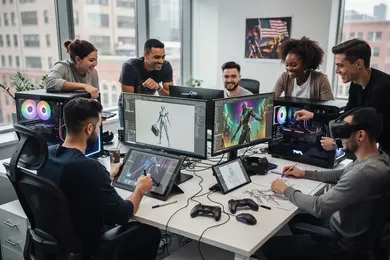
2027 Community College to Game Art & Design Bachelor's Degree Transfer Guide

Co-Founder and Chief Data Scientist
Many community college students aiming to transfer into a game art & design bachelor's degree program face uncertainty about credit transferability and meeting specialized course prerequisites. This challenge often delays graduation and escalates education costs. In fact, nearly 60% of students transferring from community colleges to art and design programs report difficulties in aligning their previous coursework with their new major's requirements. Navigating state regulations, articulation agreements, and program-specific expectations complicates this process further. This article outlines practical strategies and key considerations to successfully transition from community college into a game art & design bachelor's degree program, helping students save time and resources while advancing their creative careers.
Key Benefits of Community College to Game Art & Design Bachelor's Degree Transfer
- Transferring from community college to a game art & design bachelor's degree improves academic accessibility through smaller class sizes and personalized support, enhancing student success rates.
- Community college provides a cost-efficient pathway, reducing overall tuition expenses by up to 60%, making higher education in game art & design more affordable.
- Articulated transfer agreements enable smoother degree completion, allowing credits to transfer seamlessly and shorten the time needed to earn a bachelor's degree.
Who Should Consider Transferring to a Game Art & Design Bachelor's Degree?
Transferring to a game art & design bachelor's degree program offers a valuable pathway for community college students seeking to advance their education and career in the gaming industry. Data from the National Student Clearinghouse Research Center shows that nearly 40% of community college students transfer to four-year institutions within six years, emphasizing the significance of this route for academic growth. Here are some groups of students who are often the best candidates for game art & design bachelor's degree transfer.
- Associate Degree Completers: Students who have completed or are close to completing an associate degree in related areas can build on their foundational knowledge while gaining access to advanced coursework in 3D modeling, animation, and interactive design through a bachelor's program.
- Advanced Opportunity Seekers: Individuals looking for more sophisticated creative and technical training may find the bachelor's degree essential for using industry-standard software and managing larger game development projects.
- Academic Path Changers: Those who began in a different field but developed a passion for digital art and game design can realign their education with evolving career goals by transferring into this specialized degree.
- Networking Focused Students: Transfer students often benefit from bachelor's programs offering connections to game studios, internships, and industry events critical for job placement.
- Career-Oriented Learners: Many employers in game art & design prefer candidates with a four-year degree, making transfer a strategic step for those aiming to increase earning potential and job stability.
Community college students eligible for game art & design transfer pathways should explore all options to maximize their educational outcomes. For those interested in continuing education beyond the bachelor's, exploring online masters programs can be a convenient next step.
What Are the Transfer Requirements for a Game Art & Design Bachelor's Degree?
Transferring from a community college to a bachelor's degree program in game art & design requires meeting specific academic and administrative criteria to ensure readiness for upper-division study. Nearly 40% of bachelor's degree students in the United States start at community colleges, making familiarity with community college credit transfer policies for game art & design crucial for prospective transfer students. These policies guide the evaluation and acceptance of previously earned credits toward a bachelor's degree.
Key requirements often include the following:
- Minimum GPA: Institutions typically require a cumulative GPA that reflects strong academic performance. While exact cutoffs vary, maintaining a competitive GPA is essential to demonstrate academic readiness for challenging coursework in game art & design.
- Prerequisite Coursework: Completion of foundational classes related to art, design principles, and digital media is generally mandatory. These courses prepare students with the skills needed for success, aligning with transfer requirements for game art & design bachelor's degree programs.
- Official Transcripts: Applicants must submit transcripts from all previously attended colleges. These documents verify academic history and enable admissions committees to determine credit transferability accurately.
- Portfolio Submission: A portfolio showcasing relevant artwork or design projects is often required. This collection highlights creative abilities and technical skills vital for game art & design fields.
- Application Materials: Standard components such as essays and letters of recommendation complement academic records, offering a fuller picture of the student's qualifications and motivation.
Students interested in accelerating their educational journey may also consider related options, such as pursuing an accelerated online bachelor's degree in psychology, which can provide valuable interdisciplinary skills alongside their art and design studies.
2026 Update: Portfolio Readiness for Game Art & Design Transfers
This 2026 update adds a focused check on portfolio preparation, since many game art and design transfer programs evaluate creative work separately from transcripts and general admission materials.
- Confirm whether the bachelor’s program requires a portfolio review before admission to the major.
- Check accepted formats, file sizes, platform links, and submission deadlines.
- Include work that shows process, such as sketches, iterations, wireframes, or asset development.
- Match samples to the program focus, such as character art, environments, animation, UI, or game design systems.
- Ask community college instructors for feedback before submitting final pieces.
- Keep original project files organized in case faculty request more detail about your work.
Reviewing portfolio expectations early helps transfer students avoid last-minute gaps and present creative work that supports both admission and placement in the right studio courses.
Can I Transfer All My Community College Credits to a Game Art & Design Bachelor's Degree?
Many students wonder if all their community college credits can transfer to a game art & design bachelor's degree program. While a substantial number of credits might be accepted, full credit transfer is uncommon because it depends on how closely courses align with the bachelor's curriculum, as well as institutional policies and specific program needs. According to research from the National Student Clearinghouse, around 64% of community college transfers complete a bachelor's degree within six years, which underscores the importance of understanding which credits will count toward a game art & design degree.
Several factors influence credit transfer success, including course equivalency; community college courses must closely match the content and rigor of game art & design classes. Accreditation status is another key consideration, with regionally accredited institutions typically having more transferable credits.
Additionally, the relevance of completed coursework impacts whether credits fulfill core requirements or transfer as electives. Finally, an official transcript evaluation by the receiving school's admissions or registrar office reviews course details and grades before determining credit acceptance.
When I spoke with a graduate who transferred into a game art & design bachelor's program, he shared that "the process was both exciting and frustrating." Although many of his general education courses transferred smoothly, specialized art classes required extra documentation and sometimes didn't fit perfectly into the curriculum. He recalled spending hours gathering syllabi and detailed course information for the transcript review. "It wasn't about transferring everything, but making sure the credits counted in meaningful ways toward my degree," he said, highlighting the importance of patience and careful preparation during transfer.
What Classes Should I Take at Community College for a Game Art & Design Bachelor's Degree?
Choosing appropriate courses early in community college can greatly ease the transfer process into a game art & design bachelor's degree program and improve timely graduation odds. Data shows students completing essential foundational courses before transferring are 30% more likely to graduate within four years. Below are key course areas to focus on for a successful transfer.
- General Education: Courses in English composition and college-level math help build critical thinking and communication skills necessary across all fields, making them vital for any student preparing to transfer.
- Foundational Art: Classes covering drawing, color theory, and design principles establish a solid visual arts base that supports more specialized game art & design studies.
- Digital Media: Introduction to computer graphics and software tools offers hands-on experience with technology commonly used in the industry, enhancing practical skills before transfer.
- Electives: Animation and 3D modeling courses often transfer smoothly and can serve as prerequisites for upper-level game art & design classes, boosting preparation.
- Storytelling Skills: Creative writing or narrative design classes strengthen understanding of game narratives, an important aspect of many game art & design bachelor's degree programs.
To complement art-focused coursework, students should also explore options such as pursuing an accredited online cyber security degree if interested in the technical side of game development and digital protection.
What Should I Do Before Transferring to a Game Art & Design Bachelor's Degree?
Careful preparation before transferring to a game art & design bachelor's program can boost your chances of academic success and make the transition smoother. Research shows that students who plan ahead are almost 20% more likely to earn their degree within six years. Consider these key steps to get ready for your transfer.
- Evaluate Coursework Take time to review your completed classes to check if they align with your intended bachelor's program. Identifying any missing requirements early helps you avoid delays later on.
- Consult Academic Advisors Meet with advisors from both your community college and potential four-year schools. They can shed light on transferable credits, curriculum demands, and what skills you'll need to develop.
- Prepare Application Materials Gather and update important documents like your art portfolio, personal statements, and recommendation letters well before deadlines. Starting early reduces stress and enhances your application quality.
- Understand Program Expectations Research the technical skills and portfolio standards commonly expected in game art & design degrees. Knowing these expectations helps you better tailor your preparation and presentation.
- Explore School Resources Find out about academic support services offered by your target institutions, such as tutoring and lab access, to ease your adjustment once enrolled.
When asked what she did before transferring, a student currently in a game art & design bachelor's program recalled feeling overwhelmed but determined. She shared that navigating the nuances of portfolio requirements and aligning her previous coursework was challenging. She emphasized the importance of early advisor meetings, which clarified credit transfers and helped set realistic goals. "It was reassuring to know exactly what would be expected," she said, highlighting how proactive preparation gave her confidence through the transition and enabled her to focus more on developing her creative skills once she arrived.
When Should I Apply for Transfer to a Game Art & Design Bachelor's Degree?
Timing your transfer application for a game art & design bachelor's program significantly influences your academic progression. Data shows that almost 60% of community college students successfully transfer within two years, emphasizing the need for prompt and strategic planning. The following points highlight crucial aspects to consider when deciding when to apply.
- Academic Preparedness: Submit your application once you have completed essential prerequisite courses to meet program requirements, ensuring you satisfy the foundational skills expected by transfer institutions.
- Application Cycles: Familiarize yourself with common admission periods, typically aligning with fall and spring semesters. Planning around these cycles maximizes your chances of timely acceptance and enrollment.
- Document Processing: Anticipate potential delays in processing transcripts, portfolios, and other required materials. Starting early helps avoid last-minute complications that could hinder your application review.
- Prerequisite Completion: Account for any specific course or portfolio requirements that are mandatory for eligibility. Completing these in advance is critical to avoid postponing your transfer timeline.
- Early Initiation: Begin your application well before deadlines to provide ample time for responding to additional requests from admissions offices, such as supplementary documents or clarifications.
Properly timing your application enhances smooth credit transfer and reduces risks of enrollment gaps, helping you maintain steady progress toward your game art & design bachelor's degree.
Is It Cheaper to Transfer to a Game Art & Design Bachelor's Degree From Community College?
Starting at a community college is a popular cost-saving approach for students aiming to complete a bachelor's degree in Game Art & Design. On average, tuition at community colleges is nearly half the cost of four-year universities, allowing students to significantly reduce expenses during the first two years. These savings can add up before transferring to complete specialized coursework. Key financial factors to consider include:
- Lower Tuition Costs: Community colleges charge less per credit hour than universities, helping students manage expenses early in their degree path.
- Reduced Degree Expenses: Completing an associate degree or transferable credits shortens the time required at a four-year school, cutting overall tuition fees.
- Housing and Commuting Savings: Many students live at home or nearby during community college, minimizing or eliminating housing costs and reducing daily transportation expenses.
- Cost Differences After Transfer: Tuition usually increases after transferring, but the shorter time paying these higher fees balances the total financial investment for the bachelor's degree.
Beginning at a community college offers an economically practical route to earning a Game Art & Design bachelor's degree, primarily due to these substantial tuition and living cost advantages. This strategy remains a compelling option for many U.S. students planning to transfer and complete their specialized degree programs efficiently.
What Financial Aid Is Available for Game Art & Design Bachelor's Degree Transfer Students?
Transfer students moving into a game art & design bachelor's degree program can access a variety of financial aid options to help manage education costs. Nationwide, over 60% of transfer students receive some form of financial support, which underscores the importance of exploring available resources. Below are key types of aid commonly available to these students.
- Need-Based Assistance: This aid supports students with demonstrated financial need, often through programs like the Federal Pell Grant. Need-based aid does not require repayment and is a vital resource for many transfer students in game art & design.
- Federal and State Support: Federal student loans offer competitive interest rates, while many states provide grants or scholarships for residents transferring to public colleges. Students should check with their new school's financial aid office to confirm eligibility for these resources.
- Institutional Aid: Colleges frequently reserve funds to attract transfer students, particularly for specialized fields such as game art & design. These scholarships, grants, or tuition discounts can significantly lower education expenses.
- Work-Study Opportunities: Federally funded work-study programs enable students to earn income through part-time jobs related to their field, helping offset daily costs while gaining valuable experience.
Transfer students pursuing a game art & design bachelor's degree often find additional support through scholarships and grants for game art & design bachelor's degree transfers. Staying informed about these opportunities enhances affordability in higher education pathways. For those considering further education beyond their bachelor's, exploring a masters degree in counseling online might also be a viable option to advance their career prospects.
Are There Scholarships for Transfer Students in Game Art & Design Bachelor's Degree Programs?
Transfer students aiming to complete a game art & design bachelor's degree often find financial support through scholarships tailored to ease their transition. Approximately 60% of transfer students receive some form of financial aid or scholarships, which can make a significant difference in managing educational expenses. Below are common types of scholarships available to assist transfer students financially.
- Merit-Based Awards: These scholarships recognize academic achievements and artistic talents demonstrated during community college coursework. They often reward excellence in creative projects and portfolio submissions relevant to game art & design.
- Need-Based Scholarships: Designed to support students with financial need, these awards require applicants to demonstrate economic hardship. They provide essential aid to help transfer students afford tuition and related costs.
- Transfer-Specific Scholarships: Many institutions offer scholarships specifically to encourage and support students transferring from community colleges to bachelor's programs. These scholarships facilitate the completion of game art & design degrees by offering targeted financial resources.
- Institutional and External Scholarships: Some scholarships are reserved for students entering game art & design programs, while others come from industry organizations or foundations linked to digital arts and gaming. These external scholarships often emphasize innovation and potential in the field.
Transfer students should also explore various financial aid options for game art & design transfer students by consulting admissions and financial aid offices early. For those considering broader degree options or alternative study formats, resources such as the math degree online programs can offer additional pathways, underscoring the importance of investigating all available academic and financial resources during the transfer process.
What Problems Do Students Face When Transferring to a Game Art & Design Bachelor's Degree?
Transferring to a bachelor's degree program in game art & design can be an effective way to advance education, but students often face several hurdles that influence their academic progress. Nearly 40% of transfer students report difficulties adapting academically or navigating administrative demands in their first year. Below are some common obstacles encountered during this transition.
- Credit Transfer Issues: Many students find that not all community college credits apply toward their game art & design degree, which can extend the time needed to graduate and require repeating courses.
- Academic Rigor: Bachelor's programs generally expect more advanced skills and intensive studio work, causing some transfer students to struggle with the increased workload and quality standards.
- Administrative Complexity: The transfer process often involves managing detailed paperwork, transcript evaluations, and portfolio submissions, which can be confusing and delay enrollment without proper support.
- Coursework Misalignment: Differences between community college offerings and bachelor's level curricula may leave gaps in specialized topics or software proficiency, requiring students to catch up once they transfer.
What Graduates Say About Community College to Game Art & Design Bachelor's Degree Transfer
- Fisher: "Transferring to a game art & design bachelor's degree was a game-changer for me because I wanted to deepen my skills beyond the basics I learned at community college. The cost was definitely reasonable compared to other four-year programs, which made the jump less stressful financially. Thanks to this move, I'm now working in a creative studio where I can apply everything I've learned to real projects."
- Cairo: "After two years at community college, I realized I needed a specialized game art & design bachelor's degree to really stand out in the industry. The affordability of transferring made it a practical choice, and the focused curriculum helped me build a strong portfolio. This transition gave me the confidence and credentials to land my first professional role in game development."
- Austin: "Choosing to transfer to a game art & design bachelor's degree program was about more than just finishing college-I wanted a program that enhanced my artistic voice and technical abilities. While cost was a concern, the support I received made it manageable. Professionally, the degree opened doors to collaborate on major projects, elevating my career in ways I hadn't imagined."
Other Things You Should Know About Game Art & Design Degrees
Community college students should focus on showcasing a diverse range of projects in their portfolio. Demonstrating proficiency in various art and design software, along with a clear understanding of game design principles, will highlight their readiness for a game art & design bachelor's degree.
Some game art & design bachelor's degree programs may grant credit or advanced standing for industry-recognized certifications, especially those related to software proficiency like Autodesk or Adobe suites. However, credit acceptance varies between institutions, so students should verify the policies of their intended transfer school early in the process.
Community college transfer students may often face gaps in technical skills such as 3D modeling, animation software proficiency, and game engine familiarity. Addressing these areas proactively, possibly through workshops or additional coursework, can be crucial for a successful transition into a game art & design bachelor's program.
References
- Transfer Students | Undergraduate Admissions https://www.artcenter.edu/admissions/undergraduate-admissions/transfer-students.html
- Transferring Community College Credits | Transfer Friendly | SNHU https://www.snhu.edu/admission/transferring-credits/community-college-partnerships
- Game Development Degrees: What You Need to Know https://www.ivywise.com/ivywise-knowledgebase/gaming-majors/
- Gaming and Simulation Development - A.A. Degree (Transfer) https://www.howardcc.edu/programs-courses/programs/gaming-and-simulation-development---aa-degree-transfer/
- Game Art & Design Degree (BFA) - CCAD https://www.ccad.edu/academics/undergraduate-degrees/game-art-design
- Transferring From Community College Is Too Hard | Evelyn and Walter Haas, Jr. Fund https://www.haasjr.org/perspectives/transferring-from-community-college-is-too-hard
- Game Art & Design https://www.lacc.edu/academics/aos/game-art
- Anne Arundel Community College https://catalog.aacc.edu/preview_program.php
- Game Art and Design - BSc (Hons) - TUS https://tus.ie/courses/us806/
- Transfer intending to go for video game design - College Search & Lists - College Confidential Forums https://talk.collegeconfidential.com/t/transfer-intending-to-go-for-video-game-design/1758438