2027 What Jobs Can You Get With a Game Art & Design Bachelor's Degree?

Co-Founder and Chief Data Scientist
Graduates with a game art & design bachelor's degree often face uncertainty about the range of careers their specialized skills can unlock. Many aspiring artists and designers wonder how to leverage their creativity in a competitive industry where technical proficiency and storytelling merge.
With the interactive entertainment sector projected to grow 12% over the next decade, demand for professionals skilled in both art and digital design is rising steadily.
Understanding the various career paths available helps students set realistic goals and focus their efforts effectively. This article explores the job opportunities a game art & design degree can lead to, offering clarity for informed decision-making.
Key Benefits of the Jobs You Can Get With a Game Art & Design Bachelor's Degree
- Graduates enjoy career versatility, finding roles in gaming, film, advertising, and virtual reality industries that value creative and technical skills.
- Competitive salaries, often above the $70,000 median for digital artists, reflect strong demand and opportunities for advancement in studios and agencies.
- The degree fosters long-term growth by developing adaptable expertise suitable for evolving job markets and graduate study in design, animation, or interactive media.
What Entry-Level Jobs Can I Get With a Game Art & Design Bachelor's Degree?
A bachelor's degree in Game Art & Design opens up several entry-level job opportunities where graduates can apply foundational knowledge and skills within real-world projects.
According to the National Center for Education Statistics, about 70% of bachelor's degree holders find employment related to their field within one year, underscoring a positive employment trend for new graduates.
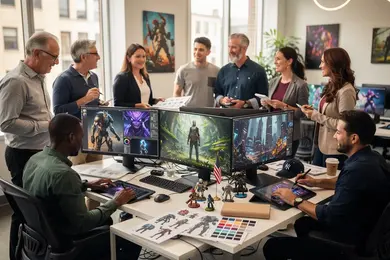
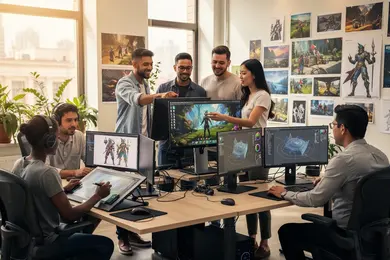
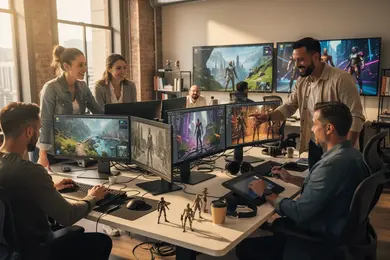
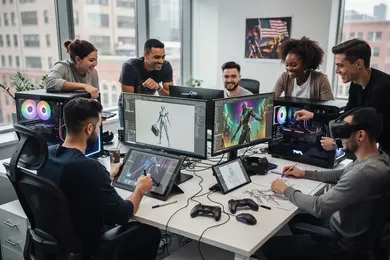
Those pursuing entry-level game artist jobs benefit from hands-on learning that prepares them for creative and technical roles in game development. Some common entry-level roles for graduates with a Game Art & Design degree include:
- Junior Game Artist: This position involves creating 2D or 3D assets such as characters, environments, and props. A degree provides essential training in art principles and digital design tools, enabling graduates to collaborate effectively with artists and developers on visual elements of games.
- Texture Artist: Texture artists add surface details and materials to 3D models, enhancing realism. Skills learned in texturing software and an understanding of lighting are critical for these roles, which graduates gain during their studies.
- Concept Artist: These artists create initial sketches and design ideas for characters, settings, and game elements. The role demands strong drawing and visualization abilities, core components of most Game Art & Design degree programs.
- UI/UX Designer (Entry Level): Focused on the user interface and experience within games, these designers ensure menus, HUDs, and controls are intuitive and visually consistent. A Game Art & Design curriculum typically includes usability principles and interface design tools relevant to this job.
- Animators (Junior Level): Animators produce basic animations for game characters and objects, applying animation techniques and software knowledge obtained through academic projects.
Students aiming to boost their qualifications may consider supplementing their degree with online courses with certificates to strengthen specific skills or software proficiencies in this competitive field.
Exploring these entry-level game artist jobs can help graduates align their career paths with their creative passions and technical expertise.
What Industries Hire Game Art & Design Bachelor's Degree Graduates?
A bachelor's degree in Game Art & Design can open doors across multiple industries, with demand for graduates influenced by their specialization, technical expertise, and creative skills.
Employers increasingly seek candidates with bachelor's degrees for complex roles that blend artistry and software proficiency, reflecting a broader trend favoring higher education credentials in creative technology fields.
Graduates pursuing game art and design career paths in entertainment industry sectors often find diverse opportunities, including:
- Video Game Development: This remains a primary industry for graduates, with roles in character modeling, environment design, texture creation, and animation. The degree provides essential skills in 3D software and interactive storytelling critical for immersive gameplay experiences.
- Film and Animation: Studios in this sector hire game art & design graduates for visual effects, digital asset production, and animated sequences. Expertise in 3D modeling and digital sculpting supports projects involving CGI and motion graphics.
- Advertising and Marketing: Agencies use these talents to create interactive advertisements, promotional animations, and branded digital experiences. The combination of creativity and technical knowledge drives innovation in multimedia campaigns.
- Augmented Reality (AR) and Virtual Reality (VR): Companies in AR and VR development recruit professionals to design realistic virtual environments and interactive features, leveraging immersive visuals to enhance user engagement.
- Education and E-Learning: Educational technology firms employ graduates to develop gamified content, simulations, and interactive learning tools. This expertise enriches educational experiences and improves knowledge retention.
For those interested in further exploring degree options across technology fields, consider programs like an online bachelor's in engineering, which also offer strong foundations applicable to creative tech careers.

Can You Get Jobs Outside Your Major With a Game Art & Design Bachelor's Degree?
Many graduates with a game art & design bachelor's degree find opportunities beyond their specific field as their skills transfer well to multiple career paths in today's dynamic job market.
In fact, nearly 40% of college graduates end up working in roles unrelated to their major within the first few years after finishing their studies, reflecting a wider trend in workforce adaptability.
- Transferable Skills: A game art & design degree nurtures abilities like creative problem-solving, mastery of digital tools, storytelling insight, and teamwork. These versatile skills are prized across various creative and technical domains, making graduates attractive candidates for different roles.
- Employer Hiring Trends: Companies increasingly seek candidates who demonstrate flexibility and a willingness to learn. Graduates who combine design thinking with adaptability often appeal to employers beyond game development, meeting the growing demand for multidisciplinary talents.
- Experience and Additional Training: Internships, freelance projects, and self-study help graduates build portfolios and gain expertise relevant to diverse industries. Supplementing education through workshops or short courses further broadens their scope, enabling smoother transitions into alternative career paths.
What Remote Jobs Can I Get With a Game Art & Design Bachelor's Degree?
The expansion of remote work has opened new doors for creative professionals, with surveys showing that over 60% of employers are open to hiring for remote positions.
For graduates holding a game art & design bachelor's degree, this means enhanced chances to secure remote roles that capitalize on their artistic and technical expertise.
- 3D Modeler: This role involves crafting detailed digital models of characters, settings, and objects using tools like Blender or Maya. The position requires precision and frequent collaboration with team members across virtual platforms, making strong communication and project management skills vital.
- Concept Artist: Concept artists develop the initial visual ideas for game elements such as characters and environments. Remote work in this role demands the ability to effectively convey creative visions while coordinating with diverse teams in different locations.
- UI/UX Designer: These professionals design user interfaces and experiences, ensuring games are intuitive and engaging. Remote projects often require proficiency with design software and the ability to conduct virtual usability testing with global participants.
- Game Animator: Animators bring life to game characters and assets through motion. Working remotely, they frequently synchronize with programmers and other artists to maintain animation quality and responsiveness.
- Visual Effects Artist: This position focuses on creating dynamic effects like lighting and particle systems that enhance gameplay visuals. Remote collaboration is central to aligning effects with the broader artistic direction.
Reflecting on remote career possibilities, a graduate of a game art & design bachelor's degree shared that transitioning to distributed teamwork was initially challenging due to the lack of in-person feedback.
She emphasizes how mastering clear written communication and scheduling regular virtual check-ins were key to managing tasks effectively.
"Adapting to remote workflows pushed me to improve my time management and become more proactive," she notes, highlighting how these skills transformed her work experience into a rewarding journey despite initial uncertainties.
Can I Switch Careers With a Game Art & Design Bachelor's Degree?
Many professionals leverage a game art & design bachelor's degree as a versatile foundation to pursue career change options with a game art and design bachelor's degree, thanks to its broad applicability beyond the gaming industry.
Nearly 30% of creative degree holders shift to different fields within five years, reflecting the degree's adaptability in today's dynamic job market. This trend highlights the growing value of skills acquired through this degree as workforce demands evolve rapidly.
Such flexibility allows graduates to consider varying roles while navigating professional transitions. As industries transform, the ability to apply one's educational background in new contexts becomes increasingly important.
A game art & design degree equips graduates with transferable skills from a game art and design degree for new careers, including strong communication, problem-solving, adaptability, and analytical thinking.
These competencies support smooth career switches by enabling graduates to manage challenges and collaborate effectively in diverse environments. Success in transitioning also hinges on augmenting formal education with self-directed learning, internships, or on-the-job training that enhance practical experience.
Building a robust portfolio and continuing skill development are crucial factors influencing these shifts. For those seeking to broaden their expertise quickly, exploring options like how to get a business degree fast can complement their career evolution.
What Are the Highest-Paying Jobs With a Game Art & Design Bachelor's Degree?
Earning potential with a game art & design bachelor's degree varies based on the industry, level of experience, and area of specialization. Individuals with this degree often gain access to more lucrative positions compared to those without, with salaries typically increasing alongside professional growth.
Studies show that bachelor's degree holders generally earn considerably more over their careers than those with only a high school diploma, highlighting the degree's value for long-term earning power.
- Lead Game Artist: This senior role involves directing the visual style of a game, including character creation, environment design, and animation. The position demands both strong artistic talent and leadership skills, with salaries ranging between $70,000 and $110,000 annually.
- 3D Modeler: Specialists in this role build detailed 3D models for game assets like characters and environments using advanced software. A game art & design degree provides foundational skills necessary to master these tools, contributing to salaries usually ranging from $55,000 to $90,000 per year.
- Technical Artist: Acting as a liaison between artists and programmers, technical artists ensure visual elements work efficiently within game engines. This hybrid role relies on both creative insight and technical know-how gained through the degree program, with pay ranging from $65,000 to $100,000 annually.
- Concept Artist: These artists develop initial ideas that define a game's visual identity, including characters and environments. The creativity and drawing skills cultivated during the degree are essential, and salaries commonly range from $50,000 to $85,000 per year.
- UI/UX Designer for Games: Focused on designing user interfaces and enhancing player experience, this role blends artistic design with usability expertise. The degree assists in mastering relevant design software and understanding engagement strategies, with earnings typically between $60,000 and $95,000 yearly.
What Career Growth Opportunities Are Available With a Game Art & Design Bachelor's Degree?
A bachelor's degree in game art & design provides a foundation for long-term career development and advancement across a variety of roles within interactive media.
As professionals gain experience, they can move into positions of greater creative responsibility, such as lead artist or art director, where overseeing visual direction and managing teams become central tasks.
Developing specialized expertise in areas like 3D modeling, animation, or UI design also offers opportunities to become sought-after specialists.
Additionally, expanding skills into project management, production, or quality assurance can facilitate transitions into cross-functional or supervisory roles. This progression often reflects a combination of hands-on experience, portfolio growth, and continuous learning.
When asked about career growth opportunities, a professional with a Game Art & Design bachelor's degree shared that climbing the ladder involved "navigating periods of intense creative pressure while learning to balance artistic vision with practical deadlines."
He emphasized that mentorship played a crucial role, explaining, "Helping junior artists improved my leadership skills more than any formal training."
The process entailed gradual expansion of responsibilities, where each new role required adapting to different challenges, yet the sense of contributing meaningfully to a project made the evolving journey rewarding.
What Jobs Require Certifications After a Game Art & Design Bachelor's Degree?
Certain roles available to graduates with a game art and design bachelor's degree may require or strongly prefer additional certifications depending on industry standards and job responsibilities.
These certifications help validate specialized skills and improve eligibility for positions that demand technical expertise beyond a general degree.
Here are some common job roles where certifications are often needed after a game art and design bachelor's degree:
- 3D Modeler: This role involves creating 3D characters, environments, and objects. Certifications such as Autodesk Certified Professional in Maya or 3ds Max validate proficiency in industry-standard modeling software essential for advanced projects.
- Visual Effects (VFX) Artist: VFX artists design and integrate realistic effects into games. Earning certifications like Adobe Certified Expert (ACE) in After Effects or Houdini Certified Professional highlights advanced skills necessary for complex visual effects development.
- Game Animator: Animators bring characters and scenes to life through movement. Certifications such as Autodesk Certified Professional in Maya or Blender Certified Developer demonstrate animation expertise and technical proficiency required by many employers.
- Unity or Unreal Engine Developer: Although tied to programming, many game art and design grads collaborate closely with game engines. Certifications like Unity Certified Developer or Unreal Authorized Instructor confirm competence in these leading platforms for environment and asset integration.
- User Interface (UI) Designer: UI designers focus on intuitive, attractive game interfaces. Certifications in Adobe XD or through the Interaction Design Foundation (IDF) enhance credibility by demonstrating knowledge of user-centered design principles.
While a game art and design degree provides foundational knowledge, obtaining certifications is often necessary to meet specific game art and design certification requirements and ensure immediate capability in technical areas.
Prospective students may also consider exploring programs such as the cheapest AACSB online MBA to broaden their qualifications and career opportunities within related fields.
What Jobs Require a Master's After a Game Art & Design Bachelor's Degree?
While a game art & design bachelor's degree opens many doors, some advanced careers needing a master's after game art and design bachelor's are essential for acquiring specialized knowledge, deeper expertise, or meeting professional licensure requirements.
National data show that around 13% of creative and technical professionals hold graduate degrees, highlighting the increasing importance of master's-level education in this field.
- Game Development Researcher: This role focuses on pioneering new technologies and methodologies to enhance game design and player experience. A master's degree builds the advanced research skills and analytical knowledge necessary for innovation and complex problem-solving in game development.
- Creative Director: Often requiring leadership and strategic skills beyond a bachelor's degree, this position benefits from the in-depth industry understanding and artistic vision cultivated through graduate study. Many employers prefer candidates with a master's to lead creative teams and manage large-scale projects effectively.
- Academic or Industry Educator: Teaching game art and design at higher education institutions generally requires a master's degree or beyond. This credential equips educators with comprehensive theoretical knowledge and the ability to stay current with evolving design trends and technologies.
- User Experience (UX) Researcher: Focused on player interaction and engagement, this job demands graduate-level training in psychology and design to conduct advanced user research and improve game interfaces based on detailed analysis.
- Technical Art Director: Bridging art and programming at a sophisticated level, this role needs the advanced technical and artistic skills often gained through a master's program to optimize workflows and create innovative tools.
Those considering master's degree requirements for game art and design careers can explore pathways that enhance leadership, research competence, and specialized skills.
Prospective students seeking further education might research options such as the best online master's in history programs for comparative insights on structured graduate studies and affordability.
What Is the Job Outlook for Game Art & Design Careers?
Employment opportunities in game art & design are expected to grow steadily, reflecting broader trends in digital media and technology. The U.S. Bureau of Labor Statistics projects a 13% increase in jobs related to computer and information technology fields, which encompass game art and design, from 2022 to 2032.
However, job demand can fluctuate depending on the specific sector, such as video games, film, or advertising, where project-based work may lead to variable hiring patterns.
Economic shifts also influence funding and availability of new projects, which in turn affects employment prospects. Skills versatility and staying current with industry tools play key roles in securing positions within this competitive field.
Long-term career outlooks in game art & design are shaped by factors like rapid technological innovation, including advances in augmented reality and real-time rendering.
As gaming and interactive entertainment expand globally, new markets and platforms offer additional roles and opportunities. Employers increasingly prioritize artists who can adapt and collaborate across different software and creative processes.
Continued professional growth and skill development remain essential as the industry evolves, ensuring relevance in a landscape influenced by both emerging technology and shifting consumer demands.
What Graduates Say About the Jobs You Can Get With a Game Art & Design Bachelor's Degree
- Fisher: "Choosing a game art & design major was a natural fit for me because I've always been drawn to storytelling through visual media. The program sharpened my skills in both 2D and 3D modeling, which made it easier to transition into roles like environment artist and character designer. Thanks to the practical portfolio I developed, landing my first job in the industry was much smoother than I expected."
- Cairo: "Reflecting on my journey, pursuing a game art & design bachelor's degree profoundly shaped my approach to creative problem-solving. The curriculum's blend of art fundamentals and technical software training prepared me well for dynamic roles such as UI/UX designer and concept artist. Although the job hunt was competitive, the program's strong industry connections gave me a real advantage."
- Austin: "From a professional standpoint, earning a game art & design degree opened doors to diverse career opportunities in game development studios and beyond. I appreciate how the coursework emphasized teamwork and deadlines, skills that are invaluable in a production environment. It's clear that the degree not only enhanced my technical capabilities but also improved my ability to communicate effectively with multidisciplinary teams."
Other Things You Should Know About Game Art & Design Degrees
A strong portfolio is critical for securing jobs in game art & design. Employers typically prioritize a candidate's body of work over academic credentials alone.
A well-curated portfolio showcasing diverse skills such as 3D modeling, texturing, and concept art demonstrates practical ability and creativity, which are essential in this field.
Yes, internships significantly improve job prospects for game art & design graduates. They provide hands-on experience, industry insights, and networking opportunities that are invaluable for employment. Many studios prefer candidates who have completed internships because it shows readiness to work in professional environments.
Proficiency in industry-standard software such as Autodesk Maya, Adobe Photoshop, Blender, and Unity is often required. Knowledge of these tools enables candidates to create and manipulate digital assets effectively.
Familiarity with both 2D and 3D design software increases employability in various roles within game development.
In 2027, game art & design graduates can find freelance opportunities working with indie game developers, creating assets for virtual reality platforms, or designing for educational and training applications. The demand for skilled designers in these niches continues to grow, providing various contract roles.
References
- Game Artist Certifications: Best Credentials to Advance Your Career | Teal https://www.tealhq.com/career-paths/game-artist-certifications/
- What Can I Do with a Game Design Certificate? https://www.collegeconsensus.com/careers/game-design-certificate-jobs/
- What careers can you do with a Games degree? | University for the Creative Arts https://www.uca.ac.uk/blogs/careers-with-a-games-degree/
- Remote Game Jobs https://remotegamejobs.com/
- Jobs — Games and Level Design (139 vacancies) April 2026 https://ingamejob.com/en/jobs/games-and-level-design
- Diverse Career Paths for Game Arts Graduates: From Indie Studios to Major Developers https://www.shawnee.edu/blog/career-paths-game-art-degree
- Game Art and Design Course: Career Scope, Opportunities, and Growth https://js-instituteofdesign.com/scope-of-game-art-and-design-course-career-opportunities-and-growth/
- 7 Amazing Career Opportunities For Your Game Art Dream https://www.seamedu.com/blog/7-amazing-career-opportunities-for-your-game-art-dream
- ArtStation - 12 Entry-Level Jobs In The Video Game Industry To Kickstart Your Career https://www.artstation.com/blogs/virtuosgames/96R0/12-entry-level-jobs-in-the-video-game-industry-to-kickstart-your-career
- 5 careers you can pursue with a degree in game art - RMCAD https://www.rmcad.edu/blog/5-careers-you-can-pursue-with-a-degree-in-game-art/