2027 Best Career Paths After a Game Art & Design Bachelor's Degree

Co-Founder and Chief Data Scientist
Choosing a career path after completing a Game Art & Design bachelor's degree can feel overwhelming amid an evolving digital entertainment landscape. Recent graduates must weigh options across video games, film, advertising, and virtual reality, balancing creative passion with job market realities. Employment projections indicate a 9% growth in multimedia artist roles by 2031, highlighting expanding opportunities yet rising competition. Understanding which sectors value transferable skills like 3D modeling and animation is crucial. This article explores the best career paths available to game art & design graduates, offering insights to guide informed decisions toward fulfilling, sustainable professional futures.
Key Things to Know About the Best Career Paths After a Game Art & Design Bachelor's Degree
- Entry-level roles such as junior 3D artist, concept artist, and texture artist are common starting points, offering practical experience within multidisciplinary game development teams.
- Specializations like character modeling or environment design influence career options, with focused skills increasing employability in niche areas of game studios.
- Long-term progression depends on portfolio quality, networking, continuous learning, and adaptability to evolving industry technologies and artistic trends.
What Are the Top Career Paths by Industry for Game Art & Design Graduates?
The job market for graduates with a bachelor's degree in game art & design is diverse, spanning industries well beyond traditional gaming. The U.S. video game industry alone employed over 220,000 professionals in game development and related roles, demonstrating strong demand for specialized talent. Exploring the best career opportunities for game art & design graduates reveals a variety of paths across distinct industries.
Here are key industry-specific jobs for game art & design degree holders:
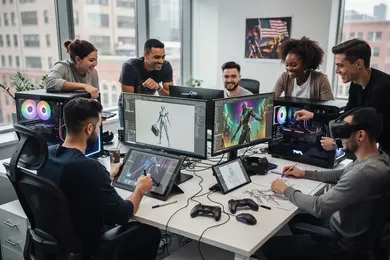
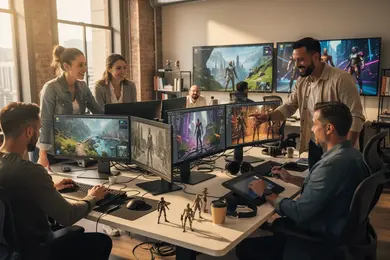
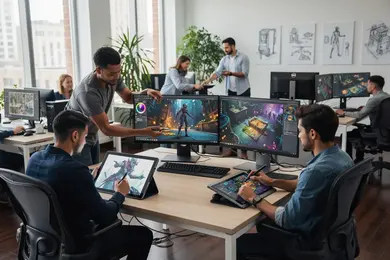
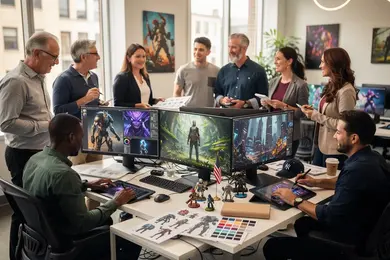
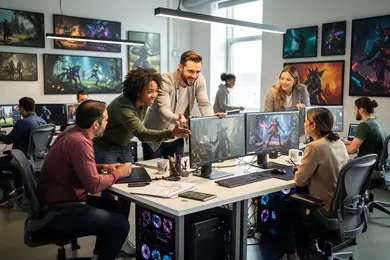
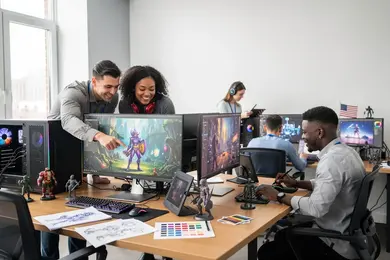
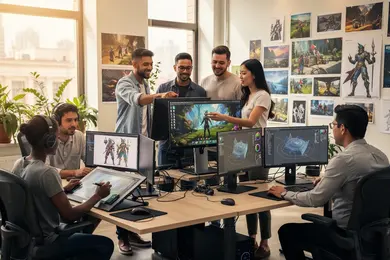
- Video Game Development: Roles such as 3D modelers, environment artists, texture artists, and animators are common. Graduates create visual assets and immersive worlds essential to engaging gameplay, working closely with studios to ensure quality and creativity.
- Film and Animation: Game art & design graduates frequently become digital artists, visual effects (VFX) artists, or storyboard illustrators. Their ability to generate realistic or stylized CGI enhances movies, commercials, and television production.
- Advertising and Marketing: This sector offers opportunities as concept artists or motion graphic designers, where graduates design compelling visuals tailored to brand campaigns. Their creative work helps capture target audiences effectively across media channels.
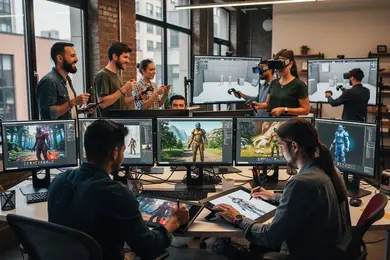
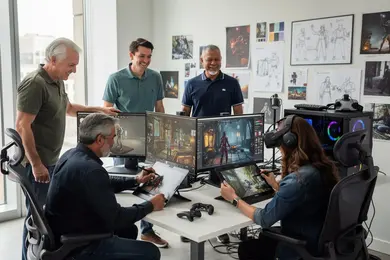
- Virtual and Augmented Reality (VR/AR): Specialists design 3D assets and environments optimized for immersive experiences, supporting applications in education, healthcare, and professional training. This emerging field benefits from graduates' skills in interactive visuals.
- Software and Technology: Graduates contribute by developing user interfaces, interactive media, and educational tools that require sophisticated graphic design and animation talents. Their work expands creative digital products beyond entertainment alone.
Students interested in pursuing these career paths may also consider exploring colleges online that accept FAFSA as an accessible option for supporting their education in game art & design.
What Are the Future-Proof Careers After a Game Art & Design Bachelor's Degree?
Future-proof careers in game art & design combine creativity with technological adaptability, essential in a rapidly evolving job market. As automation reshapes industries, roles requiring human creativity remain vital; the U.S. Bureau of Labor Statistics projects digital design and multimedia occupations will grow by 13% from 2022 to 2032. Graduates must stay agile to thrive amid shifting platforms and consumer trends.
Several future-proof career paths in game art & design offer strong stability and resilience:
- Augmented and Virtual Reality Development: Immersive AR and VR technologies are widely adopted across entertainment, education, healthcare, and e-commerce. These roles require advanced artistic and technical skills to produce 3D models and interactive environments, capitalizing on increasing market demand expected to exceed $100 billion within five years.
- Interactive Media Design: Crafting engaging content for training, marketing, and product visualization ensures continued demand as businesses prioritize immersive digital experiences that combine storytelling with innovative technology.
- Game Environment Art: Designing realistic and stylized game worlds requires expertise that automation cannot replicate, supporting long-term employability in an industry with steady growth and consumer enthusiasm.
Graduates seeking the highest paying job opportunities after game art and design degree completion should consider fields that integrate advanced tools with creative vision. For those interested in accelerating their educational timeline, exploring accelerated online degrees can offer timely pathways into these resilient careers.

What Are the Highest-Paying Careers After a Game Art & Design Bachelor's Degree?
Graduates with a bachelor's degree in game art & design have access to several lucrative career options, driven by the growing demand for creative and technical talent in the gaming industry. Positions involving specialized skills, leadership, or a blend of artistic and technical expertise often command the highest salaries. According to a 2023 report by the Entertainment Software Association, specialized roles in game design and development can earn median salaries above $90,000 per year.
Below are some of the top-paying careers available to game art & design graduates, along with their salary ranges and primary duties:
- Lead Game Artist: Earning between $75,000 and $110,000 annually, lead game artists oversee the visual direction of projects. They guide art teams and ensure a consistent style, blending creative vision with managerial skills, which justifies their higher earnings.
- 3D Animator: Typically making $60,000 to $95,000 per year, 3D animators design realistic character and environment movements. Their mastery of modeling tools and animation principles is vital for bringing games to life.
- Technical Artist: With salaries from $70,000 to $105,000, technical artists act as a vital link between art and programming. They optimize assets and resolve technical issues, a role requiring both artistic insight and code knowledge.
- Game Designer: Usually drawing $65,000 to $100,000 annually, game designers craft gameplay mechanics and player interactions. Their ability to blend storytelling and user experience plays a key role in a title's success.
- UI/UX Designer for Games: Making between $65,000 and $95,000 per year, UI/UX designers focus on creating intuitive interfaces and smooth player experiences. Their expertise in psychology and design enhances user engagement and retention.
A professional who secured a high-paying game art & design position shared that the transition from college to the industry required persistence and adaptability. "It wasn't just about having technical skills," he explained, "but about continuously learning new tools and understanding team dynamics." The early stages involved challenges like meeting tight deadlines and incorporating feedback from multiple departments, which taught him resilience. Reflecting on his journey, he said, "The degree opened doors, but thriving in these roles demands a mix of creativity, communication, and constant growth."
What Are the Entry-Level Jobs for Game Art & Design Bachelor's Degree Graduates?
Graduates holding a bachelor's degree in game art and design frequently secure entry-level roles that serve as stepping stones for diverse career growth within the video game and creative industries. Industry data shows about 65% of these graduates find relevant employment within their first year, highlighting a steady demand for talent in entry-level game art and design jobs. These initial positions focus on building essential skills and gaining firsthand experience collaborating across multidisciplinary teams.
Common positions for recent game art and design bachelor's degree career options include:
- Junior 3D Artist: Engages in crafting 3D models, textures, and animations, typically under senior artists' oversight. This role sharpens technical proficiency with modeling software and immerses new professionals in asset production workflows.
- Concept Artist: Develops visual concepts that shape a game's artistic direction by sketching characters, environments, and props. Early-career concept artists refine creativity and visual storytelling that inform the final game design.
- UI/UX Designer Assistant: Supports the creation of user interfaces and enhances player interaction through design of layouts and menus. This experience strengthens usability insights and collaboration between design and programming teams.
- Environment Artist: Produces background visuals including landscapes and in-game structures. Entry-level environment artists learn to balance artistic expression with technical and game performance constraints.
Many graduates enhance their portfolios and expand professional networks through these roles, which often lead to advanced opportunities in leadership or specialized areas. Students interested in affordable pathways to these careers should explore game design degrees that align with their goals.
What Career Paths Align With Your Skills After a Game Art & Design Bachelor's Degree?
Completing a game art & design bachelor's degree equips students with transferable skills highly valued across many sectors. In fact, 91% of employers prioritize these adaptable abilities-such as communication and problem-solving-when recruiting new graduates, highlighting their critical role in career success. These foundational proficiencies can shape diverse professional directions.
Several key skill areas developed through the degree correspond to specific career opportunities, including:
- Creative Design: Graduates often excel in visual storytelling and digital artistry, making them ideal candidates for roles like concept artists, character illustrators, or multimedia creators within gaming, advertising, film, and digital content industries.
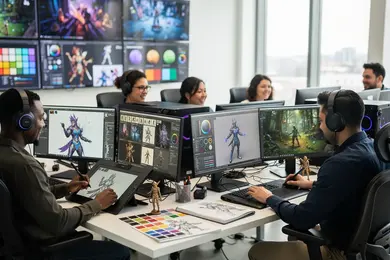
- Technical Skills: Mastery of tools such as Unity, Blender, and Adobe Creative Suite allows graduates to pursue careers as 3D modelers, texture artists, or technical designers in game studios and CGI companies.
- Analytical Thinking: Troubleshooting design challenges and enhancing usability are key skills for UX design roles and interactive media development, where critical evaluation and iteration drive product improvement.
- Communication & Teamwork: Effective collaboration and clear communication are essential for project coordinators or production professionals who manage diverse, multidisciplinary teams within creative projects.
- Problem Solving & Flexibility: Adaptability combined with strategic thinking opens doors to careers in software development, quality assurance, and emerging fields like augmented reality (AR) and virtual reality (VR) content creation.
A graduate I spoke with recalled the transition from academic projects to professional work was both challenging and rewarding. "Early on, I struggled to manage shifting priorities and deadlines during a collaborative game design project," she shared. "However, the problem-solving skills and communication techniques I developed in my degree program proved invaluable in navigating these complexities and leading my team effectively." Her experience underscores how the degree's skill set prepares students to adapt and thrive in dynamic creative environments.
What Jobs Require an Advanced Degree After a Game Art & Design Bachelor's Degree?
Several career paths tied to a game art & design bachelor's degree demand graduate-level qualifications to meet industry and academic challenges. Nearly 40% of faculty positions in digital media and interactive design require candidates to hold at least a master's degree, reflecting the need for advanced expertise. Higher education provides critical skills in research, specialized knowledge, and leadership essential for these roles.
Below are key professions where earning a master's or doctoral degree is typically necessary:
- University Professor or Academic Researcher: These roles require advanced degrees to conduct original research, contribute to academic literature, and teach complex subjects in game art & design. Graduate study equips professionals with the methodologies needed to develop new frameworks within the discipline.
- Human-Computer Interaction (HCI) Specialist: Professionals in this field design user-centered gameplay experiences by applying cognitive science and psychology principles. A master's degree helps in mastering research techniques and technical design vital for immersive and effective interfaces.
- Senior Art Director or Creative Manager: Leadership positions in large studios often require graduate education to demonstrate strategic vision and project management skills. These roles oversee the integration of artistic direction with technology and storytelling on large-scale projects.
- Artificial Intelligence (AI) Specialist for Games: Advanced degrees are essential for developing innovative AI algorithms that enhance procedural content creation and realistic character behaviors. Graduate programs offer the technical depth and research experience needed for these cutting-edge tasks.
What Careers Require Certifications or Licensure After a Game Art & Design Bachelor's Degree?
Certain professions stemming from a game art & design bachelor's degree require additional certifications or licensure to meet industry regulations and demonstrate specialized expertise. These credentials assure employers that candidates possess the skills and ethical standards necessary for complex or regulated roles. Industry data shows that around 35% of game development positions prioritize certification or licensure to improve employability.
Key careers that often demand such credentials include:
- Usability/UX Researcher: Typically requires certifications like the Certified Usability Analyst (CUA) or credentials from the User Experience Professionals Association (UXPA). These validate expertise in human-computer interaction and usability testing critical for enhancing player engagement.
- 3D Artist or Animator (VR/AR): Often needs software proficiency certifications such as Autodesk Certified Professional or Adobe Certified Expert. These demonstrate advanced technical skills essential for creating immersive virtual and augmented reality experiences.
- Game Software Security Specialist: May require credentials like Certified Secure Software Lifecycle Professional (CSSLP). This certification ensures knowledge of secure coding practices and compliance with intellectual property laws within game development.
- Technical Art Director: Sometimes demands project management or specific software certifications, reflecting the role's blend of creative and technical oversight within development teams.
These certifications act as measurable proof of professionals' abilities and help meet the increasing complexity and regulatory demands in the game art & design industry.
What Are the Alternative Career Paths for Bachelor's in Game Art & Design Graduates?
A bachelor's degree in game art & design provides versatile skills applicable across multiple industries, not just in traditional gaming roles. Nearly 35% of graduates find work in areas unrelated to their major, reflecting the adaptable skill set developed during their studies. This flexibility is a key factor for students considering non-traditional career paths with a Game Art and Design bachelor's degree.
Here are some alternative career options for game art and design graduates that showcase the diverse opportunities available:
- UI/UX Design: Graduates leverage their expertise in visual communication and human-computer interaction to design intuitive interfaces for mobile apps, websites, and other digital platforms beyond gaming.
- Film and Animation: Skills in character design, storyboarding, and digital sculpting enable entry into animation and visual effects teams, contributing to film production and animated features.
- AR/VR Development: The spatial design and 3D modeling capabilities gained in game art & design programs are essential in creating immersive augmented reality and virtual reality experiences.
- Educational Technology: Professionals help design interactive learning materials that utilize gamification and engaging visuals to enhance educational outcomes, an emerging field for game art & design graduates.
- Marketing and Advertising: Using storytelling and digital artistry, graduates create compelling visual campaigns and interactive advertisements that capture consumer attention across various media channels.
These alternative career options for game art and design graduates highlight how transferable skills like creative problem-solving, digital literacy, and collaboration make them valuable contributors in many technology-driven and creative sectors. For those interested in expanding their qualifications, exploring 6 week certificate programs online may offer additional specialized training to complement their degree.
What Remote and Flexible Career Options Are Available With a Game Art & Design Bachelor's Degree?
The rise of remote work has opened numerous opportunities for graduates with a game art & design bachelor's degree. In 2023, about 25% of the U.S. workforce engages in remote or hybrid work, especially within digital creative fields. This growth supports flexible employment models that align well with the creative and deadline-driven nature of game art careers.
Remote freelance opportunities for game art and design graduates include a variety of roles that offer location freedom and adaptable schedules. Here are some key examples:
- 3D Modeling Specialist: Focuses on creating digital characters, environments, and props using tools like Blender or Maya. This project-based role allows artists to work efficiently from any location while managing their own time.
- Concept Artist: Develops visual styles and concepts for games, collaborating with teams via virtual platforms. The flexibility of remote participation supports creative meetings and flexible hours.
- Texture Artist: Designs detailed textures to enhance 3D models, typically handling tasks independently and submitting work through digital pipelines optimized for remote workflows.
- UI/UX Designer for Games: Creates user-focused game interfaces remotely, often leveraging cloud-based tools for iterative design without strict office hours.
- Freelance Game Artist: Offers specialized artistic services across multiple clients, maximizing workload flexibility by using online freelance marketplaces and flexible work from home careers in game art and design.
These flexible roles emphasize digital collaboration and self-directed work, making them ideal for graduates seeking to balance creativity with adaptable professional lives. Exploring diverse jobs is aided by resources such as jobs for environmental science majors, which illustrate the broader trend toward versatile career paths across industries.
How Do You Choose the Best Career Path After a Game Art & Design Bachelor's Degree?
Selecting the right career path after completing a game art & design bachelor's degree is crucial for long-term professional fulfillment. Research shows that about 65% of graduates who align their jobs with personal interests report higher satisfaction and success in their careers. Careful consideration of key factors can guide graduates toward meaningful opportunities.
Focus on these essential elements when deciding your career direction:
- Passion and Interests: Identifying which parts of game art & design excite you most helps ensure ongoing motivation and engagement in your work.
- Future Aspirations: Think about where you want your career to be in several years; choose paths that promote continuous growth and skill enhancement.
- Industry Trends: Stay informed about the current demand within the game art & design market to find roles with stability and potential for advancement.
- Work Style Preferences: Consider the type of work environment where you thrive, whether it's collaborative teams, solo projects, remote settings, or structured office spaces.
- Skill Compatibility: Evaluate how your unique creative and technical abilities line up with different career options to maximize your effectiveness and satisfaction.
What Graduates Say About the Best Career Paths After a Game Art & Design Bachelor's Degree
- Fisher: "Choosing a game art & design bachelor's degree was a natural fit for me because of my passion for storytelling through visuals. I found the program's blend of technical skills and creative freedom instrumental in shaping my career as a concept artist for indie games. The flexibility to work remotely has allowed me to collaborate with studios worldwide, which has been an incredible experience."
- Cairo: "After completing my game art & design degree, I took some time to reflect on the diverse opportunities available beyond traditional game studios. This led me to pursue a career in augmented reality design, merging gaming principles with innovative tech applications. The degree not only equipped me with practical skills but also taught me how to adapt creatively across industries."
- Austin: "As a graduate of game art & design, I appreciate how the program provided a strong foundation in both artistry and software proficiency, pushing me to excel in a competitive field. What surprised me most was how the degree opened doors to alternative roles like user interface design and educational content development. It's empowering to know that my career path isn't limited to one niche."
Other Things You Should Know About Game Art & Design Degrees
Game art & design graduates in 2027 can expect an entry-level salary ranging from $40,000 to $60,000 annually, depending on location and specific skills. Experience in high-demand areas like 3D modeling might lead to higher starting salaries. Networking and continuous skill upgrades can also affect earning potential.
Yes, internships provide valuable hands-on experience and professional networking opportunities crucial for entering the game art & design industry. They allow students to apply their academic knowledge in real-world settings, learn industry-standard software and workflows, and often lead to job offers after graduation. Completing internships can significantly improve employability.
Proficiency in software such as Autodesk Maya, Blender, ZBrush, Adobe Photoshop, and Substance Painter is highly beneficial for game art & design graduates. Familiarity with game engines like Unity and Unreal Engine is also important, as these tools are widely used in the production of game assets and environments. Staying current with software trends can enhance job readiness.
Career success in game art & design in 2027 is heavily influenced by trends like augmented reality (AR), virtual reality (VR), and the integration of AI in games. Staying updated with these technologies and demonstrating proficiency in them can significantly enhance job prospects in the field.
References
- What careers can you do with a Games degree? | University for the Creative Arts https://www.uca.ac.uk/blogs/careers-with-a-games-degree/
- Amazing Career Options from Your Game Art and Design Course https://js-instituteofdesign.com/amazing-career-options-from-your-game-art-and-design-course/
- gamejobs.work | 2D & 3D Artist Jobs https://gamejobs.work/
- 7 Amazing Career Opportunities For Your Game Art Dream https://www.seamedu.com/blog/7-amazing-career-opportunities-for-your-game-art-dream
- Diverse Career Paths for Game Arts Graduates: From Indie Studios to Major Developers https://www.shawnee.edu/blog/career-paths-game-art-degree
- Jobs in the game development industry | InGame Job Poland https://pl.ingamejob.com/en/away/job/level-designer-172
- 5 creative careers you can pursue with our BA (Hons) Games Art and Technology degree https://www.metstudios.ac.uk/articles/blogs/5-creative-careers-you-can-pursue-with-our-ba-hons-games-art-technology-degree/
- Jobs — Games and Level Design (139 vacancies) April 2026 https://ingamejob.com/en/jobs/games-and-level-design
- Career Path and Salary for Video Game Designers | ComputerScience.org https://www.computerscience.org/careers/video-game-designer/career-outlook-and-salary/
- Remote Game Jobs https://remotegamejobs.com/