2027 Can You Get a Game Art & Design Bachelor's Degree After 30?

Co-Founder and Chief Data Scientist
Facing the challenge of starting a bachelor's degree in game art & design after 30 often means balancing family, work, and other responsibilities. Many adults wonder if their age will hinder acceptance or career prospects in this competitive field. Recent data shows that nearly 40% of students enrolled in creative technology programs are over 30, reflecting a growing trend of adult learners pursuing game art & design degrees.
This article will explore the realities of earning a game art & design bachelor's degree as a mature student-covering enrollment options, program flexibility, time-to-completion, and career outcomes to guide informed decisions.
Key Things to Know About Getting a Game Art & Design Bachelor's Degree After 30
- Admission often requires a high school diploma or equivalent-many programs accept prior learning credits, easing entry for adult learners balancing careers and family responsibilities.
- Financial aid options, including scholarships for veterans and adults, plus flexible payment plans, are crucial for managing costs without disrupting household budgets.
- Completing a degree after 30 can boost long-term earnings by 15-25% compared to non-degree holders-but selecting accelerated or part-time programs helps maintain work-life balance.
Can You Really Get a Game Art & Design Bachelor's Degree After 30?
Adults over 25 now make up a growing share of bachelor's degree students, according to the National Center for Education Statistics (NCES). This trend includes many adult learners pursuing game art & design degrees over 30, reflecting a nationwide embrace of lifelong learning and career shifts. Returning to college after 30 is not only possible but increasingly supported by colleges that have redesigned programs to meet adults' unique needs.
Challenges exist, but millions of adults successfully complete their degrees each year-including in specialized fields like game art & design. This guide will cover essential factors adult learners consider: time commitment, finances, career impact, program types, and support systems that together shape the adult student experience.
- Enrollment Trends: NCES data shows steady growth in adult bachelor's degree enrollment. Many institutions now offer programs tailored to creative fields, helping adults transition into game art & design careers.
- Time Commitment: Flexible scheduling options like part-time, evening, and online courses accommodate the busy lives of returning students balancing education, work, and family.
- Financial Considerations: Financial aid, employer tuition assistance, and veteran benefits can ease the cost, making degree completion financially attainable for many adults.
- Career Impact: A bachelor's degree in game art & design after 30 can unlock new career opportunities by combining formal education with industry-valued skills and portfolios.
- Support Systems: Institutions increasingly provide counseling, peer support networks, and technology resources designed to help adult learners succeed.
Adult learners should also explore credit for prior learning to accelerate degree completion and increase return on investment. For those interested in expanding their skills beyond game art & design, a variety of online degrees in AI offer complementary pathways suited for mature students.
Why Are More Adults Over 30 Pursuing a Game Art & Design Bachelor's Degree?
Data from the Lumina Foundation and the National Center for Education Statistics (NCES) shows a rising trend of adults over 30 returning to college-particularly in fields like Game Art & Design bachelor's programs. This surge reflects broader shifts in the labor market and higher education that empower career changers, military veterans, transfer students, and parents seeking flexible pathways to credentials.
The main drivers behind adult learners pursuing game art & design bachelor's degrees include:
- Career Transitions: Adults often pivot to game art & design for its blend of creativity and technical skill, especially those whose previous industries faced instability.
- Employer Tuition Benefits: More companies provide tuition reimbursement or partner with online programs, making it easier for workers balancing family and jobs to upskill.
- Layoffs and Labor Market Shifts: Pandemic-related disruptions led many to explore growing fields like game art & design, where credential holders enjoy higher wage premiums.
- Increased Online Program Availability: Fully online and hybrid bachelor's degrees designed for adult learners offer flexible schedules and accelerated options, supporting those with complex commitments.
- Wage Premiums and Employment Prospects: Data confirms that earning game art & design credentials is tied to better job security and earnings, motivating older students toward stability.
Post-pandemic workforce shifts have made game art & design more appealing and accessible to adults over 30. Robust support systems-including prior learning credit, tailored advising, and adaptable course formats-validate adult learners' capability to succeed in these fields. For those seeking career growth and stability, particularly adults pursuing game art & design bachelor's degrees, these developments create a realistic route to advancement. For additional resources on education financing and degree options, exploring an online master's in counseling can offer insights into flexible learning paths and support strategies.
What Are the Most Common Challenges Adults Over 30 Face When Pursuing a Game Art & Design Degree?
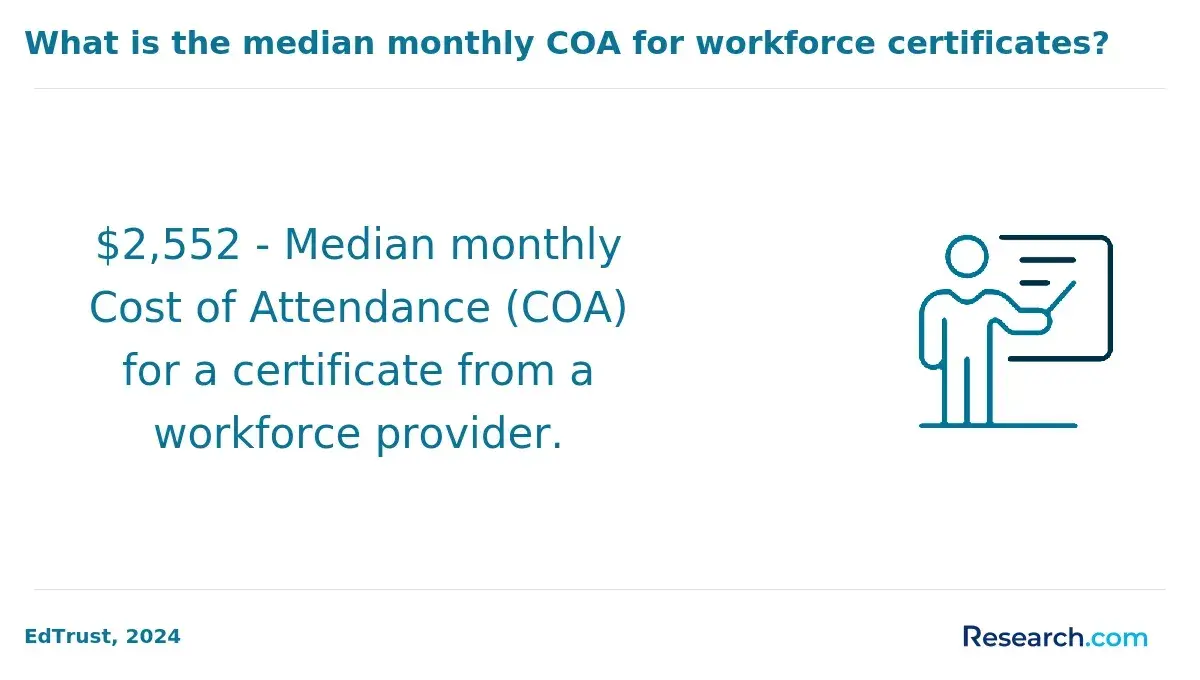
Adults over 30 pursuing a game art & design degree encounter multiple challenges that can disrupt their educational journey-challenges well documented by research from the Bill & Melinda Gates Foundation and Complete College America. These obstacles frequently lead to stop-out patterns among this demographic but remain manageable with the right support.
- Time Constraints: Managing the demands of full-time work, parenting, and household responsibilities often leaves minimal time for studies. This balancing act slows progress but can be eased with flexible course options and effective time management strategies.
- Financial Pressures: Older students face tuition costs without access to many age-specific scholarships and often juggle existing financial commitments like mortgages or dependents, creating additional strain on educational funding.
- Technology Gaps: Rapid technological changes in software and hardware for game art & design may overwhelm those returning after a break from academics or the tech world. However, structured training and mentoring typically alleviate this initial hurdle.
- Imposter Syndrome: Doubting skills and feeling out of place is common among adult learners comparing themselves to younger peers, despite their valuable life experience and discipline.
- Academic Bureaucracy: Complex processes such as enrollment, credit transfers, and financial aid applications can be confusing for those unfamiliar with current institutional systems, but these issues improve with proper advising and resource access.
Most adult learners face at least two or three of these challenges simultaneously, which normalizes their experience and helps reduce self-doubt while fostering persistence in their degree path.
One professional who enrolled in a game art & design bachelor's program after 30 shared that balancing family life and coursework was initially "overwhelming," especially when unexpected work hours disrupted study plans. He recalled moments of self-doubt early on but found peer support crucial, noting that "seeing others juggling the same obstacles made me realize I wasn't alone." Navigating the technical tools also tested his patience, but gradually mastering new software gave him confidence. He emphasized the importance of accessible advising, mentioning that guidance on credit transfers saved him time and money. Despite the setbacks, he described completing the degree as "one of the most rewarding challenges I've ever taken on."
What Types of Game Art & Design Bachelor's Degree Programs Are Best Suited for Adults Over 30?
Adults seeking flexible game art and design bachelor's degrees for adult learners can choose from various program structures designed to fit diverse lifestyles and commitments. Each format offers a unique approach to balancing education with work and family responsibilities.
- Fully Online: Suited for those needing complete schedule freedom, these programs allow coursework to be completed anytime from any location. Institutions like WGU and Arizona State Online have developed strong online platforms with specialized tools tailored to game art and design students. Residency demands are minimal or absent, enhancing accessibility.
- Hybrid: These programs blend online learning with occasional on-campus or live virtual sessions. This format supports adult learners who appreciate some personal interaction while maintaining a flexible study routine. Limited residency encourages engagement without overwhelming time commitments.
- Evening and Weekend On-Campus: Ideal for full-time workers, this format delivers traditional face-to-face classes outside normal working hours. It offers real-time access to campus labs and resources, though its fixed schedule may be less adaptable than online alternatives.
- Competency-Based Education (CBE): CBE facilitates progress by demonstrating mastery rather than time spent in class, appealing particularly to veterans and transfer students with prior related experience. This can significantly shorten time-to-degree completion when prior learning is credited.
- Accelerated Cohort Models: Designed for motivated learners, these structured, fast-paced tracks have students advance together as a group. While demanding, they enable adults to finish degrees quickly and usually include strong support systems. For those interested, programs like an MBA in 6 months illustrate the growing popularity of accelerated formats.
How Long Does It Take to Earn a Game Art & Design Bachelor's Degree After 30?
Adults over 30 pursuing a game art & design bachelor's degree often find completion times vary widely based on enrollment status and credit recognition. Full-time students generally finish within four to five years, while part-time learners, balancing other commitments, may take six to eight years. Prior learning credit through PLA, CLEP exams, and military service can reduce this timeline by one to two years, allowing experienced students to bypass introductory courses and focus on advanced topics.
Accelerated programs tailored to adult learners offer condensed terms and year-round classes, often available online to fit diverse schedules. Choosing the right combination of enrollment intensity and credit transfer options requires assessing personal availability, prior credits, and graduation goals to create a realistic timeline. Recent data reveals that 38% of adult undergraduates utilize some form of prior learning credit, reflecting growing acceptance of nontraditional educational achievements.
- Enrollment Intensity: Full-time students typically complete their degree in four to five years, while part-time study extends the timeline to six to eight years due to external demands.
- Prior Learning Credit: Recognition of military experience, industry certifications, and CLEP exams can significantly reduce required course load and accelerate graduation.
- Accelerated Programs: Many institutions offer flexible, fast-track options designed for adults, including online courses and condensed semesters to suit busy lifestyles.
- Personalized Planning: Evaluating existing credits, weekly availability, and target graduation dates helps learners select the best path for timely completion.
- Growing Trends: Over one-third of adult learners now leverage prior credits, highlighting increased support for diverse educational experiences.
When asked about her journey, a professional who earned her game art & design bachelor's degree after 30 shared how prior credits and flexible schedules made a difference. She recalled juggling family obligations and a part-time job while navigating PLA assessments and transfer credits. Despite occasional setbacks, the ability to test out of foundational courses saved her considerable time. Reflecting on the process, she emphasized how customized pacing and supportive programs helped maintain motivation and eventually led to a rewarding career in the industry.
How Can Adults Over 30 Pay for a Game Art & Design Bachelor's Degree?
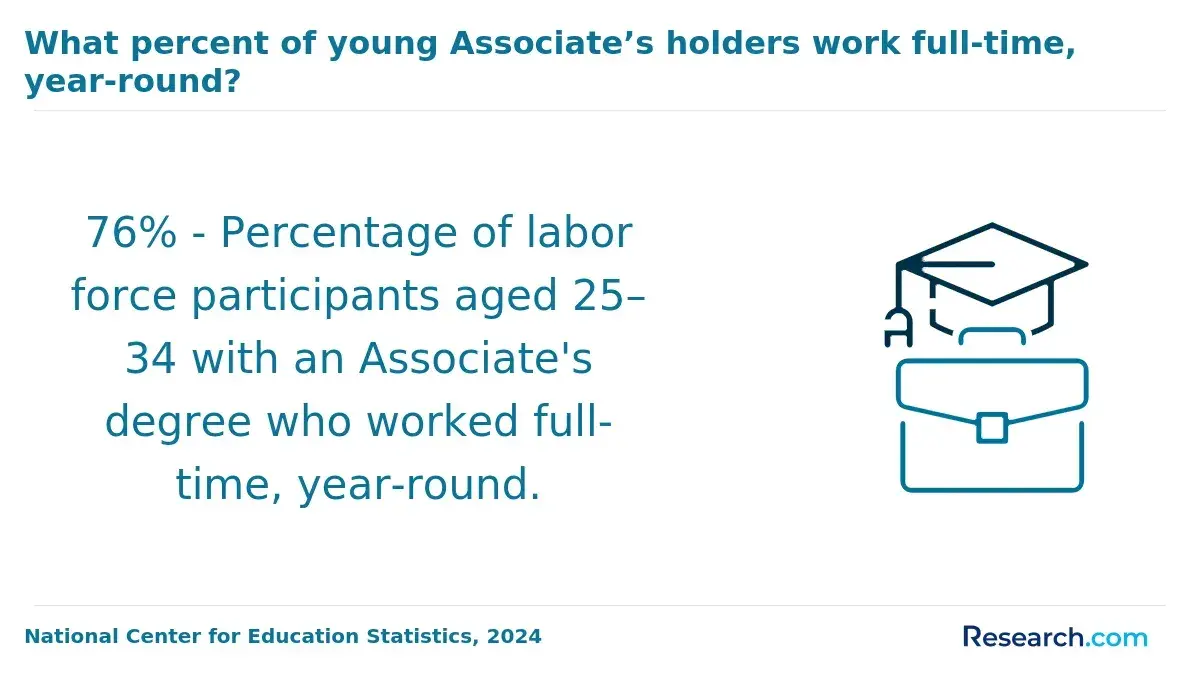
Federal financial aid remains accessible to adults pursuing a game art & design bachelor's degree, regardless of age. Completing the FAFSA annually is essential, as eligibility hinges on financial need and federal standards. Data from the Federal Student Aid office highlights that adult learners form a large segment of Pell Grant recipients, dispelling the misconception that aid is reserved for traditional-age students.
- Federal Financial Aid: Offers Pell Grants without repayment obligations and subsidized or unsubsidized loans featuring lower interest rates than private loans, easing overall education costs.
- Employer Tuition Assistance: Many employers reimburse tuition expenses for employees obtaining degrees relevant to their job roles, such as game art & design. Consulting your HR office can clarify available programs and eligibility.
- State Adult Learner Grants: Several states provide grants or scholarships catering to adults returning to education, supplementing federal aid. Availability and amounts vary significantly, so local research is recommended.
- Professional Association Scholarships: Industry groups like game developer networks, guilds, and digital arts societies often grant scholarships aimed at emerging talent in game art & design.
- Income-Share Agreements (ISAs): A newer financing model where tuition payments are delayed in exchange for a fraction of future income over a set timeframe-prospective students should review terms carefully before committing.
Online programs typically offer lower tuition fees and reduce costs related to transportation and on-campus housing, making them attractive for adult students balancing other responsibilities. Public universities generally provide more affordable tuition than private institutions, particularly for in-state attendees.
Before borrowing, adults should follow a checklist: submit FAFSA early, investigate employer assistance, seek out state and professional scholarships, and compare program expenses thoroughly. Recent trends indicate growing enrollment of adults in online game art & design degrees, reflecting a rising demand for flexible education formats tailored to working learners.
Will Employers Respect a Game Art & Design Bachelor's Degree Earned After 30?
Employers hiring for game art & design roles frequently value candidates who earn their bachelor's degree after age 30 just as highly as those who graduate earlier-especially when the degree is from a regionally accredited institution. Survey data from the Society for Human Resource Management (SHRM) and the National Association of Colleges and Employers (NACE) highlight that skills and credentials outweigh concerns about age or the duration taken to complete the degree.
- Professional Maturity: Adult learners often bring enhanced workplace maturity and real-world experience, which employers recognize as strengths contributing to better teamwork and problem-solving.
- Credential Importance: Many game studios, animation companies, and interactive media firms require a bachelor's degree as a minimum qualification.
- In these creative industries, the degree serves as a non-negotiable employment threshold, regardless of when it was earned.
- Resume Focus: Employers consider the degree itself the key credential, not the graduate's age or time-to-completion. Resumes and verification processes do not reveal these details.
- Industry Trend: According to LinkedIn Workforce Insights, hires aged 30 and above have grown significantly in digital creative fields like game art & design-reflecting rising acceptance of adult learners.
This data suggests that pursuing a bachelor's degree in game art & design after 30 is a valid investment. Hiring managers value the persistence and practical perspectives adult learners contribute alongside their formal education.
How Does Prior Work Experience Factor Into a Game Art & Design Bachelor's Degree Program After 30?
Prior work experience plays a crucial role for adult learners pursuing a game art & design bachelor's degree after 30, especially for accelerating degree completion through academic credit. Institutions offering credit for professional experience in game art & design bachelor's degree programs acknowledge that careers in creative, technical, or project management roles related to game design and digital media often reflect college-level competencies.
Mechanisms for converting professional experience into credit include:
- Prior Learning Assessment (PLA): This process evaluates real-world experience by reviewing portfolios, interviews, or challenge exams, allowing students to present work samples and project documentation as proof of specific course mastery. Certain art and tech universities with strong PLA programs can award between 15 and 30 credit hours, which substantially shortens time-to-degree.
- Portfolio Evaluation: Since game art & design is deeply portfolio-driven, submitting a comprehensive, professional portfolio validates practical skills. Admissions and academic advisors often use portfolios to award credits or exempt foundational classes.
- CLEP and DSST Exams: These standardized exams cover topics such as computer science, art history, or business principles, enabling learners to earn credits without traditional coursework.
- ACE-Recommended Credits: The American Council on Education (ACE) assesses professional certifications and military training for academic equivalency. Certifications in software, game development frameworks, or digital media production frequently qualify for credit transfer.
Data from the Council for Adult and Experiential Learning (CAEL) shows adult learners typically earn 15 to 30 credits via PLA, often reducing their degree by one or two semesters. Admissions offices favor applicants who clearly align their prior work experience with program learning outcomes-demonstrating continuous development and connecting professional roles to academic competencies. Adult students should engage with admissions counselors early, request PLA guidelines, and prepare thorough portfolios to turn their experience into an academic asset rather than a gap. Those seeking flexible programs may also explore options like an online MBA without GMAT, which cater to adult learners balancing education with other responsibilities.
What GPA and Admission Requirements Apply to Game Art & Design Bachelor's Programs for Adult Learners?
Admission requirements for game art and design bachelor's degree programs tailored to adult learners often reflect flexibility that acknowledges diverse educational backgrounds and life experience. Schools serving students over 30 frequently adopt rolling or open admissions policies, standing apart from more selective traditional undergraduate programs.
Typically, applicants can expect these key criteria:
- Minimum GPA: Many programs seek a cumulative GPA between 2.0 and 2.5 from any prior college work. Some institutions offer leniency to adult learners returning after an extended absence, especially when implementing open admissions.
- Standardized Test Waivers: Applicants aged 25 and older commonly receive waivers for SAT or ACT requirements, signaling a shift toward evaluating portfolios and practical experience rather than standardized test scores.
- Letters of Recommendation: While not always required, recommendations from employers, mentors, or instructors can enhance an application, particularly when combined with a strong personal statement.
- Personal Statement: Admissions place high value on thoughtful statements explaining motivations, career objectives, and life experiences-key to understanding an adult learner's journey into game art and design.
- Residency and Transfer Credit Policies: Many schools recognize previous college credits and prior learning through portfolio reviews or documented experience. Academic renewal and grade forgiveness policies may ease challenges from past academic performance.
For those with lower GPAs from earlier college attempts, options often include conditional admission pathways requiring demonstration of skills through coursework or portfolios. Adult learners should honestly assess their admissibility and seek programs with explicit support for mature students to find the fastest and most realistic credential path.
Exploring jobs for environmental science majors can also provide insight into alternative career pathways once credentials are earned.
How Do Family and Work Responsibilities Affect Completing a Game Art & Design Degree After 30?
Adult learners over 30 pursuing a game art & design bachelor's degree often struggle to balance academic commitments with caregiving and full-time work obligations. Research from the Institute for Women's Policy Research reveals that child or eldercare responsibilities significantly limit study time and increase stress, contributing to prolonged degree timelines or even withdrawal. Financial pressures tied to employment may stabilize income but complicate managing coursework deadlines.
Effective time management methodologies, such as the Eisenhower Matrix and time-blocking, have proven helpful for adult students juggling education with personal demands. Programs offering asynchronous courses and flexible schedules including evening or weekend classes help learners adapt study plans to their lives. These approaches enable steady academic progress while managing external commitments.
Support from employers-like flexible hours or remote options-further reduces scheduling conflicts, fostering consistent study routines. Family encouragement, including spousal involvement, delivers emotional and practical assistance essential to persistence. Additionally, campus provisions such as childcare services and emergency aid decrease external obstacles that may derail academic success. Adults contemplating enrollment should evaluate their existing support structures and communicate early with institutional adult learner offices to secure necessary resources.
- Time Management Strategies: Frameworks like time-blocking allow prioritization of study alongside work and family roles, improving efficiency.
- Employer Flexibility: Workplace policies that permit adaptable hours or remote work ease balancing education with job demands.
- Family Support Systems: Emotional and logistical help from spouses or relatives strengthens learners' ability to persist.
- Campus Resources: Access to childcare and emergency funds relieves external pressures that could hinder degree completion.
- Proactive Communication: Early engagement with adult learner services ensures tailored assistance and prevents obstacles from escalating.
What Campus and Online Support Services Help Adults Over 30 Succeed in a Game Art & Design Program?
Adults pursuing a game art & design bachelor's degree often balance complex lives, making robust institutional support vital. Research from Complete College America demonstrates that high-intensity advising notably improves completion rates for adult learners by addressing their distinct needs. Similarly, the National Student Clearinghouse reports adults thrive when services accommodate their schedules and backgrounds. When selecting a program, ensure these key supports are in place:
- Dedicated Adult Learner Advisors: Specialists who understand challenges unique to career changers, parents, and veterans provide tailored guidance to help manage academic and life responsibilities.
- Prior Learning Assessment Offices: These offices evaluate your prior job experience, military training, and informal education to grant credit, often shortening the path to graduation.
- Evening and Weekend Tutoring: Flexible tutoring options accommodate working adults' time constraints, delivering essential academic help beyond standard hours.
- Virtual Library Access: Online resources offer 24/7 access to research materials, supporting students who must study outside traditional classroom times.
- Career Services for Career Changers: Dedicated counseling and job placement assist adult learners transitioning into the game art & design industry, improving employment prospects.
- Peer Networks for Non-Traditional Students: Community-building groups reduce isolation by connecting adult students with others who share similar experiences and goals.
Before enrolling, directly inquire about the level of adult learner support offered at each game art & design program you consider. Combine this with academic, advising, and career resources tailored specifically for adults-these are proven predictors of persistence and graduation success for students over 30, enabling confident and well-informed decisions.
What Graduates Say About Getting a Game Art & Design Bachelor's Degree After 30
- Francesca: "Returning to education after 30 was daunting, but the financial support options available made this degree accessible and stress-free. The program's accreditation gave me confidence that my investment was worthwhile and respected in the industry. Now, I'm working as a concept artist at a major studio-something I never thought possible before enrolling."
- Carlo: "What stood out most during my time in the game art & design bachelor's program was how the financial aid combined with a recognized accreditation opened doors I thought were closed to me. The instructors' real-world experience helped me build a strong portfolio that led directly to freelance and full-time roles. Reflecting back, I'm grateful for a program that values both education quality and career preparation so highly."
- Austin: "As someone re-entering the academic world after 30, I appreciated the supportive environment and clear career pathways embedded in the game art & design bachelor's degree. The accreditation assured me that my skills would be marketable, and the financial support options allowed me to focus fully on learning. Today, I'm proud to say I've secured a role in game development that challenges me every day."
Other Things You Should Know About Game Art & Design Degrees
Many institutions offer accelerated game art & design bachelor's programs that cater to adult learners over 30, often reducing the typical time-to-degree. Additionally, some programs provide credit for prior professional experience, military service, or relevant coursework, helping students avoid repeating content and graduate faster. These options are designed to recognize the unique backgrounds of adult learners and facilitate a more efficient path to graduation.
A common misconception is that pursuing a game art & design degree later in life is too late to succeed in this competitive field. Another false belief is that the industry favors only younger talent, overlooking the value of maturity and diverse experiences. In reality, many employers appreciate the professionalism and unique perspectives that adult learners bring, and successful careers in game art & design can begin at any age.
Adults over 30 should select a game art & design program that offers flexible scheduling, such as evening, weekend, or online classes, to accommodate work and family obligations. They should also consider programs that provide credit for prior learning or professional experience to shorten graduation time. Evaluating faculty expertise, industry connections, and internship opportunities is essential to ensure the program aligns with career goals and delivers practical skills.
References
- Game Art - ARTFX https://artfx.school/en/courses/master-game-art/
- Game Design Courses - Urban Arts https://urbanarts.org/gameacademy/
- The Pros (And Cons) of an Art Degree for Video Games https://www.gameindustrycareerguide.com/video-game-art-degree-pros-cons/
- Am I wasting my time with a Games Art degree? https://polycount.com/discussion/99752/am-i-wasting-my-time-with-a-games-art-degree
- Game Art & Design Foundations | 5-Month Online Program | ARC https://arc.academy/programs/start-with-foundations-in-game-art-and-design/
- Online Game Art and Development Degree https://www.snhu.edu/online-degrees/bachelors/ba-in-game-art-and-development
- Navigating The Challenges of Being an Art Student https://the20somethingfiles.com/2026/02/13/navigating-the-challenges-of-being-an-art-student/
- Top 25 Game Design Bachelor's of Fine Arts (BFA) Degree Programs – 2025 College Rankings | Animation Career Review https://www.animationcareerreview.com/articles/top-25-game-design-bachelors-fine-arts-bfa-degree-programs-2025-college-rankings
- Do I really need another bachelor's degree specifically in game art to get hired in a big studio? https://discussions.unity.com/t/do-i-really-need-another-bachelors-degree-specifically-in-game-art-to-get-hired-in-a-big-studio/689807
- Diverse Career Paths for Game Arts Graduates: From Indie Studios to Major Developers https://www.shawnee.edu/blog/career-paths-game-art-degree