2027 Online Accounting Degrees With Long-Term Career Stability in Accounting

Co-Founder and Chief Data Scientist
Facing a demanding work schedule while seeking to switch into accounting often leaves prospective students stuck between career growth and time constraints. The National Center for Education Statistics reports that over 40% of bachelor's degree earners in 2024 enrolled in online programs, highlighting a significant shift toward flexible learning tailored to adult learners balancing multiple responsibilities.
This expansion signals employers' growing acceptance of online credentials, but not all programs deliver equal preparation or long-term stability amid evolving certification standards and technological change.
This article evaluates 2026 online accounting degrees aimed at professionals needing accessible, credible education pathways with enduring career relevance.
Key Things You Should Know
- Accounting degrees correlate with a 7% salary premium over related business fields, yet intensive certification prep delays workforce entry by 1-2 years, raising opportunity costs per BLS 2024 earnings data.
- Employers prioritize candidates with integrated tech proficiency; 68% of hiring managers seek graduates versed in data analytics and automated compliance systems, reshaping curriculum relevance nationally.
- Rising tuition inflation outpaces salary growth for mid-tier programs, pressuring candidates toward accredited online degrees that reduce costs by 30%, but potentially limit networking crucial for advancement.
What is an online accounting degree and how can it support long-term career stability?
Employment prospects for accountants increasingly depend on formal credentials combined with proficiency in updated accounting software, tax legislation, and compliance standards.
An online accounting degree benefits for career growth by offering a flexible path that accommodates working professionals or those shifting from unrelated fields, allowing them to maintain income while qualifying for CPA exam eligibility and promotions.
According to U.S. Bureau of Labor Statistics data, accountants and auditors had a median annual wage of $81,680 in May 2024, with the top 10% earning above $141,420. This income stability is strongly linked to degree attainment, which many online programs provide without disrupting current employment.
When evaluating programs, prospective students should consider:
- Whether curricula reflect current Generally Accepted Accounting Principles (GAAP) and incorporate cloud-based or other modern accounting tools to ensure practical relevance.
- Institutional accreditation aligned with CPA licensing requirements in their target states to avoid credit or credential issues.
- The availability of internships and case-study opportunities that connect theory with workforce demands.
By navigating these criteria carefully, candidates can ensure their investment supports job stability and adaptability amid ongoing regulatory and technological shifts. For a curated overview of flexible options, check out the top online accounting programs.
How do online accounting degrees compare with on-campus programs for quality and flexibility?
Online accounting degrees offer flexibility unmatched by many on-campus programs, particularly benefiting professionals balancing full-time work or family commitments. However, this flexibility often requires students to compensate for the lack of direct access to in-person networking, internships, and faculty mentoring, advantages that remain prominent in traditional settings.
For example, a mid-career professional transitioning to forensic accounting might leverage an online program to maintain employment while acquiring specialized skills, though they must independently pursue virtual connections and experiential opportunities.
The quality of online programs can match on-campus curricula when delivered by accredited institutions, covering essential competencies and licensure preparation. Employers primarily evaluate candidates based on institutional reputation and demonstrable skills, not solely degree format.
The U.S. Bureau of Labor Statistics anticipates a steady 5% growth in employment for accountants and auditors through 2034, translating into approximately 124,200 job openings annually, which indicates ongoing demand for graduates equipped with both theory and practical experience.
Decision-makers assessing online accounting degree quality and flexibility comparison should consider:
- Program accreditation and curriculum rigor
- Availability of student support and career services
- Opportunities for internships and applied learning
- Personal discipline required for remote learning success
Those weighing options might also explore related pathways like a bachelor of project management online to complement accounting expertise in cross-functional roles demanding strategic oversight and operations alignment.
What types of online accounting degrees are available and which level should you choose?
Most employers require at least a bachelor's degree for core accounting roles like financial reporting or tax preparation, and it remains the minimum credential for CPA eligibility. Choosing a bachelor's program online involves balancing cost, ranging from about $27,000 to over $72,000 for the full degree, with the potential return on investment.
An early-career professional in manufacturing, for example, may find that a bachelor's degree suffices initially but limits progression into strategic finance roles without further education.
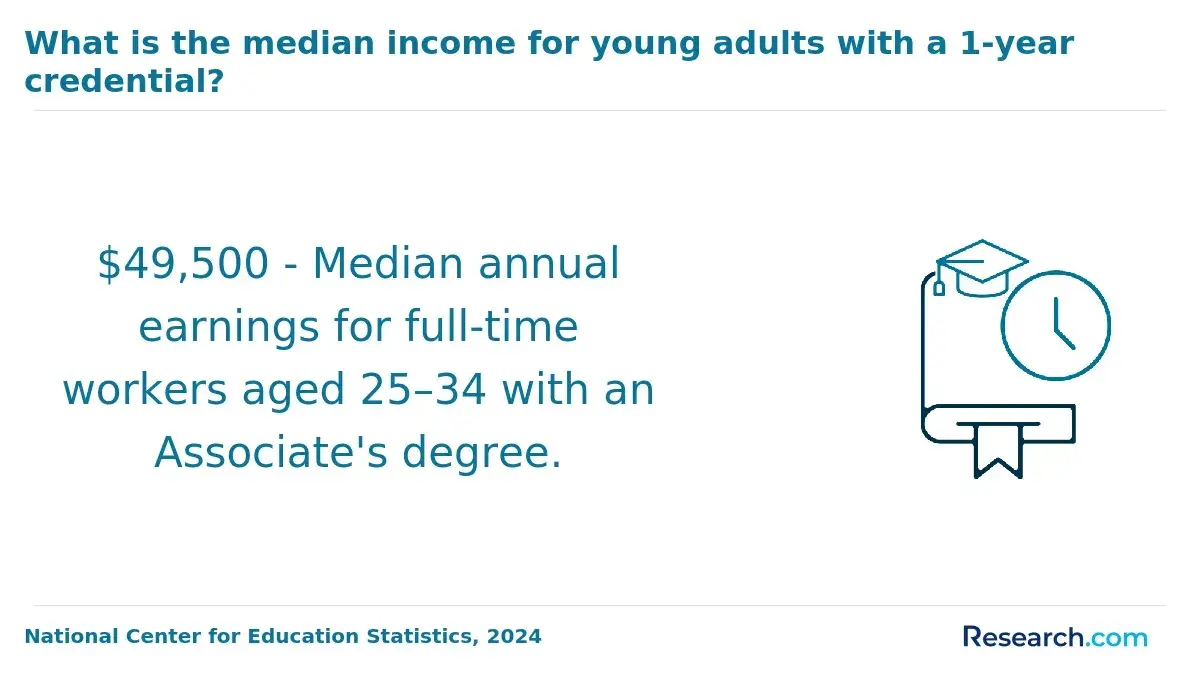
Associate degrees tend to prepare students for entry-level bookkeeping or clerical positions without the depth necessary for management or analyst tracks. In contrast, completing a master's degree in accounting or an MBA with an accounting focus opens doors to senior financial analyst roles, internal audit leadership, and pathways toward Certified Management Accountant (CMA) credentials. Such advanced degrees often meet recruiter expectations in both public accounting and corporate sectors.
Doctoral programs cater primarily to academic or research careers rather than typical industry employment. Program accreditation and embedded CPA exam preparation significantly influence employability and practical readiness. Additionally, virtual internship opportunities within online accounting degree programs increasingly affect hiring decisions.
Cost-conscious students evaluating the best degree level for accounting careers should consider credit-hour expenses alongside program features and workforce outcomes rather than upfront affordability alone. Those exploring alternatives may also review options similar to an online project management degree to expand their skill sets in high-demand areas.
How can you verify that an online accounting program is properly accredited and respected by employers?
Employers recruiting for accounting roles often require degrees from programs with confirmed regional accreditation by agencies acknowledged by the U.S. Department of Education or the Council for Higher Education Accreditation (CHEA). This baseline validation ensures institutions uphold essential academic and operational standards.
More specialized endorsements like the Accreditation Council for Business Schools and Programs (ACBSP) or the Association to Advance Collegiate Schools of Business (AACSB) further confirm that accounting curriculums meet industry expectations and rigorous faculty criteria.
Hiring managers in auditing and corporate finance, in particular, prioritize these credentials due to compliance and risk considerations. Choosing unaccredited or loosely accredited programs can result in exam ineligibility, salary limitations, and prolonged certification timelines.
Real-world verification steps include:
- Cross-checking institutional and program accreditations against official Department of Education and CHEA listings.
- Consulting state CPA boards or accounting professional bodies to verify program eligibility for licensing exams.
- Requesting transparent graduate employment outcomes and employer partnership disclosures.
- Evaluating curriculum alignment with CPA exam standards to maintain relevance amid regulatory changes.
Market data illustrates the practical impact of accredited education on earnings: master's graduates in accounting saw a 17% median starting salary increase to $67,750, while bachelor's graduates gained 11% to $60,834 between 2023 and 2025. For those weighing educational pathways, analyzing trusted online accounting programs with employer approval is vital to navigating career pivots or advancement successfully.
Exploring an online degree business administration can also broaden options through credible, flexible platforms.
What courses and skills do online accounting programs typically include to prepare you for stable careers?
Students pursuing online accounting programs face a pivotal choice: generic training versus specialized expertise. Employers consistently favor candidates with focused skills that align to defined market needs, a distinction that directly affects salary potential and job stability. For example, forensic accounting roles command average salaries of $121,437 annually, while tax management specialists earn around $127,254. These figures demonstrate a clear financial upside to specialization, which generic accounting tracks rarely achieve.
Core courses such as financial accounting, auditing, taxation, managerial accounting, and business law remain essential, but insufficient alone to secure advanced roles. Programs integrating practical experience with accounting software, data analytics, and regulatory compliance better meet employer demands for immediate contribution.
Targeted tracks that include fraud examination, complex tax codes, risk management, and systems auditing cultivate competencies needed to detect financial irregularities or develop optimized tax strategies. These specializations cater to industries like financial services, government auditing, and nonprofits, where compliance and transparent decision-making are non-negotiable.
Beyond technical skills, effective communication and ethical judgment are vital for client-facing and compliance roles. Students should critically assess programs for embedded internships or firm partnerships that connect theoretical learning with workplace realities, greatly improving employment outcomes.
Choosing programs without this depth and applied focus risks long-term career stagnation amid a labor market increasingly favoring adaptability and specialized expertise in accounting.
What are the typical admission requirements and application steps for online accounting degrees?
Admission to online accounting degrees typically requires a high school diploma or GED, but the practical hurdle is meeting GPA thresholds (often 2.5 to 3.0) that signal capacity for technical coursework. Institutions expect official transcripts. Some bachelor's programs still ask for SAT or ACT scores. Graduate programs often require an undergraduate accounting or related degree and prerequisite courses in finance or statistics, underscoring the need for foundational quantitative skills.
Application processes blend academic and professional documentation: online forms, transcripts, recommendation letters, and a statement of purpose are standard.
Additional elements like resumes or evidence of relevant work experience are common in accelerated or executive-style programs aimed at professionals seeking expedited credentialing. Early attention to financial aid paperwork and application fees is necessary to avoid administrative delays.
The decline in entry-level bookkeeping roles by approximately 6% over the coming decade forces applicants to emphasize analytical aptitude and software proficiency, including Excel and introductory programming. Employers increasingly expect candidates to demonstrate adaptability to automation trends affecting the accounting sector.
Applicants should prepare for digital competency assessments and virtual interviews, reflecting the tech-driven nature of online education and modern accounting work. Balancing credential verification with demonstrating technology fluency is not optional. It directly impacts employability in a market shifting toward data analytics and AI-augmented roles.
How long do online accounting degrees take, and what do they cost from start to finish?
Choosing an online accounting degree requires balancing program length, cost, and workforce timelines. Traditional bachelor's degrees typically span four years for full-time students, but accelerated tracks can shorten this by up to a year, potentially reducing tuition by $15,000.
However, this compression may limit students' ability to balance study and work, risking lower exam performance and burnout. Conversely, part-time study over five years increases overall expenses and delays entry into higher-paying roles but suits working professionals needing flexibility.
Tuition costs for a full online bachelor's in accounting generally range from $20,000 to $60,000, excluding materials like textbooks or software. These figures reflect the total investment required before entering roles that demand proven competency and certification.
Employers expect a mix of accounting principles mastery, relevant certifications such as CPA, and hands-on experience, meaning graduates should plan for additional time and financial outlay beyond degree completion.
Financial managers, with a median salary of $161,700 and 17% job growth projected, represent a common senior role accessible post-degree, while financial examiners earn around $90,400 with a 21% growth forecast. The pace and affordability of the degree directly affect students' return on investment and readiness for these competitive finance positions.
What accounting careers can you pursue with an online degree, and which roles offer the most stability?
Long-term job stability in accounting largely depends on credentialing and the nature of the role. Positions such as certified public accountant (CPA), auditor, and financial controller consistently demonstrate resilience due to regulatory requirements and fiduciary responsibilities. For instance, a CPA working in public accounting handles tax compliance and audits, roles that persist despite economic shifts or automation pressures.
Credentialing through CPA licensure involves meeting specific education and experience requirements, which many accredited online programs can support if they align with state board criteria. Employers in public accounting prioritize candidates with strong technical skills, often expecting practical knowledge in tax software and financial reporting gained through focused coursework.
Industry trends confirm sustained demand for accounting professionals, with reports showing firms plan to maintain or increase staffing amidst retirements and talent shortages. However, roles like bookkeeping and clerical accounting face reduced stability as automation replaces routine tasks, while areas such as forensic accounting and financial management still offer strategic opportunities and growth.
Deciding between niches, public accounting, corporate roles, or government auditing, requires evaluating employability factors beyond the degree, including ongoing certifications and specialized skills. Candidates should anticipate continuous professional development beyond the online degree to remain competitive and secure quality employment.
What is the salary potential and job outlook for accounting graduates with online degrees?
An online accounting degree can yield salary potential on par with traditional programs only when paired with specific, demonstrable skills that employers value in practice.
According to the U.S. Bureau of Labor Statistics, accountants and auditors earn a median wage of $77,250 annually, with top professionals surpassing $130,000. Employment growth of 7% through 2032 reflects a rising demand driven not by credentials alone, but by competencies such as data analytics, auditing, and tax preparation.
Employers prioritize these skill sets over whether a degree is earned online or on campus. For example, an online graduate adept at modern accounting software and financial reporting tools will be competitive in both public accounting firms and corporate finance roles.
However, candidates without practical experience or industry certifications like CPA or CMA often face delayed hiring and reduced starting salaries despite similar credentials.
Long-term career progression depends on continuous learning, networking, and certification acquisition to offset lingering biases against online degrees. Entry-level salaries typically range from $55,000 to $65,000 before mid-level roles push compensation above $100,000 within a decade.
How do online accounting degrees align with CPA, CMA, and other professional certification requirements?
Online accounting degrees offer a direct route to meeting the academic requirements for CPA and CMA certifications, but the key challenge lies in aligning programs with the precise standards demanded by certification boards. For CPAs, 150 semester hours including targeted coursework in accounting and business are mandatory, yet not all online programs provide the exact curriculum or supervised experience necessary for licensure in every state.
CMA aspirants gain relevant financial management and business analysis knowledge, but securing two continuous years of qualifying professional experience remains a critical, often difficult, hurdle, especially for mid-career changers.
Employers typically prioritize candidates from programs closely matched to certification norms, which reduces onboarding friction and signals readiness. For example, a finance professional leveraging an online accounting degree to switch industries must proactively arrange internships or mentorships that satisfy experience requirements, frequently through local firms or remote supervisors, highlighting the importance of strategic planning beyond coursework.
Labor statistics show certified accountants earn significantly above average, indicating tangible financial returns from properly aligned degrees. However, failure to verify program accreditation and state acceptance can cause costly licensing delays and limit career mobility.
Prospective students should:
- Verify program accreditation through bodies like AACSB or ACBSP recognized by state boards.
- Confirm coverage of critical subjects such as accounting ethics, auditing, taxation, and business law.
- Develop a plan to obtain supervised work experience early via professional networks or current employment.
- Understand state-specific credentialing nuances affecting coursework and experience validation.
Addressing these factors transforms online accounting degrees into practical stepping stones for certification and workforce integration rather than just academic credentials.
Other Things You Should Know About Accounting
Specialization can enhance employability in niche areas such as forensic accounting or tax preparation, but this limits flexibility if job market demands shift. A broader curriculum offers more adaptable skills, which employers in finance, auditing, and consulting increasingly value. For long-term stability, prioritize programs that blend core accounting fundamentals with elective options, enabling shifts across roles without retraining.
Employer acceptance of fully online accounting degrees has grown, especially since top programs maintain accreditation standards. However, some firms still prefer candidates from hybrid or traditional programs due to perceived rigor and networking opportunities. To offset this, prioritize online degrees that integrate live sessions, cohort models, or internships to demonstrate comparable engagement and practical experience.
Accelerated programs shorten time to degree but increase weekly workload and reduce time for assimilation and networking. This can impact retention of complex accounting concepts and limit opportunities to build professional relationships, which employers value. Standard pacing offers more balanced learning and better preparation for certification exams, making it preferable for students balancing work or seeking long-term career growth.
References
- Understanding the Benefits of Online Accounting Courses Compared to Traditional Classroom Learning - Universal Accounting School https://universalaccountingschool.com/understanding-the-benefits-of-online-accounting-courses-compared-to-traditional-classroom-learning/
- Best Affordable Online Accounting Degrees of 2025 https://www.accounting.com/degrees/accounting/bachelors/most-affordable/
- Accounting Degree Online https://www.maryville.edu/online-programs/bachelors-degrees/accounting/
- 10 Accounting Career Paths You Can Pursue With an Online Degree https://online.hilbert.edu/blog/accounting-career-paths/
- What Jobs Can You Do With an Accounting Degree? - Intuit Blog https://www.intuit.com/blog/life-at-intuit/intuit-experts/accounting-degree/
- Online Bachelor in Accounting | Illinois College https://www.ic.edu/accounting-online
- Real vs Fake Accreditation: How to Check If a College Is Legit? https://www.ieac.org.uk/86-Real-vs-Fake-Accreditation-How-to-Check-If-a-College-Is-Legit-blog.php