2027 Best Online Accounting Programs for Detail-Oriented Professionals

Co-Founder and Chief Data Scientist
Balancing the relentless demands of work, family, and professional development while pursuing an accounting education challenges many detail-oriented professionals. Nearly 45% of current undergraduate and graduate students aged 25 and older opt for online programs, according to the National Center for Education Statistics, showing a clear shift toward flexible learning environments that accommodate adults' complex schedules. This trend mirrors workforce demands for immediate skill application and geographic independence, but not all online accounting programs adapt to these needs with equal rigor or quality. This article evaluates the best online accounting programs tailored to professionals needing precise, adaptable curricula that align with career advancement and certification goals.
Key Things You Should Know
- Programs emphasizing advanced Excel and ERP software skills correlate with 15% faster employer placement, but frequently extend completion times by 20%, requiring careful timing decisions for career changers (Bureau of Labor Statistics 2024).
- Employers increasingly demand demonstrated forensic accounting capabilities, with 62% prioritizing analytical certifications over general degrees, prompting candidates to weigh credential specificity against broad knowledge (AICPA 2024 Workforce Report).
- Cost disparities vary widely: median tuition for accredited online accounting programs rose 8% since 2023, disproportionately impacting mid-career professionals balancing reskilling with income loss (NCES 2024 data).
What are the best online accounting degree programs for detail-oriented professionals right now?
Accounting roles demanding precision expose the shortcomings of programs that prioritize pace over foundational mastery. Graduates from the best online accounting degree programs for detail-oriented professionals must handle complex financial reporting and adhere to strict auditing standards without margin for error, a demand especially acute in public accounting and corporate finance. Programs from regionally accredited institutions that align with CPA exam requirements and emphasize hands-on software training better prepare students for this reality.
Top accredited online accounting programs for meticulous students balance theory and applied skills-incorporating virtual labs that simulate tax preparation or forensic accounting scenarios-to build critical competencies. Students should assess course sequencing attentively; skipping fundamentals to accelerate completion risks skill gaps detrimental in practice. Additionally, embedding soft skills like ethical reasoning and professional communication is essential, given their prominence under client and regulatory scrutiny.
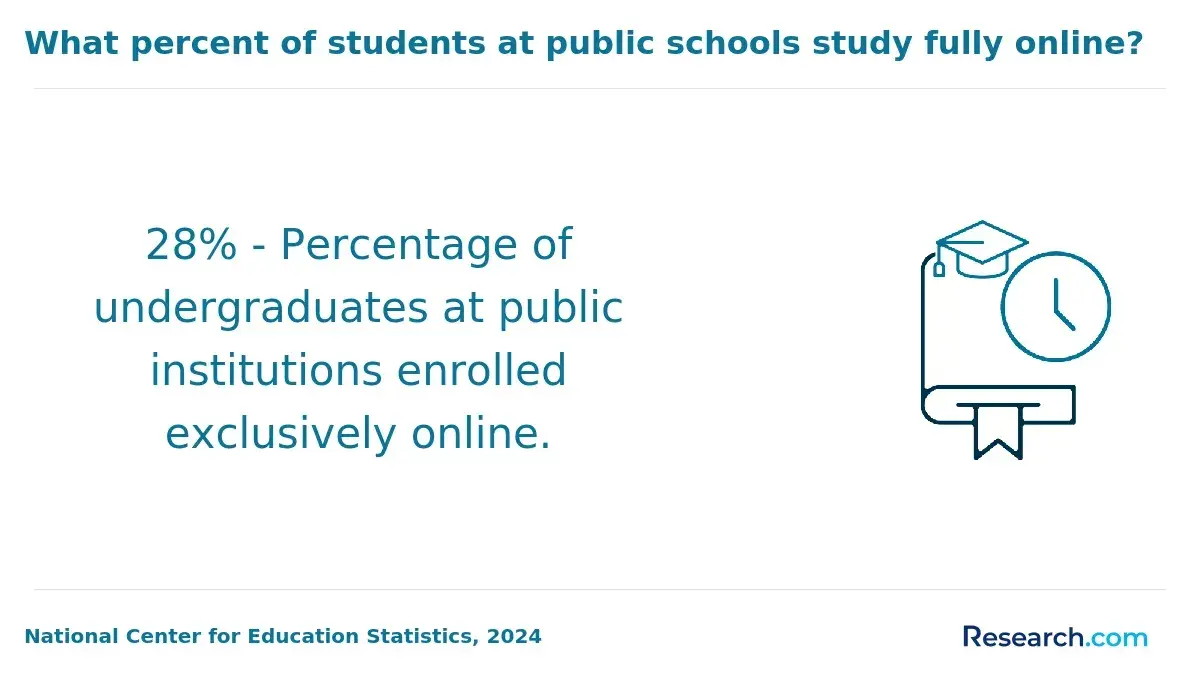
Tradeoffs matter: accelerated programs may suit career changers seeking rapid entry but can limit conceptual depth, increasing the risk of surface-level understanding. Fully online formats must also mitigate distance learning isolation with synchronous support, as 39% of U.S. undergraduates studied exclusively online by fall 2023.
Prospective students exploring accounting pathways should also consider certifications intersecting with broader career options, such as professional coder certification, for diversified workforce opportunities.
How do online accounting degrees compare with on-campus programs in quality and credibility?
Online accounting degree quality comparison reveals that while accredited online programs now rival on-campus offerings in academic rigor and institutional credibility, critical differences persist in experiential learning and networking. Employers emphasize practical skills and certifications over where the degree was obtained, but on-campus students often gain earlier access to internships and face-to-face mentorship-advantages that can accelerate readiness for specialized roles like forensic accounting or corporate auditing.
For working professionals balancing current roles, online degrees provide flexibility and can be equally rigorous when they include synchronous classes and live case studies. However, limited immediate collaboration may slow skill acquisition in client-facing or regulatory-heavy sectors such as public accounting or government agencies. Choosing between formats requires assessing proximity to employer networks, faculty with industry connections, and hands-on opportunities.
Employers consistently prioritize graduates demonstrating mastery of accounting software and regulatory standards, irrespective of program delivery. The U.S. Bureau of Labor Statistics projects a steady 4% growth in accountant and auditor roles through 2032, with approximately 126,500 annual openings due to growth and replacements, emphasizing that practical, validated skills outweigh diploma origin.
Prospective students should confirm both regional and specialized accreditation and seek programs offering CPA support and direct industry engagement to mitigate gaps common in online environments. For insights beyond accounting, consider resources detailing the best construction management schools.
Credibility of online versus on-campus accounting programs ultimately hinges on demonstrated competencies aligned with employer expectations rather than modality alone.
What types of online accounting degrees can you earn, from certificates to master's?
Choosing among the types of online accounting degrees available requires weighing practical employment outcomes against educational investments. Certificates serve those pursuing entry-level clerical roles or specialization in areas like bookkeeping or tax preparation but lack the depth needed for CPA eligibility or advanced analysis positions.
Associate degrees typically take two years and provide foundational accounting principles and software skills, yet they often restrict upward mobility in finance roles where a bachelor's degree is the standard minimum. Bachelor's degrees, central in accounting career trajectories, combine rigorous study in taxation, auditing, and financial accounting, qualifying graduates for the CPA exam and positions demanding analytical and regulatory competence. Median wages at $80,440-with top-tier professionals earning over $141,860-reflect this credential's labor market advantage.
Master's programs in online accounting certificate and master's programs offer specialization, including forensic accounting and accounting information systems, preparing candidates for leadership or compliance-intensive roles in sectors like healthcare or government. The extensive time and cost commitment here requires clear alignment with mid- to senior-level career goals to justify return on investment.
For individuals analyzing strategic educational pathways, practical considerations include job function-specific degree requirements. Clerical positions often rely on certificates or associates, while core accounting and financial analysis demand a bachelor's, and complex strategic roles prefer master's degrees.
For related insights into program affordability and structure, consider exploring the online construction management degree as a parallel example of online specialization pathways.
How can you verify that an online accounting program is properly accredited and respected?
Choosing an online accounting program without verifying accreditation can lead to significant setbacks, including wasted tuition on courses that don't meet CPA licensing requirements or employer expectations. Verifying accredited online accounting programs means confirming both regional accreditation and specialized recognition from bodies such as the AACSB, ACBSP, or IACBE. Regional accreditation affects transferability of credits, eligibility for financial aid, and general employer recognition, while specialized accreditation signals rigorous curricular standards aligned with professional benchmarks.
Prospective students should actively check the reputation of online accounting schools through resources like the U.S. Department of Education's Database of Accredited Postsecondary Institutions and the National Association of State Boards of Accountancy (NASBA). This research ensures the program meets specific state CPA exam prerequisites and avoids costly course redundancies or certification delays.
Programs with current accreditation also correlate with higher CPA exam pass rates and better employer feedback. For example, professionals shifting into forensic accounting depend on trusted foundational coursework to be credible in their roles; lacking proper accreditation can erode that trust. Median earnings data from the Georgetown University Center on Education and the Workforce show bachelor's degree holders in accounting outperform general business graduates by 8-10%, with similar debt burdens, reinforcing the practical advantage of recognized programs.
For those also considering adjacent fields, exploring online health information management programs CAHIIM accredited can offer parallel insights into accreditation and workforce alignment.
What coursework and skills do online accounting programs typically include and emphasize?
Online accounting programs must do more than teach bookkeeping; they need to deliver skills employers demand: proficiency in QuickBooks, Excel analytics, and ERP platforms, combined with a strong grasp of auditing and compliance to mitigate fraud risks. Graduates are expected to navigate complex regulatory environments and contribute to data-driven financial decisions immediately.
Graduates entering different sectors illustrate varied emphasis areas. For instance, someone in healthcare finance applies managerial accounting to optimize constrained budgets under strict oversight, while auditors rely heavily on internal controls and expansive auditing standards. Taxation coursework connecting federal and state codes to real-world corporate finance demands helps graduates function independently or within teams tackling tax strategy and compliance.
Key hiring realities underscore the importance of time management and self-discipline for online learners balancing coursework with work or family commitments, a necessity for thriving in remote or hybrid roles.
Practical communication skills for interpreting financial data and presenting findings to stakeholders significantly amplify a graduate's value beyond technical ability. This mix of software competency, ethical training, and analytical knowledge prepares students for the evolving digital landscape of finance departments and public practice.
Concordia University-St. Paul's online BS in accounting charges $420 per credit, with graduates earning an average of $46,000 annually six years post-enrollment, highlighting an accessible cost-to-outcome balance important for professionals considering reskilling.
What are the admission requirements and application materials for online accounting programs?
Admission to online accounting programs hinges on meeting precise academic and experiential benchmarks that directly impact student progression and workforce readiness. Applicants typically must provide transcripts evidencing a GPA between 2.5 and 3.0, ensuring sufficient quantitative aptitude for rigorous accounting coursework. Missing foundational coursework or skill gaps often translate into remedial classes that extend time to degree completion and delay eligibility for CPA licensure.
Standardized test scores such as the SAT or ACT remain a requirement unless waived for candidates with substantial professional experience or prior relevant education. Working professionals pivoting into accounting may substitute documented experience or certifications for some academic prerequisites, though this varies by program and limits early access to advanced courses. For international students, proving English proficiency through TOEFL or IELTS scores and obtaining credential evaluations add layers of complexity and potential delay.
Applications also require essays articulating career objectives, which admissions use to gauge genuine motivation and communication skills-factors critical to success in online learning environments. Letters of recommendation, while not universally mandatory, enhance applications by validating quantitative and analytical competencies from credible referees.
Given that top online bachelor's accounting programs often match or exceed the CPA exam pass rates of traditional campuses (according to Accounting.com's 2026 data), aligning strictly with admissions criteria is essential for accessing programs designed to meet employer expectations and minimize extended timelines caused by remedial coursework or incomplete prerequisites.
How long do online accounting degrees take, and what do they typically cost to complete?
Choosing an online accounting degree requires weighing time, cost, and the evolving demands of the profession, especially around technology integration. Associate degrees typically require around two years; bachelor's degrees span about four years but can be accelerated to three or fewer, which favors working professionals needing flexible pacing. Master's programs, like the MAcc, usually take one to two years depending on curriculum intensity and delivery format.
Cost varies significantly: public, in-state bachelor's programs often range from $15,000 to $40,000, while private or out-of-state options may exceed $90,000. Master's programs cost between $20,000 and $60,000. Prospective students should closely assess available financial aid and employer tuition support as these can substantially reduce net expense.
Employers increasingly expect accounting graduates to possess data analytics skills, familiarity with ERP systems, and advanced Excel. For example, Arizona State University's online MAcc reflects industry priorities by including these competencies, demonstrating how specialization often lengthens study time and increases costs but can enhance job readiness.
Decisions to prioritize accelerated completion versus comprehensive, tech-focused training carry consequences for employability in competitive sectors like financial services and healthcare. Balancing faster graduation against depth of expertise is a critical tradeoff professionals must evaluate to align education with market realities.
What accounting careers can an online degree prepare you for, and what are their duties?
Online accounting degrees diverge significantly in outcome depending on specialization and practical focus, which directly affects employability and salary potential. Public accountants juggle tax filings, financial reporting, and consulting across complex sectors like healthcare or manufacturing, where regulatory demands shape their daily responsibilities. Conversely, management accountants concentrate on cost control, budget strategy, and operational decision support within businesses or nonprofits, requiring a grasp of enterprise resource planning. This distinction matters when selecting a program, as auditors prioritize internal control standards and risk assessment skills critical to sectors such as banking or government oversight.
Financial analysts leverage accounting data to forecast economic trends, blending market insight with accounting rigor, while tax examiners require deep, up-to-date regulatory knowledge to navigate shifting tax laws. These role-specific emphases underline why course content-such as cost accounting versus internal auditing-should align with career trajectory.
Data from BestColleges' 2026 profile shows accelerated online degree graduates, like those from Concordia University-St. Paul, average $46,000 six years after enrollment, reflecting how remote education can sustain income growth despite adult learners' work-study balance challenges.
Key factors to consider include program accreditation that ensures CPA exam readiness and meaningful internships since real-world scenarios differ notably between industries like construction and finance, shaping the applied skills graduates need.
- Different accounting careers require tailored training due to varied regulatory and operational demands.
- Accreditation and CPA exam focus critically impact employability in specialized accounting roles.
- Online programs offer flexibility but require balancing professional experience with academic rigor.
What salary ranges and job outlook can online accounting graduates expect in the U.S.?
Starting salaries for online accounting graduates in the U.S. typically range from $55,000 to $70,000, influenced heavily by sector and location. Mid-career professionals often earn between $75,000 and $95,000, with the top earners exceeding $130,000 annually, according to U.S. Bureau of Labor Statistics data from 2024. Those entering public accounting might see higher initial pay but must weigh the impact of longer hours against corporate or government roles that offer steadier work-life balance but lower starting salaries.
Hiring managers prioritize accredited degrees and CPA eligibility over whether a degree was earned online or on campus. Choosing programs accredited by recognized bodies like AACSB or ACBSP is critical to maintaining competitive hiring prospects. For mid-career pivots or advancement, securing CPA certification is often essential, as non-CPA corporate accountants may start near $60,000 but can boost their salaries beyond $90,000 within five years of certification.
Job growth in accounting is projected at 7% from 2024 to 2034, mirroring average occupational growth but underscoring steady demand across financial compliance and audit fields. Geographic considerations matter: metropolitan hubs such as New York and San Francisco offer salaries 15-25% above national averages, balancing higher living costs with greater demand.
Do online accounting degrees meet CPA and other professional certification requirements?
Online accounting degrees can meet CPA and other certification requirements only when carefully aligned with regional accreditation and state-specific educational prerequisites. A common pitfall is students enrolling in programs lacking the mandatory 150 semester hours or insufficient depth in audit, taxation, and business law-core subjects explicitly tested in the Uniform CPA Examination. Differences among states on required internships or supervised experience create further complexity; some mandate in-person practicals that remote programs cannot substitute, potentially delaying licensure.
Professionals aiming for the CPA or CMA need programs with direct advising and credential-focused pathways to avoid extended post-graduation coursework. Without such support, candidates face fragmented compliance tracking and unexpected ethics or business content supplements, aggravating time and cost.
Market demand increasingly favors accountants with robust analytical and technology expertise as automation reduces routine tasks. Online degrees emphasizing analytics and automation reflect this shift, equipping candidates with skills more directly transferable to emerging roles blending accounting and data analysis.
Not all online credentials hold equal employer credibility. Degrees integrating accredited coursework with exam preparation and recognized software training reduce barriers to employment, whereas poorly structured programs risk necessitating costly re-education. Success depends on proactive management of experiential requirements and choosing curricula responsive to evolving certification content.
Other Things You Should Know About Accounting
Online accounting programs demand strong time management as asynchronous learning can create inconsistent study patterns. Students must navigate complex topics like tax regulations and audit procedures without immediate access to traditional classroom support. Prioritizing programs with structured deadlines and accessible faculty improves outcomes, especially for professionals balancing work and study.
Detail orientation paired with advanced technical skills like Excel modeling, ERP system familiarity, and data analytics is highly valued. Online programs that integrate practical case studies and real-world software training better prepare students for employer expectations. Candidates should prioritize programs offering updated curriculum reflecting current industry tools and regulatory environments.
Online degrees offer cost and flexibility advantages, but their return hinges on employer recognition and individual career goals. For those targeting CPA licensure or managerial roles, choosing programs aligned with certification requirements and offering networking opportunities enhances advancement chances. Candidates focused on skill acquisition and practical application gain the most from an online path when combined with relevant work experience.
References
- Understanding Finance and Accounting Salaries: A Comprehensive Guide for Job Seekers % https://www.boutiquerecruiting.com/blog/understanding-finance-and-accounting-salaries-a-comprehensive-guide-for-job-seekers/
- Online Accounting Degree | University of Phoenix https://www.phoenix.edu/online-business-degrees/accounting-bachelors-degree.html
- Best Affordable Online Accounting Degrees of 2025 https://www.accounting.com/degrees/accounting/bachelors/most-affordable/
- Accounting https://studynext.com/my/courses/business-and-management/accounting
- How to become a CPA without a degree in accounting: The non-traditional CPA Exam candidate https://www.becker.com/blog/cpa/setting-expectations-for-the-non-traditional-cpa-exam-candidate
- Accreditation Office Hours https://acbsp.org/
- Online Accounting Degrees: How to Choose a Program That Can Boost Your Career https://money.com/online-accounting-degrees/
- Accounting Major Online Degree | SUNY Plattsburgh https://www.plattsburgh.edu/programs/accounting-major-online.html
- What Is College Accreditation? How to Check If a School Is Legit https://abound.college/finishcollege/advice/accreditation-why-is-it-so-important/
- The Ultimate Guide to Accreditation for Master’s Students https://www.onlinemastersdegrees.org/student-resources/graduate-school-accreditation/