2027 Accounting Specializations for Corporate Accounting Careers

Co-Founder and Chief Data Scientist
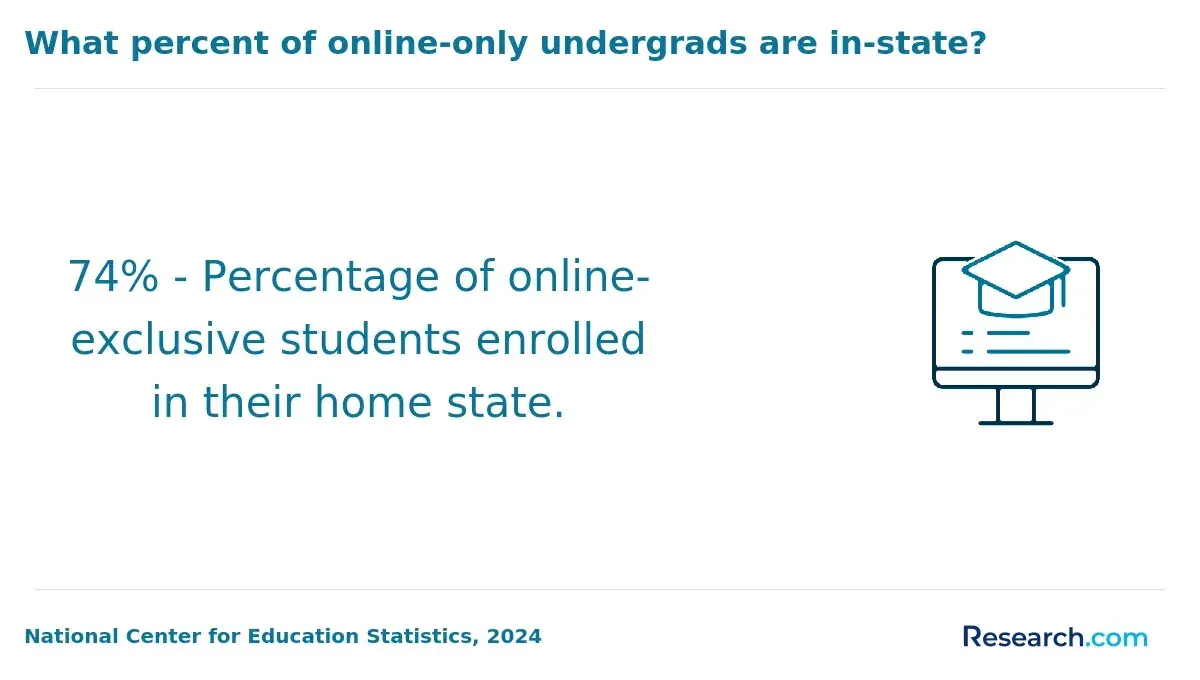
Mid-career professionals seeking to specialize in corporate accounting often confront a fragmented education landscape that complicates timely credentialing and skill alignment. The National Center for Education Statistics reports a 42% surge in online accounting enrollments since 2022, signaling shifting learner preferences toward flexible pathways.
Yet, this growth masks uneven employer recognition of specializations and program rigor, forcing candidates to balance accessibility against long-term credibility. Navigating these trade-offs requires granular understanding of specialization focus areas, graduation timelines, and workforce demand.
This article provides a targeted overview of current accounting specializations geared to corporate roles, evaluating their practical value, enrollment options, and career impact to guide informed decisions for career advancement.
Key Things You Should Know
- Specializing in forensic accounting correlates with a 23% higher median salary but demands at least two additional years of certification preparation, creating significant upfront time and financial investments according to BLS 2024 data.
- Employers prioritize candidates with expertise in data analytics applications within accounting, as 68% of corporate finance roles now require proficiency in AI-driven tools, driving workforce shifts toward hybrid technical-accounting skillsets (Deloitte 2024 report).
- Risk management accounting offers rapid market entry due to fewer credential barriers but trades off long-term advancement potential, with C-suite roles filled 45% less frequently by candidates from this path, based on national executive recruitment analytics.
What are accounting specializations for corporate accounting careers?
Specializing within corporate accounting shapes not only the skillset but also the trajectory and market valuation of professionals navigating this sector. For example, financial accountants focus on regulatory compliance and investor information via precise financial statement preparation, offering common career mobility across industries.
In contrast, specialties like forensic accounting, critical in sectors prone to fraud such as insurance or public utilities, require deep niche expertise reinforced by continual professional education.
Among key accounting specializations for corporate finance roles, managerial accounting plays a strategic internal support role, overseeing budgeting and cost control, particularly vital in manufacturing or retail environments where operational decisions tie directly to profitability metrics. Tax accountants operate within dynamic compliance frameworks, adapting to corporate size and legal structure variability with consequences for tax strategy and planning.
The U.S. Bureau of Labor Statistics data highlight a median annual wage of about $92,000 for accountants and auditors in corporate management, exceeding the broader occupation average by roughly $10,000, which quantifies employer preference for accounting functions closely aligned with governance and decision-making.
Prospective professionals should consider the tradeoff between specialization depth and versatility, weighing certification demands such as CPA or CMA credentials against industry-specific demands.
Evaluating corporate accounting specialization areas for career growth additionally entails understanding sector-specific hiring patterns and emerging roles, often supported by complementary credentials or education pathways.
For those intending to integrate operational excellence and finance, pursuing an operations management degree can enhance strategic value beyond traditional accounting frameworks.
Which accounting specializations lead to corporate jobs?
Specializations that combine financial planning and analysis (FP&A), managerial accounting, internal auditing, and corporate taxation lead most directly to corporate accounting career paths and specialties. FP&A skills are highly valued since they integrate budgeting, forecasting, and strategic business analytics-qualities rewarded with a compensation premium where FP&A managers often earn 20-30% more than senior accountants, according to the 2024 Robert Half Finance & Accounting Salary Guide.
Employers prioritize professionals who can navigate both accounting detail and financial strategy, making a purely traditional financial accounting focus less competitive in large firms.
Managerial accounting expertise targets sectors requiring operational efficiency and profitability analysis, such as manufacturing and retail, while internal audit specialists address tightened governance and risk management demands.
Corporate taxation specialists serve crucial roles in multinational corporations dealing with complex tax regulations. Candidates gaining proficiency in advanced accounting software and data analytics tools are more likely to secure these roles.
Choosing the right educational path demands awareness of tradeoffs, notably between CPA certification timelines and the broader skill set required for FP&A roles. Practical work experience with analytics and automation tools speeds advancement compared to theoretical knowledge alone.
This nuanced reality means students evaluating options must prioritize programs that integrate technical accounting with business intelligence applications and real-world data competencies.
Those considering a transition or entry into corporate accounting roles should also explore complementary fields, such as a bachelor's in project management, which can provide broader operational skills valued in finance functions. The evolving landscape rewards candidates who align credentials with employer expectations on analytics and strategic insight.
What degree do corporate accounting careers require?
A bachelor's degree in accounting or a closely related field remains the essential entry point for most corporate accounting jobs. However, the degree must prioritize core competencies such as financial reporting, auditing, taxation, and regulatory compliance to meet employer expectations.
Choosing the best degrees for corporate accounting jobs means selecting programs with specialized coursework in corporate finance and tax law, which directly correlate with enhanced employability in complex tax roles within businesses.
Consider the role of a corporate accountant focused on tax compliance in a finance firm: practical knowledge of intricate tax codes and their application to business entities is critical and often demands academic depth beyond basic accounting courses.
Employers expect candidates to supplement education with internships or cooperative programs, making hands-on experience a key determinant in hiring and career trajectory. These real-world exposures help bridge the gap between theory and practice.
Advanced qualifications like graduate degrees or CPA certification substantially affect earnings and responsibilities. For example, tax examiners working primarily with businesses earn a median salary near $61,000, while corporate accountants specializing in tax in finance and insurance often exceed $88,000. This pay disparity underscores how focused education and credentials open doors to higher-paying roles with greater complexity.
Prospective students should:
- Select programs aligned with corporate accounting and taxation frameworks.
- Secure internships to develop applicable, practical skills beyond classroom learning.
- Plan for professional certification to access senior and specialized tax functions.
Additionally, those evaluating related career shifts might explore a project manager degree to complement accounting expertise in leadership roles.
Is online accounting school as credible as campus study?
Online accounting school credibility compared to campus programs hinges on program rigor, accreditation, and the ability to demonstrate practical skills. In large publicly traded corporations, technical competence and certifications outweigh whether a degree was earned online or on campus.
This aligns with findings from the 2024 Institute of Internal Auditors survey showing internal auditors at such firms earn 15-20% more than peers in government or nonprofit sectors. The implication is clear: employers in high-stakes roles value proven hands-on experience and advanced knowledge over educational delivery mode.
Professionals targeting senior roles like chief audit executive, where compensation can top $200,000, require educational pathways offering nuanced accounting theory and applied auditing practice. Many online programs struggle to replicate campus strengths such as hybrid labs or in-person practicums.
Campus study also facilitates direct networking and mentorship, critical factors when competing for elite corporate positions. In contrast, working adults constrained by schedules may find accessible, structured online options more realistic.
Employers in smaller firms or public sector roles emphasize certifications like the CPA exam plus relevant experience, showing less sensitivity to school format. To navigate these nuances strategically, candidates should confirm online curricula meet industry standards and include case-based learning. Supplementing online coursework with internships or part-time roles can strengthen applied skills and professional engagement.
Balancing accessibility with the competitive edge offered by campus networking and experiential learning requires a nuanced approach. For those exploring business administration courses online, especially in accounting, comprehensive program evaluation is essential to align educational investment with career goals and employer expectations.
What accreditation should an accounting program have?
Regional accreditation combined with AACSB recognition remains indispensable for accounting programs targeting serious professional outcomes. Without AACSB, candidates often face difficulties qualifying for roles that demand Certified Public Accountant eligibility or advanced financial analysis expertise, limiting access to higher-tier employer pools.
For example, forensic accounting positions, which command salaries averaging $86,000 and rising to $133,000 in senior roles, typically prioritize graduates from AACSB-accredited programs due to their rigorous integration of fraud examination and applied skill sets. This reflects the practical demand created by the substantial $3.7 trillion annual global fraud loss affecting multiple industries.
Accounting programs lacking AACSB accreditation frequently overemphasize theoretical concepts instead of practical competencies, which complicates direct workforce entry without supplementary credentials like Certified Fraud Examiner (CFE) certification or extensive on-the-job training. Moreover, state boards often require credits from accredited institutions for CPA licensure, making accreditation status a critical factor in career mobility.
Key decision factors include verifying regional accreditation first and AACSB status second to ensure licensing and employer recognition. Candidates specifically aiming for forensic or compliance roles should confirm that curricula encompass contemporary fraud-detection methodologies and hands-on learning components such as internships and case-based analysis.
What courses are in a corporate accounting specialization?
Corporate accounting specializations increasingly require a blend of traditional financial skills and emerging competencies aligned with employer priorities. Core courses remain focused on financial accounting, managerial accounting, tax, auditing, and corporate finance, but demand now strongly favors familiarity with environmental, social, and governance (ESG) reporting.
Job postings for ESG-related roles surged over 140% from 2019 to 2023, emphasizing the need to quantify nonfinancial metrics such as carbon emissions and governance quality.
Technical proficiency in data analytics and enterprise resource planning (ERP) software is another differentiator. Students must be able to efficiently process and interpret complex datasets and automate routine reporting functions, reflecting a shift toward digital fluency in corporate finance roles.
Professional paths vary by industry context: in manufacturing, cost accounting and supply chain financial analysis take precedence, whereas financial services prioritize regulatory compliance and forensic accounting skills. This disparity means students should strategically select electives pertinent to their target sector instead of adopting a broad but shallow approach.
Programs incorporating internships or case-based learning offer tangible advantages by bridging theory with the applied demands of employers. Ultimately, balancing core accounting foundations with ESG and analytics expertise shapes one's competitiveness and employability in this evolving field.
What admission requirements do accounting programs usually ask for?
Admission criteria for accounting programs impose more than baseline academic standards and reflect shifting employer demands, especially regarding technology. Undergraduate entry typically requires a high school diploma with solid math and English skills, a GPA near 2.5 to 3.0, and often SAT or ACT scores, though testing requirements are increasingly waived.
Graduate applicants need relevant bachelor's degrees, transcripts evidencing coursework in finance, statistics, and business, and frequently letters of recommendation and career goal statements.
Applicants lacking business backgrounds face prerequisite courses and placement exams to build necessary foundations. Employers report that candidates without proficiency in ERP systems or data analytics struggle to compete, pressuring programs to demand technological skills or certifications. The automation of roughly 75% of accounting tasks, as noted by Kent State University's 2024 research report, makes data and systems aptitude critical.
Industry-specific needs further complicate admissions; for example, manufacturing roles often require different system expertise than financial services, causing prospective students to assess program alignment with target sectors carefully.
Flexible admission paths acknowledging prior learning or certifications can ease entry for career changers but do not replace fundamental skill requirements. Recognizing these nuances in admissions standards informs realistic appraisals of program rigor and immediate workforce relevance.
How long does an accounting specialization take to finish?
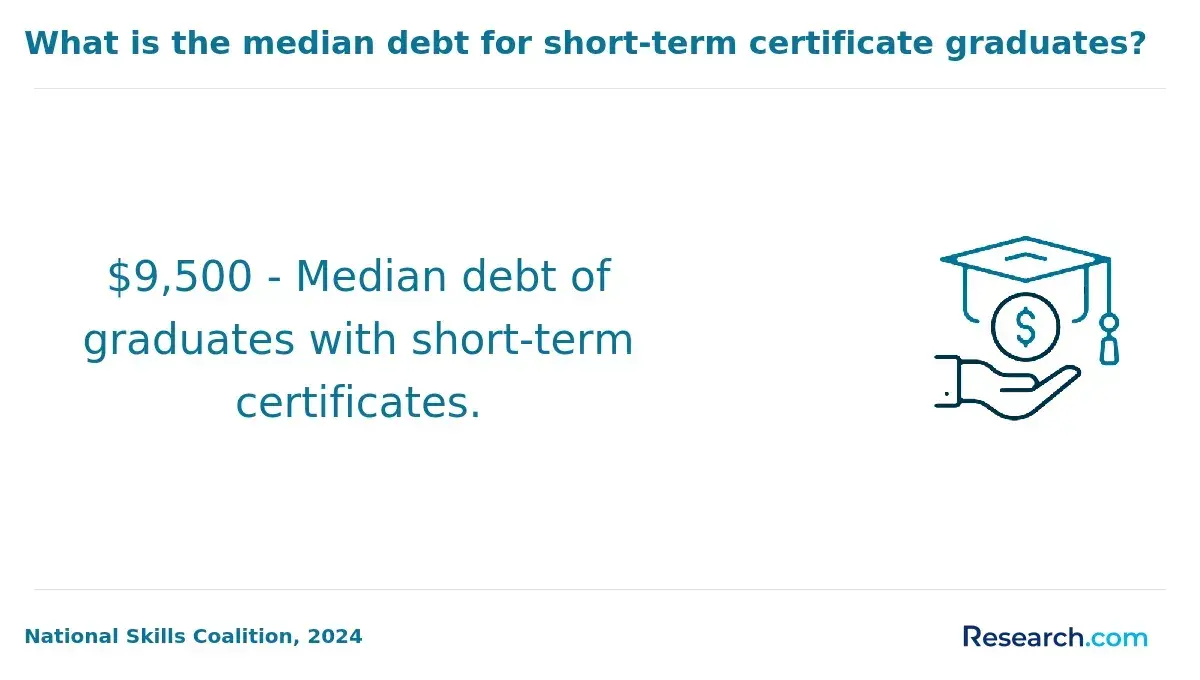
Choosing an accounting specialization demands a strategic balance between program length, market demands, and career objectives. Short-term certificate or diploma programs, typically completed in 12 to 18 months, focus sharply on niche skills like tax or forensic accounting.
This route suits professionals targeting immediate sector-specific roles such as treasury analysts, who benefit from a pronounced market surge with starting salaries rising 7-10% annually and top treasury managers earning into the low- to mid-$200,000 range including bonuses, as noted in the 2024 Robert Half finance and accounting outlook.
More comprehensive specializations embedded within master's degrees or advanced certifications often span 2 to 3 years and prepare candidates for senior corporate positions requiring broad strategic knowledge. These longer commitments require balancing work and education while demonstrating experience, given employer expectations for seasoned professionals alongside credentials.
Programs aligned with industry certifications like Certified Management Accountant (CMA) or Certified Treasury Professional (CTP) extend timelines but enhance employability and salary potential. Candidates must weigh rapid credential acquisition against depth of expertise necessary for evolving corporate accounting functions.
In practice, professionals prioritizing expedited entry into high-demand treasury roles may trade broader mastery for speed, whereas those targeting leadership roles need comprehensive preparation over a longer term. This decision impacts employability, market positioning, and income trajectory.
What jobs can you get with a corporate accounting specialization?
Specializing in corporate accounting directs candidates toward roles deeply embedded in financial strategy and operational resilience, such as cost accountants and internal auditors-positions that have experienced over a 30% demand surge in sectors like manufacturing and logistics due to supply chain shifts and reshoring.
For example, a cost accountant in manufacturing regularly analyzes raw material and production costs to influence pricing and sourcing strategies, while financial analysts in logistics forecast expenses that affect contract and investment decisions. These roles require not only core accounting knowledge but also expertise in ERP systems and cost accounting methodologies.
Internal auditors in corporate settings confront complex regulatory frameworks such as SOX compliance, necessitating rigorous risk assessment capabilities alongside analytical skills.
However, certification barriers (e.g., CPA, CMA) and rapid technological advancement, particularly in automation and data analytics, create hurdles for many candidates. Those without these qualifications or tech competencies often face longer job search durations and limited advancement opportunities.
Key considerations for prospective students include:
- Balancing certification efforts with developing technological fluency to align with employer expectations
- Recognizing that sector-specific experience (manufacturing vs. logistics) influences day-to-day analysis and reporting responsibilities
- Understanding that cross-departmental communication skills amplify effectiveness and career mobility
Overall, corporate accounting specialization prepares candidates for multifaceted roles essential to companies adapting to economic and operational pressures, yet demands realistic assessment of credential and technology prerequisites.
What certifications improve corporate accounting career prospects?
Securing a Certified Public Accountant (CPA) credential remains the definitive pathway for corporate accountants aiming for senior roles such as controllers or directors, given its rigorous focus on compliance, auditing, and governance. Employers distinctly prioritize CPAs for leadership positions that require navigating complex financial reporting standards and regulatory frameworks.
Conversely, the Certified Management Accountant (CMA) suits professionals targeting roles that emphasize strategic financial planning and operational budgeting, especially within sectors that demand integrated business and accounting insights like manufacturing or healthcare.
For those engaged in transactions or mergers and acquisitions, the Chartered Financial Analyst (CFA) credential offers specialized expertise in financial valuation and investment analysis. Corporate controllers involved in deal-heavy environments typically see salary premiums of 10-15%, reflecting the market value placed on these skills.
Tradeoffs involve substantial time and effort: the CPA requires strict educational prerequisites and extensive experience, often extending over several years, whereas CMA and CFA paths afford more exam scheduling flexibility but involve concentrated preparation on niche subjects.
Choosing among these certifications should be aligned with the candidate's targeted industry function, CPAs lead in regulatory governance, CMAs excel in financial management, and CFAs drive strategic financial roles in M&A-intensive companies, balancing exam demands with potential compensation and career durability.
Other Things You Should Know About Accounting
Choosing a specialization aligned with market demand optimizes immediate job placement and salary gains but may narrow long-term career flexibility if industry priorities shift. Conversely, a broad-based specialization provides a stronger foundation for diverse roles but can delay mastery of in-demand niches. Professionals seeking rapid advancement should lean toward trending specializations, while those aiming for career resilience across sectors benefit from broader skill development.
Employers often prioritize candidates with specializations that directly match their operational needs, particularly in areas like financial reporting or tax compliance. Specializations with practical applications and recognized certifications increase hiring probability and promotion rates compared to general accounting credentials. Candidates should research employer preferences in their target industries and consider how specialization signals expertise and readiness for complex responsibilities.
Specializing early can accelerate entry into high-demand roles but may limit exposure to foundational accounting concepts critical for comprehensive decision-making. Gaining general experience first allows clearer insight into career interests and strengthens adaptability but delays access to specialized roles and potentially higher compensation. For those confident in their chosen niche, immediate specialization is efficient; otherwise, foundational experience is a safer path.
References
- Accounting Career Path: A Guide to Accounting Careers - Intuit https://www.intuit.com/blog/life-at-intuit/intuit-experts/accounting-careers/
- Accounting Degree Program Guide | Accounting.com https://www.accounting.com/degrees/overview/
- Corporate Accounting Course: A Complete Guide https://www.learnsignal.com/blog/corporate-accounting-course-guide/
- What Jobs Can You Get with an Accounting Degree? https://www.mountunion.edu/academics/undergraduate-degrees/accounting/what-jobs-can-you-get-with-an-accounting-degree
- Top Accounting Careers for MAcc Majors https://www.onlinemastersdegrees.org/careers/accounting/
- Show me the money: What are the highest paying accounting jobs? https://www.becker.com/blog/career/show-me-the-money-the-highest-paying-accounting-jobs
- How Long Does It Take to Learn Accounting Completely? https://blog.nobledesktop.com/learn/accounting/how-long-do-accounting-courses-take
- How Long Does It Take to Get an Accounting Degree? https://www.warnerpacific.edu/blog/how-long-does-it-take-to-get-accounting-degree/