2027 Best Online Bachelor's in Accounting With Auditing Coursework

Co-Founder and Chief Data Scientist
Facing the necessity to master auditing within a tight schedule, many working professionals and career changers confront the dilemma of finding an online bachelor's program that offers rigorous auditing coursework alongside flexible pacing. The U. S. Department of Education recently documented a 12% surge in adult enrollment in online undergraduate programs, reflecting a shift toward balancing continuing education with full-time employment.
This trend exposes a gap between generic online degrees and those tailored to real-world auditing demands, where course design and accreditation influence both CPA eligibility and employer trust. This article evaluates the best online bachelor's degrees combining accounting fundamentals with essential auditing training, aiding informed program selection based on practical career advancement needs.
Key Things You Should Know
- Online bachelor's programs with auditing coursework often lack concentrated CPA exam support, necessitating costly post-grad prep; the National Association of State Boards of Accountancy shows 71% of candidates pass only after targeted review, affecting time-to-credential tradeoffs.
- Employers increasingly prefer graduates demonstrating hands-on auditing simulation and data analytics skills; the AICPA's 2024 employer survey reports 62% rank these competencies as essential for junior accountant roles, shifting curriculum value beyond credits alone.
- Tuition variation across accredited online programs ranges from $15,000 to $45,000, with higher costs correlating to integrated auditing practicum access-delaying enrollment or limiting access can defer workforce reentry by an average of 9 months, per NCES postsecondary data.
What is an online bachelor's in accounting with auditing coursework, and who is it best for?
Pursuing an online bachelor's in accounting programs with auditing courses is a deliberate choice for candidates focusing on roles demanding meticulous financial scrutiny and regulatory adherence. Unlike broader accounting degrees, this specialization gears students to master auditing frameworks such as GAAP and IFRS while developing competencies in fraud detection and risk assessment critical in sectors like finance and manufacturing.
Professionals targeting internal auditor or external audit positions benefit from the program's integration of audit software proficiency and investigative techniques, which directly align with employer expectations for accuracy and ethical diligence. This pathway is particularly suitable for those seeking to earn certifications beyond the CPA, such as the Certified Internal Auditor, or to transition efficiently into auditing-focused career tracks without prolonged retraining.
Flexibility remains vital: the best online accounting degree with auditing specialization accommodates working adults by balancing rigorous analysis requirements and advanced technology mastery with accessible delivery. Yet, students should prepare for complex data handling and persistent regulatory changes affecting the profession.
The labor market data underscores robust demand, with the U.S. Bureau of Labor Statistics projecting 4% growth in accountancy and auditing roles from 2023 to 2033, reflecting ongoing needs for detailed financial verification and compliance. Graduates lacking auditing skills often face slower job entry, reinforcing the practical advantage of auditing coursework. Those considering broader credentialing options may also explore pathways like CPC certification, which, although in a different scope, illustrate how focused qualifications can sharpen career positioning in specialized fields.
How does an online accounting degree with auditing courses compare to a campus-based program?
Choosing between an online accounting degree with auditing coursework and traditional campus programs involves weighing delivery formats against practical workforce demands. While online curricula meet core accreditation standards covering internal controls, risk assessment, and compliance, the reduced face-to-face interaction challenges students to independently acquire networking and client-facing skills vital for audit roles in public accounting firms.
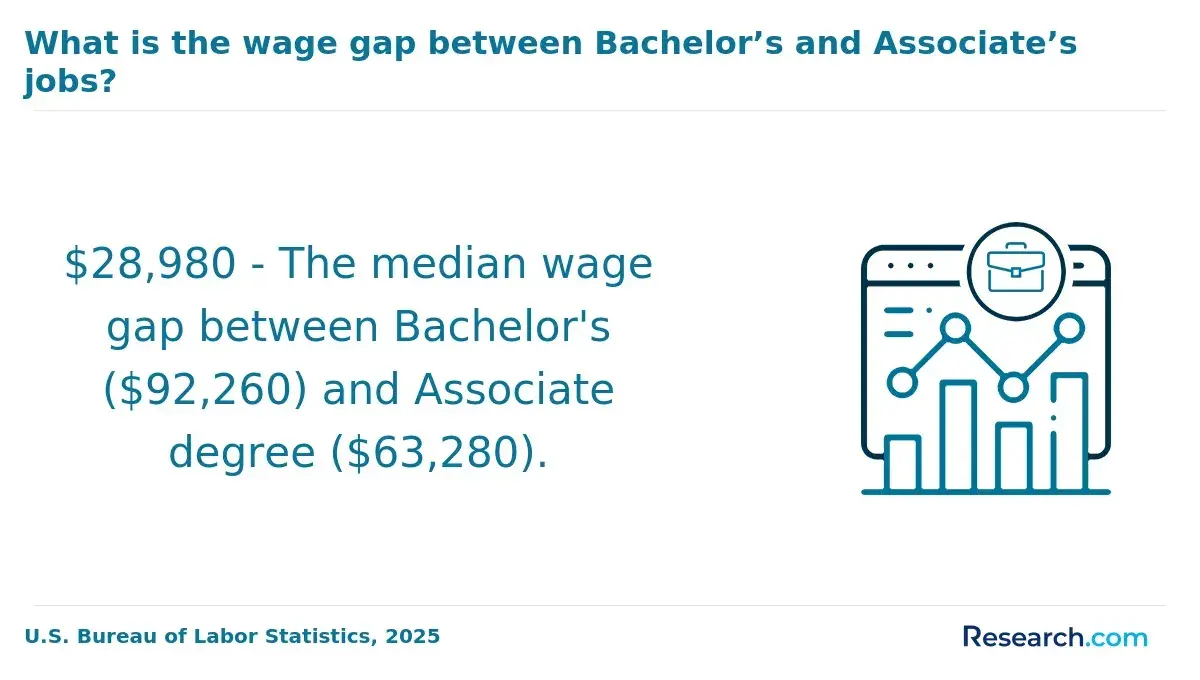
Cost differences are notable: regionally accredited online degrees may total around $28,800 in tuition over four years, approximately half the cost charged annually to in-state students at many public four-year institutions, which average $11,260 per year. This financial advantage aligns with working professionals' needs but requires proactive planning to supplement limited on-campus engagement with internships or external practical experience.
Campus-based auditing programs benefit from structured schedules fostering peer learning and immediate faculty feedback, elements that support mastery of complex audit simulations. Conversely, asynchronous online study suits those balancing full-time employment or family responsibilities but demands rigorous time management and deliberate networking efforts.
Employers in audit fields prioritize candidates with proven hands-on experience and effective communication, regardless of degree format. Therefore, students pursuing an online construction management degree or similar pathways should actively secure real-world exposure to offset the less direct professional environment typical of online studies.
Which accredited schools offer the best online bachelor's in accounting with strong auditing courses?
Choosing an online bachelor's degree in accounting with comprehensive auditing coursework requires weighing curriculum depth against practical workforce demands. Top accredited programs like Indiana University's Kelley School of Business, University of Alabama, and Penn State World Campus align their auditing courses with CPA exam requirements and current industry standards, covering risk assessment, forensic accounting, and compliance frameworks such as GAAP and SOX. These elements matter most when students intend to meet employer expectations for both traditional auditing expertise and evolving digital skills.
Employers increasingly value auditing proficiency combined with technology capabilities like data analytics. Kelley's integration of audit software training exemplifies this trend, equipping graduates to handle modern audit methods effectively. Meanwhile, admission policies play a significant role in time-to-degree and cost; over 60% of online bachelor's in accounting programs accept at least 50% of prior credits, offering a critical pathway for working professionals to accelerate completion and reduce expenses.
For those pivoting from finance to auditing, selecting programs with rigorous practicum or case studies adds practical experience pivotal to employer confidence. Conversely, professionals balancing full-time jobs benefit most from schools providing asynchronous courses and generous credit transfer options that maintain robust auditing content without sacrificing flexibility. To access a broad overview of efficient educational options, consider exploring an accelerated business degree.
Prospective students should prioritize AACSB or ACBSP accreditation to ensure quality and market recognition; programs lacking detailed audit report preparation or SOX compliance may necessitate further certification after graduation.
What auditing and accounting courses can you expect in an online bachelor's curriculum?
Online bachelor's programs with a core auditing and accounting curriculum for online degrees increasingly blend traditional accounting principles with specialized audit training to meet shifting workforce expectations. Graduates must navigate complex rule sets such as Generally Accepted Auditing Standards (GAAS) while mastering practical IT skills in platforms like SQL and advanced Excel analytics. This dual focus responds directly to employer demand for auditors who can analyze large data sets to detect fraud and assess cybersecurity risks-tasks that manual audit methods no longer sufficiently address.
The curriculum includes key courses in financial, managerial, and intermediate accounting, combined with targeted auditing topics like risk assessment, internal control evaluation, and compliance verification. Students also encounter taxation, business law, and ethics to understand the broader regulatory environment. However, an online format demands disciplined study habits, as mastering audit sampling techniques and evidence evaluation without direct in-person guidance presents a measurable challenge.
Outcomes align with CPA exam preparation and roles such as internal auditor, external auditor, or compliance analyst, making the programs viable for professionals aiming for a career pivot or advancement. Practical exposure to synchronous and asynchronous learning scenarios attempts to replicate audit team collaboration and reporting workflows, which helps develop applicable teamwork skills. Those exploring further specialization or complementary skills might consider courses like an online masters in human resource management to broaden career options beyond core financial auditing functions.
How can you verify accreditation and program quality for an online accounting degree with auditing?
Selecting an online accounting program with auditing coursework hinges on accreditation recognized by the U.S. Department of Education or CHEA to ensure licensure eligibility and employer credibility. Accreditation alone, however, is insufficient without alignment between curriculum and current audit industry demands. For instance, audit roles increasingly require skills in data analytics and automation; the Institute of Internal Auditors reports that 73% of chief audit executives expect growth in these areas within their teams over three years. Candidates who ignore this shift risk pursuing programs that emphasize outdated auditing techniques, limiting their competitiveness in financial services or internal audit positions.
Evaluating program quality extends to outcome metrics such as CPA exam pass rates, graduate employment percentages, and integration with professional bodies. A practical consideration is whether a program offers internship or practicum options, enhancing real-world preparedness. Faculty expertise in emerging audit technologies should also factor into decision-making for professionals seeking adaptable skills rather than purely theoretical knowledge.
Flexibility is another critical dimension - programs that transparently disclose credit transfer policies and realistic time-to-completion accommodate working professionals balancing multiple responsibilities. Employers expect graduates who can demonstrate foundational accounting expertise alongside proficiency with evolving audit tools, so understanding how a program addresses these expectations can prevent investing in credentials that impede career progression.
What are the typical admission requirements for online bachelor's programs in accounting with auditing?
Admission to online bachelor's programs in accounting with auditing coursework closely ties to practical readiness for increasingly technical and regulated roles. Most candidates must hold a high school diploma or equivalent, provide official transcripts, and meet a minimum GPA, commonly between 2.5 and 3.0. With the shift toward test-optional policies, standardized scores like the SAT or ACT have become less critical, though prior college credits require transcript submission. Admissions also assess qualitative factors such as letters of recommendation and personal statements to gauge alignment with career objectives in audit and accounting.
The widespread adoption of the CPA Evolution framework, emphasizing auditing and IT, has recalibrated admissions toward candidates demonstrating strong quantitative skills and critical thinking. This shift impacts student preparedness and signals employer priorities, particularly in audit-dense sectors like financial services. For example, those lacking a robust foundation in math or business may face extended study timelines or prerequisite coursework before advancing, delaying entry into competitive audit roles.
Applicants should verify that their chosen program's criteria reflect these practical demands. Work experience, while not mandatory, can significantly enhance an application, especially for working professionals intent on transitioning within accounting fields. Overlooking these nuances can result in remediation, prolong degree completion, and affect employability in fields where integrated IT and audit competencies are increasingly nonnegotiable.
How long does it take to complete an online accounting bachelor's with auditing and what does it cost?
Completing an online bachelor's degree in accounting with auditing coursework demands a significant time and financial commitment, with most programs requiring 120 to 130 credit hours typically finished in four years full-time. Students managing full-time jobs often face extended timelines of five to six years, unless they opt for accelerated year-round courses that can shorten study duration to around three years. Tuition costs display wide variability: public institutions often charge between $10,000 and $25,000 for in-state online students, while private colleges may exceed $30,000 to $60,000, with extra fees for technology and materials adding several thousand dollars more.
Choosing a program solely on cost overlooks crucial factors for employability and career trajectory. Employers prioritize accountants and auditors with demonstrable skills and applied auditing experience gained through rigorous curricula. For example, a working professional completing a full-time program concurrently with relevant finance employment could see earlier salary growth compared to part-time students enrolling in less demanding programs.
Key considerations beyond tuition include licensing exam expenses and preparatory courses, which extend the credentialing pathway. According to U.S. Bureau of Labor Statistics data cited by Forbes Advisor, median annual wages for accountants and auditors hover around $80,000, spiking by 10-20% in sectors like finance and insurance where specialized auditing expertise is valued.
What entry-level careers can you pursue with an online accounting degree focused on auditing?
Online accounting degrees with an auditing focus prepare graduates for roles such as internal auditor, external auditor, compliance analyst, and junior forensic accountant-but practical experience is often the deciding factor in early hiring decisions. For example, internal auditors evaluate organizational controls across diverse sectors like manufacturing and healthcare, while external auditors verify financial reports for adherence to standards and regulations, typically within public accounting firms. Employers expect proficiency in audit software tools such as ACL or IDEA and a strong grasp of GAAP and GAAS, skills that rigorous online programs explicitly integrate into their curricula.
Entry-level candidates without internships or part-time audit roles during their studies face steeper challenges due to the profession's emphasis on demonstrated experience. Programs boasting retention rates above the national average of 66% often provide better academic support and practical exposure, which correlate with improved workforce readiness. Graduates demonstrating familiarity with risk assessment taught in online courses tend to advance faster within regional CPA firms compared to peers lacking targeted audit training.
Career pivots into auditing require nuanced understanding of sector-specific expectations. Government audit positions prioritize compliance monitoring aligned with federal and state regulations, whereas corporate auditors increasingly focus on profitability analysis and strategic risk assessment. This divergence should shape job search strategies post-degree for working professionals seeking meaningful role alignment.
What salary ranges and job outlook can graduates with auditing-focused accounting degrees expect?
Starting salaries for graduates with auditing-focused accounting degrees typically range from $55,000 to $70,000, influenced heavily by geographic location, employer size, and industry type. Mid-career auditors generally see earnings between $75,000 and $95,000, with senior-level roles surpassing $100,000, especially within large public accounting firms or major corporate internal audit departments. Federal auditors typically earn around $77,000 annually, but those working in finance, insurance, or manufacturing may experience more variation depending on company scale and audit complexity.
Deciding where to pursue audit roles involves weighing salary against cost of living and job stability. For example, metropolitan areas often provide higher pay but also come with increased expenses and tougher competition, whereas smaller markets might offer steadier job openings despite lower wages. Specializations such as IT auditing or forensic accounting tend to command premium pay and narrower but lucrative career paths; targeted coursework is essential in these cases.
Employer tuition assistance reduces the financial burden for nearly 40% of online accounting undergraduates, lowering annual costs by about $4,000. This subsidy is critical for working professionals who need to maintain income while advancing credentials, including preparation for the CPA exam. The U.S. Bureau of Labor Statistics projects a 7% growth rate for auditors and accountants from 2024 to 2034, driven by ongoing demand for compliance, fraud prevention, and financial accuracy amid evolving regulatory environments.
How do auditing-focused accounting bachelor's degrees prepare you for CPA, CIA, or CISA certification?
Bachelor's degrees emphasizing auditing lay a strategic foundation for certifications such as CPA, CIA, and CISA by closely integrating auditing fundamentals with regulatory frameworks and risk assessment techniques essential to these credentials. The alignment with professional standards like GAAS benefits CPA candidates through targeted coverage of auditing and attestation exam domains, facilitating a smoother certification process and workplace readiness.
For candidates pursuing the CIA certification, curricula deepen expertise in internal audit methodologies, governance, and ethics-elements critical to passing the exam and applying skills in compliance and operational audit roles. Similarly, CISA aspirants gain focused knowledge of IT audit and security controls, aligning academic content with certification demands in increasingly technology-driven risk environments.
Real-world challenges often extend beyond classroom instruction, including securing applicable professional experience hours and meeting continuing education requirements. Programs that embed internships, hands-on case studies, and simulations mitigate these gaps by exposing students to authentic audit scenarios and the judgment calls auditors regularly face.
From a workforce standpoint, the financial return is measurable: Georgetown University's data indicates individuals with a bachelor's in accounting earn roughly $1.2 million more over a lifetime than those with only high school education. This premium reflects employers' preference for candidates demonstrating certification-aligned skills, which can translate into roles with greater responsibility and risk management challenges.
Other Things You Should Know About Accounting
Programs that include hands-on experience with auditing software provide a practical advantage in the job market. Many employers expect proficiency in tools like ACL, IDEA, or CaseWare, which are widely used in internal and external auditing. If your goal is to enter firms where technical skills are evaluated immediately, prioritizing programs with integrated software training improves your readiness and reduces onboarding time. Without this exposure, graduates often face a steeper learning curve in technology adoption during early employment.
Auditing coursework demands attention to detail, critical thinking, and complex problem-solving, which can be challenging to replicate fully online. Many online programs offer asynchronous lectures but supplement them with case studies, simulations, and peer collaboration to mirror classroom engagement. However, lack of immediate instructor access can slow feedback loops, making time management essential. Prospective students should assess whether a program balances flexibility with structured checkpoints to maintain consistent rigor in auditing studies.
Practical experience remains a decisive factor for employers when evaluating accounting graduates with auditing expertise. Programs that facilitate internships or co-op placements provide critical real-world auditing exposure, enhancing your resume and networking potential. If advancing towards CPA or CIA certification, internships also fulfill experience prerequisites set by many state boards. Candidates should prioritize schools with strong industry connections over purely theoretical programs to accelerate career entry and gain applied skills.
References
- Best Online Accounting Degrees of 2025 | Accounting.com https://www.accounting.com/degrees/accounting/bachelors/best-online-programs/
- Online Accounting Degree | University of Phoenix https://www.phoenix.edu/online-business-degrees/accounting-bachelors-degree.html
- The Importance of Accreditation on Your Way to CPA : ThisWayToCPA : AICPA https://www.thiswaytocpa.com/education/articles/choosing-well/importance-accreditation-your-way-cpa-hood/
- 5 Ways to Prepare for an International Accreditation Audit: A Step-by-Step Guide https://www.ieac.org.uk/45-5-Ways-to-Prepare-for-an-International-Accreditation-Audit-A-Step-by-Step-Guide--blog.php
- 3 Best Entry-Level Accounting Roles for New Graduates - Controller Academy | Home https://controller-academy.com/blog/3-best-entry-level-accounting-roles-for-new-graduates
- Earn an Online Accounting Degree | OEDb.org https://www.oedb.org/rankings/online-accounting-programs/
- Online Bachelor's Degree: Accounting https://www.umgc.edu/online-degrees/bachelors/accounting
- CIA vs CPA: Which certification is right for you? https://www.becker.com/blog/career/cia-vs-cpa-which-certification-is-right-for-you
- Accountants and Auditors: Salary, career path, job outlook, education and more - RaiseMe https://www.raise.me/careers/business-and-financial/accountants-and-auditors/
- Welcome to - IRBA https://www.irba.co.za/