2027 Best Online Accounting Programs for Professionals Seeking Stable White-Collar Careers

Co-Founder and Chief Data Scientist
Mid-career professionals seeking to transition into accounting face a distinct challenge: balancing rigorous certification requirements with inflexible work schedules. The demand for certified accountants remains strong, yet the National Center for Education Statistics reports a 15% rise in adult learners pursuing online degrees since 2023, revealing a clear shift toward flexible education models.
This trend highlights both opportunity and risk, while online programs offer accessibility, their varying rigor and employer recognition complicate decisions. Selecting a program that aligns with professional goals, time constraints, and market expectations can dictate career momentum or stagnation.
This article evaluates leading online accounting programs tailored to foster sustainable white-collar careers by addressing these critical tradeoffs.
Key Things You Should Know
- Certified Public Accountant pass rates vary up to 25% between online programs, indicating critical differences in curriculum rigor that directly affect licensure timelines and early-career salary prospects, per the AICPA 2024 data.
- Employers increasingly prioritize applicants with integrated data analytics and regulatory compliance training, reflecting a 40% rise in tech-driven audit demands reported by the Bureau of Labor Statistics, reshaping hiring criteria for accounting graduates.
- Programs averaging over $25,000 tuition often deliver faster CPA eligibility but entail opportunity costs exceeding $10,000 annually in missed wages, forcing candidates to balance debt against accelerated credentialing outcomes.
What makes the best online accounting programs credible, accredited, and respected by employers?
Employer recognition of best online accounting programs hinges on accreditation by agencies acknowledged by the U.S. Department of Education or the Council for Higher Education Accreditation (CHEA). Such credentials confirm alignment with rigorous curriculum standards, faculty qualifications, and measurable learning outcomes.
Graduates from accredited online accounting degrees for professionals in the US often enter the workforce with competencies matched to regulatory frameworks and professional expectations, reducing credentialing barriers and accelerating job readiness.
For instance, firms in financial services prioritize candidates trained in Generally Accepted Accounting Principles (GAAP) and relevant tax codes, areas consistently emphasized by accredited programs. Conversely, non-accredited graduates face friction translating academic knowledge into qualifications recognized by employers, which can delay career progression.
The broader labor market reflects this value: projections from the U.S. Bureau of Labor Statistics indicate a 6% job growth rate for accountants between 2024 and 2034, equating to roughly 67,400 new positions. Students must weigh program flexibility against employer demands, especially in niche sectors like healthcare or government accounting, where specialized certifications or partnerships can enhance hiring prospects.
Understanding these tradeoffs includes recognizing cross-field roles such as certified professional coders. Exploring certified professional coder salary pathways can inform decisions for those evaluating adjacent credentials complementing an accounting degree.
How do online accounting degrees compare with on-campus programs for quality and flexibility?
Employers in accounting increasingly emphasize demonstrated skills, certifications, and relevant experience over whether a degree was earned online or on campus. The quality comparison between online accounting degree programs and traditional formats reveals that both often share the same rigorous curricula.
However, online formats provide essential flexibility for working individuals who must balance job and family commitments without sacrificing coursework standards.
The flexibility of online versus on-campus accounting programs boils down to tradeoffs in structure and networking. On-campus students benefit from in-person mentorship and direct professional community engagement, advantages valuable early in a career. Meanwhile, online students can accelerate practical experience by managing client work or internships concurrently, although they must arrange local internship opportunities independently.
In practice, employers prioritize proficiency in software and regulatory standards more than physical presence during education. For instance, an auditor can complete a fully accredited online degree while gaining real-time client project experience, aligning their education with industry demands. This practical approach suits mid-career professionals aiming for stability without disrupting current employment.
The U.S. Bureau of Labor Statistics projects approximately 126,500 openings for accountants and auditors each year through 2034, reflecting consistent demand that rewards timely credential completion aligned with evolving compliance standards.
Students evaluating flexible formats might also explore related fields such as online project management degree accelerated programs that complement accounting skill sets in cross-functional roles.
Which types of online accounting degrees are available, from certificates to master's programs?
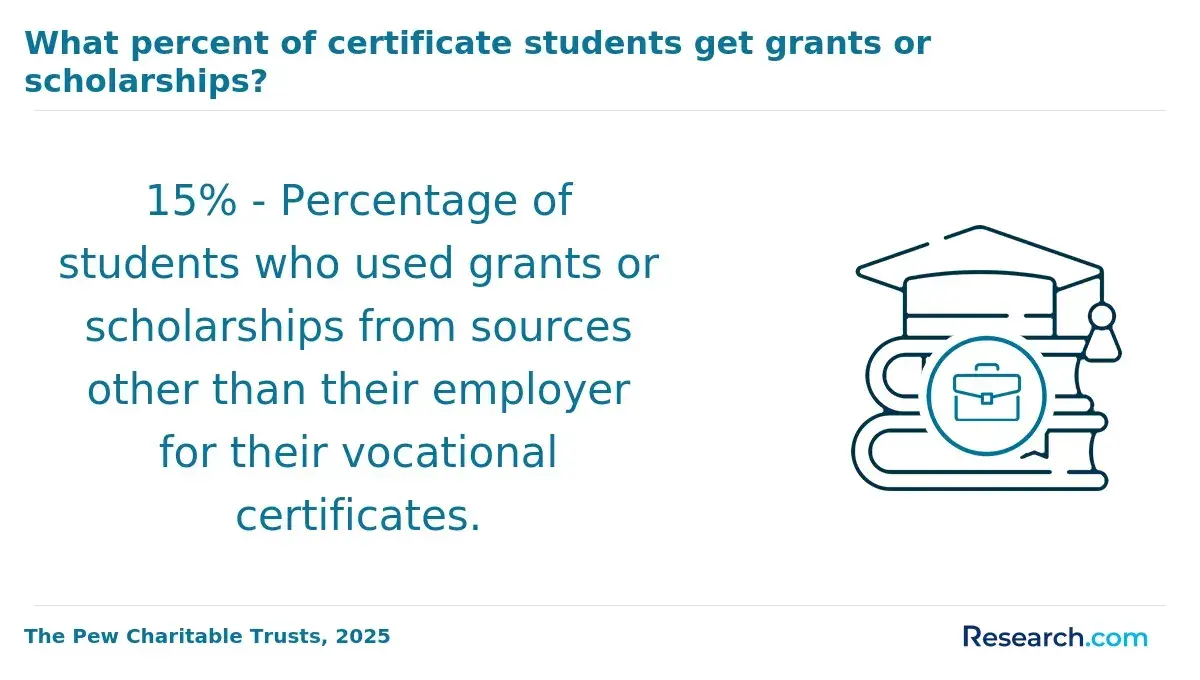
Choosing among online accounting degrees available in the US requires balancing immediate employability against long-term advancement prospects, shaped by workforce demands and credential expectations. Certificate programs, often under a year, suit individuals needing fast access to entry-level roles such as payroll specialists or accounting clerks but fall short for CPA eligibility or senior positions.
Associate degrees provide foundational expertise fit for junior auditor or accounting assistant roles; however, they typically stall career growth without further qualification.
A bachelor's degree remains the standard for most professional accounting posts and CPA preparation, covering core financial, managerial, and auditing principles. Its graduates often land median salaries near $83,580, with upper-tier earnings generally tied to certifications or master's credentials.
For mid-career professionals eyeing management roles like corporate controller, a master's degree, commonly a one-to-two-year MAcc, delivers the deeper specialization and leadership acumen increasingly required in forensic accounting or consultancy.
Those pivoting careers or intensifying accounting expertise frequently find the master's level narrows income disparities and enhances competitive standing. Meanwhile, those prioritizing swift workforce entry may favor certificates or associate degrees despite their limitations. Navigating these options pragmatically involves recognizing employer expectations versus personal timelines and wage ambitions.
For prospective students also interested in related fields, the availability of an online masters in construction management demonstrates alternative pathways reflecting market flexibility and specialization trends.
What admission requirements and prior experience do online accounting programs typically expect?
Successful entry into online accounting programs requires demonstrating a foundation in quantitative skills and academic readiness that often surpasses a high school diploma, especially at bachelor's and graduate levels.
Many bachelor's programs expect prior coursework in algebra or statistics and sometimes enforce a minimum GPA between 2.5 and 3.0. For graduate-level admission, a relevant bachelor's degree plus foundational and intermediate accounting courses are typically mandatory, alongside practical experience ranging from one to three years in accounting or finance.
This prerequisite ensures students can relate academic concepts to real-world business situations, a critical factor for those aiming to pivot into accounting from unrelated fields, such as retail management, who must often first complete foundational accounting coursework.
When evaluating online accounting program admission criteria, applicants should consider the financial upside of online degrees compared to traditional on-campus options. An analysis of 2026 tuition costs reveals that high-quality online bachelor's accounting programs average $9,000-$12,000 annually in-state, significantly lower than $21,000-$24,000 for comparable on-campus business degrees.
This cost differential allows many students to allocate savings toward certifications or additional skills vital for competitive roles like audit or tax advisory.
Additional hurdles include verifying prior coursework equivalency and balancing synchronous schedules, particularly for those with non-traditional educational backgrounds who may need to provide comprehensive transcripts or standardized test scores. Strategic navigation of these requirements shapes the practical value of an online accounting degree as a tool for workforce entry or targeted career shifts.
Prospective students can explore further options through online degree business administration resources that outline these dynamics alongside program-specific insights.
What core courses and specialized concentrations do online accounting curricula usually include?
Programs that align closely with CPA exam requirements deliver measurable advantages in certification success and career mobility. Graduates from such online curricula frequently surpass a 60% first-time pass rate, exceeding the general 50% candidate average reported by the National Association of State Boards of Accountancy. This difference translates into fewer exam retakes, less time to credential attainment, and stronger positioning for roles demanding CPA licensure.
Core courses covering financial accounting, managerial accounting, auditing, taxation, and business law remain essential but insufficient in isolation. Employers increasingly value competencies in technology integration, data analytics, and critical thinking-skills emphasized in CPA Evolution-aligned offerings.
Specialized tracks such as forensic accounting, governmental and nonprofit accounting, and corporate accounting each serve distinct workforce needs, whether investigating financial fraud, managing public sector funds, or controlling internal finances in industry-specific contexts.
Practical factors strongly influence student outcomes. Programs offering flexible sequencing, asynchronous content, instructor support for complex subjects like auditing, and applied experiences (virtual labs or case studies) better accommodate working professionals. Online learners balancing full-time jobs benefit most from clear pathways through electives and manageable workloads.
Strategically, candidates should weigh how curricula's balance of foundational rigor and specialization maps to current employer demands and affects long-term career stability within the accounting field.
How long do online accounting programs take and what scheduling formats do they offer?
Online accounting programs demand careful scheduling decisions to balance professional obligations and educational progress. Bachelor's degrees typically require 12 to 24 months, while master's degrees extend to 18 to 36 months based on transfer credits and personal pacing. For quicker credentialing, certificates or associate degrees can be finished in 6 to 12 months, appealing to professionals seeking rapid skill enhancement.
Different delivery models address workforce constraints with varying degrees of flexibility:
- Fully asynchronous courses permit learners, including those in healthcare finance or corporate roles with irregular shifts, to study independently without fixed class times.
- Hybrid formats combine scheduled live sessions, often restricted to evenings or weekends, with on-demand content-ideal for CPA candidates or auditors needing interactive feedback yet maintaining work commitments.
- Accelerated tracks compress traditional timelines but risk destabilizing income and job continuity for employed students.
Employers emphasize program relevance and completion over rapid advancement, favoring attainable pacing that maintains employment stability. Practical challenges include managing deadlines and synchronizing exams with peak work periods, such as tax season for preparers. Programs offering configurable session lengths and rolling admissions enable critical pauses during high-demand times, reducing financial disruption for working adults.
These factors significantly influence employability after graduation, where credential validity and sustained work history often outweigh speed. Choosing a schedule that aligns with one's current professional role, personal obligations, and long-term career plans remains the most pragmatic strategy for navigating online accounting education.
Survey data from Intelligent.com confirms over 70% of online students hold full-time jobs, underscoring the importance of such adaptable learning frameworks.
How much do online accounting degrees cost, and what financial aid or employer benefits apply?
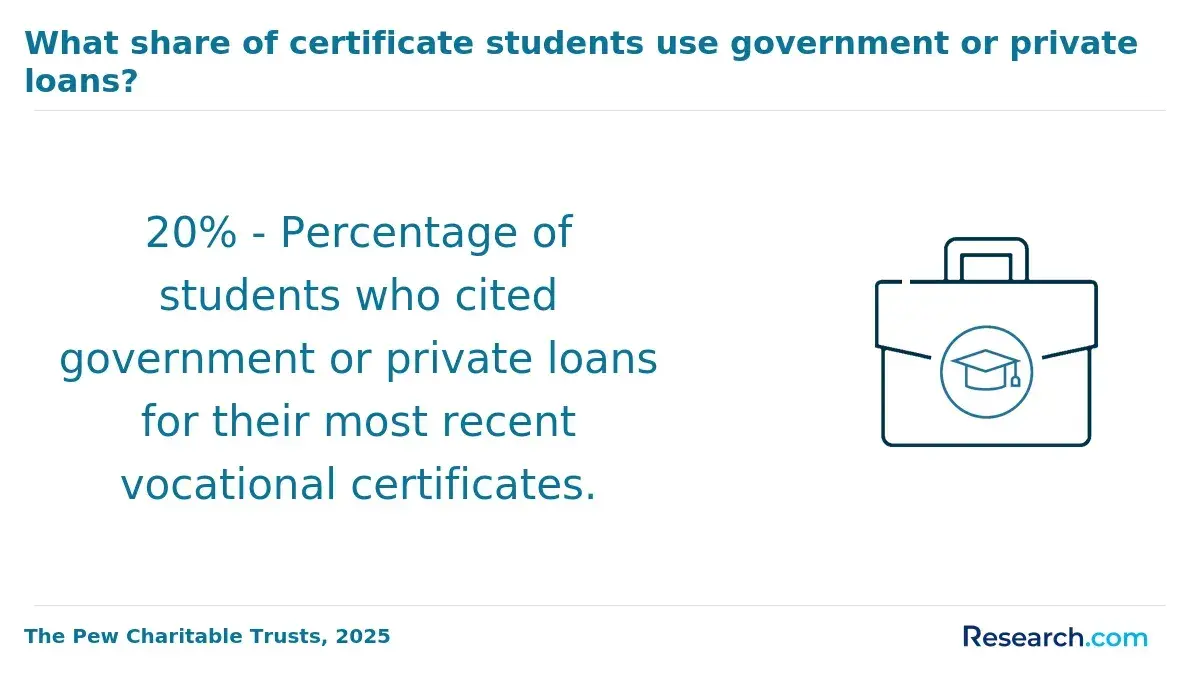
The cost of online accounting degrees varies significantly, typically ranging from $15,000 to $40,000 for a bachelor's program, with public institutions offering lower rates than private ones.
Students who transfer from community colleges or qualify as in-state residents often benefit from rates near the lower end, while out-of-state or private university enrollees may face the highest tuition. Because tuition is commonly charged per credit hour, managing course loads is key for working professionals balancing education and employment demands.
Financial aid, including federal Pell Grants and Direct Loans, can alleviate upfront costs or provide manageable repayment plans. Employer tuition reimbursement, often covering 50% to 100% of expenses, is another practical route.
However, these programs usually require students to maintain satisfactory academic progress and remain with the employer for a designated period after graduation. For instance, a mid-level accountant in a corporate finance role might leverage such benefits to minimize personal investment in earning the degree while advancing within their company.
Programs that maintain job placement rates above 90% within six months reflect the link between educational efficiency and accelerated salary growth in public accounting or corporate finance roles. Careful evaluation is necessary, weighing total cost of attendance against the employer's subsidy policies, including caps and retention requirements.
Comparing accelerated degree formats to traditional pacing helps mitigate income loss from extended time-to-degree. Transparent pricing and proven graduate outcomes remain essential criteria when selecting a program that aligns with evolving hiring standards in the accounting labor market.
What stable white-collar careers can an online accounting degree prepare you for?
The value of an online accounting degree depends largely on how well graduates align their specialized skills with specific industry requirements. Roles such as financial analyst, auditor, tax consultant, corporate controller, and forensic accountant demand not only foundational accounting knowledge but also targeted expertise relevant to each function's operational context.
For example, financial analysts must be proficient in advanced financial modeling and reporting, essential in banking or manufacturing sectors. Auditors, both internal and external, focus on compliance verification and fraud detection, with regulatory frameworks like Sarbanes-Oxley shaping their work environments.
Tax consultants rely on deep understanding of tax law intricacies to advise varied client bases, while corporate controllers manage complex budgeting and ERP systems within firms. Forensic accountants leverage investigative skills intertwined with accounting principles, frequently interacting with legal or regulatory agencies.
Decision-making about pursuing this degree should factor in critical certifications like CPA or CMA, which often serve as hiring gatekeepers and salary multipliers. Additionally, the shift toward data analytics and digital fluency means traditional accounting competencies alone may limit career mobility.
Employers expect graduates to offer practical adaptability across tools and regulatory regimes, highlighting the importance of integrating technical aptitude with real-world experience.
What salaries, advancement opportunities, and job outlook can accounting graduates expect?
Entry-level accounting roles typically offer starting salaries near $60,000, but advancing within five years can push median wages to around $77,000 according to U.S. Bureau of Labor Statistics 2024 data. Earning CPA licensure often increases compensation by 15-30%, a premium reflecting expectations for leadership in senior positions.
Professionals usually encounter a critical inflection point between years 3 and 7 where roles like senior accountant, auditor, or financial analyst lead to management or advisory tracks.
Job growth projections from 2024 to 2034 align with average occupational expansion at 7%, though competition intensifies during economic fluctuations and varies regionally. Public accounting's demanding hours contribute to the appeal of accelerated pathways.
Some online programs enable degree completion in 18-24 months for those with prior credits, reducing opportunity cost and speeding workforce reentry for career changers or those minimizing income gaps.
Sector choice significantly influences earning potential. Corporate, finance, and insurance employers generally pay more than government or nonprofit entities. Additionally, integrating accounting skills with data analytics or cybersecurity meets employer demand for adaptive talent addressing regulatory and technological shifts.
Which certifications and licensing steps (like CPA, CMA, CIA) follow an online accounting degree?
Obtaining professional certification after an online accounting degree requires navigating complex, varied credentialing pathways that significantly affect employability and timelines. For instance, CPA candidates must meet 150 semester hours, pass the Uniform CPA Exam, and complete 1-2 years of supervised experience under a licensed CPA.
Failure to verify that an online program aligns with state board standards often causes costly delays. CMAs focus on management accounting with a two-part exam and 2 years of relevant work experience, appealing to those targeting corporate finance or strategic roles beyond traditional public accounting. Meanwhile, CIAs require passing a rigorous three-part exam and accumulating 2 years of internal audit experience, fitting careers in risk management and compliance.
Workforce shifts intensify these credential demands: 82% of firms surveyed in Deloitte's 2025 Future of Work in Accounting study plan to hire candidates with data analytics or AI skills, which will become baseline competencies within five years. Consequently, accountants relying solely on classic tax and audit knowledge risk obsolescence unless they pursue supplemental tech-focused certifications or training.
Given state boards' varying acceptance of online credits and employers' industry-specific experience preferences, graduates must select programs combining exam prep with modern technical skills. This strategic alignment minimizes licensing delays and maximizes employability, particularly as automation reshapes core accounting functions.
Other Things You Should Know About Accounting
Most reputable online accounting degrees incorporate internships, capstone projects, or virtual simulations to build practical skills. These are critical because accounting roles emphasize real-world application and compliance knowledge. Candidates without hands-on experience often struggle to meet employer expectations, so students should prioritize programs with mandatory experiential components to enhance employability.
Yes, prioritizing programs tailored to CPA exam requirements is essential for candidates targeting public accounting or senior financial roles. Such programs align coursework, credit hours, and ethics preparation with state board requirements, reducing additional time and cost burdens. Choosing a program without this focus risks lengthening the path to licensure and limits access to higher-level positions.
Employers place more value on the program's accreditation, candidate experience, and relevant certifications than on delivery format. However, degrees from online programs lacking recognized accreditation or practical components may trigger skepticism. Candidates should emphasize internship experience, CPA progress, and proficiency in accounting software to counterbalance any bias against online learning.
References
- Accelerated Accounting Degrees Online 2025 | Accounting.com https://www.accounting.com/degrees/accounting/accelerated-online-bachelors/
- Earn an Online Accounting Degree | OEDb.org https://www.oedb.org/rankings/online-accounting-programs/
- Majoring in Accounting: What to Expect as an Accounting Major https://www.aiuniv.edu/degrees/business/articles/majoring-in-accounting-what-to-expect-as-an-accounting-major
- Accounting Major Online Degree | SUNY Plattsburgh https://www.plattsburgh.edu/programs/accounting-major-online.html
- Online AA in General Studies | Accounting Concentration | TUW https://www.tuw.edu/academics/general-studies/online-associate-arts-general-studies-accounting/
- Online Masters in Accounting Degree Programs, No GMAT https://teach.com/online-ed/business-degrees/online-masters-accounting/
- How Long Does It Take to Complete an Online Accounting Course? - Best Colleges Online https://www.bestcollegesonline.org/faq/how-long-does-it-take-to-complete-an-online-accounting-course/
- The Most Valuable Skills You'll Develop in an Online Accounting Program https://www.ucumberlands.edu/blog/most-valuable-skills-youll-develop-online-accounting-program
- What Is a Bachelor’s Degree in Accounting? | University of Phoenix https://www.phoenix.edu/articles/accounting/what-is-a-bachelors-degree-in-accounting.html